Minimalist Ceramic Wood Lid Mug Suppliers and Manufacturers
Source 28 suppliers for Minimalist Ceramic Wood Lid Mug products. Compare lead times, MOQs, certifications, and response speeds to find the right partner. Verify supplier credentials and request samples to ensure quality; review the available evidence before requesting comparable quotations from suitable candidates.
Suppliers List
Haosheng (zibo) International Trade Co., Ltd.
- Verified by Intertek
- Trading Company
- Lead time35 days
- Avg. response≤ 2h
Main productsCeramic Mug, Stainless Steel Tumblers
Main marketsNorth America(40%), Northern Europe(30%), Eastern Asia(10%)
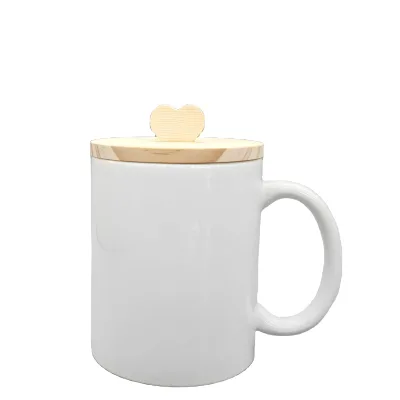
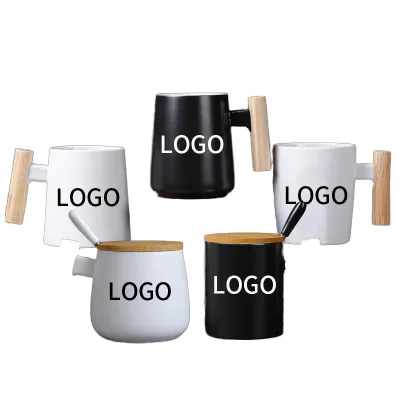
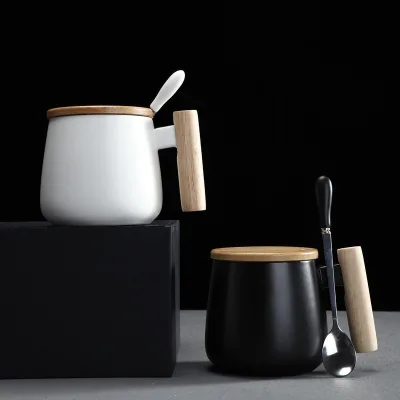
Wholesale 14oz 17oz White Wooden Porcelain Custom Logo Printed Black Ceramic Coffee Mug with Spoon
$0.95 - $1.89
MOQ: 100 pieces
Hangzhou Packaging Imp. & Exp. Co., Ltd.
- Verified by SGS Group
- Trading Company
- Lead time10 days
- Avg. response≤ 2h
Main productsWood Box, Wine Box, Wooden Barrel, Chopping Board, Pet Items
Main marketsNorth America(35%), Western Europe(15%), Mid East(15%)
Shuifu Huiyang Agricultural Technology Co., Ltd.
- Verified by SGS
- Trading Company
- China Yunnan
- Lead time23 days
- Avg. response≤ 2h
Main productsBamboo Products, Bamboo Crafts, Bamboo Chopsticks, Bamboo Skewers, Bamboo Weaving, Bamboo Tray, Bamboo Box, Bamboo Placemat, Bamboo Fruit Bowl, Lamp Shades
Main marketsDomestic

Fujian Dehua Enjoy Homegoods New Media Co., Ltd.
- Manufacturer, Trading Company
- Fujian, China
- Lead time35 days
- Avg. response≤ 9h
Main productsCandle & Home Fragrance,Candle Jar & Candle Holders,Drinkware,Dinnerware,Vase & Planter
Main marketsSouth America(44.0%), North America(44.0%), Eastern Europe(12.0%)
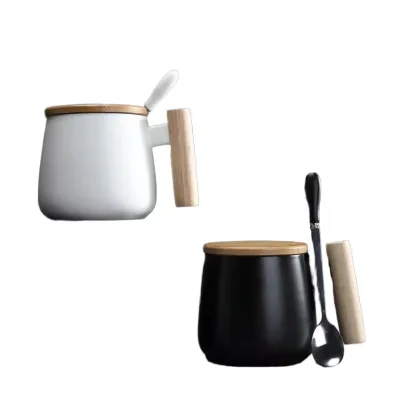
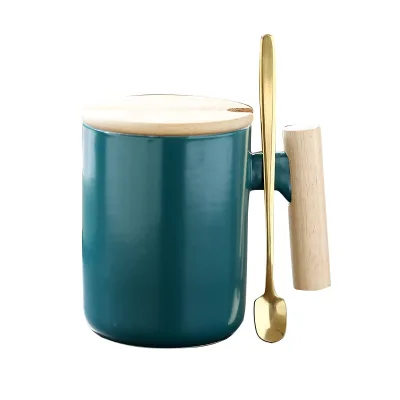
Ceramic Mug Home Office Tea Milk Coffee Cup with Lid and Spoon Ceramic Coffee Mug with Wooden Handle
$1.69 - $2.09
MOQ: 1000 pieces
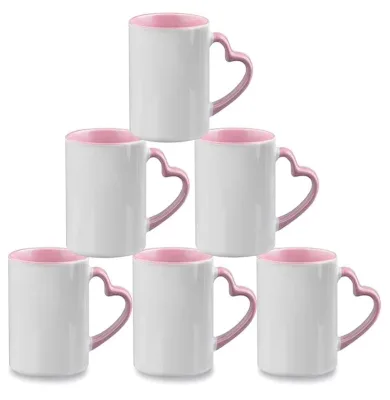
Sublimation Blank Coffee Ceramic Mugs Blank White Mug Cup with Pink Color Mug Inner and Heart Handle
$1.29 - $1.49
MOQ: 1000 pieces
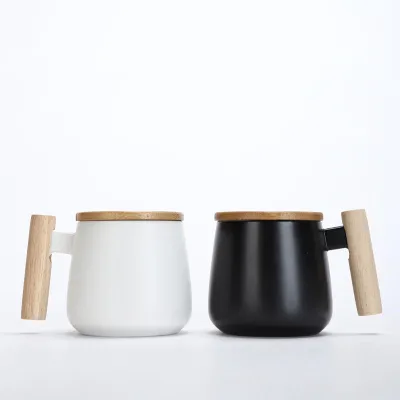
Nordic Style Minimalist Customizable Wooden Handle, Bamboo Lid, Ceramic Coffee Cup 350ml
$1.42 - $1.83
MOQ: 500 pieces

Changsha Sofly Industry Co.,Ltd
- Verified by BV
- Trading Company
- China Hunan
- Lead time15 days
- Avg. response≤ 6h
Main productsPower Bank, Digital Luggage Scale, USB Flash Drive, LED Light, LED, Mobile Battery Charger, USB Stick, USB 2.0 USB 3.0, Digital Hanging Portable Scale, Digital Scale
Main marketsEurope

$0.99 - $1.69
MOQ: 100 Pieces

Ceramic Coffee Mug with Lid and Wood Base Custom Cork Bottom Travel Coffee Mug W/ Lid - 12 Oz
$1.30 - $1.80
MOQ: 200 Pieces

$3.89 - $12.89
MOQ: 100 Pieces


$3.60 - $4.20
MOQ: 200 Pieces

Chaozhou City Cha'an District Fengtang Town Sai Si Ceramics Factory
- Verified by CTI
- Combined
- China Guangdong
- Lead time30 days
- Avg. response≤ 6h
Main productsMugs, Ceramic Tissue Boxes, Ceramic Pet Bowls, Ceramic Vases
Main marketsDomestic

$4.00 - $8.00
MOQ: 1000 Pieces

Ceramic Mug Fresh and Simple Cup Wooden Handle Handle Ceramic Cup Coffee Cup Mug with Lid
$4.00 - $8.00
MOQ: 1000 Pieces


Mug Customized Ceramic Coffee Mug Wholesale Large Ceramic Coffee Mugs with Wooden Lid
$4.00 - $8.00
MOQ: 1000 Pieces


Custom Nordic Matte White Black 14oz Cup Ceramic Coffee Mug with Wooden Handle Lid Spoon
$2.00 - $4.00
MOQ: 1000 Pieces

Jinjiang Jiaxing Import and Export Co., Ltd.
- Verified by CTI
- Manufacturer/Factory
- China Fujian
- Lead time120 days
- Avg. response≤ 1h
Main productsShoes, Slipper, Clothes, Promotion Gifts, Silicone Products, Outdoor Sports Products, Bags, Fashion Accessories, Consumer Electronics
Main marketsSouth America,Eastern Europe,Mid East,North America,Southeast Asia,Eastern Asia,Oceania,Western Europe,Africa

Xiamen Yoyo Ceramic Trading Co., Ltd.
- Verified by BV
- Combined
- China Fujian
- Lead time23 days
- Avg. response≤ 9h
Main productsCeramic Mugs, Ceramic Plates, Teawares, Ceramic Canisters, Ceramic Vases, Ceramic Flower Planters, Ceramic Coin Bank, Flowerpot, Canisters, Resin Crafts
Main marketsSouth America,Africa,Southeast Asia/ Mideast,East Asia(Japan/ South Korea),Europe,Australia,North America

Ceramic Coffee Mug with Lid & Wooden Handle Porcelain Tea Cup for Home Office
$0.69 - $2.79
MOQ: 1000 Pieces

Shenzhen Bogart Kitchenware Co., Ltd.
- Verified by TüVRheinland
- Trading Company
- Lead time15 days
- Avg. response≤ 2h
Main productsCoffee & Tea Sets, Matcha Tools, Portable Coffee Maker, Coffee Tumbler & Mugs, Coffee Accessories
Main marketsMid East(30%), North America(20%), Western Europe(13%)
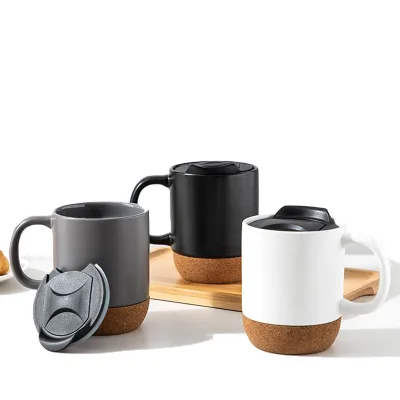
$2.38 - $3.58
MOQ: 10 pieces
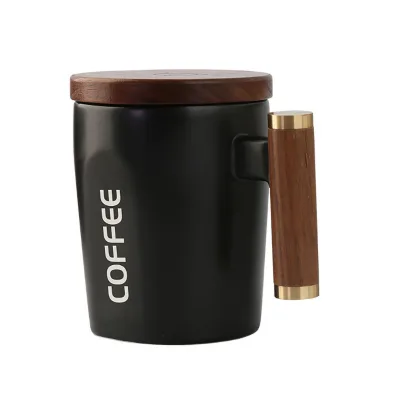
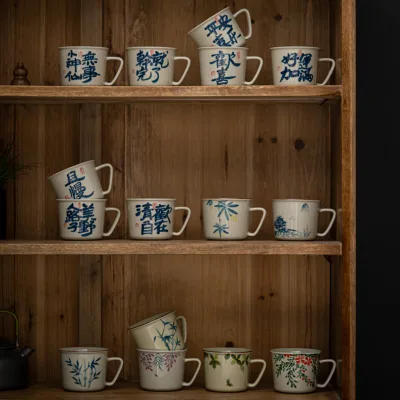
$5.20 - $5.90
MOQ: 1 pieces

LION PROMOTIONAL GIFT CO., LIMITED
- Trading Company,Manufacturer/Factory
- China Zhejiang
- Lead time15 days
- Avg. response≤ 25h
Main productsPromotional Gifts, Giveaways, Advertising Gift, Premium Items, Publicity Material, Freebie Items, Marketing Gifts, Campaign Gifts, Promotional Products, China Gifts Supplier
Main marketsSouth America,Mid East,North America,Southeast Asia,Oceania,Western Europe,Africa
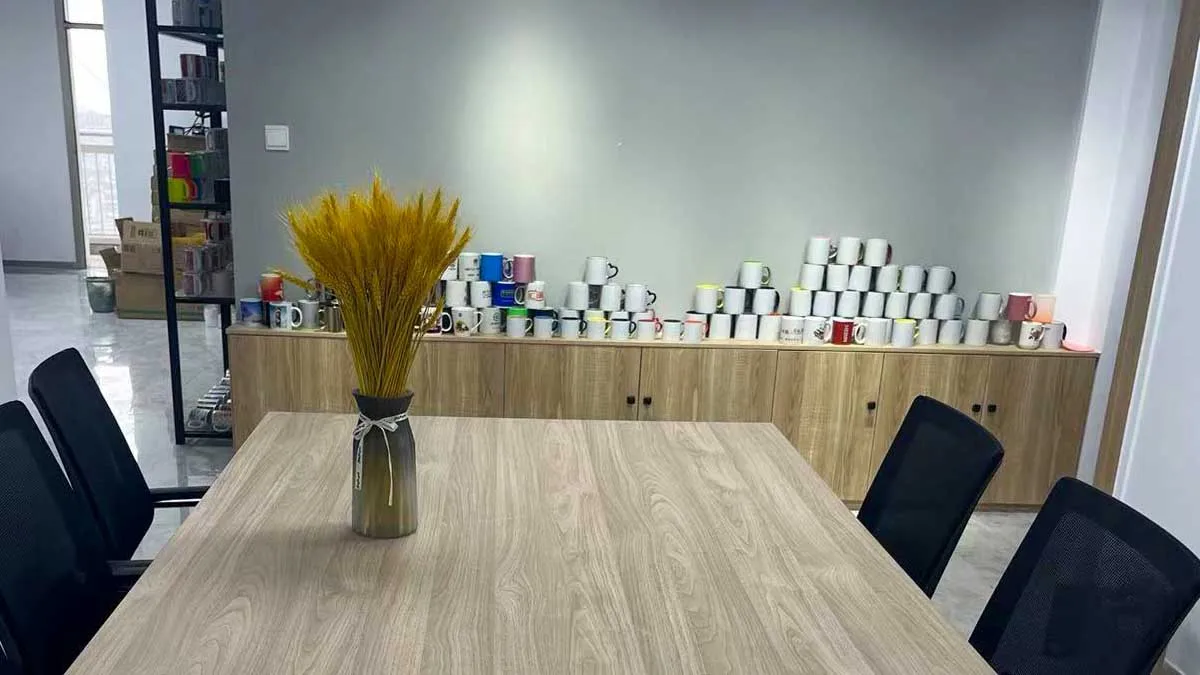
- Manufacturer, Trading Company
- Shandong, China
- Lead time30 days
- Avg. response≤ 8h
Main productsMug,Sublimaion mug,Coffee mug,Ceramic mug,Decal mug
Main marketsWestern Europe(30.0%), North America(30.0%), Southern Europe(10.0%), Northern Europe(10.0%), Eastern Europe(10.0%), Oceania(10.0%)

Foshan Ciray Household Products Co., Ltd.
- Trading Company,Manufacturer/Factory
- China Guangdong
- Lead time45 days
- Avg. response≤ 19h
Main productsCeramic Plate, Ceramic Bowl, Ceramic Tray, Stainless Steel Tray, Stainless Steel Cutlery, Stainless Steel Plate, Coffee-Related Products, Ceramic Ornaments, Ceramic Tableware, Glass Tableware
Main marketsSouth America,Eastern Europe,North America,Oceania,Western Europe


Custom 10.6oz Ceramic Coffee Cup and Saucer Creative Wooden Saucer Ceramic Mug
$2.60 - $3.00
MOQ: 1000 Sets


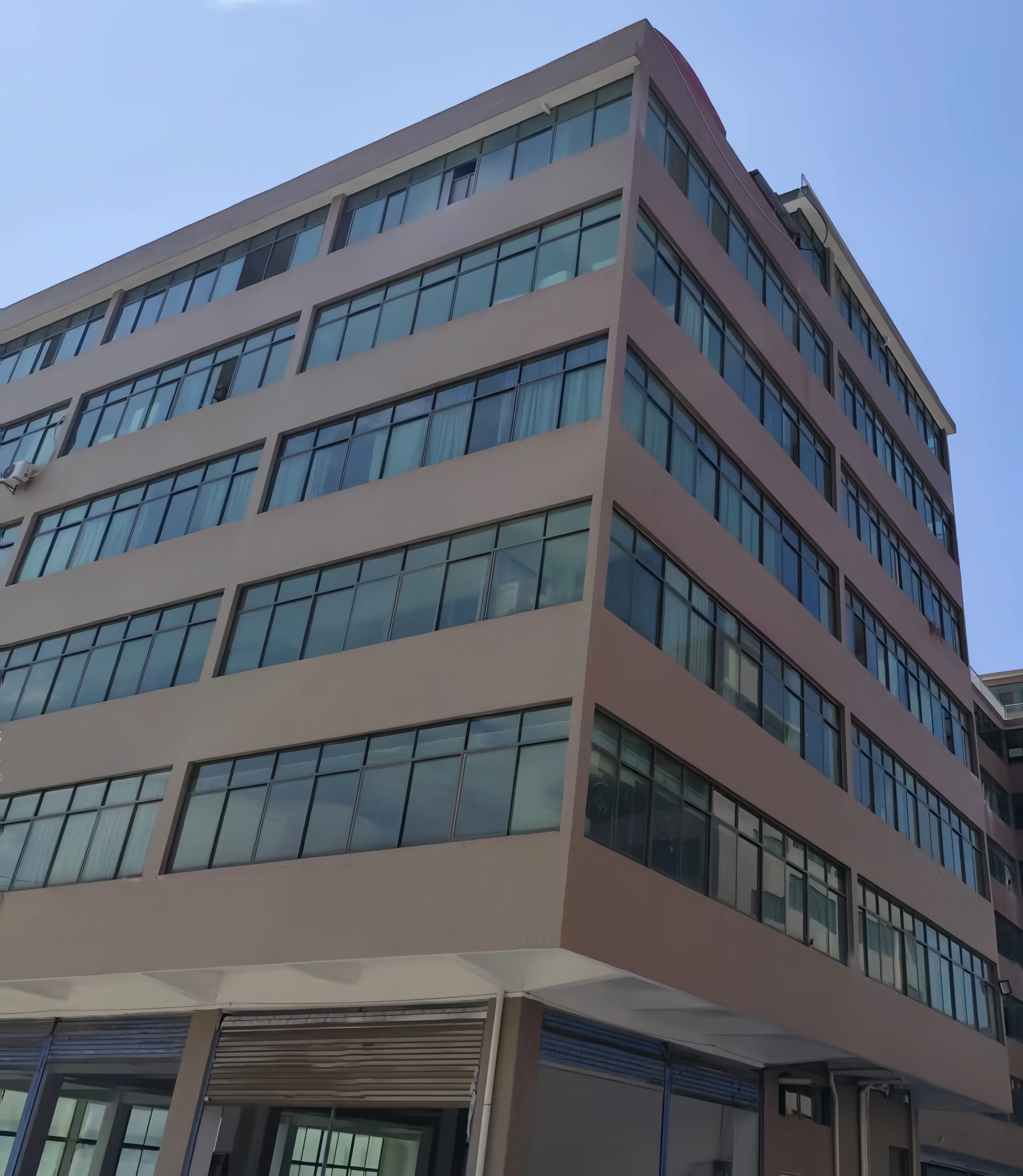
Fujian Dehua Baike Crafts Co., Ltd.
- Manufacturer
- Fujian, China
- Lead time20 days
- Avg. response≤ 3h
Main productsceramic blanks,ceramic coasters,fridge magnets,ceramic trivet,ceramic mug
Main marketsSoutheast Asia(30.0%), Western Europe(10.0%), South Asia(10.0%), Eastern Europe(10.0%), Southern Europe(10.0%), Northern Europe(10.0%), North America(10.0%), Eastern Asia(5.0%), Mid East(5.0%), South America(5.0%), Central America(5.0%)
Cao County Grandview Arts & Crafts Co., Ltd.
- Manufacturer, Trading Company
- Shandong, China
- Lead time20 days
- Avg. response≤ 3h
Main productskitchen knife rack,wooden trash bin,wooden frames,kitchen wall shelf,bathroom storage rack
Main marketsNorth America(35.0%), Western Europe(13.0%), South Asia(10.0%), Eastern Europe(7.000000000000001%), Mid East(7.000000000000001%), Southern Europe(5.0%), Domestic Market(5.0%), Eastern Asia(5.0%), Southeast Asia(5.0%), Northern Europe(4.0%), Oceania(2.0%), Africa(2.0%)
- Manufacturer/Factory
- China Fujian
- Lead time38 days
- Avg. response≤ 1h
Main productsKeychains, Bags, Caps, Balls
Main marketsSouth America,Eastern Europe,Mid East,North America,Southeast Asia,Eastern Asia,Oceania,Western Europe,Africa

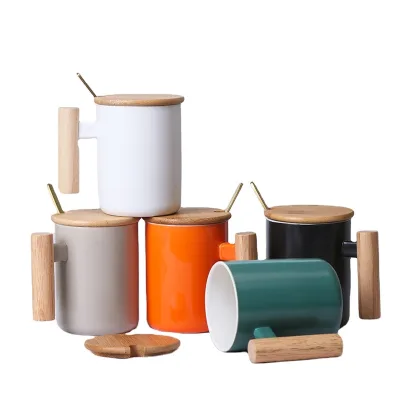
Nordic Matte Color 14 Oz Nordic Wooden Handle Ceramic Mug Cup with Lid and Spoon
$1.99 - $2.29
MOQ: 500 Pieces


$1.99 - $2.29
MOQ: 500 Pieces

Anhui Dream-China Technology Co., Ltd.
- Verified by SGS
- Combined
- China Anhui
- Lead time23 days
- Avg. response≤ 4h
Main productsUHF/VHF/Yagi/TV Antenna, LNB, MMDS Downconverter, Power Supply/Adapter, Cables, Diseqc Swithes/Spliter/Sat-Finder, Travel Mug, Fishing Net, Security Seal, SPD/Thermostat
Main marketsDomestic,Europe

New Style Ceramic Cup Coffee Cup Milk Mug Ceramic Mug with Wooden Handle
$2.60 - $3.30
MOQ: 100 Pieces


Shanghai Touch Industrial Development Co., Ltd.
- Verified by TUVRHEINLAND
- Combined
- China Shanghai
- Lead time15 days
- Avg. response≤ 4h
Main productsInstant Hot Pack, Hot Cold Pack, Gel Eye Mask, Gel Ice Pack, Gel Bottle Cooler, Instant Ice Pack, Hand Warmer, Heat Pack, Cooling Scarf, Gel Beads
Main marketsSouth America,Others(foreignTradeCapacity.exportBusinessCapacityMarketOther),Southeast Asia/ Mideast,East Asia(Japan/ South Korea),Domestic,Europe,Australia,North America
Ningbo Yinzhou Wenhui Paper Co., Ltd.
- Verified by TUVRHEINLAND
- Manufacturer/Factory
- China Zhejiang
- Lead time45 days
- Avg. response≤ 10h
Main productsStationery Gifts Promotional Homeware, Pen, Pet Products, Board Game, Paper Tube, Notebook, Wooden Toys, DIY Toy, Puzzle, Gift Bag
Main marketsSouth America,Eastern Europe,Mid East,North America,Southeast Asia,Eastern Asia,Oceania,Western Europe,Africa
Longyan Zhanling Industry and Trade Co., Ltd.
- Manufacturer/Factory
- China Fujian
- Lead time150 days
- Avg. response≤ 4h
Main productsStainless Steel Cup, Customized Cup, Stainless Steel Cup & Mug, Double Wall Stainless Steel Cup, Customized Stainless Steel Cup, Water Bottle, Tumbler, Stainless Steel Water Bottle, Stainless Steel Bottle, Whiskey Glass
Main marketsSouth America,Eastern Europe,Mid East,North America,Southeast Asia,Eastern Asia,Oceania,Western Europe,Africa
- Verified by TUVRHEINLAND
- Trading Company
- China Hunan
- Lead time45 days
- Avg. response≤ 2h
Main productsCeramic Mug, Vacuum Flask, Dinner Set, Cup, Mug, Thermal Bottle, Ceramic Dinner Set, Glass Jar, Glass Cup, Wine Cup
Main marketsSoutheast Asia/ Mideast
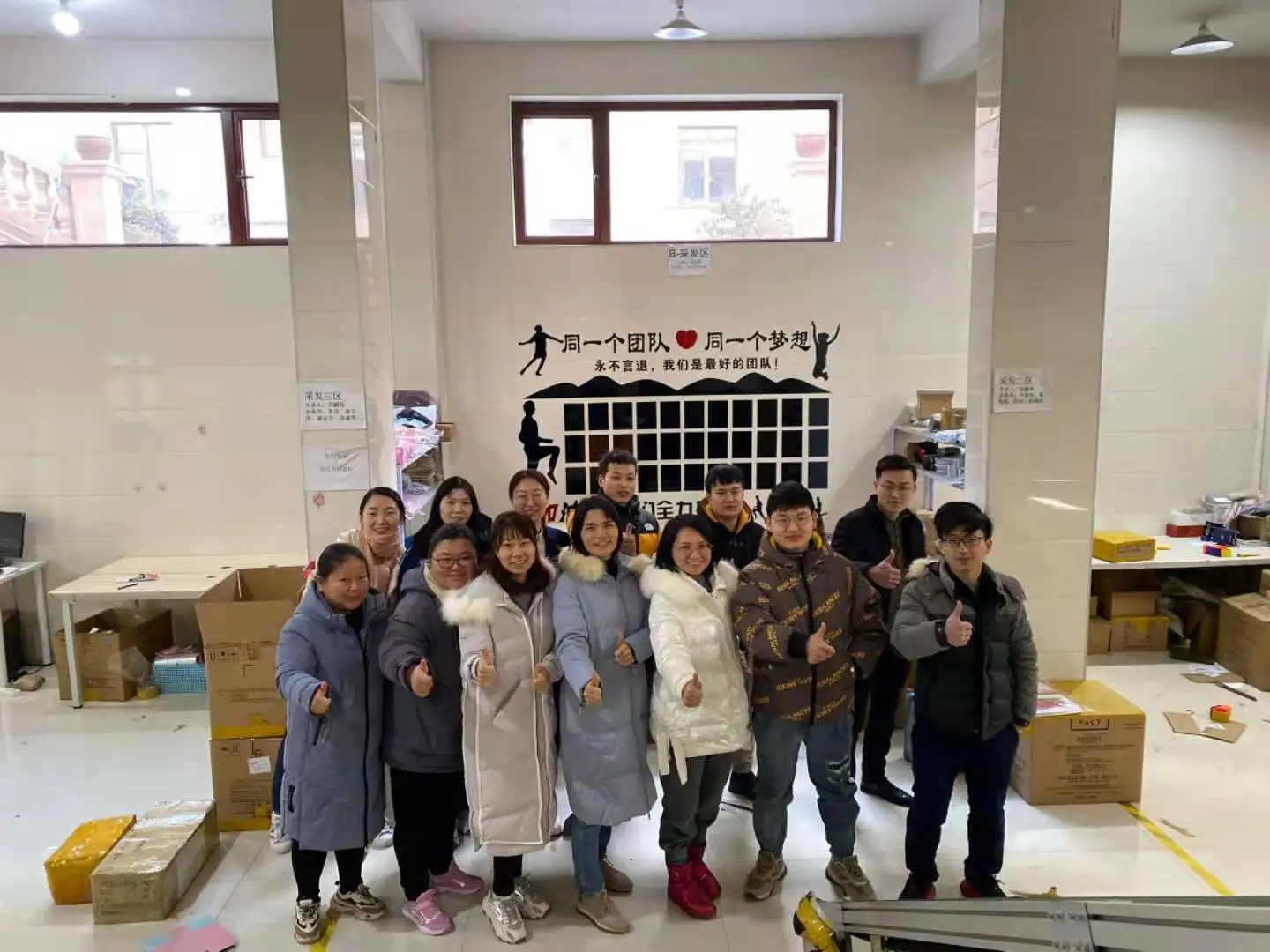
Yiwu Dingxin E-Commerce Co.,ltd.
- Trading Company
- Zhejiang, China
- Lead time7 days
- Avg. response≤ 4h
Main productsHousehold Items,Kitchen Items,Baking tools,fashion accessories,wearing
Main marketsNorth America(30.0%), Western Europe(20.0%), South Asia(10.0%), Southern Europe(10.0%), Northern Europe(10.0%), Eastern Europe(10.0%), Southeast Asia(10.0%)
The Great Family Industries Co., Ltd.
- Verified by SGS
- Trading Company,Manufacturer/Factory
- China Guangdong
- Lead time45 days
- Avg. response≤ 12h
Main productsDinner Set, Kitchenware, Ceramic Dinnerware, Ceramic, Tableware, Ceramic Mug, Ceramic Plate, Porcelain Dinnerware Set, Gifts, Coffee Cup
Main marketsSouth America,Eastern Europe,Mid East,North America,Southeast Asia,Eastern Asia,Oceania,Western Europe,Africa

Custom New Design Creative Marble Texture Wooden Handle Ceramic Mug Coffee Cup with Lid and Spoon
$2.19 - $2.59
MOQ: 500 Pieces

$1.50 - $2.30
MOQ: 500 Pieces
Xiamen Ehang Household Products Co., Ltd.
- Trading Company
- zhejiang, China
- Lead time37 days
- Avg. response≤ 7h
Main productsKitchenware,bamboo and wooden products,Houseware,Kitchen gadgets,Garden
Main marketsSoutheast Asia(20.0%), North America(20.0%), Southern Europe(10.0%), Northern Europe(10.0%), Western Europe(10.0%), South America(10.0%), Eastern Europe(10.0%), Central America(5.0%), Domestic Market(1.0%), Mid East(1.0%), Oceania(1.0%), Eastern Asia(1.0%), Africa(1.0%)
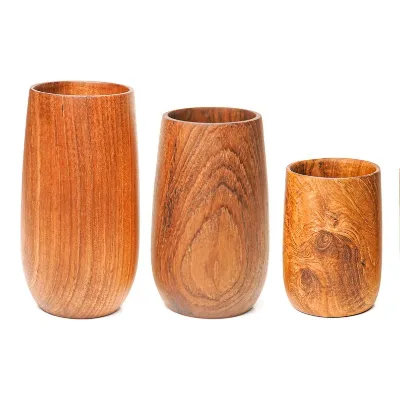
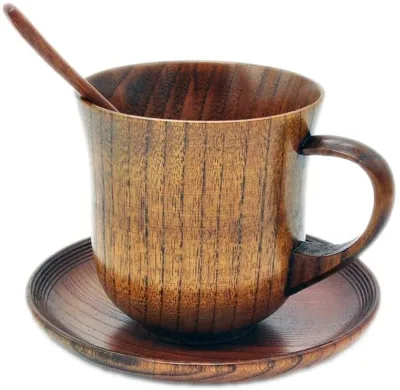
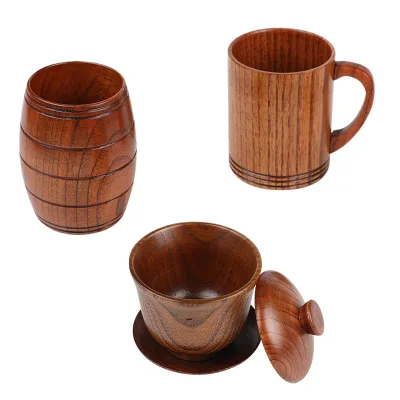
HOT SALE Rounded Teak Wood Tea Cup Tall Custom logo Wood Coffee Tea Mug Wooden Cups
$2.00 - $6.00
MOQ: 500
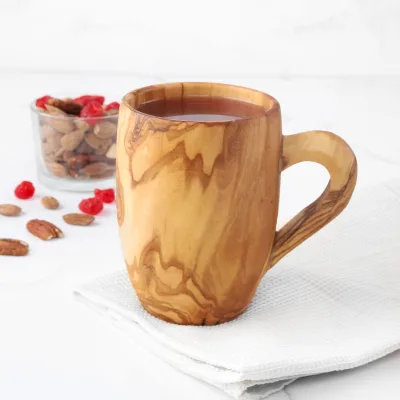
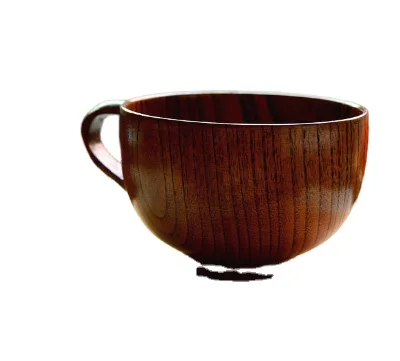
Large Wooden Mug Wooden Cup Handmade Olive Wood Handmade Mug for Warm and Cold Liquids
$3.00 - $9.00
MOQ: 500 pieces

Changsha Qingyulan Homeware Co., Ltd.
- Trading Company
- China Hunan
- Lead time15 days
- Avg. response≤ 5h
Main productsPaper Fan, Bamboo Products, Spanish Wood Fan, Beach Straw Bag, Beach Towel, Japanese Ladies Hand Fans, Paper Lanterns, Oriental Hand Fans, Wedding Favor Gift Fans, Car DVR
Main marketsSoutheast Asia/ Mideast,Domestic,Europe,North America

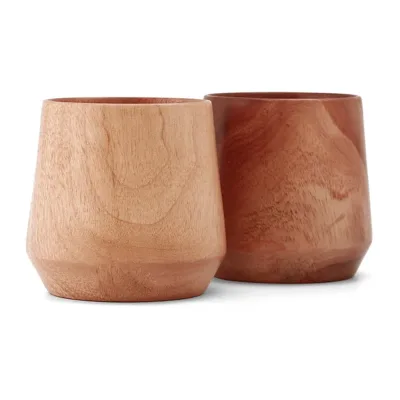
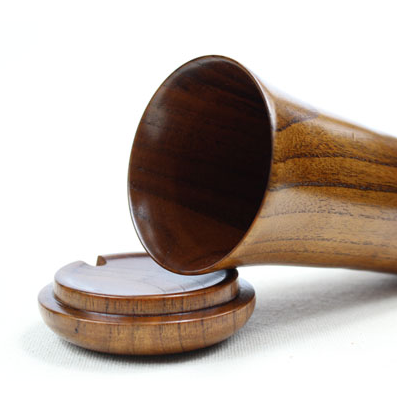
Top Grade Wooden Tea Cup Natural Solid Wood Tea Cup/Coffee Mug/ Wine Mug for Drinking
$1.15 - $1.30
MOQ: 200 Pieces


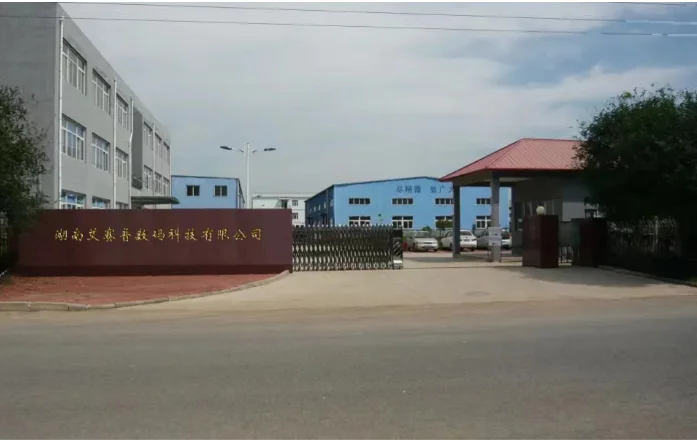
Hunan Isub Digital Technology Co., Ltd.
- Trading Company
- Hunan, China
- Lead time0 days
- Avg. response≤ 2h
Main productsCeramic mug,Glass mug,Enamel mug,Vacuum cup,Coffee mug
Main marketsNorth America(50.0%), Mid East(10.0%), Central America(10.0%), South America(10.0%), Southern Europe(5.0%), Northern Europe(5.0%), Eastern Europe(5.0%), Western Europe(5.0%)

KKS Enterprises Co., Ltd. Hangzhou
- Verified by SGS
- Manufacturer/Factory
- China Zhejiang
- Lead time23 days
- Avg. response≤ 11h
Main productsBar Runner, Floor Mats, Bar Mats, Logo Mats, Carpet, Promotional Products, Ice Bucket, Dust Control Mats, Bar Tray, Bottle Openers
Main marketsSouth America,Eastern Europe,Mid East,North America,Southeast Asia,Eastern Asia,Oceania,Western Europe,Africa
Liling Huarui Ceramic Co., Ltd.
- Verified by Intertek
- Manufacturer, Trading Company
- Lead time40 days
- Avg. response≤ 3h
Main productsCeramic Mug, Ceramic Bowl, Ceramic Cup and Saucer, Ceramic Plate, Ceramic Tableware
Main marketsDomestic Market(50%), North America(20%), South America(20%)

Jinjiang Jiaxing Supply Management Co., Ltd.
- Verified by TUVRHEINLAND
- Trading Company
- China Fujian
- Lead time30 days
- Avg. response≤ 1h
Main productsEVA Clogs, Flip Flop, Shoe Charms, Shopping Bags, Wristbands, Gifts, Promotional Gifts, Slipper, Sport Cap, Ball
Main marketsNorth America


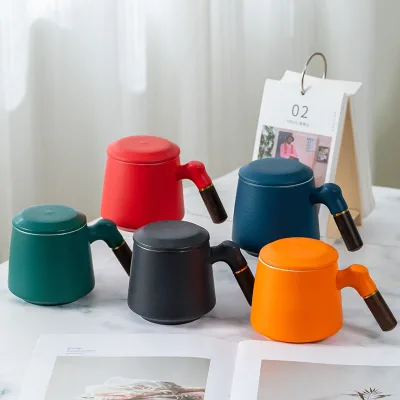
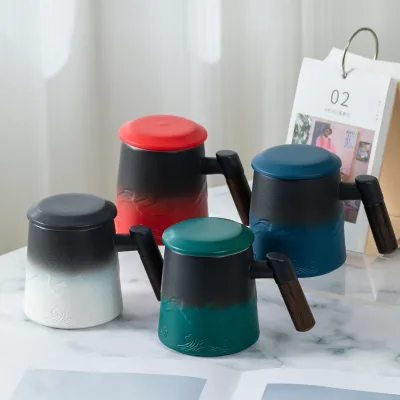


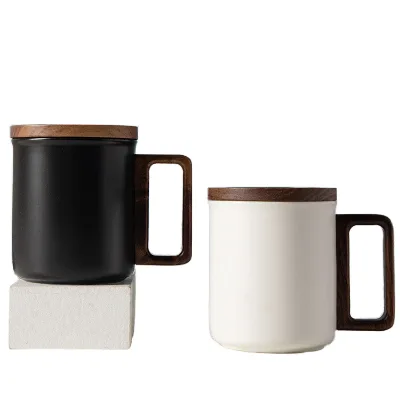
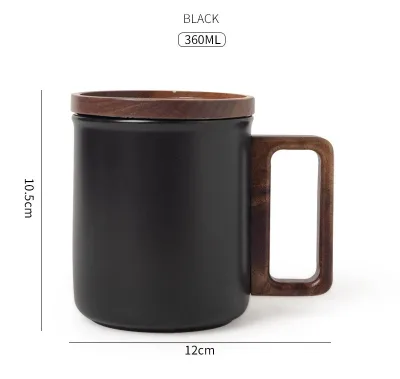


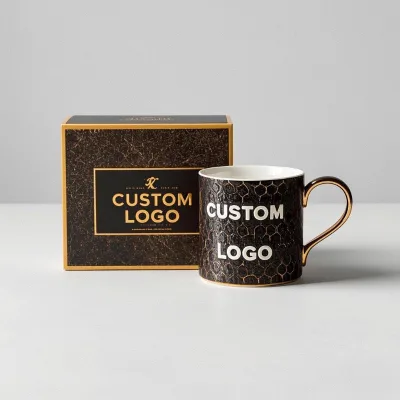
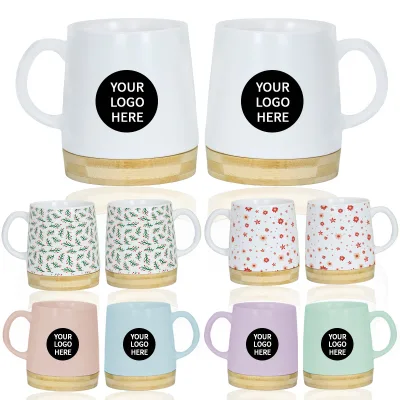
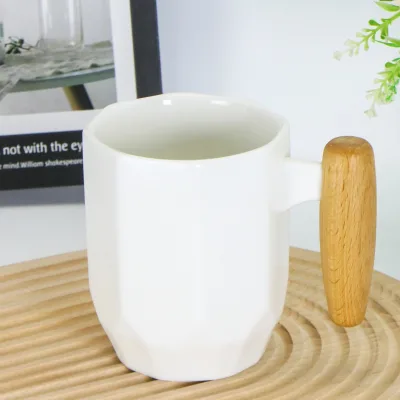


Comprehensive Sourcing Guide
Minimalist Ceramic Wood Lid Mug Supplier Concentration and Factory Types
The current supplier landscape for minimalist ceramic wood lid mugs reveals a mix of trading companies and manufacturers, with specific facility types identified in the data. Some entities operate as trading companies, acting as intermediaries that connect buyers with production facilities rather than owning the manufacturing lines directly. These trading firms often aggregate products from various factories to offer a broader catalog, including items like ceramic mugs and stainless steel tumblers alongside wooden accessories. Other suppliers in the results demonstrate direct manufacturing capabilities, evidenced by their ability to handle sample processing, graphic processing, and customized on-demand production. This distinction is critical because trading companies may offer faster communication but less control over the production floor, whereas factories provide direct oversight of the ceramic and wood assembly processes.
Geographic concentration of these suppliers is evident in the provided product attributes, which list origins such as Shandong, Jiangxi, Zhejiang, and Fujian in China. These regions are known for specific manufacturing strengths, with Shandong and Jiangxi appearing frequently in ceramic mug production data. When evaluating potential partners, buyers should look for these regional indicators to understand the supply chain depth available. A supplier listing a place of origin in Shandong may have established infrastructure for ceramic glazing and wood lid fitting, while those in Fujian might specialize in wooden drinkware components. Identifying the specific factory location helps in assessing logistics costs and the likelihood of consistent quality control, as regional clusters often share specialized labor and raw material access.
How to Verify Minimalist Ceramic Wood Lid Mug Suppliers
Verification of supplier credibility relies heavily on third-party audit reports and specific certification data rather than self-declared claims. The available data indicates that some suppliers have undergone verification by Intertek, a globally recognized inspection and certification body. This verification status serves as a concrete indicator that the supplier's business operations and product capabilities have been independently assessed. Additionally, system certifications such as (EC) 1935/2004 and FDA CPG are listed, which are essential for food-contact materials like ceramic mugs and wooden lids. These certifications confirm that the materials used in the mugs meet specific safety standards for migration of substances into food and beverages, a non-negotiable requirement for international buyers.
Beyond certifications, buyers must scrutinize the response time and the nature of the verification process to gauge reliability. The data shows a response time metric of 2, which suggests a specific level of communication efficiency, though buyers should confirm if this refers to hours or days. It is also vital to check for other verification bodies like SGS Group, which appears in the results for suppliers dealing with wood products. When a supplier displays both Intertek and SGS verification, it indicates a robust commitment to quality assurance across different product lines. Buyers should request current audit reports to ensure these verifications are active and not expired, as a static badge on a profile does not guarantee ongoing compliance with safety and operational standards.
What to Compare Across Minimalist Ceramic Wood Lid Mug Suppliers
Comparing suppliers requires a detailed analysis of key operational metrics such as lead time, minimum order quantity, and pricing structures. The data reveals significant variation in lead times, with some suppliers indicating a 35-day production window while others offer a 10-day turnaround. This disparity often correlates with the complexity of the customization, such as graphic processing or specific wood lid designs. Similarly, minimum order quantities (MOQ) range widely, from 100 units for certain ceramic mugs to 500 pieces for wooden items. Buyers must align these MOQs with their inventory strategy, as a lower MOQ might be necessary for testing a new design, while higher volumes could secure better unit economics.
Pricing and capacity capabilities are equally critical dimensions for comparison. Unit prices for ceramic mugs with wood lids can vary from approximately $0.41 to over $1.89 depending on the specific model, capacity, and customization level. Some suppliers offer a price range that reflects different color options or capacity sizes, such as 301-400ml versus 601-700ml. Capacity for customization is another differentiator; some facilities offer sample processing and graphic processing, while others focus on light customization or specific material sourcing like jujube wood. Evaluating these factors together allows buyers to identify suppliers that balance cost efficiency with the flexibility required for their specific product requirements, ensuring the selected partner can meet both volume and design needs.
Common Minimalist Ceramic Wood Lid Mug Sourcing Risks
One primary risk in sourcing these items involves the inconsistency of material quality, particularly regarding the wood lids and ceramic bodies. The product attributes list various materials, including ceramic and jujube wood, but the specific grade and treatment of these materials can vary significantly between suppliers. For instance, some products are marked as "Disposable" while others are designed for long-term use, which impacts the durability of the wood lid attachment. If a supplier does not clearly specify the wood treatment process, there is a risk of the lid warping or the adhesive failing after repeated use or exposure to hot liquids. Buyers must verify the specific material specifications and request samples to test the structural integrity of the wood-to-ceramic bond before committing to large orders.
Another significant risk relates to the accuracy of product attributes and the potential for misalignment between the ordered specifications and the final delivered goods. The data shows a wide array of attributes, such as "Minimalist" style, "Eco-Friendly" features, and specific color codes like "Number 27(White)" or "Number 6(Black)." Without rigorous quality control, there is a risk that the delivered mugs may not match the requested color or style exactly. Furthermore, the presence of accessories like spoons or specific packaging types, such as "White Box," must be confirmed in the final contract. Failure to explicitly define these details can lead to disputes over product conformity, especially when the supplier's internal standards differ from the buyer's expectations regarding the "Minimalist" aesthetic or the "Eco-Friendly" claims.
Minimalist Ceramic Wood Lid Mug Regional Sourcing and Logistics
Logistics planning must account for the diverse origins of the suppliers, which include locations in Shandong, Jiangxi, Zhejiang, and Fujian. Each of these regions presents different shipping profiles and potential transit times to international destinations. For example, suppliers in Shandong and Jiangxi are major ceramic hubs, which may offer consolidated shipping options for heavy ceramic items, whereas suppliers in Zhejiang and Fujian might specialize in wood products that require different handling to prevent damage during transit. Understanding the specific port of origin for each supplier is essential for calculating accurate freight costs and estimating delivery schedules. Buyers should request the specific shipping port associated with the supplier's location to ensure the logistics provider can handle the specific cargo type and volume.
Packaging and single package dimensions are critical factors in determining shipping efficiency and cost. The data indicates that some products have a single package size of 20x20x10 cm, while others are 10x10x10 cm, and the single gross weight varies from 0.500 kg to 0.700 kg. These dimensions directly impact how many units can be loaded into a standard shipping container, affecting the overall cost per unit. Buyers need to calculate the container load factor based on the specific packaging dimensions provided by the supplier. Additionally, the packaging type, such as "White Box" or "With Spoon," adds to the volume and weight, which must be factored into the logistics plan. Properly planning for these variables ensures that the supply chain remains efficient and that the final landed cost remains competitive.
Minimalist Ceramic Wood Lid Mug Commercial Terms and Order Planning
Commercial terms and payment structures vary significantly among suppliers, requiring careful review before finalizing an order. The data shows payment terms such as "T/T: 30% Deposit+70% balance," which is a common arrangement but requires the buyer to manage cash flow and risk. Some suppliers may offer different terms based on the order size or the relationship history, so it is essential to negotiate terms that align with the buyer's financial policies. Additionally, the presence of escrow services or specific verification statuses like Intertek can provide a layer of financial security, ensuring that funds are released only when the product meets the agreed-upon standards. Buyers should always clarify the exact payment milestones and the conditions for releasing the final balance to avoid disputes.
Order planning must also consider the lead times and the capacity for customization to ensure timely delivery. With lead times ranging from 10 to 35 days, buyers need to factor in production time, quality inspection, and shipping duration when setting their launch dates. The capacity for customized on-demand production suggests that suppliers can handle specific requests, but this may extend the lead time compared to standard stock items. Buyers should plan their inventory orders well in advance, accounting for potential delays in graphic processing or wood lid customization. By understanding the full timeline from order placement to delivery, buyers can maintain a steady supply of minimalist ceramic wood lid mugs and avoid stockouts that could disrupt their sales channels.
FAQs
What certifications do the ceramic mugs hold?
The ceramic mugs listed hold FDA CPG and (EC) 1935/2004 system certifications. These standards ensure the materials are safe for food contact. Buyers should verify specific batch compliance before large orders to guarantee product safety and regulatory adherence for their target markets.
What is the minimum order quantity for these mugs?
Minimum order quantities vary by product type. Some ceramic mugs require 1000 units, while others start at 100 units. Wooden mugs may have a minimum of 50 units. Buyers must check the specific product listing to confirm the exact threshold for their selected design.
How long does production take for custom orders?
Production lead times range from 10 to 35 days depending on the supplier and product complexity. Some suppliers offer a 10-day turnaround for specific items, while others require up to 35 days. Buyers should confirm the exact delivery schedule with the supplier before finalizing the order.
Are the ceramic mugs dishwasher safe?
Yes, certain ceramic mug models are explicitly marked as dishwasher safe. This feature allows for easy cleaning and reuse in commercial or home settings. Buyers should verify the specific product attributes to ensure the item meets their durability and maintenance requirements before purchasing.
What is the price range for these ceramic mugs?
Prices for ceramic mugs range from approximately 0.41 to 1.89 USD per unit. The final cost depends on the specific model, capacity, and customization options selected. Buyers should review the detailed price list for each product to determine the exact cost for their required quantity.
Can suppliers provide customized logo printing?
Yes, many suppliers offer customized logo printing and graphic processing services. Some products support custom orders with specific branding requirements. Buyers should confirm the customization capabilities and any additional costs associated with adding their logo to the ceramic or wooden mug designs.
Where are these ceramic mugs manufactured?
These ceramic mugs are manufactured in various regions including Shandong and Jiangxi in China. The place of origin affects shipping logistics and potential tariffs. Buyers should verify the specific manufacturing location for each product to ensure it aligns with their sourcing strategy and supply chain needs.