Modern Creative Fruit Plate Suppliers and Manufacturers
Source Modern Creative Fruit Plate options from 33 verified suppliers in China. Compare key dimensions including lead times, MOQs, certifications, and response speeds to identify the right partner. Review product specifications and request quotes directly; review the available evidence before requesting comparable quotations from suitable candidates.
Updated
Suppliers List

Foshan Axcellent Industry Co., Ltd.
- Verified by BV
- Manufacturer/Factory
- China Guangdong
- Lead time38 days
- Avg. response≤ 5h
Main productsRestaurant Furniture, Hotel Furniture, Hotel Public Fumiture, Banquet Furniture, Dining Furmiture, Bar Furniture
Main marketsSouth America,Eastern Europe,Mid East,North America,Southeast Asia,Eastern Asia,Oceania,Western Europe,Africa

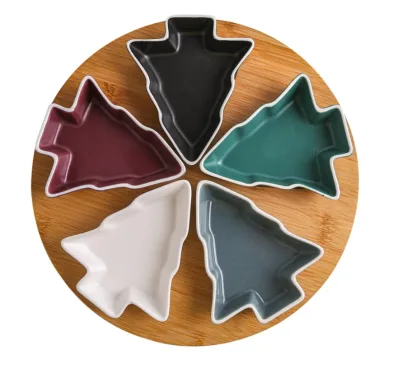
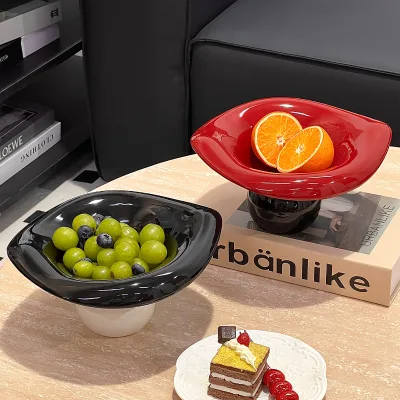
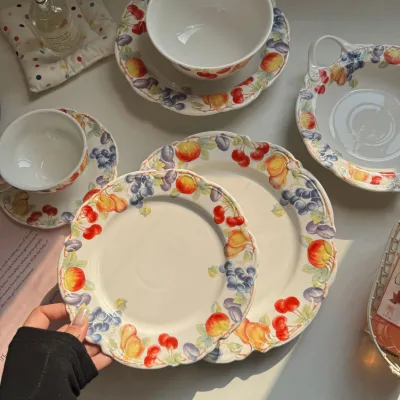
Nordic Creative Design Decoration Bowl Eco-Friendly Colorful Fruit Plate
$2.00 - $5.00
MOQ: 100 Pieces


- Verified by TUVRHEINLAND
- Trading Company
- China Hunan
- Lead time45 days
- Avg. response≤ 1h
Main productsCeramic Mug, Vacuum Flask, Dinner Set, Cup, Mug, Thermal Bottle, Ceramic Dinner Set, Glass Jar, Glass Cup, Wine Cup
Main marketsSoutheast Asia/ Mideast

Jinhua Hengyang Cross-Border Trade Limited Liability Company
- Verified by SGS
- Trading Company
- China Zhejiang
- Lead time15 days
- Avg. response≤ 8h
Main productsCoffee Maker Air Fryer Storage Box Knife Set, Silicone Baking Mold Robot Vacuum Cleaning Table, Shower Head Non-Slip Shower Curtain Vacuum Stora, Collapsible Laundry Basket Bohemian Wall Tapestr, Fringe Pillow Cover Bedding Set Memory Foam Pill, Bamboo Tissue Biodegradable Trash Bags LED Fair, Smart Plug Fairy Lights Pet Food Bowl, Household Daily Necessities Kitchen Cleaning, Bathroom Storage and Care Fabric Home Decor, Bedding Daily Chemical Paper Products
Main marketsEurope
- Verified by SGS Group
- Trading Company
- Lead time20 days
- Avg. response≤ 10h
Main productsKitchenware, Coffee French Maker, Plastic Bento Box, Bamboo Wooden Kitchen Items, Ceramic & Glass Products
Main marketsNorthern Europe(20%), South Asia(20%), North America(10%)

Shaowu City Nafu Bamboo and Wood Industry Co., Ltd.
- Manufacturer
- China Fujian
- Lead time15 days
- Avg. response≤ 15h
Main productsBamboo and Wood Cutting Board Cheese Board, Bamboo and Wood Storage Box, Bamboo and Wood Plate, Bamboo and Wood Tray, Marble Wood Cheese Board, Bamboo and Wood Table, Bamboo and Wood Bathroom Products, Bamboo and Wood Shelf, Bamboo and Wood Kitchen Utensil, Bamboo and Wood Bowl
Main marketsEast Asia(Japan/ South Korea),Domestic,Europe,Australia,North America

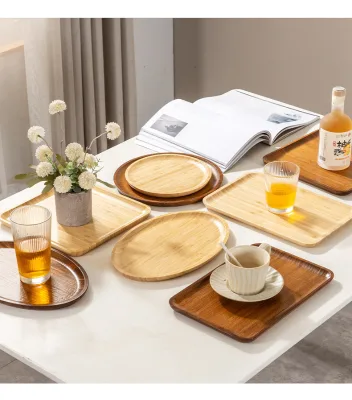
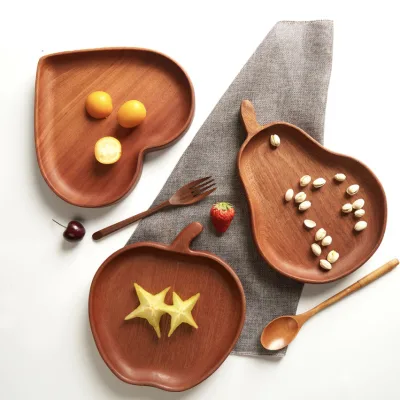
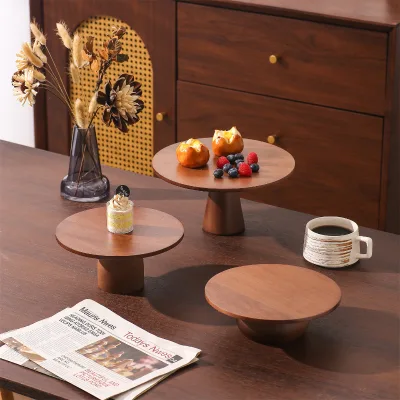
Creative Kitchen Cross-Border Fruit Plate Wine Wooden Cheese Platter Plate
$1.40 - $2.40
MOQ: 300 Pieces

Flower Shaped 6-Compartments Dipping Sauce Plate Bamboo Divided Serving Bowl Dry Fruit Plates
$2.00 - $3.00
MOQ: 300 Pieces

- Verified by CTI
- Combined
- China Guangdong
- Lead time45 days
- Avg. response≤ 5h
Main productsCasserole, Dish, Bowl, Mug
Main marketsEast Asia(Japan/ South Korea),Domestic,Europe,North America

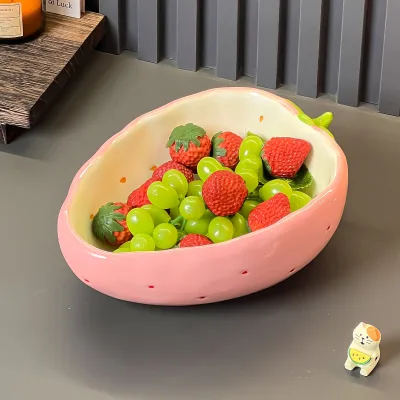
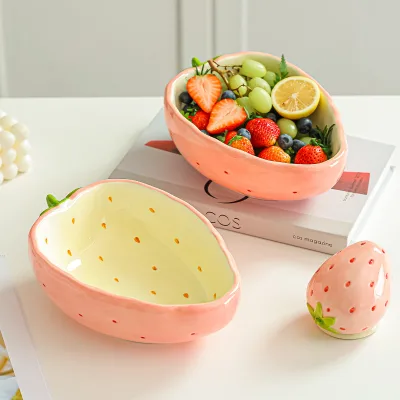
Novelty Irregular Fruit Shape Ceramic Plates for Baby Use Bowl and Plates
$1.57 - $1.86
MOQ: 500 Pieces

Cute Fruit Snacks Dish Pineapple Vegetable Shape Plate Irregular Bowl Ceramic Plate
$1.57 - $1.86
MOQ: 500 Pieces
Shenzhen Dwax Home Supplies Co., Ltd.
- Manufacturer, Distributor/Wholesaler
- Guangdong, China
- Lead time7 days
- Avg. response≤ 4h
Main productsKitchen Product,Wedding Product,Decor Product,Pet Product,Vase Product
Main marketsNorth America(40.00%), Northern Europe(20.00%), South America(10.00%), Western Europe(10.00%), Eastern Europe(10.00%), Mid East(5.00%), Southeast Asia(5.00%)
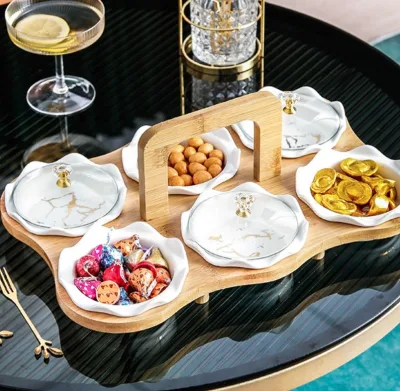
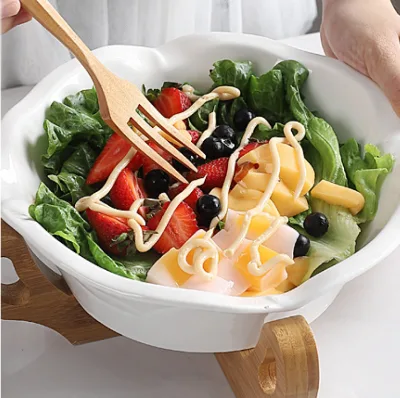
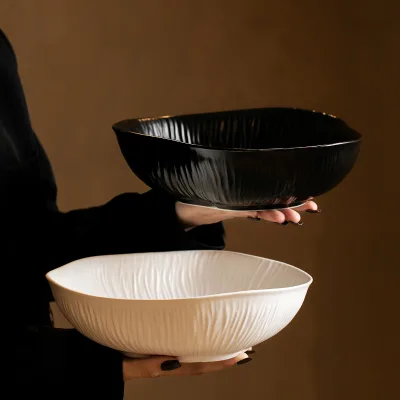
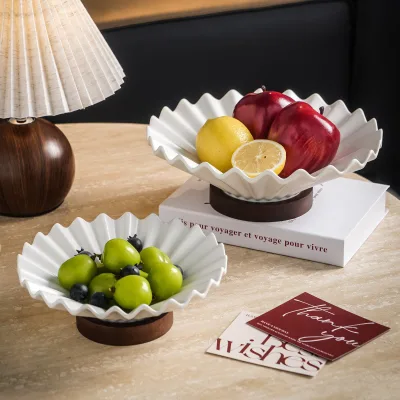
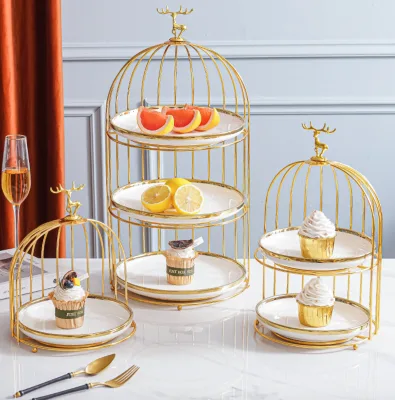
$7.2395 - $16.5913
MOQ: 10 Minimum

- Verified by SGS
- Trading Company,Manufacturer/Factory,Other
- China Zhejiang
- Lead time38 days
- Avg. response≤ 15h
Main productsBath Mat, Cushion, Wooden Toys, Fitness Equipment, Cosmetic Bag, Luggage, Festival Products, Gym Items, Face Mask, Paracord Bracelet
Main marketsSouth America,Eastern Europe,Mid East,North America,Southeast Asia,Eastern Asia,Oceania,Western Europe,Africa

Shuifu Huiyang Agricultural Technology Co., Ltd.
- Verified by SGS
- Trading Company
- China Yunnan
- Lead time23 days
- Avg. response≤ 3h
Main productsBamboo Products, Bamboo Crafts, Bamboo Chopsticks, Bamboo Skewers, Bamboo Weaving, Bamboo Tray, Bamboo Box, Bamboo Placemat, Bamboo Fruit Bowl, Lamp Shades
Main marketsDomestic

Xuzhou Boklan Import & Export Trade Co., Ltd.
- Verified by TUVRHEINLAND
- Trading Company,Manufacturer/Factory
- China Jiangsu
- Lead time38 days
- Avg. response≤ 11h
Main productsGlass Jar, Glass Bottle, Liquor Glass Bottle, Lids Caps Corks, Cosmetic Jar, Essential Oil Bottle, Glass Tube, Sauce Bottle, Mason Jar, Plastic Bottle
Main marketsSouth America,Eastern Europe,Mid East,North America,Southeast Asia,Eastern Asia,Oceania,Western Europe,Africa


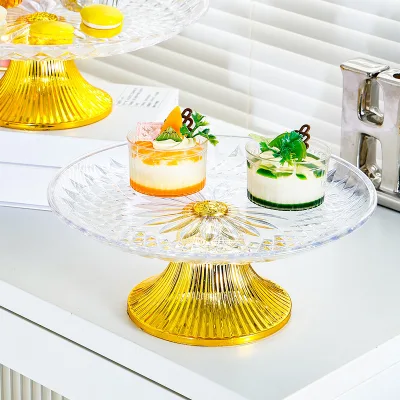
Glass Fruit Plate Can Be Customized Color Add Logo Crystal Glass Fruit Plate
$0.83 - $0.96
MOQ: 5000 Pieces
Xiamen Ehang Household Products Co., Ltd.
- Trading Company
- Fujian, China
- Lead time37 days
- Avg. response≤ 5h
Main productsKitchenware,bamboo and wooden products,Houseware,Kitchen gadgets,Garden
Main marketsSoutheast Asia(20.00%), North America(20.00%), Southern Europe(10.00%), Northern Europe(10.00%), Western Europe(10.00%), South America(10.00%), Eastern Europe(10.00%), Central America(5.00%), Domestic Market(1.00%), Mid East(1.00%), Oceania(1.00%), Eastern Asia(1.00%), Africa(1.00%)
Xiamen Jozing Industrial Co., Ltd.
- Verified by Intertek
- Trading Company
- Lead time15 days
- Avg. response≤ 3h
Main productsCeramic Dinnerware, Ceramic Mug & Cup, Ceramic Cup & Saucers, Ceramic Decoration & Vase, Ceramic Bakeware
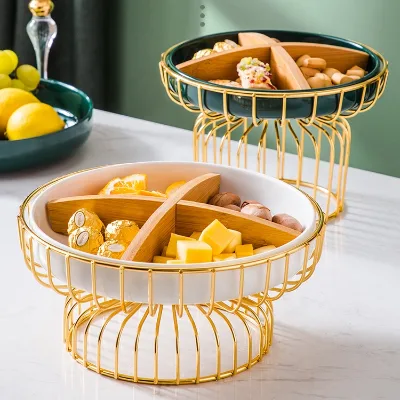
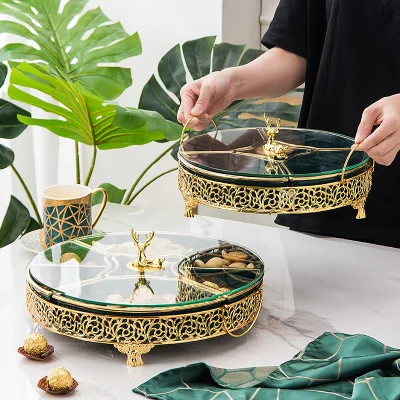
$23.2275 - $24.7619
MOQ: 8 Minimum
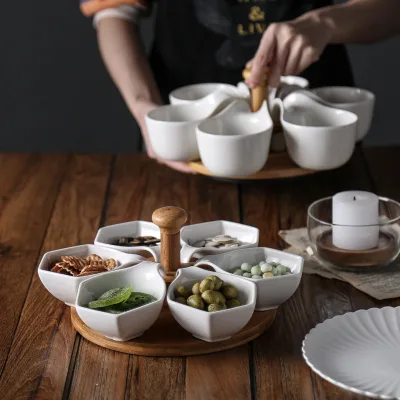
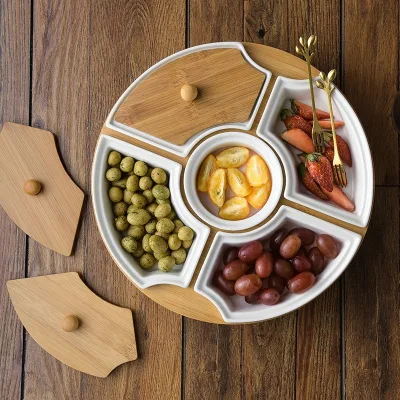
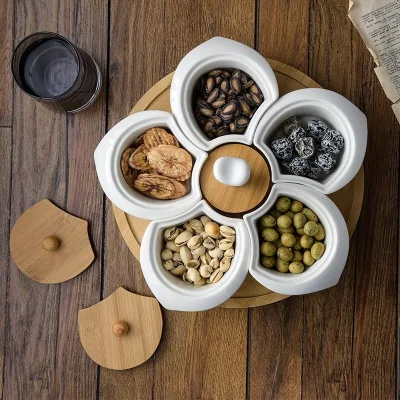
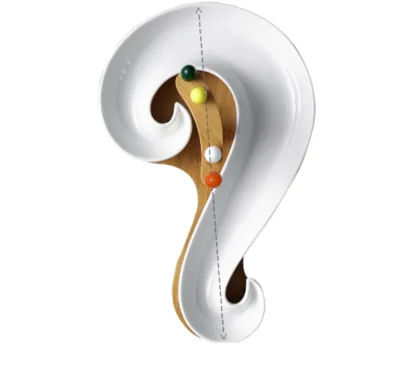
Creative Ceramic Tableware Fruit Plate Flower Shaped Split Dish With Lid Snack Box Rotating
$13.13 - $14.22
MOQ: 8 pieces

- Verified by SGS
- Trading Company
- China Zhejiang
- Lead time15 days
- Avg. response≤ 14h
Main productsFan, Heater Fan, Air Fryer, Toaster, Rice Cooker, Vacuum Cleaner, Coffee Machine, Hairdressing Appliance, Electric Toothbrush, Steam Iron
Main marketsEurope,Australia

Shenzhen Vibetop Technology Co., Ltd.
- Verified by SGS
- Manufacturer/Factory
- China Guangdong
- Lead time15 days
- Avg. response≤ 8h
Main productsCNC Machining Precision Part, Bathroom Hardware Fittings, Customized CNC Machine Parts, Aluminium CNC Machining, Casting Parts, Machinery Parts, Car Auto Parts, Pogo Pin, 5 Axis CNC Machining Parts, CNC Machining Service
Main marketsSouth America,Eastern Europe,Mid East,North America,Southeast Asia,Eastern Asia,Oceania,Western Europe,Africa

Ningbo General Union Co., Ltd.
- Verified by BV
- Trading Company
- China Zhejiang
- Lead time30 days
- Avg. response≤ 10h
Main productsChristmas Tree, Party Supply, Christmas Ball, LED Light Strip, Halloween Product, Holiday Decoration, Santa Claus, Valentine's Day Product, Balloon Decoration, Birthday Decoration
Main marketsSouth America,Southeast Asia/ Mideast,Europe,North America

Hand-Held Fruit Plate with Lid Snack Box Creative Dried Pastry Plate Candy Fruit Plate
$2.04 - $2.10
MOQ: 300 Sets

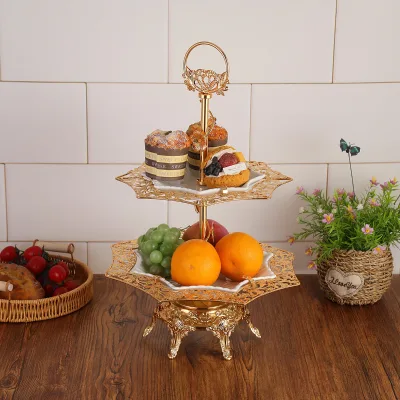
European-Style Three-Tiered Fruit Bowl Creative Candy Cake Plate Afternoon Tea Snack Stand
$4.59 - $4.70
MOQ: 199 Pieces

Ningbo Shone Med-Tech Co., Ltd.
- Verified by SGS
- Trading Company,Manufacturer/Factory,Group Corporation
- China Zhejiang
- Lead time23 days
- Avg. response≤ 3h
Main productsWooden Games, Wooden Toys, Bingo Games, Wooden Sport Items, Wooden Box
Main marketsSouth America,Eastern Europe,Mid East,North America,Southeast Asia,Eastern Asia,Oceania,Western Europe,Africa

Ningbo Maxtor Houseware Manufacturing Co., Ltd
- Trading Company
- China Zhejiang
- Lead time30 days
- Avg. response≤ 10h
Main productsAluminum Pressed Cookware, Aluminum Forged Cookware, Full Induction Cookware, Fire Pit, Tri-Ply Stainless Steel Cookware, Stone Marble Cookware, Hard Anodized Cookware, Pressure Cooker
Main marketsSouth America,Africa,Southeast Asia/ Mideast,East Asia(Japan/ South Korea),Domestic,Europe,Australia,North America
Xiamen Dashing Jewelry Co., Ltd.
- Trading Company
- Lead time旺季: "1 - 30":15,"> 30":"To be negotiated", 淡季: "1 - 30":15,"> 30":"To be negotiated"
- Avg. response≤ 5h
Main productsDrinkware, Party Supplies, Home Decoration, Garden Supplies

Hunan Mutoulao Craft Products Co., Ltd.
- Manufacturer, Trading Company
- Hunan, China
- Lead time7 days
- Avg. response≤ 4h
Main productsKitchen Utensils/Bamboo Cheese Board/Baking Tools/Wooden Tray/Wooden Tableware,serving tray,wood bowls,wood cups
Main marketsNorth America(30.00%), Oceania(10.00%), South America(10.00%), South Asia(5.00%), Southern Europe(5.00%), Northern Europe(5.00%), Central America(5.00%), Western Europe(5.00%), Eastern Asia(5.00%), Mid East(5.00%), Eastern Europe(5.00%), Africa(5.00%), Southeast Asia(5.00%)
Yiwu Danyi Import And Export Co., Ltd.
- Trading Company
- Zhejiang, China
- Lead time30 days
- Avg. response≤ 4h
Main productsTableware,Coffee Cup
Main marketsCentral America(100.00%), Northern Europe(100.00%), Domestic Market(100.00%), South Asia(100.00%), Africa(100.00%), Eastern Europe(100.00%), Southern Europe(100.00%), North America(40.00%), Western Europe(20.00%), Mid East(15.00%), Oceania(10.00%), Eastern Asia(5.00%), Southeast Asia(5.00%), South America(5.00%)

Ningbo General Union Co., Ltd.
- Verified by BV
- Trading Company
- China Zhejiang
- Lead time30 days
- Avg. response≤ 10h
Main productsCleaning Brush, Bottle, Kitchenware, Storage Box, Outdoor, Pet, Fitness Equipment, Digital Devices, Camping, Pet Bottle
Main marketsSouth America,Africa,Southeast Asia/ Mideast,East Asia(Japan/ South Korea),Europe,Australia,North America

Foshan Ron Hospitality Supplies Co., Ltd.
- Verified by BV
- Manufacturer/Factory,Group Corporation
- China Guangdong
- Lead time45 days
- Avg. response≤ 2h
Main productsRestaurant Furniture, Restaurant Booth, Restaurant Chair, Restaurant Table, Bar Stools, Wedding Chairs, Flatware Sets, Dinnerware Sets, Garden Chairs, Disposable Dinnerware & Tableware
Main marketsSouth America,Eastern Europe,Mid East,North America,Southeast Asia,Eastern Asia,Oceania,Western Europe,Africa
Yiwu Jiesiming E-Commerce Co., Ltd.
- Trading Company
- Jinhua, China
- Lead time0 days
- Avg. response≤ 3h
Main productsDaily provisions
Main marketsCentral America(30.00%), North America(30.00%), Mid East(20.00%), South Asia(10.00%), Southeast Asia(10.00%)

Jinjiang Jiaxing Supply Management Co., Ltd.
- Verified by TUVRHEINLAND
- Trading Company
- China Fujian
- Lead time30 days
- Avg. response≤ 1h
Main productsEVA Clogs, Flip Flop, Shoe Charms, Shopping Bags, Wristbands, Gifts, Promotional Gifts, Slipper, Sport Cap, Ball
Main marketsNorth America
Cao County Lubang Wood Products Co., Ltd.
- Manufacturer, Trading Company
- Shandong, China
- Lead time7 days
- Avg. response≤ 1h
Main productswooden box,Wooden storage rack,Wooden tray,Wooden crafts
Main marketsNorth America(40.00%), Southeast Asia(10.00%), Central America(5.00%), Mid East(5.00%), Africa(5.00%), South America(5.00%)
Cao County Grandview Arts & Crafts Co., Ltd.
- Manufacturer, Trading Company
- Shandong, China
- Lead time20 days
- Avg. response≤ 5h
Main productskitchen knife rack,wooden trash bin,wooden frames,kitchen wall shelf,bathroom storage rack
Main marketsNorth America(35.00%), Western Europe(13.00%), South Asia(10.00%), Eastern Europe(7.00%), Mid East(7.00%), Southern Europe(5.00%), Domestic Market(5.00%), Eastern Asia(5.00%), Southeast Asia(5.00%), Northern Europe(4.00%), Oceania(2.00%), Africa(2.00%)
$4.9641 - $9.2395
MOQ: 50 Minimum
Guangdong Hanchuang Park Technology Co., Ltd.
- Trading Company
- Guangdong, China
- Lead time15 days
- Avg. response≤ 9h
Main productsTableware,Drinkware,Kitchenware
Main marketsNorth America(25.87%), Western Europe(20.62%), Mid East(15.00%), Eastern Europe(10.00%), Southern Europe(5.25%), South America(5.24%), Northern Europe(5.21%), Oceania(5.05%), Africa(2.16%), South Asia(2.08%), Eastern Asia(2.01%), Domestic Market(1.50%)
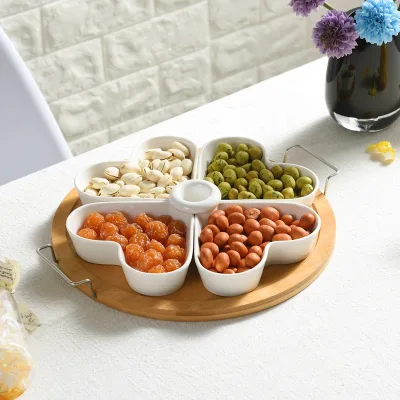
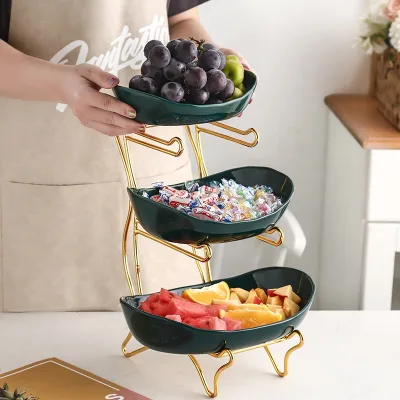
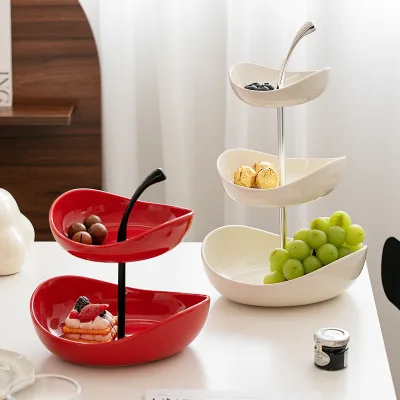
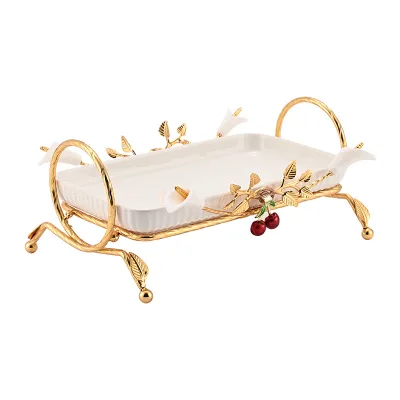
Multi-layer Ceramic Fruit Plate with Metal Shelf Multi-function Plate for Home/hotel/restaurant Use
$8.8308 - $13.0898
MOQ: 36 sets

- Verified by TUVRHEINLAND
- Trading Company,Manufacturer/Factory
- China Guangdong
- Lead time45 days
- Avg. response≤ 6h
Main productsStainless Steel Cookware, Stainless Steel Untensil, Stainless Steel Kitchenware, Stainless Steel Colander Bowl, Stainless Steel G. N Pan, Stainless Steel Pressure Cooker, Stainless Steel Buckets, Stainless Steel Dishes Rack, Stainless Steel Chafing Dishes, Stainless Steel Fittings
Main marketsSouth America,Eastern Europe,Mid East,North America,Southeast Asia,Eastern Asia,Oceania,Western Europe,Africa


Stainless Steel Serving Plate Decorative Fruit Plate Multicolor Dinning Plate
$1.00 - $5.00
MOQ: 2000 Pieces

Stainless Steel Multifunction Fruit and Vegetable Plate Deep Serving Tray
$1.28 - $5.46
MOQ: 500 Pieces

Nanping Jianyang Heng Xinwang Bamboo and Wooden Products Co., Ltd.
- Verified by BV
- Combined
- China Fujian
- Lead time23 days
- Avg. response≤ 4h
Main productsBamboo Products, Wooden Products, Straw Products, Rattan Items, Straw and Willow Products
Main marketsSoutheast Asia/ Mideast,East Asia(Japan/ South Korea),Europe,Australia,North America

- Verified by SGS
- Trading Company
- China Zhejiang
- Lead time15 days
- Avg. response≤ 17h
Main productsMop, Kitchen Knife, Chopping Board, Blanket, Mosquito Net, Cushion, Slipper, Broom, Luggage, Educational Toy
Main marketsEurope,Australia


Hot Selling Portable Ceramic Fruit Plate Snack Tray Dried Fruit Organizer
$5.26 - $5.91
MOQ: 170 Pieces


Guangzhou Garbo International Trading Co., Ltd.
- Verified by TUVRHEINLAND
- Trading Company,Manufacturer/Factory
- China Guangdong
- Lead time45 days
- Avg. response≤ 5h
Main productsGlassware, Glass Cup, Glass Mug, Glass Bowl, Glass Candy Jar, Glass Pitcher, Glass Ice Cream Cup and Ice Bucket, Opal Glassware, Stainless Steel Cutlery, Ceramic Dinnerware
Main marketsSouth America,Eastern Europe,Mid East,North America,Southeast Asia,Eastern Asia,Oceania,Western Europe,Africa

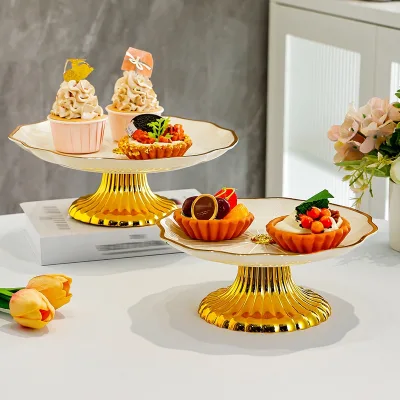
Classic Engraved Sunflower Pattern Glass Fruit Plate with Stand for Wedding
$1.53 - $1.71
MOQ: 4000 Pieces

$1.45 - $1.86
MOQ: 3000 Pieces


Jinjiang Jiaxing Import and Export Co., Ltd.
- Verified by CTI
- Manufacturer/Factory
- China Fujian
- Lead time120 days
- Avg. response≤ 1h
Main productsShoes, Slipper, Clothes, Promotion Gifts, Silicone Products, Outdoor Sports Products, Bags, Fashion Accessories, Consumer Electronics
Main marketsSouth America,Eastern Europe,Mid East,North America,Southeast Asia,Eastern Asia,Oceania,Western Europe,Africa

Linyi Feifan Imp. & Exp. Co., Ltd.
- Verified by TUVRHEINLAND
- Trading Company
- China Shandong
- Lead time30 days
- Avg. response≤ 11h
Main productsEnamel Mug/Cup, Enamel Bowl, Enamel Basin, Enamel Plate/Tray/Kettle, Enamel Casserole/Pot, Enamel Bucket, Safety Shoe/Boot, Safety Gloves
Main marketsSoutheast Asia/ Mideast,Domestic












Comprehensive Sourcing Guide
Modern Creative Fruit Plate Supplier Concentration and Factory Types
Current data indicates a concentration of manufacturing capabilities in China Guangdong, where suppliers specialize in restaurant furniture, hotel public furniture, and banquet furniture alongside dining and bar furniture. These facilities often operate as manufacturers or factories with OEM and ODM capacities, suggesting they can handle custom design requests for modern creative fruit plates. The presence of plastic-based products like the Nordic Creative Design Decoration Bowl in this region highlights a specific cluster for molded plastic dinnerware. Buyers should verify if a supplier's primary product list includes the specific material they require, as some factories focus heavily on ceramic or glass while others prioritize plastic solutions.
In contrast, other regions like China Hunan and China Zhejiang host different supplier profiles, including trading companies and manufacturers with diverse portfolios. A supplier in Hunan may focus on ceramic mugs, vacuum flasks, and glass jars, while a Zhejiang-based entity might offer a broader range of kitchenware, coffee makers, and storage solutions. This variation means that a single search result page can contain a mix of factory types, from pure manufacturers to trading companies that source from multiple factories. Buyers must distinguish between these types because a trading company might offer faster response times but less direct control over the production process compared to a direct factory.
How to Verify Modern Creative Fruit Plate Suppliers
Verification status is a critical first step in assessing supplier reliability, with platforms displaying badges such as BV, TÜV Rheinland, and SGS to indicate third-party audits. For instance, some suppliers in the current results hold BV verification, while others display TÜV Rheinland or SGS Group credentials, signaling different levels of compliance and quality assurance. Buyers should not assume all suppliers possess these credentials; instead, they must check the specific verification badge listed on the supplier profile to confirm the scope of the audit. A supplier without a visible verification badge requires additional due diligence before proceeding with any order.
Beyond verification badges, response time serves as a practical metric for supplier engagement and operational efficiency. Data shows response times varying significantly, with some suppliers responding in under one hour while others take nearly eight hours or more. A supplier with a response time of 0.37 hours demonstrates high availability, whereas a time of 7.96 hours might indicate a smaller team or different time zone alignment. Buyers should prioritize suppliers with faster response times for urgent orders but also consider that slower responses might correlate with more complex customization processes. Always request a direct quote to confirm the actual responsiveness before finalizing a partnership.
What to Compare Across Modern Creative Fruit Plate Suppliers
Lead time is a primary differentiator when comparing suppliers, with observed ranges spanning from 15 days to 45 days depending on the product and factory capacity. A supplier in Zhejiang might offer a 15-day lead time for stocked items, while a manufacturer in Guangdong could require 38 days for custom plastic designs. Buyers must align their project timelines with these specific lead times, as a 45-day window may be unsuitable for seasonal launches. It is essential to ask for a confirmed production schedule rather than relying on general estimates, as lead times can fluctuate based on raw material availability and order volume.
Minimum Order Quantity (MOQ) and pricing structures also vary widely across the supplier base, influencing the total cost of ownership. Some suppliers list an MOQ of 100 units with prices ranging from $2.00 to $5.00, while others require 1000 or 2000 units with prices as low as $0.60 to $0.99. This disparity suggests that smaller buyers might need to consolidate orders or find suppliers with lower entry thresholds. Additionally, customization availability differs; some products are marked as non-customized, while others offer full customization options. Buyers should calculate the total cost per unit including shipping to determine the most economical option for their specific volume requirements.
Common Modern Creative Fruit Plate Sourcing Risks
Material consistency presents a significant risk, as products may be listed as plastic, glass, or ceramic with varying quality standards. For example, a plastic fruit plate might be described as eco-friendly and non-disposable, while a glass plate could be certified with CE/EU, FDA, and CIQ standards. Buyers must verify the exact material composition and certification claims for each specific product model, as a supplier might offer different grades of the same material. Relying solely on product keywords without checking the detailed attributes can lead to receiving substandard goods that do not meet safety or durability expectations.
Customization claims also carry risks if not clearly defined in the contract. While some suppliers list customization as available, others specify non-customized options, and the extent of these services varies. A supplier might offer graphic processing or light customization, but this does not guarantee full design changes or structural modifications. Buyers should explicitly request samples of customized products before placing a bulk order to ensure the final output matches their design specifications. Without clear documentation of customization limits, there is a risk of receiving products that deviate significantly from the intended modern creative aesthetic.
Modern Creative Fruit Plate Regional Sourcing and Logistics
Geographic location impacts logistics costs and delivery speed, with suppliers located in Guangdong, Hunan, and Zhejiang offering different shipping profiles. A supplier in Guangdong might have established logistics channels for international export, while a supplier in Hunan or Zhejiang may have different port access or freight partnerships. Buyers should verify the specific origin of the product, as the "prod_origin" field often lists China, but the specific province affects transit times and customs procedures. Understanding the regional logistics network helps in estimating the total landed cost and planning inventory replenishment schedules accurately.
Packaging standards also vary by region and supplier type, influencing the protection of goods during transit. Some products are packed in carton boxes, while others use color boxes or OPP bags, which affects the risk of damage during shipping. A supplier in Zhejiang might use specific packaging standards like 20202 for ceramic plates, whereas a Guangdong factory might use different carton specifications for plastic items. Buyers should request detailed packing lists and photos of the packaging to ensure the goods will arrive in perfect condition. Inadequate packaging can lead to breakage, especially for glass or ceramic fruit plates, resulting in financial losses and delayed shipments.
Modern Creative Fruit Plate Commercial Terms and Order Planning
Payment terms and escrow services are vital for securing transactions, though specific terms vary by supplier. While some platforms offer escrow protection, buyers must confirm if the specific supplier utilizes these services before transferring funds. The absence of a visible escrow option requires alternative payment security measures, such as using a letter of credit or a third-party payment processor. Buyers should never rely on verbal promises regarding payment security and must ensure that the transaction platform provides a clear mechanism for fund protection. This step is crucial for mitigating the risk of non-delivery or fraud in international trade.
Order planning requires a clear understanding of the supplier's capacity and production capabilities, including OEM and ODM services. Suppliers with RD capacity for customized on-demand processing can handle complex design requests, but this may extend lead times. Buyers should plan their orders well in advance, accounting for the time needed for sample approval, production, and shipping. Additionally, the main product list of a supplier can indicate their expertise; a factory specializing in restaurant furniture might not be the best choice for delicate glass dinnerware. Aligning the order volume with the supplier's capacity ensures a smoother production process and reduces the likelihood of delays or quality issues.
FAQs
What is the price range for modern creative fruit plates?
Prices for modern creative fruit plates typically range from $0.43 to $5.00 per unit depending on material and design complexity. Plastic options often start around $2.00, while ceramic and glass variants may be priced between $0.43 and $1.72. Buyers should verify specific quotes based on order volume and customization requirements to ensure accurate budgeting.
What materials are commonly used for these fruit plates?
Manufacturers primarily use plastic, glass, and ceramic or porcelain materials for modern creative fruit plates. Plastic options are often non-disposable and feature round shapes, while glass plates may include eco-friendly features and come in standard sizes like 10 inches. Ceramic plates are frequently square or simple steak styles, offering durability for household or restaurant use.
What are the typical minimum order quantities for fruit plates?
Minimum order quantities vary significantly by supplier and material, ranging from 100 to 2000 units. Plastic fruit trays may have an MOQ of 100, while ceramic plates often require 600 units. Glass fruit plates generally have higher thresholds, such as 1000 or 2000 units, reflecting production scales and packaging constraints for bulk orders.
How long does production take for custom fruit plates?
Production lead times typically range from 15 to 45 days depending on the supplier and order specifics. Some manufacturers offer faster turnaround times of 15 days, while others may require up to 45 days for complex designs or larger volumes. Buyers should confirm exact timelines with suppliers to align with their inventory and delivery schedules effectively.
Are customization options available for modern fruit plates?
Customization is widely available for modern creative fruit plates, including logo printing, shape adjustments, and material selection. Many suppliers offer OEM and ODM services, allowing buyers to tailor designs for specific branding needs. Plastic and ceramic options often support custom packaging and color variations, ensuring the final product matches the buyer's aesthetic and functional requirements.
Where are most fruit plate manufacturers located?
Most fruit plate manufacturers are located in China, specifically in provinces like Guangdong, Hunan, and Zhejiang. These regions are known for their robust manufacturing capabilities in plastic, glass, and ceramic products. Buyers can find a wide variety of suppliers in these areas, offering diverse materials, designs, and price points to meet different sourcing needs.