Modern Fabric Swivel Chair Suppliers and Manufacturers
Source 19 verified suppliers for Modern Fabric Swivel Chair products. Compare key dimensions including lead times, MOQs, response speeds, and certifications like SGS and TÜV Rheinland. Review detailed product specifications and pricing to identify the right partner for your procurement needs.
Suppliers List
- Verified by SGS
- Combined
- China Guangdong
- Lead time30 days
- Avg. response≤ 8h
Main productsOffice Chair, Computer Desk, Sofa
Main marketsSouth America,Southeast Asia/ Mideast
Foshan Beshine Furniture Limited
- Verified by TUVRHEINLAND
- Combined
- China Guangdong
- Lead time30 days
- Avg. response≤ 6h
Main productsBanquet Chair, Chiavari Chair, Wedding Chair, Church Chair, Aluminum Chair, Wood-Look Powder Chair, Hotel Furniture, Stainless Steel Chair, Banquet Furniture, Plastic Chair
Main marketsDomestic

Foshan Jinglin Yisen Furniture Co., Ltd.
- Verified by BV
- Combined
- China Guangdong
- Lead time30 days
- Avg. response≤ 2h
Main productsOffice Chair
Main marketsDomestic

- Verified by SGS
- Trading Company
- China Guangdong
- Lead time60 days
- Avg. response≤ 15h
Main productsSofa Dining Table Bed Chair Coffee Table, Living Room Furniture, Dining Room Furniture, Bedroom Furniture, Hotel Furniture, Office Furniture, Outdoor Furniture, Mattress
Main marketsSouth America,Eastern Europe,Mid East,North America,Southeast Asia,Eastern Asia,Oceania,Western Europe,Africa


Modern Leather Swivel Armchair with Padded Backrest for Comfortable Rest
$500.00 - $1500.00
MOQ: 1 Pieces

Shanghai Pumei furniture Co., Ltd.
- Verified by BV
- Combined
- China Shanghai
- Lead time60 days
- Avg. response≤ 15h
Main productsOffice Desk, Panel Furniture, Chairs and Sofa, Laboraty Furniture, Conference Table, Safety Cabinet, Staff Workstation, Office Partition, Training Chair, Laboratory Fume
Main marketsSouth America,Africa,Others(foreignTradeCapacity.exportBusinessCapacityMarketOther)


China Whosales Modern Comfortable Swivel Fabric Chair with High Back Mesh Ergonomic
$82.30 - $140.00
MOQ: 2 Pieces
FOSHAN MZUO FURNITURE CO., LTD
- Verified by TUVRHEINLAND
- Combined
- China Guangdong
- Lead time30 days
- Avg. response≤ 3h
Main productsOffice Chair
Main marketsDomestic
Tianjin Bchair Import and Export Trade Co., Ltd.
- Verified by SGS
- Trading Company
- China Tianjin
- Lead time23 days
- Avg. response≤ 1h
Main productsDining Chairs, Dining Table, Benches, Ottomans, Tolix Chairs, Bar Table, Restaurant Chair, Lounge Chair
Main marketsSouth America,Eastern Europe,Mid East,North America,Western Europe

Guangzhou Via Furniture Co., Ltd.
- Verified by BV
- Trading Company,Manufacturer/Factory
- China Guangdong
- Lead time60 days
- Avg. response≤ 2h
Main productsSwivel Chair, Workstation, Nylon Chair, Mesh Chair, Adjustable Table, Office Furniture, Office Chair, Office Table
Main marketsSouth America,Eastern Europe,Mid East,North America,Southeast Asia,Eastern Asia,Oceania,Western Europe,Africa


Ergonomic Swivel Chair with Adjustable Seat Depth and Height for Customized Comfort
$111.00 - $126.00
MOQ: 1 Pieces


Foshan Aston Furniture Co., Ltd.
- Verified by SGS
- Combined
- China Guangdong
- Lead time15 days
- Avg. response≤ 7h
Main productsoffice Furniture
Main marketsDomestic
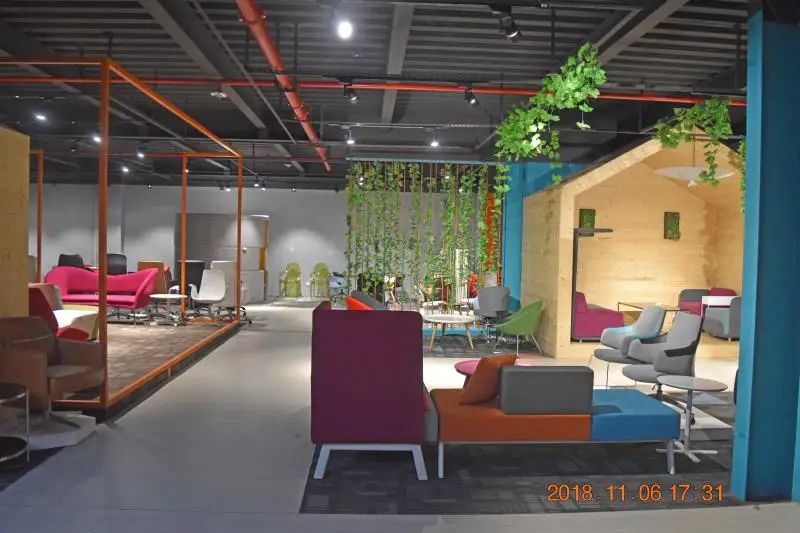
Foshan Lvye Furniture Co., Ltd.
- Manufacturer, Trading Company
- Guangdong, China
- Lead time18 days
- Avg. response≤ 10h
Main productsOffice Chair,furniture hardware,office furniture,interior design,Office Desk
Main marketsNorth America(18.00%), Eastern Europe(15.00%), Mid East(13.00%), Northern Europe(13.00%), Southeast Asia(12.00%), Western Europe(8.00%), Southern Europe(7.00%), Africa(3.00%), South America(3.00%), South Asia(2.00%), Oceania(2.00%), Eastern Asia(2.00%), Central America(2.00%)
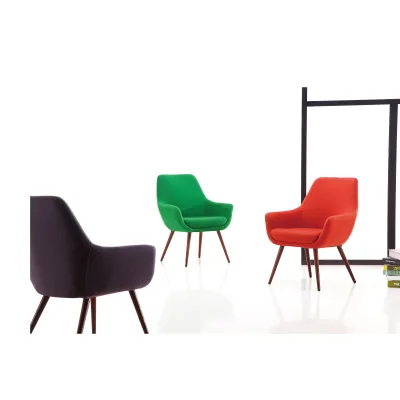
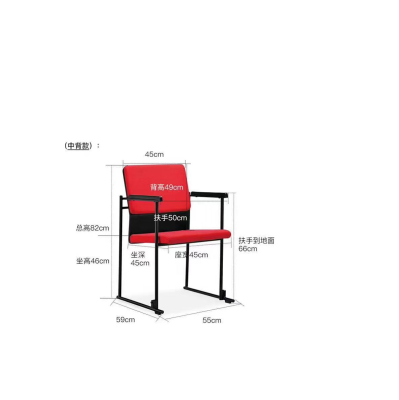
$29.00 - $30.00

Hans Intelligent Furniture (Shanghai) Co., Ltd
- Verified by SGS
- Trading Company
- China Shanghai
- Lead time45 days
- Avg. response≤ 1h
Main marketsDomestic
- Trading Company
- Lead time旺季: "1 - 100":7,"101 - 1000":14,"> 1000":"To be negotiated", 淡季: "1 - 100":7,"101 - 1000":14,"> 1000":"To be negotiated"
Main productsDaily Necessities, Kitchen Item, Home Decor, Storage Item, Pet Products

Hebei ChangXin Import and Export Trade Co., Ltd.
- Verified by SGS
- Trading Company
- China Hebei
- Lead time15 days
- Avg. response≤ 15h
Main productsTV Stand, Dining Chair, Office Chair, Dining Table, Bar Chair, Coffee Table
Main marketsEurope

NINGBO XUSHENG LEISURE PRODUCTS CO., LTD.
- Trading Company
- China Zhejiang
- Lead time30 days
- Avg. response≤ 15h
Main productsBeach Chair, Patio Swing Chair, Garden Tools, Outdoor Furniture, Patio Umbrella, BBQ, Sun Lounger, Tent & Awning, Cast Aluminium Garden Furniture, Rattan Furniture
Main marketsSouth America,Africa,Southeast Asia/ Mideast,East Asia(Japan/ South Korea),Domestic,Europe,Australia,North America

TIANJIN SUNLIGHT FOREVER INTERNATIONAL TRADE CO., LTD.
- Verified by BV
- Trading Company
- China Tianjin
- Lead time15 days
- Avg. response≤ 9h
Main productsOffice Chair, Gaming Chair, Plastic Chair, Banquet Chair, Dining Chair, Church Chair, Chiavari Chair, Folding Chair, Swing Chair, Hanging Chair
Main marketsSouth America


Ergonomic Rolling Fabric Swivel Race Modern Computer Wholesale Office Chair
$11.99 - $12.99
MOQ: 1035 Pieces


Ningbo Yilong Outdoor Products Co., Ltd.
- Verified by TUVRHEINLAND
- Manufacturer/Factory
- China Zhejiang
- Lead time0 days
- Avg. response≤ 14h
Main productsAluminium Foldable Gazebo, Aluminium Umbrella, Wooden Umbrella, Beach Umbrella, Swing Chair, Steel Gazebo, Outdoor Furniture, Campling, Chair, Table
Main marketsSouth America,Eastern Europe,Mid East,North America,Southeast Asia,Eastern Asia,Oceania,Western Europe,Africa


MOQ: 100 Sets

MOQ: 100 Pieces

MOQ: 100 Pieces

MOQ: 200 Pieces

- Verified by BV
- Manufacturer/Factory
- China Zhejiang
- Lead time30 days
- Avg. response≤ 3h
Main productsBrush Cutter, Tiller, Garden Equipment, Chain Saw, Bike Rack, Motorcycle Lift, Furniture, Hooks, Garage Rack, Storage Bin
Main marketsSouth America,Eastern Europe,Mid East,North America,Southeast Asia,Eastern Asia,Oceania,Western Europe,Africa

TIANJIN CHRCASE FURNITURE TECHNOLOGY DEVELOPMENT CO., LTD.
- Verified by SGS
- Trading Company
- China Tianjin
- Lead time15 days
- Avg. response≤ 8h
Main productsOffice Chair, Gaming Chairs, Chair Accessories, Dining Chair, Coffee Chair, Plastic Chair, Bar Chair, Hardware Products, Furniture Spare Parts
Main marketsAfrica,Europe

Beijing Tianyuan Rongli Technology Co., Ltd.
- Verified by SGS
- Trading Company
- China Beijing
- Lead time15 days
- Avg. response≤ 2h
Main productsMelamine Board, Chipboard, MDF, Solid Wood Pellet Board, Custom-Made Furniture, Dining Room Furniture, Living Room Furniture, Steel-Wood Furniture
Main marketsSoutheast Asia/ Mideast


Modern Ergonomic Swivel Chair for Home and Office with Cooling Backrest Comfort
$39.29 - $40.86
MOQ: 100 Pieces


Comprehensive Sourcing Guide
Modern Fabric Swivel Chair Supplier Concentration and Factory Types
When evaluating the landscape for Modern Fabric Swivel Chair suppliers, it is crucial to understand the structural diversity of available manufacturing partners. The current market data indicates a concentration of suppliers located in China Guangdong, a region known for its robust furniture manufacturing ecosystem. This geographic clustering suggests that buyers will likely encounter a high density of potential partners in this specific area, which can streamline logistics and reduce shipping complexities. However, the presence of suppliers in this region does not guarantee uniform quality or capability; rather, it provides a starting point for identifying clusters that specialize in specific types of office and home furniture. Buyers should recognize that while location is a significant factor, it is only one dimension of supplier assessment. The concentration of factories in Guangdong often correlates with established supply chains for materials like fabric, metal, and plastic, which are essential components of modern swivel chairs. Understanding this geographic reality helps buyers anticipate the types of suppliers they will encounter and plan their outreach strategies accordingly.
Beyond location, the types of companies available vary significantly, ranging from pure trading entities to combined factories with both trading and manufacturing capabilities. The data reveals that many suppliers are classified as "Combined" company types, indicating they may offer both direct manufacturing services and trading facilitation. This hybrid model can be advantageous for buyers seeking flexibility, as these suppliers often have the capacity to handle both OEM (Original Equipment Manufacturer) and ODM (Original Design Manufacturer) requests. For instance, some suppliers explicitly list ODM and OEM capabilities, suggesting they can adapt existing designs or create custom solutions based on buyer specifications. This versatility is particularly relevant for modern fabric swivel chairs, where customization options such as color, material, and ergonomic features are highly valued. Buyers should carefully distinguish between suppliers that primarily act as intermediaries and those with actual production facilities, as this distinction impacts lead times, quality control, and communication efficiency. The presence of combined factories in the results suggests a market that caters to diverse buyer needs, from small batch custom orders to large-scale standardized production.
How to Verify Modern Fabric Swivel Chair Suppliers
Verification is a critical step in ensuring the reliability and legitimacy of Modern Fabric Swivel Chair suppliers. The available data highlights specific verification statuses, such as SGS and TUVRHEINLAND, which serve as indicators of third-party audits and quality assurance processes. These certifications suggest that the suppliers have undergone rigorous inspections regarding their manufacturing capabilities, quality management systems, and product safety standards. Buyers should prioritize suppliers with these verifications, as they provide a layer of confidence that the supplier meets international benchmarks. However, it is important to note that verification status can vary among suppliers, and not all listed partners may hold the same credentials. Therefore, buyers must actively check the verification badges on supplier profiles to confirm their current status. This due diligence helps mitigate risks associated with unverified entities that may lack the necessary infrastructure or ethical standards required for long-term partnerships.
In addition to third-party certifications, buyers should assess other key indicators of supplier reliability, such as response times and company history. The data shows varying response times, with some suppliers responding within approximately 5 to 8 hours, which reflects their operational efficiency and customer service commitment. Faster response times often correlate with better communication and quicker issue resolution, which are vital during the sourcing process. Furthermore, buyers should examine the main products listed by suppliers to ensure alignment with their specific needs. For example, some suppliers specialize in office chairs, while others focus on banquet or hotel furniture. This specialization can indicate a deeper expertise in certain product categories, potentially leading to higher quality outcomes. Buyers should also look for evidence of customization capabilities, such as the availability of OEM/ODM services, which suggests the supplier can adapt to unique design requirements. By combining verification checks with an analysis of response metrics and product focus, buyers can build a more comprehensive profile of each potential partner.
What to Compare Across Modern Fabric Swivel Chair Suppliers
When comparing suppliers for modern fabric swivel chairs, several key dimensions must be evaluated to determine the best fit for specific business needs. One of the most critical factors is the minimum order quantity (MOQ), which can vary significantly across different suppliers. The data indicates MOQs ranging from 20 pieces to 100 pieces, allowing buyers with varying volume requirements to find suitable partners. Lower MOQs are particularly beneficial for startups or those testing new markets, as they reduce initial inventory risks. Conversely, higher MOQs may offer better unit economics for established businesses seeking to maximize economies of scale. Buyers should align their order volumes with supplier MOQs to avoid unnecessary costs or production delays. Additionally, lead times are a crucial comparison point, with some suppliers indicating delivery times of 20-25 days or longer. Understanding these timelines helps buyers plan their inventory replenishment strategies and manage customer expectations effectively.
Price and customization options are also essential factors in supplier comparison. The price ranges for modern fabric swivel chairs vary, with some models starting as low as $16.80 and others reaching up to $28.50. These price differences often reflect variations in materials, construction quality, and feature sets. Buyers should analyze the cost structure in relation to the product specifications, such as the type of fabric, metal base quality, and ergonomic features like lumbar support or adjustable height. Furthermore, the availability of customization services, including color, material, and design modifications, can significantly impact the final product value. Suppliers that offer flexible customization options may command higher prices but provide greater competitive advantage in the market. Buyers should also consider the supplier's main product focus, as those specializing in office furniture may offer more relevant expertise than general furniture manufacturers. By systematically comparing MOQs, lead times, prices, and customization capabilities, buyers can make informed decisions that balance cost, quality, and operational efficiency.
Common Modern Fabric Swivel Chair Sourcing Risks
Sourcing modern fabric swivel chairs involves several inherent risks that buyers must proactively manage to ensure successful procurement outcomes. One significant risk is the variability in product quality, which can arise from differences in material sourcing and manufacturing processes. The data shows that chairs are constructed from various materials, including fabric, metal, and plastic, each with distinct durability and aesthetic properties. Buyers must verify that the materials specified in their orders match the actual products delivered, as discrepancies can lead to customer dissatisfaction and returns. Additionally, the complexity of swivel mechanisms and ergonomic features introduces potential points of failure if not manufactured to precise standards. Buyers should request detailed product specifications and, if possible, samples to assess build quality before committing to large orders. This due diligence helps identify potential quality issues early in the sourcing process, allowing for corrective actions before mass production begins.
Another common risk is the misalignment of communication and expectations regarding customization and delivery timelines. The data indicates that some suppliers offer customization services, but the extent and feasibility of these services can vary. Buyers must clearly define their customization requirements and ensure that the supplier has the technical capability to fulfill them. Miscommunication in this area can result in products that do not meet design specifications, leading to additional costs and delays. Furthermore, lead time variability poses a risk to supply chain stability. While some suppliers provide estimated delivery times, actual production schedules can be affected by material shortages, labor issues, or other unforeseen circumstances. Buyers should establish clear communication channels and regular update protocols with their suppliers to monitor production progress. By anticipating these risks and implementing robust quality control and communication strategies, buyers can mitigate potential disruptions and ensure a smoother sourcing experience.
Modern Fabric Swivel Chair Regional Sourcing and Logistics
Regional sourcing plays a pivotal role in the logistics and cost structure of Modern Fabric Swivel Chair procurement. The data indicates a significant concentration of suppliers in China Guangdong, a region that serves as a major hub for furniture manufacturing. Sourcing from this region can offer advantages in terms of supply chain efficiency and cost competitiveness, given the established infrastructure and availability of raw materials. However, buyers must also consider the logistical implications of shipping from this location, including transit times, freight costs, and customs procedures. Understanding the regional logistics landscape helps buyers optimize their supply chain strategies and minimize potential delays. For instance, proximity to major ports in Guangdong can facilitate faster export processes, reducing overall lead times. Buyers should evaluate the total landed cost, which includes not only the product price but also shipping, insurance, and tariff expenses, to accurately assess the financial impact of regional sourcing.
In addition to cost considerations, regional sourcing impacts the ability to conduct on-site audits and build relationships with suppliers. Being able to visit factories in Guangdong allows buyers to verify manufacturing capabilities, inspect quality control processes, and establish trust with production teams. This face-to-face interaction can be invaluable in resolving issues and ensuring alignment on product specifications. For buyers unable to travel, remote verification methods such as video calls and third-party inspection services become essential. These tools can provide insights into factory conditions and production practices, helping to mitigate the risks associated with distance. Furthermore, regional sourcing can influence the speed of iteration and customization, as closer proximity often enables faster communication and quicker turnaround on design changes. Buyers should weigh the benefits of regional sourcing against the logistical challenges to determine the optimal strategy for their specific business needs. By leveraging the advantages of regional clusters while managing logistical complexities, buyers can enhance their sourcing efficiency and product quality.
Modern Fabric Swivel Chair Commercial Terms and Order Planning
Commercial terms and order planning are fundamental aspects of securing modern fabric swivel chairs from suppliers. The data reveals that payment terms can vary, with some suppliers requiring a deposit structure, such as a 40% deposit via T/T (Telegraphic Transfer). This payment model helps suppliers manage production costs while providing buyers with a structured financial commitment. Buyers should carefully review payment terms to ensure they align with their cash flow management strategies and risk tolerance. Additionally, warranty periods are an important commercial consideration, with some suppliers offering warranties of up to three years. This warranty coverage provides assurance regarding product durability and manufacturer support, which can be crucial for long-term customer satisfaction. Buyers should verify the scope of warranty coverage, including what components are included and the process for claiming repairs or replacements. Understanding these commercial terms helps buyers negotiate favorable conditions and protect their investment.
Order planning involves coordinating production schedules, delivery timelines, and inventory management to ensure a smooth supply chain. The data indicates lead times ranging from 20 to 30 days, which buyers must incorporate into their planning cycles. Effective order planning requires clear communication with suppliers regarding production start dates, material availability, and potential bottlenecks. Buyers should also consider the impact of customization on lead times, as personalized features may extend production schedules. Furthermore, packaging details, such as carton or brown box packing, influence storage and handling requirements at the destination. Buyers should specify packaging preferences to ensure products arrive in optimal condition and are easy to store or display. By integrating commercial terms with strategic order planning, buyers can optimize their procurement processes, reduce lead times, and enhance overall supply chain resilience. This holistic approach ensures that both financial and logistical aspects of sourcing are managed effectively, leading to successful business outcomes.
FAQs
What is the price range for modern fabric swivel chairs?
Prices typically range from $16.80 to $28.50 per unit depending on the specific model and customization options. Buyers should expect minimum order quantities of 100 pieces for standard fabric models, while specialized hotel-grade options may require lower minimums of 20 pieces with different pricing structures.
How long does production take for these chairs?
Standard lead times are approximately 30 days for general orders. For specific hotel or banquet models, delivery times can range from 20 to 25 days after deposit. Sample production usually requires 15 days, allowing buyers to verify quality before committing to larger bulk manufacturing runs.
Are these chairs suitable for both office and home use?
Yes, these chairs are designed for versatile applications including living rooms, home offices, and commercial spaces. They feature ergonomic designs with swivel functionality, making them ideal for executive desks, conference rooms, or contemporary living areas. Many models offer adjustable heights and lumbar support for extended comfort.
What customization options are available for fabric swivel chairs?
Customization is available for most models, allowing buyers to select specific colors, materials, and styles. Options include fabric choices, armrest configurations, and base materials like stainless steel or aluminum alloy. OEM and ODM services are supported, enabling tailored designs that meet specific brand requirements or interior design themes.
What certifications do these suppliers hold?
Suppliers are verified by recognized agencies such as SGS and TÜV Rheinland. These certifications ensure that manufacturing processes and product quality meet international standards. Buyers can rely on these verifications for compliance and safety, particularly when sourcing for commercial or hospitality projects requiring strict quality assurance protocols.
What is the typical response time from suppliers?
Supplier response times generally range from 5 to 8 hours. Faster responses, around 5 hours, are often associated with suppliers specializing in hotel or banquet furniture. Standard office chair suppliers may take slightly longer, averaging around 7.6 hours, ensuring buyers receive timely communication regarding inquiries and order status.