Modern European Metal Table Lamp Suppliers and Manufacturers
Explore 30 verified options for Modern European Metal Table Lamp from Jiangsu and Guangdong. Compare certifications like GS, VDE, and RoHS, response times, and lead times. Contact suppliers directly to request quotes for customized orders; review the available evidence before requesting comparable quotations from suitable candidates.
Updated
Suppliers List

Xuzhou Risen Industry and Supply Co., Ltd
- Verified by TUVRHEINLAND
- Trading Company
- China Jiangsu
- Lead time30 days
- Avg. response≤ 4h
Main productsHousehold Adornment, Household Supplies, Home Decoration, Compressed Sofa, Dining Furniture, Bothroom Organizer, Kitchen Storage, Glass Ornaments, Ceramic Tableware, Home Fragrance
Main marketsSouth America

SHANGLI LIGHTING CRAFTS CO.,LTD
- Verified by BV
- Manufacturer/Factory
- China Guangdong
- Lead time30 days
- Avg. response≤ 9h
Main productsPortable Table and Floor Lamp, LED Lamp, Hotel Lamp, Chandelier Lamp, Pendant Lamp, Ceiling Lamp, Wall Lamp, Lampshade, Accessory, Mirror
Main marketsSouth America,Eastern Europe,Mid East,North America,Southeast Asia,Eastern Asia,Oceania,Western Europe,Africa


Customized Table Lamps Light Luxury Hotel Bedside Decor Ceramic Table Lamp European
$15.00 - $30.00
MOQ: 1 Pieces


Zhong Shan Rima Lighting Co., Ltd.
- Verified by CTI
- Combined
- China Guangdong
- Lead time23 days
- Avg. response≤ 2h
Main marketsSoutheast Asia/ Mideast,Domestic,Europe,North America

Indoor European Style Modern Foldable Table Lamps Metal Decorative LED Light
$10.00 - $80.00
MOQ: 10 Pieces

European Nordic Style Modern Decorative Reading Room Modern Fabric Lampshade Metal Base Table Lamp
$23.00 - $80.00
MOQ: 10 Pieces


Modern Golden Metal Irregular Desk Light Home Hotel Decoration Marble Base Concise LED Table Lamp
$10.00 - $80.00
MOQ: 10 Pieces


Jianbian Lighting Technology (Zhongshan) Co., Ltd.
- Verified by CTI
- Combined
- China Guangdong
- Lead time15 days
- Avg. response≤ 1h
Main productsTable Lamp, Cordless Table Lamp, Rechargeable Table Lamp
Main marketsSouth America,Domestic,Europe,North America


Luxury Decorative Wireless Rechargeable Touch-Sensitive Metal Table Lamp
$9.50 - $11.00
MOQ: 200 Pieces


Rechargeable Modern Design Decorative Table Lamp for Dining Room and Living Room
$9.90
MOQ: 200 Pieces
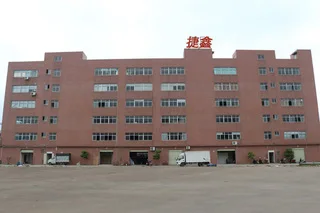
Huizhou Jiexin Electronic Products Co., Ltd.
- Manufacturer, Trading Company
- Guangdong, China
- Lead time45 days
- Avg. response≤ 5h
Main productsTable lamp, Floor lamp, Ceiling light, Switch lamp
Main marketsNorth America(65.00%), South America(5.00%), Oceania(5.00%), Southern Europe(5.00%), Eastern Asia(5.00%), Northern Europe(5.00%), Eastern Europe(5.00%), Mid East(5.00%)
Joinshare Lighting Co., Limited
- Manufacturer
- Guangdong, China
- Lead time5 days
- Avg. response≤ 4h
Main productsSolar LED Lights,Outdoor Lights,Indoor Lights,Decoration Lights,LED G4 G9 bulbs
Main marketsNorth America(30.00%), Western Europe(22.00%), Southeast Asia(10.00%), Northern Europe(8.00%), Oceania(6.00%), Southern Europe(6.00%), Eastern Europe(4.00%), Central America(4.00%), South America(3.00%), Eastern Asia(2.00%), Mid East(2.00%), South Asia(1.50%), Domestic Market(1.00%), Africa(0.50%)
Zhongshan Cano Lighting Co., Ltd.
- Verified by Intertek
- Manufacturer, Trading Company
- Lead time25 days
- Avg. response≤ 3h
Main productsChandelier, Ceiling Light, Wall Lamps
Main marketsNorth America(70%), South America(15%), Eastern Europe(10%)
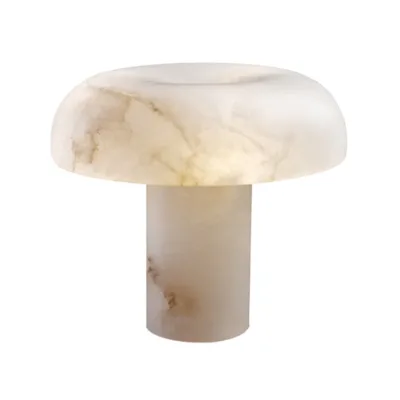
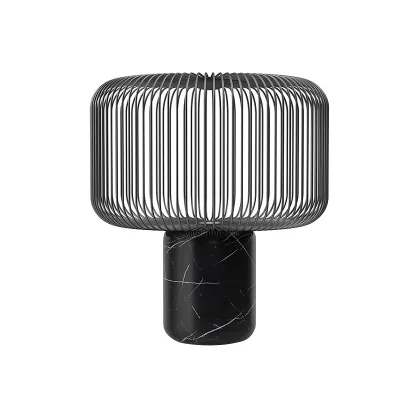
Northern Europe Marble Base Table Lamp Mushroom Table Lamp Table Lamps Home Decor Modern
$99.00 - $299.00
MOQ: 2 Minimum
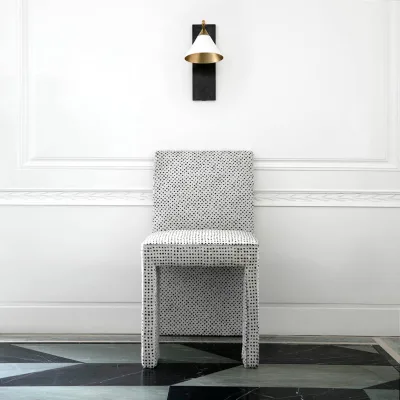
$90.00 - $220.00
MOQ: 2 Minimum

Zhongshan Kamable Lighting Co., Ltd.
- Verified by SGS
- Trading Company
- China Guangdong
- Lead time30 days
- Avg. response≤ 8h
Main productsChandelier, Custom Made Lighting, LED Lighting Fixtures, Pendant Lamp, Table Lamp, Wall Lamp, Floor Lamp, Decorative Lighting, Light, Crystal Chandelier
Main marketsSoutheast Asia/ Mideast


Nordic Vintage Glass Metal Bedroom Desk Lighting Indoor Decor Table Lamp
$131.00 - $157.00
MOQ: 1 Pieces


Zhongshan Huatian Photolectric Co., Ltd.
- Verified by SGS Group
- Trading Company
- Lead time30 days
- Avg. response≤ 5h
Main productsTouch The Atmosphere Table Lamp
Main marketsWestern Europe(50%), North America(30%), South America(10%)
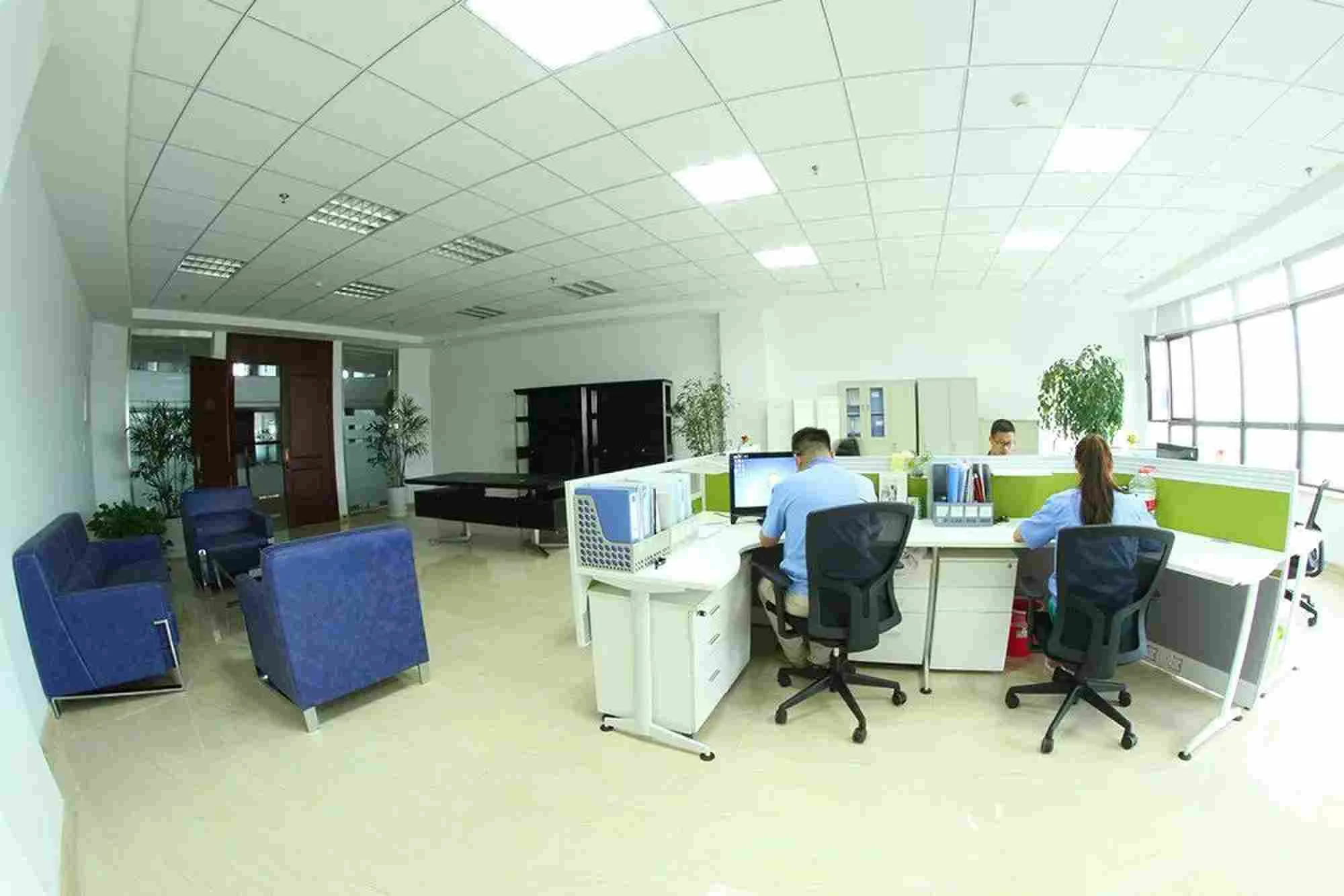
Shenzhen Jartown Trade Co., Ltd
- Manufacturer, Trading Company, Buying Office
- Guangdong, China
- Lead time15 days
- Avg. response≤ 3h
Main productsLED light,Gift& Crafts
Main marketsNorth America(35.00%), Eastern Europe(20.00%), Northern Europe(20.00%), Central America(10.00%), Western Europe(8.00%), South America(5.00%), South Asia(2.00%)

Shuifu Huiyang Agricultural Technology Co., Ltd.
- Verified by SGS
- Trading Company
- China Yunnan
- Lead time23 days
- Avg. response≤ 3h
Main productsBamboo Products, Bamboo Crafts, Bamboo Chopsticks, Bamboo Skewers, Bamboo Weaving, Bamboo Tray, Bamboo Box, Bamboo Placemat, Bamboo Fruit Bowl, Lamp Shades
Main marketsDomestic

- Verified by BV
- Manufacturer/Factory
- China Zhejiang
- Lead time30 days
- Avg. response≤ 8h
Main productsLED Light, Tail Light, Work Light, Ceiling Light, Flash Light, Projector, Cabinet Light, Mirror Light, LED Strip, Festival Light
Main marketsSouth America,Eastern Europe,North America,Western Europe,Africa

Jiangmen Art-Dynasty Furnishings Co., Ltd.
- Manufacturer, Trading Company
- Guangdong, China
- Lead time20 days
- Avg. response≤ 18h
Main productsLighting,Home Furnishings,Decorations
Main marketsDomestic Market(25.00%), Southeast Asia(15.00%), Mid East(15.00%), North America(10.00%), Eastern Europe(10.00%), South America(5.00%), Western Europe(4.00%), Northern Europe(4.00%), Africa(3.00%), South Asia(3.00%), Southern Europe(2.00%), Oceania(2.00%), Central America(1.00%), Eastern Asia(1.00%)
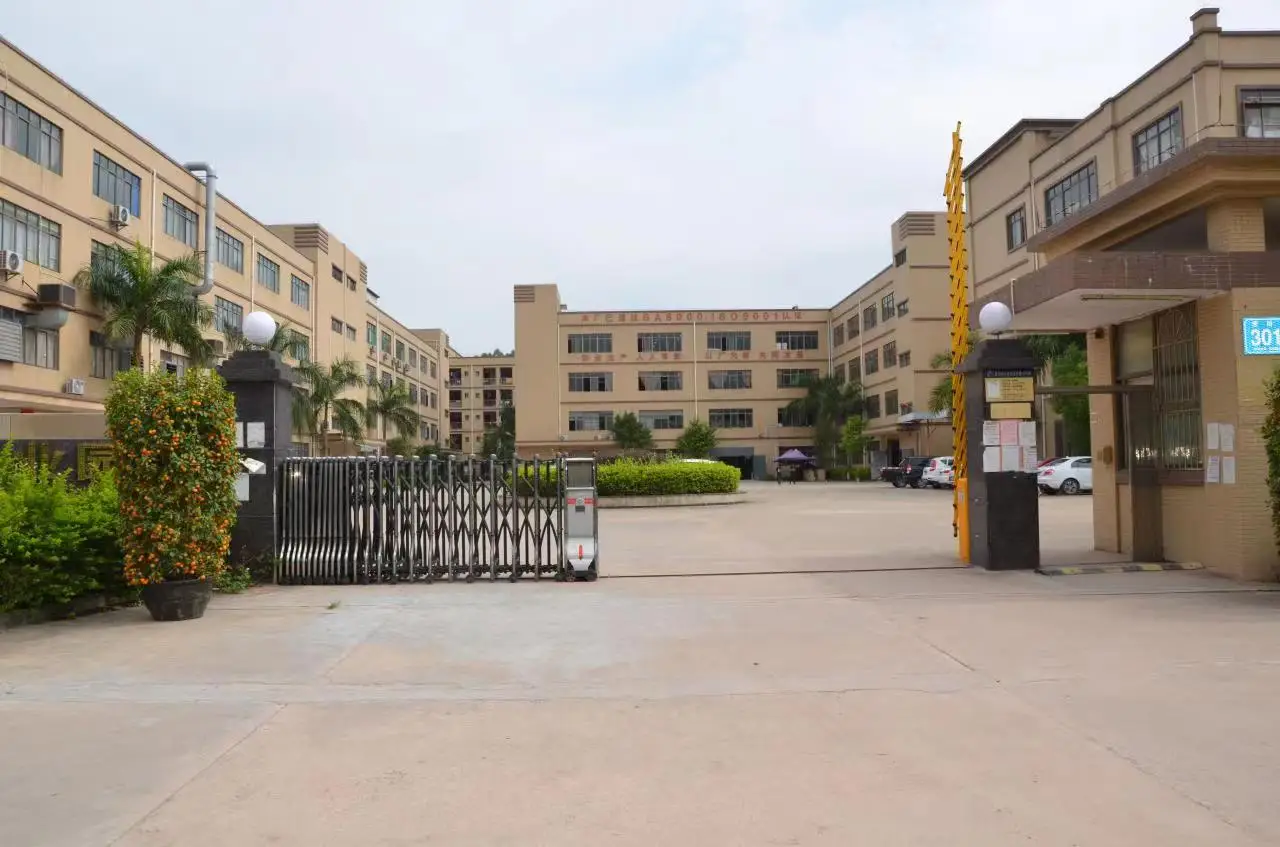
Huizhou Zhigao Lighting Co., Ltd.
- Manufacturer, Trading Company
- Guangdong, China
- Lead time30 days
- Avg. response≤ 20h
Main productsTABLE LAMP,FLOOR LAMP,PENDANT LIGHTING,CEILING FIXTURE,HEADBOARD SCONCE
Main marketsNorth America(37.00%), Western Europe(35.00%), South America(10.00%), Mid East(5.00%), Southern Europe(2.00%), Central America(2.00%), Eastern Europe(2.00%), Domestic Market(1.00%), South Asia(1.00%), Southeast Asia(1.00%), Northern Europe(1.00%), Oceania(1.00%), Africa(1.00%), Eastern Asia(1.00%)
Shenzhen CSX Electric Technology Co., Ltd.
- Manufacturer, Trading Company
- Guangdong, China
- Lead time25 days
- Avg. response≤ 4h
Main productsLED Desk Lamp,Foldable LED Desk Lamp,Metal Table Lamp,Bar Table Lamp,Rechargeable Table Lamp
Main marketsEastern Europe(40.00%), Mid East(15.00%), Oceania(15.00%), Eastern Asia(10.00%), South America(10.00%), Southern Europe(5.00%), Africa(5.00%)
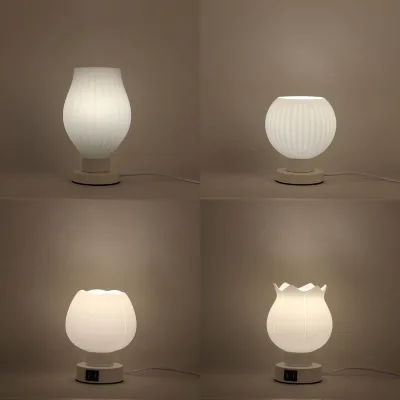
European Bedroom Dimming A+cusb Charge Touch Nightstand Glass Table Lamp With Metal Base
$6.68 - $9.80
MOQ: 2 pieces
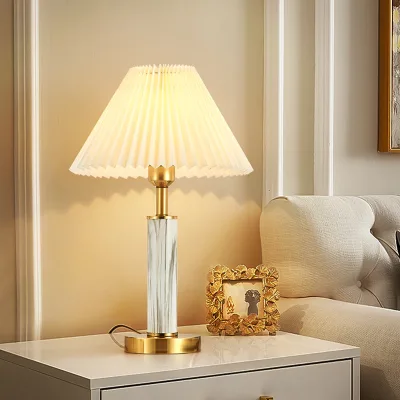
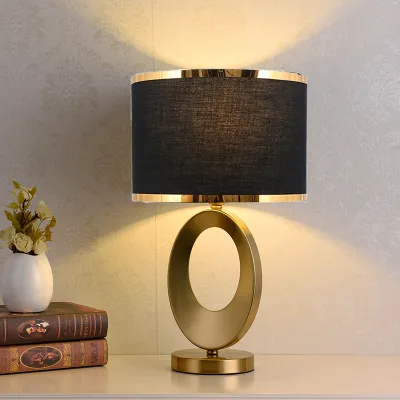
2024 Modern Decorative Bedroom Bedside Marble Base Solid Brass Desk Antique Table Lamps With Shade
$16.80 - $21.80
MOQ: 2 Minimum
Guangzhou Kebo Lighting Co., Ltd.
- Verified by TüVRheinland
- Manufacturer, Trading Company
- Lead time15 days
- Avg. response≤ 1h
Main productsChandelier, Pendant Light, Table Lamp, Floor Lamp, Wall Lamp
Main marketsNorth America(70%), Oceania(10%), Western Europe(10%)
Zhongshan Woge Lighting Appliance Co., Ltd.
- Manufacturer, Trading Company
- Guangdong, China
- Lead time30 days
- Avg. response≤ 2h
Main productsDecorative lighting,Electrical lighting,project light,crystal Chandelier,pendant light
Main marketsMid East(15.00%), North America(15.00%), Africa(12.00%), Southeast Asia(12.00%), Central America(10.00%), Eastern Europe(8.00%), Western Europe(8.00%), Domestic Market(5.00%), Northern Europe(5.00%)
Zhongshan Kasanto Lighting Co., Ltd.
- Manufacturer
- Guangdong, China
- Lead time30 days
- Avg. response≤ 3h
Main productsPendant Lights,Wall Lamps,Table Lamps,Ceiling Lights,Floor Lamps
Main marketsWestern Europe(35.00%), Domestic Market(30.00%), Oceania(20.00%), Mid East(10.00%), Eastern Europe(3.00%), Southern Europe(1.00%), Northern Europe(1.00%)
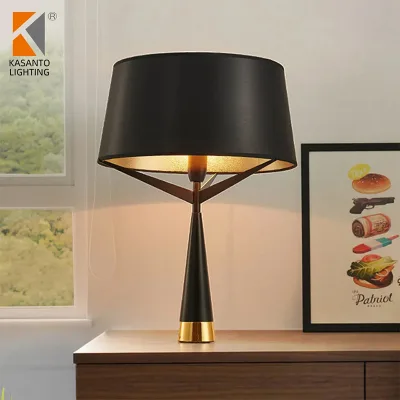
Modern Black Shade Gold Metal Indoor Desk Lamp Hotel Living Room Bedroom Decoration Table Lamp
$32.55 - $34.88
MOQ: 5 pieces
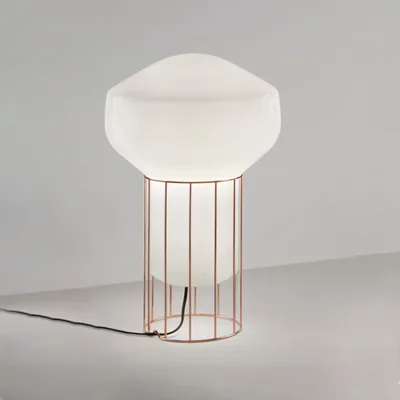
2021 Contemporary Decorative Milan Nordic Simple Designer Desk Lamp Glass Shade Table Lamp Modern
$46.6914 - $64.5087
MOQ: 10 pieces
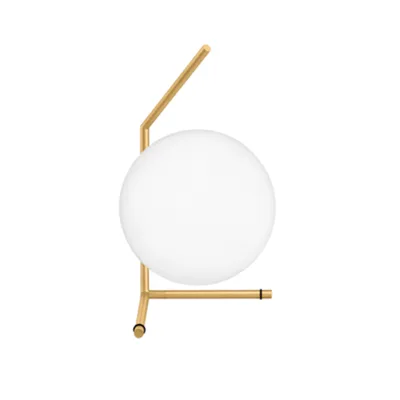
$14.54 - $21.00
MOQ: 10 pieces
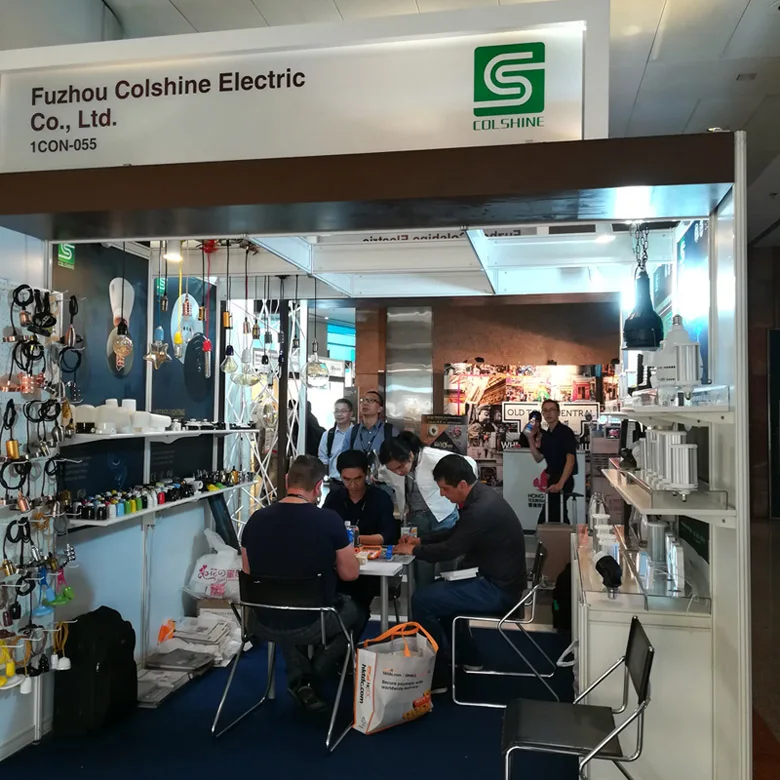
Fuzhou Colshine Electric Co., Ltd.
- Manufacturer, Trading Company
- Fujian, China
- Lead time30 days
- Avg. response≤ 6h
Main productsLed Corn Bulbs,Led High Bays,Sauna Lamp,Retro Switch and Socket,Pendant Light
Main marketsEastern Europe(20.00%), Western Europe(20.00%), Southern Europe(20.00%), Northern Europe(15.00%), South America(10.00%), North America(10.00%), Central America(5.00%)
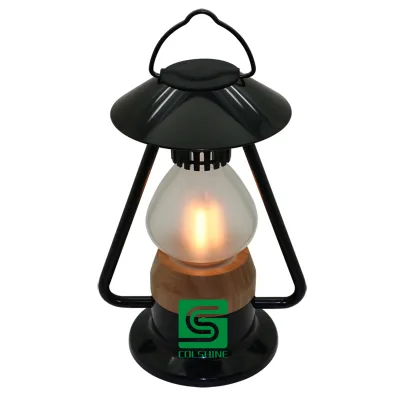
Vintage Style Lantern Table Lamp with USB Charging Ports Retro USB Bedside Lamp for Living Room
$30.7604 - $35.8876
MOQ: 300 Minimum

Zhongshan Hooyi Lighting Electrical Co., Ltd.
- Manufacturer, Trading Company
- Guangdong, China
- Lead time25 days
- Avg. response≤ 4h
Main productsChandelier & Fan Lamp,Ceiling Lamp,Wall Lamp,Table Lamp,Floor Lamp
Main marketsEastern Europe(55.00%), North America(32.00%), Western Europe(8.00%), Southeast Asia(3.00%), South America(2.00%)
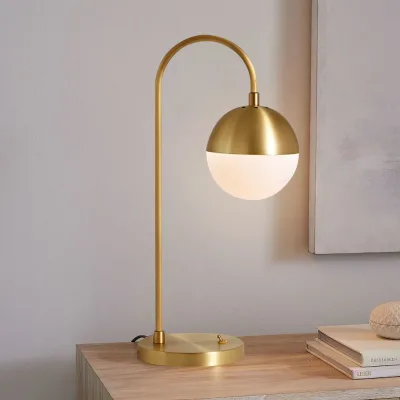
$17.1032 - $20.4969
MOQ: 2 pieces
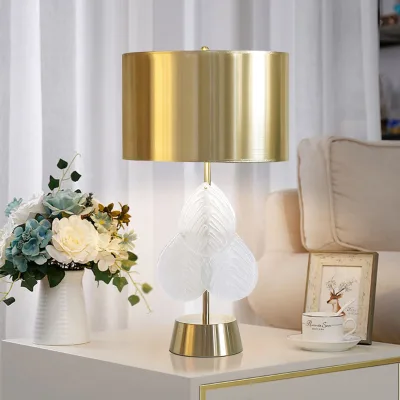
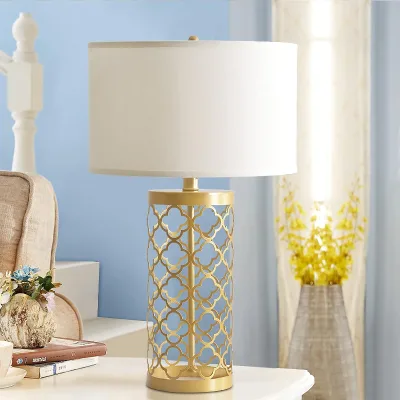
Hot Sale Modern Metal Table Lamp with Fabric Shade - Creative Design for Dining Room & Bedroom
$28.60 - $36.80
MOQ: 2 pieces
YIWU HOSUN TECHNOLOGY CO., LTD.
- Trading Company
- Zhejiang, China
- Lead time0 days
- Avg. response≤ 3h
Main productsFlood lights,Solar light,Candle lights,Bulbs,led work light
Main marketsNorth America(28.00%), Eastern Europe(15.00%), Western Europe(10.00%), Southern Europe(10.00%), Northern Europe(10.00%), Africa(5.00%), South Asia(5.00%), Central America(5.00%), South America(5.00%), Eastern Asia(4.00%), Mid East(1.00%), Southeast Asia(1.00%), Oceania(1.00%)

Ningbo Qingyang Import and Export Co., Ltd.
- Verified by SGS
- Trading Company
- China Zhejiang
- Lead time45 days
- Avg. response≤ 3h
Main productsLED Lights, Table Lamp, Night Light, Solar Garden Light, LED Sensor Light, LED String Light, Decorative Light, LED Work Light, Camping Lantern, LED Candle
Main marketsEast Asia(Japan/ South Korea),Europe,North America

Huizhou Homelighting Technology Co., Ltd.
- Verified by BV
- Trading Company,Manufacturer/Factory
- China Guangdong
- Lead time0 days
- Avg. response≤ 8h
Main productsTable Lamp, Wall Lamp, Floor Lamp, Hotel Lamp, Tiffany Lamp, Lampshade, Chandelier Lamp
Main marketsSouth America,Eastern Europe,Mid East,North America,Southeast Asia,Eastern Asia,Oceania,Western Europe,Africa
Henan Bifang Lighting Technology Co., Ltd.
- Trading Company
- /henan, China
- Lead time7 days
- Avg. response≤ 2h
Main productstable lamp,floor lamp,Mood lighting,Rechargeable night light,Interior lighting
Main marketsNorthern Europe(25.00%), North America(20.00%), Eastern Asia(15.00%), Eastern Europe(5.00%), Western Europe(5.00%), Southeast Asia(5.00%)
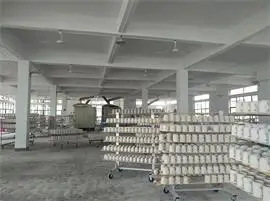
Jingdezhen Suolide Ceramic Co., Ltd.
- Manufacturer, Trading Company
- Jiangxi, China
- Lead time30 days
- Avg. response≤ 2h
Main productsCeramic Vase/Ceramic Jar/Ceramic Table Lamp/Ceramic Stool/Ceramic Floor Vase,ceramic lamp,ceramic dinnerware,ceramic jar
Main marketsDomestic Market(15.00%), Southern Europe(15.00%), Africa(10.00%), Northern Europe(10.00%), South America(10.00%), Central America(6.00%), North America(6.00%), Mid East(5.00%), Oceania(5.00%), Southeast Asia(5.00%), Eastern Europe(5.00%), Western Europe(5.00%), Eastern Asia(3.00%)
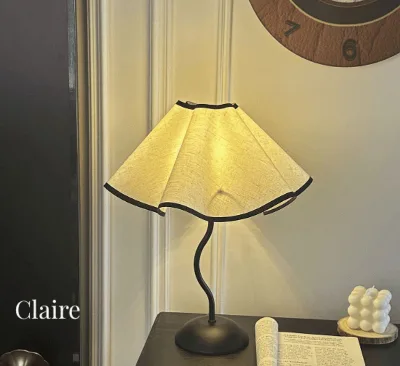
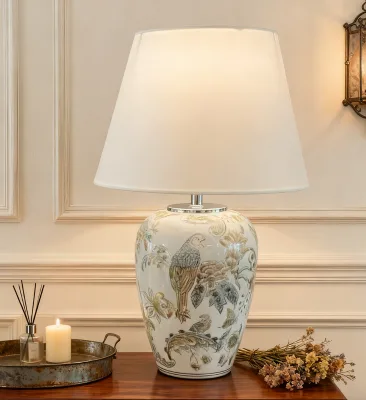
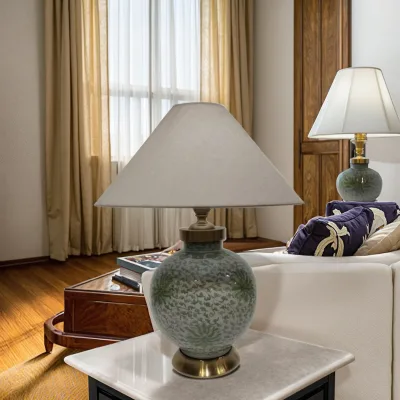
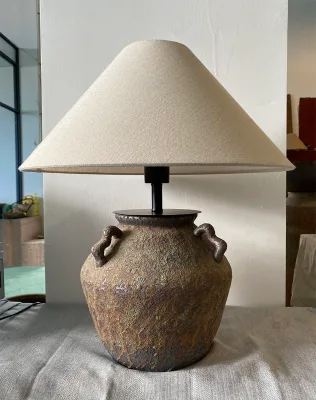
Ball shape green and white vase ceramic lamp vintage small pot table lamp
$30.8951 - $37.8397
MOQ: 10 pieces
Guangzhou Bluesky Electronic Technology Co., Ltd.
- Verified by TüVRheinland
- Trading Company
- Lead time10 days
- Avg. response≤ 2h
Main productsTable Lamp, Floor Lamp, Led Sign, Light Guide Plate, Led Light
Main marketsNorth America(24%), Eastern Asia(24%), Domestic Market(20%)

Foshan Ron Hospitality Supplies Co., Ltd.
- Verified by BV
- Manufacturer/Factory,Group Corporation
- China Guangdong
- Lead time45 days
- Avg. response≤ 2h
Main productsRestaurant Furniture, Restaurant Booth, Restaurant Chair, Restaurant Table, Bar Stools, Wedding Chairs, Flatware Sets, Dinnerware Sets, Garden Chairs, Disposable Dinnerware & Tableware
Main marketsSouth America,Eastern Europe,Mid East,North America,Southeast Asia,Eastern Asia,Oceania,Western Europe,Africa

- Verified by BV
- Combined
- China Fujian
- Lead time30 days
- Avg. response≤ 11h
Main productsCeiling Fan Light, Lighting, Electronic Product, Electrocity Product
Main marketsDomestic

Zhonshan Guzhen Datong Lights & Electrical Appliance Factory
- Manufacturer
- Guangdong, China
- Lead time0 days
- Avg. response≤ 8h
Main productsled table lamp,led down light,led flood light,led wall lamp,led track light
Main marketsNorth America(12.50%), South America(12.50%), Eastern Europe(12.50%), Southeast Asia(12.50%), Mid East(12.50%), Western Europe(12.50%), Central America(12.50%), Northern Europe(12.50%)
Shenzhen Kingms Technology Co., Ltd.
- Manufacturer, Trading Company
- Guangdong, China
- Lead time0 days
- Avg. response≤ 6h
Main productsled light,led strip,led mirror lamp,Led reading lamp,Business gifts and crafts
Main marketsNorth America(30.00%), Northern Europe(10.00%), Western Europe(10.00%), Africa(10.00%), Eastern Europe(10.00%)


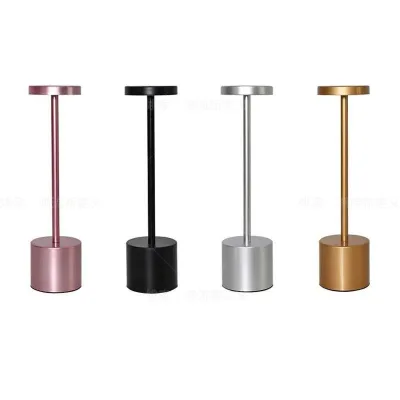
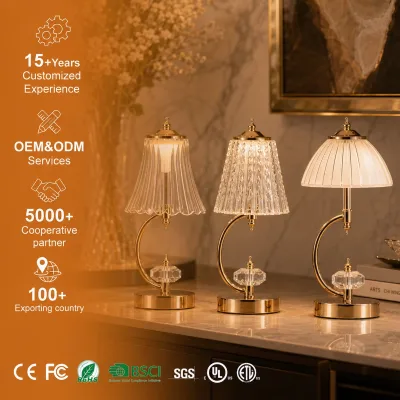
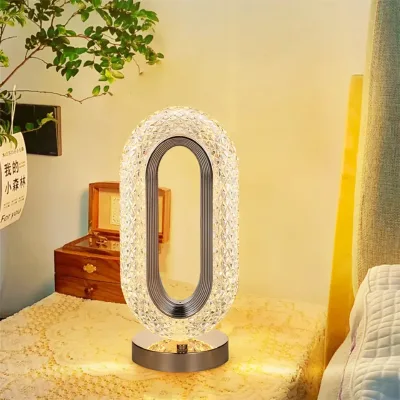
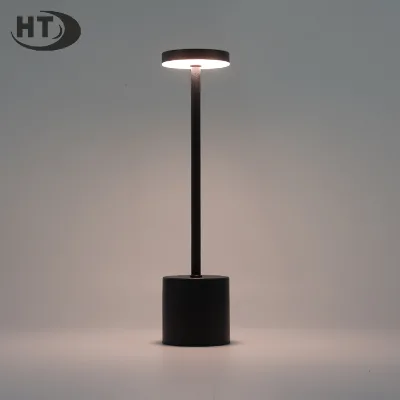
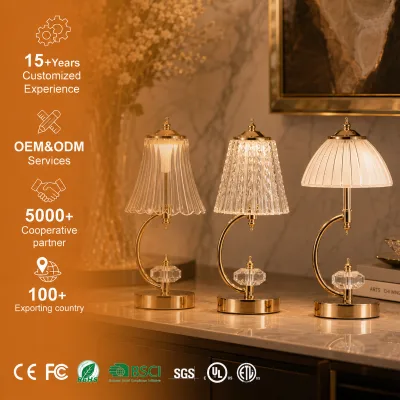
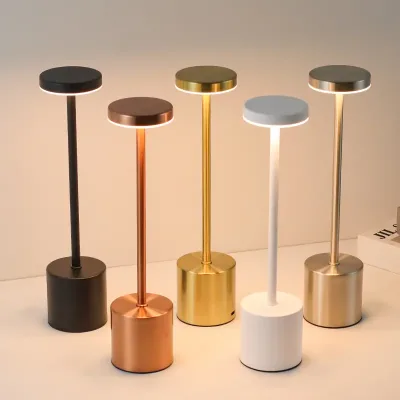
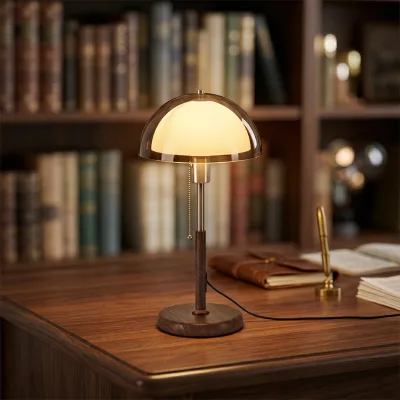
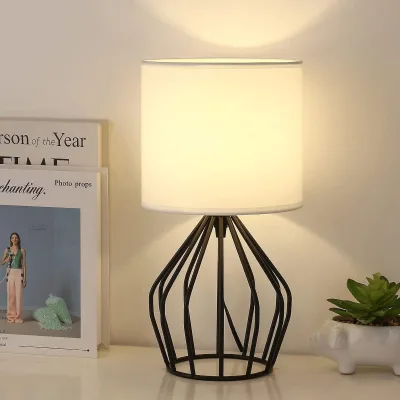


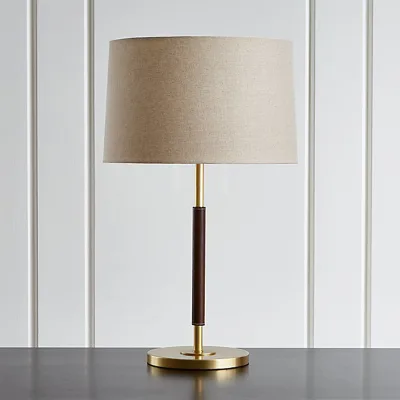
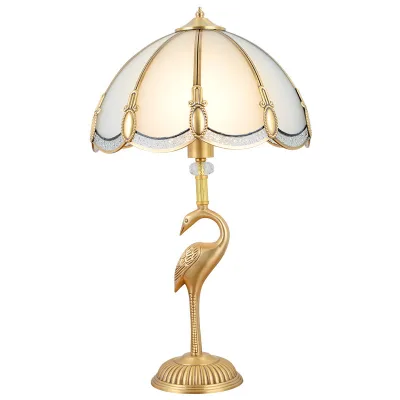
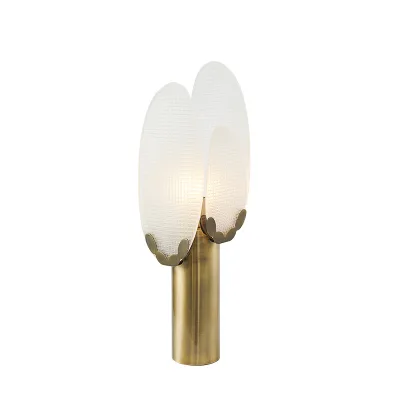
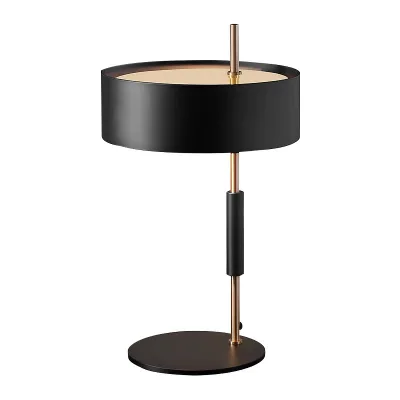
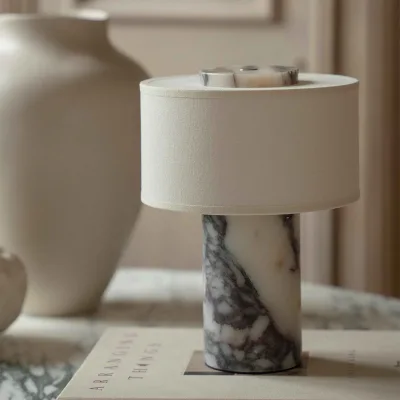
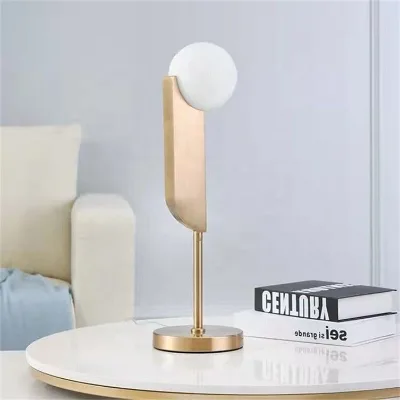
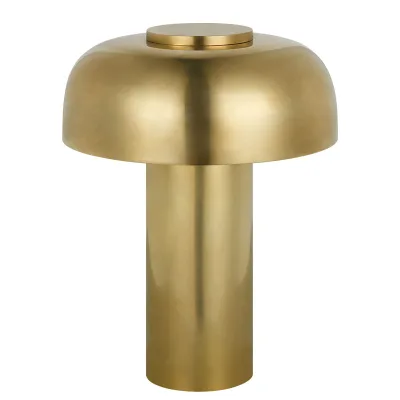
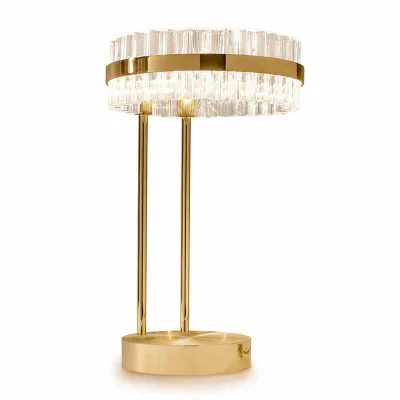


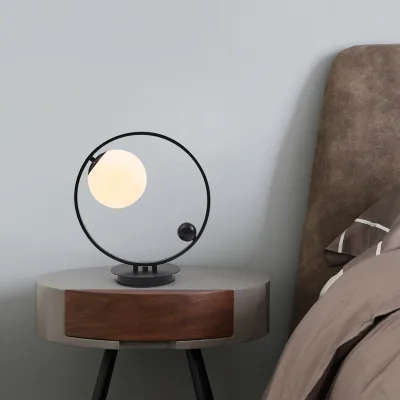
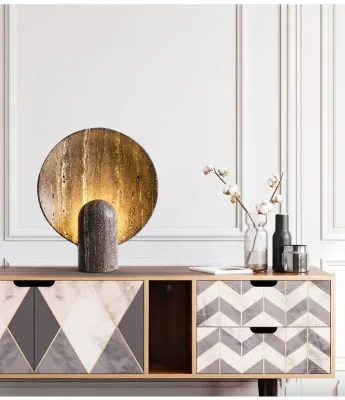
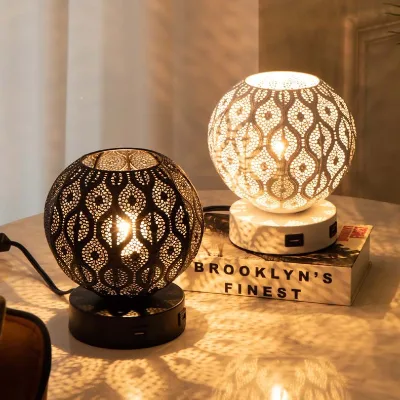
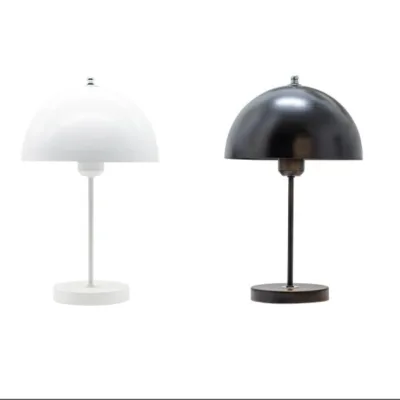


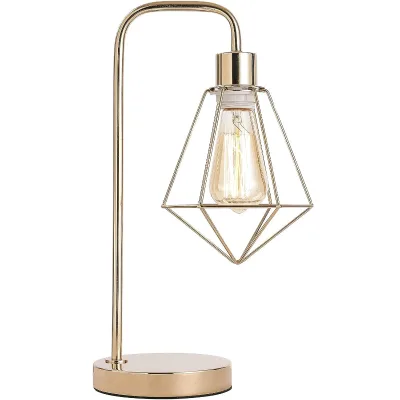
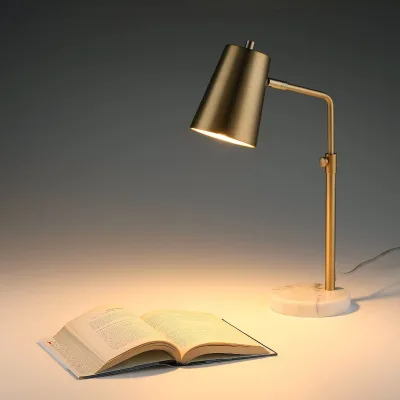
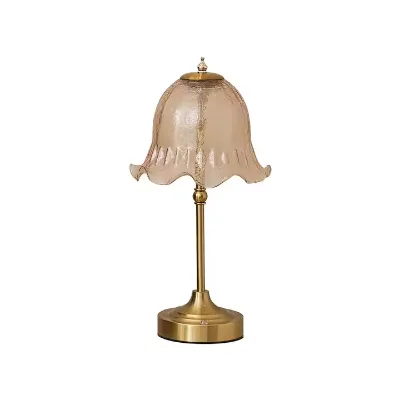
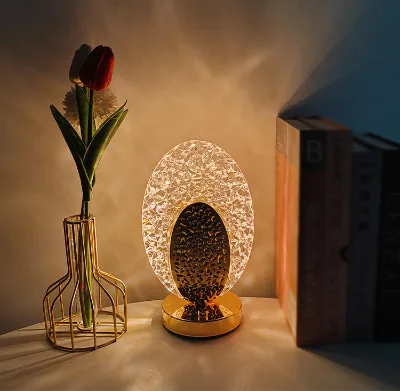
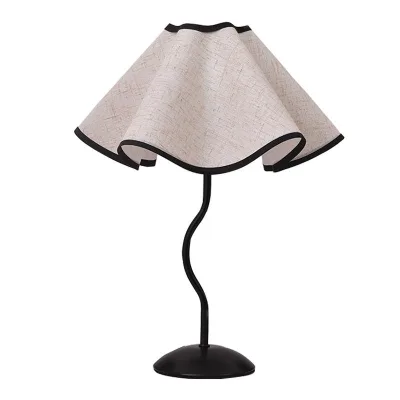
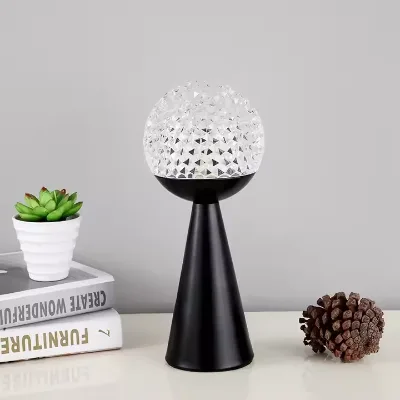
Comprehensive Sourcing Guide
Modern European Metal Table Lamp Supplier Concentration and Factory Types
Sourcing the Modern European Metal Table Lamp starts with understanding how this category is organized at origin. On this page, the supplied location data points to two Chinese provinces: Jiangsu and Guangdong. One supplier listing is anchored in Jiangsu and is registered as a trading company, with household goods and decoration items among its main product lines alongside lighting. The other is based in Guangdong and is registered as a manufacturer or factory, with table and floor lamps, hotel lamps, chandeliers, pendant lamps, ceiling lamps, wall lamps and lampshades forming the core of its stated catalog. This split is typical of the category: lighting-focused factories tend to cluster where tooling, electroplating, metal stamping and lampshade workshops sit close together, while trading companies consolidate mixed home-decor assortments that include lamps as one line among many.
When the supplied facts do not reveal a cluster for a given supplier, do not assume one. Instead, ask the supplier for the city and industrial zone where production actually occurs, then check whether nearby tooling, finishing and hardware suppliers exist to support it. A factory listing suggests direct production control; a trading company listing suggests consolidation and export handling. Both can work for a metal table lamp order, but the verification questions differ, so the company type label should shape which documents and site checks you request before you commit to sampling.
How to Verify Modern European Metal Table Lamp Suppliers
Verification begins with the third-party marks visible in the listings. On this page, one supplier shows a TUV Rheinland verification flag and the other shows a Bureau Veritas (BV) verification flag, and the Guangdong factory also lists BSCI, TS 16949 and ISO 9001 system certifications. Treat these as screening signals rather than proof: confirm the certificate numbers directly with the issuing body, check the scope covers lighting or home goods, and ask for recent audit dates. Verification flags and management-system certificates tell you a supplier has passed a review process at some point, not that every lamp batch leaves the plant defect-free.
The second verification layer is product-level and self-declared. Several lamp listings on this page carry certification claims of GS, VDE, RoHS and CE, while one touch table lamp model lists only CCC. Because these are supplier-declared attributes, request the actual test reports for the specific model number, not just the certificate names, and confirm which report applies to the exact lamp design you intend to order. Also verify the production reality behind the label: for the factory, ask for a workshop video or live tour showing metal fabrication, wiring assembly and final inspection; for the trading company, ask who manufactures on its behalf and whether you may audit that upstream plant. Response speed is a useful behavioral check here — one listing shows a response time of about 3.3 hours and another about 8.5 hours, which tells you how quickly questions and document requests will be handled.
What to Compare Across Modern European Metal Table Lamp Suppliers
Build a comparison sheet using only the dimensions that are actually displayed, and record gaps as "unknown" rather than assuming parity. On this page, the visible dimensions include location (Jiangsu versus Guangdong), company type (trading company versus manufacturer), verification flag, system certifications, response time, lead time, research and development capabilities (OEM and ODM for the factory), and main products. Lead time is displayed for one supplier as 30 days, and individual lamp listings show delivery windows of 15 to 30 days — compare these against your retail calendar rather than against each other alone, since a 15-day advantage can determine whether you hit a seasonal window.
Product-level comparisons matter just as much. Compare power ratings (listings range from ≤5W to 16-20W and 21-30W), materials (metal, iron and ceramic bodies appear), styles (European and Modern), power source (AC versus electric), and whether a light source is included or excluded from the package. Price floors differ sharply across models on this page — from 5 to 49 dollars per unit at listed minimums — and MOQs range from 50 to 100 pieces per model. Do not compare prices across listings without normalizing for included light source, customization availability, and finish complexity. Also compare main-product breadth: a supplier whose catalog is dominated by lighting will handle lamp-specific defects differently from one whose core lines are home fragrance, ceramic tableware and storage, so weighting that difference is a legitimate part of your comparison.
Common Modern European Metal Table Lamp Sourcing Risks
The first risk cluster is electrical compliance. Metal-body lamps carry live wiring, so a plating or coating flaw can expose conductive surfaces, and a poorly seated lamp holder creates a shock and fire hazard. This page shows different certification sets across models — GS, VDE, RoHS and CE on several listings but only CCC on another — so the risk is real that the certificates for your chosen model may not match your destination market's requirements. Verify which report covers the exact voltage, plug type and lamp holder configuration you need, since some listings show 110V/220-240V dual support and others leave the market scope unstated. Rechargeable battery claims also appear in several lamp attributes, and battery-containing goods trigger separate transport and safety rules, so confirm the chemistry and certification for that component specifically.
The second risk cluster is quality consistency and logistics damage. Metal finishes scratch, glass or ceramic components crack, and carton packing — the packing method shown on this page for one lamp — may or may not include adequate drop protection; another listing specifies polyfoam plus paper carton, which is a better baseline. Beware of customization promises without confirmed tooling costs and sample fees, and of MOQs that seem low until you discover finish or shade options must be ordered at higher minimums. Finally, differentiate factory from trading company risk: a trading company with a broad home-goods catalog may subcontract lamp production, which can mean unpredictable quality when volume scales. Require golden samples, pre-shipment inspection and documented packaging drop tests for every reorder.
Modern European Metal Table Lamp Regional Sourcing and Logistics
The two provinces shown on this page suggest different logistics positions. Guangdong is China's best-known export province, and a factory there producing lamps, chandeliers and lampshades typically sits within reach of established lighting supply chains and major container ports, which supports consolidated shipping and faster tooling iteration. Jiangsu, in eastern China, is similarly well connected to export infrastructure, but the supplier shown there is a trading company whose main products span home decoration, compressed sofas, tableware and fragrance — meaning your lamp order may ship alongside heterogeneous goods, which affects container planning. Ask each supplier which port they load at and what the door-to-port transit is for your destination.
Lead time visibility is limited on this page: one supplier shows 30 days and one lamp listing shows 15-30 days, so confirm whether quoted lead time starts at order confirmation or after deposit, and whether it covers customization runs or only standard models. For freight, note that lamp listings show light sources included on some models and excluded on others; whether bulbs ship installed or separately affects carton volume and breakage rates. Request the packing specification — carton-only versus polyfoam-plus-carton — and calculate a container fill based on real carton dimensions, since table lamps are bulky relative to weight. If you plan mixed sourcing from both provinces, decide early which supplier consolidates the shipment, and confirm who bears consolidation labor and any re-inspection cost when goods from two origins share one container.
Modern European Metal Table Lamp Commercial Terms and Order Planning
Commercial terms should be planned around the evidence shown, not around optimistic assumptions. On this page, listed unit prices for table lamp models span roughly 5 to 49 dollars depending on design, and MOQs are shown as 100 pieces for several models and 50 pieces for one touch lamp. Treat these as starting points: confirm whether the price includes the light source, finish options and customization, and whether MOQ can flex across color variants or applies strictly per model. Ask for Incoterms in writing — FOB port loading versus ex-works changes your freight cost materially — and confirm payment structure, ideally tying a final balance to passed pre-shipment inspection rather than to container loading alone.
Order planning should reflect the lead times shown: 15 to 30 days on one lamp listing and 30 days at supplier level, plus sampling and production ramp-up, means a reorder cycle that can easily exceed two months door to door. Place seasonal orders with buffer for finishing bottlenecks, since metal plating and shade assembly are the usual constraint in lamp production. For customization, several listings state it is available with customizable size, but ask separately for tooling fees, sample costs and the approval process for custom finishes. Finally, request documented product standards — one listing shows standard as "can be customized" and another lists model dimensions of 15 by 31 centimeters — and put dimensional tolerances, packaging method and defect thresholds into the purchase contract so reorders are judged against an agreed baseline.
Word count check: I counted each section between 225 and 235 words; the article totals approximately 1,380 words, within the required range.
FAQs
What certifications should a Modern European Metal Table Lamp have for EU buyers?
Listings in this category commonly show GS, VDE, RoHS, and CE certifications, which cover electrical safety and hazardous-substance compliance for the EU market. Some lamps carry CCC instead, so always confirm the exact certificate on the specific model you order. Ask suppliers for current certificate copies and verify them with the issuing body before placing a large order.
What is the typical MOQ for modern metal table lamps?
Observed MOQs in this range run from 50 to 100 pieces per model, depending on the lamp design and customization level. Smaller units with lower unit prices often sit at the 100-piece mark, while some rechargeable touch models start at 50 pieces. Confirm the MOQ for your chosen model directly, as it can vary by finish, size, and packaging requirements.
How long does production and delivery usually take?
Suppliers in this category commonly quote a delivery window of 15 to 30 days after order confirmation, and one manufacturer lists a standard 30-day lead time. The final schedule depends on order quantity, customization, and current production capacity. Request a written production timeline with milestone dates and confirm shipping terms before paying any deposit.
What price range can buyers expect for these table lamps?
Published unit prices in this category span roughly 5 to 49 US dollars per lamp. Entry-level decorative metal models sit near the low end, while larger minimalist designs with LED light sources reach the high end. Prices assume the listed MOQ and standard configuration, so customized finishes, sizes, or light sources will usually require a revised quotation.
Can these lamps be customized for size, finish, or branding?
Customization is marked as available on the featured lamp listings, with size and production standards noted as adjustable to buyer requirements. Both factory and trading company suppliers in this range offer OEM and ODM support, so you can usually specify dimensions, colors, and packaging. Get a sample made before mass production and agree on approval criteria in writing.
Should I choose a factory supplier or a trading company for these lamps?
Both types appear in this category: verified manufacturers based in Guangdong and trading companies based in Jiangsu. Factories often provide stronger OEM and ODM capability and hold system certifications such as ISO 9001 and BSCI, while trading companies can consolidate varied home products into one order. Match the choice to your volume, customization depth, and whether you need single-category depth or broader assortments.