Modern European Floor Lamp Suppliers and Manufacturers
Browse 29 suppliers of Modern European Floor Lamp products and compare location, supplier type, certifications, response times, lead times, MOQ, and pricing. Filter by materials such as iron, copper, or bamboo and dimmable LED specs. Contact matched suppliers to request quotes and confirm sample availability.
Updated
Suppliers List

Fuzhou Keruida Electric Porcelain And Appliance Co., Ltd.
- Manufacturer, Trading Company
- Fujian, China
- Lead time30 days
- Avg. response≤ 3h
Main productsSwitches,Sockets,Insulators,Lamp Holders,Hardware Fittings
Main marketsWestern Europe(50.00%), Eastern Europe(30.00%), Southeast Asia(20.00%)
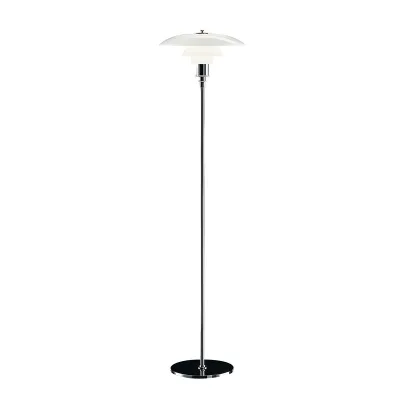
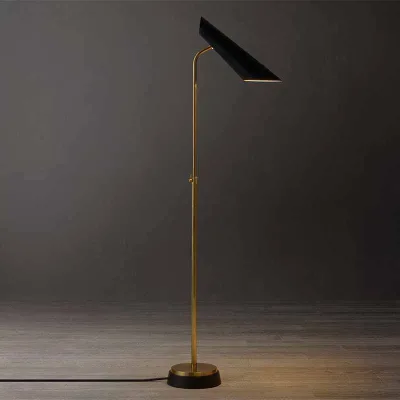
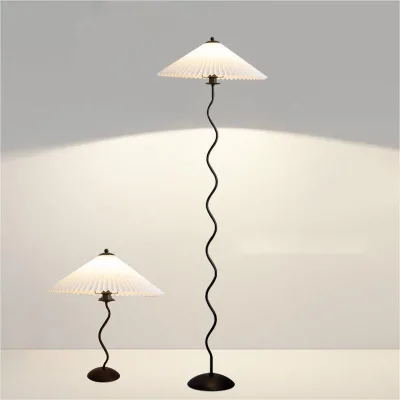
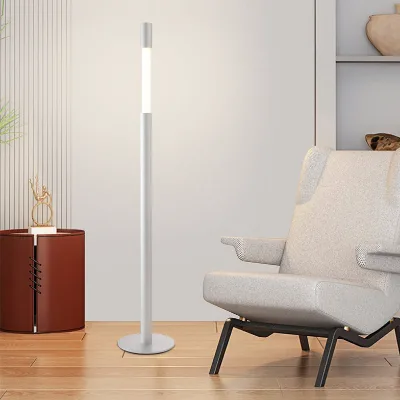
Modern Nordic Design Indoor Lighting Lamp Floor Modern Standing Floor Lamps
$35.00 - $40.00
MOQ: 100 pieces
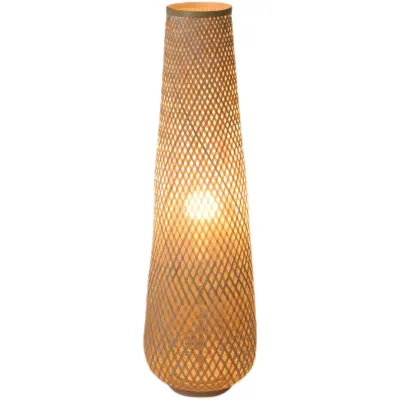
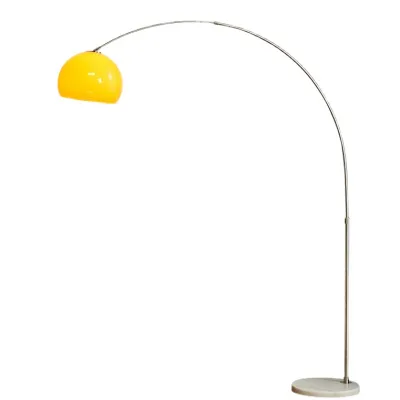

SHANGLI LIGHTING CRAFTS CO.,LTD
- Verified by BV
- Manufacturer/Factory
- China Guangdong
- Lead time30 days
- Avg. response≤ 9h
Main productsPortable Table and Floor Lamp, LED Lamp, Hotel Lamp, Chandelier Lamp, Pendant Lamp, Ceiling Lamp, Wall Lamp, Lampshade, Accessory, Mirror
Main marketsSouth America,Eastern Europe,Mid East,North America,Southeast Asia,Eastern Asia,Oceania,Western Europe,Africa


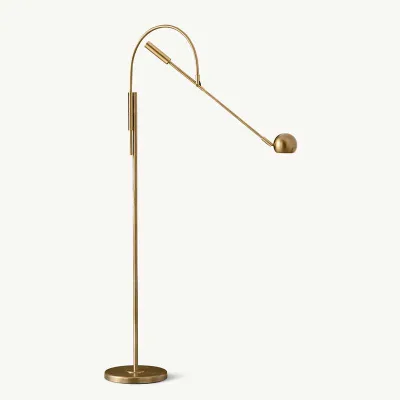
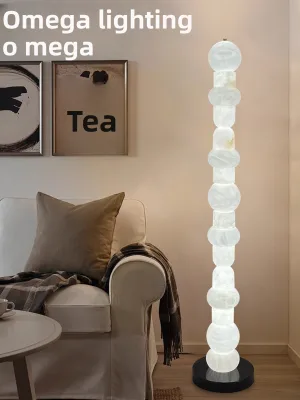
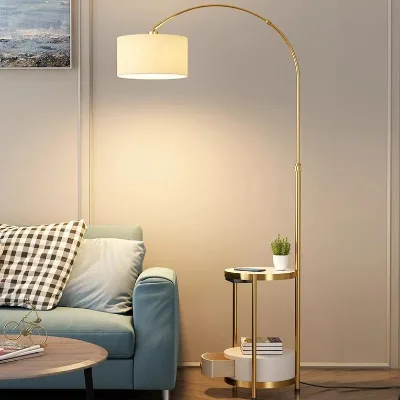
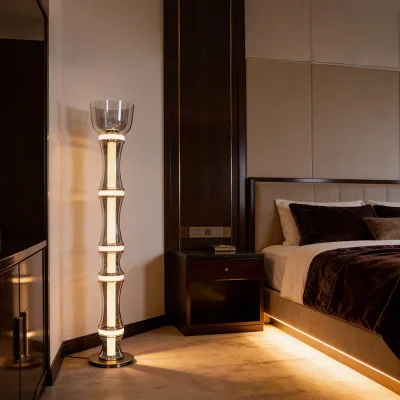
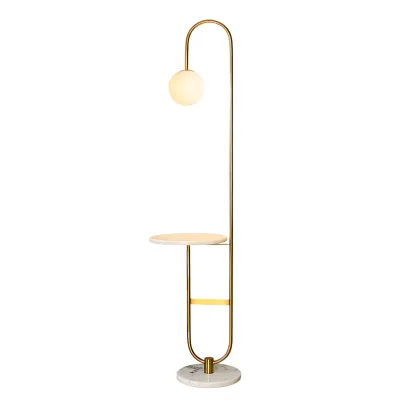
Italian Modern Living Room Sofa Floor Lamp Bedroom Study Room Floor Lamp
$200.00 - $300.00
MOQ: 1 Pieces


Hangzhou Delta Art Light Co., Ltd.
- Verified by SGS Group
- Manufacturer, Trading Company
- Lead time60 days
- Avg. response≤ 4h
Main productsTable Lamp, Floor Lamp, Lampshade, Pendant Lamp, Ceiling Lamp
Main marketsMid East(30%), Eastern Asia(25%), Western Europe(20%)

Huizhou Homelighting Technology Co., Ltd.
- Verified by BV
- Trading Company,Manufacturer/Factory
- China Guangdong
- Lead time0 days
- Avg. response≤ 8h
Main productsTable Lamp, Wall Lamp, Floor Lamp, Hotel Lamp, Tiffany Lamp, Lampshade, Chandelier Lamp
Main marketsSouth America,Eastern Europe,Mid East,North America,Southeast Asia,Eastern Asia,Oceania,Western Europe,Africa

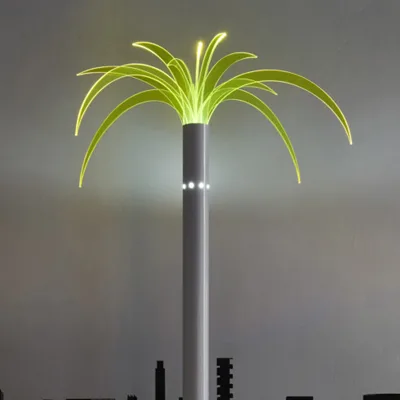
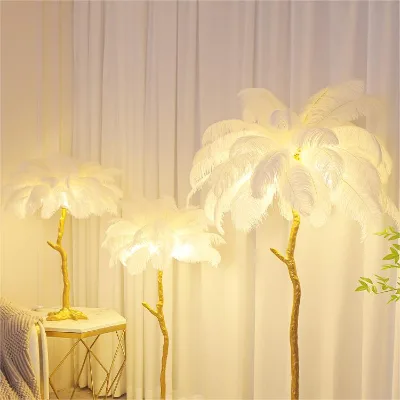
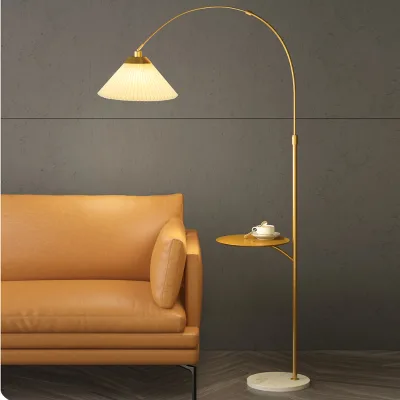
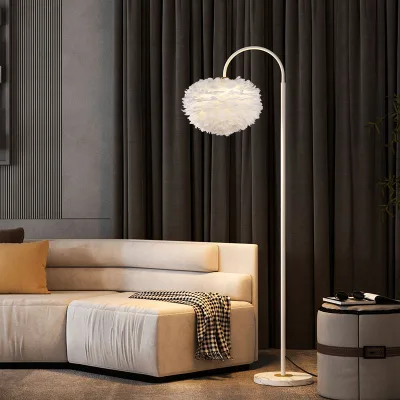
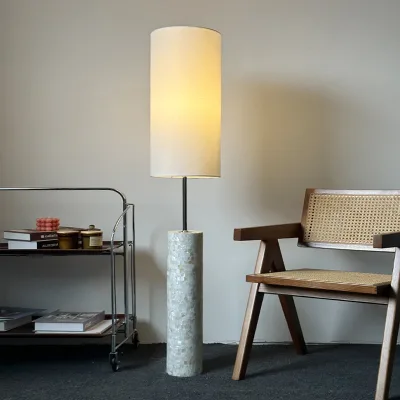
Modern Nordic Feather Floor Standing Lamp with Marble Base Pendant Floor Lamp
$20.00 - $25.00
MOQ: 300 Pieces

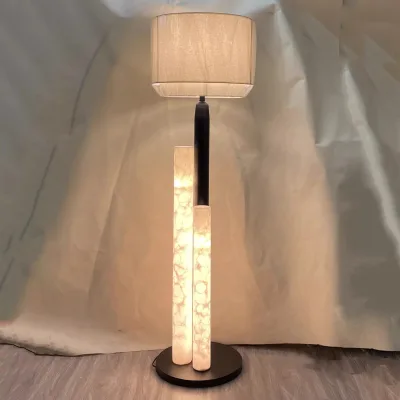
Traditional Floor Lamps 3-Light Uplight Floor Standing Lamp for Home Living Room
$9.90 - $12.90
MOQ: 300 Pieces

$128.00 - $138.00
MOQ: 100 Pieces
Guangzhou Kebo Lighting Co., Ltd.
- Verified by TüVRheinland
- Manufacturer, Trading Company
- Lead time15 days
- Avg. response≤ 1h
Main productsChandelier, Pendant Light, Table Lamp, Floor Lamp, Wall Lamp
Main marketsNorth America(70%), Oceania(10%), Western Europe(10%)
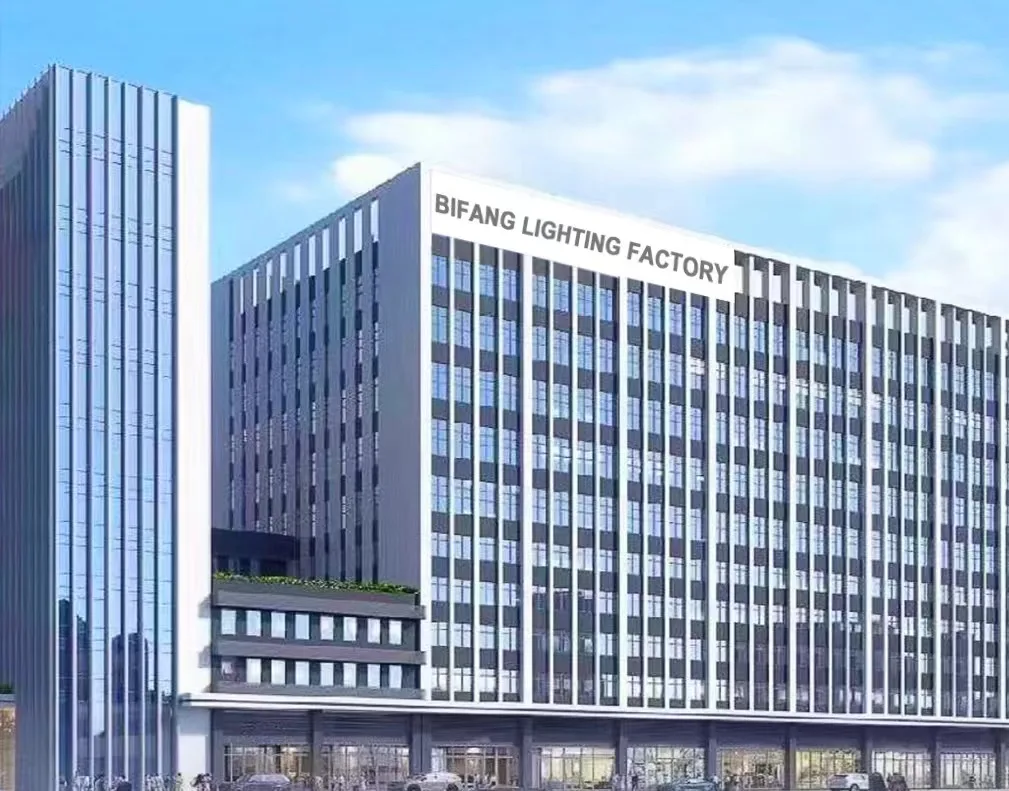
Henan Bifang Lighting Technology Co., Ltd.
- Trading Company
- /henan, China
- Lead time7 days
- Avg. response≤ 2h
Main productstable lamp,floor lamp,Mood lighting,Rechargeable night light,Interior lighting
Main marketsNorthern Europe(25.00%), North America(20.00%), Eastern Asia(15.00%), Eastern Europe(5.00%), Western Europe(5.00%), Southeast Asia(5.00%)
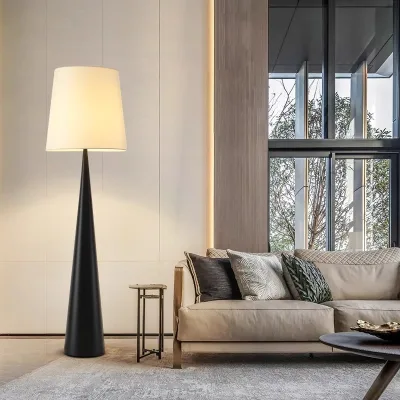
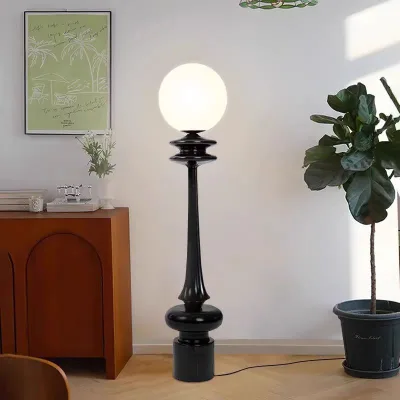
$82.78 - $84.56
MOQ: 2 pieces
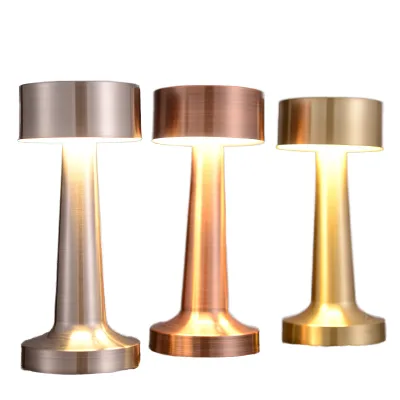
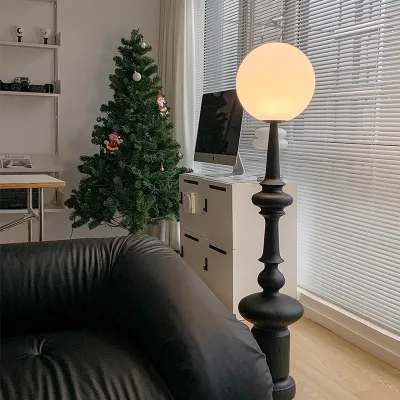
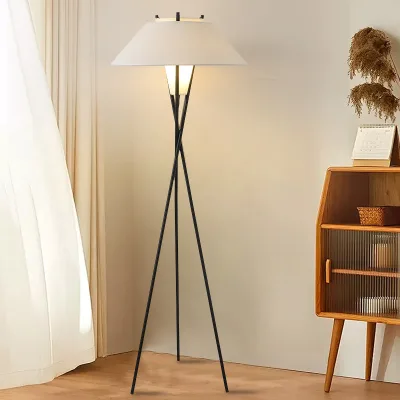
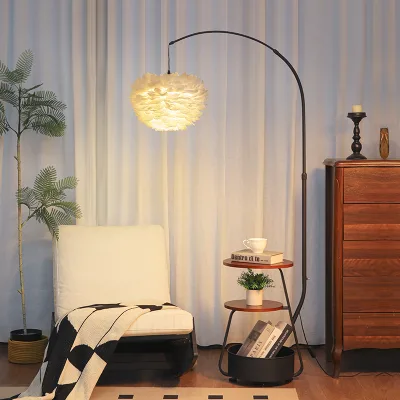
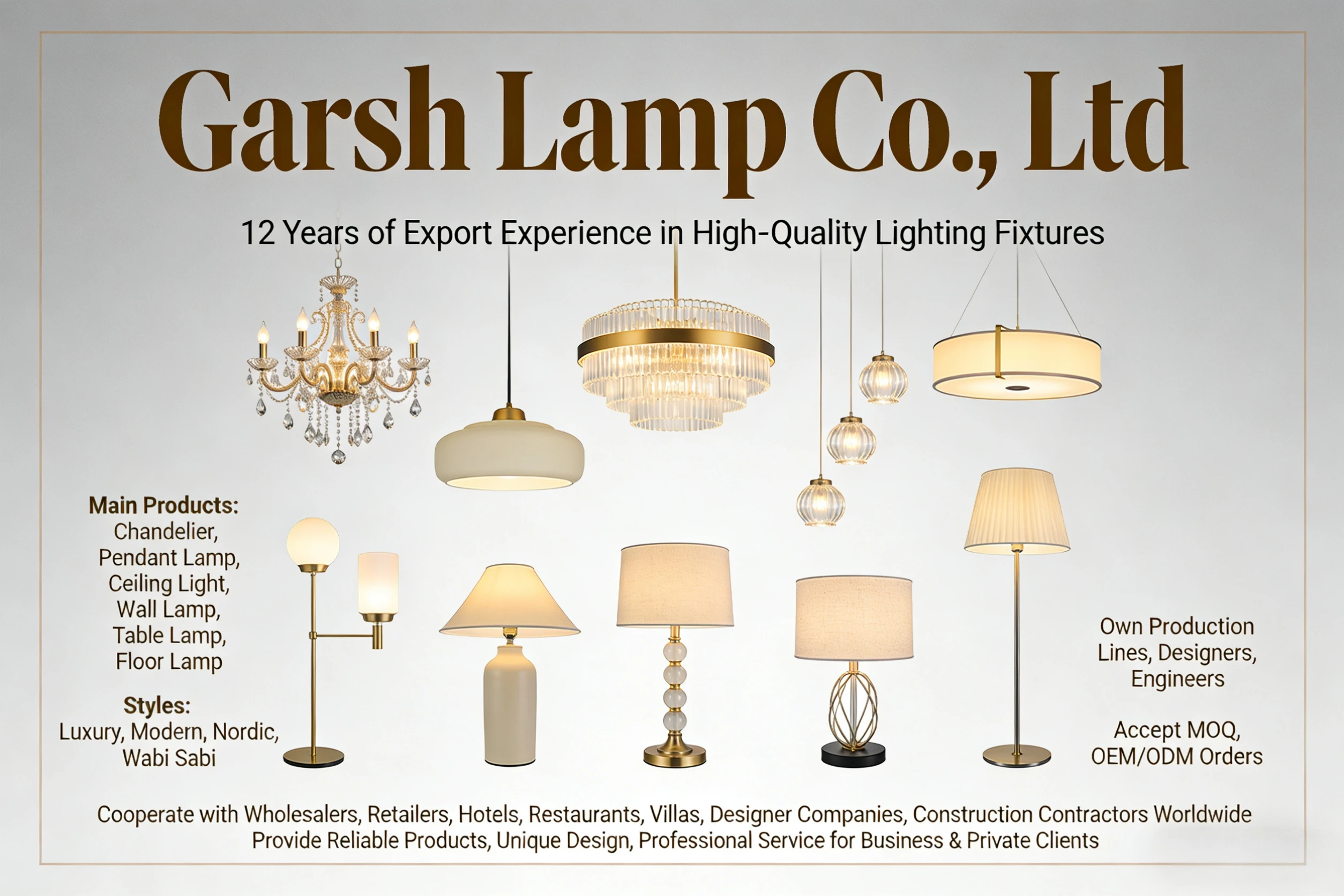
- Manufacturer, Trading Company
- Guangdong, China
- Lead time15 days
- Avg. response≤ 3h
Main productsPendant Light,Chandelier,Wall Lamp,Table Lamp,Floor Lamp
Main marketsNorth America(18.00%), Western Europe(15.00%), Mid East(14.00%), Southeast Asia(11.00%), Oceania(10.00%), Northern Europe(10.00%), South America(5.00%), Southern Europe(5.00%), Eastern Asia(3.00%), Central America(3.00%), Eastern Europe(3.00%), Domestic Market(1.00%), Africa(1.00%), South Asia(1.00%)

Shenzhen Well House Lighting Co.,Ltd
- Verified by SGS
- Manufacturer
- China Guangdong
- Lead time15 days
- Avg. response≤ 5h
Main productsChandelier Lighting, Ceiling Lights, Pendant Lights, LED Wall Lamp, Table Lamp, Floor Lamp, Ceiling Fan, Crystal Chandelier, Mirror Lamp, LED Lamp

Nordic European Modern Simple Floor Lamp Fashionable Living Room Spanish Floor Lamp (WH-MFL-85)
$1.00 - $1000.00
MOQ: 5 Pieces

European Modern Simple Floor Lamp Living Room Glass Ball Living Room Floor Lamp (WH-MFL-22)
$1.00 - $1000.00
MOQ: 5 Pieces
Shenzhen Hard Lighting Technology Co., Ltd.
- Manufacturer
- Guangdong, China
- Lead time15 days
- Avg. response≤ 4h
Main productsMagnetic Track Light,LED Track Light
Main marketsNorth America(40.00%), Western Europe(30.00%), Domestic Market(20.00%), Eastern Europe(10.00%)
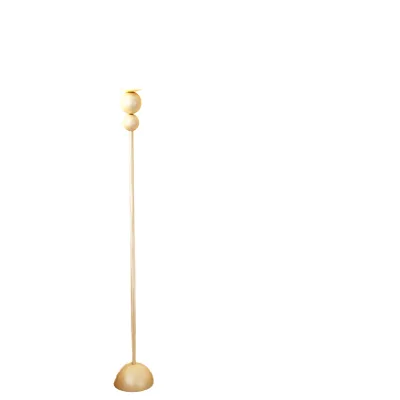
$22.6301 - $25.8038
MOQ: 20 pieces
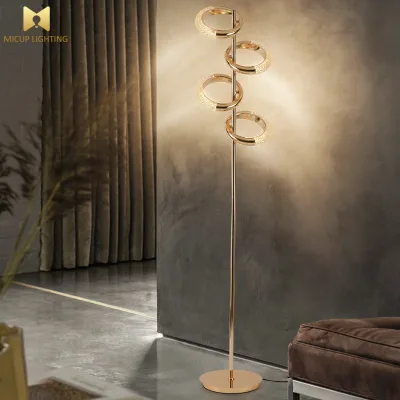
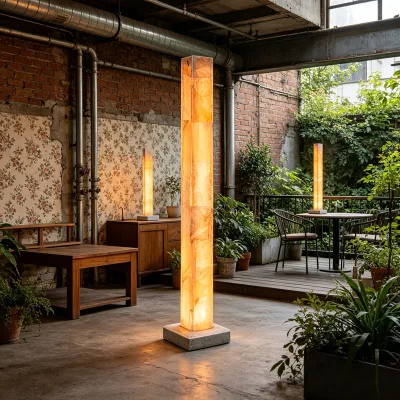

Zhongshan Kamable Lighting Co., Ltd.
- Verified by SGS
- Trading Company
- China Guangdong
- Lead time30 days
- Avg. response≤ 8h
Main productsChandelier, Custom Made Lighting, LED Lighting Fixtures, Pendant Lamp, Table Lamp, Wall Lamp, Floor Lamp, Decorative Lighting, Light, Crystal Chandelier
Main marketsSoutheast Asia/ Mideast
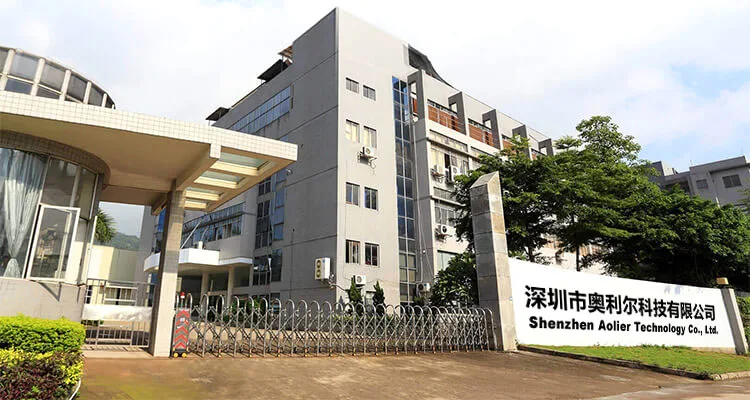
Shenzhen Aolier Technology Co., Ltd.
- Trading Company
- Guangdong Province, China
- Lead time30 days
- Avg. response≤ 3h
Main productsChandeliers, Crystal Chandelier Pendant Light, Customized Lighting Fixtures, Wall Lamps, Floor Lamp
Main marketsSoutheast Asia(30.00%), Mid East(30.00%), North America(20.00%), Africa(15.00%), South America(15.00%), Domestic Market(10.00%), South Asia(10.00%), Southern Europe(10.00%), Northern Europe(10.00%), Central America(10.00%), Western Europe(10.00%), Eastern Asia(10.00%), Eastern Europe(10.00%), Oceania(10.00%)
Zhongshan Jilan Technology Co., Ltd.
- Verified by Intertek
- Manufacturer, Trading Company
- Lead time8 days
- Avg. response≤ 2h
Main productsChandelier, Wall Lamp, Table Lamp, Floor Lamp, Night Light
Main marketsEastern Asia(20%), Oceania(18%), Mid East(15%)
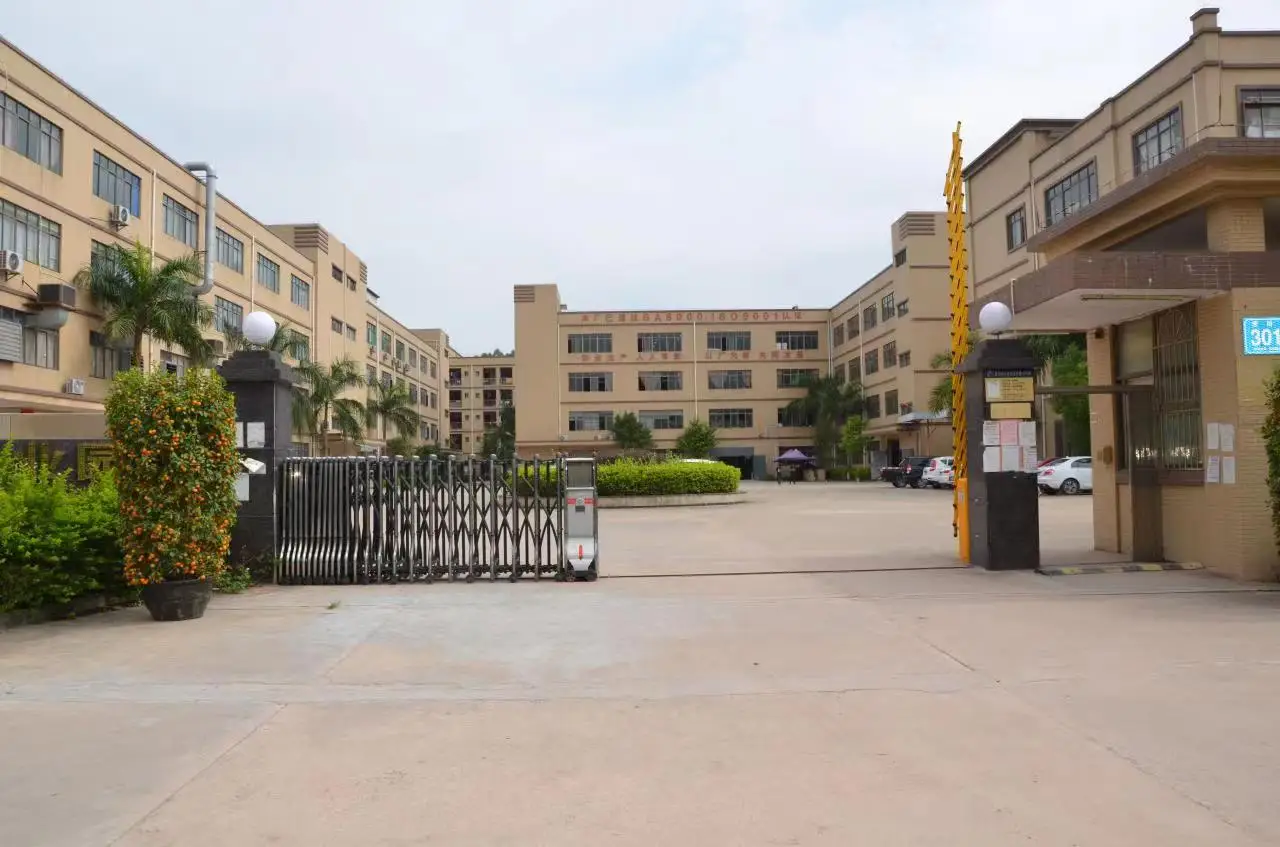
Huizhou Zhigao Lighting Co., Ltd.
- Manufacturer, Trading Company
- Guangdong, China
- Lead time30 days
- Avg. response≤ 20h
Main productsTABLE LAMP,FLOOR LAMP,PENDANT LIGHTING,CEILING FIXTURE,HEADBOARD SCONCE
Main marketsNorth America(37.00%), Western Europe(35.00%), South America(10.00%), Mid East(5.00%), Southern Europe(2.00%), Central America(2.00%), Eastern Europe(2.00%), Domestic Market(1.00%), South Asia(1.00%), Southeast Asia(1.00%), Northern Europe(1.00%), Oceania(1.00%), Africa(1.00%), Eastern Asia(1.00%)

Zhong Shan Rima Lighting Co., Ltd.
- Verified by CTI
- Combined
- China Guangdong
- Lead time23 days
- Avg. response≤ 2h
Main marketsSoutheast Asia/ Mideast,Domestic,Europe,North America


Fashion Style Standing Floor Lamp Floor Lamp LED Decor Modern Corner Floor Light
$10.00 - $80.00
MOQ: 10 Pieces



Zhongshan Jingming Technology Co., Ltd.
- Manufacturer, Trading Company
- Guangdong, China
- Lead time20 days
- Avg. response≤ 1h
Main productschandelier,wall lamp,table lamp,floor lamp,ceiling lamp
Main marketsNorth America(20.00%), Mid East(20.00%), South America(10.00%), Southeast Asia(10.00%), Eastern Europe(5.00%), Africa(5.00%), Oceania(5.00%), Western Europe(5.00%), Northern Europe(5.00%), Southern Europe(5.00%), South Asia(5.00%), Domestic Market(5.00%)
Zhongshan Kaijie Lighting Co., Ltd.
- Verified by SGS Group
- Manufacturer, Trading Company
- Lead time7 days
- Avg. response≤ 1h
Main productsChandeliers, Pendant Lamps, Ceiling Lamps, Wall Lamps, Aisle Lamps
Main marketsSouth America(35%), Eastern Europe(25%), Africa(11%)
Shenzhen CSX Electric Technology Co., Ltd.
- Manufacturer, Trading Company
- Guangdong, China
- Lead time25 days
- Avg. response≤ 4h
Main productsLED Desk Lamp,Foldable LED Desk Lamp,Metal Table Lamp,Bar Table Lamp,Rechargeable Table Lamp
Main marketsEastern Europe(40.00%), Mid East(15.00%), Oceania(15.00%), Eastern Asia(10.00%), South America(10.00%), Southern Europe(5.00%), Africa(5.00%)

Guangzhou Beacon Peace Technology Co., Ltd.
- Manufacturer, Trading Company
- Guangdong, China
- Lead time30 days
- Avg. response≤ 3h
Main productsOutdoor furniture,Outdoor Sofa,Outdoor tables,Swing chair,Outdoor chairs
Main marketsNorth America(25.00%), Western Europe(19.00%), Oceania(10.00%), Southeast Asia(10.00%), Central America(10.00%), Northern Europe(5.00%), Africa(4.00%), South Asia(3.00%), Eastern Europe(3.00%), Southern Europe(3.00%), Eastern Asia(3.00%), Domestic Market(2.00%), South America(2.00%), Mid East(1.00%)
Foshan lan Lighting Appliance Import and Export Co., Ltd.
- Verified by TüVRheinland
- Manufacturer, Trading Company
- Guangdong, China
- Lead time25 days
- Avg. response≤ 2h
Main productsLED Down Light, LED Spot Light, LED Linear Profile Light, LED Decorative Light, LED Outdoor Light
Main marketsAfrica(50%), Southeast Asia(30%), Mid East(15%)
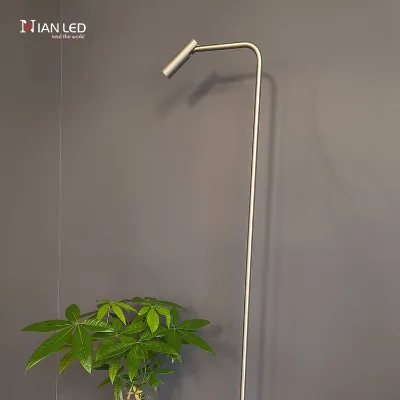
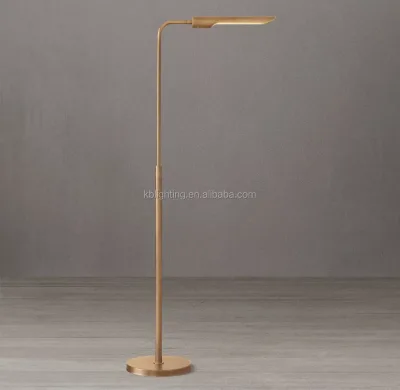
Top Quality Modern Aluminum Led Floor Lamp Luxury Floor Lamp for Living Room
$34.6735 - $72.9099
MOQ: 1 pieces
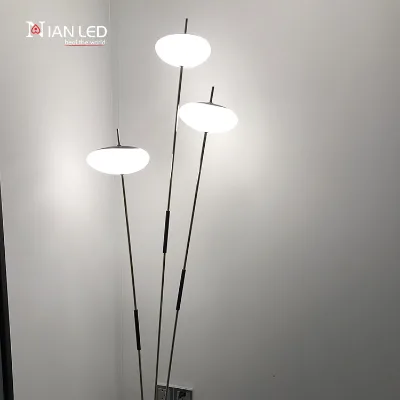

Guangzhou Futu Intelligent Technology Co., Ltd
- Verified by SGS
- Combined
- China Guangdong
- Lead time15 days
- Avg. response≤ 5h
Main productsPhotographic Lighting, Camera Bag, Camera Tripod, Nail Lamp, Half Moon Light, Lash Light, Beauty Lamp, Eyelash Lamp, Lashes Lamp, Selfie Ring Light
Main marketsDomestic
Zhongshan Auta Led Lighting Company Limited
- Verified by TüVRheinland
- Manufacturer, Trading Company
- Lead time15 days
- Avg. response≤ 3h
Main productsSolar LED Light, Garden LED Light, Outdoor LED Light, Smart LED Lights
Main marketsNorth America(25%), Oceania(25%), Domestic Market(20%)
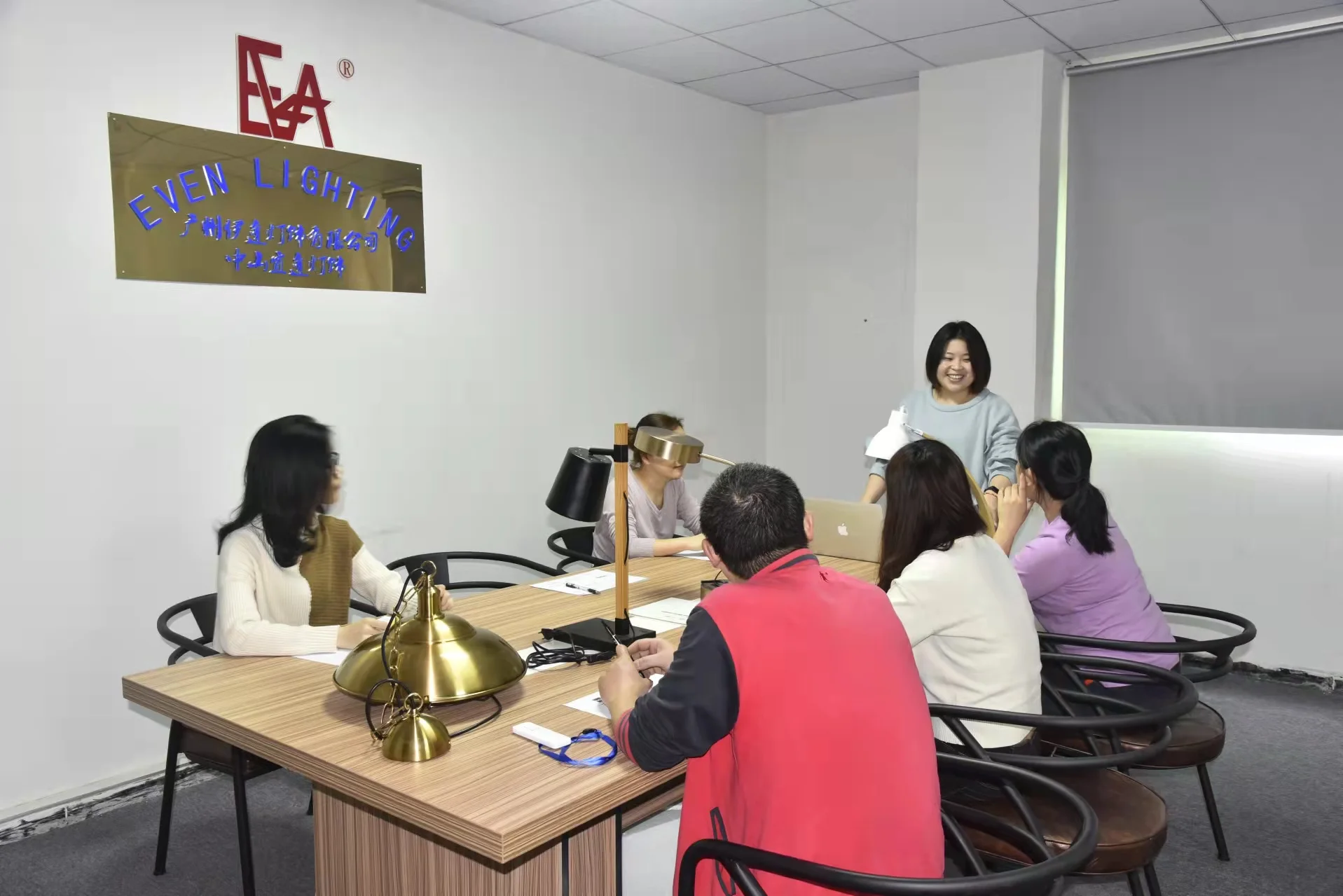
Guangzhou Even Lighting Co., Ltd.
- Trading Company
- Guangdong, China
- Lead time20 days
- Avg. response≤ 2h
Main productsPendant Lamp,Table Lamp,Wall Lamp,Floor Lamp,Chandeliers
Main marketsNorth America(90.00%), Western Europe(5.00%), Mid East(3.00%), Southeast Asia(2.00%)
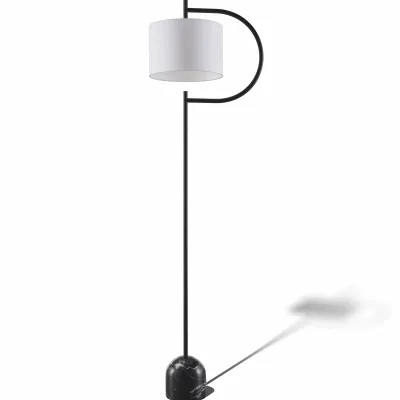
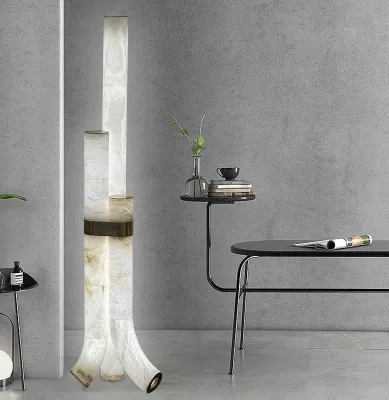
Modern Luxury Floor Lamp with LED Light Source Minimalist Design Iron Body and E27 Base
$36.913
MOQ: 50 Minimum

Guangzhou Zhongyue Trading Co., Ltd
- Verified by SGS
- Trading Company
- China Guangdong
- Lead time23 days
- Avg. response≤ 3h
Main productsPendant Lights, Pendant Fans Lights, Table & Floor Lamps, Wall Lights, Ceiling Lights, Customized Hotel ceiling Lights, Outdoor Lights, Outdoor Furniture, Commercial Furniture, Artificial Plants
Main marketsSoutheast Asia/ Mideast,Europe,Australia,North America

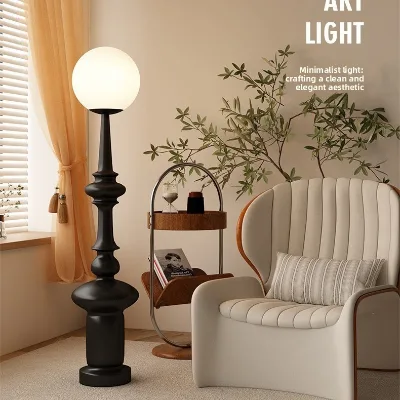
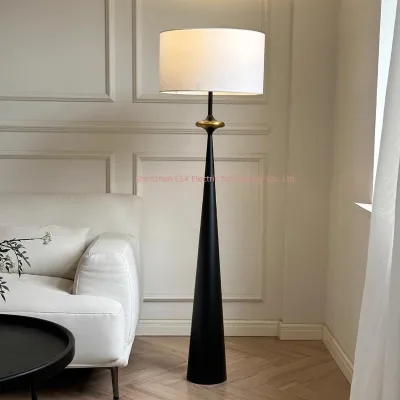
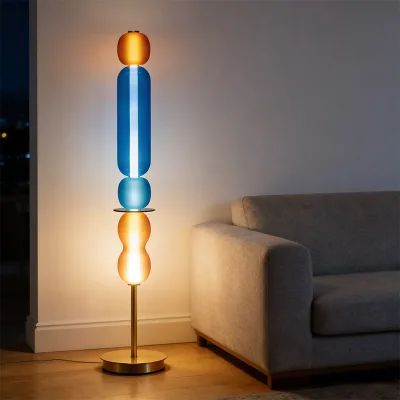
Zy Custom LED Ins Middle Ancient Italian Style Nordic Minimalist Decorative Floor Lamp
$152.90 - $159.90
MOQ: 2 Pieces

Custom Modern Colorful Feather Floor Lamp for Home Living Room Hotel Restaurant
$89.90 - $109.90
MOQ: 2 Pieces
Hefei Bahe Import Export Co., Ltd.
- Manufacturer
- Anhui, China
- Lead time7 days
- Avg. response≤ 2h
Main productsChandeliers & Pendant Lights,Floor Lamps,Wall Lamps,Table Lamps,LED Ceiling Fans
Main marketsNorth America(60.00%), Western Europe(15.00%), Mid East(5.00%), Oceania(5.00%), Eastern Europe(5.00%), Southern Europe(3.00%), Northern Europe(3.00%), South America(3.00%), Domestic Market(1.00%)
Huizhou Jiexin Electronic Products Co., Ltd.
- Manufacturer, Trading Company
- Guangdong, China
- Lead time45 days
- Avg. response≤ 5h
Main productsTable lamp, Floor lamp, Ceiling light, Switch lamp
Main marketsNorth America(65.00%), South America(5.00%), Oceania(5.00%), Southern Europe(5.00%), Eastern Asia(5.00%), Northern Europe(5.00%), Eastern Europe(5.00%), Mid East(5.00%)
Zhongshan Kasanto Lighting Co., Ltd.
- Manufacturer
- Guangdong, China
- Lead time30 days
- Avg. response≤ 3h
Main productsPendant Lights,Wall Lamps,Table Lamps,Ceiling Lights,Floor Lamps
Main marketsWestern Europe(35.00%), Domestic Market(30.00%), Oceania(20.00%), Mid East(10.00%), Eastern Europe(3.00%), Southern Europe(1.00%), Northern Europe(1.00%)

Jiangmen Art-Dynasty Furnishings Co., Ltd.
- Manufacturer, Trading Company
- Guangdong, China
- Lead time20 days
- Avg. response≤ 18h
Main productsLighting,Home Furnishings,Decorations
Main marketsDomestic Market(25.00%), Southeast Asia(15.00%), Mid East(15.00%), North America(10.00%), Eastern Europe(10.00%), South America(5.00%), Western Europe(4.00%), Northern Europe(4.00%), Africa(3.00%), South Asia(3.00%), Southern Europe(2.00%), Oceania(2.00%), Central America(1.00%), Eastern Asia(1.00%)

Zhongshan Huishuo Engineering Technology Co., Ltd.
- Manufacturer, Trading Company
- Guangdong, China
- Lead time20 days
- Avg. response≤ 2h
Main productschandelier,wall lamp,table lamp,floor lamp,Outdoor Lighting
Main marketsNorth America(35.00%), South America(30.00%), Southeast Asia(10.00%), South Asia(5.00%), Southern Europe(5.00%), Western Europe(5.00%), Mid East(5.00%), Eastern Europe(5.00%)
Henan Xingfuhui Electronic Commerce Co., Ltd.
- Trading Company
- Henan, China
- Lead time20 days
- Avg. response≤ 4h
Main productssolar lighting,outdoor lighting,holiday lighting,indoor lighting,pet supplies
Main marketsSouth Asia(20.00%), North America(20.00%), Southeast Asia(15.00%), Eastern Europe(15.00%), Southern Europe(8.00%), Western Europe(8.00%), South America(5.00%), Africa(2.00%)

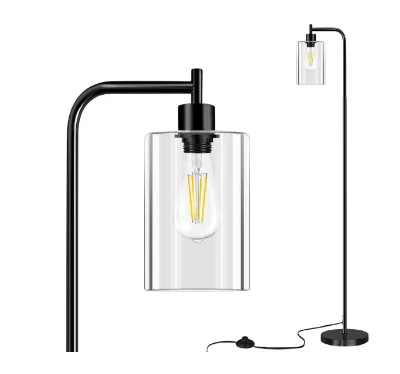
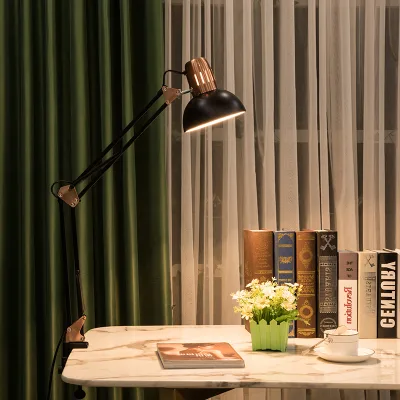
Floor Lamp Modern Standing Lamp Detachable Suitable for Office Living Room and Bedroom
$30.7813 - $51.3022
MOQ: 50 pieces
$15.4341 - $20.5778
MOQ: 2 pieces
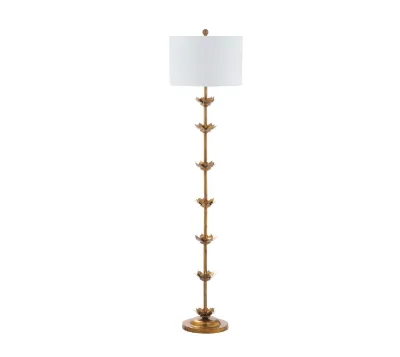

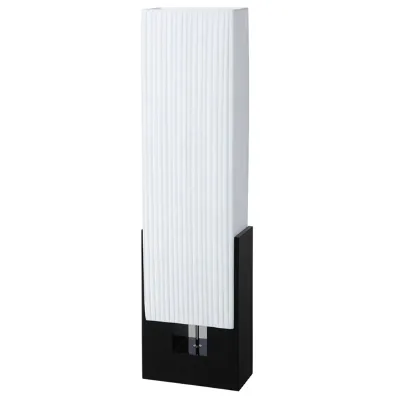
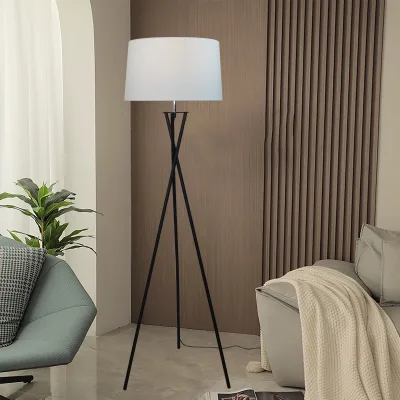
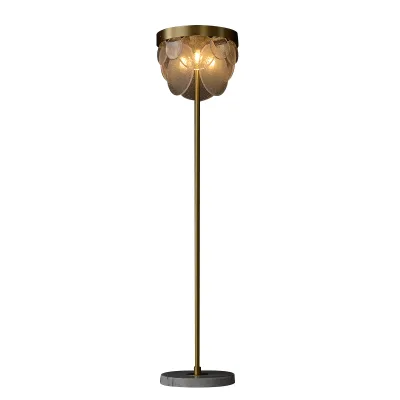


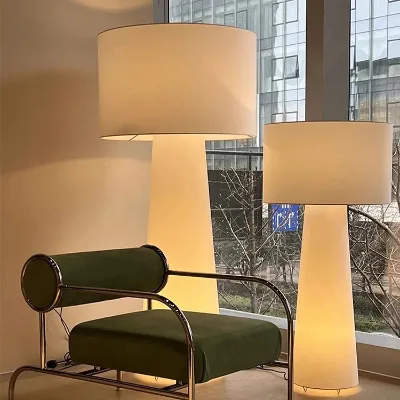
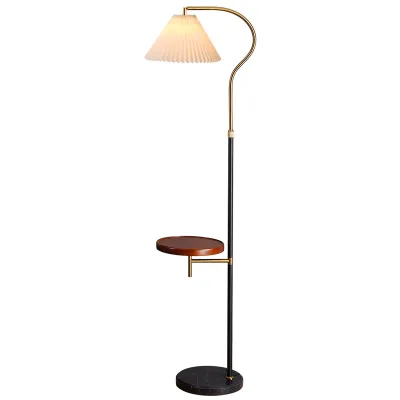
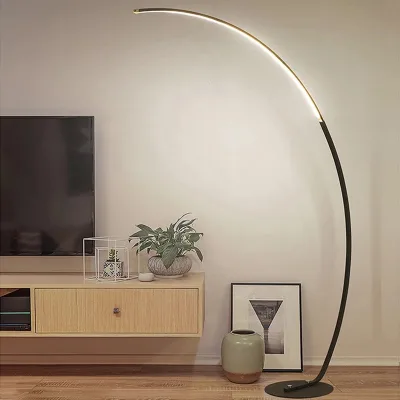
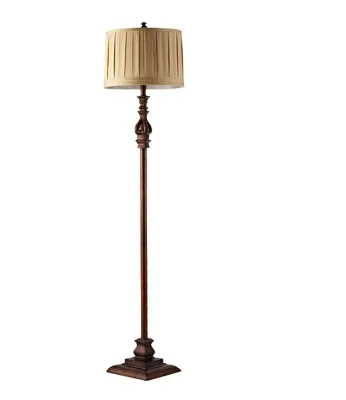


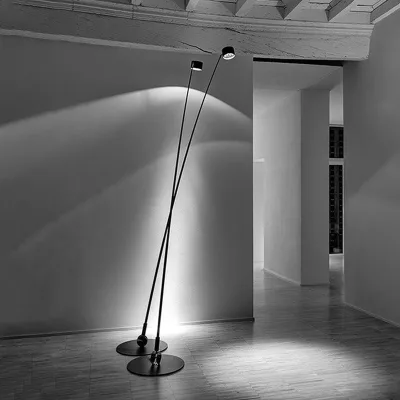


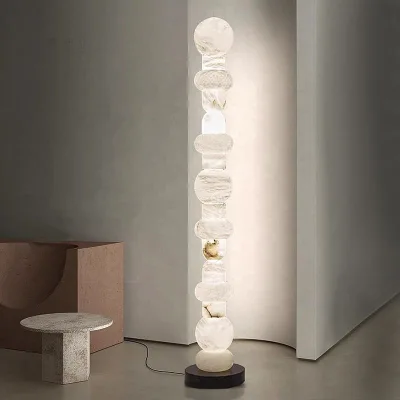
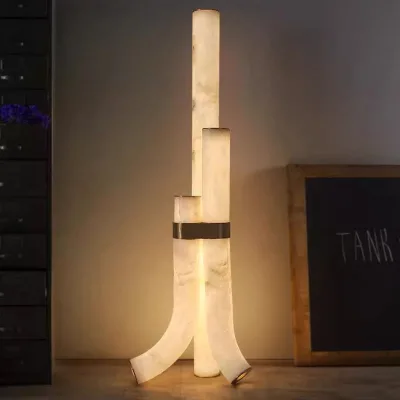
Comprehensive Sourcing Guide
Modern European Floor Lamp Supplier Concentration and Factory Types
The sourcing landscape for modern European floor lamps reveals a distinct concentration of manufacturing capabilities within specific Chinese industrial hubs, particularly in Fujian and Guangdong provinces. Suppliers located in Fujian often specialize in a diverse range of electrical components, including switches, sockets, insulators, and lamp holders, which suggests a robust upstream supply chain for the internal wiring and structural fittings of floor lamps. This regional focus indicates that buyers seeking components or complete units with integrated electrical hardware may find efficient production cycles in these areas. The presence of both manufacturers and trading companies in these clusters allows for flexible engagement models, where buyers can choose between direct factory pricing or the logistical support of trading entities. Understanding this geographic distribution is crucial for assessing the authenticity of claims regarding production capacity and material sourcing, as proximity to component suppliers often correlates with faster turnaround times for complex lighting fixtures.
In contrast, suppliers based in Guangdong province, such as those in the broader manufacturing belt, frequently present themselves as comprehensive lighting factories with extensive product portfolios. These entities often list main products that include portable table lamps, chandeliers, pendant lights, and various ceiling and wall fixtures alongside floor lamps, indicating a broad operational scope rather than a niche specialization. The company types observed in this region are predominantly classified as manufacturers or factories, which may imply greater control over the production process for items like the American Retro or Scandinavian Post-Modern styles. Buyers should note that while these suppliers offer a wide array of lighting solutions, the diversity of their catalog may impact the depth of expertise dedicated specifically to the structural and aesthetic nuances of modern European floor lamps. Verifying whether a supplier’s primary revenue stream comes from floor lamps or if they are a generalist lighting exporter is a key step in determining their suitability for specialized orders.
How to Verify Modern European Floor Lamp Suppliers
Verification of supplier credentials is a critical step in mitigating risk when sourcing modern European floor lamps, particularly given the variation in certification standards across different regions. Buyers should prioritize suppliers who display recognized system certifications, as these documents provide objective evidence of quality management and compliance with international safety standards. For instance, some suppliers in the Guangdong cluster have been observed to hold certifications such as BSCI, TS 16949, and ISO 9001, which signal adherence to rigorous social responsibility and quality control protocols. Additionally, third-party verification badges, such as BV (Bureau Veritas) verification, offer an independent layer of assurance regarding the supplier’s business legitimacy and operational stability. These credentials are not merely decorative; they often correlate with the supplier’s ability to produce consistent quality and meet the specific electrical safety requirements of target markets, such as the GS, VDE, CE, and RoHS certifications seen on certain product listings.
Beyond certifications, buyers must scrutinize the specific product attributes and technical specifications provided by the supplier to ensure they align with the intended application. Detailed product evidence, such as the inclusion of a Declaration of Conformity or specific material compositions like iron, cloth, acrylic, or wooden lamp bodies, provides tangible proof of manufacturing capability. Buyers should verify that the light source specifications, such as LED technology with a 30,000-hour lifespan and a color temperature of 2700K for soft warm white, match the design intent of modern European aesthetics. Furthermore, checking for customization options, such as OEM and ODM services, can reveal the supplier’s flexibility in adapting to unique design requirements. It is essential to confirm that the supplier’s stated capabilities, such as project group sales services or support for dimmers, are backed by verifiable evidence rather than generic marketing claims, ensuring that the final product will perform as expected in residential or commercial settings.
What to Compare Across Modern European Floor Lamp Suppliers
When evaluating multiple suppliers for modern European floor lamps, buyers should systematically compare key operational metrics such as lead times, minimum order quantities (MOQs), and response speeds to determine logistical compatibility. Suppliers in Fujian have been observed to offer a lead time of approximately 30 days, which provides a predictable production window for planning inventory replenishment. In contrast, other suppliers may have different production cycles, so comparing these timelines is vital for aligning supplier capabilities with project deadlines. Additionally, MOQs vary significantly, with some suppliers requiring a minimum of 100 units, while others may accept orders as low as one unit, catering to different business models ranging from bulk wholesale to sample testing or small boutique orders. Understanding these thresholds helps buyers assess the financial risk and inventory commitment required for each potential partnership.
Response time and pricing structure are equally important factors in the comparison process, as they directly impact the efficiency of the sourcing negotiation and the overall cost of goods. Suppliers with faster response times, such as those averaging under ten hours, can facilitate quicker communication and problem resolution during the pre-production phase. Price ranges also differ based on product complexity and materials; for example, basic LED floor lamps may range from $25 to $40, while more intricate designs featuring copper, glass, or crystal elements can command prices between $100 and $300. Buyers should compare these price points against the specified product attributes, such as lamp power, color rendering index, and warranty periods, to ensure value alignment. A lower price may not always indicate better value if it compromises on critical features like dimmer support or material durability, so a holistic comparison of cost versus specification is necessary for informed decision-making.
Common Modern European Floor Lamp Sourcing Risks
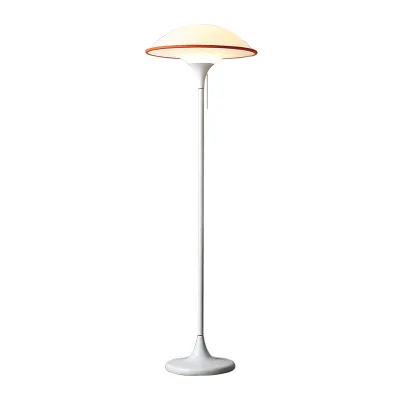
One of the primary risks in sourcing modern European floor lamps is the potential discrepancy between the advertised design style and the actual product received, particularly regarding material quality and finish. Suppliers may list products with keywords like "Modern Nordic" or "European Luxury," but the actual materials, such as the lamp body being made of wood versus iron, or the shade being acrylic versus fabric, can vary significantly. Buyers must carefully review the detailed product attributes, such as the specific shade shape, color options, and dimensions, to ensure they match the aesthetic requirements of their target market. For instance, a lamp described as having a dome-shaped shade with a white acrylic cover may differ substantially from one with a minimalist design and a cloth shade, leading to customer dissatisfaction if the expectations are not clearly defined and verified before ordering.
Another significant risk involves the electrical safety and compliance of the lighting fixtures, especially when importing from regions with varying regulatory standards. While some suppliers provide comprehensive certifications like GS, VDE, CE, and RoHS, others may only offer a Declaration of Conformity, which may not be sufficient for entry into stricter markets. Buyers must verify that the input voltage, such as 220V or 110-240V, matches the electrical standards of the destination country to prevent safety hazards and product failures. Additionally, the lifespan of the LED light source, often cited as 30,000 hours, should be validated through independent testing or reputable supplier guarantees to ensure long-term performance. Failure to adequately assess these technical and safety aspects can result in costly returns, legal liabilities, and damage to brand reputation, making thorough due diligence on product specifications and compliance documentation essential.
Modern European Floor Lamp Regional Sourcing and Logistics
The geographic location of suppliers plays a pivotal role in determining logistics costs, shipping times, and overall supply chain efficiency for modern European floor lamps. Suppliers located in Fujian and Guangdong provinces benefit from proximity to major international shipping ports, which can facilitate faster export processes and potentially lower freight costs for bulk orders. Buyers should consider the specific location of the factory when calculating the total landed cost, as transportation from inland manufacturing hubs may incur additional fees compared to coastal facilities. Furthermore, the type of packaging provided by the supplier, such as carton packing with specific dimensions like 503030 cm, directly impacts the volume efficiency of shipping containers. Optimizing packaging choices can reduce shipping costs and minimize the risk of damage during transit, which is particularly important for fragile components like glass shades or delicate crystal elements.
Logistical planning also involves coordinating with suppliers who offer flexible shipping options and reliable export documentation. Buyers should inquire about the supplier’s experience with international logistics and their ability to provide necessary export documents, such as commercial invoices, packing lists, and certificates of origin. Suppliers with established track records in exporting lighting products are likely to have streamlined processes for customs clearance and compliance with international trade regulations. Additionally, considering the lead time of 30 days observed in some Fujian suppliers, buyers should plan their inventory replenishment cycles to account for production and shipping durations. By aligning logistical strategies with supplier capabilities, buyers can ensure timely delivery of modern European floor lamps, maintaining stock availability and meeting customer demand without excessive delays or unexpected shipping complications.
Modern European Floor Lamp Commercial Terms and Order Planning
Effective order planning for modern European floor lamps requires a clear understanding of commercial terms, including payment structures, warranty policies, and after-sales support. Suppliers often provide specific warranty periods, such as a 3-year warranty, which offers protection against manufacturing defects and ensures long-term reliability. Buyers should verify the terms of this warranty, including what components are covered and the process for claiming replacements or repairs. Additionally, the availability of free samples is a critical factor in the ordering process, as it allows buyers to assess product quality before committing to large orders. However, some suppliers may not offer free samples, requiring buyers to pay for sample costs, which should be factored into the initial budgeting and risk assessment.
Negotiating favorable commercial terms can also involve discussing customization options, such as OEM and ODM services, which allow buyers to tailor products to their brand identity. Suppliers with strong R&D capabilities can assist in developing unique designs, such as the Scandinavian Post-Modern or Italian Modern styles, ensuring that the final product stands out in the market. Buyers should also consider the scalability of the supplier’s production capacity, ensuring they can handle increased order volumes without compromising quality or lead times. By establishing clear communication channels and agreeing on detailed commercial terms, buyers can build a resilient supply chain for modern European floor lamps, minimizing disruptions and maximizing profitability through strategic planning and partnership development.
FAQs
What is the price range for modern European floor lamps?
Prices for modern European floor lamps typically range from $25 to $300 depending on materials and design complexity. Basic LED models start around $35, while luxury copper or crystal variants can cost up to $200. Buyers should check specific product listings for exact pricing tiers and bulk discounts.
What certifications do these floor lamps have?
Manufacturers offer various certifications including GS, VDE, CE, and RoHS for electrical safety. Some suppliers also hold ISO 9001, BSCI, and TS 16949 system certifications. Buyers should verify specific product documentation to ensure compliance with regional electrical standards and quality management requirements before placing orders.
What is the minimum order quantity for these lamps?
Minimum order quantities vary significantly by supplier and product type. Some manufacturers accept orders as low as one unit for samples or small batches, while others require a minimum of 100 pieces for standard production runs. Buyers must confirm the specific MOQ with each supplier to align with their inventory needs.
Where are these floor lamps manufactured?
These lamps are primarily manufactured in Fujian and Guangdong provinces in China. Suppliers in these regions specialize in lighting fixtures, offering both OEM and ODM services. Buyers can source directly from these locations to benefit from established supply chains and specialized manufacturing capabilities for modern lighting designs.
What is the typical lead time for production?
Standard lead times for production are approximately 30 days. Response times for supplier inquiries typically range from 3 to 8.5 hours. Buyers should confirm exact delivery schedules with suppliers, as lead times may vary based on order volume, customization requirements, and current production capacity constraints.
What materials are used in these floor lamps?
Common materials include iron, cloth, acrylic, wood, and copper. Lamp bodies are often made from iron or wood, while shades may use acrylic or fabric. Some premium models feature crystal or ABS plastic components. Buyers should review product specifications to select materials that match their aesthetic and durability requirements.