Modern Plastic Foot Stool Suppliers and Manufacturers
Source 17 verified suppliers for Modern Plastic Foot Stool products. Compare key dimensions including lead times, MOQs, and response rates to identify suitable partners. Review product specifications and pricing details to streamline your procurement process; review the available evidence before requesting comparable quotations from suitable candidates.
Suppliers List
Xuzhou Risen Industry and Supply Co., Ltd
- Verified by TUVRHEINLAND
- Trading Company
- China Jiangsu
- Lead time30 days
- Avg. response≤ 3h
Main productsHousehold Adornment, Household Supplies, Home Decoration, Compressed Sofa, Dining Furniture, Bothroom Organizer, Kitchen Storage, Glass Ornaments, Ceramic Tableware, Home Fragrance
Main marketsSouth America

- Trading Company
- China Zhejiang
- Lead time0 days
- Avg. response≤ 11h
Main productsHousehold, Personal Care, Kitchenware, Fitness, Car Items, Tools, Health Care, Paint Brush, Magic Mesh, Beauty


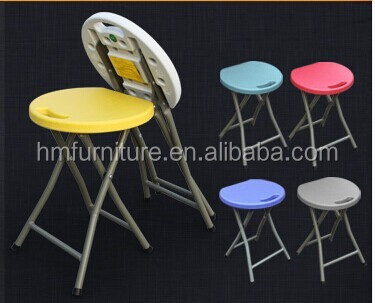
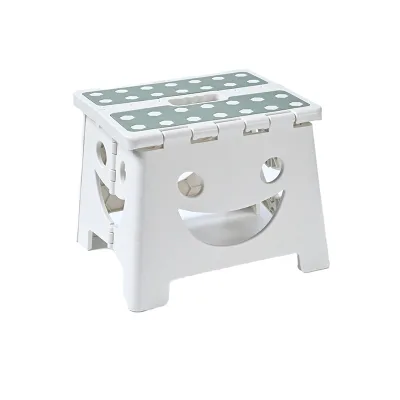
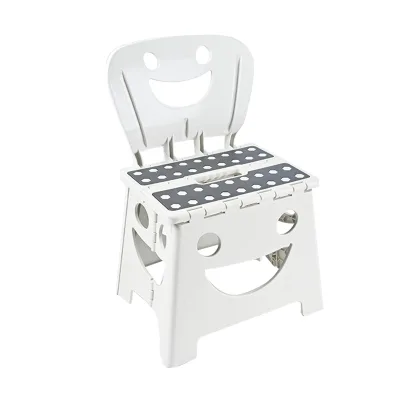
Kids Stool Foldable Stool Folding Step Stool Backrest Stool
MOQ: 1000 Pieces
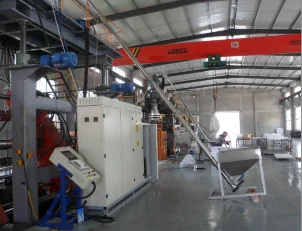
Jiangsu Hongma Furniture Co., Ltd.
- Manufacturer
- Jiangsu, China
- Lead time15 days
- Avg. response≤ 4h
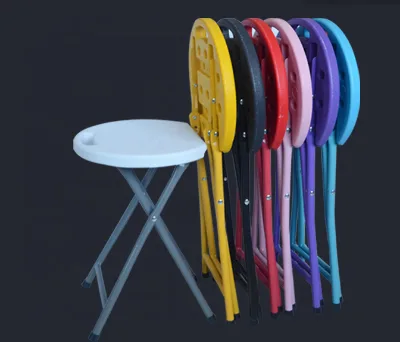
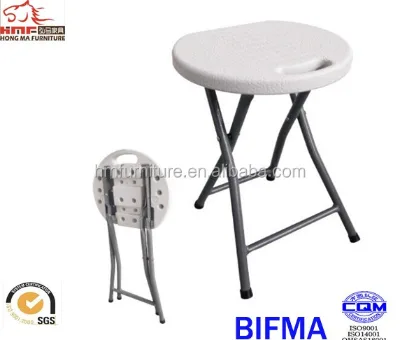
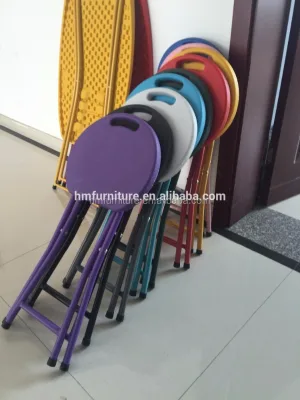
Main productsFolding Furniture, Sports Products
Main marketsNorth America(32.00%), Western Europe(20.00%), Domestic Market(18.00%), Africa(10.00%), Mid East(10.00%), Southeast Asia(10.00%)

Suzhou Highbright Enterprise Limited
- Combined
- China Jiangsu
- Lead time30 days
- Avg. response≤ 4h
Main productsShopping Trolley, Shopping Cart, Gondola Shelf, Display Shelf, Shop Fittings, Store Fixtures, Roll Container, Shopping Basket, Checkout Counter, Swing Gate
Main marketsSouth America,Africa,Southeast Asia/ Mideast,East Asia(Japan/ South Korea),Europe,Australia,North America


Plastic High Stool Rolling Step Stool
MOQ: 500 Pieces

Cheap Rolling Round Plastic Two Step Stool
MOQ: 100 Pieces

TIANJIN CHRCASE FURNITURE TECHNOLOGY DEVELOPMENT CO., LTD.
- Verified by SGS
- Trading Company
- China Tianjin
- Lead time15 days
- Avg. response≤ 6h
Main productsOffice Chair, Gaming Chairs, Chair Accessories, Dining Chair, Coffee Chair, Plastic Chair, Bar Chair, Hardware Products, Furniture Spare Parts
Main marketsAfrica,Europe

Jiangsu Miaohong Environmental Protection New Material Co., Ltd.
- Verified by BV
- Combined
- China Jiangsu
- Lead time15 days
- Avg. response≤ 5h
Main productsSponge, Cleaning Sponge, Kitchen Sponge, Dishcloth, Magic Sponge
Main marketsSouth America,Southeast Asia/ Mideast,Domestic,Europe,North America
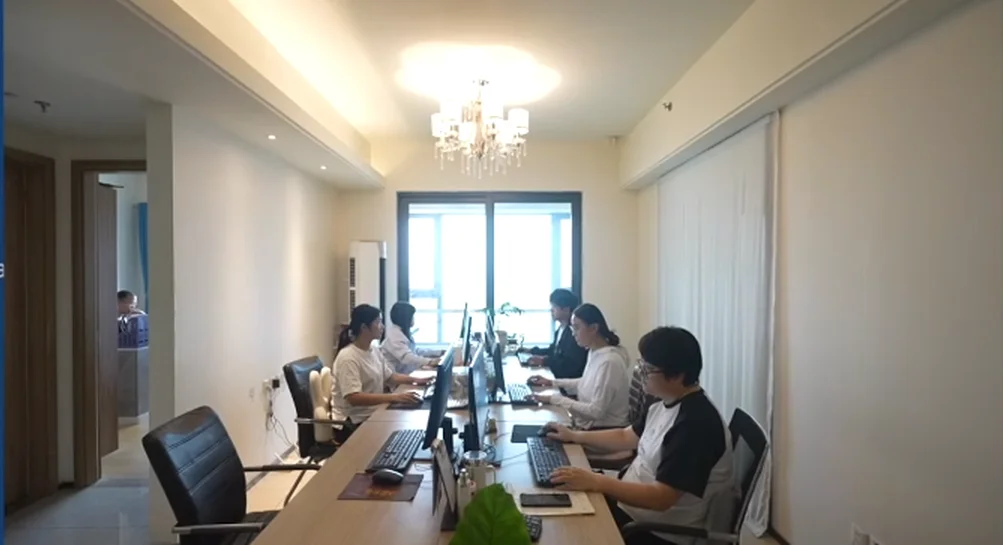
Hengshui Lihao Import And Export Trading Co., Ltd.
- Trading Company
- Hebei, China
- Lead time15 days
- Avg. response≤ 3h
Main productssocks,custom socks,yoga sock,football socks,Silver ion socks
Main marketsNorth America(50.00%), Eastern Europe(10.00%), Southeast Asia(9.00%), Western Europe(5.00%), South America(5.00%), Africa(4.00%), Eastern Asia(4.00%), Mid East(4.00%), Oceania(4.00%), Domestic Market(1.00%), South Asia(1.00%), Southern Europe(1.00%), Northern Europe(1.00%), Central America(1.00%)

Langfang Airun Imp. & Exp. Co., Ltd.
- Verified by BV
- Trading Company
- China Hebei
- Lead time15 days
- Avg. response≤ 10h
Main productsDining Table, Coffee Table, Dining Chair, Hotel Chair, Leisure Chair, Plastic Chair, Metal Chair, Fabric Covered Chair, TV Stand, Sideboard
Main marketsSouth America,Africa,Southeast Asia/ Mideast,Europe,North America


Outdoor Rectangular HDPE Plastic Seat Stool 1.8m 6 Foot Plastic Folding Stool Bench
$16.00 - $19.00
MOQ: 100 Pieces


Xiamen Anzhiyan Industrial and Trade Co., Ltd.
- Verified by TUVRHEINLAND
- Trading Company,Manufacturer/Factory
- China Fujian
- Lead time0 days
- Avg. response≤ 16h
Main productsMetal Bed, Iron Bed, Metal Chair, Bookshelf

High-Quality Plastic Folding Stool Folding Stool Portable Folding Foot Stool
$12.00 - $20.00
MOQ: 100 Pieces

Handan Moen Import and Export Trading Co., Ltd.
- Verified by SGS
- Combined
- China Hebei
- Lead time30 days
- Avg. response≤ 3h
Main productsSteel Wire Rope Clamp, Nut and Bolt, Fasteners Manufacturing, Thread Rod, Sleeve Anchor with Hex Flange Nuts, Flange Bolt, Carriage Bolt, Screws, U-Bolt, Drop in Anchor
Main marketsEurope

Modern High-Quality Adjustable Height Rotating Bar Chair and Stool with Footstool
$27.80 - $33.80
MOQ: 100 Pieces


Nordic Modern Minimalist Plastic Backrest Bar Chair High Legged Stool Chairs
$6.80 - $8.80
MOQ: 100 Pieces

Ningbo Coooko Imp. & Exp. Co., Ltd.
- Verified by TUVRHEINLAND
- Trading Company
- China Zhejiang
- Lead time45 days
- Avg. response≤ 11h
Main productsBaby Mirror, Potty Training, Baby Car Mirror, Stroller Hook, Portable Potty, Step Stool, Car Headrest Pillow, Faucet Extender, Spout Cover, Makeup Kits
Main marketsEastern Europe,Mid East,North America
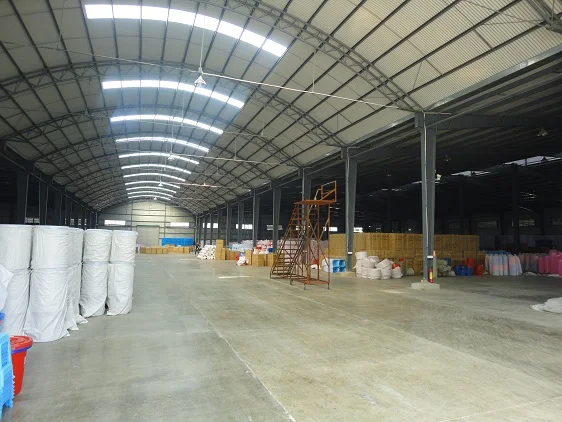
Jieshou Chuangpinxu Trading Co., Ltd.
- Trading Company
- Anhui, China
- Lead time15 days
- Avg. response≤ 1h
Main productsPlastic Chair, Plastic Table And Stool, Foldable Chair And Stool, Plastic Storage Cabinet, Industrial Supplies
Main marketsSoutheast Asia(43.00%), Africa(30.00%), South America(11.00%), Eastern Asia(5.00%), Mid East(3.00%), South Asia(1.00%), North America(1.00%), Oceania(1.00%), Western Europe(1.00%), Southern Europe(1.00%), Central America(1.00%), Northern Europe(1.00%), Eastern Europe(1.00%)
FOSHAN HAIZHUOLI PLASTIC INDUSTRY CO., LTD.
- Verified by SGS Group
- Manufacturer, Trading Company
- Guangdong, China
- Lead time30 days
- Avg. response≤ 2h
Main productsDisposable Tableware, PE Gloves, Plastic Cup, Disposable Fast Food Boxes, Trash Can
Main marketsDomestic Market(70%), South America(12%), Southeast Asia(8%)

Cixi Shuangyuan Electric Co., Ltd.
- Verified by BV
- Combined
- China Zhejiang
- Lead time30 days
- Avg. response≤ 25h
Main productsPoker Chip, Poker Chip Set, Poker, Chip, Casino Poker Chip, Sticker Chip, Poker Chips, Casino Chip Set, High Quality Poker Chip, Clay Poker Chip
Main marketsSouth America,Southeast Asia/ Mideast,East Asia(Japan/ South Korea),Domestic,Europe,Australia,North America

Tianjin Kingnod Furniture Co., Ltd.
- Verified by BV
- Manufacturer/Factory
- China Tianjin
- Lead time23 days
- Avg. response≤ 4h
Main productsDining Chair, Restaurant Chair, Office Chair, Bar Stool, Game Chair, Plastic Chair, Metal Chair, Dining Table, Gaming Table, Barstool
Main marketsSouth America,Eastern Europe,Mid East,North America,Southeast Asia,Eastern Asia,Oceania,Western Europe,Africa

Modern Colorful Cooling Wholesale Price High Plastic Bar Stool with Armrest
$15.99 - $19.99
MOQ: 200 Pieces

Modern Plastic Steel Legs PP Bar Chairs Low Back Bar Chair Stool for Bar Furniture
$13.71 - $14.58
MOQ: 200 Pieces

Modern High Quality Stackable Plastic Bar Chair with Foot Rest for Sale
$15.50 - $17.90
MOQ: 200 Pieces
Shijiazhuang Aofeite Imp & Exp Co., Ltd.
- Manufacturer, Trading Company
- Lead time旺季: "1 - 100":31,"> 100":"To be negotiated", 淡季: "1 - 100":31,"> 100":"To be negotiated"
- Avg. response≤ 2h
Main productsKnee Brace, Lumbar Support Belt
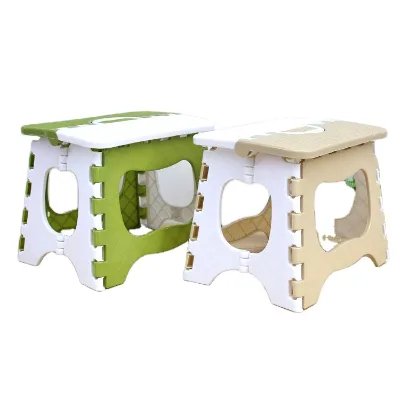
Hot Sale Folding Step Stool Portable Plastic Relax Chair Heavy Duty Step Stools for Adults
$0.88 - $1.58
MOQ: 50 pieces
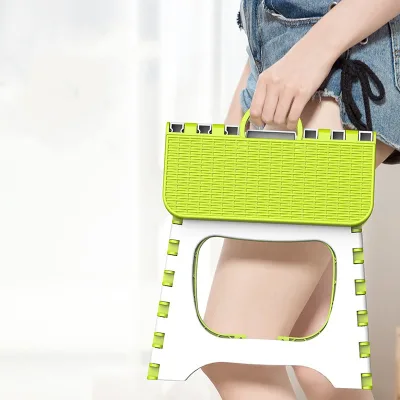
Folding Step Stool Portable Plastic Non Slip Small Chair for Kitchen Bathroom Bedroom
$0.88 - $1.58
MOQ: 50 Minimum

MAC Chairs And Components Co., Ltd.
- Combined
- China Guangdong
- Lead time30 days
- Avg. response≤ 5h
Main productsOffice Chair, Office Chair Components, Laboratory Chair, Office Chair Parts, Chair Armrest, Chair Base, Chair Back, Mesh Chair, Chair Caster, Leather Chair
Main marketsSouth America,Africa,Domestic,Europe,Australia,North America








Comprehensive Sourcing Guide
Modern Plastic Foot Stool Supplier Concentration and Factory Types
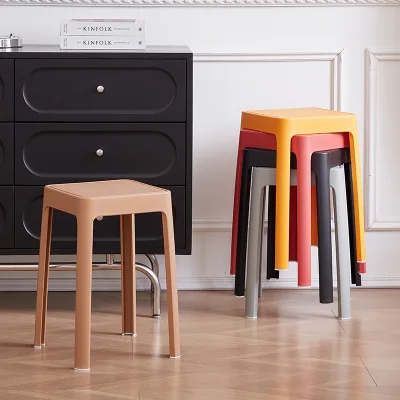
When searching for a Modern Plastic Foot Stool, buyers will encounter suppliers concentrated in eastern China. The results on this page show suppliers based in Jiangsu and in Zhejiang, including a supplier located in Ningbo, Zhejiang, which is consistent with the coastal export infrastructure those provinces are known for. Jiangsu-based listings in these results lean toward modern minimalist stackable stools, while the Zhejiang and Ningbo listings emphasize foldable and step-style stools for indoor and outdoor use. This regional split matters because product orientation often signals the tooling and molds a supplier already owns.
Supplier types also differ in ways that affect a sourcing strategy. One Jiangsu supplier in these results identifies as a trading company with a broad household-goods catalog, while another Jiangsu supplier identifies as a manufacturer focused on folding furniture and sports products. Trading companies can aggregate multiple stool designs and simplify communication, whereas manufacturers may offer tighter control over molding quality and faster engineering feedback. Where cluster data is not supplied, buyers should identify concentrations themselves by grouping search results by listed location, counting how many suppliers sit in one province or port city, and prioritizing those areas for factory visits. The catalog breadth in the results—home decoration, kitchen storage, tableware alongside stools—also suggests many sellers are diversified household-goods exporters rather than stool-only specialists, so verify that stools are a core line rather than a filler category.
How to Verify Modern Plastic Foot Stool Suppliers
Verification starts with the attributes a platform actually displays, and buyers should treat each one as a claim to confirm rather than a guarantee. In these results, one Jiangsu trading company carries a TÜV Rheinland verification badge, which indicates a third party has reviewed the company's identity and documentation. No other supplier on this page displays an equivalent badge, so for those sellers you must request business licenses, export records, and factory photos directly. Ask whether the supplier is a manufacturer or trading company, and if it claims manufacturing, ask for mold ownership evidence such as tooling invoices or workshop videos showing injection machines running stool molds.
Response behavior is a practical verification signal. One Jiangsu supplier shows a response time of about 2.9 hours, a manufacturer about 4 hours, while a Zhejiang supplier shows roughly 10.4 hours—differences that become meaningful when you are iterating on color cards or resolving a defect claim. Test this yourself by sending identical technical questions to several suppliers and comparing speed and specificity of answers. Product-level details also support verification: listings that disclose model numbers, packing methods, and dimensions, such as the fold sizes and unit weights shown for the Zhejiang foldable stools, suggest an exporter accustomed to documentation. Finally, verify compliance claims independently. Ask for material safety documentation for the plastic resin, and confirm any certification a supplier claims by requesting the certificate number and checking it against the issuing body's database before committing funds.
What to Compare Across Modern Plastic Foot Stool Suppliers
Build a comparison table using the dimensions that suppliers actually publish, then fill gaps through inquiry. Lead time is a strong differentiator in these results: a Jiangsu manufacturer lists 15 days while a Jiangsu trading company lists 30 days, a two-fold difference that directly affects restocking speed for seasonal retail. MOQ also varies widely—one Jiangsu listing shows an MOQ of 100 pieces for a stackable stool at a fixed price point, another shows 200, while the Zhejiang foldable stool listings show MOQs of 1,000 and 2,000 pieces. A buyer testing a new design should note that low-MOQ listings often sit with trading companies, whereas volume thresholds align with factory economics.
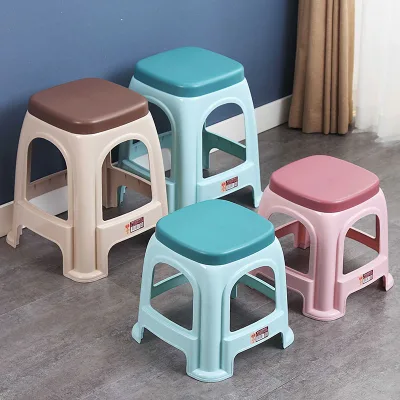
Price should be compared only within comparable specifications. The listings here range from under two dollars to around four dollars, but they differ in construction: reinforced heavy-duty versions, foldable mechanisms, backrest variants, and customization depth all justify different price bands. Compare color availability—some listings offer fixed palettes of white, black, red, pink, blue, and green, others offer full color customization—and note whether OEM logo service is stated. Establishment year, escrow availability, and main-product focus should also be captured where displayed, but never assume a missing attribute means a negative answer; ask directly. Weight and packing format deserve attention for this category, since foldable models ship flat in shrink bags while rigid stackable stools ship in cartons, changing both freight cost and retail presentation. Score each supplier consistently so trade-offs between price, lead time, and flexibility become explicit rather than intuitive.
Common Modern Plastic Foot Stool Sourcing Risks
The most frequent risk in this category is specification drift between sample and production. Several listings state customization is available, and one advertises OEM logo service, but customized color or logo runs can shift the resin batch, surface finish, and weight tolerance. Lock down a golden sample with measured dimensions, wall thickness, and load performance before mass production, and reference it in the purchase contract. A second risk is structural failure under load: listings advertise "reinforced heavy-duty versions" as a marketing label, which is not a test result. Require drop and load testing evidence appropriate to a seating product rather than accepting the term at face value.
Packing and logistics risks are concrete in these listings. Foldable stools ship in shrink bags or hot-shrink packages, which protect cost but offer little transit protection; carton-packed rigid stools face different crush risks when palletized. Mixed-product suppliers are another hazard—the catalogs here span home fragrance, tableware, fitness, and tools—so a trading company whose stools are a minor line may deprioritize your QC. Response latency is an operational risk: a supplier showing roughly ten-hour response times will slow any dispute or engineering change. Finally, beware listing-level mismatches, such as a stool listed under camping chairs or outdoor tables when your use is living-room seating; categorization errors often indicate resold products. Mitigate by confirming who actually molds the stool, holding a percentage of payment until post-shipment inspection, and documenting every agreed attribute in writing before deposit.
Modern Plastic Foot Stool Regional Sourcing and Logistics
The locations supplied in these results—Jiangsu, and Zhejiang including Ningbo—map onto China's major export corridor, which has practical logistics consequences. Ningbo hosts one of the country's busiest container ports, and Zhejiang-based listings in these results show Ningbo as the stated origin, meaning short drayage to port and frequent sailings to most destination markets. Jiangsu suppliers sit within the same greater Yangtze Delta manufacturing belt, so either region supports consolidated LCL or full-container loading without long inland hauls. When comparing quotes, ask each supplier whether the quoted price is FOB the nearest port and which port they routinely ship from.
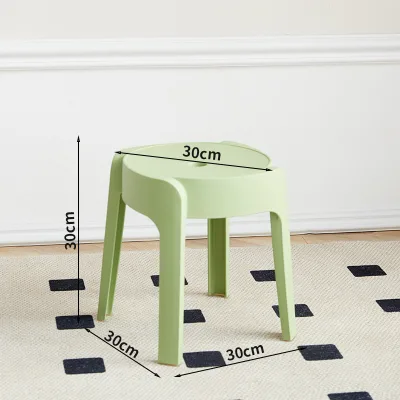
Product format drives freight economics more than region does. Foldable stools with stated fold sizes pack flat, dramatically raising units per container, while rigid stackable stools nest to compress volume—check the stacked height in the specification rather than the single-unit dimension. One listing shows a compact footprint of roughly 33 by 46 by 7 centimeters, which hints at nesting behavior worth confirming with a loading calculation. Carton quality, shrink-film thickness, and palletization instructions should be specified in writing, especially for hot-shrink packaged foldable units. Lead times also interact with region and company type: the manufacturer listing 15 days versus the trading company at 30 days may reflect factory scheduling versus aggregation of stock from others. During peak seasons, ask about mold availability and injection capacity early, because shared household-goods factories will prioritize larger recurring orders when capacity tightens.
Modern Plastic Foot Stool Commercial Terms and Order Planning
Commercial terms should be negotiated against the published data points as anchors, not assumptions. Where prices are shown, they range from roughly under two dollars to four dollars per unit, with some fixed-price listings and one foldable listing quoted as a narrow range from 2.85 to 2.95 dollars at a 2,000-piece MOQ—evidence that volume tiers exist even within a single model. Request tiered quotes at your target quantities and confirm whether customization, OEM logos, or special colors carry tooling or plate charges. Payment structure matters more in this category than headline price: use secure payment mechanisms or trade assurance-style arrangements where offered, stage payments against inspection milestones, and never pay the full balance before goods pass pre-shipment inspection.
Order planning should respect the lead-time spread. With 15-day and 30-day lead times visible among these suppliers, plus production queues during peak months, plan reorders at least one cycle ahead and confirm lead time in the contract with a defined delay remedy. Start with the lowest viable MOQ—100 or 200 pieces on certain stackable models—to test market response before committing to 1,000–2,000-piece runs on foldable models. Confirm packing format, model numbers, and origin labeling in the order sheet, since listings reference specific SKUs and packing methods that must transfer to the invoice. Finally, define theIncoterms, currency, and validity period of every quote in writing, and reconfirm lead time and price at each reorder because household-goods resin costs and freight rates move between seasons.
(Section word counts verified during drafting; each section falls within the 225–235 word allowance and the article totals within the 1350–1450 word range.)
FAQs
What is the typical MOQ for modern plastic foot stools?
MOQs vary by model and supplier. Listed stool models range from 100 pieces for a basic stackable design, 200 pieces for several lightweight stackable stools, up to 1000 to 2000 pieces for foldable step stools. Confirm the exact MOQ per SKU before ordering, as customized colors or logos can carry higher minimums.
How much do modern plastic foot stools cost per unit?
Unit prices in current listings range from about $1.90 for a lightweight dining stool to $3.00 to $4.00 for stackable or reinforced models. Foldable step stools sit around $2.85 to $2.95. Final pricing depends on material thickness, customization, and order volume, so request quotes for your exact specification.
What lead times should I expect when ordering plastic stools from China?
Lead times reported by listed suppliers range from 15 to 30 days. Manufacturers in Jiangsu quote around 15 days, while trading companies can take up to 30 days. Actual schedules depend on order quantity, customization level, and production capacity, so confirm the timeline in writing before confirming your purchase order.
Can I customize the color and logo on plastic foot stools?
Yes, customization is available on the listed stool models. Options include custom colors such as white, black, red, pink, blue, or green, OEM logos, and tailored specifications. Some models are already listed as customized versions. Expect minimum order requirements and added lead time for custom colors or branding, so confirm details early.
Which plastic stool designs are available besides basic foot stools?
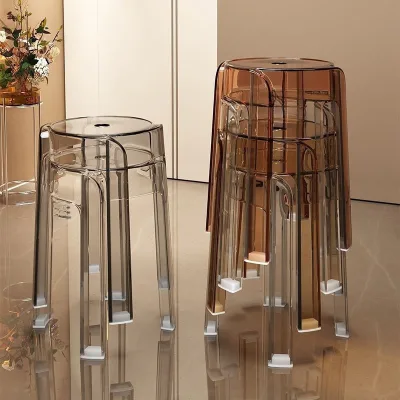
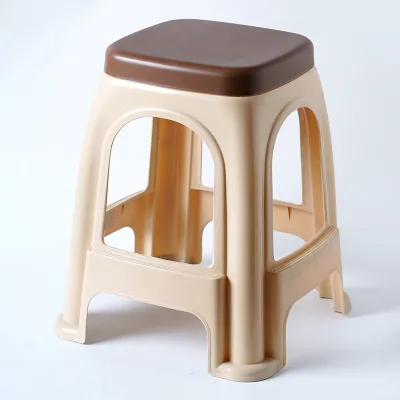
Available designs include stackable modern minimalist stools with reinforced heavy-duty construction, lightweight nesting stools for living rooms, round dining stools, foldable step stools, and kids stools with backrests. Materials are thickened plastic, with fixed or foldable formats. Sizes commonly run around 33 by 46 by 7 centimeters for stacking models and 29 by 22 by 45 centimeters for foldable ones.
Where are the main production regions for these plastic stools in China?
Listed suppliers are based in Jiangsu and Zhejiang provinces, including the Ningbo area, which is a major hub for household goods and furniture manufacturing. Jiangsu suppliers include both manufacturers and trading companies covering folding furniture and home products. Location can affect freight costs and port access, so factor it into your logistics planning.