Modern Powder Coated Kitchen Cart Suppliers and Manufacturers
Explore 30 verified options for Modern Powder Coated Kitchen Cart suppliers and manufacturers. Compare locations in China, response times, lead times, and product specifications like material and load capacity. Contact suppliers directly to request quotes and verify certifications; review the available evidence before requesting comparable quotations from suitable candidates.
Updated
Suppliers List

Tongling Dingyan Import and Export Trading Co., Ltd.
- Trading Company
- China Anhui
- Lead time0 days
- Avg. response≤ 1h
Main productsOutdoor Fryer & Burners, Turkey Fryer, Seafood Pot Kit, Burners

Tianjin Kingnod Furniture Co., Ltd.
- Verified by BV
- Manufacturer/Factory
- China Tianjin
- Lead time23 days
- Avg. response≤ 5h
Main productsDining Chair, Restaurant Chair, Office Chair, Bar Stool, Game Chair, Plastic Chair, Metal Chair, Dining Table, Gaming Table, Barstool
Main marketsSouth America,Eastern Europe,Mid East,North America,Southeast Asia,Eastern Asia,Oceania,Western Europe,Africa


Cheap Price Wholesale 3-Tier Movable Cart with Handle Modern Kitchen Trolley
$8.90 - $15.90
MOQ: 200 Pieces

Shangdong Boxing Changtai Environmental Protection Technology Co., Ltd.
- Verified by CTI
- Combined
- China Shandong
- Lead time15 days
- Avg. response≤ 3h
Main marketsSouth America,Southeast Asia/ Mideast,Domestic,Europe,North America

Kitchen/Hotel Restaurant Changtai China Kitchen Stainless Steel Product Cart
$39.00 - $99.00
MOQ: 1 Pieces


2 Layers Stainless Steel Kitchen Cart Hotel Service Cart Stainless Steel Trolley
$39.00 - $99.00
MOQ: 1 Pieces

High Accept Customization Foldable Kitchen Cart Hand Commercial Quality Stainless Steel Trolley
$40.00 - $55.00
MOQ: 2 Pieces
Zhangzhou Haiyang Furniture Co., Ltd.
- Manufacturer, Trading Company
- Lead time旺季: "1 - 200":31,"> 200":"To be negotiated", 淡季: "1 - 200":31,"> 200":"To be negotiated"
- Avg. response≤ 4h
Main productsCoffee Table, Dining Table and Chairs Set, Bed, Bed Side Table, Kitchen Trolley
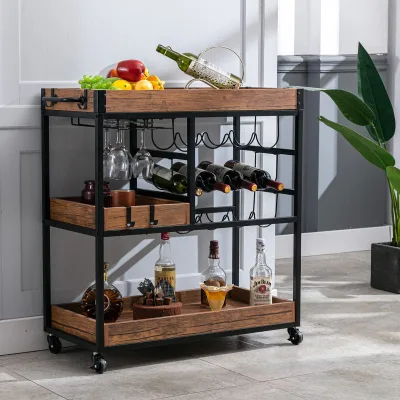
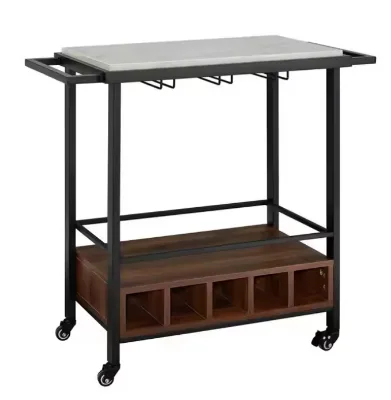
$43.5417 - $79.8275
MOQ: 100 Minimum
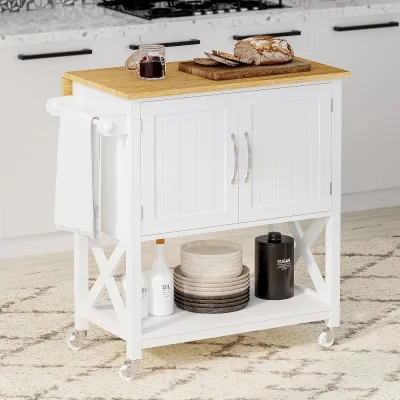
$35.00 - $42.00
MOQ: 100 Minimum
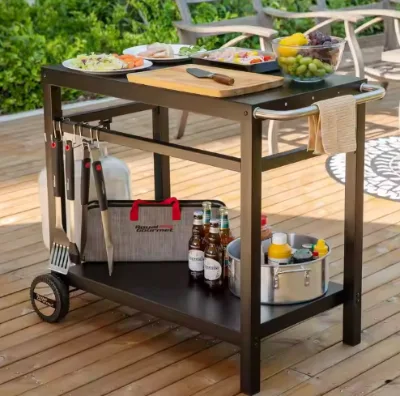
Moving Outdoor Food Preparation Cart As Bbq Grilling Table Grill Cart With Side Table Shelf
$33.2903 - $36.4115
MOQ: 100 Minimum
Sincere (fujian) Household Co., Ltd.
- Trading Company
- Fujian, China
- Lead time35 days
- Avg. response≤ 10h
Main productsBedroom,Living room,Bathroom,Kitchen,Outdoor
Main marketsNorth America(30.00%), Eastern Europe(14.00%), Western Europe(12.00%), Southern Europe(12.00%), Northern Europe(12.00%), South America(10.00%), Oceania(5.00%), Central America(5.00%)

Yichu (Qingdao) Kitchen Equipment Co., Ltd
- Verified by SGS
- Trading Company
- China Shandong
- Lead time45 days
- Avg. response≤ 5h
Main productsShowcase, Commercial Refrigerator, Neutral Stainless Steel, Gn Pan, Gas Range, Ice Maker, Meat Ager, Working Table, Wine Cooler, Bottle Cooler
Main marketsSoutheast Asia/ Mideast,Europe,North America

Zensun Stainless Steel Products Co. , Ltd.
- Verified by SGS
- Trading Company
- China Guangdong
- Lead time30 days
- Avg. response≤ 9h
Main productsGn Pan, Chafing Dish, Food Tray, Stock Pot, Kettle, Cutlery, Kitchenware, Cookware, Restraurant and Hotel Supplies, Milk Pot
Main marketsDomestic
Jiangmen Jingyu Hardware & Equipment Co., Ltd.
- Verified by Intertek
- Manufacturer, Trading Company
- Lead time30 days
- Avg. response≤ 4h
Main productsStainless Steel Work Table, Stainless Steel Multi-Layer Shelf, Commercial Kitchen Prep Table With Drawer, Stainless Steel Sink Table, Catering Equipment
Main marketsDomestic Market(40%), North America(20%), Western Europe(15%)
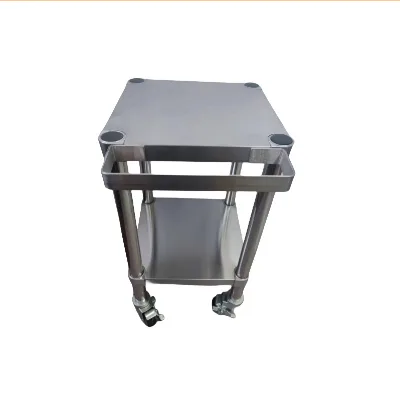
Hotel Restaurant Food Grade Heavy Duty Stainless Steel 3 Tier Kitchen Cart
$15.00 - $35.00
MOQ: 10 Minimum
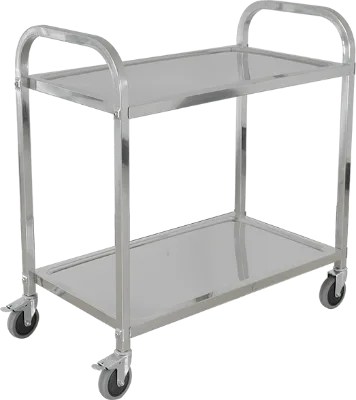
OEM Utility Cart Kitchen Trolley Serving Cart with Wheels Stainless Steel Food Trolley
$24.1496 - $25.5149
MOQ: 50 sets
Jiangmen Guoli Smart Home Co., Ltd.
- Trading Company
- Guangdong, China
- Lead time45 days
- Avg. response≤ 1h
Main productsTissue holder,Living rack,Multifunctional Storage,Kitchen rack,Drying rack
Main marketsDomestic Market(50.00%), North America(30.00%), Western Europe(15.00%), Eastern Europe(3.00%), Southeast Asia(1.00%), Mid East(1.00%)

ZHENGZHOU YITUO MACHINERY CO., LTD.
- Verified by BV
- Combined
- China Henan
- Lead time30 days
- Avg. response≤ 3h
Main productsFood Truck, Food Trailer, Food Cart, Airstream Food Trailer, Ice Cream Bicycle, Electric Food Truck, Mobile Kitchen, Food Kiosk, Food Van, Restaurant Car
Main marketsEurope,Australia,North America


EU Mobile Trailer Water Sink Different Colors Painting High Quality Burger Kitchen Cart
$3500.00 - $3700.00
MOQ: 1 Set


2021 CE New Arrival Coffee Small Carts Europe USA Australia Standard Mobile Kitchen Cart
$2500.00 - $3150.00
MOQ: 1 Pieces
Danyang Zhanyang Metal Products Co., Ltd.
- Trading Company
- Jiangsu, China
- Lead time10 days
- Avg. response≤ 7h
Main productskitchen drainer,home using storing rack,home using storing trolley,corten steel garden fence,barbecue grill
Main marketsEastern Europe(25.00%), South America(20.00%), Central America(10.00%), Mid East(10.00%), North America(10.00%), Southern Europe(5.00%), Western Europe(5.00%), Northern Europe(5.00%), Southeast Asia(5.00%), South Asia(3.00%), Eastern Asia(3.00%), Africa(2.00%)

Tianjin Shining International Trade Co., Ltd.
- Verified by SGS
- Trading Company,Manufacturer/Factory
- China Tianjin
- Lead time30 days
- Avg. response≤ 5h
Main productsStorage Rack&Shelving, Drying Rack, Utility Cart, Dish Rack, Coffee Table, Hotel Chairs&Tables, Church Chairs, Office Chairs
Main marketsSouth America,Eastern Europe,Mid East,Southeast Asia,Eastern Asia,Oceania,Western Europe,Africa

Shandong Wilk Kitchen Equipment Co., Ltd
- Verified by SGS
- Trading Company
- China Shandong
- Lead time15 days
- Avg. response≤ 2h
Main productsStainless Steel Work Table, Stainless Steel Sink, Commercial Rice Steamer, Drink Display Frrezer, Deep Freezer, Four/Six Door Refrigerator, Commercial Oven, Egg/Dough Mixer, Electric/Gas Deep Fryer, Electric/Gas Griddle
Main marketsSoutheast Asia/ Mideast


Stainless Steel Folding Kitchen Cart with Durable Wheels for Easy Transport
$65.00 - $120.00
MOQ: 10 Pieces
Dongguan Jiahe Leverage Homewares Co., Ltd.
- Manufacturer, Trading Company
- Guangdong, China
- Lead time45 days
- Avg. response≤ 24h
Main productsTV Stand / Coffee Table / Side Table / Kitchen Cart / Curio Cabinet
Main marketsNorth America(92.00%), Western Europe(5.00%), Mid East(2.00%), Southern Europe(1.00%)
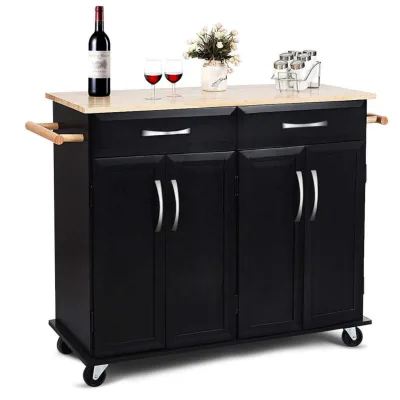
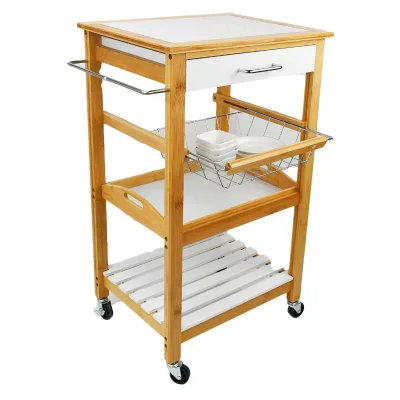
Hot Seller Wood Kitchen Cart Rolling Kitchen Island Utility Serving Cart
$15.34 - $15.76
MOQ: 200 pieces
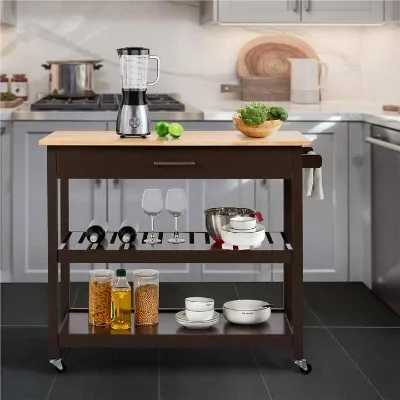
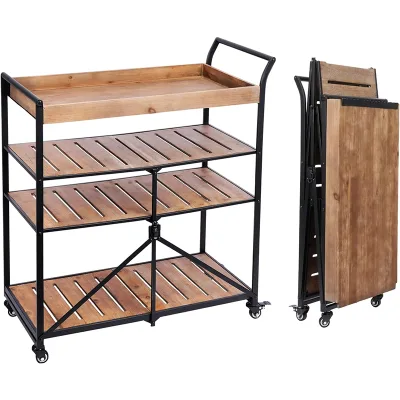
Zhangzhou Dongrong Import & Export Co., Ltd.
- Manufacturer, Trading Company
- Fujian, China
- Lead time55 days
- Avg. response≤ 4h
Main productsComputer Desk, Dining Table Set, Shoe Rack, Coffee table , TV Stand
Main marketsWestern Europe(80.00%), North America(10.00%), South America(6.00%), Mid East(2.00%), Southeast Asia(2.00%)
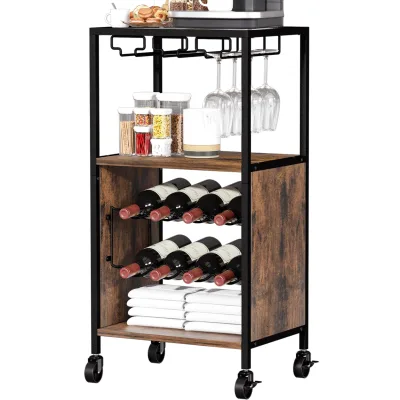
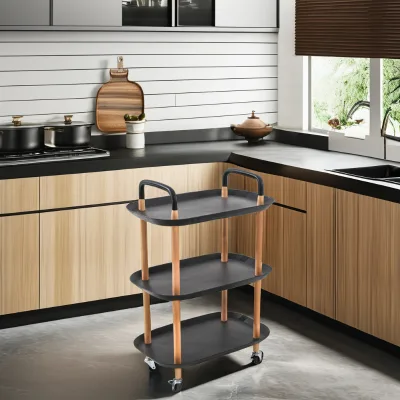
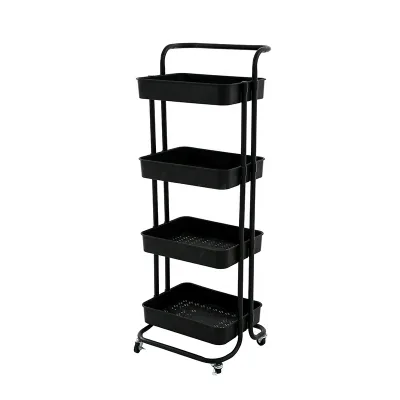
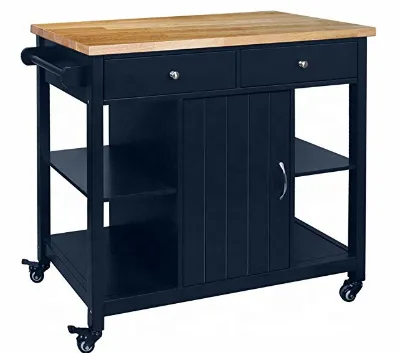
Modern Design Black Kitchen Island Cart Wood Kitchen Bar Cart with Panel Style Storage Features
$9.99 - $11.30
MOQ: 200 pieces
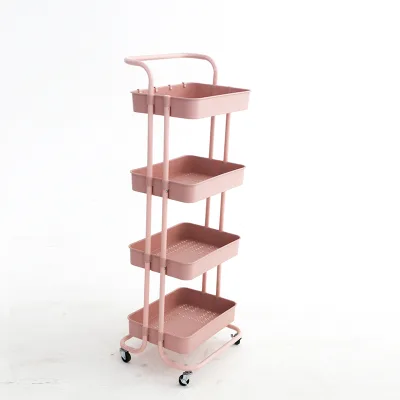
$12.59 - $13.69
MOQ: 100 pieces
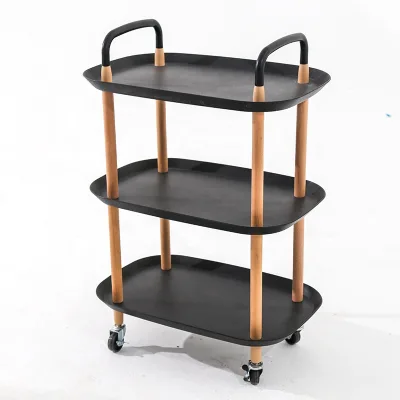
$11.50 - $13.2455
MOQ: 100 pieces
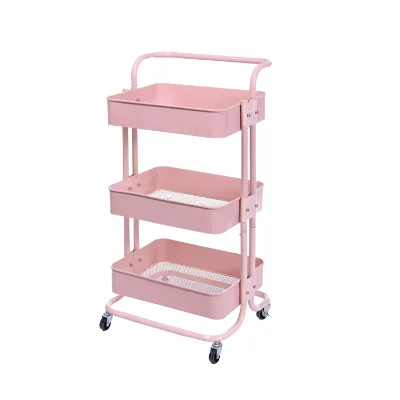
Stainless Steel Storage Trolley Kitchen Cart Island with Panel Wood Style
$11.20 - $12.90
MOQ: 100 pieces
Zhangzhou Delux Furniture Co., Ltd.
- Verified by Intertek
- Trading Company
- Lead time25 days
- Avg. response≤ 1h
Main productsKids Desk, Kids Chair, Kids Furniture, Office Chairs
Main marketsNorth America(13%), Eastern Europe(12%), Southeast Asia(12%)
Shenzhen Global Hotel Supplies Co., Ltd.
- Trading Company
- Guangdong, China
- Lead time7 days
- Avg. response≤ 2h
Main productsHotel Amenities Set, Hotel Banquet Furniture, Bathroom Accessories, Hotel Disposable Supplies, Bath Towel Set
Main marketsDomestic Market(63.00%), North America(18.00%), Southeast Asia(9.00%), Oceania(3.00%), Western Europe(1.00%), Southern Europe(1.00%), Eastern Asia(1.00%), Northern Europe(1.00%), Africa(1.00%), Eastern Europe(1.00%), Mid East(1.00%)
Foshan Guoge Hardware Co., Ltd.
- Verified by SGS Group
- Manufacturer, Trading Company
- Lead time30 days
- Avg. response≤ 2h
Main productsConsole Table, Cocktail Cabinet, TV Table/Rack, Rack/Kitchen Lockers, Coffee Table/Dining Table Set
Main marketsNorth America(30%), Southeast Asia(30%), Western Europe(15%)
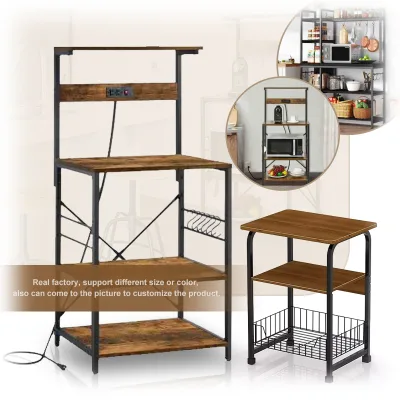
$10.00 - $40.00
MOQ: 50 Minimum
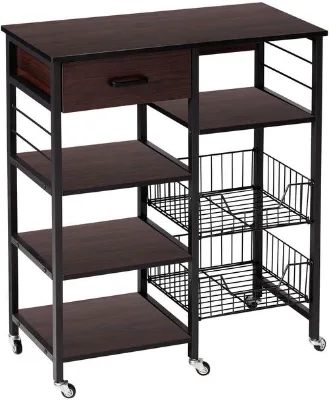
Removable Multifunction 6-Tier Kitchen Rack High Quality Small Kitchen Cart with Wheel
$24.3547 - $25.6691
MOQ: 50 sets
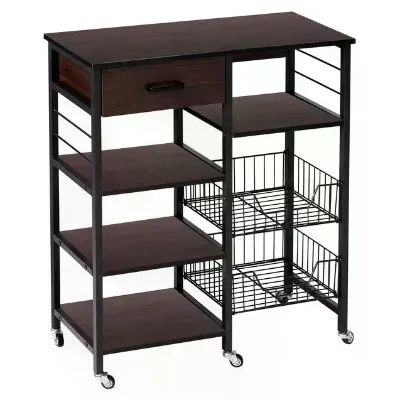
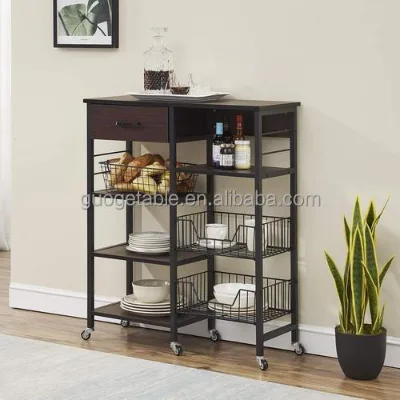

Beijing Tianyuan Rongli Technology Co., Ltd.
- Verified by SGS
- Trading Company,Manufacturer/Factory
- China Beijing
- Lead time15 days
- Avg. response≤ 2h
Main productsMelamine Board, Chipboard, MDF, Solid Wood Pellet Board, Custom-Made Furniture, Dining Room Furniture, Living Room Furniture, Steel-Wood Furniture
Main marketsSouth America,Eastern Europe,Mid East,North America,Southeast Asia,Eastern Asia,Oceania,Western Europe,Africa

Eagle Catering Equipment Co., Ltd.
- Manufacturer/Factory
- China Guangdong
- Lead time30 days
- Avg. response≤ 10h
Main productsTrolleys, Gastronorm Containers, Table, Shelves, Sink, Barrier Post, Cookware, Buffetware, Barware, Kitchen Utensils
Main marketsSouth America,Eastern Europe,Mid East,North America,Southeast Asia,Eastern Asia,Oceania,Western Europe,Africa

Newly Listed Commercial Stainless Steel Service Cart for Hotel Kitchen Catering
$60.99
MOQ: 100 Pieces

Jiangmen City Xinhui District Berlee Furniture Co., Limited
- Manufacturer
- Guangdong, China
- Lead time30 days
- Avg. response≤ 6h
Main productsShoes Rack, Metal Shelf, Garment Rack
Main marketsWestern Europe(20.00%), Southeast Asia(20.00%), North America(15.00%), Northern Europe(15.00%), Eastern Europe(15.00%), Southern Europe(7.00%), Mid East(3.00%), South America(1.00%), Oceania(1.00%), Eastern Asia(1.00%), Central America(1.00%), Africa(1.00%)
Fuzhou Honghe Machinery Co., Ltd.
- Verified by TüVRheinland
- Manufacturer, Trading Company
- Lead time30 days
- Avg. response≤ 2h
Main productsSteel & Wood Furniture
Main marketsDomestic Market(90%), North America(5%), Western Europe(5%)
Xiapu Huayao Handicraft Co., Ltd.
- Manufacturer
- Fujian, China
- Lead time50 days
- Avg. response≤ 3h
Main productsFurniture,handicraft
Main marketsNorth America(50.00%), Western Europe(30.00%), South Asia(5.00%), Southeast Asia(5.00%), Eastern Asia(5.00%), Oceania(5.00%)
Fujian Fondlive Houseware Co., Ltd.
- Verified by Intertek
- Manufacturer, Trading Company
- Lead time50 days
- Avg. response≤ 2h
Main productsNightstands, TV Stands, Bathroom Cabinets, Shoe Cabinets, Console Tables
Main marketsWestern Europe(30%), North America(20%), Northern Europe(20%)
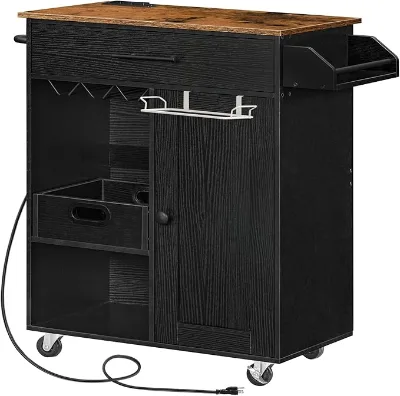
Black and White Color Storage Trolley Kitchen Cart With Open Shelf & Spice Rack & Towel bar
$39.70 - $40.70
MOQ: 200 pieces
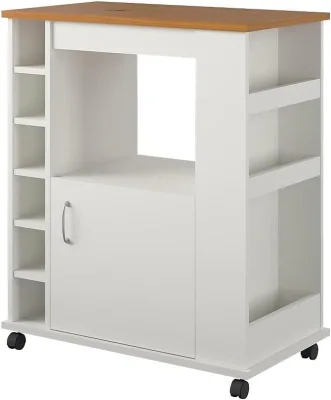

Dalian Peng Yi Huan Yu International Trade Co., Ltd.
- Verified by CTI
- Trading Company
- China Liaoning
- Lead time23 days
- Avg. response≤ 15h
Main productsDoor, Chair
Main marketsEast Asia(Japan/ South Korea),Europe

Functional Rolling Kitchen Table Carts with Elegant Solid Wood Design
$179.00 - $249.00
MOQ: 50 Pieces

Elegant Rolling Kitchen Table Carts with Walnut Finish and Storage Options
$179.00 - $249.00
MOQ: 50 Pieces

TAIAN TOPPOUND INTERNATIONAL TRADING CO., LTD.
- Verified by TUVRHEINLAND
- Combined
- China Shandong
- Lead time45 days
- Avg. response≤ 3h
Main productsChair, Side Table, Flower Planter Stand, Home Decoration, Candle Holders and Lantern, Shelves, Mirror, Planter Pot, Christmas Decoration, Natural Baskets and Storage
Main marketsSouth America,Europe,North America

Jiangmen Xuansheng Home Furnishings Co., Ltd.
- Verified by CTI
- Combined
- China Guangdong
- Lead time60 days
- Avg. response≤ 8h
Main marketsSoutheast Asia/ Mideast,East Asia(Japan/ South Korea),Domestic,Europe,North America

$8.90 - $14.50
MOQ: 500 Pieces

High Quality Metal Frame Kitchen Cart Mobile Serving Cart with Wheels Beverage Cart
$8.90 - $14.50
MOQ: 500 Pieces

Henan Welly Machinery Equipment Co., Ltd.
- Verified by SGS
- Trading Company,Manufacturer/Factory
- China Henan
- Lead time15 days
- Avg. response≤ 4h
Main productsFood Processing Machinery, Meat Processing Machinery, Vegetable and Fruits Processing Machinery, Snack Machinery, French Fries Production Line, Frying Machine, Meat Tumbler Machine, Potato Chips Machine, Patty Maker Hamburger Patty Machine, Vegetable Washing Machine
Main marketsSouth America,Eastern Europe,Mid East,North America,Southeast Asia,Eastern Asia,Oceania,Western Europe,Africa

Convenience Steel Kitchen Cart Steel Kitchen Trolley with Wheels Steel Kitchen Bin
$290.00 - $320.00
MOQ: 10 Pieces


Long Life Guaranteed 200L Stainless Steel Bin Kitchen Cart with Stainless Steel Small Steel Trolley
$290.00 - $320.00
MOQ: 10 Pieces

Saving Energy Stainless Cart on Wheels Stainless Kitchen Trolley Stainless Trolley Cart
$290.00 - $320.00
MOQ: 10 Pieces

Dongguan Simply Metal Products Co., Ltd.
- Trading Company
- China Guangdong
- Lead time23 days
- Avg. response≤ 7h
Main productsWire Shelving, Wire Shelving Units, Shelving, Shelf, Wire Wall Shelf, Wire Rack Shelving, Wire Storage Racks, Wire Racks, Metal Wire Shelving, Wire Storage Shelves
Main marketsSouth America,Africa,Southeast Asia/ Mideast,Europe,Australia,North America
Shanghai Excelite Industrial Co., Ltd.
- Trading Company
- Shanghai, China
- Lead time25 days
- Avg. response≤ 7h
Main productshotel supplies,Ironing board,flashlight,safe box,urinal screen
Main marketsDomestic Market(20.00%), North America(15.00%), South America(10.00%), Eastern Asia(10.00%), Mid East(10.00%), Southeast Asia(10.00%), Southern Europe(10.00%), Western Europe(5.00%), Eastern Europe(5.00%), Northern Europe(5.00%)






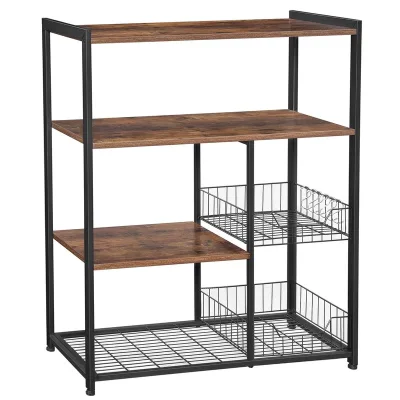
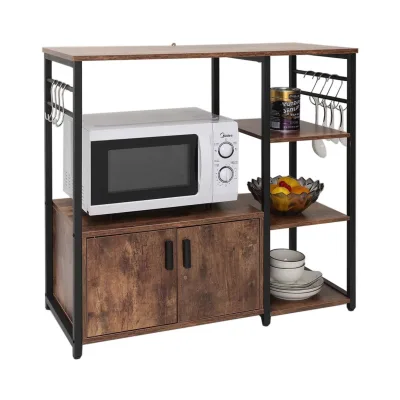
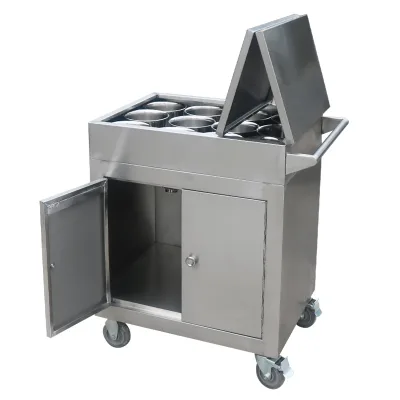
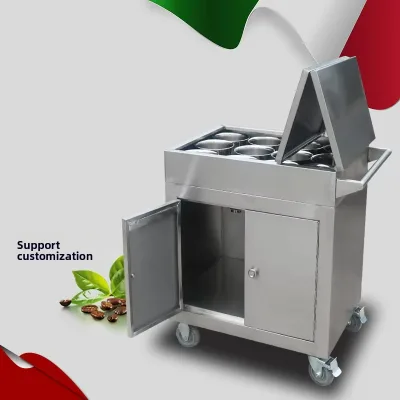


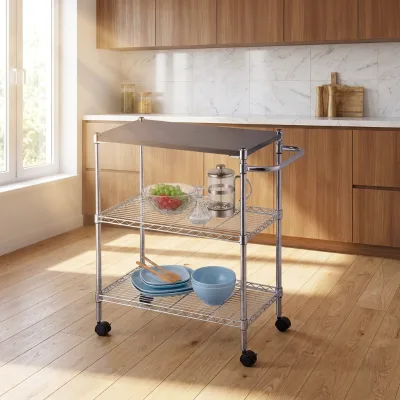
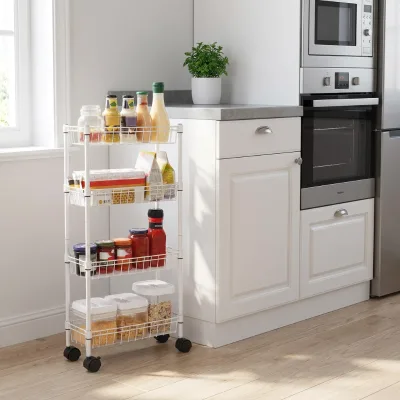
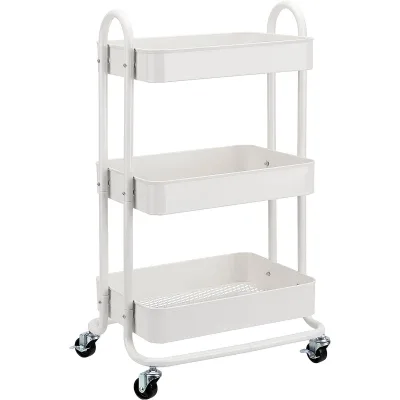
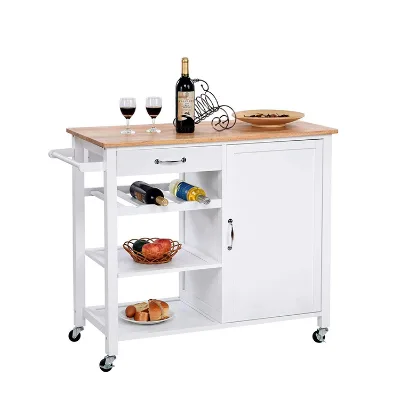


Comprehensive Sourcing Guide
Modern Powder Coated Kitchen Cart Supplier Concentration and Factory Types
Suppliers offering Modern Powder Coated Kitchen Cart models in current results cluster in several Chinese provinces, with Anhui, Tianjin, and Shandong represented in this search. The supplier types differ in ways that matter for buyers. One Anhui-based seller is labeled a trading company, and its main products center on outdoor fryers, burners, and barbecue accessories, yet its listings include outdoor kitchen carts and barbecue prep carts with powder coated finishes. A Tianjin-based supplier is labeled a manufacturer or factory, and its main products are seating such as dining chairs, bar stools, and office chairs, but it also lists stainless steel kitchen trolleys in three- and four-tier formats. Shandong appears as an additional location in the results without further detail displayed.
Because product breadth does not always match the headline main-product list, buyers should treat each supplier type as a signal to investigate rather than a verdict. A trading company may be reselling carts produced by a nearby factory, which can affect pricing and quality control depth. A factory whose catalog is dominated by chairs may produce carts on the same metal-forming and powder coating lines, or may outsource them entirely. When your search returns other regions not shown here, identify clusters by checking where multiple cart suppliers repeat within one province, then request business licenses and factory photos to confirm whether metal fabrication and coating happen in-house or through subcontractors.
How to Verify Modern Powder Coated Kitchen Cart Suppliers
Verification should start with the labels that the platform itself displays, since these are supplied facts you can weigh before any direct contact. One supplier in these results carries a BV verification mark, which indicates a third-party assessment was completed, while the other visible suppliers show no verification badge in the displayed data. Verification marks are not quality guarantees, but they reduce baseline uncertainty about the company's existence and scale. Response time is another verifiable data point: the Anhui trading company shows an average response time under a tenth of an hour, while the Tianjin manufacturer shows roughly four hours. Fast replies make sampling and negotiation faster, but response speed says nothing about production capability.
After reviewing displayed credentials, contact each shortlisted supplier with specific questions tied to this product. Ask whether the powder coating is applied in-house or by a partner coater, request photos of the coating line, and ask for the cart's material specification, since one listing pairs an iron frame with a stainless steel top while another lists all-metal construction. Ask each supplier to confirm the exact model they would ship, because search listings can show a cart produced in Ningbo, Zhejiang even when the seller is located in Anhui, meaning the production site and the company address may differ. Finally, ask for a recent export reference for kitchen carts specifically, not for chairs or fryers, so that the reference matches the product you intend to buy.
What to Compare Across Modern Powder Coated Kitchen Cart Suppliers
Build a comparison table using the dimensions actually visible in supplier results, and mark blanks honestly rather than assuming a value. Useful displayed dimensions here include supplier type, location, verification status, response time, lead time, main products, and whether OEM or ODM capability is stated. The Tianjin factory lists OEM and ODM capacity, a lead time of about twenty-three days, and per-listing delivery windows of fifteen to twenty-five days, which gives buyers concrete numbers to hold against quotes. The Anhui trading company shows an extremely fast response time and a lead time field of zero, which likely means no lead time is displayed, not that production is instant. Never copy a zero into your planning.
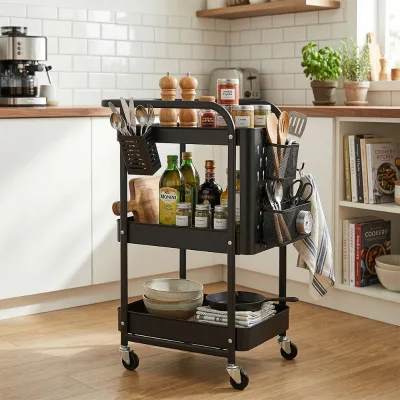
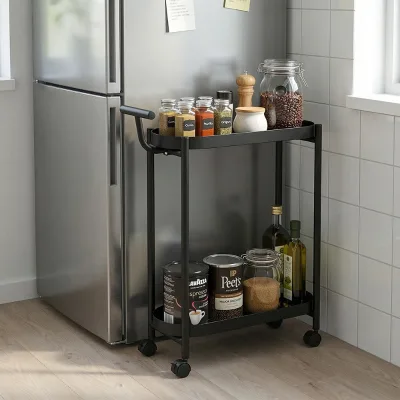
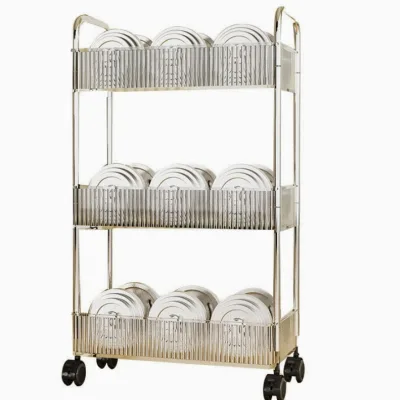
Compare the products themselves with equal rigor. The Anhui listings describe outdoor kitchen carts with three tiers, fixed casters or universal brake casters, anti-rust powder coating, a fifty-kilogram load capacity, a ten-year claimed service life, and no assembly required, priced in the fifty-dollar range with a minimum order of two hundred units on one listing and a minimum of one unit on another. The Tianjin trolleys are stainless steel rather than powder coated iron, priced far lower, with a stated two-hundred-piece minimum. Price gaps of this size usually reflect different materials and different target uses, so compare only like-for-like constructions, and note that main-product focus tells you whether carts are a core line or a side item.
Common Modern Powder Coated Kitchen Cart Sourcing Risks
The most common risk in this category is a mismatch between the supplier's core business and the cart you are buying. A trading company whose main products are fryers and burners may treat kitchen carts as opportunistic listings, which can mean thin stock, longer restocking delays, or inconsistent quality between orders. A factory whose main products are chairs may build carts on furniture lines without outdoor-grade coating controls, so the anti-rust powder coating claim deserves specific verification. Both situations are workable, but only if you identify them early and adjust inspection intensity accordingly.
A second risk cluster involves listing details that can drift from actual shipments. One displayed cart attributes a production origin in Ningbo, Zhejiang, while the seller's company location is Anhui; if origin matters for your import labeling or logistics, confirm where goods actually ship from before booking freight. Listings can also contain internal contradictions, such as fixed casters on one cart and universal brake casters on a near-identical model, or a claimed ten-year service life that no listing backs with a warranty term. Packaging marks, model numbers, and packing configurations such as one set per carton should be confirmed in writing. To reduce these risks, order a sample from the exact model number, photograph it against the listing, and require a pre-shipment inspection that checks coating adhesion, caster function, weld quality, and carton markings before balance payment is released.
Modern Powder Coated Kitchen Cart Regional Sourcing and Logistics
The regions visible in these results each shape logistics differently. Tianjin is a major northern port city, which can simplify container loading and ocean freight booking for buyers shipping full containers. Anhui is an inland province, so goods produced there may need to be trucked to a coastal port before export, adding cost and time that a factory quote may or may not include. Shandong also appears in the results as a supplier location, and buyers should note that a province name alone, without a displayed city or port detail, is not enough to plan freight. Always ask which port the supplier loads at and whether inland trucking is included in the quoted price.
Product characteristics influence the shipping plan too. A powder coated metal cart is heavy relative to its value, and one displayed listing reports a net weight around four and a half kilograms with a small cubic volume per unit, while larger outdoor carts ship one set per carton and occupy far more container space. Ask each supplier for the packed dimensions and gross weight of your chosen model, then calculate how many units fit a twenty-foot or forty-foot container before comparing unit prices. Also confirm whether the anti-rust coating is applied to all exposed surfaces, since ocean humidity can flash-rust unprotected edges during a multi-week transit, and require cartons rated for container stacking.
Modern Powder Coated Kitchen Cart Commercial Terms and Order Planning
Commercial terms are most useful when they come from supplier-stated data rather than assumptions. The Tianjin manufacturer displays payment terms of thirty percent deposit and seventy percent balance by telegraphic transfer, or letter of credit, alongside a one-year warranty and a stated monthly production capacity of twenty thousand pieces for its trolley models. Minimum order quantities shown in these results range from one piece on an Anhui cart listing to two hundred pieces on both the Tianjin trolleys and another Anhui cart, so your trial order size can vary widely depending on which supplier and model you select. Confirm in writing whether the displayed MOQ applies to your chosen color and configuration.
For order planning, anchor the schedule to the concrete numbers displayed. The Tianjin supplier lists an overall lead time around twenty-three days and per-listing delivery of fifteen to twenty-five days, so plan sample approval, deposit, production, inspection, and booking inside that window plus buffer. The Anhui trading company's displayed lead time of zero should prompt a direct question rather than optimism. Check whether the platform offers escrow or trade-assurance payment protection on the transaction, since none of the displayed facts confirm escrow availability here. Finally, confirm what any warranty covers, whether replacement parts such as casters are available, and whether reorders carry the same unit price and lead time as the first order, so repeat purchases stay predictable.
FAQs
What is the price range for modern powder coated kitchen carts?
Prices for these carts typically range from approximately $7.30 to $51.40 per unit. The final cost depends on the specific material, such as stainless steel or iron frames, and the structural design. Buyers should check the minimum order quantity to determine the exact per-unit price for their specific order volume.
What materials are commonly used for these kitchen carts?
Manufacturers primarily use metal, stainless steel, or iron frames combined with stainless steel tops. Many products feature anti-rust powder coating for durability. Some models include specific combinations like iron frames with stainless steel surfaces to balance cost and resistance to corrosion in outdoor or kitchen environments.
What is the typical lead time for these orders?
Lead times vary by supplier, with some listing delivery windows of 15 to 25 days. Other manufacturers may indicate a lead time of 23 days or zero days for specific stock items. Buyers should confirm the exact production schedule with the supplier before placing an order to ensure timely delivery.
What is the minimum order quantity for these carts?
Minimum order quantities generally range from 1 piece to 200 pieces. Some suppliers require a bulk order of 200 units, while others accept single-piece orders. The MOQ often depends on whether the item is a standard model or requires customization, so buyers should verify this with the specific supplier.
Are these kitchen carts customizable for branding?
Yes, customization is available for many modern kitchen carts. Suppliers offer options for custom colors, such as black or other specific shades, and can accommodate OEM and ODM requests. Buyers interested in branded or specific design modifications should contact the manufacturer directly to discuss available customization services and associated costs.
Where are these kitchen carts manufactured?
These products are manufactured in China, with suppliers located in regions such as Anhui, Tianjin, and Shandong. Some product origins are specifically listed as Ningbo, Zhejiang. Buyers can filter suppliers by these specific Chinese provinces to align with their logistical preferences or sourcing strategies.