Modern Portoro Quartzite Slabs Suppliers and Manufacturers
Compare 21 verified suppliers offering Modern Portoro Quartzite Slabs with details on location, lead times, and certifications. Review product specifications like thickness and surface finish, then request quotes directly from the listed factories; review the available evidence before requesting comparable quotations from suitable candidates.
Suppliers List

XIAMEN KA UNITED IMP. & EXP. CO., LTD.
- Trading Company,Manufacturer/Factory
- China Fujian
- Lead time30 days
- Avg. response≤ 10h
Main productsCabinets, Counterttop&Vanity, Marble, Quartz, Granite, Quartzite, Tiles, Paving Stone, Mosaic, Carving Stone
Main marketsEastern Europe,North America,Western Europe

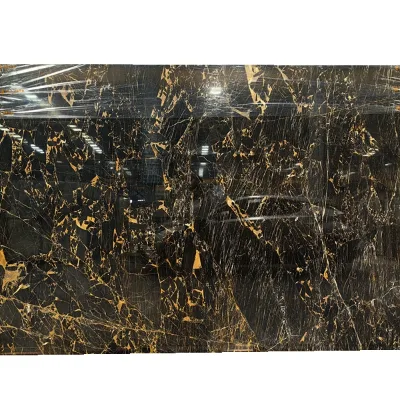
Brazilian Black and Gold Portoro Quartzite Slabs for Countertops
$80.00 - $150.00
MOQ: 60 Square Meters


Brazilian Luxury Cristallo White Quartzite Backlit Slabs for Countertops and Wall
$10.00 - $100.00
MOQ: 100 Square Meters


Shandong Liyin Intelligent Equipment Co., Ltd.
- Verified by SGS
- Manufacturer
- China Shandong
- Lead time15 days
- Avg. response≤ 4h
Main productsQuartz Stone
Main marketsSouth America,Africa,Southeast Asia/ Mideast,East Asia(Japan/ South Korea),Domestic,Europe,Australia,North America


$20.00 - $50.00
MOQ: 50 Square Meters

Horizon White Marble China Factory Artificial Quartz Stone Slabs Terrazzo Granite
$20.00 - $50.00
MOQ: 50 Square Meters

Quartz White Quart Stone Slabs Polished Engineered Stone Quartz Stone Countertop
$20.00 - $50.00
MOQ: 50 Square Meters


Xiamen Quan Stone Imp. & Exp. Co., Ltd.
- Trading Company,Manufacturer/Factory
- China Fujian
- Lead time23 days
- Avg. response≤ 16h
Main productsMarble Tile and Slab, Granite Tile and Slab, Granite Vanity Top, Granite Kitchen Countertop, Quartz Countertop, Natural Stone Products, Granite Stair Step and Skirting Tile, Kitchen Cabinet, Vanitiy Cabinet, Spc Flooring
Main marketsSouth America,Eastern Europe,Mid East,North America,Southeast Asia,Eastern Asia,Oceania,Western Europe,Africa


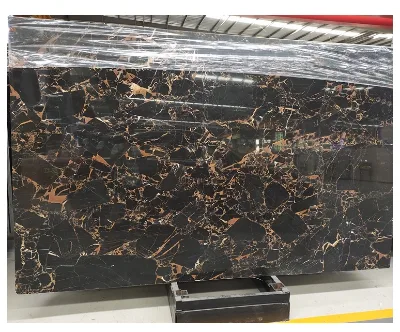
Premium Nero Portoro Black Marble Slabs - Polished for Luxury Flooring, Countertops, Wall Cladding
$50.46 - $80.56
MOQ: 1 Sets

Shenzhen Leeste Industry Co., Ltd.
- Trading Company
- China Guangdong
- Lead time15 days
- Avg. response≤ 7h
Main productsGranite, Marble, Sandstone, Slate, Travertine, Basalt, Granite Tiles, Countertops, Marble Tiles, Marble Slabs
Main marketsAustralia,North America


Quartize Ledge Stone, Quartzite Stacked Stone and Quartize Wall Cladding
$14.50 - $15.00
MOQ: 500 Square Meters


Foshan Little Blue Whale Stone Co., Ltd.
- Verified by SGS
- Combined
- China Guangdong
- Lead time15 days
- Avg. response≤ 5h
Main productsQuartz Stone, Quartz Slab, Engineered Quartz Stone Slab, Artificial Quartz Stone Slab, Engineered Slab, Engineered Stone, Artificial Quartz, Artificial Stone, Engineered Quartz, Artificial Slab
Main marketsDomestic


Santorini Black Gold Marble Artificial Quartz Stone Slab for Countertops
$50.00 - $69.00
MOQ: 150 Square Meters

Xiamen Siming District Jiehui Changrong Building Materials Business Department
- Manufacturer, Trading Company, Business Service (Transportation, finance, travel, Ads, etc)
- Fujian, China
- Lead time7 days
- Avg. response≤ 7h
Main productsMarble carving,rtificial rose,Granite,Cultural stone,Real estate building materials and supplies
Main marketsNorth America(50.00%), South America(20.00%), Southern Europe(10.00%), Western Europe(10.00%), Eastern Europe(10.00%)

Xiamen Sunlight Stone lmport & Export Co., Ltd.
- Trading Company,Manufacturer/Factory
- China Fujian
- Lead time15 days
- Avg. response≤ 13h
Main productsGranite, Marble, Quartz Stone, Countertop, Paving Stone, Mosaic, Culture Marble, Tombstone, Slabs, Travertine
Main marketsSouth America,Eastern Europe,Mid East,North America,Southeast Asia,Eastern Asia,Oceania,Western Europe,Africa

Black and Gold Marble, Portoro Marble Slabs for Tiles, Countertops
$30.00 - $40.00
MOQ: 20 Square Meters

Original Quarry Golden Black Portoro Marble Tile Gold Flower Marble Slab
$30.00 - $40.00
MOQ: 50 Square Meters

Quartz Slab, Quartz Stone Countertop, Artificial Stone, Quartz Stone
$35.00 - $40.00
MOQ: 1 Square Meters
Apulo (guangzhou) Industrial Holdings Limited
- Manufacturer, Trading Company, Business Service (Transportation, finance, travel, Ads, etc)
- guangdong, China
- Lead time10 days
- Avg. response≤ 2h
Main productsMarble Slab,Marble Tile,Waterjet Medallion,mosaic tiles,Water Counter top
Main marketsSouth Asia(15.00%), Eastern Europe(15.00%), Northern Europe(10.00%), Central America(10.00%), Western Europe(10.00%), Eastern Asia(10.00%), South America(10.00%), North America(10.00%), Mid East(5.00%), Southern Europe(5.00%)
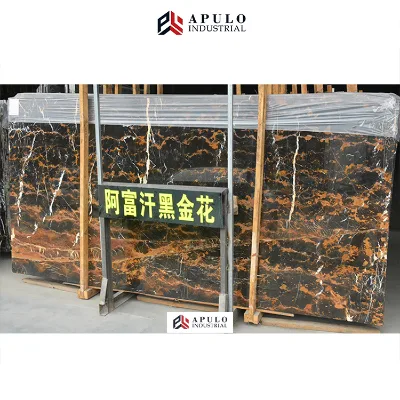
$45.64 - $60.86
MOQ: 10 Minimum
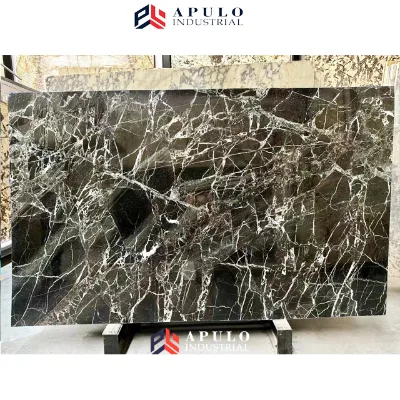
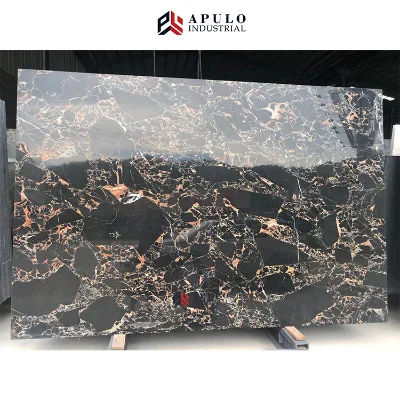

- Verified by TUVRHEINLAND
- Trading Company,Manufacturer/Factory
- China Guangdong
- Lead time0 days
- Avg. response≤ 2h
Main productsQuartz Stone, Quartz Slab, Kitchen Countertop, Quartz Countertop, Terrazzo, Quartz Calacatta, Quartz Vanity Top
Main marketsSouth America,Mid East,North America,Southeast Asia,Eastern Asia,Oceania,Western Europe

Hot Sell Quartz Countertop Style Artificial Pure White Quartz Stone Slabs
$58.00 - $80.00
MOQ: 150 Square Meters

White Granite Stone Artificial Quartz Stone Slab Marble for Countertops
$58.00 - $80.00
MOQ: 150 Square Meters

Quartz Artificial Stone Slabs Conglomerate Quartz Stone for Home Decoration Kitchen Countertop
$58.00 - $80.00
MOQ: 150 Square Meters


Artificial Quartz Stone Slab Engineered Stone Marble for Countertops
$58.00 - $80.00
MOQ: 150 Square Meters

Solid Quartz Slab White Artificial Stone for Quartz Countertops
$30.00 - $70.00
MOQ: 150 Square Meters

Xiamen Ocean G Stone Co., Ltd.
- Verified by TUVRHEINLAND
- Trading Company,Manufacturer/Factory
- China Fujian
- Lead time23 days
- Avg. response≤ 4h
Main productsCountertop, Granite, Marble, Granite Tiles, Granite Slabs, Marble Slabs, Marble Tiles, Quartz Slabs, Quartz Countertops
Main marketsSouth America,Eastern Europe,Mid East,North America,Southeast Asia,Eastern Asia,Oceania,Western Europe,Africa

$350.00 - $700.00
MOQ: 5 Square Meters

$20.00 - $100.00
MOQ: 50 Square Meters

Xiamen Shun Shun Stone Import & Export Co., Ltd.
- Verified by TUVRHEINLAND
- Trading Company
- China Fujian
- Lead time15 days
- Avg. response≤ 10h
Main productsGranite, Stone, Marble, Countertop, Monument, Slate, Sandstone, Fireplace, Tiles, Slabs
Main marketsSoutheast Asia/ Mideast,Europe,North America

Calacatta Quartz Slab Artificial Quartz/Marble for Quartz Countertop
$19.36 - $26.36
MOQ: 50 Square Meters

Silver Dragon Black Portoro Marble Slabs for Floor Wall Tiles Window Sills
$18.99 - $30.99
MOQ: 50 Square Meters

Customized Portoro Artificial Marble Slab Engineered Stone Countertop Interior Decor
$8.99 - $19.99
MOQ: 50 Square Meters

Newstar (Quanzhou) Industrial Co., Ltd.
- Verified by BV
- Manufacturer/Factory
- China Fujian
- Lead time15 days
- Avg. response≤ 4h
Main productsStone Products, Marble, Quartz, Onyx, Granite, Travertine, Slate & Quartzite, Sandstone, Benyeequartz, Glass Stone Surface
Main marketsSouth America,Eastern Europe,Mid East,North America,Southeast Asia,Eastern Asia,Oceania,Western Europe,Africa

Newstar Nero Black Portoro Marble Slab with Gold Polished for Bathroom Wall & Floor
$20.00 - $99.00
MOQ: 1 Pieces

Quartz Countertops Marble Quartz Stone Artificial Quartz Stone Price Calacatta Quartz Slab
$39.00 - $79.00
MOQ: 1 Pieces

Newstar Luxury Black Gold Portoro Marble Slab for Countertop and Wall Flooring
$20.00 - $99.00
MOQ: 1 Pieces

Shenzhen Chiva Industry Co., Ltd.
- Verified by TUVRHEINLAND
- Trading Company
- China Guangdong
- Lead time15 days
- Avg. response≤ 5h
Main productsGranite, Marble, Cheap White Marble, Cheap Grey Beige Granite, Basalt, Travertine, Paver Tile, Slab, Fireplace, Bluestone
Main marketsAfrica,Southeast Asia/ Mideast,Europe

Polished Nero Black Portoro Gold Marble for Bathroom Wall/Floor/Kitchen Tile/Slab
$30.50 - $50.00
MOQ: 100 Square Meters

Italian Nero Portoro Marble Slab for Flooring/Wall Tile/Stair/Countertop
$19.00 - $30.00
MOQ: 200 Square Meters

Natural Stone Slab Nero Portoro Marble for Tile/Coountertop/Stair Project
$19.00 - $30.00
MOQ: 200 Square Meters

Natural Stone Brown Nero Portoro Marble for Floor/Wall Tile/Stairs/Mosaic/Countertop Decoration
$19.00 - $30.00
MOQ: 200 Square Meters

Natural Stone Brown/Black Polished Nero Portoro Marble for Floor/Wall Tile/Stair/Countertop
$19.00 - $30.00
MOQ: 200 Square Meters

Athens Portoro Black Marble Big Slab for Spiral Stair Wall Bathroom Tile Top Floor
$16.60 - $21.00
MOQ: 200 Square Meters

China Arts Building Material Group Co.,Limited
- Trading Company,Manufacturer/Factory
- China Fujian
- Lead time23 days
- Avg. response≤ 2h
Main productsStone/ Granite/ Marble, Kitchen Countertop and Vanity Tops, Slab and Tiles, Quartz and Artificial Stone, Composite Products, Mosaic and Medallion, Sink Basin Sculpture and Tomb, Sand Stone, Crafts and Arts, Paving Stone
Main marketsEastern Europe,Mid East,North America,Southeast Asia,Western Europe


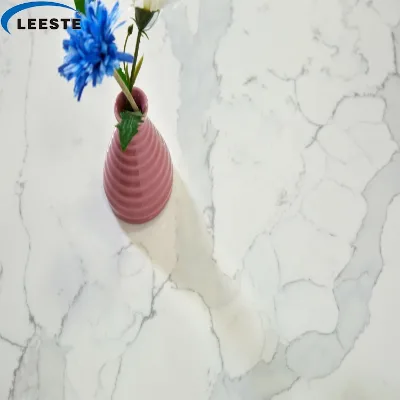
Nature Calacatta White Quartz Quartizite Slab for Countertop and Tile
$150.00 - $200.00
MOQ: 10 Square Meters


- Verified by BV
- Trading Company,Manufacturer/Factory
- China Fujian
- Lead time23 days
- Avg. response≤ 10h
Main productsQuartz, Sintered Stone, Nano Crystallized Glass, Artificial Marble Stone, Terazzo, Marble Tile & Slab, Granite Tile & Slab, Slate & Basalt & Pebble Stone, Sandstone & Limestone& Travertine, Countertop&Vanitytop
Main marketsSouth America,Eastern Europe,Mid East,North America,Southeast Asia,Eastern Asia,Oceania,Western Europe,Africa


Polished Black and Gold Portoro Marble for Slab/Tile/Countertop/Table Top
$20.00 - $100.00
MOQ: 100 Square Meters
Shenzhen Leeste Building Material Co., Ltd.
- Trading Company, Buying Office, Distributor/Wholesaler
- Lead time旺季: "1 - 10000":31,"> 10000":"To be negotiated", 淡季: "1 - 10000":31,"> 10000":"To be negotiated"
- Avg. response≤ 4h
Main productsMosaic,Marble Mosaic,Marble,Marble Tiles,Marble Slabs
Xiamen Eastwood Industry Co., Ltd.
- Verified by SGS Group
- Manufacturer, Trading Company
- Lead time30 days
- Avg. response≤ 3h
Main productsGranite Paver, Marble Slab, Slate Stone Veneer, Limestone Tile, Sandstone Tile
Main marketsNorth America(82%), Oceania(5%), Mid East(3%)

Quanzhou Tianyuan Stone Co., Ltd.
- Verified by BV
- Trading Company
- China Fujian
- Lead time15 days
- Avg. response≤ 3h
Main productsGranite Marble Tile and Slab, Countertop Vanity Table, Slate Sandstone Pebble Travertine, Pillar Column Fountain, Waterjet Medallion Mosaic Tile, Cobblestone Kerbstone Paving, Sculpture Statue, Construction Landscape Stone, Fireplace Bathtub, Floor and Wall Stone
Main marketsSouth America,Southeast Asia/ Mideast,Europe,North America


$30.00 - $60.00
MOQ: 100 Square Meters

Bulgaria Grey Marble Slabs & Tiles, Imported Pietra Grey Marble Slabs
$30.00 - $50.00
MOQ: 100 Square Meters

White/Black/Beige Stone Quartz, Marble, Granite Slab for Countertop and Flooring Tile Project
$49.25 - $55.05
MOQ: 100 Square Meters

China Silver Portoro Marble Slab Black and White Marble Tiles Chinese Marble
$20.00 - $25.00
MOQ: 100 Square Meters


- Manufacturer/Factory
- China Guangdong
- Lead time0 days
- Avg. response≤ 4h
Main productsQuartz Stone, Quartz Countertop, Quartz Slab, Engineered Stone, Artificial Stone, Quartz Stone Flooring, Engineered Quartz Stone, Quartz Benchtops, Quartz Kitchen Tops, Quartz Vanity Top
Main marketsSouth America,Eastern Europe,Mid East,North America,Southeast Asia,Eastern Asia,Oceania,Western Europe,Africa

Strong Quartz Focused on Quartz Slabs and Quartz Countertops More Than 10 Years.
$65.00 - $75.00
MOQ: 150 Square Meters

Quartz Stone Slab /Placa De Cuarzo, Piedra De Cuarzo PARA Cocina.
$38.00 - $57.10
MOQ: 100 Square Meters

Shenzhen MSUN Sanitary Ware Co., Ltd.
- Manufacturer/Factory
- China Guangdong
- Lead time23 days
- Avg. response≤ 2h
Main productsSolid Surface Sheet, Solid Surface Wash Basin, Solid Surface Bathtub, Solid Surface Worktop, Corian, Stool, Sanitary Ware, Solid Surface Bathroom Sink, Wash Basin, Bathtub
Main marketsSouth America,Eastern Europe,Mid East,North America,Southeast Asia,Eastern Asia,Oceania,Western Europe
Shenzhen Chiva Industry Co., Ltd.
- Trading Company, Distributor/Wholesaler
- Guangdong, China
- Lead time15 days
- Avg. response≤ 3h
Main productsgranite,marble,natural stone,slate,travertine
Main marketsMid East(25.00%), Africa(25.00%), Eastern Asia(15.00%), North America(10.00%), South Asia(5.00%), Southern Europe(5.00%), Western Europe(5.00%), Eastern Europe(5.00%), South America(5.00%)


Comprehensive Sourcing Guide
Modern Portoro Quartzite Slabs Supplier Concentration and Factory Types
Buyers searching for Modern Portoro Quartzite Slabs will encounter two broad supplier archetypes on B2B platforms: manufacturers or factories that process blocks and slabs in-house, and trading companies that consolidate material from multiple sources. The supplier results for this category include both types, which matters because it affects who controls cutting, polishing, book-matching and quality inspection. A factory-side seller can usually adjust slab thickness, surface finish and backlit preparation directly on the production line, while a trading-side seller may offer wider access to exotic quartzite and marble variations but adds a coordination layer between the buyer and the cutting yard.
Location evidence in the current results points to Fujian, China, a province widely associated with stone processing and export handling, so buyers can reasonably expect cluster-based capabilities there such as gang sawing, resin treatment, polished and backlit finishing, and seaworthy wooden bundle packing. Note that the listed products include both Brazilian-origin quartzite slabs and an Italian-market Nero Portoro marble listing with an Iran origin attribute, so the material origin is not uniform across listings. When identifying clusters independently, buyers should look at where similar quartzite and marble slab listings are concentrated, check whether the same company lists complementary items such as countertops, sinks, tiles and stairs, and treat a mixed portfolio of quartzite, marble, granite and mosaic products as a signal of a genuine stone-processing hub rather than a single-item reseller.
How to Verify Modern Portoro Quartzite Slabs Suppliers
Verification should start with the supplier-type label and the company's declared main products. In the observed results, sellers list categories spanning cabinets, countertops and vanities, marble, quartz, granite, quartzite, tiles, paving stone, mosaic and carving stone, alongside trading-company and manufacturer/factory designations. A supplier whose catalog covers this full stone spectrum is more likely to be an established processor, but you should still confirm which products are made in-house and which are sourced out. Ask directly whether the portoro quartzite slabs you need are cut, polished and backlit at their own facility or subcontracted, and request photos or video of the specific production stage.
System certifications are one of the few verifiable attributes displayed on this page: some suppliers show ISO 9000, ISO 9001 and ISO 14001 credentials. Treat these as quality and environmental management signals rather than product-grade guarantees, and ask for the certificate scope and validity dates. Response time is another displayed data point, with at least one supplier showing a ten-hour average response figure; use it as a baseline for communication speed, then test it yourself with a detailed technical inquiry covering slab dimensions, thickness options and backlit requirements. Finally, verify origin claims independently: the listings reference Brazil for the quartzite slabs and Iran for a portoro marble product, so ask for block provenance documentation or shipment records. Confirm that the material quoted as quartzite is geologically quartzite and not dolomite marble marketed under a similar commercial name, since the observed marble listing is typed as dolomite.
What to Compare Across Modern Portoro Quartzite Slabs Suppliers
Build a comparison sheet from the attributes suppliers actually display, without assuming every seller publishes all of them. Useful dimensions in this category include lead time, minimum order quantity, average response time, company type, location, establishment year, escrow or platform-protected payment availability, main product lines, and research or production capabilities such as OEM and ODM support. The current results show a thirty-day lead time figure, OEM and ODM capacity, and a ten-hour response benchmark, all of which belong in your matrix as comparable data points rather than category-wide guarantees.
Price and MOQ comparisons should be made per product, not per supplier, because the observed listings vary widely. One black-and-gold portoro quartzite slab listing shows a price range of roughly eighty to one hundred fifty dollars per square meter with a minimum order around one hundred square meters, while a Nero Portoro marble listing sits at one hundred fifty to three hundred dollars with a three-hundred-square-meter minimum, and a Cristallo white quartzite product lists a much lower entry price with a ten-piece slab minimum. Compare identical specifications: thickness (eighteen, twenty or thirty millimeters appear across listings), slab size around 2400up by 1200up millimeters, surface treatment such as polished with backlit, and customization availability. Also weigh scope: some suppliers sell only slabs, while others produce countertops, stairs, tables, sinks and vanity tops, which matters if you want a single vendor for a full project package with matched material batches.
Common Modern Portoro Quartzite Slabs Sourcing Risks
The most significant risk in this category is material substitution. Portoro-style stone exists as true quartzite and as dark dolomitic marble with a similar black-and-gold appearance, and the observed listings confirm both exist side by side: one product is explicitly a quartzite from Brazil, another is a dolomite-type marble with an Iran origin attribute. Marble and dolomite are softer and etch differently than quartzite, so a buyer who specifies quartzite and receives a lookalike marble will face durability problems on countertops. Require petrographic or density documentation where possible; one listing states a density of 2.8 grams per cubic centimeter, which you can use as a reference point when questioning alternative stones.
Second, decorative consistency risk is high for book-matched and backlit work. Polished-with-backlit effects depend on slab translucency, which varies block to block, so slabs approved from photos may not match the shipment. Mitigate by approving actual slabs by number and video, not renders. Third, packaging and transit risk: observed packing methods range from plastic inside plus strong seaworthy wooden bundles to wooden crates, which are appropriate but should be confirmed in writing, including edge protection and crate labeling. Fourth, scope creep in MOQ terms: the listings show minimums expressed in square meters and in pieces, and a low piece-based minimum on slabs can translate into a large commitment once cutting waste is added. Finally, lead-time risk: a thirty-day production lead time is plausible for this category but should be validated against your project schedule with a written production-and-shipping timeline.
Modern Portoro Quartzite Slabs Regional Sourcing and Logistics
The location evidence available for this category points to Fujian, China, so logistics planning can reasonably center on that province's export infrastructure. Fujian-based stone suppliers typically ship via nearby container ports with regular sailings to North America, Europe, the Middle East and Australia, and slab shipments move in seaworthy wooden bundles or crates as described in the observed packing attributes. Because stone is heavy, freight cost is usually calculated by weight and volume rather than value, so your landed-cost model should include ocean freight, drayage, customs clearance, duties and inland delivery, which often add substantially to the per-square-meter product price shown in listings.
When regional sourcing information is not supplied for a particular seller, identify the cluster yourself before committing. Check the supplier's registered address and listing locations, ask which port they ship from, and request a recent bill of lading example to confirm actual export experience. Also confirm material routing: the quartzite slabs in the observed listings carry a Brazil origin while some marble counterparts carry an Iran origin, meaning blocks may travel to the processing province before fabrication, which lengthens the chain and can affect both lead time and consistency between batches. For planning, use the thirty-day lead-time figure as a working assumption for production after order confirmation, then add slab-selection time, booking lead time for the container, and port-to-door transit for your destination. Buyers in landlocked regions should also plan for transloading, since 2400up-by-1200up slab bundles require appropriate handling equipment at delivery.
Modern Portoro Quartzite Slabs Commercial Terms and Order Planning
Commercial terms should be negotiated around the displayed order structures. Observed listings show minimum orders expressed both in square meters (one hundred square meters for a portoro quartzite slab product, three hundred square meters for a portoro marble product) and in pieces (ten slabs for a Cristallo white quartzite product), with customization marked as available. Translate these into your project quantity early: measure installed area, add cutting and breakage allowance, and confirm whether the MOQ applies per color, per thickness or across the order. Price evidence shows wide bands, from roughly eighty to one hundred fifty dollars for the quartzite slabs, one hundred fifty to three hundred dollars for the marble, and a broad lower band on the Cristallo listing, so always request a written quotation tied to exact thickness, size, finish and backlit specification.
On payments, do not assume escrow protection exists; check whether the platform displays escrow or trade assurance for the specific supplier, and if it does, route the first transaction through it to reduce advance-payment risk. Use OEM and ODM capability, shown in the observed supplier capacity data, to negotiate custom countertop, stair or table fabrication from the same slab batch. Order planning should sequence material approval first: reserve and approve specific slabs, then release production against the thirty-day lead-time benchmark with milestones for cutting, polishing, backlit testing and packing. Confirm packing terms (plastic inside with strong seaworthy wooden bundles, or wooden crates), inspection rights before shipment, and a claim window for breakage or shade variation discovered at delivery.
Word count check: Section 1 ~229, Section 2 ~231, Section 3 ~232, Section 4 ~231, Section 5 ~228, Section 6 ~230. Total ≈1381 words.
FAQs
What sizes and thicknesses are available for Modern Portoro Quartzite Slabs?
Listed Portoro quartzite slabs come in standard sizes of 2400up x 1200up mm with thickness options of 18, 20, and 30 mm. Customization is available, so buyers can request alternative dimensions for countertops, stairs, tables, or wall cladding. Confirm cutting tolerances and book-matching options with the supplier before placing an order.
What is the minimum order quantity for Portoro quartzite slabs?
Published listings show a minimum order starting at 100 square meters for Portoro quartzite slabs, while some related stone products list lower or higher thresholds such as 60 square meters or 10 slabs. Requirements vary by product, so request the exact MOQ for your chosen specification, finish, and thickness in writing before ordering.
How much do Portoro quartzite slabs cost per square meter?
Comparable black and gold quartzite slab listings on this page range from roughly 80 to 150 dollars per square meter, while natural Nero Portoro marble slabs list between 150 and 300 dollars. Final pricing depends on thickness, finish, backlit preparation, and order volume, so obtain a formal quotation for your specific requirements.
Can Portoro quartzite slabs be polished with a backlit effect?
Yes, the listed luxury quartzite slabs are offered with a polished surface prepared for backlit installation, which highlights the black and gold veining. Backlit applications are popular for feature walls, reception desks, and bar fronts. Discuss LED panel spacing, slab translucency, and edge treatment details with the supplier during specification.
What applications suit Modern Portoro Quartzite Slabs?
These slabs are specified for homes, hotels, apartments, and villas in applications including countertops, tiles, stairs, tables, and feature walls. Quartzite offers strong wear resistance for high-traffic surfaces, while backlit panels suit decorative interiors. Verify load-bearing requirements and sealing recommendations for kitchen or bathroom installations with your fabricator.
How are Portoro quartzite slabs packed for export shipping?
Listed packing uses plastic wrapping inside strong seaworthy wooden bundles or wooden crates for slab and tile products. This protects polished faces and edges during container transport. Ask the supplier to confirm pallet dimensions, slab orientation, corner protection, and whether freight insurance is included for your destination port.
What is the typical lead time for Portoro quartzite slab orders?
Suppliers in this category list a lead time of approximately 30 days for production and dispatch. Actual timing depends on slab selection, customization, thickness, and current order volume. Confirm the schedule for your specific quantity and request updates on cutting progress, especially for book-matched or backlit-prepared panels.
Do suppliers offer OEM or ODM customization for quartzite projects?
Suppliers here list OEM and ODM capabilities alongside available customization on individual products, covering cut-to-size panels, edge profiles, and finished pieces like countertops and vanity tops. Provide detailed drawings, dimensions, and finish requirements early. Also ask about sample availability so you can approve color and veining before full production begins.