Modern Round Paper Tableware Suppliers and Manufacturers
Find 25 verified suppliers of Modern Round Paper Tableware in China. Compare locations, lead times, MOQs, response times, certifications, and prices. Contact suppliers directly to request samples and confirm delivery schedules; review the available evidence before requesting comparable quotations from suitable candidates.
Updated
Suppliers List

Wenzhou Qiangsen Import and Export Co., Ltd.
- Verified by BV
- Trading Company
- China Zhejiang
- Lead time30 days
- Avg. response≤ 4h
Main productsFood Container, Cornstarch Cutlery, Paper Plate, Salad Bowl, Paper Bag, Bamboo Stick, Wooden Cutlery, Greaseproof Paper, Bamboo Cutlery, Paper Cup
Main marketsSoutheast Asia/ Mideast,North America

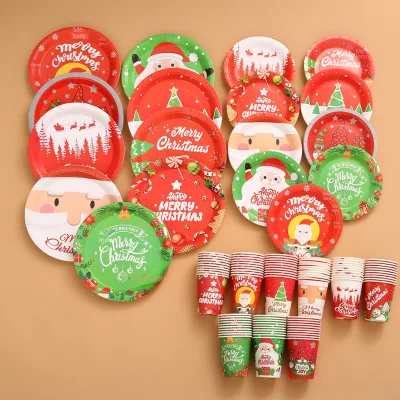
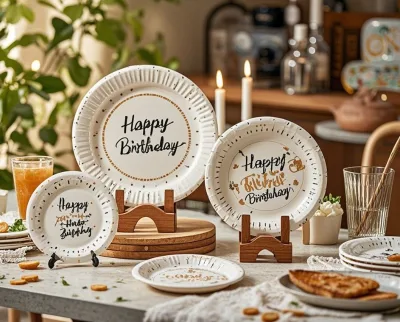
Eco-Friendly Custom Printing Round Paper Tableware Disposable Paper Plate
$0.012 - $0.02
MOQ: 100000 piece


Carry-out Tableware Takeaway Food Container Round Disposable Paper Plate
$0.012 - $0.02
MOQ: 100000 piece


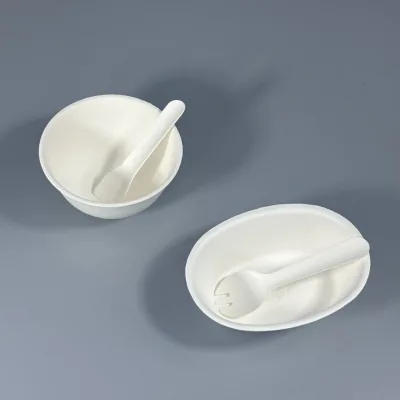
Cornstarch Packaging Plates Bowl Eco-Friendly Food Containers Tableware
$0.0315 - $0.036
MOQ: 50000 Pieces

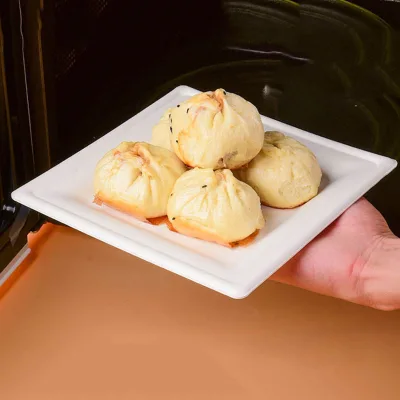
High Quality Square Paper Plate Disposable Paper Tableware with Logo Printing Custom
$0.012 - $0.02
MOQ: 100000 piece

Shanghai EGS Industry Co., Ltd.
- Verified by SGS
- Trading Company,Manufacturer/Factory
- China Shanghai
- Lead time30 days
- Avg. response≤ 3h
Main productsPaper Cup, Coffee Cup, Plastics Cup, Cup Lid, Biodegradable Tableware, Straw, Biodegradable Bag, Sugarcane Series, Chicken Egg Tray, Cling Film
Main marketsSouth America,Eastern Europe,Mid East,North America,Southeast Asia,Eastern Asia,Oceania,Western Europe,Africa

$0.027 - $0.096
MOQ: 20000 Pieces

Popular Food Grade Lunch Box Clamshell Paper Tableware for Salad Cake
$0.029 - $0.138
MOQ: 20000 Pieces

Free Eco Friendly Paper Recyclable Compostable Biodegradable Tableware
$0.027 - $0.096
MOQ: 20000 Pieces

Food Grade Compostable 16cm Paper Tableware Utensils Disposable Paper Tableware Set
$0.027 - $0.096
MOQ: 20000 Pieces

Zhejiang Jinhao Packing Material Co., Ltd.
- Verified by SGS
- Combined
- China Zhejiang
- Lead time15 days
- Avg. response≤ 8h
Main productsPaper Cup, Paper Bowl, Paper Food Tray, Paper Food Container, Paper Cup Sleeve, Soup Cup, Disposable Cup, Salad Bowl, Lunch Box, Plate
Main marketsSoutheast Asia/ Mideast,East Asia(Japan/ South Korea),Domestic,Europe,North America


Modern Disposable Paper Bowl: Deep Soup Cup Tableware for Takeout Ice Cream
$0.024 - $0.038
MOQ: 100000 Pieces


Premium White Disposable Paper Bowl: Takeout Soup & Ice Cream Tableware
$0.024 - $0.038
MOQ: 100000 Pieces

High-Quality White Disposable Paper Bowl: Takeout Soup, Ice Cream Deep Tableware
$0.024 - $0.038
MOQ: 100000 Pieces

Anhui Jiushun Photoelectric Technology Co., Ltd.
- Verified by TUVRHEINLAND
- Manufacturer/Factory
- China Anhui
- Lead time38 days
- Avg. response≤ 4h
Main productsBidoegradable Paper Plates, Bidoegradable Paper Cups, Bidoegradable Paper Bowls, Bidoegradable Paper Bags, PLA Paper Cups, PLA Tableware, Paper Lunch Box, Paper Gift Box, PE Paper Container, Other Package
Main marketsEastern Europe,Mid East,North America,Western Europe,Africa

10inch Disposable Tableware Eco-Friendly Bagasse Food Container Round Paper Plate
$0.03 - $0.06
MOQ: 10000 Pieces

Biodegradable Tableware Dinner Biodegradable Plate Disposable Paper Plate
$0.03 - $0.06
MOQ: 10000 Pieces

Disposable Tableware Paper Food Lunch Takeaway Packaging Box Packaging Bowl
$0.03 - $0.06
MOQ: 10000 Pieces
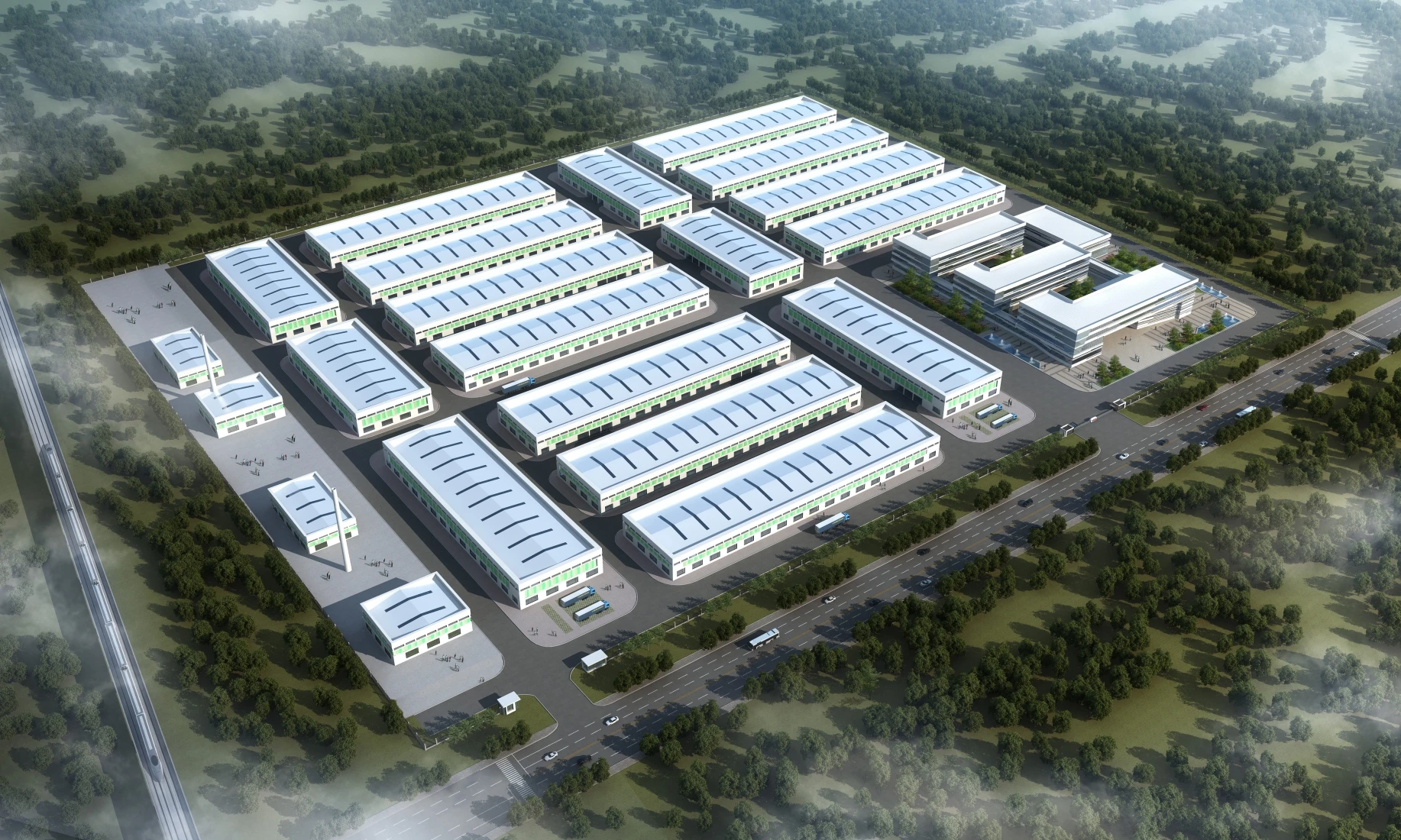
Hubei Wheat-Straw Environmental Technologies Co., Ltd.
- Manufacturer
- Hubei, China
- Lead time30 days
- Avg. response≤ 3h
Main productsBagasse Bowl, Bagasse Plate, Bagasse Box, Bagasse Tray, Bagasse Cups& Lids
Main marketsNorth America(25.00%), Western Europe(12.00%), Northern Europe(12.00%), Eastern Europe(12.00%), Oceania(10.00%), Southern Europe(10.00%), Southeast Asia(10.00%), Africa(9.00%)
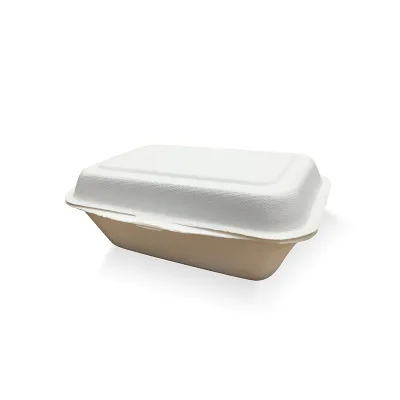
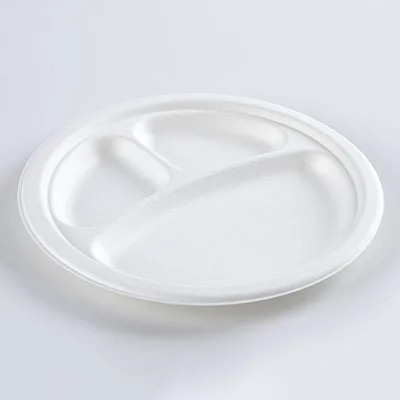
Cheap Disposable Degradable Paper Tray and Cutlery Set Elegant Party Tableware & Decorations
$0.0414
MOQ: 50000 Minimum
Laizhou Guoliang Packing Products Co., Ltd.
- Verified by TüVRheinland
- Manufacturer, Trading Company
- Lead time10 days
- Avg. response≤ 2h
Main productsPlastic And Biodegradable Tray, Paper Tray, Honeycomb Paper Net, Honeycomb Paper Roll, Foam Products
Main marketsNorth America(40%), Western Europe(15%), South America(12%)

Anhui Taicheng Paper & Plastic Technology Co., Ltd.
- Verified by SGS
- Trading Company
- China Anhui
- Lead time30 days
- Avg. response≤ 6h
Main productsDisposable Paper Cups, Compostable Lids, Disposable Cutlery, Biodegradable Tableware, Disposable Food Box, Disposable Plate, Disposable Tableware, Kraft Paper Food Container, Sugarcane Tableware, Cornstarch Tableware
Main marketsSouth America,Africa,Southeast Asia/ Mideast,Europe,North America


Compostable Bagasse Pulp Paper Plates Dinnerware Sugarcane Clamshell Sugarcane Tableware
$0.03
MOQ: 50000 Pieces


Disposable Oval Paper Plates Cutlery Tray Tableware for Wedding Party Supplies
$0.079 - $0.085
MOQ: 50000 Pieces

Wuhan Haokelao Packaging Technology Co., Ltd.
- Verified by BV
- Trading Company,Manufacturer/Factory
- China Hubei
- Lead time23 days
- Avg. response≤ 4h
Main productsPaper Bowl, Paper Cup, Paper Bag, Paper Box, Coffee Cup, Disposable Bowl, Disposable Cup
Main marketsSouth America,Eastern Europe,Mid East,North America,Southeast Asia,Eastern Asia,Oceania,Western Europe,Africa

Yantai Bagmart Packaging Co., Ltd.
- Combined
- China Shandong
- Lead time60 days
- Avg. response≤ 19h
Main productsZipper Bag, Flat Poly Bag, Slider Bag, Medical Packaging Bag, Non-Woven Bag, Paper&Cardboard Box, Corrugated Bag, Laminated Bag, Biodegradable Tableware, Paper Bag
Main marketsEast Asia(Japan/ South Korea),Europe,North America
Shenzhen Goods Plus Paper Products Co., Ltd.
- Manufacturer, Trading Company
- Guangdong, China
- Lead time30 days
- Avg. response≤ 11h
Main productsPaper napkin,Paper plate,Paper cup,Paper straw,Tablecloth
Main marketsNorth America(72.00%), Western Europe(23.00%), Oceania(3.00%), Northern Europe(1.00%), Mid East(1.00%)
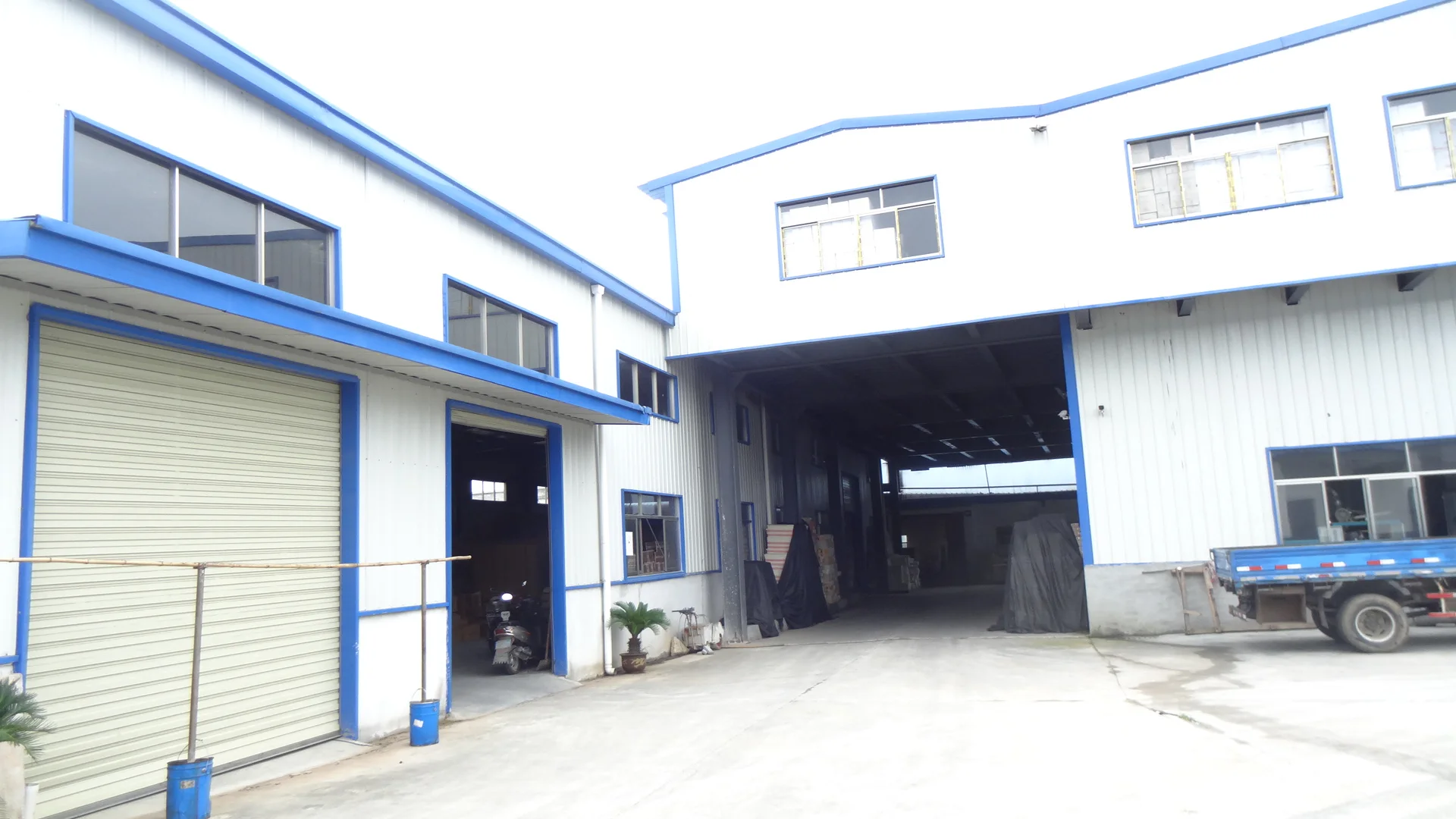
Anhui Lenkin Packaging Co., Ltd.
- Manufacturer, Trading Company
- Anhui, China
- Lead time30 days
- Avg. response≤ 4h
Main productspaper cup,Plastic cup lid,Paper straw,paper fans,Paper tray
Main marketsMid East(60.00%), Eastern Europe(10.00%), Central America(10.00%), South America(5.00%), North America(5.00%), Northern Europe(5.00%), Domestic Market(2.00%), Oceania(2.00%), Southern Europe(1.00%)
$0.01 - $0.05
MOQ: 300000 pieces

Anhui Nature Imp. & Exp. Co., Ltd.
- Verified by SGS
- Trading Company
- China Anhui
- Lead time15 days
- Avg. response≤ 2h
Main productsBamboo Products, Wooden Products, Multiple Knife Fork & Spoon, Bamboo Scissors Stick, Bamboo Sushi Curtain, Disposable Creative Bead Bamboo Stick, Bamboo Straw, Bamboo Stick, Wooden Cutlery, Wooden Knife Spoon Fork
Main marketsSoutheast Asia/ Mideast,Europe,North America

Factory Disposable Paper Straw Food Grade Safety Milk Coffee Dinnerware Tableware
$0.01 - $0.02
MOQ: 200000 Pieces

Disposable 9 Inch Disposable Customized Paper Plates Custom Printed Paper Plates Tableware Wholesale
$0.019 - $0.039
MOQ: 50000 Pieces
Zhengzhou Duxiaoman Packaging Products Co., Ltd.
- Trading Company
- Henan, China
- Lead time0 days
- Avg. response≤ 2h
Main productsPackaging printing,Eco-friendly packaging bags,Eco-friendly lunch boxes,Green Kraft paper bags,Paper cups drink cups
Main marketsNorth America(50.00%)
Yiwu Qudoo Decoration Co., Ltd.
- Manufacturer, Trading Company
- Zhejiang, China
- Lead time15 days
- Avg. response≤ 1h
Main productsCake Flags,party decoration sets,Acrylic Charms and Ornaments,Wooden pendants and ornaments,Personalized Customized decor and Party Favors
Main marketsNorth America(30.00%), Western Europe(20.00%), South Asia(10.00%), Southern Europe(10.00%), Eastern Europe(10.00%), Central America(9.00%), South America(5.00%), Africa(1.00%), Southeast Asia(1.00%), Northern Europe(1.00%), Oceania(1.00%), Mid East(1.00%), Eastern Asia(1.00%)
Shuangtong Daily Necessities Co., Ltd. Y.w
- Verified by Intertek
- Manufacturer, Trading Company
- Lead time30 days
- Avg. response≤ 2h
Main productsDrinking Straws, Food Container, Disposable Tableware, Disposable Cutlery, Disposable Cups
Main marketsDomestic Market(60%), Western Europe(13%), Eastern Asia(10%)

- Verified by TUVRHEINLAND
- Trading Company
- China Jiangsu
- Lead time30 days
- Avg. response≤ 7h
Main productsSugarcane Bagasse Tableware, Cornstarch Tableware, Cpla Tableware, Wooden/Bamboo Cutlery, Paper Food Container, Kraft Paper Box, Plastic Dinnerware Sets, Plastic Plates/Bowls, Plastic Cutlery/Silverware, Plastic Cups/Tumblers
Main marketsSoutheast Asia/ Mideast

Premium Disposable Plastic Round Tableware with Restaurant Grade Quality Assurance
$0.17
MOQ: 50000 Pieces


- Verified by SGS
- Combined
- China Hebei
- Lead time15 days
- Avg. response≤ 8h
Main productsPaper Cups Paper Bags, Aluminum Foil Containers
Main marketsDomestic

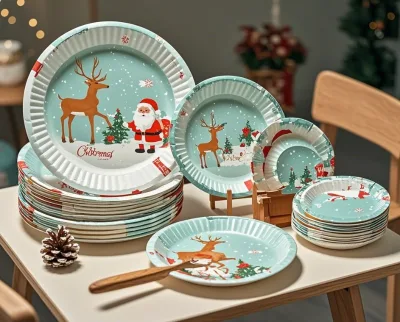
Colorful Disposable Paper Plates Food Grade Tableware for Party Restaurant and Commercial Use
$0.05 - $1.00
MOQ: 1000 Pieces


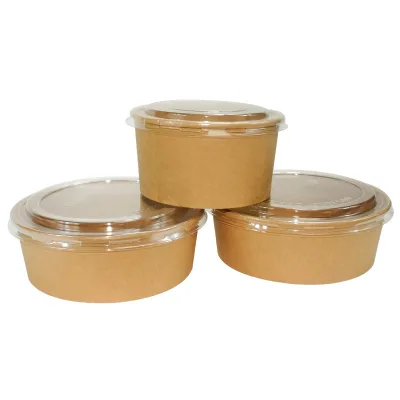
High Quality Brown Paper Tableware Bowl Food Grade Reusable Leakproof Packaging Made China
$0.05 - $1.00
MOQ: 1000 Pieces
Luohe Jiehui Plastic Products Co., Ltd.
- Verified by SGS Group
- Manufacturer, Trading Company
- Lead time0 days
- Avg. response≤ 2h
Main productsPaper Plates & Bowls, Plastic Box, Plastic Cup, Biodegradable and Environmentally Friendly Paper Cups, Packaging Bags
Main marketsDomestic Market(80%), North America(20%)
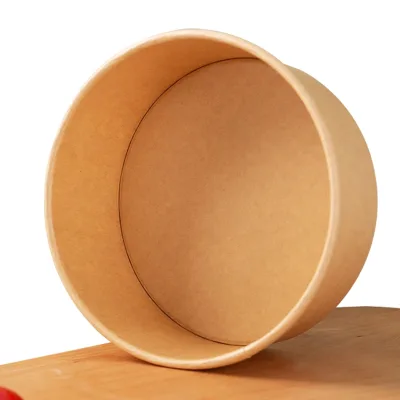
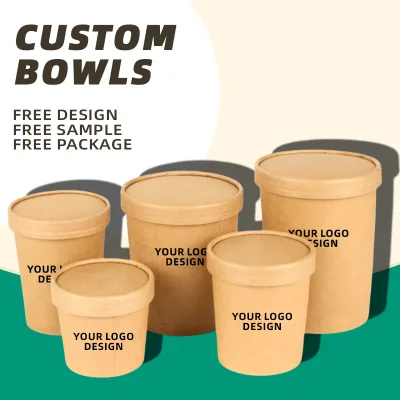
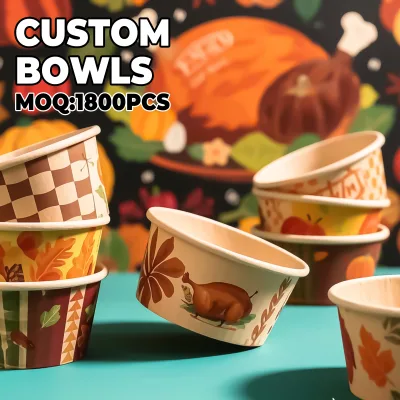

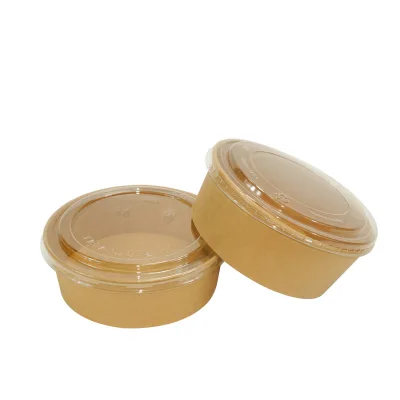
Customizable Food Grade Paper Bowl Disposable Brown Takeout Kraft Paper Bowl
$0.02 - $0.05
MOQ: 1000 pieces
Hefei Thorns Flower International Trade Co., Ltd.
- Trading Company
- Anhui, China
- Lead time0 days
- Avg. response≤ 3h
Main productsPaper Cup,Paper Bag,Paper Plate,Pizza box,Paper Bowl
Main marketsCentral America(30.00%), Eastern Europe(20.00%), Northern Europe(10.00%), North America(10.00%), South America(10.00%), Southern Europe(5.00%), Eastern Asia(5.00%), Mid East(5.00%), Western Europe(5.00%)

Dongguan Bonito Packaging Co., Ltd.
- Manufacturer, Trading Company
- Guangdong, China
- Lead time20 days
- Avg. response≤ 3h
Main productspaper pulp trays,molded fiber inserts,molded pulp inlays,molded pulp packaging,pulp molded products
Main marketsNorth America(20.00%), Eastern Europe(15.00%), Domestic Market(10.00%), Western Europe(10.00%), Eastern Asia(10.00%), Southern Europe(10.00%), Northern Europe(10.00%), Central America(5.00%), Southeast Asia(5.00%), South America(5.00%)

Ningbo Greenhome International Trade Co., Ltd.
- Verified by SGS
- Trading Company
- China Zhejiang
- Lead time30 days
- Avg. response≤ 5h
Main productsDisposable Plastic Tableware, Disposable Woodentableware, Disposable Bamboo Tableware, Disposable Paper Tableware, Disposable Biobased Tableware, Disposable Biodearadable Tableware
Main marketsAfrica,Southeast Asia/ Mideast,Europe,North America

Disposable Paper Tableware 75mm Diameter Paper Bowl White Custom for Takeaway
$0.03 - $0.06
MOQ: 10000 Pieces

Disposable Paper Tableware 150mm Diameter Paper Bowl Golden Custom for Fast Food
$0.028 - $0.056
MOQ: 6000 Pieces

Takeaway Disposable Paper Tableware 230mm Length Kraft Paper Tray Customizable
$0.045 - $0.08
MOQ: 3000 Pieces

$0.12 - $0.20
MOQ: 4000 Pieces

Zhengzhou Zhuo Rui New Material Technology Co., Ltd.
- Verified by SGS
- Trading Company
- China Henan
- Lead time15 days
- Avg. response≤ 2h
Main productsDisposable Cup, Salad Bowl, Disposable Paper Bowl
Main marketsEurope

Custom Stackable Food Grade Disposable Kraft Paper Tableware for Restaurants Use
$0.01 - $0.04
MOQ: 1200 pcs

Custom Eco-Friendly Leakproof Kraft Paper Disposable Tableware for Takeaway
$0.01 - $0.04
MOQ: 1200 pcs

Suzhou Quanhua Biomaterial Co., Ltd.
- Manufacturer
- China Jiangsu
- Lead time30 days
- Avg. response≤ 13h
Main productsBiodegradable Cutlery, Psm Cutlery, Starch Cutlery
Main marketsEast Asia(Japan/ South Korea),Europe,North America

Quanhua Environmentally Friendly Custom 100% Degradable Disposable Tableware Biodegradable Tableware
$0.0137 - $0.0143
MOQ: 5000 Pieces

Quanhua Custom Color Environmentally Friendly Biodegradable Disposable Tableware
$0.0132 - $0.0143
MOQ: 5000 Pieces

Xiamen Ebei Import & Export Co., Ltd.
- Verified by CTI
- Trading Company,Manufacturer/Factory
- China Fujian
- Lead time45 days
- Avg. response≤ 2h
Main productsEco-Friendly Products, Bamboo Tableware, Bamboo Furniture, Bamboo Kitchenware, Bamboo Office Supply, Bamboo Fibre Products, Biodegradable Products, Bamboo Towel, Solar Energy Products, Bamboo Garden Products
Main marketsSouth America,Eastern Europe,Mid East,North America,Southeast Asia,Eastern Asia,Oceania,Western Europe,Africa

Qingdao LAFU Packaging Technology Co., Ltd
- Verified by CTI
- Manufacturer/Factory
- China Shandong
- Lead time15 days
- Avg. response≤ 6h
Main productsSugarcane Tableware, Paper Tableware, Paper Cup, Soup Cup, Salad Bowl, Paper Lunch Box, Sugarcane Palte, Sugarcane Box, Sugarcane Tray, Disposable Cutlery
Main marketsSouth America,Eastern Europe,Mid East,North America,Western Europe


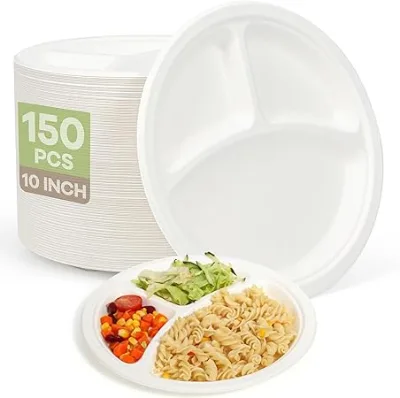
Food Grade Square Ice Cream Paper Cup Container Rectangle Takeaway Bowl
$0.01 - $0.03
MOQ: 10000 Pieces
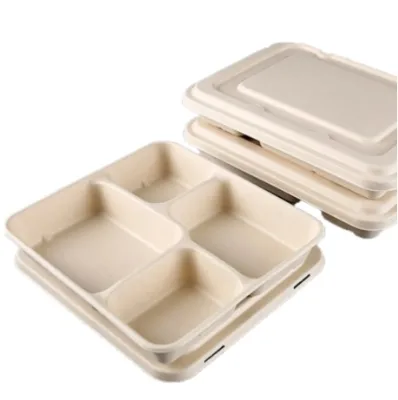
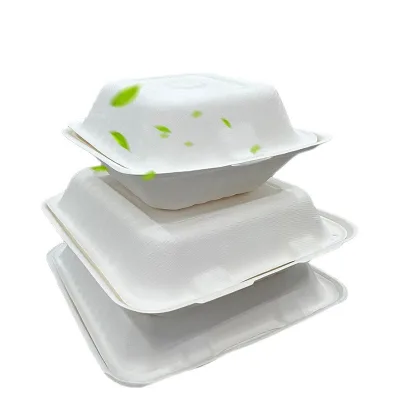



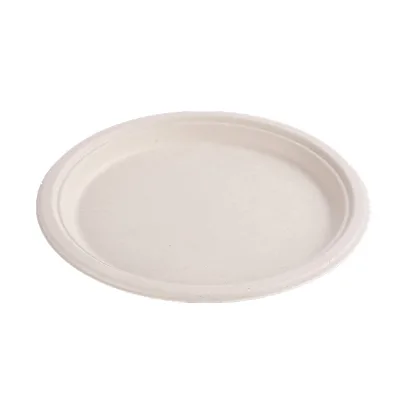

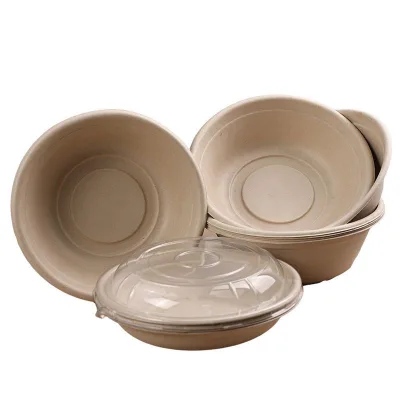


Comprehensive Sourcing Guide
Modern Round Paper Tableware Supplier Concentration and Factory Types
The current supplier landscape for Modern Round Paper Tableware shows a distinct concentration of manufacturing and trading entities within specific Chinese provinces. Available data indicates that a significant portion of these suppliers operates out of Zhejiang, with some operations also noted in Shanghai and Anhui. This geographic clustering suggests that buyers should prioritize regions where the supply chain for paper-based packaging is most mature. When evaluating potential partners, it is crucial to distinguish between pure trading companies and those that also function as manufacturers or factories. The observed results include both Trading Companies and entities listed as Manufacturer/Factory, which impacts the directness of communication and the potential for customization.
Buyers must verify the specific company type listed for each supplier to understand their operational model. A trading company may offer a broader range of products, such as cornstarch cutlery, paper bags, and bamboo sticks, alongside the core paper tableware items. In contrast, a manufacturer or factory might provide more direct control over the production process for specific items like eco-friendly custom printing round paper plates. The presence of a Trading Company status does not preclude high-quality output, but it often implies a different logistical structure compared to a direct factory. Understanding this distinction helps in setting realistic expectations regarding lead times and the ability to implement custom designs for the round paper tableware.
How to Verify Modern Round Paper Tableware Suppliers
Verification is a critical step when sourcing Modern Round Paper Tableware, as the market contains a mix of verified and unverified entities. The available data highlights that some suppliers hold BV verification, while others possess SGS verification. These third-party certifications serve as a baseline indicator of a supplier's legitimacy and operational stability. Buyers should not assume that all suppliers in the search results have undergone the same level of scrutiny. It is essential to check the specific verification badge displayed on the supplier profile, as this confirms that an independent agency has reviewed their business credentials. Relying solely on the platform's internal rating without checking for external verification badges can lead to engaging with less reliable partners.
Beyond verification badges, buyers should examine the response time and the depth of product evidence provided. The data shows response times varying, with some suppliers responding within a few hours, which is a strong indicator of active sales and support teams. A slow response time might suggest a lack of dedicated staff or a high volume of unmanaged inquiries. Furthermore, the presence of detailed product attributes, such as specific certifications like CE/EU, FDA, and CIQ, adds another layer of trust. These certifications are particularly relevant for food-grade items like disposable paper plates and bowls. Buyers must ensure that the certifications listed match the regulatory requirements of their target market, as not all suppliers will offer the same level of compliance documentation for their round paper tableware products.
What to Compare Across Modern Round Paper Tableware Suppliers
When comparing suppliers, the primary focus should be on quantifiable metrics such as minimum order quantities, lead times, and pricing structures. The observed data reveals a wide range in Minimum Order Quantities (MOQ), with some suppliers requiring as few as 20,000 pieces while others demand 100,000 pieces. This variance significantly impacts the feasibility of the order for different business sizes. Similarly, lead times are a critical factor, with some suppliers indicating a delivery window of 30 to 35 days after receiving a deposit. Buyers must align these timelines with their inventory planning and sales cycles to avoid stockouts or excessive holding costs. Comparing these hard numbers side-by-side allows for a more objective assessment of which supplier can meet specific volume and timing requirements.
In addition to volume and time, the scope of customization and material specifications must be compared across different suppliers. Some suppliers offer fully customized logos and colors, while others may limit options to standard kraft or white finishes. The material composition is another key differentiator, with options ranging from standard paper to cornstarch and sugarcane-based biodegradable materials. Buyers should verify if the supplier supports OEM or ODM services, as this determines the level of design flexibility available. The price per unit also varies, with some listings showing a range from $0.012 to $0.036 depending on the material and order size. A thorough comparison of these attributes ensures that the selected supplier can deliver the exact product specifications required for the Modern Round Paper Tableware line.
Common Modern Round Paper Tableware Sourcing Risks
One of the primary risks in sourcing Modern Round Paper Tableware involves the discrepancy between claimed certifications and actual product compliance. While some suppliers list certifications like FDA, CE/EU, and CIQ, buyers must verify that these apply specifically to the food-grade paper plates and bowls they intend to purchase. There is a risk that a supplier may hold general certifications that do not cover the specific material or application, such as microwave safety or grease resistance. For instance, while some products are marked as microwavable and grease-resistant, others may not possess these features. Buyers should request specific test reports for the exact product model to ensure that the safety claims are valid and not merely marketing assertions.
Another significant risk relates to the consistency of production quality and the reliability of the supply chain. The data indicates that some suppliers offer free samples, which is a positive sign, but the transition from sample to mass production can sometimes reveal quality gaps. Variations in paper thickness, print quality, or the structural integrity of the round plates can occur if the supplier lacks strict quality control measures. Additionally, the reliance on trading companies can introduce communication barriers or delays if the actual factory is not directly managed by the sales representative. Buyers should be cautious of suppliers who cannot provide clear details on their production capacity or who have vague delivery terms. Ensuring that the supplier has a proven track record of meeting deadlines and maintaining quality standards is essential to mitigate these sourcing risks.
Modern Round Paper Tableware Regional Sourcing and Logistics
The geographic location of the supplier plays a pivotal role in determining shipping costs and delivery efficiency for Modern Round Paper Tableware. The available data points to a concentration of suppliers in Zhejiang, Shanghai, and Anhui, all within China. These regions are well-established hubs for paper packaging and disposable tableware manufacturing, offering access to a robust logistics network. However, the specific origin of the product, whether it is Zhejiang or Anhui, can influence the distance to the port of shipment and the associated freight charges. Buyers should inquire about the exact factory location to better estimate the transit time and potential customs clearance delays. Understanding the regional logistics capabilities helps in planning the supply chain more effectively.
Logistics planning also involves considering the packaging standards used by the supplier to protect the tableware during transit. The data shows that products are often packed in OPP bags, shrink wrap, or cartons, with specific quantities per carton varying by supplier. For example, some suppliers pack 1,000 pieces per carton, while others use different configurations. Proper packaging is crucial to prevent damage to the round paper plates and bowls, especially given their disposable and lightweight nature. Buyers should verify the packing details to ensure that the goods will arrive in good condition. Additionally, the lead time mentioned in the product attributes, such as 30-35 days after deposit, should be factored into the overall logistics timeline. Coordinating with the supplier on packing and shipping methods ensures a smoother delivery process to the final destination.
Modern Round Paper Tableware Commercial Terms and Order Planning
Commercial terms and order planning are fundamental to a successful procurement strategy for Modern Round Paper Tableware. The data indicates that many suppliers require a deposit before production begins, with delivery times calculated from the receipt of this deposit. This standard practice means that buyers must have the necessary capital ready to initiate the order and must plan their cash flow accordingly. The lead time of 30 to 35 days is a critical variable that affects inventory management. Buyers should account for this production window when scheduling their sales campaigns or restocking events to avoid gaps in supply. Understanding the specific payment terms and deposit requirements is essential for maintaining a healthy business relationship with the supplier.
Furthermore, the Minimum Order Quantity (MOQ) is a key commercial term that dictates the scale of the initial order. With MOQs ranging from 20,000 to 100,000 pieces, buyers must assess whether they can meet these thresholds or if they need to negotiate. Some suppliers may offer flexibility for repeat orders, but the initial order often adheres strictly to the stated MOQ. Buyers should also consider the price per unit, which varies based on the material and customization level. For instance, biodegradable cornstarch options may have different pricing structures compared to standard paper plates. Careful planning of the order volume and budget is necessary to optimize costs while meeting the required specifications. Engaging in clear discussions about these commercial terms early in the process helps prevent misunderstandings and ensures a smooth transaction.
FAQs
What certifications do modern round paper plates have?
Suppliers offer plates certified under CE/EU, FDA, and CIQ standards. These credentials ensure the tableware meets international food safety requirements. Buyers can verify these specific certifications to confirm compliance for their target markets and regulatory needs.
What is the minimum order quantity for paper plates?
Minimum order quantities vary by supplier, typically ranging from 20,000 to 100,000 pieces. Some manufacturers require 50,000 units for cornstarch options, while others accept 20,000 for standard paper. Buyers should check specific product listings for exact MOQ thresholds.
How long does delivery take for custom orders?
Production lead times generally span 30 to 35 days after receiving the deposit. This timeline applies to repeat orders and customized designs. Buyers should account for this duration when planning inventory for events or seasonal demand spikes.
What is the price range for disposable paper plates?
Prices for round paper plates typically range from $0.012 to $0.096 per unit. Costs depend on material, size, and customization. Buyers can find options starting at $0.012 for basic plates or higher for specialized biodegradable or printed designs.
Can I get free samples before placing an order?
Many suppliers provide free samples for evaluation. This allows buyers to check quality, color, and durability before committing to bulk purchases. Buyers should contact suppliers directly to request these samples and confirm availability for specific product models.
Are these plates eco-friendly and biodegradable?
Options include eco-friendly paper and cornstarch materials that are biodegradable. Some products are also recyclable and grease-resistant. Buyers seeking sustainable solutions can choose from these materials to align with environmental goals and consumer preferences for green packaging.