Acrylic Christmas Ornament Suppliers and Manufacturers
Source 18 verified suppliers for Acrylic Christmas Ornament products. Compare key dimensions including lead times, MOQs, certifications, and response rates. Review product specifications and request quotes directly from manufacturers and trading companies; review the available evidence before requesting comparable quotations from suitable candidates.
Updated
Suppliers List

Yiwu Shuangyuan Christmas Artware Co., Ltd.
- Verified by TUVRHEINLAND
- Combined
- China Zhejiang
- Lead time30 days
- Avg. response≤ 6h
Main productsChristmas Decoration, Christmas Tree, Christmas Ball, Christmas Santa, Christmas Ornament, Christmas Gift, Christmas Wreath
Main marketsOthers(foreignTradeCapacity.exportBusinessCapacityMarketOther)
Beijing Fang Yuan Tian Yi Acrylic Products Co., Ltd.
- Verified by SGS Group
- Manufacturer, Trading Company
- Lead time20 days
- Avg. response≤ 3h
Main productsAcrylic Products
Main marketsNorth America(50%), Oceania(15%), Western Europe(15%)
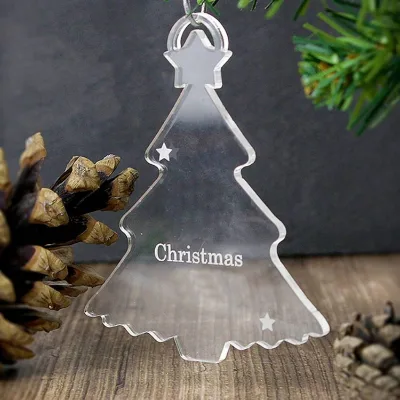
Customized OEM Laser Cutting Acrylic Cut Acrylic Christmas Tree Ornament
$0.2558 - $1.6336
MOQ: 500 pieces
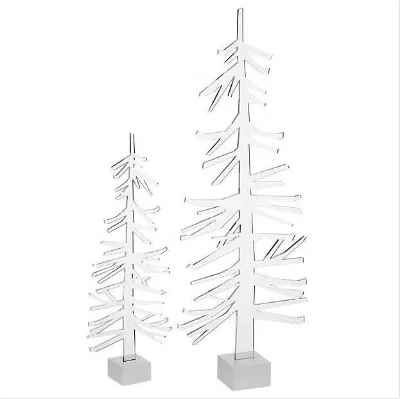
OEM Customized Christmas Ornament Acrylic Christmas Home Decoration Clear Acrylic Trees
$8.2834 - $9.3186
MOQ: 500 pieces
Jinhua Weihai Plexiglass Product Co., Ltd.
- Verified by SGS Group
- Manufacturer, Trading Company
- Lead time15 days
- Avg. response≤ 3h
Main productsAcrylic Displays, Acrylic Furniture, Acrylic tray, Photo Frames, Acrylic keychain
Pujiang Kingko Crafts Co., Ltd.
- Verified by SGS Group
- Trading Company
- Lead time10 days
- Avg. response≤ 3h
Main productsCrystal Craft, Rhinestones, Prism Pendants
Main marketsNorth America(40%), Western Europe(30%), Southeast Asia(10%)
Dehua Kinghorse Arts & Crafts Co., Ltd.
- Manufacturer
- Fujian, China
- Lead time45 days
- Avg. response≤ 2h
Main productsCeramic,Polyresin,Metal,Candle,Xmas Decoration
Main marketsNorth America(80.00%), Western Europe(6.00%), Southeast Asia(5.00%), Oceania(5.00%), South America(2.00%), Eastern Europe(2.00%)

Shenzhen Fayfun Crafts Co., Ltd.
- Verified by TUVRHEINLAND
- Manufacturer/Factory
- China Guangdong
- Lead time0 days
- Avg. response≤ 6h
Main productsArtificial Flower, Christmas Flowers, Christmas Floral Picks, Easter Decoration, Artificial Plants, Artificial Tree, Christmas Wreath& Garland, Christmas Ribbon& Bow

Wenzhou Xybp Cultural Supplies Co., Ltd.
- Verified by SGS
- Combined
- China Zhejiang
- Lead time30 days
- Avg. response≤ 6h
Main productsAcrylic Photo Frame, Acrylic Display Stand, Acrylic Display, Acrylic Ornaments, Acrylic Sign Holder, Acrylic Box
Main marketsSoutheast Asia/ Mideast,Europe,North America

Dongguan Furui Arts And Crafts Co., Limited
- Manufacturer, Trading Company
- Guangdong, China
- Lead time50 days
- Avg. response≤ 3h
Main productsChristmas decoration,Home Decor.,Seasonal decoration,Holiday decoration
Main marketsWestern Europe(30.00%), Oceania(30.00%), North America(30.00%), Domestic Market(10.00%)
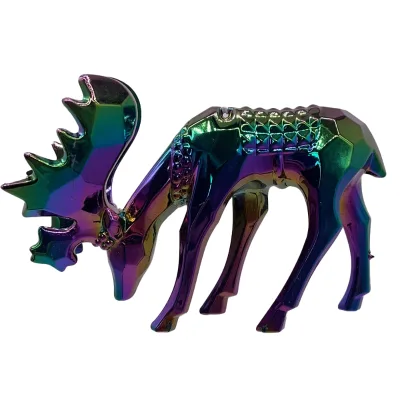
Christmas Acrylic Animal Ornaments
$3.31 - $3.90
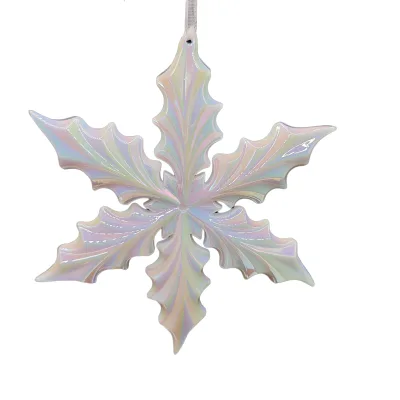
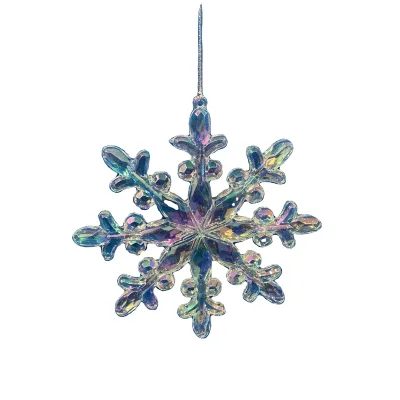
Christmas Snowflake Acrylic Decorations
$0.30 - $0.58
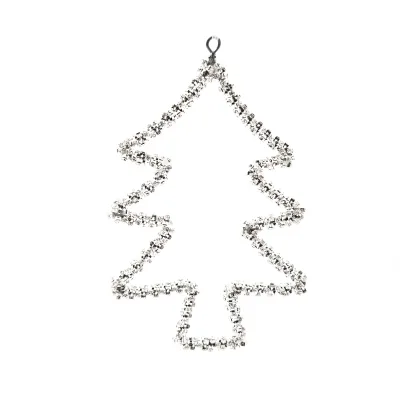
$1.90 - $2.00

- Verified by BV
- Trading Company
- China Zhejiang
- Lead time30 days
- Avg. response≤ 12h
Main productsHousehold Products, Recreation& Game Products, Outdoor Products, Garden Products, Pet Products, Car Products, Daily Use Products
Main marketsSouth America,Africa,Southeast Asia/ Mideast,East Asia(Japan/ South Korea),Europe,Australia,North America
Xiamen Binyingxi Industrial Co., Ltd.
- Manufacturer, Trading Company, Distributor/Wholesaler
- Fujian, China
- Lead time35 days
- Avg. response≤ 1h
Main productsResin crafts,Christmas Ornaments,Resin Memorial stone,Resin Garden Statue,Metal wind chime
Main marketsSouth America(25.00%), North America(25.00%), Southeast Asia(10.00%), Northern Europe(10.00%), Western Europe(5.00%), South Asia(5.00%), Central America(5.00%), Eastern Europe(5.00%), Southern Europe(4.00%), Mid East(2.00%), Africa(2.00%), Domestic Market(1.00%), Oceania(1.00%)

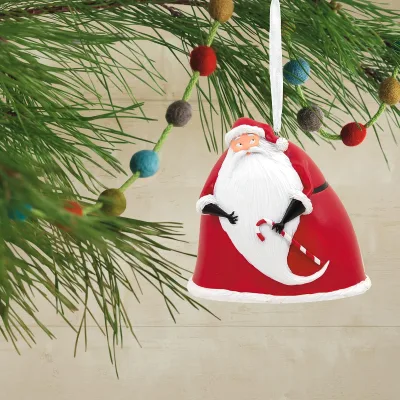

2024 Christmas Tree Ornaments,christmas Gifts,dog Christmas Tree Ornaments
$0.95 - $1.50
MOQ: 200 pieces
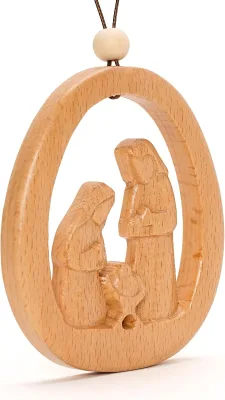
Guangzhou Mingou Metal Products Co., Ltd.
- Verified by Intertek
- Manufacturer, Trading Company
- Lead time20 days
- Avg. response≤ 5h
Main productsKey Chains, Jewelry, Christmas Ornaments, Bottle Openers, Compact Mirrors
Main marketsDomestic Market(50%), North America(30%), South America(5%)
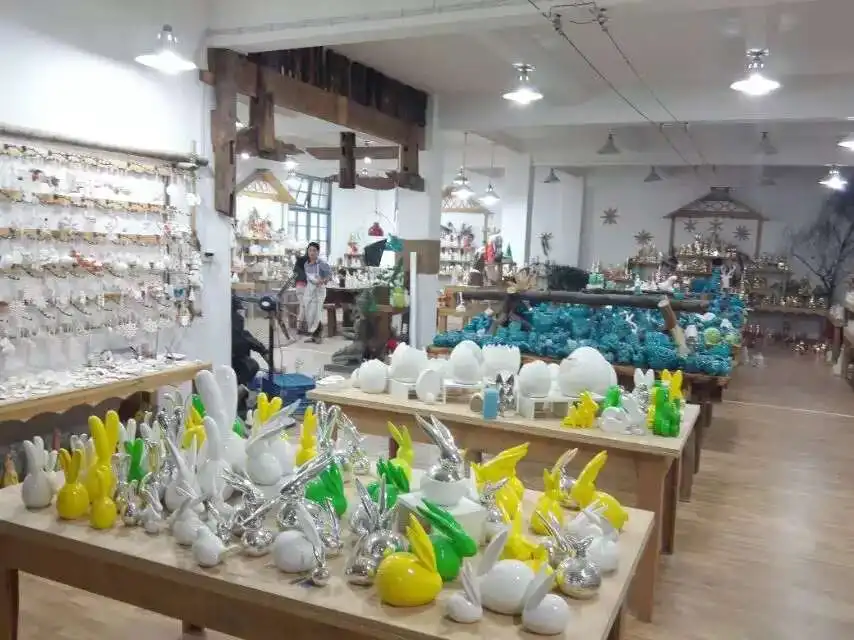
Dehua Beauty Rich Arts & Crafts Co., Ltd.
- Manufacturer, Trading Company
- Fujian, China
- Lead time30 days
- Avg. response≤ 7h
Main productsPolyresin crafts,Ceramic crafts,PVC crafts,Home decoration,Garden decoration
Main marketsEastern Europe(15.00%), North America(15.00%), South America(12.00%), Mid East(5.00%), Oceania(5.00%), South Asia(3.00%), Southern Europe(3.00%), Northern Europe(3.00%), Central America(3.00%), Western Europe(3.00%), Eastern Asia(3.00%), Domestic Market(3.00%), Southeast Asia(3.00%), Africa(2.00%)

Dongguan King Need Plastic Products Co., Ltd.
- Manufacturer, Trading Company
- Guangdong, China
- Lead time35 days
- Avg. response≤ 14h
Main productsChristmas Gifts,Halloween Decoration,Daily Use Plastic Items,LED Ornament,Household Product
Main marketsWestern Europe(15.00%), South America(15.00%), Northern Europe(15.00%), North America(15.00%), Southeast Asia(13.00%), Eastern Asia(10.00%), Domestic Market(5.00%), Southern Europe(5.00%), Eastern Europe(4.00%), Central America(3.00%)
Shaanxi Longstar New Material Technology Co., Ltd.
- Manufacturer, Trading Company
- Lead time旺季: "1 - 50":7,"> 50":"To be negotiated", 淡季: "1 - 50":7,"> 50":"To be negotiated"
- Avg. response≤ 6h
Main productsChristmas Tree, Flocked Christmas Tree, Christmas Wreath, Christmas Garland, Table Christmas Tree
Jinhua City Jindong Area Duoyou Crafts Factory
- Verified by Intertek
- Manufacturer, Trading Company
- Lead time30 days
- Avg. response≤ 2h
Main productsChristmas Trees
Main marketsNorth America(40%), Western Europe(40%), Southeast Asia(20%)

- Verified by TUVRHEINLAND
- Trading Company
- China Zhejiang
- Lead time15 days
- Avg. response≤ 13h
Main productsWooden Toy, Outdoor Product, Kitchen Item, Personal Care Tool, Painting Set, Disk Rack, Yoga, Garden
Main marketsSouth America,Europe,North America

- Combined
- China Guangdong
- Lead time45 days
- Avg. response≤ 1h
Main productsResin Craft, Baby Doll, Christmas Tree, Christmas Wreath, Christmas Garland, Christmas Decoration, Artificial Flower, Artificial Plant, Artificial Tree, Christmas Ornaments
Main marketsSouth America,Europe,North America

Christmas Decoration Navidad Christmas Ornaments Christmas Products Chirstmas Light
$0.10 - $2.00
MOQ: 1 Pieces

$0.10 - $1.00
MOQ: 1 Pieces

Christmas Decoration Christmas Ornaments New-Year-Decorations Christmas Christmas Headband
$0.10 - $0.50
MOQ: 200 Pieces
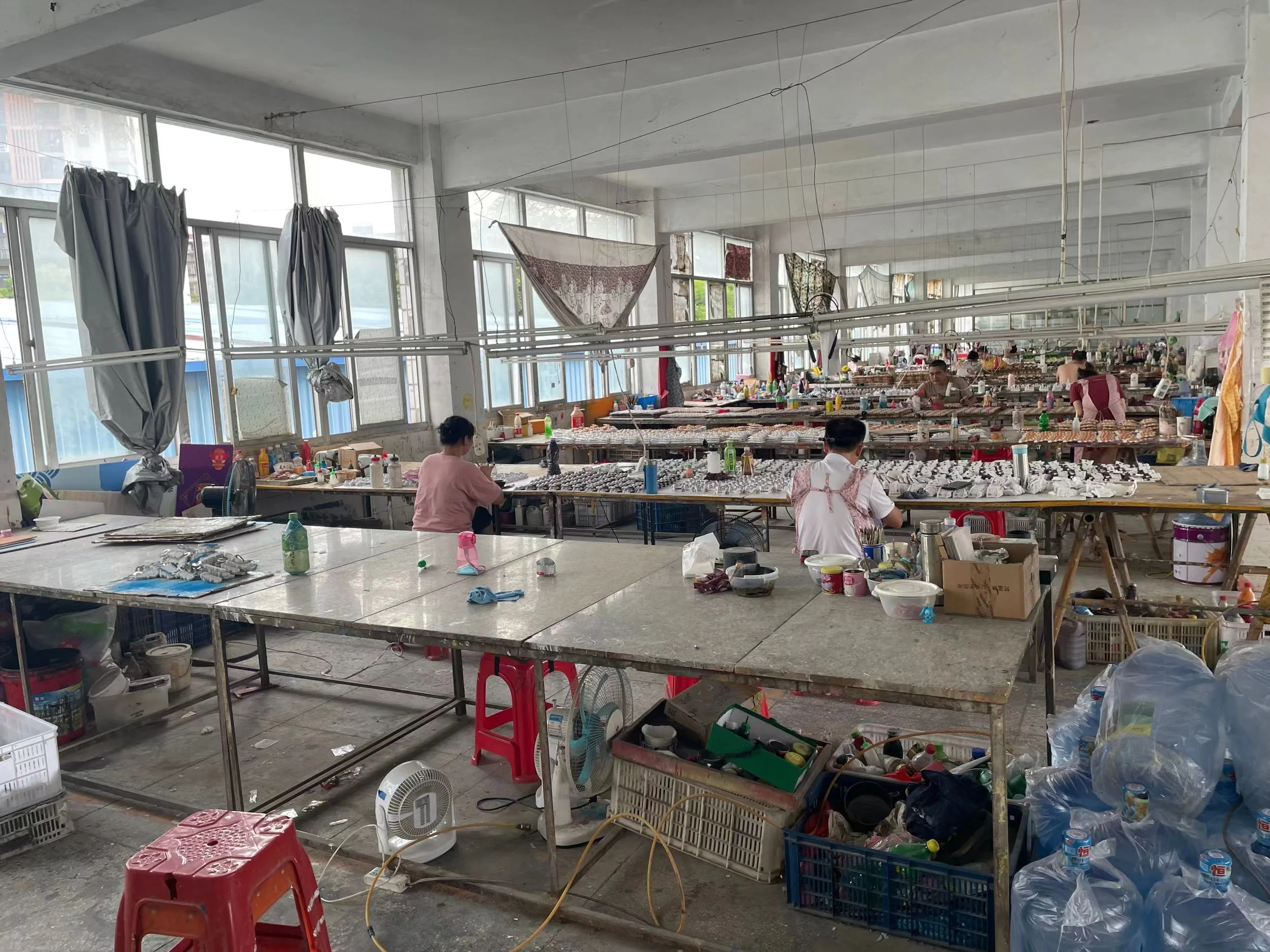
Quanzhou Wellken Crafts Co., Ltd.
- Trading Company
- Fujian, China
- Lead time40 days
- Avg. response≤ 1h
Main productsResin Crafts,Christmas Ornaments,Christmas Gifts,Tap Handles,Beer Tap Handle
Main marketsNorth America(50.00%), Southern Europe(10.00%), Western Europe(10.00%), Eastern Europe(10.00%), Northern Europe(10.00%), Central America(5.00%), South America(5.00%)












Comprehensive Sourcing Guide
Acrylic Christmas Ornament Supplier Concentration and Factory Types
Current data indicates a concentration of suppliers in China, specifically within the Zhejiang province, which serves as a primary manufacturing hub for festive items. These facilities often operate as combined entities, functioning as both manufacturers and trading companies to streamline the supply chain. This dual role allows them to offer a broader range of products, including Christmas trees, wreaths, and various acrylic ornaments, while maintaining direct control over production quality. The presence of established factories in this region suggests a mature ecosystem capable of handling large-scale orders for seasonal decorations. Buyers should look for suppliers explicitly stating their location as Zhejiang to ensure proximity to these established clusters, which often provide logistical advantages for international shipping.
Beyond the Zhejiang cluster, some suppliers list Beijing as their place of origin, indicating a secondary manufacturing center for acrylic fabrication services. These Beijing-based entities often focus on laser cutting and custom graphic processing, offering light customization and sample processing capabilities. The distinction between a pure manufacturer and a trading company is critical; while combined entities offer variety, dedicated manufacturers may provide deeper expertise in specific acrylic techniques. Buyers must verify the company type listed in the supplier profile to understand whether they are dealing with a factory floor or a middleman. This verification helps in assessing the potential for cost negotiation and the depth of technical support available for complex custom designs.
How to Verify Acrylic Christmas Ornament Suppliers
Verification is a critical step when sourcing acrylic Christmas ornaments, as the market contains a mix of verified and unverified entities. Some suppliers display verification badges from recognized bodies such as TÜV Rheinland or SGS Group, which serve as third-party validations of their business legitimacy. These certifications are not merely decorative; they indicate that the supplier has undergone specific audits regarding their operational capabilities and compliance standards. Buyers should prioritize suppliers with these visible verification marks, as they reduce the risk of engaging with fraudulent entities. However, the absence of a specific badge does not automatically disqualify a supplier, but it necessitates a more rigorous due diligence process to confirm their claims.
In addition to external verification badges, buyers should examine the supplier's response time and communication efficiency as a proxy for reliability. Data shows response times varying from three hours to over five hours, which can indicate the size of the sales team and their operational readiness. A faster response time often correlates with a more active and organized sales department, which is essential for resolving issues during the production cycle. Furthermore, checking for system certifications like BSCI or SGS on product pages provides insight into their adherence to social and environmental standards. Buyers must cross-reference these claims with the specific product details to ensure the certifications apply to the exact items being ordered, rather than being generic company-wide statements.
What to Compare Across Acrylic Christmas Ornament Suppliers
When evaluating multiple suppliers, the primary comparison points should include lead times, minimum order quantities, and pricing structures. Lead times in the current dataset range from 20 to 30 days, with some suppliers offering faster sample times of 3 to 10 days. This variation is crucial for buyers planning seasonal inventory, as a shorter lead time can prevent stockouts during peak holiday periods. Minimum order quantities also vary significantly, with some suppliers requiring as few as 100 pieces while others mandate orders of 2,500 units. Buyers must align these MOQs with their budget and storage capacity to avoid overstocking or incurring unnecessary costs. Comparing these metrics side-by-side allows for a more strategic selection based on specific project requirements.
Pricing and customization capabilities form another vital comparison dimension. Unit prices for acrylic ornaments can range from approximately $0.29 to $76.12, depending on the product complexity, size, and material specifications. Some suppliers offer competitive pricing for standard items, while others charge a premium for custom designs or specific finishes like glitter or laser cutting. The availability of OEM and ODM services is another key differentiator; while many suppliers accept custom logos and designs, the extent of their customization capabilities varies. Buyers should request detailed quotes that break down costs for tooling, samples, and bulk production to ensure transparency. Understanding these price drivers helps in negotiating better terms and selecting a supplier that offers the best value for the specific design needs.
Common Acrylic Christmas Ornament Sourcing Risks
One significant risk in sourcing acrylic ornaments is the discrepancy between advertised specifications and actual product delivery. Product attributes such as material composition, dimensions, and packaging details must be meticulously verified against the supplier's claims. For instance, while some products are listed as PVC or plastic, others may be pure acrylic, and the distinction affects durability and appearance. Buyers should request physical samples before committing to large orders to validate the material quality and finish. Relying solely on digital images or descriptions can lead to receiving products that do not meet the expected aesthetic or functional standards, resulting in costly returns or lost sales opportunities.
Another prevalent risk involves the reliability of the supply chain and the potential for delays in production or shipping. While some suppliers list a lead time of 20 days, external factors such as raw material shortages or logistical bottlenecks can extend this timeline. The loading port, often listed as Ningbo Port, is a critical factor in determining shipping costs and transit times. Buyers must confirm the exact loading port and verify the supplier's ability to meet the agreed-upon delivery schedule. Additionally, payment terms such as T/T, LC, or Western Union carry different levels of risk; using secure payment methods like Letters of Credit can offer better protection against non-delivery. Understanding these risks and implementing mitigation strategies is essential for a successful sourcing experience.
Acrylic Christmas Ornament Regional Sourcing and Logistics
Logistics planning is heavily influenced by the geographic location of the supplier, with most operations centered in China. The primary loading port identified in the data is Ningbo Port, which is a major hub for international shipping and offers efficient connectivity to global markets. Buyers should factor in the transit time from this port to their destination, as well as any potential customs duties or import regulations that may apply. The distance between the factory and the port can also impact the overall lead time, so verifying the supplier's proximity to the port is advisable. For suppliers located in Beijing, the logistics chain may involve additional inland transportation to reach the coastal ports, potentially adding days to the delivery schedule.
Packaging and handling standards are also critical components of the logistics strategy. Suppliers often use specific packaging methods, such as OPP bags or strong brown cartons, to protect the acrylic ornaments during transit. The number of pieces per carton, which can range from 200 to 300 units, affects the total volume and weight of the shipment. Buyers must ensure that the packaging is robust enough to prevent damage, especially for fragile acrylic items. Additionally, the product dimensions, such as 15x15x0.3 cm or 12x12 cm, influence the container utilization and shipping costs. Collaborating with the supplier to optimize packaging and loading configurations can help reduce freight expenses and ensure that the goods arrive in pristine condition.
Acrylic Christmas Ornament Commercial Terms and Order Planning
Commercial terms, including payment methods and sample policies, play a pivotal role in the order planning process. Common payment options include T/T, LC, and Western Union, each with its own implications for cash flow and risk management. Buyers should negotiate terms that align with their financial capabilities and risk tolerance, such as requesting a portion of the payment upon order confirmation and the remainder upon shipment. Sample times, typically ranging from 3 to 10 days, are also a key consideration for validating product quality before mass production. Understanding the sample costs and lead times helps in creating a realistic timeline for the entire procurement cycle.
Order planning must also account for the customization requirements and the associated production lead times. Suppliers offering OEM and ODM services may require additional time for design approval and tooling setup, which can extend the overall lead time beyond the standard production window. Buyers should communicate their customization needs clearly and early to avoid delays. Furthermore, the minimum order quantities for customized items may differ from standard products, requiring careful budgeting and inventory planning. By aligning the order size with the supplier's capabilities and the buyer's market demand, companies can optimize their inventory levels and minimize the risk of overproduction or stockouts during the holiday season.
FAQs
What is the price range for acrylic Christmas ornaments?
Prices typically range from $0.29 to $1.41 per unit depending on the specific design and customization requirements. Larger items like artificial trees cost significantly more, starting around $75.48. Buyers should check the specific product listing for exact pricing tiers based on order volume.
What is the minimum order quantity for these products?
MOQs vary by product type, ranging from 100 pieces for artificial trees to 2500 pieces for certain hanging ornaments. Standard acrylic decorations often require a minimum of 200 to 500 units. Buyers must verify the specific MOQ for their chosen item model before placing an order.
How long does production take for custom orders?
Standard lead times are generally 20 to 30 days for bulk production. Sample preparation usually takes 3 to 10 days depending on the complexity of the design. Buyers should confirm the exact timeline with the supplier to ensure timely delivery for holiday seasons.
Are OEM and ODM services available for these ornaments?
Yes, most suppliers accept OEM and ODM requests for custom designs and branding. Buyers can provide their own artwork or work with the supplier to create unique acrylic shapes. Customized logos and specific packaging options are also typically available upon request.
What certifications do these suppliers hold?
Many suppliers hold BSCI and SGS certifications for quality and social compliance. Some are verified by TÜV Rheinland or SGS Group. Buyers should request current certification documents to ensure the products meet specific international standards and ethical manufacturing requirements.
Where are these acrylic ornaments manufactured?
Manufacturing locations include Zhejiang and Beijing in China. Ningbo Port is a common loading point for shipments. Buyers should verify the specific origin of their order to understand logistics options and potential shipping costs associated with the manufacturing region.