Braided Link Stainless Steel Chain Suppliers and Manufacturers
Compare 22 verified suppliers offering Braided Link Stainless Steel Chain with ISO9001:2015 and ISO14001:2015 certifications. Review response times, lead times, and MOQs to source welded chains from Shandong and Jiangsu factories; review the available evidence before requesting comparable quotations from suitable candidates.
Updated
Suppliers List

Linyi City Yuantong Hardware Rigging Co., Ltd.
- Verified by TUVRHEINLAND
- Combined
- China Shandong
- Lead time15 days
- Avg. response≤ 5h
Main productsGalvanized Chain, Link Chain, Weld Chain, Iron Chain, Common Chain, DIN766 Short Link Chain, Galvanzied Link Chain, Long Link Chain, Medium Chain, DIN5685A Short Link Chain
Main marketsSouth America,Southeast Asia/ Mideast,East Asia(Japan/ South Korea)

- Verified by TUVRHEINLAND
- Combined
- China Jiangsu
- Lead time30 days
- Avg. response≤ 3h
Main productsRound Link Chain, G80 Chain, Stainless Chain, Commercial Chain, Galvanized Chain, Animal Chain, Wire Rope, Rigging, Threaded Rod, Knotted Chain
Main marketsSoutheast Asia/ Mideast,Domestic

Xinghua City Tianli Stainless Steel Products Co., Ltd.
- Verified by BV
- Manufacturer/Factory
- China Jiangsu
- Lead time15 days
- Avg. response≤ 8h
Main productsStainless Steel Wire Rope, Stainless Steel Cable, Steel Wire Rope, Wire Rope, Ss Wire Rope, Stainless Steel Rope, Stainless Wire Rope, 304 Stainless Steel Wire Rope, 316 Stainless Steel Wire Rope, 7X19 Wire Rope
Main marketsSouth America,Eastern Europe,Mid East,North America,Southeast Asia,Eastern Asia,Oceania,Western Europe,Africa

Jiangsu Jieyou Metal Products CO., ltd.
- Verified by TUVRHEINLAND
- Combined
- China Jiangsu
- Lead time23 days
- Avg. response≤ 7h
Main productsWire Rope
Main marketsSoutheast Asia/ Mideast,Domestic

SHAANXI RUIYANG IMPORT EXPORT CO., LTD.
- Verified by TUVRHEINLAND
- Trading Company,Manufacturer/Factory
- China Shaanxi
- Lead time23 days
- Avg. response≤ 5h
Main productsSteel Pipe, Stainless Steel, Steel Wire Rope, Stainless Steel Bar, Aluminium, Anchor Bolt, Marine Hardware, Reformer Tube, Bolts and Nuts, Centrifugal Cast Tube
Main marketsSouth America,Eastern Europe,Mid East,North America,Southeast Asia,Eastern Asia,Oceania,Western Europe,Africa


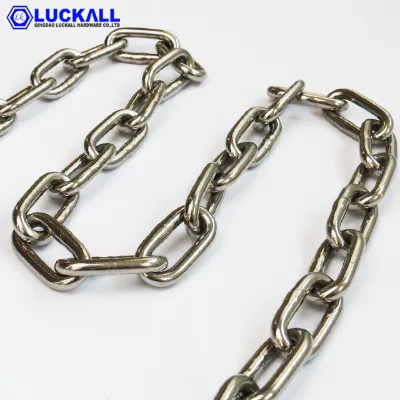
American Standard Chain Stainless Steel Galvanized Stainless Steel Link Chain
$50.00 - $100.00
MOQ: 100 kg


Qingdao Luckall Hardware Co., Ltd.
- Manufacturer, Trading Company
- Shandong, China
- Lead time15 days
- Avg. response≤ 5h
Main productsRigging,hardware,chain,wire rope,turnbuckle
Main marketsMid East(18.00%), North America(15.00%), South America(15.00%), Western Europe(11.00%), Eastern Europe(10.00%), Southern Europe(8.00%), Eastern Asia(8.00%), Africa(5.00%), Southeast Asia(5.00%), Oceania(5.00%)
Shandong Lisheng Machinery Manufacturing Co., Ltd.
- Verified by SGS Group
- Trading Company
- Lead time30 days
- Avg. response≤ 1h
Main productsLifting Slings, Link Chain, Rigging, Wire Rope
Main marketsSoutheast Asia(35%), South America(30%), Northern Europe(25%)
- Verified by Intertek
- Trading Company
- Lead time0 days
- Avg. response≤ 3h
Main productsSteel Wire Rope, Rigging Hardware, Industrial Chain
Main marketsNorth America(22%), Southeast Asia(12%), Mid East(10%)
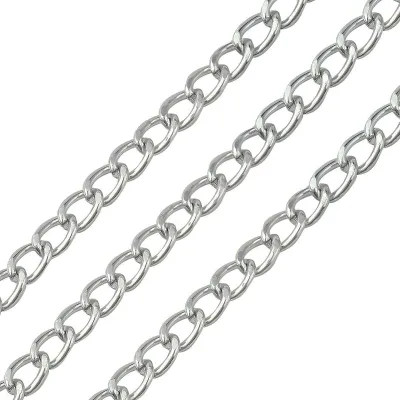
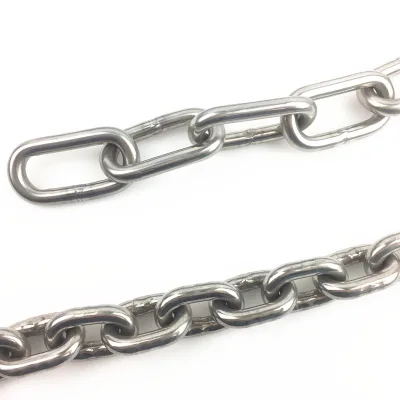
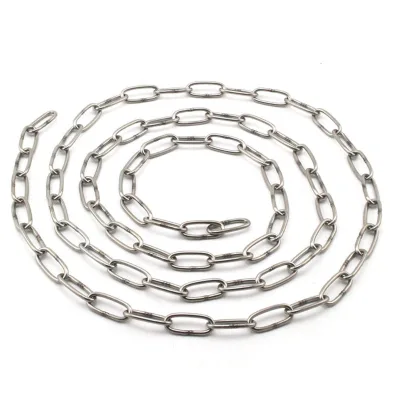
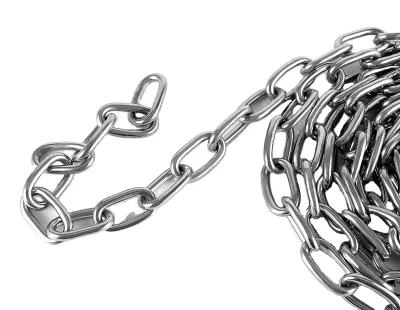
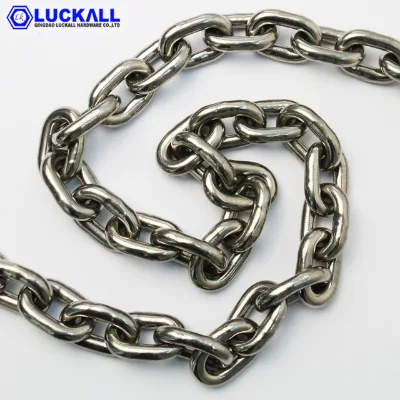
SS 304, SS 316 Stainless Steel Polished Link Chains, NACM Standard Burnished Stainless Chain
$1999.00 - $3500.00
MOQ: 1 tons
Chongqing Honghao Technology Co., Ltd.
- Verified by SGS Group
- Trading Company
- Lead time15 days
- Avg. response≤ 1h
Main productsStainless Steel Wire Rope, Wire Rope Sling, Industrial Chain, Trimmer Line, Rigging Hardware
Main marketsNorth America(35%), South America(20%), Eastern Europe(15%)
Yiwu Major E-Commerce Co., Ltd.
- Trading Company
- Zhejiang, China
- Lead time15 days
- Avg. response≤ 3h
Main productsjewelry,stainless steel accessories,wholesale,retail,fashion jewelry
Main marketsNorth America(40.00%), Western Europe(25.00%), Northern Europe(10.00%), South America(10.00%), Eastern Europe(10.00%), Southern Europe(5.00%)

Shandong Licheng Link Chain Co., Ltd.
- Verified by TUVRHEINLAND
- Trading Company
- China Shandong
- Lead time15 days
- Avg. response≤ 4h
Main productsLink Chain, Shackle, Wire Rope Clips, Hook, Turnbuckle, Wire Rope, Aluminum Sleeves, Thimble, Eye Bolt, Anchor Chain
Main marketsSouth America,East Asia(Japan/ South Korea),Europe

Qingdao Hisender Rigging Hardware Co., Ltd.
- Trading Company,Manufacturer/Factory
- China Shandong
- Lead time23 days
- Avg. response≤ 7h
Main productsShackles, Link Chain, Thimble, Wire Rope, Turnbuckle, Eye Bolt & Eye Nut, Swivel, Wire Rope Clip, Anchors, Load Binder
Main marketsSouth America,Eastern Europe,Mid East,North America,Southeast Asia,Eastern Asia,Oceania,Western Europe,Africa

HEBEI INNOVAT BUILDING MATERIALS GROUP CO., LTD
- Group Corporation
- China Hebei
- Lead time98 days
- Avg. response≤ 6h
Main productsFiltration Products, Metal Fence, Guard Rail, Perforated Mesh, Plastic Mesh, Conveyer Belt, Wedge Wire Mesh, Decorative Mesh, Demister Pad, All Kinds of Wire Mesh Products
Main marketsSouth America,Eastern Europe,Mid East,North America,Southeast Asia,Eastern Asia,Oceania,Western Europe,Africa

Wuxi Ingks Metal Parts Co., Ltd.
- Verified by SGS
- Trading Company,Manufacturer/Factory
- China Jiangsu
- Lead time23 days
- Avg. response≤ 3h
Main productsFasteners, Springs, Indexing Plunger, Quick Release Pin, Screw Stainless Steel, Wood Insert Nut, Clevis Pin, Wood Screw, Torx Screw, Self Drilling Screw
Main marketsSouth America,Eastern Europe,North America,Oceania,Western Europe

Jiaxing Dazhe Fastener Co., Ltd.
- Verified by TUVRHEINLAND
- Manufacturer/Factory
- China Zhejiang
- Lead time45 days
- Avg. response≤ 5h
Main productsStamping Parts, CNC Parts, Auto Nuts, Screw, Auto Parts, Competitive Price, Electronic Components, CNC Machining Customized Part, Precision Cutting Parts, High Precision OEM Aluminum/Stainless Steel/Copp
Main marketsSouth America,Eastern Europe,Mid East,North America,Southeast Asia,Eastern Asia,Oceania,Western Europe,Africa

Jiangsu Gostern Rigging Co., Ltd.
- Verified by TUVRHEINLAND
- Combined
- China Jiangsu
- Lead time15 days
- Avg. response≤ 1h
Main productsWebbing Sling, Steel Wire Rope Sling, Plate Clamp, C Hook, Chain Sling, Wire Rope, Sockets, Billet Clamp, Shackle, Spreader Beam
Main marketsOthers(foreignTradeCapacity.exportBusinessCapacityMarketOther),Southeast Asia/ Mideast,Domestic

Chongqing Geyo Machinery Co., Ltd.
- Verified by TUVRHEINLAND
- Trading Company
- China Chongqing
- Lead time15 days
- Avg. response≤ 9h
Main productsTamping Rammer, Power Trowel, Scarifying Machine, Wire Rope, Wire Rope Slings, Road Cutting Machine, Hooks, Shackles, Lifting Slings, Turnbuckles
Main marketsEast Asia(Japan/ South Korea),Europe
Decorstainless International Co., Ltd.
- Verified by SGS Group
- Manufacturer, Trading Company
- Lead time35 days
- Avg. response≤ 2h
Main productsCable Railing System, Handrail Fittings, Rigging Hardware, Marine Hardware, Glass Clamp
Main marketsNorth America(30%), Oceania(20%), Western Europe(20%)
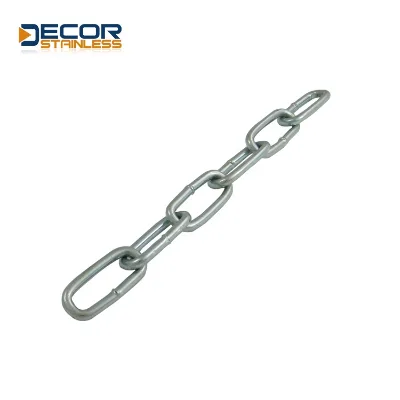
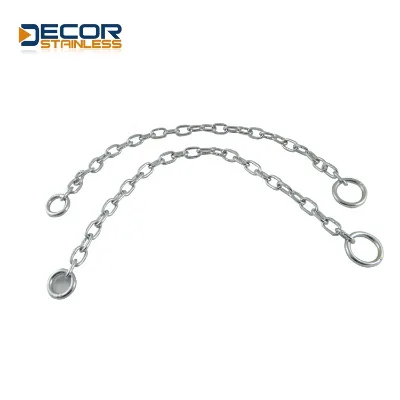
Cheap Price Tools and Hardware Suppliers Link Chain
$0.90 - $1.70
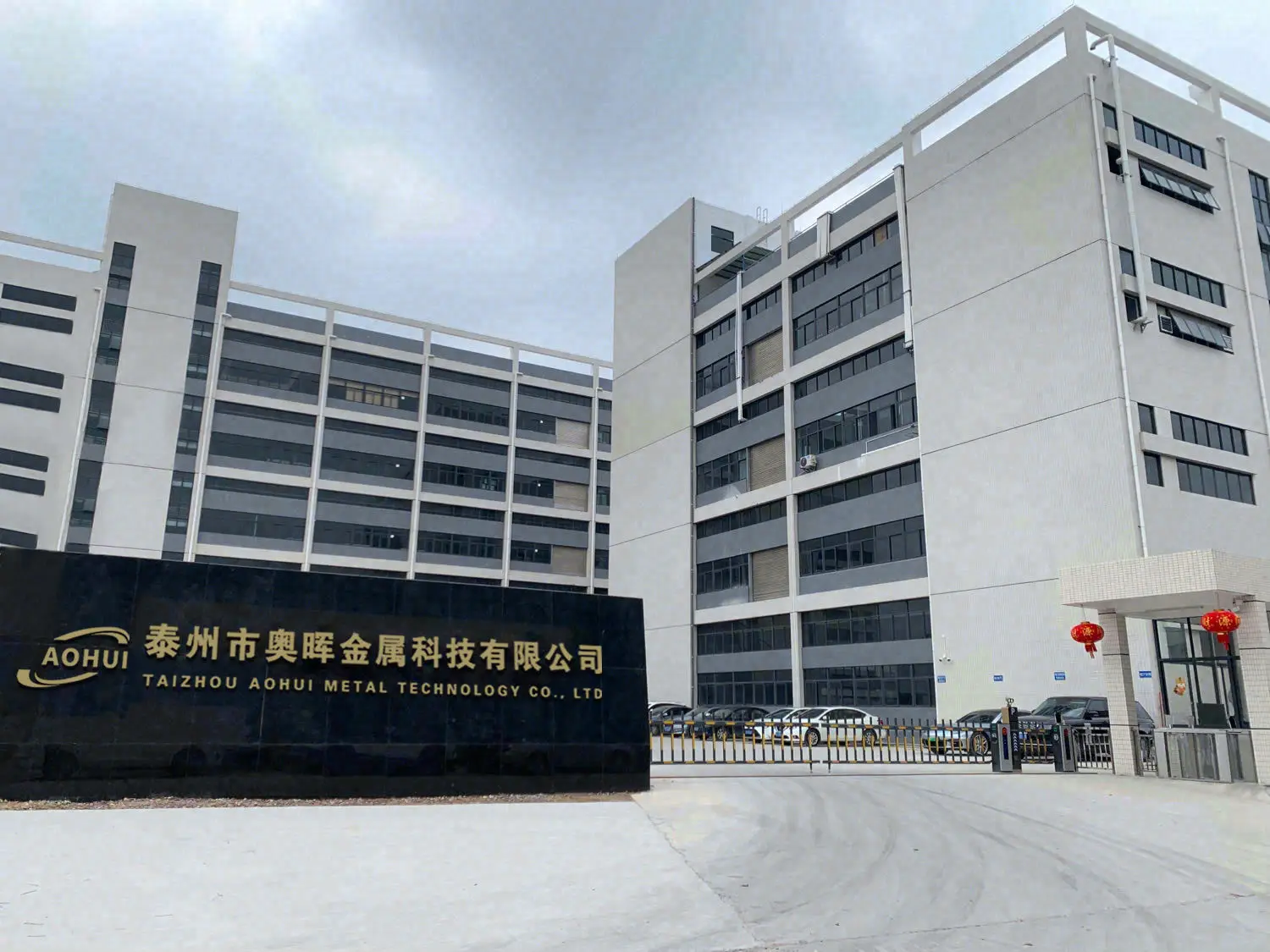
Taizhou Aohui Metal Technology Co., Ltd.
- Manufacturer, Trading Company
- Jiangsu Province, China
- Lead time7 days
- Avg. response≤ 1h
Main productssteel wire rope,OEM,marine hardware,rigging hardware,furniture and building materials hardware
Main marketsMid East(34.00%), North America(26.00%), Eastern Europe(15.00%), South America(14.00%), Northern Europe(10.00%), Africa(1.00%)

Taiyuan Shenxin Machinery Equipment Co., Ltd.
- Verified by BV
- Trading Company
- China Shanxi
- Lead time60 days
- Avg. response≤ 1h
Main productsHot Rolling Mill Cold Rolling Mill, Air Cooling Line, Flying Shares, Cold Cutting Shares, Finishing for Bar, Cooling Bed, Water-Cooled System, Core Holder, Straightening Machine, Punching Machine Snap-off Cutter
Main marketsSoutheast Asia/ Mideast,Domestic

Xiamen Xinhuixiong Hardware Co., Ltd.
- Combined
- China Fujian
- Lead time15 days
- Avg. response≤ 7h
Main productsVertical Vendor, Roller Blinds, Power Spring, Constant Force Spring, Carbon Brush Spring, Shelf Display Pusher Spring, Spring Clips, Steel Ball Chain, Metal Chain, Metal Stamping
Main marketsDomestic

- Manufacturer/Factory
- China Jiangsu
- Lead time23 days
- Avg. response≤ 3h
Main productsRoller Chain, Conveyor Chain, Welded Link Chain, Forged Parts, Sprocket /Gear/ Bushing, Scraper Chain, Chain Conveyor, Transmission Spare Parts, Overhead Conveyor, Conveyor System
Main marketsSouth America,Eastern Europe,Mid East,North America,Southeast Asia,Eastern Asia,Oceania,Western Europe,Africa


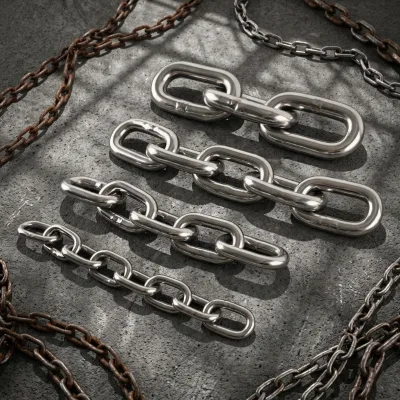
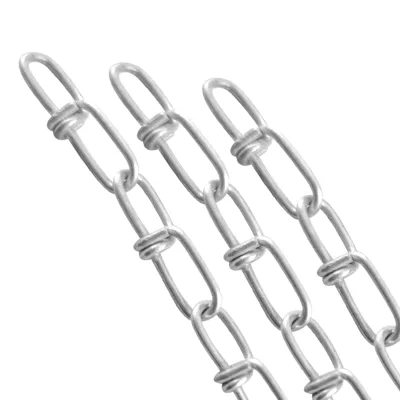
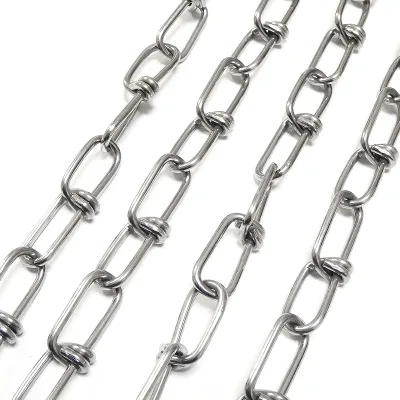
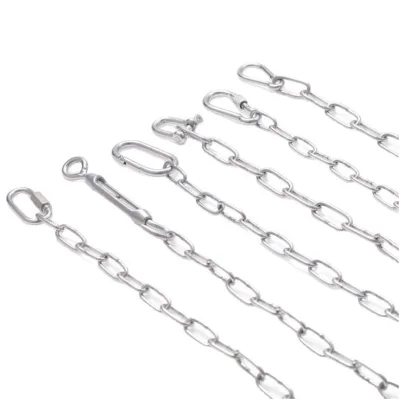
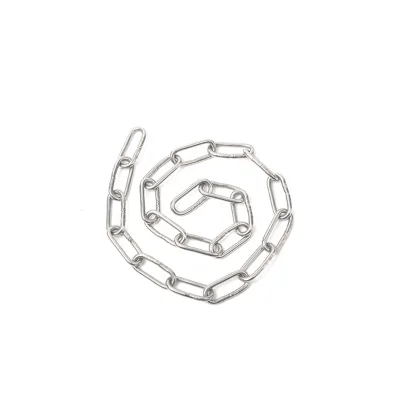
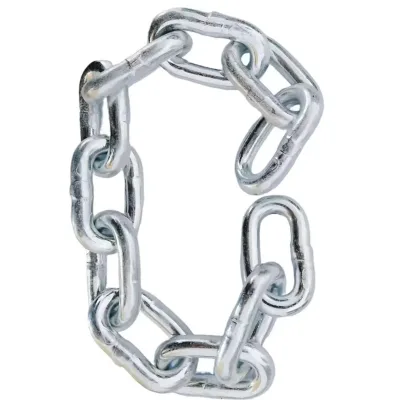
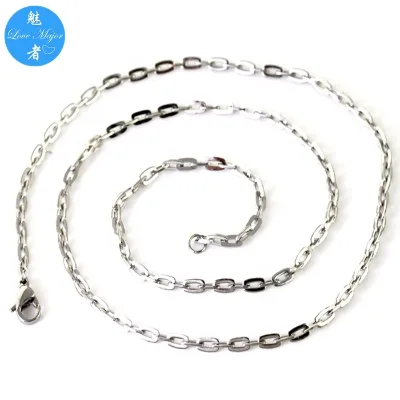
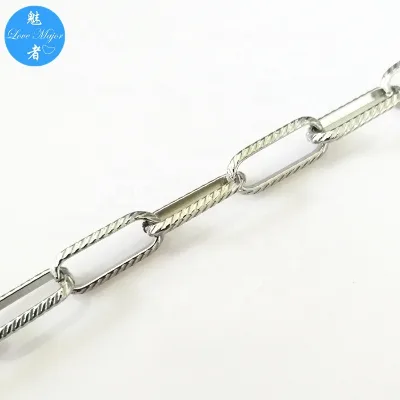
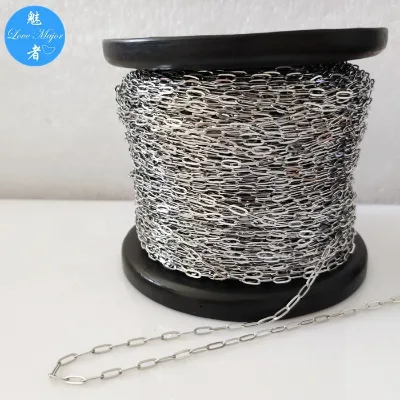


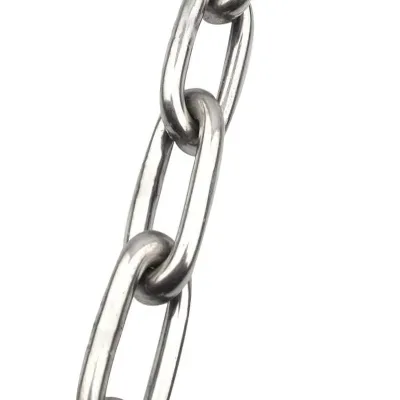
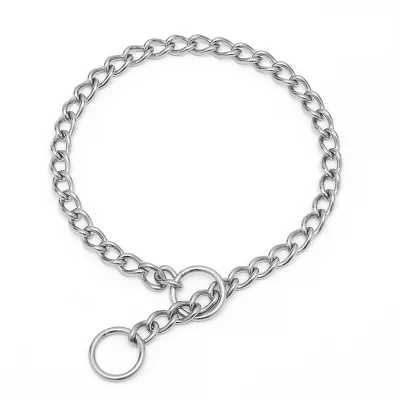


Comprehensive Sourcing Guide
Braided Link Stainless Steel Chain Supplier Concentration and Factory Types
The current supplier landscape for Braided Link Stainless Steel Chain reveals a distinct geographic concentration in China, specifically within the Shandong and Jiangsu provinces. Factories in Linyi, Shandong, are frequently identified as origins for various chain types, including galvanized, welded, and stainless steel options. These facilities often operate as combined entities, offering both Original Design Manufacturing (ODM) and Original Equipment Manufacturing (OEM) services alongside their own branded products. This dual capability suggests that many suppliers in this region possess the industrial infrastructure to handle custom specifications while maintaining the capacity for large-scale standard production. The presence of ISO9001:2015 and ISO14001:2015 certifications among some Shandong-based suppliers indicates a baseline commitment to quality management and environmental standards, which is crucial for buyers seeking reliable industrial partners.
In contrast, suppliers located in Jiangsu province present a different operational profile, often focusing on specific material grades like 304 and 316 stainless steel. These entities may not always display third-party verification badges such as TÜV Rheinland, requiring buyers to conduct more rigorous due diligence. The main products listed for these Jiangsu-based factories include round link chains, G80 chains, and wire ropes, suggesting a broader hardware manufacturing capability rather than a niche focus solely on stainless steel link chains. This diversity in product lines can be advantageous for buyers needing integrated sourcing solutions, but it also necessitates careful verification of the specific supplier’s expertise in braided or welded stainless steel variants. Understanding these regional and structural differences helps buyers align their sourcing strategy with the appropriate factory type, whether they prioritize certified quality assurance or flexible, multi-product manufacturing capabilities.
How to Verify Braided Link Stainless Steel Chain Suppliers
Verifying the authenticity and capability of suppliers requires a multi-layered approach that goes beyond surface-level product listings. Buyers should prioritize suppliers who display third-party verification badges, such as TÜV Rheinland, as these indicate that an independent body has assessed the company’s business legitimacy and operational capabilities. For suppliers lacking such visible verification, requesting direct evidence of system certifications is essential. The presence of ISO9001:2015 and ISO14001:2015 certificates provides a verifiable foundation for assessing quality control processes. Buyers must ensure that these certificates are current and correspond to the specific manufacturing facilities producing the braided link stainless steel chains. Cross-referencing certificate numbers with issuing bodies can prevent reliance on expired or fraudulent documentation, ensuring that the supplier’s claims about quality management systems are substantiated by external audit results.
Beyond certifications, evaluating the supplier’s response time and product detail transparency offers critical insights into their operational efficiency and honesty. A response time of approximately four hours, as observed in some results, suggests a responsive sales team capable of addressing technical queries promptly. Conversely, slower response times may indicate larger backlogs or less dedicated customer service structures. Buyers should also scrutinize product attributes for specificity; claims of "Customization: Available" must be backed by clear details on material grades, such as 304 or 316 stainless steel, and structural types like welded or link chains. Suppliers providing detailed specifications, including chain sizes, surface treatments like electroplating or polishing, and usage applications, demonstrate a higher level of professionalism. Requesting samples, which some suppliers offer for free, allows buyers to physically verify material quality and construction integrity before committing to larger orders, serving as a practical verification step that complements documentary checks.
What to Compare Across Braided Link Stainless Steel Chain Suppliers
When evaluating multiple suppliers, comparing lead times and minimum order quantities (MOQs) is fundamental to aligning supplier capabilities with project requirements. Lead times vary significantly, with some suppliers offering delivery within 15 days, while others may require up to 30 days or more. This variance often correlates with the supplier’s inventory status and production scheduling; those indicating "Stocks: Yes" or maintaining emergency stocks for regular sizes can typically fulfill orders faster. Buyers must also assess MOQs, which range from small quantities like 5 units to bulk requirements such as 1 ton. For projects requiring rapid prototyping or small batch production, suppliers with lower MOQs are preferable, whereas large-scale industrial deployments may benefit from suppliers offering volume discounts and consistent bulk production schedules. Understanding these logistical parameters helps in selecting a supplier whose operational rhythm matches the buyer’s supply chain needs.
Price structures and payment terms further differentiate suppliers, requiring careful analysis of total landed costs rather than just unit prices. Prices for stainless steel link chains can vary based on material grade, surface treatment, and order volume, with some listings showing fixed prices while others imply negotiation based on quantity. Buyers should compare not only the base price but also the payment terms, such as the requirement for deposits or acceptance of specific methods like TT. Suppliers offering free samples may reduce initial testing costs, but buyers must clarify who covers freight expenses. Additionally, comparing the range of main products offered can reveal a supplier’s versatility; those offering diverse chain types, from galvanized to stainless steel, may provide better value through consolidated shipping and simplified vendor management. Evaluating these commercial and logistical factors holistically ensures that the selected supplier offers the best balance of cost, speed, and reliability for Braided Link Stainless Steel Chain procurement.
Common Braided Link Stainless Steel Chain Sourcing Risks
One significant risk in sourcing braided link stainless steel chains is the discrepancy between advertised material specifications and actual product quality. Suppliers may list products as "Stainless Steel" without clearly distinguishing between grades like 304 and 316, which have different corrosion resistance and mechanical properties. This ambiguity can lead to receiving lower-grade materials that fail in demanding environments, such as marine or chemical applications. Buyers must explicitly request material test reports or certificates of analysis to verify the exact alloy composition. Additionally, claims of "Heat Resistant" features should be validated against specific temperature ratings, as not all stainless steel chains are suitable for high-temperature transmission or drag chain applications. Failing to verify these technical attributes can result in premature chain failure and costly operational disruptions.
Another risk involves the reliability of delivery timelines and the consistency of product standards. Suppliers may advertise short lead times but fail to meet them due to production bottlenecks or inventory shortages. The absence of visible stock indicators or vague delivery estimates can complicate project planning. Furthermore, variations in manufacturing standards, such as DIN766, DIN764, or DIN5685A, must be strictly adhered to; deviations can lead to compatibility issues with existing hardware or rigging systems. Buyers should also be cautious of suppliers with no visible system certifications, as this may indicate a lack of standardized quality control processes. Ensuring that the supplier’s production processes are aligned with international standards and that they have a proven track record of meeting delivery commitments is essential to mitigate these sourcing risks and ensure the integrity of the supply chain.
Braided Link Stainless Steel Chain Regional Sourcing and Logistics
Sourcing from specific regions in China, such as Shandong and Jiangsu, offers distinct logistical advantages and challenges that buyers must consider. Shandong, particularly the Linyi area, is a known hub for chain manufacturing, with many suppliers offering combined services and established export infrastructure. This concentration can facilitate easier communication and potentially lower shipping costs due to the density of related industries and logistics providers. However, buyers should verify the specific origin of the goods, as some suppliers may list a regional hub while sourcing from other locations. Jiangsu-based suppliers, while also prominent, may have different logistical networks, potentially affecting transit times and freight costs. Understanding the specific port of loading and the supplier’s experience with international shipping is crucial for accurate logistics planning.
Logistical planning must also account for packaging and handling requirements to prevent damage during transit. Suppliers often use various packaging methods, including bags, plastic drums, iron drums, and wooden cases, depending on the product type and order size. For stainless steel chains, proper packaging is vital to prevent corrosion and physical damage, especially if the goods are shipped in humid conditions. Buyers should specify packaging requirements in their purchase orders to ensure that the chains are protected adequately. Additionally, considering the weight and volume of the orders is important for calculating freight costs and selecting the most efficient shipping method. Whether opting for sea freight for bulk orders or air freight for urgent small batches, aligning the supplier’s location and packaging capabilities with the buyer’s logistical preferences ensures a smoother import process and reduces the risk of delays or damage.
Braided Link Stainless Steel Chain Commercial Terms and Order Planning
Effective order planning for braided link stainless steel chains requires a clear understanding of commercial terms, including pricing, deposits, and after-sales support. Suppliers may require a deposit before production begins, with the balance due before shipment or against copy documents. Buyers should negotiate these terms to align with their cash flow management and risk tolerance. Additionally, clarifying the scope of customization services is essential, as some suppliers offer ODM and OEM capabilities while others may only provide standard products. Understanding the lead time for customized orders versus stock items helps in scheduling production and delivery accurately. Buyers should also inquire about the supplier’s policy on sample fees and freight, as some offer free samples but charge for shipping, which can impact the initial cost of evaluation.
After-sales support and warranty policies are critical components of the commercial agreement that buyers must not overlook. Suppliers should provide clear guidelines on handling defects, returns, or replacements, ensuring that buyers have recourse in case of quality issues. Establishing a direct line of communication for technical support can also be beneficial, especially for complex applications requiring specific chain configurations. Buyers should document all agreed-upon terms, including material specifications, delivery schedules, and payment conditions, in the purchase contract to prevent misunderstandings. Regularly reviewing supplier performance against these terms can help in building a long-term, reliable partnership. By carefully planning the commercial aspects of the order, buyers can minimize risks and ensure a smooth transaction process for their Braided Link Stainless Steel Chain procurement needs.
FAQs
What certifications do stainless steel link chain suppliers hold?
Suppliers in China Shandong hold ISO9001:2015 and ISO14001:2015 certificates verified by TUVRHEINLAND. Other manufacturers in Jiangsu show no listed system certifications. Buyers should verify specific quality standards directly with the supplier before placing orders to ensure compliance with international requirements.
What is the typical lead time for stainless steel chains?
Lead times vary by location and product type. Shandong suppliers typically offer a 15-day lead time, while Jiangsu manufacturers may require 30 days for shipment. Some specific products list a 20-day delivery time. These timelines depend on stock availability and customization needs.
What are the minimum order quantities for link chains?
Minimum order quantities range significantly across suppliers. Some manufacturers require a minimum of 5 units, while others set the MOQ at 100 or 500 units. Certain suppliers accept orders starting from 1 ton. Buyers should check specific product pages for exact MOQ requirements.
How quickly do suppliers respond to inquiries?
Response times differ among suppliers. Some manufacturers in Shandong respond within approximately 4 hours, while others in Jiangsu reply within roughly 2.5 hours. One supplier explicitly states inquiries are replied to within 12 hours. Faster response times indicate better communication efficiency.
What prices are available for stainless steel link chains?
Prices vary by material and specifications. Stainless steel chains range from approximately $3.38 to $6.15 per unit for some items. Other welded iron or galvanized chains may cost between $500 and $590 per ton. Prices depend on chain size, grade, and surface treatment.
Do suppliers offer customization and OEM services?
Many suppliers offer customization, OEM, and ODM services. Products are available with custom sizes, materials, and surface treatments like electroplating or polishing. Suppliers accept custom orders for specific chain grades and structures. Buyers can request tailored solutions for transmission, drag, or lifting chain applications.