Non-Stick Stainless Steel BBQ Tools Suppliers and Manufacturers
Source Non-Stick Stainless Steel BBQ Tools from 18 verified suppliers in China. Compare key dimensions including BSCI and ISO 9001 certifications, response times, and lead times. Review specific MOQs and delivery windows to identify the right partner for your procurement needs.
Suppliers List

Guangzhou Garbo International Trading Co., Ltd.
- Verified by TUVRHEINLAND
- Trading Company,Manufacturer/Factory
- China Guangdong
- Lead time45 days
- Avg. response≤ 7h
Main productsGlassware, Glass Cup, Glass Mug, Glass Bowl, Glass Candy Jar, Glass Pitcher, Glass Ice Cream Cup and Ice Bucket, Opal Glassware, Stainless Steel Cutlery, Ceramic Dinnerware
Main marketsSouth America,Eastern Europe,Mid East,North America,Southeast Asia,Eastern Asia,Oceania,Western Europe,Africa

JIEYANG CITY JIESHI HARDWARE PLASTIC CO., LTD.
- Verified by TUVRHEINLAND
- Trading Company,Manufacturer/Factory
- China Guangdong
- Lead time30 days
- Avg. response≤ 2h
Main productsCutlery, Kitchenware, Flatware, Bar Accessories, Children Tableware, Kitchen Utensils, Bakeware, Dinnerware, Dinner Sets, Kitchen Tools
Main marketsSouth America,Eastern Europe,Mid East,North America,Southeast Asia,Eastern Asia,Oceania,Western Europe,Africa

Qingdao Vold Machinery Manufacturer Co., Ltd.
- Combined
- China Shandong
- Lead time30 days
- Avg. response≤ 5h
Main productsPedal Go Kart, Kids Balance Bike, Kids Tricycle, Kids Mini Digger, Fire Ring, BBQ
Main marketsEurope,North America

Yangjiang C&B Consumer Product Limited
- Combined
- China Guangdong
- Lead time150 days
- Avg. response≤ 5h
Main productsBarbecue Tongs, Grilling Brushes, Outdoor Shovel, Grilling Tools, Kitchen Ware, Outdoor Products, Pizza Tools, Knife Set
Main marketsSouth America,Southeast Asia/ Mideast,Domestic,Europe,Australia,North America

Non-Stick Stainless Steel Grill Basket, Wooden Handle BBQ Tool for Steak & More
$8.90 - $10.00
MOQ: 1000 Pieces

Outdoor Camping BBQ Sticks - Non-Stick Stainless Steel with Wooden Handle
$0.39 - $0.79
MOQ: 1000 Sets


Stainless Steel Grilling Wood Handle BBQ Tools for Griling, Camping Barbecue Tool
$1.60 - $1.90
MOQ: 1000 Sets

Outdoor Camping BBQ Tool Set - 5-in-1 Multi-Function Stainless Steel Grilling Tools
$1.66 - $3.60
MOQ: 1000 Pieces


- Verified by SGS
- Trading Company
- China Zhejiang
- Lead time15 days
- Avg. response≤ 22h
Main productsFitness Equipment, Trampoline, Treadmill, Dumbbell, Yoga Mat, Spinning Bike, Jump Rope, Pull up Bar, Gym Rack, Leg Press
Main marketsEurope,Australia

$5.05 - $5.14
MOQ: 200 Sets


$4.30 - $4.50
MOQ: 230 Sets

Wholesale High-Strength Stainless Steel Picnic Use Portable Heat-Resisting Tongs BBQ Accessories
$3.75 - $3.85
MOQ: 300 Sets

$46.20 - $46.40
MOQ: 22 Boxes

$119.00 - $120.00
MOQ: 10 Boxes

Chongqing Bweiser Industry Company Limited
- Verified by CTI
- Trading Company,Manufacturer/Factory,Group Corporation
- China Chongqing
- Lead time45 days
- Avg. response≤ 3h
Main productsGarden Tools, Pizza Tools, Roadway Safety, BBQ, Raincoat, Handcrafts, Bait, Grillware, Cleaning Brush, Bar Shaker
Main marketsSouth America,Eastern Europe,Mid East,North America,Southeast Asia,Eastern Asia,Oceania,Western Europe,Africa

Plenty Harvest Manufacturing Limited
- Manufacturer/Factory
- China Guangdong
- Lead time45 days
- Avg. response≤ 14h
Main productsMulti Tool, Pocket Knife LED, Wine Corkscrew Opener, Multi Function Pliers, Multi Function Knife
Main marketsNorth America,Oceania,Western Europe

- Verified by SGS
- Trading Company,Manufacturer/Factory,Other
- China Zhejiang
- Lead time38 days
- Avg. response≤ 16h
Main productsBath Mat, Cushion, Wooden Toys, Fitness Equipment, Cosmetic Bag, Luggage, Festival Products, Gym Items, Face Mask, Paracord Bracelet
Main marketsSouth America,Eastern Europe,Mid East,North America,Southeast Asia,Eastern Asia,Oceania,Western Europe,Africa


a Sturdy, Durable, Lightweight, Portable and Corrosion-Resistant Barbecue Net
$0.61 - $0.67
MOQ: 1485 Sets


High-Temperature Resistant, Anti-Oxidation, Anti-Deformation Barbecue Grid
$1.96 - $2.15
MOQ: 465 Sets


High Thermal Conductivity, Resistant to High Temperatures, Barbecue Grill Net
$0.40 - $0.46
MOQ: 2295 Sets
Yangjiang Jiangcheng EGO Houseware Limited
- Trading Company
- Guangdong, China
- Lead time0 days
- Avg. response≤ 1h
Main productsBathroom Rack And Hook,BBQ Grill Basket,Cooling Rack,Storage Basket,Cake Baking Pan
Main marketsNorth America(50.00%), Western Europe(15.00%), Oceania(14.00%), Northern Europe(9.00%), Domestic Market(8.00%), Southern Europe(4.00%)

Shijiazhuang Amber Metal Products Co., Ltd.
- Verified by BV
- Trading Company
- China Hebei
- Lead time15 days
- Avg. response≤ 6h
Main productsStainless Steel Wire Mesh, Decorative Metal Mesh, Metal Mesh Curtain, Welded Wire Mesh, Wire Mesh Filter, Perforated Metal, Expanded Metal Sheet, Woven Wire Mesh
Main marketsEurope,North America

Barbecue Heat Resistant Non-Stick Grilling Mesh BBQ Cooking Barbecue Grate
$4.90 - $6.90
MOQ: 100 Pieces


Barbecue Racks Round Stainless Steel BBQ Stainless Steel Grill Cooking Grid Grate
$4.90 - $6.90
MOQ: 100 Pieces
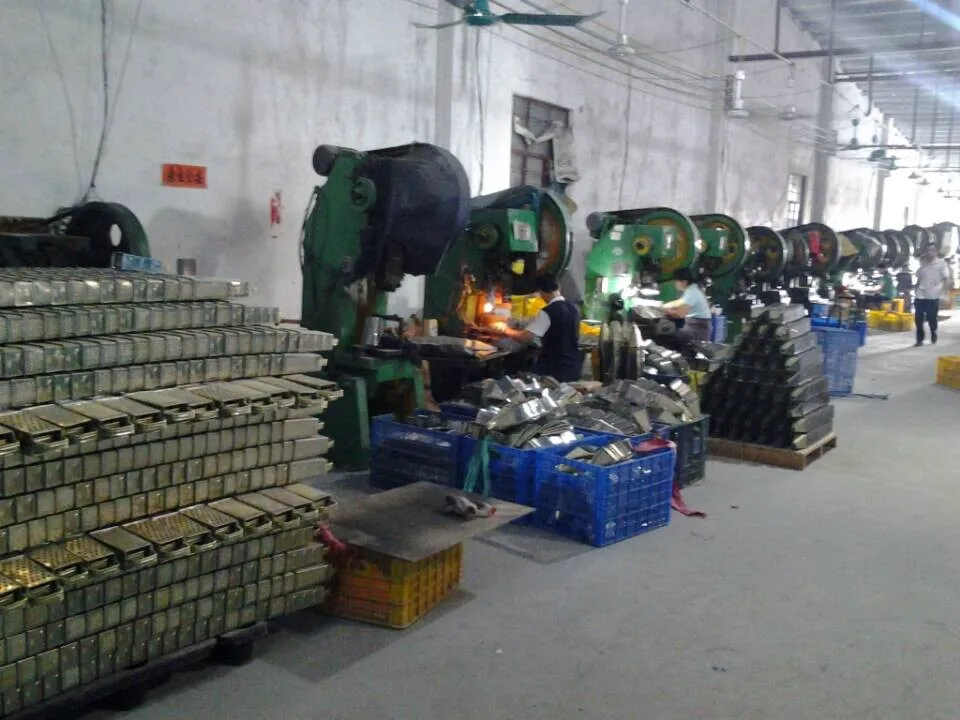
Huorun Import & Export Co., Ltd. (ASIA BEST BRANCH)
- Trading Company
- Guangdong, China
- Lead time30 days
- Avg. response≤ 7h
Main productsKitchen Knife & Scissor,Kitchen Tools,BBQ Tools,Wooden Cutting Boards,Manicure & Beauty Tools
Main marketsWestern Europe(45.00%), South America(20.00%), Eastern Asia(10.00%), Northern Europe(10.00%), Eastern Europe(5.00%), Central America(5.00%), North America(5.00%)

Ningbo Newlite International Trade Co., Ltd.
- Trading Company
- China Zhejiang
- Lead time60 days
- Avg. response≤ 20h
Main productsOven Parts, Oven Components, Gas Cooker Part, Spark Igniter, Oven Switch, Gas Stove Part, Oven Timer, Gas Valve, Barbeque Grill Parts, Gas Water Heater Parts
Main marketsSoutheast Asia/ Mideast,Europe,North America

Barbeque Grill Burner/BBQ Burner
MOQ: 2000 Pieces

MOQ: 2000 Pieces

Barbeque Grill Burner/BBQ Burner
MOQ: 2000 Pieces

Barbeque Grill Burner/BBQ Burner
MOQ: 2000 Pieces


MOQ: 1000 Pieces
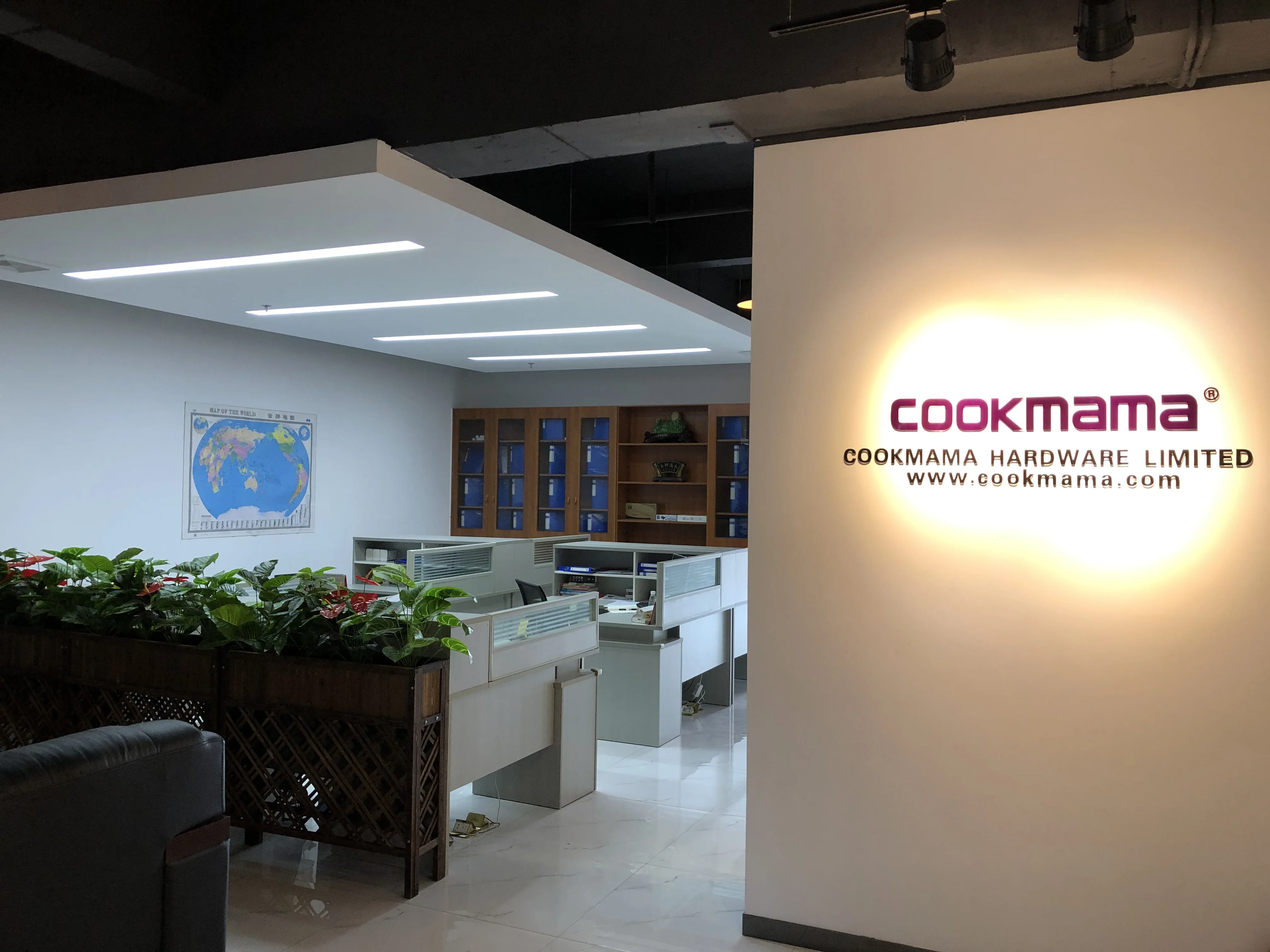
Yangjiang Cookmama Hardware Co., Limited.
- Manufacturer, Trading Company
- Guangdong, China
- Lead time40 days
- Avg. response≤ 9h
Main productsBBQ Tools,Knives,grill basket,kitchen tools,garden tools
Main marketsSouth America(40.00%), North America(20.00%), Southern Europe(10.00%), Northern Europe(10.00%), Western Europe(10.00%), Eastern Europe(10.00%)

Seer Hardware Industry&Trade Co., Ltd.
- Combined
- China Guangdong
- Lead time30 days
- Avg. response≤ 6h
Main productsKnife, Camping Knife, Folding Knife, Kitchen Knife, Hunting Knife, BBQ Tools, Laguiole Knife, Manicure Set, Knife Set, ODM OEM Knife
Main marketsSouth America,Southeast Asia/ Mideast,East Asia(Japan/ South Korea),Europe,North America

Stainless Steel BBQ Grill/ Charcoal Barrel Charcoal Stove Outdoor Barbecue Tools (SE0547)
$3.00 - $4.00
MOQ: 500 Pieces

Outdoor Camping Barbecue Net/ BBQ Tool /Grilled Fish/ Net Portable Tool (SE-BBQ223)
$0.80 - $1.20
MOQ: 1000 Pieces

Zhenjiang Trumy Industrial Co., Ltd.
- Trading Company,Manufacturer/Factory
- China Jiangsu
- Lead time30 days
- Avg. response≤ 22h
Main productsFurniture Hardware, Door Hardware, Fastener, Building Material, Bathroom Accessory, Kitchen Accessory, BBQ Grills&Outdoor Cooking, Fire Pit&Fire Place, Outdoor Furniture, Toilet Partitions Accessories
Main marketsSouth America,Eastern Europe,Mid East,North America,Southeast Asia,Eastern Asia,Oceania,Western Europe,Africa

Jinjiang Jiayi Supply Chain Management Co., Ltd.
- Verified by BV
- Trading Company
- China Fujian
- Lead time30 days
- Avg. response≤ 1h
Main productsGift, Shoe, Garment, Machine
Main marketsDomestic

Juchang(Nanjing) Mechanical Co., Ltd.
- Verified by BV
- Trading Company
- China Jiangsu
- Lead time30 days
- Avg. response≤ 6h
Main productsPizza Peel, Pizza Screen, Pizza Pan, Pizza Stone, Pizza Cutter, Pizza Oven Brush, Cookie Sheet, Baguette Pan, Silicone Oven Mitts, Silicone Baking Mat
Main marketsSouth America,Southeast Asia/ Mideast,Europe,Australia,North America

Jinhua Hengyang Cross-Border Trade Limited Liability Company
- Verified by SGS
- Trading Company
- China Zhejiang
- Lead time15 days
- Avg. response≤ 7h
Main productsCoffee Maker Air Fryer Storage Box Knife Set, Silicone Baking Mold Robot Vacuum Cleaning Table, Shower Head Non-Slip Shower Curtain Vacuum Stora, Collapsible Laundry Basket Bohemian Wall Tapestr, Fringe Pillow Cover Bedding Set Memory Foam Pill, Bamboo Tissue Biodegradable Trash Bags LED Fair, Smart Plug Fairy Lights Pet Food Bowl, Household Daily Necessities Kitchen Cleaning, Bathroom Storage and Care Fabric Home Decor, Bedding Daily Chemical Paper Products
Main marketsEurope

Multi Functional Grill Stainless Steel Barbecue Set Outdoor Barbecue Tools
$3.00 - $3.75
MOQ: 100 Pieces

Stainless Steel Handle Grilling Utensils Multi-Combination BBQ Outdoor Grilling Tool Set
$6.04 - $7.54
MOQ: 50 Pieces


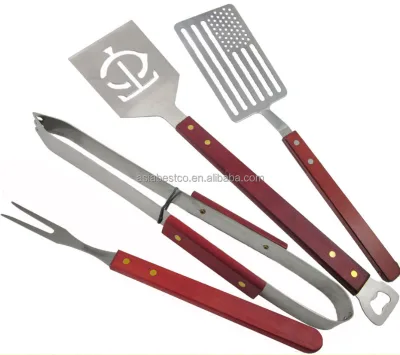
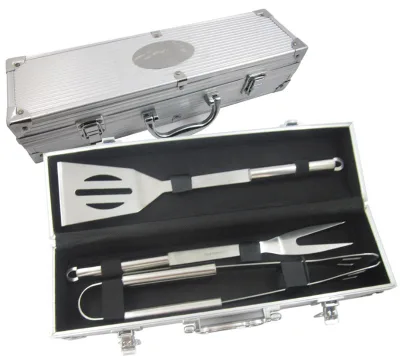
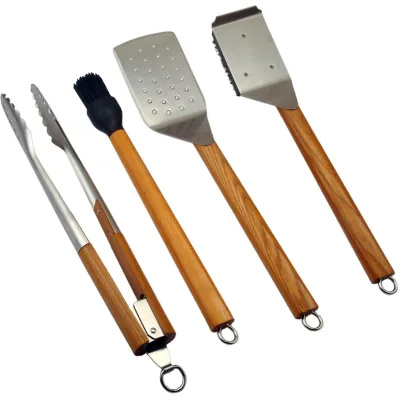
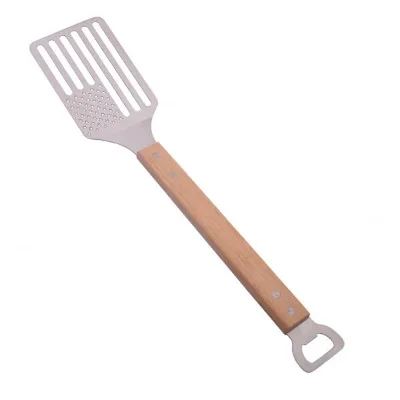


Comprehensive Sourcing Guide
Non-Stick Stainless Steel BBQ Tools Supplier Concentration and Factory Types
The manufacturing landscape for Non-Stick Stainless Steel BBQ Tools is primarily concentrated in specific industrial hubs within China, with Guangdong province emerging as a significant cluster for these goods. Suppliers located in this region often operate as either trading companies or manufacturer/factory entities, offering a blend of direct production capabilities and supply chain management services. This dual nature allows buyers to access a wide variety of product lines, ranging from basic grilling utensils to more complex, multi-functional tool sets. The presence of established brands like Garbo Glassware and Jieshi in this region indicates a mature ecosystem where OEM and ODM services are readily available. Buyers should recognize that while some suppliers focus heavily on glassware and ceramic dinnerware, many have diversified their main products to include stainless steel cutlery and kitchen tools, leveraging existing material expertise to produce high-quality BBQ accessories. This concentration facilitates efficient sourcing because logistics infrastructure, such as loading ports in Guangzhou, is well-developed, reducing transit times and simplifying export procedures for international buyers.
In contrast to the Guangdong cluster, other regions like Shandong also host suppliers capable of producing metal-based BBQ tools, though their primary focus may differ. Suppliers in Shandong might list main products that include pedal go karts, kids balance bikes, and fire rings, indicating a broader industrial capability in metal fabrication and outdoor equipment. This suggests that while the core competency might not be exclusively kitchenware, the underlying manufacturing skills for metal tools are transferable and robust. Buyers evaluating these suppliers should look for evidence of customization capabilities, as many factories in these regions offer OEM services, allowing for brand-specific designs and logo placements. The availability of own brands alongside OEM options provides flexibility for buyers who may want to start with private labeling or eventually transition to their own branded lines. Understanding the specific factory type is crucial, as trading companies may offer broader product assortments from multiple factories, whereas manufacturer/factories provide more direct control over production quality and lead times.
How to Verify Non-Stick Stainless Steel BBQ Tools Suppliers
Verification is a critical step in ensuring that the suppliers you engage with meet your quality and compliance standards. One of the most reliable indicators of a supplier's credibility is third-party verification, such as the TUVRHEINLAND certification observed in some results. This type of verification provides an independent assessment of the supplier's business operations and manufacturing capabilities, offering peace of mind regarding their legitimacy. Additionally, system certifications like BSCI and ISO 9001 are essential markers of a supplier's commitment to social responsibility and quality management systems. These certifications are not just badges but represent ongoing audits and adherence to international standards, which is particularly important for Non-Stick Stainless Steel BBQ Tools where material safety and durability are paramount. Buyers should prioritize suppliers who display these certifications prominently, as they indicate a higher level of operational maturity and reliability. It is also advisable to check for SEDEX certification, which further validates ethical labor practices, ensuring that the supply chain is free from forced labor and other ethical violations.
Beyond certifications, buyers should assess the supplier's response time and communication efficiency as a proxy for their operational responsiveness. A response time of around 1.38 to 6.85 hours, as seen in some supplier profiles, suggests a high level of engagement and readiness to address buyer inquiries promptly. This metric is particularly useful for evaluating the supplier's ability to handle urgent requests or complex customization orders. Buyers should also look for evidence of product-specific attributes, such as the use of stainless steel materials and non-stick finishes, which are key features of the desired product category. Verifying these attributes through detailed product descriptions and specifications ensures that the supplier can deliver exactly what is needed. Furthermore, checking the supplier's main products list can provide insight into their expertise; a supplier listing kitchenware and BBQ tools as main products is likely more specialized and reliable than one with a disparate product range. By combining verification of credentials with an assessment of communication and product specificity, buyers can significantly reduce the risk of partnering with unreliable suppliers.
What to Compare Across Non-Stick Stainless Steel BBQ Tools Suppliers
When evaluating multiple suppliers for Non-Stick Stainless Steel BBQ Tools, it is essential to compare key operational metrics such as lead times, minimum order quantities (MOQs), and pricing structures. Lead times can vary significantly, with some suppliers offering a standard lead time of 30 days, while others may require 45 to 60 days for production and delivery. This variation can impact inventory planning and order fulfillment, so buyers must align their expectations with the supplier's capabilities. Similarly, MOQs are a critical factor, ranging from as low as 100 pieces for certain items to 3000 pieces for others. Understanding these thresholds helps buyers determine the feasibility of placing orders, especially for smaller businesses or those testing new markets. Pricing is another vital dimension, with costs varying based on material quality, customization options, and order volume. For instance, prices for BBQ tool sets can range from $15.00 to $35.00 per set, while individual items like ladles may cost between $1.85 and $2.95. Buyers should request detailed quotes that break down these costs to ensure transparency and avoid hidden fees.
In addition to operational metrics, buyers should compare the customization options and packaging standards offered by different suppliers. Many suppliers offer customization services, including logo printing and design modifications, which are crucial for brand differentiation. The availability of customization should be verified through product attributes, such as "Customization: Available" or "Logo: Customized." Packaging standards also vary, with some suppliers using standard export cartons while others offer safety packing or custom packaging solutions. These details can affect the final product presentation and shipping costs, so buyers should specify their requirements clearly during the inquiry phase. Furthermore, comparing the supplier's main products and product evidence can provide insight into their breadth of expertise. A supplier with a diverse range of kitchenware and BBQ tools may offer better value through bundled orders or cross-selling opportunities. By systematically comparing these dimensions, buyers can identify the supplier that best aligns with their specific needs, balancing cost, quality, and service levels to achieve optimal sourcing outcomes.
Common Non-Stick Stainless Steel BBQ Tools Sourcing Risks
One of the primary risks in sourcing Non-Stick Stainless Steel BBQ Tools is the potential discrepancy between advertised product attributes and the actual delivered goods. Buyers must be vigilant about verifying material specifications, such as the type of stainless steel used and the quality of the non-stick coating. Some suppliers may list products as "Stainless Steel" or "Metal," but the grade and finish can vary significantly, affecting durability and safety. For example, a product described as "Non-Stick" might use a coating that degrades quickly under high heat, leading to customer complaints and returns. To mitigate this risk, buyers should request detailed product specifications and, if possible, samples to test the material quality and finish. Additionally, checking for certifications like CE/EU or CIQ can provide assurance that the products meet specific safety and quality standards. However, buyers should not rely solely on these certifications; they should also conduct their own due diligence by reviewing the supplier's production processes and quality control measures.
Another significant risk is the variability in lead times and delivery schedules, which can disrupt supply chain operations. Suppliers may quote a lead time of 30 days, but actual production and shipping can take longer, especially during peak seasons or due to unforeseen delays. This risk is compounded by the fact that some suppliers list delivery times as "45-60 Days," which introduces uncertainty into inventory planning. Buyers should establish clear communication channels with suppliers to monitor production progress and address any potential delays proactively. Furthermore, the risk of non-compliance with ethical standards, such as labor practices, is a concern that buyers must address. While certifications like BSCI and SEDEX indicate a commitment to ethical standards, buyers should verify these claims through third-party audits or site visits if possible. By identifying and mitigating these risks through thorough verification and proactive communication, buyers can protect their interests and ensure a smoother sourcing experience.
Non-Stick Stainless Steel BBQ Tools Regional Sourcing and Logistics
Sourcing Non-Stick Stainless Steel BBQ Tools from China involves navigating regional logistics advantages that can impact cost and delivery efficiency. Suppliers located in Guangdong province, particularly those with loading ports in Guangzhou, benefit from well-established export infrastructure, which facilitates faster and more reliable shipping to international destinations. This logistical advantage is crucial for buyers who need to maintain tight inventory schedules and avoid stockouts. The proximity to major shipping hubs reduces transit times and simplifies customs clearance processes, making it easier to manage supply chain operations. Buyers should prioritize suppliers in this region if they value speed and reliability in their logistics. Additionally, the concentration of suppliers in Guangdong creates a competitive environment that can drive down costs and improve service levels. Buyers can leverage this competition to negotiate better terms and secure more favorable pricing for their orders.
In contrast, suppliers in other regions like Shandong may offer different logistical considerations, such as potentially lower production costs but longer transit times depending on the port of departure. Buyers should evaluate the total landed cost, including shipping and handling fees, when comparing suppliers from different regions. The choice of loading port can also impact the final cost, as some ports may have higher fees or less frequent shipping schedules. Buyers should work with their freight forwarders to determine the most cost-effective shipping routes and methods. Furthermore, understanding the regional strengths of suppliers can help buyers make informed decisions. For instance, a supplier in Guangdong might specialize in kitchenware and BBQ tools, while a supplier in Shandong might have broader capabilities in metal fabrication. By aligning their sourcing strategy with the regional strengths of suppliers, buyers can optimize their supply chain and achieve better overall value.
Non-Stick Stainless Steel BBQ Tools Commercial Terms and Order Planning
Effective order planning for Non-Stick Stainless Steel BBQ Tools requires a clear understanding of commercial terms, including payment conditions, warranty policies, and after-sales support. Buyers should negotiate terms that protect their interests, such as escrow services or secure payment methods, to ensure that funds are only released upon satisfactory delivery of goods. It is also important to clarify the supplier's warranty policy for any defects or quality issues, as this can mitigate financial risks associated with product failures. Additionally, buyers should inquire about the supplier's after-sales support, including their responsiveness to customer complaints and their ability to provide replacement parts or repairs. These commercial terms are crucial for building a long-term partnership with suppliers and ensuring a smooth transaction process. Buyers should document all agreed-upon terms in the purchase contract to avoid misunderstandings and disputes.
Furthermore, buyers should plan their orders based on the supplier's production capacity and lead times to avoid bottlenecks and delays. Understanding the supplier's capacity, such as their ability to handle OEM and ODM orders, can help buyers scale their operations effectively. Buyers should also consider the MOQs and pricing tiers when planning their orders, as larger orders may qualify for discounts but require more capital investment. By aligning their order planning with the supplier's capabilities and commercial terms, buyers can optimize their inventory levels and cash flow. Additionally, buyers should maintain open communication with suppliers to stay informed about production updates and potential changes in lead times. This proactive approach helps buyers manage risks and ensure that their supply chain remains resilient and responsive to market demands. By focusing on these commercial and planning aspects, buyers can establish a robust sourcing strategy for Non-Stick Stainless Steel BBQ Tools.
FAQs
What is the typical lead time for Non-Stick Stainless Steel BBQ Tools?
Manufacturers in China generally require 45 to 60 days for production and delivery. Some suppliers offer faster turnaround times of around 30 days for standard orders. Buyers should confirm specific schedules with the supplier before placing bulk orders to ensure timely arrival.
What certifications are available for these BBQ tool sets?
Common certifications include CE, EU, CIQ, BSCI, ISO 9001, and SEDEX. These verify product safety and manufacturing standards. Buyers should request valid certificates to ensure compliance with international regulations and quality expectations for their specific market requirements.
What is the minimum order quantity for custom BBQ tools?
MOQs typically range from 300 to 5000 pieces depending on the supplier and product complexity. Some manufacturers require 3000 pieces for certain items, while others accept 1500 sets. Buyers should verify the exact MOQ with the supplier to plan inventory effectively.
Are OEM and ODM services available for these tools?
Yes, most suppliers offer OEM and ODM services with customization options. Buyers can request custom logos, packaging, and specific design features. This allows brands to create unique products that align with their market identity and customer preferences.
What is the average response time for supplier inquiries?
Response times vary, with some suppliers replying within 1.38 hours and others taking up to 6.85 hours. Faster response times indicate better communication efficiency. Buyers should prioritize suppliers with quick replies to streamline the sourcing process and resolve questions promptly.
Where are these BBQ tools typically manufactured?
Most suppliers are located in China, specifically in Guangdong and Shandong provinces. These regions are known for strong manufacturing capabilities in metal and kitchenware products. Buyers can verify the exact origin to assess logistics costs and supply chain reliability.
What materials are used in non stick BBQ tools?
Tools are primarily made from stainless steel or metal with non-stick coatings. Some sets feature stainless steel handles and power-coated finishes for durability. Buyers should check material specifications to ensure the tools meet their quality and safety standards.