Non Wovens Fabric Seedling Bag Suppliers and Manufacturers
Explore 22 verified options for Non Wovens Fabric Seedling Bag from China Shandong and Sichuan. Compare lead times, certifications like ISO and SEDEX, and MOQs to find the right factory. Request samples to verify quality before placing orders; review the available evidence before requesting comparable quotations from suitable candidates.
Suppliers List

Laizhou Pairuike Crafts Co., Ltd.
- Manufacturer/Factory
- China Shandong
- Lead time45 days
- Avg. response≤ 3h
Main productsBusiness Scope: Processing and Selling Hand-Wove, PLA Non Woven Bag, RPET Woven Bag, PP Woven Bag, Lamination Non Woven Bag, Non Woven Bag
Main marketsSouth America,Eastern Europe,Mid East,North America,Southeast Asia,Eastern Asia,Oceania,Western Europe,Africa


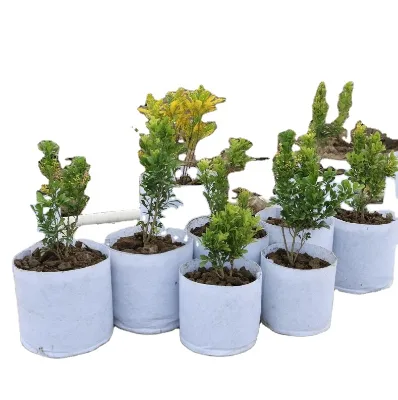
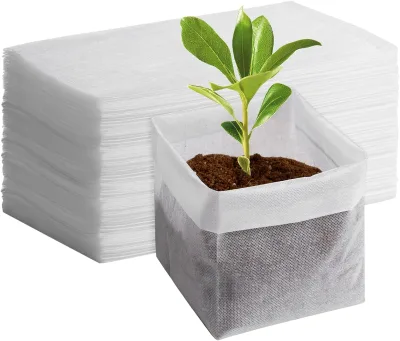
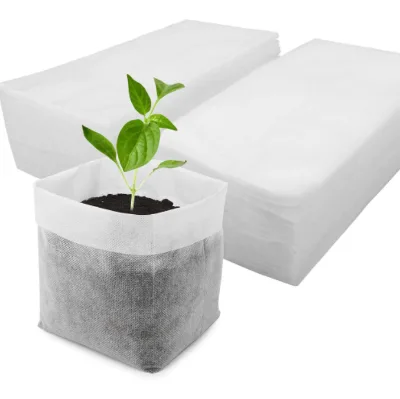
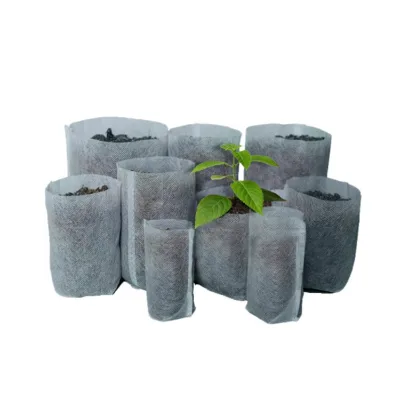
Biodegradable Seedling Bags Nursery Grow Bags Plants Seed Starter Bags Non-Woven Fabric
$0.01
MOQ: 100000 Pieces


Sichuan Zhifang Net Industry Co., Ltd.
- Verified by CTI
- Manufacturer/Factory
- China Sichuan
- Lead time23 days
- Avg. response≤ 13h
Main productsShade Net, Shade Sail, Insect Net, Ground Cover, Anti Bird Net, Anti Hail Net, Fence Screen, Balcony Screen, Planting Bag, Root Control Container
Main marketsSouth America,Eastern Europe,Mid East,North America,Southeast Asia,Eastern Asia,Oceania,Western Europe,Africa

Chongqing Bweiser Industry Company Limited
- Verified by CTI
- Trading Company,Manufacturer/Factory,Group Corporation
- China Chongqing
- Lead time45 days
- Avg. response≤ 3h
Main productsGarden Tools, Pizza Tools, Roadway Safety, BBQ, Raincoat, Handcrafts, Bait, Grillware, Cleaning Brush, Bar Shaker
Main marketsSouth America,Eastern Europe,Mid East,North America,Southeast Asia,Eastern Asia,Oceania,Western Europe,Africa


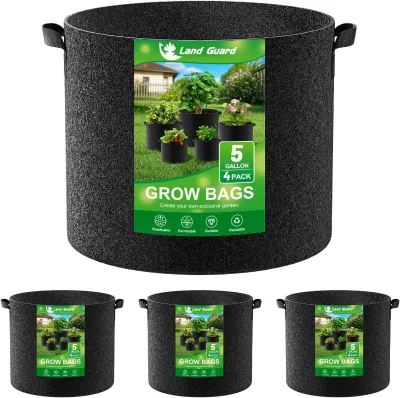
Non-Woven Seeding Nursery Bag Garden Fabric Pots Felt Tree Potato Plant Grow Bags
$1.00 - $5.00
MOQ: 500000 Pieces

$0.01 - $1.00
MOQ: 500000 Pieces

Non-Woven Seeding Growbags Nursery Planter Bag Garden Fabric Pots Felt Tree Potato Plant Grow Bags
$1.00 - $5.00
MOQ: 500000 Pieces


- Trading Company
- Zhejiang, China
- Lead time0 days
- Avg. response≤ 5h
Main productsgarden pot,garden tool,garden decoration
Main marketsNorth America(60.0%), Northern Europe(20.0%), South Asia(10.0%), Western Europe(10.0%)
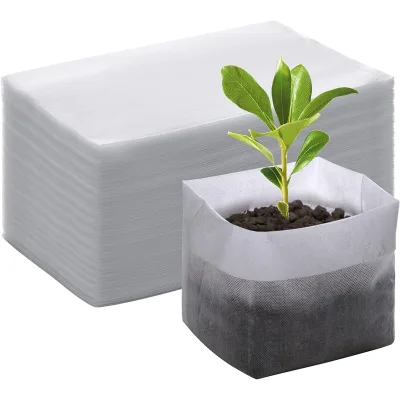
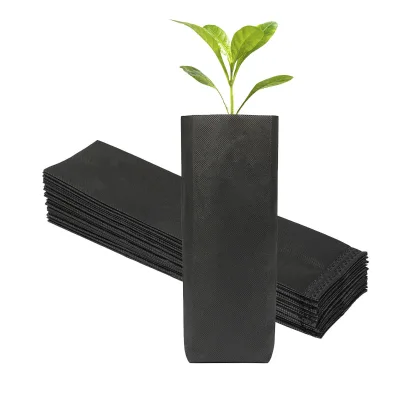
JQ Non-woven Fabric Plant Seedling Bags, Planting Bags for Breeding and Seedling Cultivation
$0.36 - $0.52
MOQ: 200 pieces
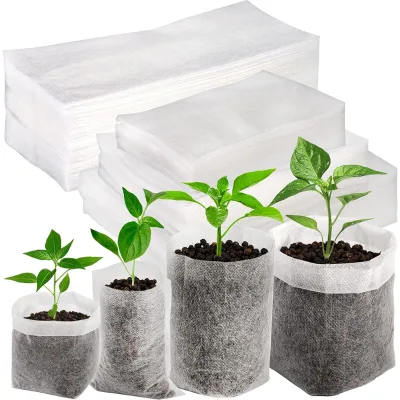
Horticultural Vegetable and Flower Non-woven Seedling Bags, Biodegradable Nursery Nutrient Bags
$1.38 - $1.53
MOQ: 200 pieces
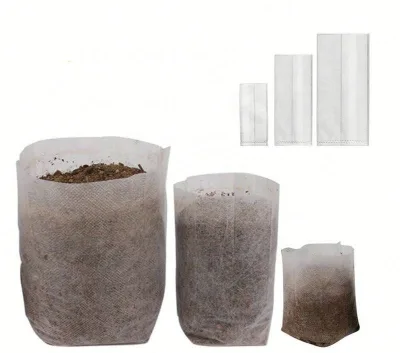

Haiyang Huike Packing Co., Ltd.
- Verified by SGS
- Combined
- China Shandong
- Lead time23 days
- Avg. response≤ 4h
Main productsGrow Bag
Main marketsAfrica,North America


$0.02 - $0.30
MOQ: 1000 Pieces


Plastic Nursery Bags Plant Grow Seedling with Breathable Holes PE Grow Bags Sapling Grow Bag
$0.02 - $0.30
MOQ: 1000 Pieces

Fujian Angel Nonwoven Fabric Tech Co., Ltd.
- Verified by SGS
- Manufacturer
- China Fujian
- Lead time15 days
- Avg. response≤ 8h
Main productsNonwoven Fabric, Disposable Bed Sheet, Meltblown, Nonwoven Bag, Mattress Cover, Earloop/Nose Wire for Mask, PLA/Pet Nonwoven Fabric, Landscape Cover, Weed Control, TNT Table Cloth
Main marketsSoutheast Asia/ Mideast,Europe


Non-Woven Seedling Bag Nursery Pots Seedling Raising Bag Plants Pouch Home Garden
$0.05 - $0.15
MOQ: 1000 kg


Eco-Friendly Nonwoven Fabric Biodegradable Grow Bag Vegetables Plant Seedlings Tree Seedlings Bag
$0.05 - $0.15
MOQ: 1000 kg

Eco Friendly Nonwoven Fabric Biodegradable Grow Bag Vegetables Plant Grow Seedlings Bag
$0.05 - $0.15
MOQ: 1000 kg
Guangdong Enon New Materials Technology Co, Ltd.
- Verified by Intertek
- Manufacturer, Trading Company
- Lead time15 days
- Avg. response≤ 1h
Main productsNonwoven Fabric, Spunbond Fabrics, Nonwoven Products, Weed Barrier Fabric, Landscape Fabric
Main marketsAfrica(40%), North America(30%), Western Europe(20%)
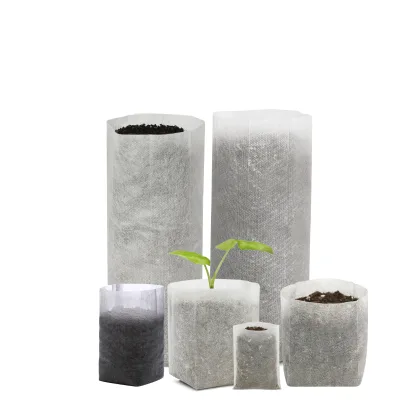
Biodegradable Non Woven Fabric 20cm X 20cm Nursery Seedling Bag for Potato Blueberry Seedling Growth
$0.01 - $0.03
MOQ: 2000 pieces
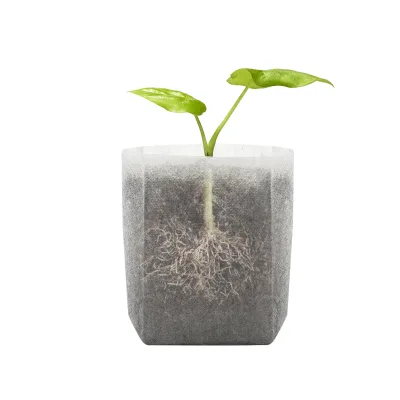
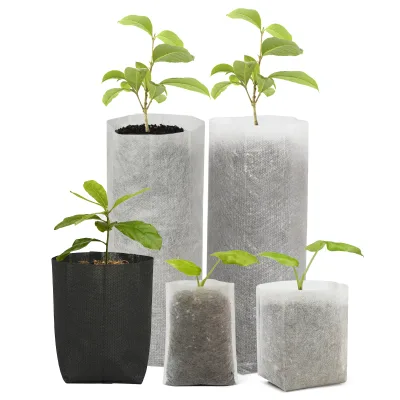
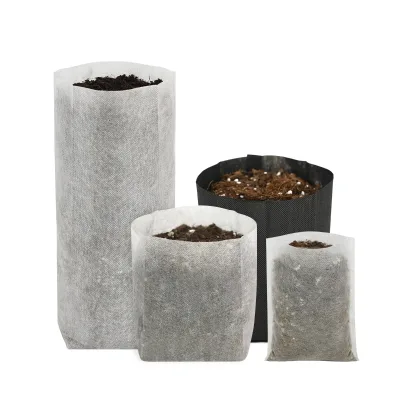
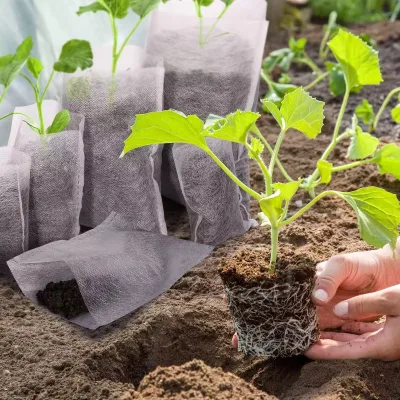
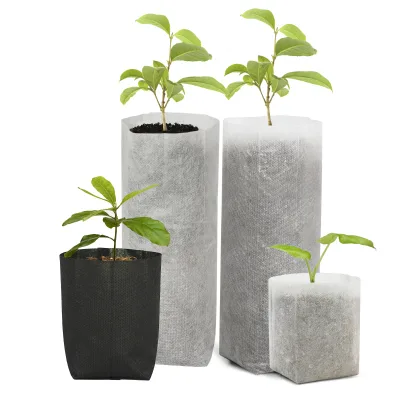
Thick Non Woven Seeding Grow Bags Large 2.3 X 5 in Hot Selling Nursery Bag for Flower Tree Vegetable
Contact supplier
MOQ: 2000
- Trading Company
- Zhejiang, China
- Lead time30 days
- Avg. response≤ 7h
Main productsHome Products,Garden Products,Gifts,Crafts,Tools
Main marketsNorth America(35.0%), Southern Europe(10.0%), Western Europe(10.0%), Northern Europe(10.0%), Eastern Europe(5.0%), Domestic Market(5.0%), Mid East(5.0%), South Asia(5.0%), Africa(5.0%), Southeast Asia(3.0%), South America(3.0%), Eastern Asia(2.0%), Oceania(2.0%)
Dongguan Zolink Craftworks Co., Ltd.
- Manufacturer, Trading Company
- Guangdong, China
- Lead time15 days
- Avg. response≤ 5h
Main productsGrow Bags,Fabric Pots,Plastic Pots,Grow tent,Garden Accessories
Main marketsNorth America(40.0%), South Asia(20.0%), Northern Europe(20.0%), Oceania(20.0%)
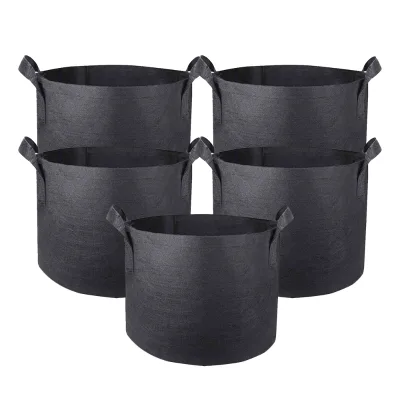
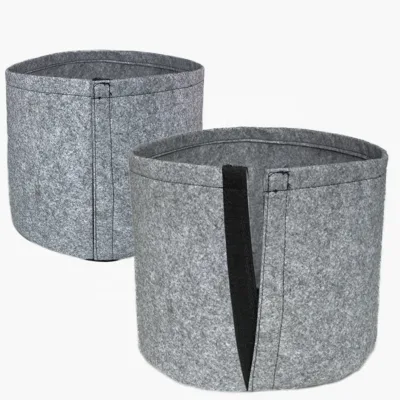
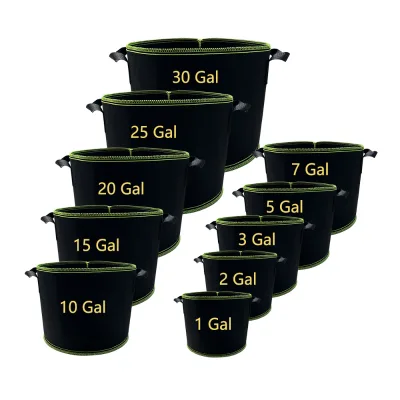
Wholesale All Size Non-Woven Seedling Nursery Bags for Plant Vegetable Fruit
$0.27 - $1.15
MOQ: 2 Minimum

Qingdao Haisan New Energy Co., Ltd.
- Verified by SGS
- Manufacturer/Factory
- China Shandong
- Lead time23 days
- Avg. response≤ 2h
Main productsPP Pet PE Woven/Nonwoven Geotextile, HDPE LDPE EVA PVC Geomembrane, Dewatering Bags/Geotextile Tube, Geotextile Bags/Plant Bags, HDPE PVC Geocell, Fiberglass Polyester Plastic Geogrid
Main marketsSouth America,Eastern Europe,Mid East,North America,Southeast Asia,Eastern Asia,Oceania,Western Europe,Africa
Guangzhou Saifeili Industrial Co., Ltd.
- Manufacturer, Distributor/Wholesaler, Other
- Guangdong, China
- Lead time15 days
- Avg. response≤ 4h
Main productsGrow Bag,Grow Tent,Air Conditioner Parts,Other Garden Supplies
Main marketsEastern Europe(30.0%), South Asia(15.0%), Southeast Asia(15.0%), North America(15.0%)
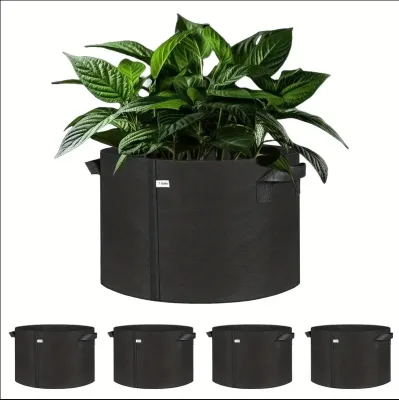
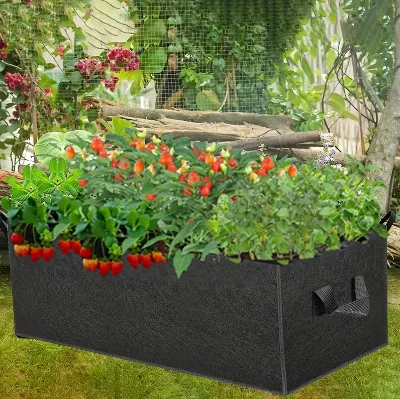
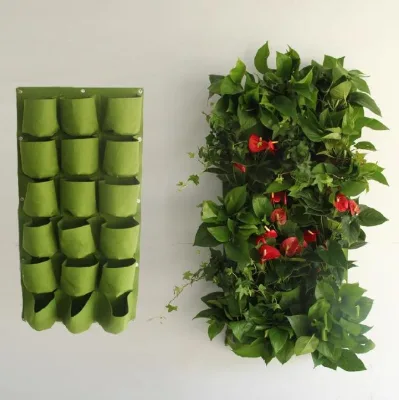
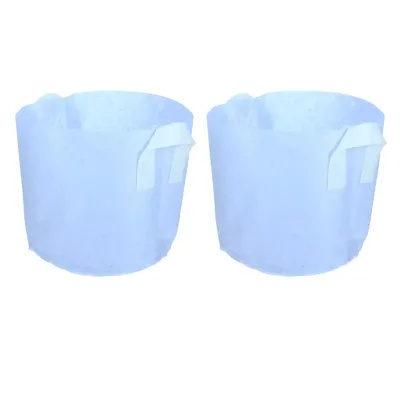
$2.07 - $28.00
MOQ: 100 Minimum
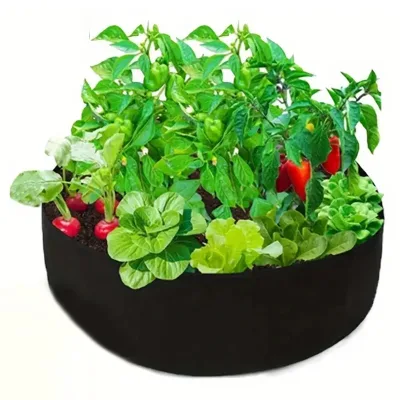
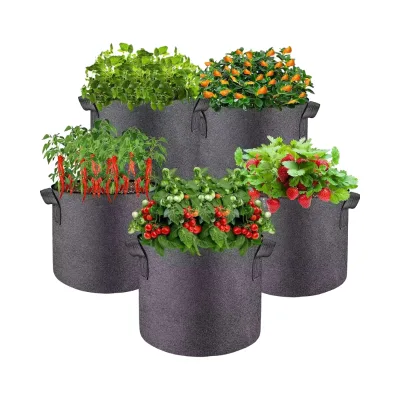
Hangzhou Yanjie Technology Co., Ltd.
- Trading Company
- Zhejiang, China
- Lead time30 days
- Avg. response≤ 1h
Main productsgrow tent kits,grow bags,grow trays,drying racks,trellis nettings
Main marketsNorth America(40.0%), Southeast Asia(15.0%), Western Europe(15.0%), South America(10.0%), Oceania(10.0%), Eastern Europe(5.0%), Northern Europe(5.0%)

Alusen(Dalian)Gardening Co., Ltd
- Verified by SGS
- Trading Company
- China Liaoning
- Lead time15 days
- Avg. response≤ 3h
Main productsRockwool Cubes/Plugs/Slabs, Expanded Clay Pebbles/ Leca/Clay Balls, Expanded Perlite/Vermiculite, Fabric Grow Bags, Seeding Trays, Hydroponic Grow Sponges, Lave Stone/ Pumice Stone/Pebbles Stone, Garden Edging, Garden Tools, Pet Products
Main marketsSouth America,Southeast Asia/ Mideast
Zhenjiang Huirong Import & Export Co., Ltd.
- Verified by Intertek
- Manufacturer, Trading Company
- Lead time30 days
- Avg. response≤ 6h
Main productsTwist Ties, Chenille Stems, Diy Accessories, Garden Accessories, Packing Labels
Main marketsNorth America(27%), Western Europe(15%), Southern Europe(13%)
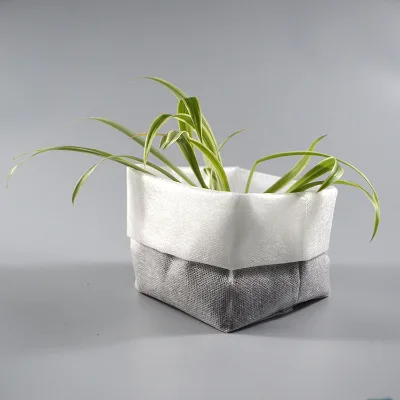
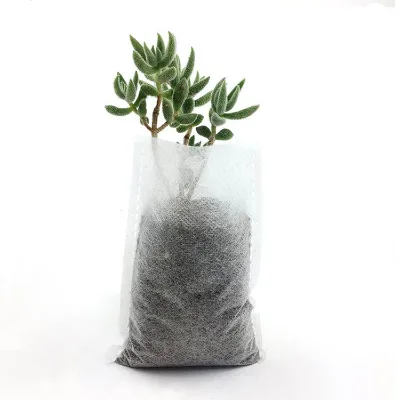
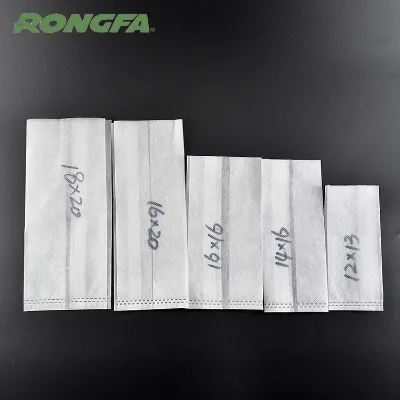
$0.19 - $0.32
MOQ: 1000 pieces
Yiwu Changhong Trading Co., Ltd.
- Trading Company
- Zhejiang, China
- Lead time7 days
- Avg. response≤ 2h
Main productsDrinking utensils,Drinking utensils accessories,Pickleball accessory products,Fitness and shaping
Main marketsNorth America(30.0%), Africa(15.0%), Western Europe(15.0%), Mid East(15.0%), Central America(10.0%), Southern Europe(10.0%), Eastern Asia(10.0%), Northern Europe(10.0%), South Asia(5.0%), Southeast Asia(5.0%), Eastern Europe(5.0%)

Qingdao Yide Shine Industry Co., Ltd.
- Verified by SGS
- Manufacturer/Factory
- China Shandong
- Lead time15 days
- Avg. response≤ 4h
Main productsPaper Bag, Kraft Paper Bag, Non Woven Bag, Craft Paper Bag, Value Bag, Shopping Bag, PE Bag, Paper Napkin, Take Away Food Bag, Hanburger Box
Main marketsSouth America,Eastern Europe,Mid East,North America,Southeast Asia,Eastern Asia,Oceania,Western Europe,Africa
- Verified by SGS Group
- Manufacturer, Trading Company
- Lead time15 days
- Avg. response≤ 3h
Main productsNeedle Punched Felt, Wool Felt, Felt Sheet, Felt Coaster, Felt Bags
Main marketsDomestic Market(40%), North America(9%), Eastern Europe(8%)

- Trading Company
- China Hubei
- Lead time0 days
- Avg. response≤ 2h
Main productsGarden Tool, Farm Tools, Poultry Equipment, Agricultural Machinery, Egg Incubator, Chainsaw, Flower Pot, Seedling Tray, Lawn Mower, Artificial Flower

$0.18 - $0.50
MOQ: 10000 Pieces


Dalian HLB New Material Technology Co., Ltd
- Verified by BV
- Combined
- China Liaoning
- Lead time30 days
- Avg. response≤ 3h
Main productsNonwoven Fabric, Bi-Component Es Nonwoven Fabric, Cooling Es Nonwoven Fabric, Thermal Bonding Nonwoven Fabric, Heat Sealing Nonwoven Fabric, Pet Nonwoven Fabric, Bio Degradable Nonwoven Fabric, PLA Nonwoven Fabric, Composite Material, Composite Nonwoven Fabric
Main marketsSoutheast Asia/ Mideast,East Asia(Japan/ South Korea),Europe
Pingnan Junong Mountain Farming Specialized Farmers Cooperative
- Manufacturer, Trading Company
- Fujian, China
- Lead time45 days
- Avg. response≤ 5h
Main productsAgriculture tool,Planting seeds,Gardening tool,Agriculture product,Chinese tea
Main marketsDomestic Market(11.0%), Western Europe(8.0%), Eastern Asia(8.0%), Southern Europe(8.0%), Oceania(8.0%), Africa(8.0%), Northern Europe(8.0%), Eastern Europe(8.0%), South America(8.0%), North America(5.0%), South Asia(5.0%), Mid East(5.0%), Southeast Asia(5.0%), Central America(5.0%)

NINGER PESTICIDE INDUSTRIAL CO., LTD.
- Trading Company,Manufacturer/Factory
- China Zhejiang
- Lead time23 days
- Avg. response≤ 9h
Main productsGlue Trap, Mouse Trap, Cockroach Killer, Mosquito Killer Lamp, Pest Repeller, Live Mouse Trap, Cockroach Trap, Pesticide, Fly Trap, Mosquito Killer
Main marketsSouth America,Eastern Europe,Mid East,North America,Southeast Asia,Eastern Asia,Oceania,Western Europe,Africa
Guangzhou Gangchang Package Co., Ltd.
- Manufacturer, Trading Company
- Guangdong, China
- Lead time15 days
- Avg. response≤ 3h
Main productsPackaging Bag,Plastic Bag,Non woven Bag,Paper Bag,Organza Bag
Main marketsDomestic Market(28.110000000000003%), North America(20.76%), South America(17.3%), Oceania(10.38%), Africa(6.49%), Northern Europe(5.19%), Eastern Europe(4.33%), Western Europe(3.03%), Southern Europe(2.6%), Southeast Asia(1.73%), Eastern Asia(0.08%)






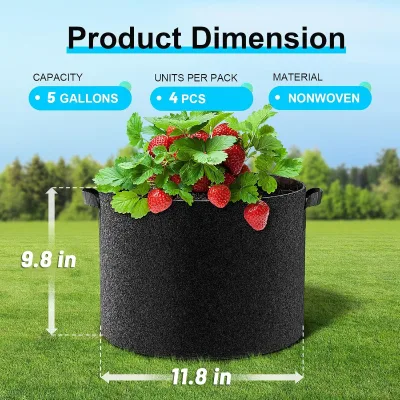


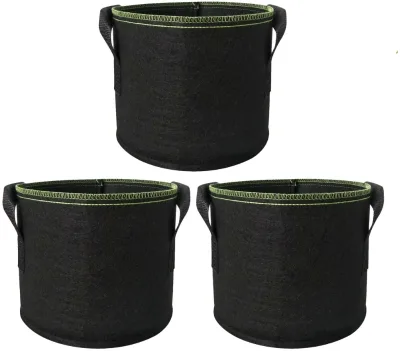
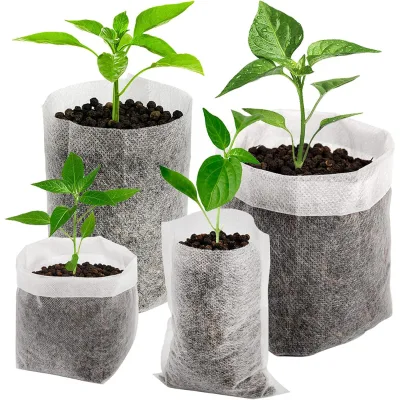
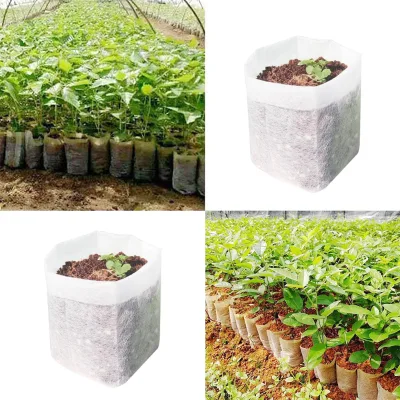




Comprehensive Sourcing Guide
Non Wovens Fabric Seedling Bag Supplier Concentration and Factory Types
Sourcing for the Non Wovens Fabric Seedling Bag category currently shows suppliers based in China, with listed company profiles in Shandong and Sichuan. Shandong-based manufacturers in these results focus heavily on woven and non-woven bag production, including biodegradable seedling bags, RPET woven bags, laminated non-woven bags and general non-woven shopping bags, which indicates a bag-converting specialization. Sichuan-based suppliers in the results lean toward horticultural and agricultural textiles such as shade nets, insect nets, ground covers and planting bags, suggesting a broader greenhouse-supply profile that also covers nursery bags. Treat these cluster signals as a starting map rather than a complete picture, since a single search page rarely captures every capable factory.
Factory types matter as much as geography. Manufacturer/factory listings generally indicate in-house slitting, cutting, sewing or ultrasonic welding of non-woven fabric, while trading companies may aggregate capacity from several converters. Some listed suppliers advertise OEM and ODM capability, and one Sichuan profile also claims an own brand alongside OEM and ODM service. When shortlisting, distinguish between factories whose main products are dominated by bags and those where seedling bags are a sideline within a wider netting or packaging catalogue. A sideline supplier may still be competitive, but engineering support for fabric weight, degradation behavior and seam strength is more likely from a specialist. Confirm factory status through business license review and an audit report before relying on any label shown on a listing.
How to Verify Non Wovens Fabric Seedling Bag Suppliers
Verification should begin with the credentials actually displayed, then move to evidence you request directly. Among current results, one Shandong manufacturer lists system certifications including ISO 9000, ISO 9001, ISO 14001, ISO 14000 and SEDEX, and a related product carries a Sedex/TUV notation. A Sichuan supplier shows ISO 9001 and ISO 14001 certification and a third-party verification flag labeled CTI. Do not assume every supplier on the page holds equivalent credentials; certificates must be checked against the issuing body, validity dates and the exact legal entity name. For biodegradable claims specifically, ask which standard the fabric is tested to and request the test report, because "biodegradable" in product titles is a marketing term, not a certificate.
Beyond paperwork, verify production reality. Ask for a video walk-through of the non-woven line, cutting tables and sewing or ultrasonic welding stations, and request recent photographs of seedling bag orders in progress. Confirm who performs quality checks: one listed product advertises 100% manual inspection, which is meaningful only if you see inspection records. Sample evaluation is essential in this category; one Shandong listing states samples are available, and you should confirm sample lead time and whether the sample is made on production tooling. Finally, verify trading history and export experience to your market, ask for two or three reference customers in horticulture, and reconcile any discrepancy between the platform profile, the business license and the certificate holder name before committing funds.
What to Compare Across Non Wovens Fabric Seedling Bag Suppliers
Build a comparison sheet from the attributes suppliers actually display, while accepting that not every listing shows every field. Useful dimensions visible in current results include location, lead time, response time, MOQ, price range, certifications, company type and main product lines. For example, lead times on this page range from 23 days at a Sichuan supplier to 45 days at a Shandong manufacturer, a gap that materially affects your replenishment planning. Response times also differ sharply, with one Shandong supplier reporting roughly 2.6 hours and a Sichuan supplier around 12.5 hours on average; fast response correlates with smoother sampling and issue resolution.
Compare MOQs against your volume reality. Listed minimums in these results vary enormously, from 100 or 1,000 pieces on Sichuan grow-bag products to 100,000 pieces on a Shandong biodegradable seedling bag listing, so matching MOQ to your demand forecast prevents overstock and dead inventory. Compare pricing only at equivalent specification: fabric weight (GSM), size, handle type, color and degradation performance must be normalized before a per-piece price is meaningful. Also compare customization depth. Several listings state customization is available, accept custom sizes, and support logo files in formats such as PSD, PDF, AI and Pantone references. Weigh OEM/ODM capability, packaging format (carton packing is common), and whether the supplier's main business is bags and horticultural textiles versus an incidental product line, since specialization usually predicts better technical support.
Common Non Wovens Fabric Seedling Bag Sourcing Risks
The most frequent risk in this category is specification drift between sample and production. Non-woven fabric is ordered by GSM, and substituting a lighter fabric reduces cost invisibly while weakening seams and shortening the bag's usable life in the nursery. Because one listed product is explicitly described as not waterproof and medium-soft in hardness, buyers expecting moisture resistance must state requirements explicitly rather than assuming. Another risk is ambiguous biodegradability: product titles advertise biodegradable or degradable materials, yet listings rarely cite the test standard, so you may receive conventional polypropylene non-woven unless a written material declaration is part of the contract.
Commercial risks follow. Very low advertised unit prices, such as the 0.008 figure on one Shandong listing, typically attach to the largest MOQ tier and the simplest specification; quoting at your actual size and print can change the price substantially. Long lead times, like the 45-day figure shown for one manufacturer, can strand a planting season if ordered late, and slow response times complicate urgent corrections. There is also inspection risk: a claim of 100% manual inspection does not specify AQL criteria, so define acceptance levels yourself. Finally, certification misuse is a real hazard; verify that SEDEX, ISO or TUV references belong to the producing entity, cover the relevant scope, and remain valid at shipment time. Mitigate all of these with a signed specification sheet, material declaration, golden sample and staged payment terms.
Non Wovens Fabric Seedling Bag Regional Sourcing and Logistics
Within the current results, both supply regions are inland Chinese provinces with distinct logistics implications. Shandong suppliers sit within reach of major eastern seaports, which generally supports straightforward FCL and LCL export for carton-packed goods; one Shandong listing specifies carton packing, the standard unit for seedling bags. Sichuan suppliers are farther inland, so container haulage to port adds cost and time, though one Sichuan listing shows a shorter 23-day lead time, which can offset inland transit for buyers who order ahead. Confirm with each supplier which port they ship from and who books freight, because this varies by seller.
Product characteristics shape packing and freight economics. Seedling bags are lightweight but bulky, so utilization of container volume matters more than weight; ask for carton dimensions and pieces per carton to calculate loading. One Sichuan listing packs 500 pieces per carton, and another lists a 70 by 50 specification with the same packing note, giving you a basis for volume estimates. Non-woven fabric is also sensitive to compression and moisture, so request inner liners or wrapped pallets for sea freight if bags must arrive clean and dry. Plan ordering around your nursery season rather than the supplier's calendar: with lead times of roughly one to two months shown in these results, sample approval, customization and holidays must all fit before your sowing window. Ask each shortlisted supplier for a door-to-port transit estimate to your named port.
Non Wovens Fabric Seedling Bag Commercial Terms and Order Planning
Structure commercial terms around the wide spread of MOQs and prices visible in this category. One Shandong biodegradable listing quotes 0.008 per piece at a 100,000-piece minimum, while Sichuan grow-bag listings show 0.30 to 1.58 per piece at 100-piece minimums and 0.30 to 0.80 at 1,000-piece minimums. These differences reflect product format, size and customization level, so always request quotes against a written specification: GSM, dimensions, color, logo printing, packing and inspection criteria. Negotiate tiered pricing if your volumes will grow, and confirm whether tooling, printing plates or sample fees apply and whether they are credited against the first order.
Order planning should sequence sample, trial production and repeat orders. Since samples are stated as available on at least one listing, use them to lock a golden sample, then run a first production order at the lowest workable MOQ to validate quality before scaling. Align payment structure with risk, for example a modest deposit with balance after pre-shipment inspection, and check whether any platform transaction protection or escrow arrangement applies to your chosen seller, as this varies by listing and is not uniform across suppliers. Anchor delivery dates to your planting calendar with a buffer, using the 23 to 45 day lead-time range in current results as a planning reference only. Finally, define reorders in advance, including fabric batch consistency, color tolerance against the Pantone reference and packaging details, so repeat orders stay aligned with the approved standard.
(Word count: approximately 1,380)
FAQs
What is a Non Wovens Fabric Seedling Bag used for?
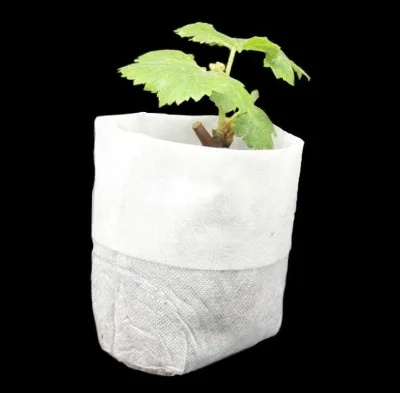
A Non Wovens Fabric Seedling Bag is used to start and grow seedlings for flowers, plants, vegetables, and trees in nurseries, greenhouses, and home gardens. The breathable non-woven fabric allows air and moisture through, supporting healthy root development. Many buyers use them for seed starting, plant nursery pouches, and transplanting seedlings directly into soil without removing the bag.
Are non-woven seedling bags biodegradable?
Many non-woven seedling bags are offered in biodegradable or degradable versions, and several listings in this category describe the fabric as biodegradable. However, biodegradability claims vary by material and supplier, so you should request the fabric composition and any relevant test documentation before ordering. Confirm the degradation conditions and timeframe in writing so the bags match your sustainability requirements.
What is the typical minimum order quantity for seedling bags?
Minimum order quantities vary widely by product and supplier. Listings in this category show MOQs ranging from 100 to 1,000 pieces for fabric grow pots, 2,000 pieces for biodegradable grow bags, and up to 100,000 pieces for certain items. Always confirm the MOQ for your chosen size, material, and customization level before requesting a quotation.
Can I customize the size, color, and logo of seedling bags?
Yes, customization is commonly available. Listings in this category advertise customized sizes, custom colors such as green, black, or white, and logo printing using files in PSD, PDF, AI, or Pantone formats. Custom orders are accepted, and samples are available from some suppliers, so you can verify fabric weight, stitching, and print quality before committing to a bulk production run.
How breathable are non-woven grow bags for roots?
Non-woven fabric is naturally breathable, which is a key selling point of these bags. Listings describe products as breathable seedling bags that support air pruning of roots and healthy drainage, helping prevent root circling. Because the fabric is breathable, the bags are generally not waterproof, so consider a saucer or liner if you plan to use them indoors on floors.
What is the typical production lead time for seedling bags?
Lead times reported in this category range from about 23 days to 45 days depending on the supplier and order complexity. Customized sizes, printed logos, and biodegradable materials can extend production time, so confirm the exact schedule before placing an order. Factoring in shipping time, start discussions early if your planting season has a fixed start date.
Which certifications should I look for when sourcing these bags?
Relevant certifications in this category include ISO 9001 and ISO 14001 quality and environmental management systems, plus SEDEX for ethical audit compliance. Some products are also listed as Sedex or TUV certified. Certification claims should be verified directly with the supplier by requesting current certificates, since the scope and validity of audits can differ between factories.
How much weight can a non-woven fabric grow bag hold?
Load-bearing capacity depends on fabric weight, seams, and handles. At least one listing in this category specifies a load-bearing capacity greater than 6 kg for a hand-held bag, though nursery seedling bags are typically filled with soil and not lifted. For heavier uses, request the fabric GSM, handle stitching method, and any load test results relevant to your application.