Non-Stick Silicone Spatula Suppliers and Manufacturers
Explore 29 verified suppliers offering non stick silicone spatulas with customizable features and varying lead times. Compare response times, MOQs, and product specifications to find the right partner. Contact suppliers directly to request samples and confirm pricing details; review the available evidence before requesting comparable quotations from suitable candidates.
Suppliers List

Jinhua Hengyang Cross-Border Trade Limited Liability Company
- Verified by SGS
- Trading Company
- China Zhejiang
- Lead time15 days
- Avg. response≤ 7h
Main productsCoffee Maker Air Fryer Storage Box Knife Set, Silicone Baking Mold Robot Vacuum Cleaning Table, Shower Head Non-Slip Shower Curtain Vacuum Stora, Collapsible Laundry Basket Bohemian Wall Tapestr, Fringe Pillow Cover Bedding Set Memory Foam Pill, Bamboo Tissue Biodegradable Trash Bags LED Fair, Smart Plug Fairy Lights Pet Food Bowl, Household Daily Necessities Kitchen Cleaning, Bathroom Storage and Care Fabric Home Decor, Bedding Daily Chemical Paper Products
Main marketsEurope


Multifunctional Silicone Spatula Spoon Household Use Non-Stick Pan High Temperature
$0.43 - $0.54
Moq: 600

Changsha Chengtong Technology Co., Ltd.
- Verified by SGS
- Trading Company
- China Hunan
- Lead time15 days
- Avg. response≤ 5h
Main productsCutting Board, Vegetable Chopper, Measuring Cup, Milk Frother, Measuring Spoon, Vegetable Peeler, Kitchen Scissors, Knife Sharpener
Main marketsSoutheast Asia/ Mideast


Heat Resistant and Non-Scratch Silicone Spatulas for Kitchen Daily Baking & Cooking
$0.30 - $0.40
Moq: 500


Wenzhou Cathylin International Trade Co., Ltd.
- Verified by TUVRHEINLAND
- Trading Company
- China Zhejiang
- Lead time15 days
- Avg. response≤ 15h
Main productsFlatware, Cutlery, Kitchen Tools, Tableware, Cookware, Bakeware, Drinkware
Main marketsNorth America
Shenzhen Guangyufeng Rubber Co., Ltd.
- Verified by SGS
- Trading Company,Manufacturer/Factory
- China Guangdong
- Lead time23 days
- Avg. response≤ 3h
Main productsSilicone Product, Silicone Rubber Product, Baby Product, Silicone Tube, Silicone Rubber Roller, Silicone Sex Toy, Silicone Mold, Silicone Kitchenware, Silicone Case, Silicone Strap
Main marketsSouth America,Eastern Europe,Mid East,North America,Southeast Asia,Eastern Asia,Oceania,Western Europe,Africa

Xiamen Flying Silicone Rubber Co., Ltd.
- Verified by TUVRHEINLAND
- Trading Company,Manufacturer/Factory
- China Fujian
- Lead time23 days
- Avg. response≤ 11h
Main productsSilicone Rubber Auto Parts, Silicone Rubber Keypad, Silicone Rubber Gasket, Silicone Rubber O-Ring, Silicone Rubber Valve, Silicone Rubber Kitchenware, Plastic Injection Parts, Silicone Rubber Gifts, Silicone Medical Accessories, LSR Baby Care
Main marketsSouth America,Eastern Europe,North America,Southeast Asia,Western Europe
Taizhou Qihe New Materials Co., Ltd.
- Manufacturer, Trading Company
- Zhejiang, China
- Lead time30 days
- Avg. response≤ 4h
Main productsSilicone water bottle,Kitchen accessories,Pet supplies,Mother and baby
Main marketsNorthern Europe(50.0%), North America(50.0%)

Hangzhou Hachi Technology Co., Ltd.
- Trading Company,Manufacturer/Factory
- China Zhejiang
- Lead time38 days
- Avg. response≤ 5h
Main productsCaulking Gun, Foam Gun, Air Caulking Gun, Can Crusher, Hot Melt Glue Gun, Two Component Dispensing Gun, Epoxy Cartridge Tube, Battery Caulking Gun, Silicone Sealant Wiper, Plastic Cartridge
Main marketsSouth America,Eastern Europe,Mid East,North America,Southeast Asia,Eastern Asia,Oceania,Western Europe,Africa
Dongguan Angna Rubber Plastic Products Co., Ltd.
- Manufacturer, Trading Company
- Guangdong, China
- Lead time15 days
- Avg. response≤ 2h
Main productsBaby Rattle, Baby Teether, Baby Teething Toys, Silicone Teether, Baby Silicone
Main marketsNorth America(30.0%), South America(20.0%), Western Europe(10.0%), Southern Europe(10.0%), Eastern Asia(10.0%), Domestic Market(10.0%), Mid East(10.0%)

Zhongshan Mingxin Silicone Manufactory
- Verified by SGS
- Combined
- China Guangdong
- Lead time15 days
- Avg. response≤ 5h
Main productsSilicone Kitchenware, Silicone Keypaid, Silicone Bracelet, Silicone Wristband, Silicone Ashtray, Silicone Tube, Silicone Watch, Silicone Rubber, Silicone Sex Doll, Silicone Mold
Main marketsEurope,North America

Durable Non-Stick Mini Silicone Spatula Butter Kitchen Silicone Cooking Spatula
$0.26 - $0.29
Moq: 500


Eagle Catering Equipment Co., Ltd.
- Manufacturer/Factory
- China Guangdong
- Lead time30 days
- Avg. response≤ 7h
Main productsTrolleys, Gastronorm Containers, Table, Shelves, Sink, Barrier Post, Cookware, Buffetware, Barware, Kitchen Utensils
Main marketsSouth America,Eastern Europe,Mid East,North America,Southeast Asia,Eastern Asia,Oceania,Western Europe,Africa
Dongguan Yangtai Silicone Products Co., Ltd
- Verified by SGS
- Combined
- China Guangdong
- Lead time15 days
- Avg. response≤ 3h
Main productsSilicone Bag, Silicone Pencil Case, Silicone Products, Silicone Kitchenware, Silicone Toys, Silicone Mold, Silicone Tap Night Light, Silicone Gift
Main marketsDomestic


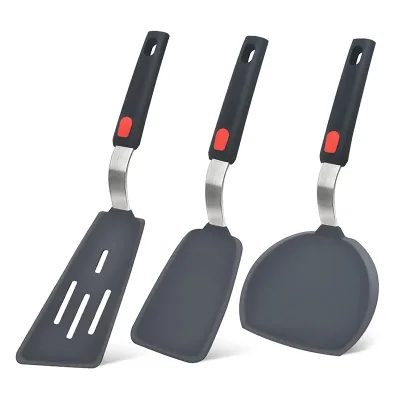
Flexible Silicone Cooking Spatula, Heat-Resistant Wide Turner for Non-Stick Cookware
$0.62 - $0.66
Moq: 500

Changsha Jiyuan Technology Co., Ltd.
- Trading Company
- Hunan, China
- Lead time0 days
- Avg. response≤ 3h
Main productsCookware Set,Steamer,frying pan,Stockpot,Set pot
Main marketsNorth America(20.0%), Northern Europe(10.0%), Africa(10.0%), Southeast Asia(10.0%), Mid East(10.0%), South America(10.0%), Oceania(5.0%), Central America(5.0%), Western Europe(5.0%), Eastern Asia(5.0%), Eastern Europe(5.0%), Southern Europe(3.0%), South Asia(2.0%)

Zhongshan Xinyuan Silicone Rubber Co. Ltd
- Verified by TUVRHEINLAND
- Combined
- China Guangdong
- Lead time15 days
- Avg. response≤ 2h
Main productsSilicone Mold, Silicone Ice Cube Tray, Silicone Wristband, Silicone Tea Infuser, Silicone Bakeware, Silicone Keychain, Silicone Cup Coaster, Silicone Bag
Main marketsSouth America,Southeast Asia/ Mideast,Domestic,Europe,North America

Jinjiang Jiaxing Supply Management Co., Ltd.
- Verified by TUVRHEINLAND
- Trading Company
- China Fujian
- Lead time30 days
- Avg. response≤ 1h
Main productsEVA Clogs, Flip Flop, Shoe Charms, Shopping Bags, Wristbands, Gifts, Promotional Gifts, Slipper, Sport Cap, Ball
Main marketsNorth America
Yiwu Modern Jincheng Commodity Co., Ltd.
- Trading Company
- Zhejiang, China
- Lead time35 days
- Avg. response≤ 5h
Main productsKitchen supplies/Daily necessities/Outdoor products/Household products,Swimwear,Electric bicycles / regular bicycles / scooters
Main marketsSouth America(50.0%), North America(30.0%), Eastern Europe(20.0%)

TAIZHOU HARSOUL IMP. & EXP. CO., LTD.
- Trading Company
- China Zhejiang
- Lead time30 days
- Avg. response≤ 14h
Main productsPromotion Gifts, Promotional Bag, Promotional Jewelry, Promotional Toys, Promotional Stationery, Promotional Plastic Goods
Main marketsOthers(foreignTradeCapacity.exportBusinessCapacityMarketOther),Europe,North America
Xiamen Cuten Nicety Accessories Industry Co., Ltd.
- Manufacturer, Trading Company
- Fujian, China
- Lead time15 days
- Avg. response≤ 3h
Main productsSilicone molds&silicone rubber products,Injection molding&plastic products,Pet Supplies & Pet,Baby Products,Kitchen Supplies
Main marketsNorth America(20.0%), Domestic Market(18.0%), Western Europe(15.0%), Eastern Asia(8.0%), Oceania(8.0%), South America(6.0%), Northern Europe(5.0%), Eastern Europe(5.0%), Southeast Asia(5.0%), Southern Europe(5.0%), Central America(2.0%), Africa(1.0%), South Asia(1.0%), Mid East(1.0%)

- Verified by SGS
- Trading Company,Manufacturer/Factory
- China Zhejiang
- Lead time23 days
- Avg. response≤ 5h
Main productsTent, Project Screen, Bicycle, Trampoline, Backpack, Kitchenware, Hammock, Pet Accessories, Garden Products
Main marketsSouth America,Eastern Europe,Mid East,North America,Southeast Asia,Eastern Asia,Oceania,Western Europe,Africa
Dongguan Achievement Rubber & Plastic Co., Ltd.
- Combined
- China Guangdong
- Lead time23 days
- Avg. response≤ 4h
Main productsSilicone Face Cleanser, Baby Feeder, Silicone Ear Plugs, Silicone Keypad, Silicone Side Cover of Speaker, Silicone Cake Mould, Silicone Oven Gloves, Silicone Utensils, Silicone O Ring, Silicone USB Dust Plug
Main marketsEurope

Milesun Rubber & Plastic Technology Co., Ltd.
- Verified by CTI
- Manufacturer/Factory
- China Guangdong
- Lead time23 days
- Avg. response≤ 11h
Main productsRubber Components, Rubber Damper/Shock Absorber/Sheet, Rubber-Metal Components, Sealing Ring, Home Appliance Rubber and Metal Components, Power Tool Rubber and Metal Components, Auto Rubber and Metal Components, Sanitary Rubber and Metal Components, Kitchen Ware / Daily Use Rubber Products, Food Grade Rubber Products/Toy
Main marketsSouth America,Eastern Europe,Mid East,North America,Southeast Asia,Eastern Asia,Oceania,Western Europe,Africa


Cooking Silicone Spatula Mixing Batter Scraper Spoon Ladle
Contact supplier


Silicone Spatula Butter Spatula Baking Tool
Contact supplier

Factory Wholesale Small and Large Silicone Spatula
Contact supplier

YONGKANG HOMESHINE SILICONE PRODUCTS CO., LTD.
- Combined
- China Zhejiang
- Lead time23 days
- Avg. response≤ 24h
Main productsGlass Lid
Main marketsSouth America,East Asia(Japan/ South Korea),Domestic,Europe,North America
- Verified by BV
- Trading Company,Manufacturer/Factory
- China Zhejiang
- Lead time23 days
- Avg. response≤ 5h
Main productsYoga Wear, Sports, Outdoor, Travel Gear, Kitchenwares, Homewares
Main marketsSouth America,Eastern Europe,Mid East,North America,Southeast Asia,Eastern Asia,Oceania,Western Europe,Africa

Yangjiang C&B Consumer Product Limited
- Combined
- China Guangdong
- Lead time150 days
- Avg. response≤ 5h
Main productsBarbecue Tongs, Grilling Brushes, Outdoor Shovel, Grilling Tools, Kitchen Ware, Outdoor Products, Pizza Tools, Knife Set
Main marketsSouth America,Southeast Asia/ Mideast,Domestic,Europe,Australia,North America


Baking Pastry Tools, Non-Stick Silicone Spatula Brush, Bakeware, Kitchen Tools
$1.16 - $1.26
Moq: 1000


GuangDong Infull Industrial Co., Ltd.
- Verified by TUVRHEINLAND
- Manufacturer/Factory
- China Guangdong
- Lead time45 days
- Avg. response≤ 3h
Main productsCutlery & Flatware, Dinnerware&Tableware, Tray&Lunch Plate, Ceramic Dinnerware, Kitchenware, Baking & Pastry Tools, Kitchen Knife, Kitchen Gadgets, Barware, Drinkware
Main marketsSouth America,Eastern Europe,Mid East,North America,Southeast Asia,Eastern Asia,Oceania,Western Europe,Africa


Non-Stick Heat-Resistant Scraper Silicone Kitchen Spatula for Cooking and Mixing
$0.52 - $0.61
Moq: 100

Shenzhen Hewang Silicone Product Co., Ltd.
- Verified by CTI
- Combined
- China Guangdong
- Lead time23 days
- Avg. response≤ 11h
Main productsSilicone Food Storage Bag, Silicone Travel Bottles, Silicone Air Fryer Liner, Silicone Coffee Cup, Silicone Food Lunch Box Container, Silicone Makeup Scrubber/Brush, Travel Bottles Set, Silicone Mold, Silicone Dog Pet Bottle/Bowl, Silicone Ice Tray
Main marketsSouth America,Southeast Asia/ Mideast,East Asia(Japan/ South Korea),Domestic,Europe,North America
Tsingtao Haiyou Electrical Appliances Co., Ltd.
- Verified by SGS
- Trading Company
- China Shandong
- Lead time30 days
- Avg. response≤ 11h
Main productsCommercial Refrigerator, Neutral Stainless Steel, Cooking Equipment, Bakery Equipment, Forrd Processing Machine, Pet Equipment, Pet Veterinary Equipment, Gn Pan, Gas Range, Beverage Cooler
Main marketsEurope
Ningbo General Union Co., Ltd.
- Verified by BV
- Trading Company
- China Zhejiang
- Lead time30 days
- Avg. response≤ 12h
Main productsCleaning Brush, Bottle, Kitchenware, Storage Box, Outdoor, Pet, Fitness Equipment, Digital Devices, Camping, Pet Bottle
Main marketsSouth America,Africa,Southeast Asia/ Mideast,East Asia(Japan/ South Korea),Europe,Australia,North America

Xiamen Newtop Material Company
- Verified by TUVRHEINLAND
- Combined
- China Fujian
- Lead time15 days
- Avg. response≤ 3h
Main productsSilicone Pet Prodcuts, Silicone Housewares Product, Silicone Baby Product, Silicone Parts, Silicone Cap, Silicone Breast Pump, Slow Feeder, Silicone Pet Mat, Silicone Gasket, Silicone Hose
Main marketsEurope,North America
- Trading Company
- China Zhejiang
- Lead time30 days
- Avg. response≤ 11h
Main productsHome Appliance, Cookware Set, Thermos, Home Storage, Furniture, Pet Supplies, Garden Tools, Outdoor Supplies, Baby Supplies, Houesehold Items
Main marketsSouth America,Africa,Southeast Asia/ Mideast,East Asia(Japan/ South Korea),Domestic,Europe,Australia,North America








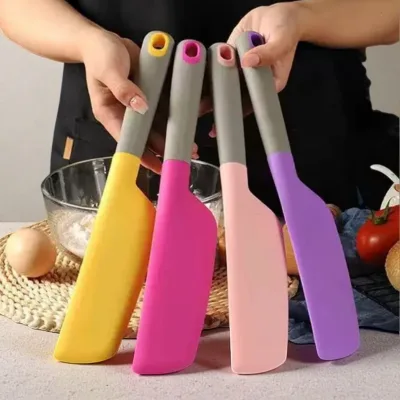


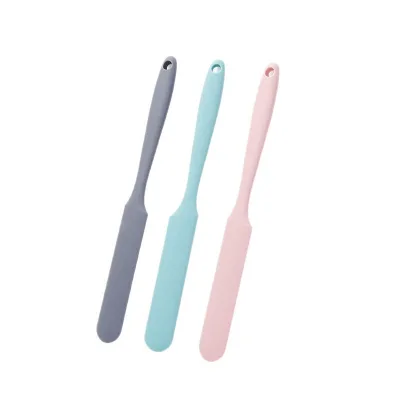
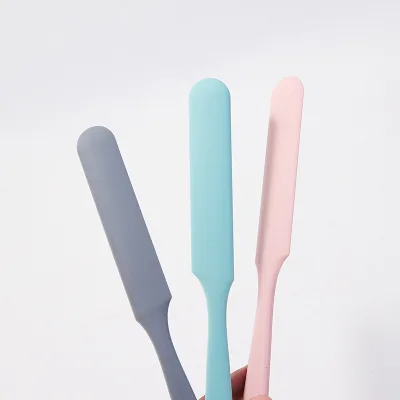


Comprehensive Sourcing Guide
Non-Stick Silicone Spatula Supplier Concentration and Factory Types
The current supplier results indicate a concentration of manufacturers and trading companies primarily located in China, with specific evidence pointing to the Zhejiang province as a key manufacturing hub. One verified supplier profile explicitly lists Zhejiang as the province of origin, while another confirms the broader location as China Zhejiang. This regional clustering suggests that buyers sourcing non stick silicone spatulas should expect a significant portion of the supply chain to originate from this coastal industrial region, known for its extensive kitchenware production capabilities. The presence of multiple product listings with Zhejiang origins reinforces the likelihood of a dense network of factories specializing in silicone kitchen tools within this area.
Regarding company types, the available data identifies the primary supplier category as a Trading Company, which acts as an intermediary between the buyer and the actual manufacturing facilities. While the specific factory names are not disclosed in the results, the trading company structure implies that these entities manage the logistics, quality control, and communication for multiple production lines. Buyers should anticipate that the actual production of items like the silicone spatula with model number KHL4475 or the stainless steel variant KHL4418 may occur in various workshops within the identified regions. Understanding this distinction is crucial, as trading companies often offer broader product ranges, such as the diverse mix of coffee makers and storage boxes seen in some profiles, compared to specialized single-product factories.
How to Verify Non-Stick Silicone Spatula Suppliers
Verification of supplier credibility relies heavily on checking for third-party audit reports and specific verification badges provided in the supplier profile. In the current dataset, one supplier is explicitly marked as verified by SGS, a globally recognized inspection and certification body. This verification status serves as a critical indicator that the company has undergone a formal assessment of its business operations, production capacity, and compliance standards. Buyers should prioritize suppliers displaying similar third-party verification marks, as this reduces the risk of engaging with unvetted entities. The absence of such a badge does not automatically disqualify a supplier, but it necessitates a more rigorous due diligence process to confirm their legitimacy before proceeding with any transaction.
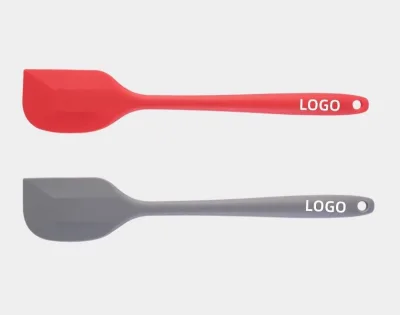
Beyond verification badges, buyers must scrutinize the specific product attributes and customization capabilities listed in the supplier catalog to ensure alignment with their requirements. The data shows that customization is available for several Non-Stick Silicone Spatula models, including options for custom colors, logos, and printing. For instance, one product listing explicitly states that OEM and ODM services are highly welcomed, allowing for tailored branding and design modifications. Buyers should verify these claims by requesting samples that match the specified customization parameters, such as the "Custom Color" or "Logo" options mentioned. Additionally, checking the material composition, such as the distinction between silicone and stainless steel components, ensures the product meets the intended functional standards for non-stick performance and heat resistance.
What to Compare Across Non-Stick Silicone Spatula Suppliers
When evaluating potential partners, buyers should systematically compare key operational metrics such as lead times, minimum order quantities, and response speeds to determine logistical feasibility. The current results reveal a lead time of 15 days for at least one supplier, which serves as a benchmark for production and shipping schedules. Minimum order quantities vary significantly across the product range, with some items requiring as few as 70 units while others demand 800 units. This variance allows buyers to select suppliers that match their inventory strategy, whether they are seeking small-batch testing or large-scale distribution. Response times also differ, with recorded averages around 4.43 to 6.42 hours, indicating the level of customer service and communication speed a buyer can expect during the inquiry phase.
Price and material specifications are equally critical dimensions for comparison, as they directly impact the total cost of ownership and product quality. The price range for non stick silicone spatulas in the current data spans from approximately $0.32 to $5.46 per unit, depending on the specific model, material composition, and packaging requirements. For example, a basic silicone spatula may cost significantly less than a premium version featuring a wooden handle or complex packaging. Buyers must also compare the stated material properties, such as the "High Temperature Resistant" feature or the use of "Food Grade Silicone," to ensure the product meets safety standards. By aligning these price points and material attributes with their specific budget and quality expectations, buyers can make informed decisions that optimize their sourcing strategy without compromising on essential product characteristics.
Common Non-Stick Silicone Spatula Sourcing Risks
One significant risk in sourcing non stick silicone spatulas involves the potential mismatch between advertised customization capabilities and actual production output. While several product listings indicate that customization is available, including options for custom logos and colors, buyers must verify that the supplier has the technical capacity to execute these requests consistently. The data shows varying levels of detail regarding customization, with some entries specifying "Custom Color, Logo, Printing" while others simply state "Available." This ambiguity can lead to discrepancies in the final product, where the delivered items may not match the approved samples or the agreed-upon design specifications. Buyers should mitigate this risk by requesting detailed production drawings and pre-shipment samples that explicitly confirm the customization details before authorizing mass production.
Another critical risk relates to the consistency of material quality and adherence to safety standards, particularly concerning food contact materials. The product evidence highlights materials such as silicone and stainless steel, with some listings emphasizing "Eco-Friendly" features and "Food Grade" status. However, without explicit certification data for every supplier, there is a risk that the materials used may not meet the rigorous safety standards required for kitchenware. Some profiles list certifications as "NIL," which necessitates immediate verification of the material safety reports. Buyers should insist on third-party test reports confirming that the silicone is free from harmful substances and that the product can withstand high temperatures without degrading. Failing to verify these material properties can result in product recalls or damage to the buyer's brand reputation.
Non-Stick Silicone Spatula Regional Sourcing and Logistics
The primary sourcing region identified in the current data is China, with specific emphasis on the Zhejiang province as a manufacturing center. One supplier profile explicitly lists Zhejiang as the province of origin, while another confirms the broader location as China Zhejiang. This concentration suggests that logistics planning should account for the specific shipping routes and port facilities available in this coastal region. Buyers should anticipate that most shipments will originate from major ports in Zhejiang, such as Ningbo or Shanghai, which are well-connected to global trade networks. Understanding the specific port of origin is essential for calculating accurate freight costs and transit times, as these factors can vary significantly depending on the exact location of the factory within the province.
Logistics planning must also consider the packaging standards and dimensions provided in the product specifications to optimize container loading and shipping efficiency. The data includes specific product dimensions, such as 25.311.81cm for one model and 38108 for another, along with packaging types like "Carton" or "Single" packaging. These details are crucial for determining the volume of goods that can be shipped per container and for estimating the overall shipping cost. Buyers should work closely with their logistics partners to ensure that the packaging is robust enough to protect the non stick silicone spatulas during transit while minimizing wasted space. Additionally, the lead time of 15 days mentioned in the data should be factored into the overall supply chain timeline to ensure timely delivery to the destination market.
Non-Stick Silicone Spatula Commercial Terms and Order Planning
Commercial terms for Non-Stick Silicone Spatula orders are heavily influenced by the minimum order quantities and pricing structures observed in the supplier data. The MOQs range widely, from as low as 70 units for certain models to as high as 800 units for others, requiring buyers to carefully plan their initial order volumes to meet supplier thresholds. Pricing also varies significantly, with unit costs ranging from $0.32 to $5.46, depending on the complexity of the design and the materials used. Buyers should negotiate based on these tiers, aiming to secure volume discounts while ensuring that the order quantity aligns with their sales forecasts and storage capabilities. Understanding these commercial terms is essential for maintaining healthy profit margins and avoiding overstocking or stockouts.
Order planning must also account for the response times and lead times provided by the suppliers to ensure a smooth procurement process. The data indicates response times ranging from 4.43 to 6.42 hours, which suggests a relatively quick turnaround for initial inquiries and negotiations. However, the lead time of 15 days for production requires buyers to place orders well in advance of their expected sales dates. Buyers should incorporate buffer time into their planning to accommodate potential delays in production or shipping. Additionally, the availability of customization options, such as custom logos and colors, should be factored into the timeline, as these processes may extend the overall lead time. By aligning their order planning with these operational realities, buyers can ensure a reliable supply chain for their Non-Stick Silicone Spatula products.
FAQs
What is the price range for non stick silicone spatulas?
Prices for non stick silicone spatulas typically range from $0.32 to $5.46 per unit. The final cost depends on the specific model, material quality, and customization options selected. Buyers should review the detailed product attributes to understand the exact pricing for their required specifications and order volume.
What are the minimum order quantities for these products?
Minimum order quantities vary significantly by product type. Some items require as few as 70 units, while others demand 800 units or more. Buyers must check the specific MOQ for each model to ensure their order meets the supplier's requirements and to plan their inventory accordingly.
Where are these suppliers located?
Suppliers for these items are primarily located in China, specifically in the Zhejiang and Hunan provinces. This geographic concentration allows for efficient manufacturing and logistics. Buyers can filter results by these locations to find suppliers that best match their shipping and sourcing preferences.
How fast do suppliers typically respond to inquiries?
Response times for these suppliers range from approximately 4.43 to 6.42 hours. Faster response times indicate a more active sales team. Buyers should prioritize suppliers with quicker response rates to ensure timely communication and smoother negotiation processes during the sourcing phase.
Is customization available for these spatulas?
Customization is widely available for many Non-Stick Silicone Spatula models. Options often include custom colors, logos, and printing services. Buyers seeking branded products should verify the specific customization capabilities and any associated costs or minimum order requirements with the supplier before placing an order.
What is the typical lead time for production?
The typical lead time for production is around 15 days. This timeframe allows for manufacturing and quality control processes. Buyers should confirm the exact lead time with the supplier, as it may vary based on order volume, customization complexity, and current production schedules.