Offroad Truck Steel Roll Bar Suppliers and Manufacturers
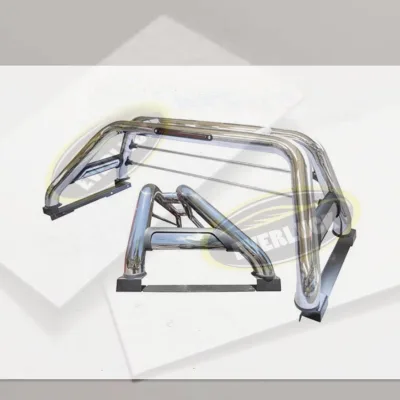
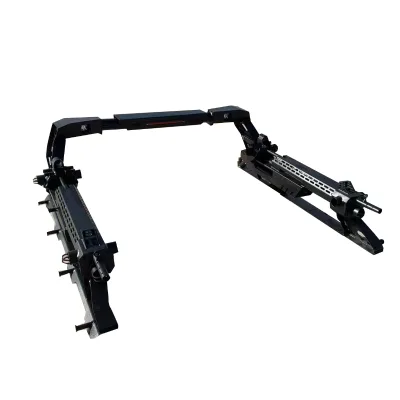
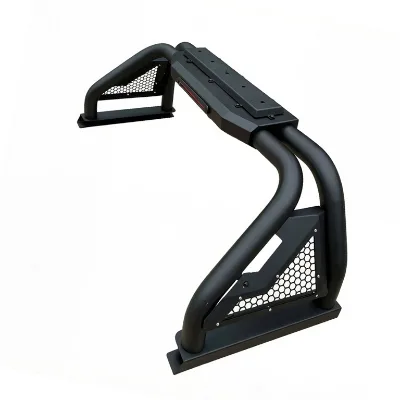
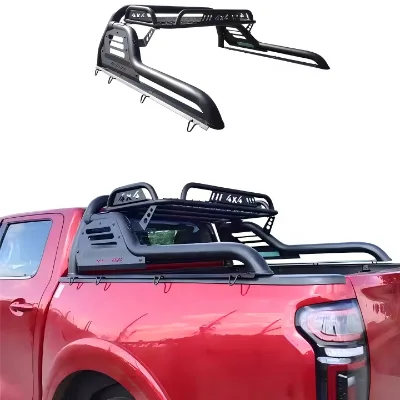
Compare 25 verified suppliers of Offroad Truck Steel Roll Bar based on location, lead times, MOQ, response times, certifications, and prices. Review product specifications like material and customization options, then contact suppliers directly to request quotes; review the available evidence before requesting comparable quotations from suitable candidates.
Updated
Suppliers List

Lechang Xin dongsui Auto Accessories Co., Ltd.
- Verified by TUVRHEINLAND
- Combined
- China Guangdong
- Lead time23 days
- Avg. response≤ 4h
Main productsCar Bumpers, Roll Bar, Bull Bar, Grille Guard, Grille Guard Bumper, Side Step, Rear Skid Bar, Roof Rack, Semi Truck Front Bumper, 4X4 Roll Bar Pickup Roll Bar
Main marketsAustralia,North America


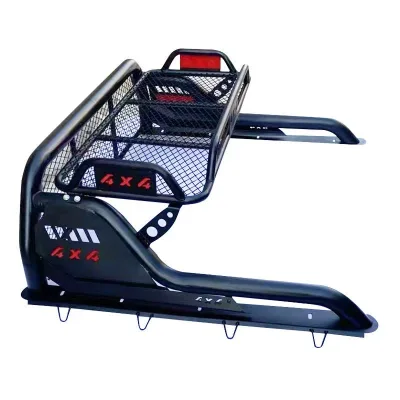
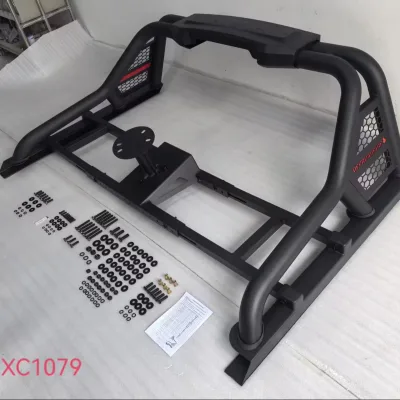
Car Accessory Steel Pipe Rollover Protection Anti-Roll Frame Pickup Truck Roll Bar
$83.00 - $100.00
MOQ: 20 Sets

Factory Wholesale Steel Universal Anti Rollover Truck Roll Bar for Pickup
$80.00 - $100.00
MOQ: 20 Sets

Factory Wholesale Steel Universal Truck Anti Rollover Roll Bar Sport Roll Bar for Pickup Truck Car
$85.00 - $105.00
MOQ: 20 Sets

Factory Wholesale Steel Universal Truck Roll Bar Sport Roll Bar for Pickup Truck Car
$60.00 - $70.00
MOQ: 20 Sets

Factory Wholesale 4X4 off Road Anti Rollover Universal Roll Bar Sport Roll Bar for Pickup Trucks
$110.00 - $130.00
MOQ: 20 Sets

Beijing Efon Technology Co., Ltd.
- Verified by SGS
- Trading Company
- China Beijing
- Lead time60 days
- Avg. response≤ 17h
Main productsTonneau, Cover, Pickup, Truck, Modification
Main marketsEurope

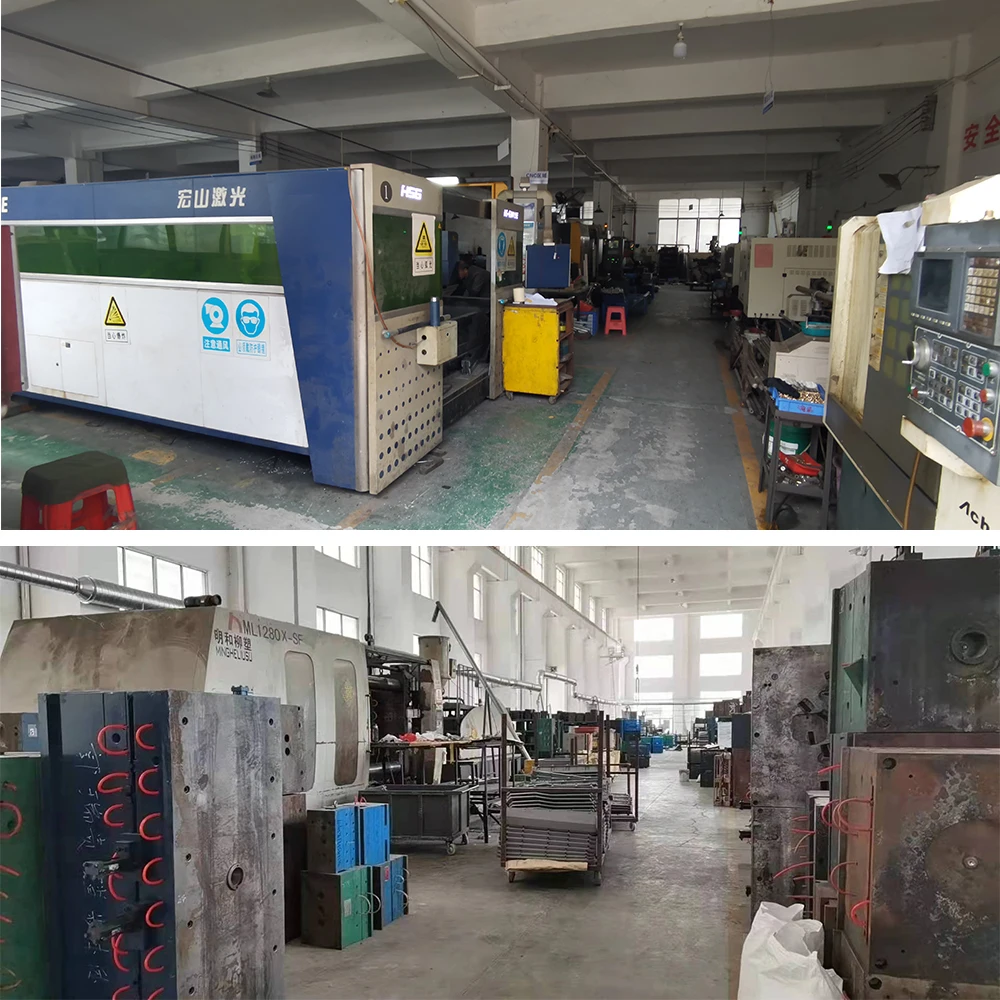
Ningbo Tower Machinery Co., Ltd
- Verified by TUVRHEINLAND
- Manufacturer/Factory
- China Zhejiang
- Lead time30 days
- Avg. response≤ 7h
Main productsSheet Metal Fabrication, CNC Machining Parts, Laser Cutting Parts, Tube Bending Parts, Welding Parts, Stamping Parts, Bus Seat, Trailer Jack, Electric Winch, Wheel Spacer
Main marketsSouth America,Eastern Europe,Mid East,North America,Southeast Asia,Eastern Asia,Oceania,Western Europe,Africa
Foshan Shunde Cavin Auto Accessories Co., Ltd.
- Manufacturer, Trading Company
- Guangdong, China
- Lead time30 days
- Avg. response≤ 3h
Main productsRoll Bar,Bumper,Canopy,Running Board,Roof Rack
Main marketsWestern Europe(50.00%), South America(30.00%), North America(10.00%), Southeast Asia(6.00%), Oceania(4.00%)
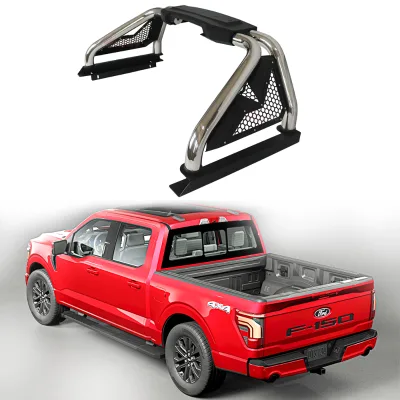
Weather Resistant Steel Pickup Roll Bar for Off - Road & Daily Use Truck Anti - Roll Frame
$76.9009 - $78.9518
MOQ: 20 sets
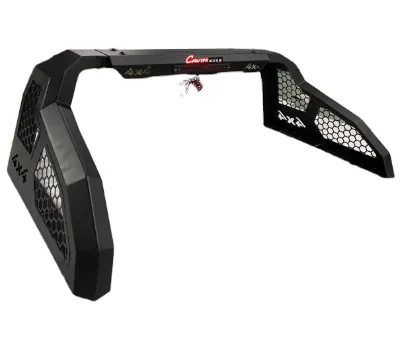
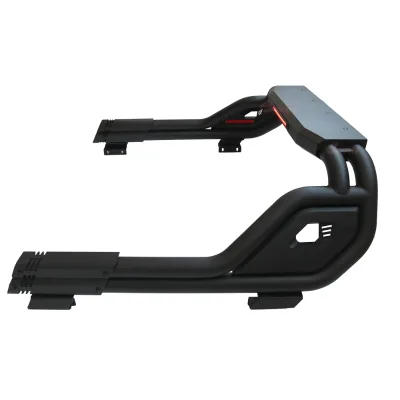
Factory Pickup Accessories Offroad 4X4 Steel Pickup Truck Anti Roll Bar for F151
$110.00 - $115.00
MOQ: 20
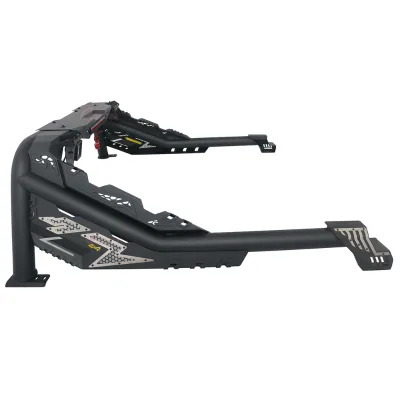
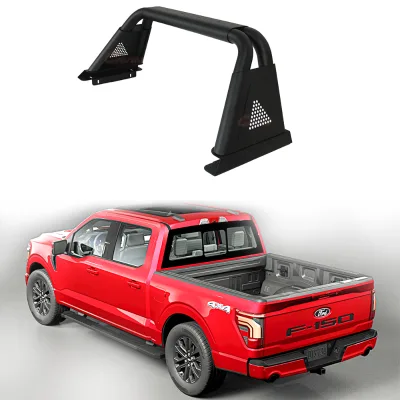
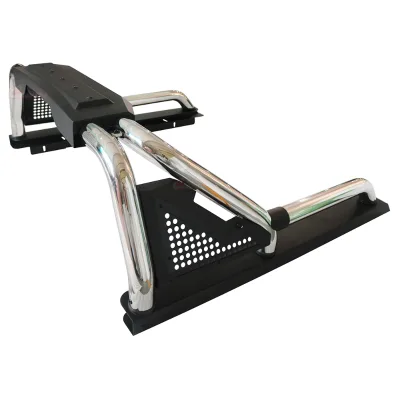
4x4 Pickup Manganese Steel High Load Bearing Rust Proof Coated Roll Bar Fits Tundra
$140.00 - $148.00
MOQ: 20

Hengyun Auto Accessory Co., Ltd.
- Manufacturer, Trading Company, Distributor/Wholesaler
- Guangdong, China
- Lead time40 days
- Avg. response≤ 4h
Main productsGRILLE GUARD,DEER GUARD,ROOF RACK,ROLL BAR,DEER GUARD
Main marketsMid East(15.00%), South America(15.00%), North America(15.00%), Domestic Market(10.00%), Southeast Asia(10.00%)
Jiangsu Pingwei Material Technology Co., Ltd.
- Verified by TüVRheinland
- Manufacturer, Trading Company
- Lead time25 days
- Avg. response≤ 4h
Main productsAuto Pickup Truck Modification Parts
Main marketsDomestic Market(65%), North America(12%), Mid East(3%)
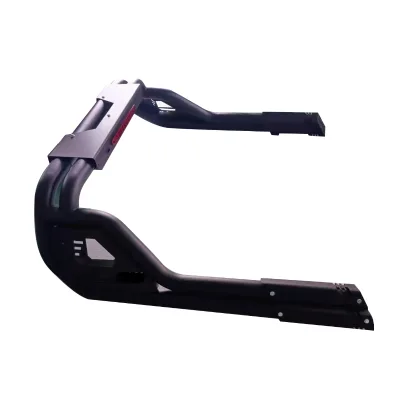
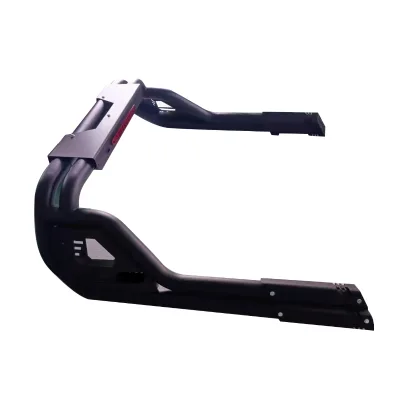
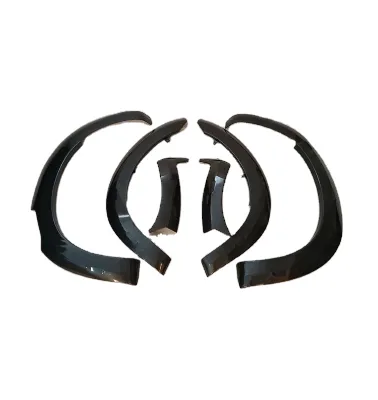
Universal Roll bar Truck Roll Bars Pickup Accessories for ford F150
$195.00 - $265.00
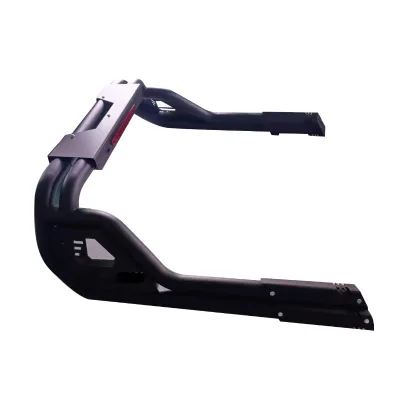
Cheap Factory Price Pickup Auto 4x4 Offroad Accessories Universal Roll Bar for F150
$115.00 - $175.00
MOQ: 5
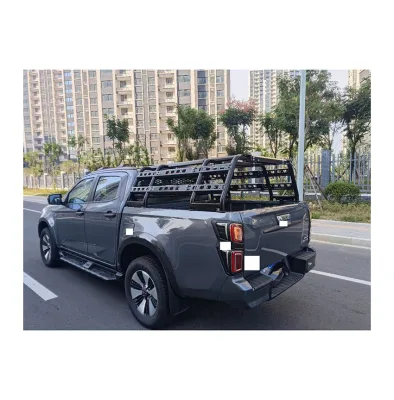
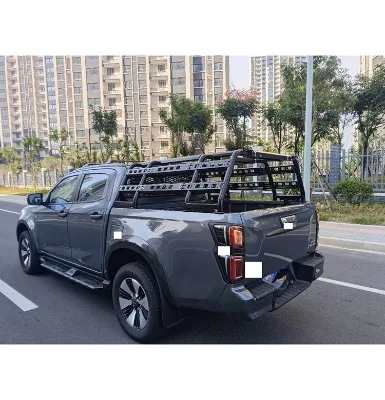
$169.182 - $220.4482
MOQ: 1 pieces

Guangzhou Longgan Car Accessories Co., Ltd.
- Manufacturer, Distributor/Wholesaler, Business Service (Transportation, finance, travel, Ads, etc)
- Guangdong, China
- Lead time7 days
- Avg. response≤ 3h
Main productsMain categories: Professional One-Stop Service For American Truck Accessories and Pickup & Off Road 4x4 accessories,Semi Truck Deer Guard,Pickup Truck Canopy,Roller Shutter,Front & Rear Bull Bar
Main marketsNorth America(40.00%), South America(25.00%), Africa(10.00%), Northern Europe(5.00%), Central America(5.00%), Eastern Asia(5.00%), Mid East(5.00%), Southeast Asia(5.00%)
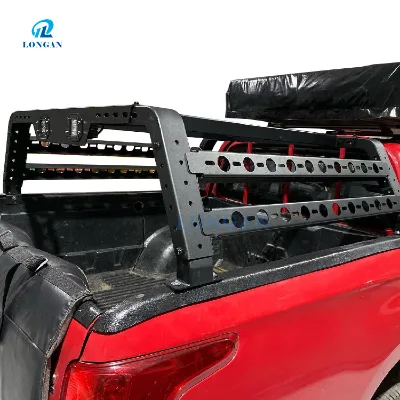
Aluminum Roll Bar for Tundra Roll Bars for Trucks Ranger Roll Bar With LED Light
$150.00 - $250.00
MOQ: 20
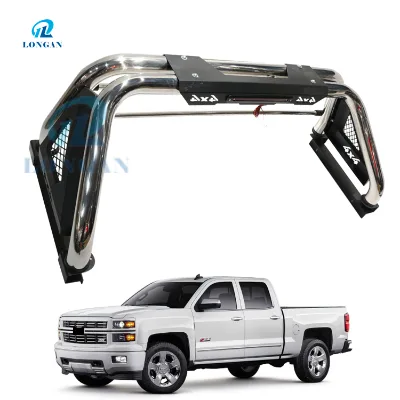
Custom Pickup Truck Aluminum Anti Roll Bar Universal Stainless Steel Roll Bar for Silverado
$60.00 - $280.00
MOQ: 10
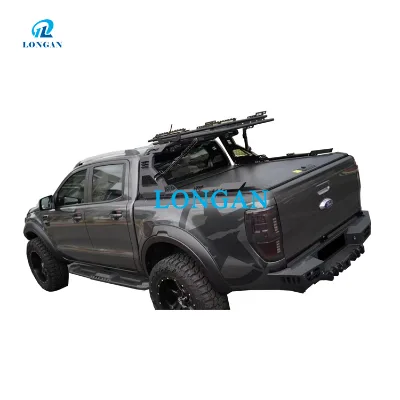
Custom Stainless Steel Roll bar 4x4 Truck Roll bar With Car Roof Rack Basket
$250.00 - $360.00
MOQ: 10
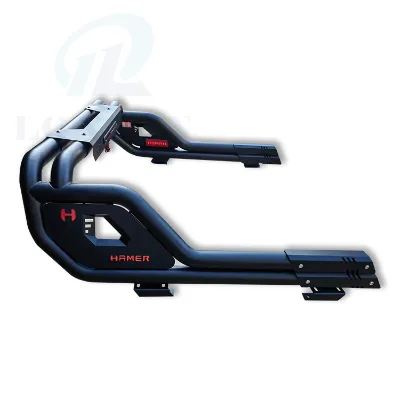
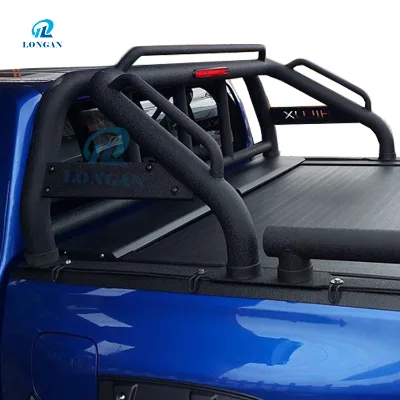
Exterior Accessories OEM Stainless Steel Pick up Roll Bar 4x4 Truck for 2014-2019 NAVARA
$60.00 - $230.00
MOQ: 10
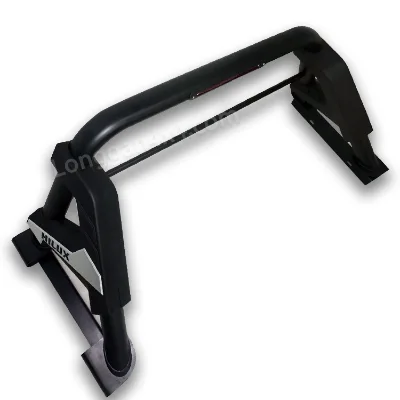
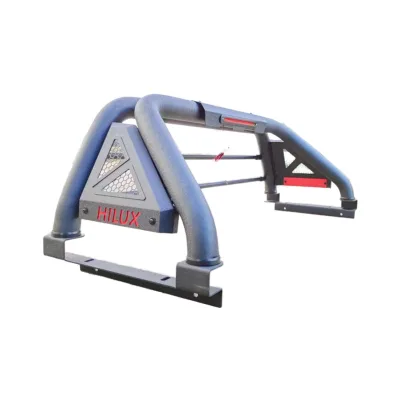
Custom Car Accessories Truck Roof Rack Black Stainless Steel 4x4 Roll Bar for Hilux
$60.00 - $260.00
MOQ: 5
Jiangsu Jizheng Auto Parts Co., Ltd
- Manufacturer
- Jiangsu, China
- Lead time30 days
- Avg. response≤ 5h
Main productsroof rack,tonneau cover,truck bed rack,ladder,car awning
Main marketsMid East(30.00%), Southeast Asia(30.00%), North America(30.00%), Domestic Market(10.00%)

Guangzhou Jiahui Auto Accessories Co., Ltd.
- Manufacturer, Trading Company
- Guangdong, China
- Lead time30 days
- Avg. response≤ 4h
Main productsFender Flare,Snorkel,Roller Shutter,Front Grille,Front Bumper
Main marketsSouth America(30.00%), Oceania(20.00%), Eastern Europe(20.00%), Central America(10.00%), Western Europe(10.00%), Eastern Asia(5.00%), Africa(5.00%)
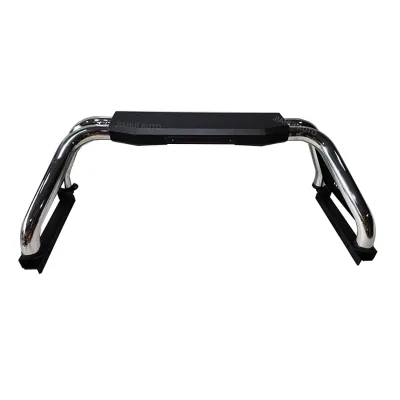
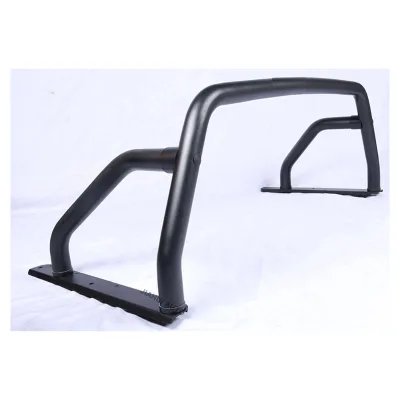
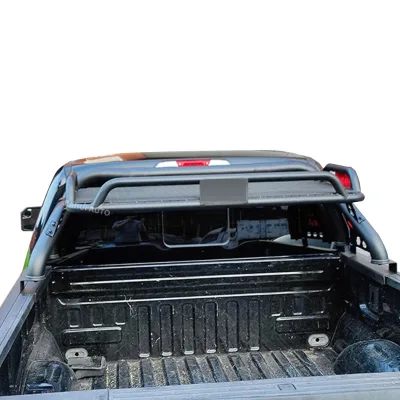
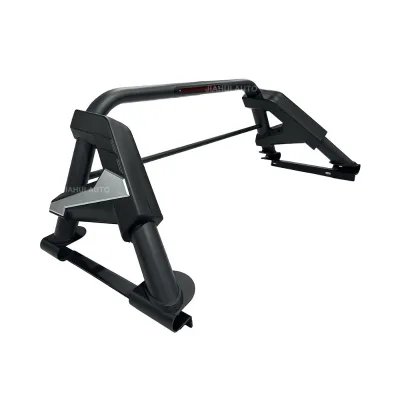
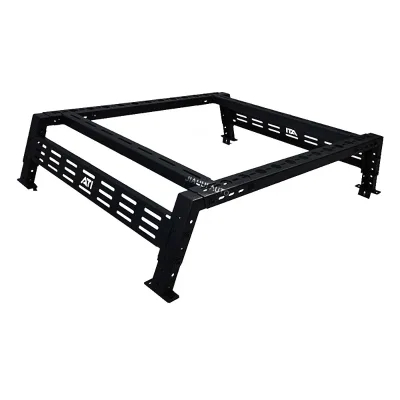
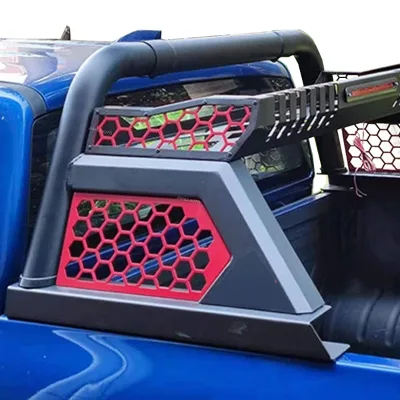
For Cavin Steel Pickup Truck Roll Bar 4x4 for Ford F150 RAM
$150.00 - $165.00

Shenzhen Xinlingyu Electronics Co., Ltd.
- Manufacturer, Trading Company
- Guangdong, China
- Lead time30 days
- Avg. response≤ 3h
Main productsCanopy,Roller shutter cover,Snorkel,Bed Liner,Roof rack
Main marketsNorth America(40.00%), Mid East(30.00%), Oceania(20.00%), Western Europe(10.00%)
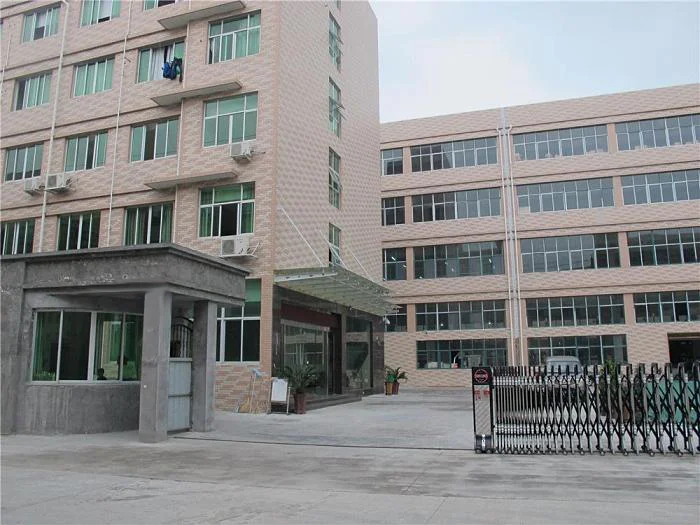
CHANGZHOU XIN RUI IMP&EXP CO., LTD.
- Trading Company
- Jiangsu, China
- Lead time0 days
- Avg. response≤ 3h
Main productsAUTO PARTS,SIDE STEP,HOOD,GRILLE,4x4 ACCESSORY
Main marketsNorth America(50.00%), Southern Europe(10.00%), Northern Europe(10.00%), Western Europe(10.00%), Southeast Asia(10.00%), South America(10.00%)
Foshan Hongxinchen Automotive Supplies Co., Ltd.
- Verified by TüVRheinland
- Manufacturer, Trading Company
- Lead time0 days
- Avg. response≤ 2h
Main productsBumper, Sport Bar, Roof Rack, Snorkel
Main marketsSoutheast Asia(40%), North America(30%), Domestic Market(15%)
Empire Auto Accessories Manufacturing Co., Ltd.
- Manufacturer, Trading Company
- Guandong Province, China
- Lead time35 days
- Avg. response≤ 4h
Main productsBed Extender,Truck Bed Rack,Bumpers,Roof Rack,Side Step
Main marketsSoutheast Asia(30.00%), North America(30.00%), Oceania(20.00%), Central America(10.00%), Eastern Asia(7.00%), South America(3.00%)
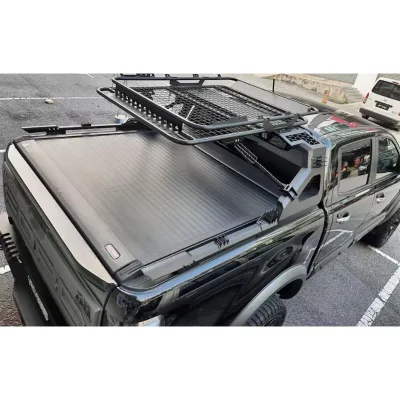
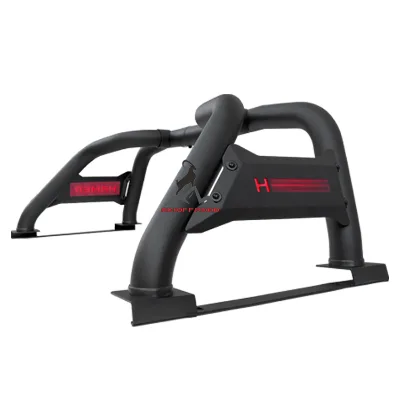
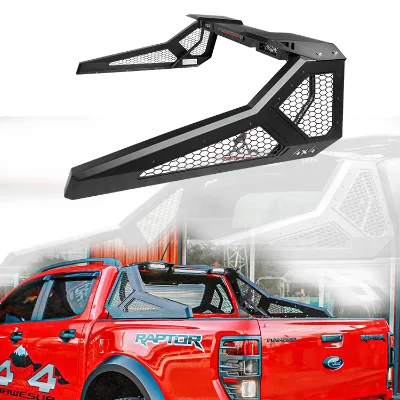
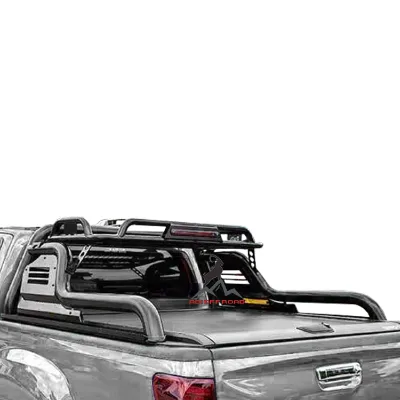
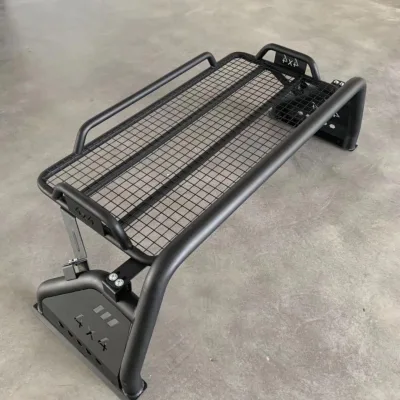
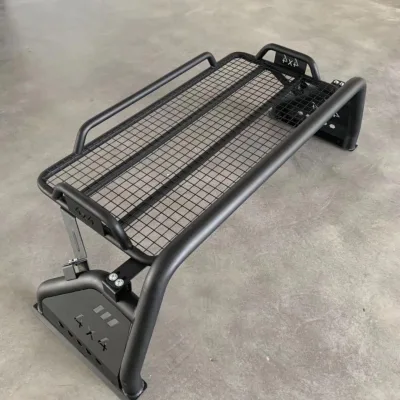
Steel Offroad 4X4 Roll Bar with Cargo Rack for Ford Ranger T6 T7 T8 2012-2025 Truck Bed Bar
$125.00 - $140.00
MOQ: 10
Henan Xin Pickup Auto Parts Co., Ltd.
- Verified by Intertek
- Trading Company
- Lead time10 days
- Avg. response≤ 2h
Main productsTonneau Cover, Bed Liner, Roll Bars, Pickup Truck Canopy
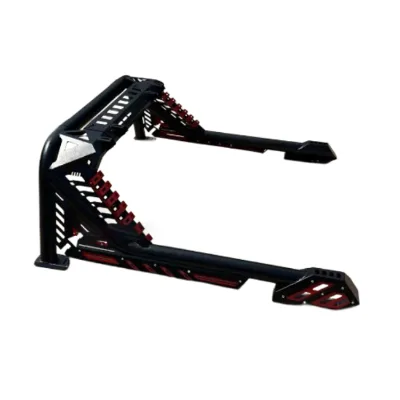
Universal Carbon Steel Roll Bar for Pickup Truck Sport 4x4 Business Style
$164.5053 - $195.3495
MOQ: 5 sets
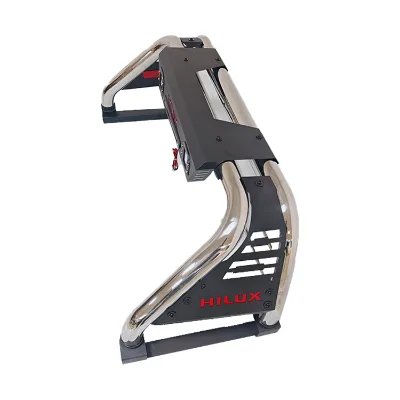
$123.3797 - $154.2239
MOQ: 5 sets
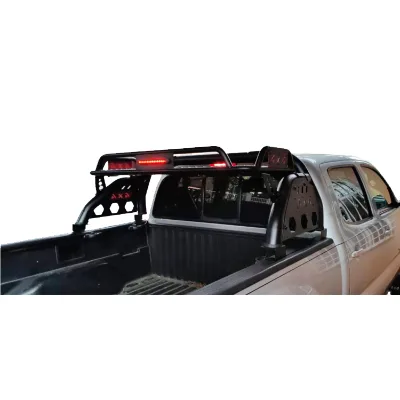
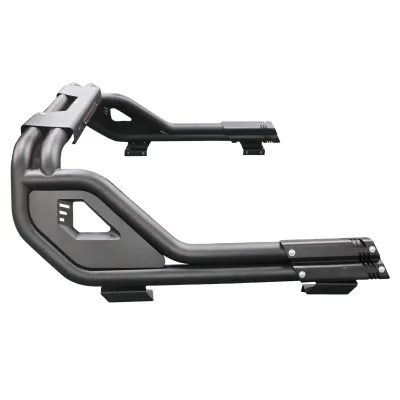
Factory Hot Selling Cheap Custom 4x4 Roll Bars for PiStainless Steel Sports Exterior
$154.3317 - $200.6309
MOQ: 5 sets

Ningbo Beilun Loveyoung Auto Accessories Co., Ltd.
- Verified by BV
- Trading Company,Manufacturer/Factory,Group Corporation
- China Zhejiang
- Lead time23 days
- Avg. response≤ 3h
Main productsCar Roof Racks, Bike Racks, Cargo Carrier, Steering Wheel Lock, Kayak Racks, Motorcycle Carrier, Trailer Parts, Air Compressor, Steel Bumper, off-Road Parts
Main marketsSouth America,Eastern Europe,Mid East,North America,Southeast Asia,Eastern Asia,Oceania,Western Europe,Africa
Guangzhou Huibaitong Auto Accessories Co., Ltd.
- Verified by SGS Group
- Trading Company
- Lead time7 days
- Avg. response≤ 3h
Main productsPickup Truck Canopy, Pickup Tonneau Cover, Pickup External Accessories, Front Bumper, Pickup Truck Camping Tent
Main marketsNorth America(20%), Oceania(20%), South America(10%)
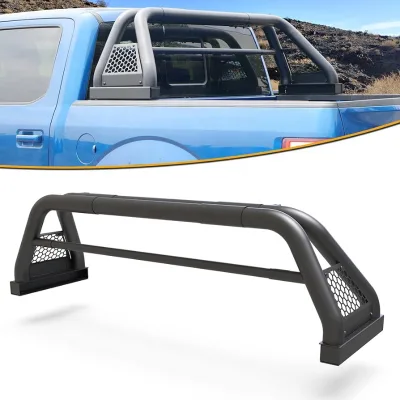
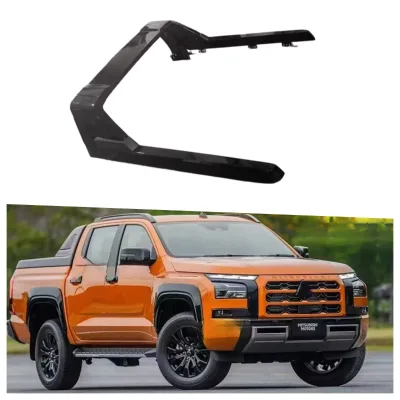
Heavy Duty Steel Sports Roll Bar for Mitsubishi L200 Triton 2023 2026 Pickup Truck
$200.00 - $218.00
MOQ: 1

Changzhou Yue Yu Automotive Accessories Co., Ltd.
- Manufacturer
- Jiangsu, China
- Lead time0 days
- Avg. response≤ 2h
Main productsROOF BACK,ROOF RACK CARGO BASKET,SIDE STEP,ROOF RACK CROOS BAR,CAR-BUMPER
Main marketsSoutheast Asia(60.00%), South America(20.00%), Western Europe(8.00%), Southern Europe(6.00%), Mid East(3.00%), Africa(3.00%)
Guangzhou Bisitai Auto Accessories Co., Ltd.
- Manufacturer
- Guangdong, China
- Lead time30 days
- Avg. response≤ 8h
Main products4x4 Fender Flares,4x4 Roof trays,4x4 Grilles,4x4 Bumpers,Pickup Trucks Accessories
Main marketsNorth America(80.00%), Northern Europe(10.00%), Mid East(10.00%)
- Manufacturer, Trading Company
- Lead time旺季: "1 - 10":30,"> 10":"To be negotiated", 淡季: "1 - 10":30,"> 10":"To be negotiated"
- Avg. response≤ 3h
Main productsValve Body, Car Foot Pedal, Car Roof Basket, Auto Luggage Backbone, Heatsink
Guangzhou Unity 4wd Accessories Co., Limited
- Verified by TüVRheinland
- Manufacturer, Trading Company
- Lead time0 days
- Avg. response≤ 6h
Main productsSnorkel, Fender Flares, Roof Top Tent, Bumper, Roof Rack
Main marketsSouth America(17%), Oceania(16%), Southeast Asia(12%)
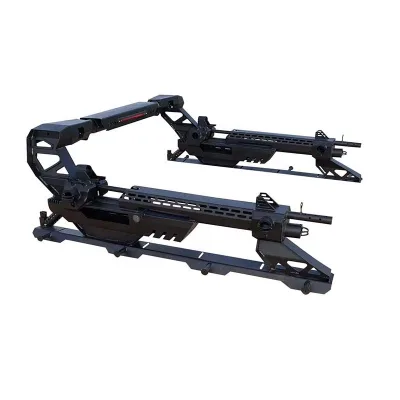
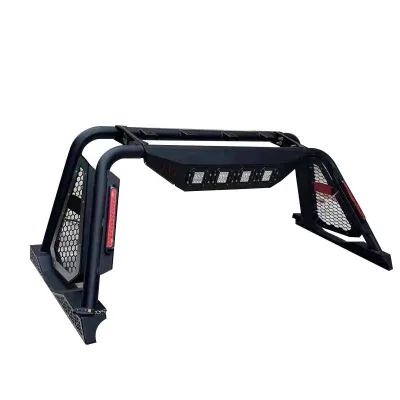
Cargo Rack 4x4 Pickup Truck Accessories for Mitsubishi Triton Adjustable Roll Bar
$215.00 - $252.00
MOQ: 1
Guangzhou Explorer Auto Parts Co., Ltd.
- Manufacturer, Trading Company, Distributor/Wholesaler
- Guangdong, China
- Lead time7 days
- Avg. response≤ 2h
Main productsSteel Bumper Bar,Steel Front Bumper,Steel Rear Bumper,Roll Bar,Side Steps
Main marketsSoutheast Asia(60.00%), South America(20.00%), Western Europe(10.00%), Africa(10.00%)

Foshan Liweibo Auto Accessories Co., Ltd.
- Manufacturer
- China Guangdong
- Lead time30 days
- Avg. response≤ 8h
Main productsFront and Rear Bumper, Canopy, Front and Rear Bullbar, Rear Hitch Step, Grille Guard, Deer Guard, Side Step Side Bar, Running Bar, Rollbar Sport Bar, Leveling Lift Kit
Main marketsSouth America,Southeast Asia/ Mideast,Domestic,North America

Us Style Heavy Duty Steel Safety Protection Frame Roll Bar for Pickup Truck
$111.00 - $121.00
MOQ: 10 Pieces


F25 Heavy Duty Steel Safety Protection Frame Roll Bar for Pickup Truck
$111.00 - $121.00
MOQ: 10 Pieces

F28 Heavy Duty Steel Safety Protection Frame Roll Bar for Pickup Truck
$111.00 - $121.00
MOQ: 10 Pieces

F16 Heavy Duty Steel Safety Protection Frame Roll Bar for Pickup Truck
$111.00 - $121.00
MOQ: 10 Pieces

F26 Heavy Duty Steel Safety Protection Frame Roll Bar for Pickup Truck
$111.00 - $121.00
MOQ: 10 Pieces
- Verified by Intertek
- Trading Company
- Lead time20 days
- Avg. response≤ 6h
Main productsSide Steps, Grills, Body Kits, Roll Bar, Electric Motorcycle Parts
Main marketsNorth America(30%), South America(30%), Mid East(20%)
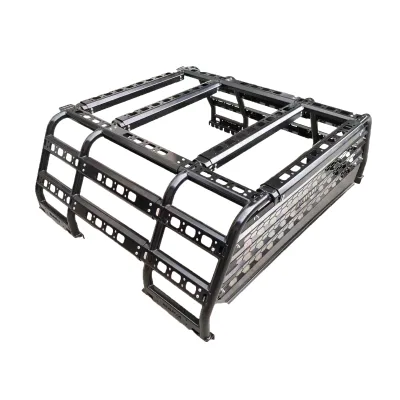
Offroad 4x4 Pickup Steel Universal Adjustable Roll Bar Luggate Bars for F150
$230.00 - $250.00
MOQ: 5 sets
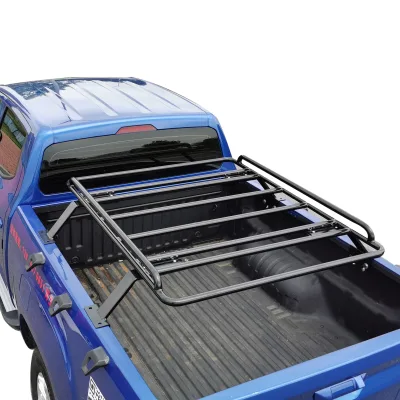
Chengdu Biente International Trade Co., Ltd.
- Verified by SGS Group
- Trading Company
- Lead time15 days
- Avg. response≤ 2h
Main productsRoof Top Tent, Forged Wheel
Main marketsOceania(55%), North America(10%), Eastern Europe(10%)
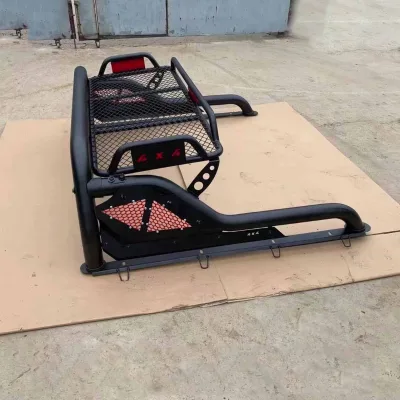
$102.5625 - $165.7583
MOQ: 1 pieces
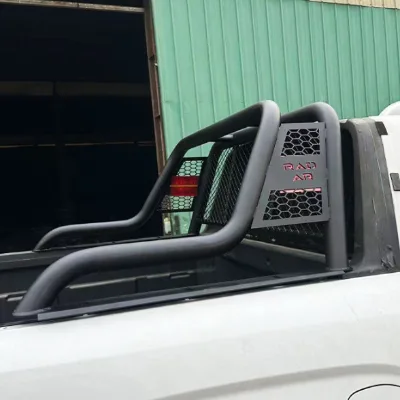
$92.588 - $109.2331
MOQ: 1 pieces
- Manufacturer
- Guangdong, China
- Lead time30 days
- Avg. response≤ 7h
Main productsAutomotive Bumper,Tonneau Cover,Roll Bar,Fender Flares,Automotive Side Step
Main marketsNorth America(50.00%), Southeast Asia(23.00%), South America(5.00%), Eastern Asia(3.00%), Mid East(3.00%), Domestic Market(2.00%), Northern Europe(2.00%), South Asia(2.00%), Western Europe(2.00%), Africa(2.00%), Eastern Europe(2.00%), Oceania(2.00%), Southern Europe(1.00%), Central America(1.00%)
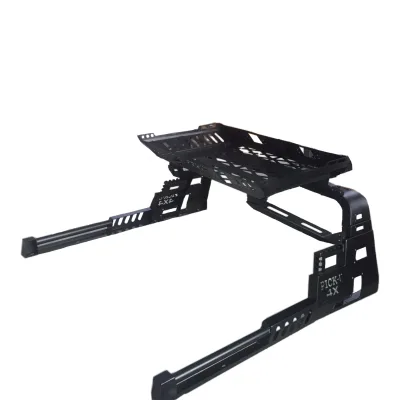
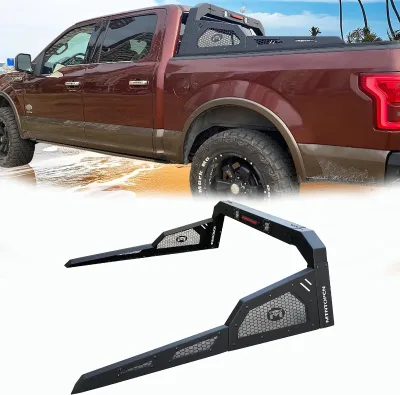
$334.2517 - $348.6064
MOQ: 1 pieces




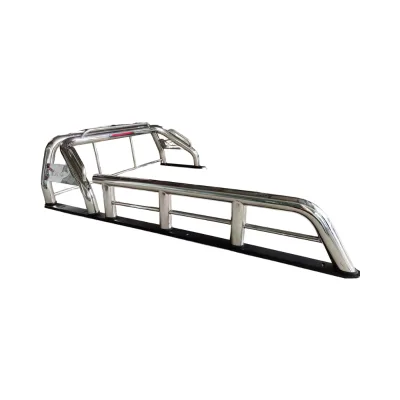
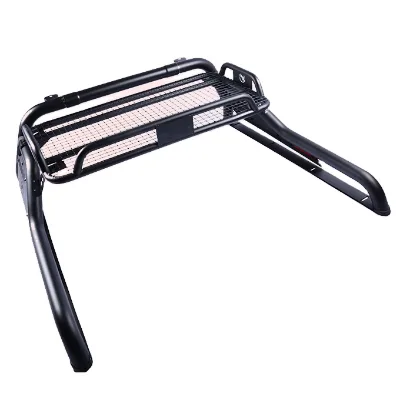
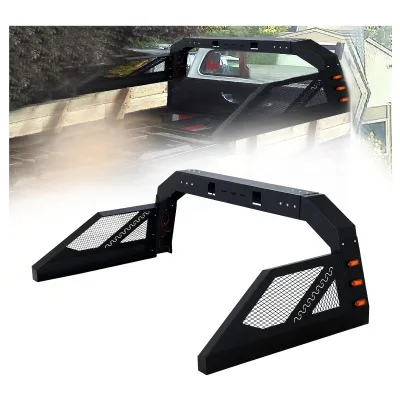
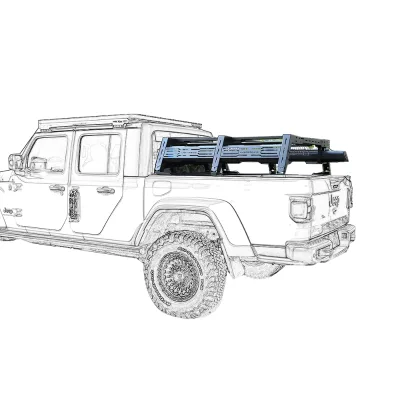
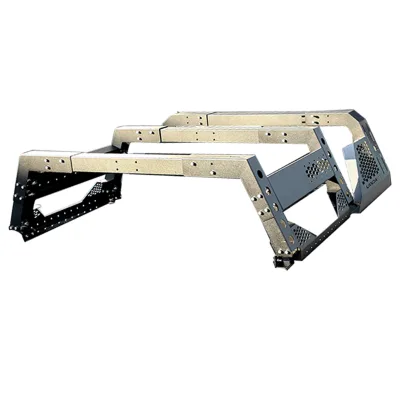
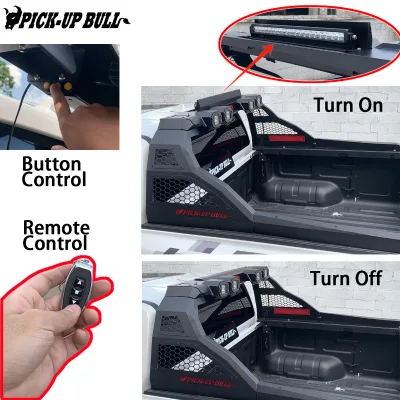
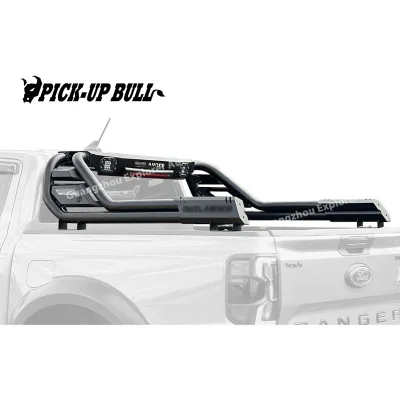
Comprehensive Sourcing Guide
Offroad Truck Steel Roll Bar Supplier Concentration and Factory Types
The current supplier landscape for offroad truck steel roll bars reveals a distinct concentration of manufacturing activity within specific industrial regions, with Guangzhou in Guangdong Province emerging as a primary hub for production. This geographic clustering suggests a mature supply chain ecosystem where raw material sourcing, particularly stainless steel and structural steel, is readily accessible, allowing factories to maintain competitive pricing and consistent quality control. Suppliers located in this area often specialize in high-volume production of universal fitment bars, leveraging local logistics networks to facilitate efficient export operations. The presence of combined company types in this region indicates that many entities operate as both manufacturers and trading arms, streamlining the communication process for international buyers who require direct factory access without the friction of intermediary negotiations. This dual operational model allows for greater flexibility in order sizes and customization requests, as the internal coordination between production lines and sales teams is minimized. Buyers evaluating suppliers from this cluster should note that the density of competitors often drives innovation in design, such as the integration of sport bars and anti-rollover frames that cater to diverse vehicle models like Hilux, Navara, and Tacoma. The concentration also implies that lead times may be optimized due to established workflows, although buyers must verify specific production schedules as capacity can fluctuate with seasonal demand. Understanding this geographic advantage helps buyers prioritize suppliers who can demonstrate robust logistical capabilities and consistent output volumes, ensuring that large orders are fulfilled without significant delays. The focus on universal applications in this region further supports buyers seeking broad compatibility across multiple vehicle platforms, reducing the complexity of inventory management for distributors and retailers.
In contrast to the manufacturing-heavy clusters, other regions such as Beijing host a different type of supplier profile, often characterized by trading companies that focus on specialized or higher-end modifications. These entities may not own the production facilities but instead curate products from various factories, offering a broader range of aesthetic and functional options, such as detachable support frames or tonneau covers that complement roll bar installations. The trading company model introduces a layer of service-oriented value, where suppliers may provide more extensive customer support, design consultation, and flexible payment terms to facilitate complex international transactions. However, this model can also introduce variability in lead times and quality consistency, as the supplier relies on external manufacturers for fulfillment. Buyers must carefully distinguish between direct factories and trading companies to align their sourcing strategy with their specific needs for price sensitivity versus service flexibility. Trading companies often have longer response times compared to direct manufacturers, which can impact the speed of quotation and order processing. Additionally, the main products listed by these suppliers may include a wider variety of accessories beyond just roll bars, such as bull bars and grille guards, indicating a broader inventory management capability. This diversification can be advantageous for buyers looking to consolidate their procurement across multiple vehicle accessories, but it requires diligent verification of the actual manufacturing source for each item. The presence of SGS verification in some trading company profiles suggests a focus on third-party quality assurance, which can provide an additional layer of confidence for buyers concerned about product integrity. Ultimately, recognizing the distinction between manufacturing clusters and trading hubs allows buyers to make informed decisions based on their priority for cost efficiency, customization depth, and supply chain transparency.
How to Verify Offroad Truck Steel Roll Bar Suppliers
Verifying the legitimacy and capability of Offroad Truck Steel Roll Bar suppliers requires a multi-layered approach that goes beyond simple profile reviews, focusing heavily on third-party certifications and independent verification badges. The presence of ISO9001:2015 certification is a critical indicator of a supplier’s commitment to standardized quality management systems, ensuring that their production processes are consistently monitored and improved. Buyers should prioritize suppliers who display this certification, as it signifies adherence to international standards for manufacturing consistency, which is vital for safety-critical components like roll bars. Additionally, verification badges from reputable agencies such as TÜV Rheinland or SGS provide an extra layer of assurance regarding the supplier’s business legitimacy and operational stability. These badges indicate that an independent third party has audited the supplier’s facilities, financial standing, and compliance with trade regulations, reducing the risk of engaging with fraudulent or unreliable entities. Buyers should actively look for these verification marks on supplier profiles and cross-reference them with the issuing agency’s database to confirm their validity. The absence of such certifications does not necessarily disqualify a supplier, but it requires more rigorous due diligence, including requesting recent test reports and conducting video audits of the production floor. For suppliers offering OEM services, verifying their ability to meet specific engineering drawings and material specifications is essential, as this demonstrates their technical competence and flexibility. Buyers should also check for product-specific certifications, such as CE or ISO marks on individual roll bar models, which indicate compliance with regional safety and performance standards. These certifications are particularly important for buyers targeting markets with strict regulatory requirements, as they facilitate smoother customs clearance and market entry. By focusing on these verifiable credentials, buyers can significantly mitigate the risks associated with supplier selection and ensure that they are partnering with entities that prioritize quality and compliance.
Beyond certifications, buyers must assess the supplier’s responsiveness and communication efficiency, as these factors are strong indicators of their operational maturity and customer service quality. A supplier’s response time, measured in hours, provides insight into their ability to handle inquiries promptly and manage order-related issues effectively. Suppliers with response times under four hours, for instance, are likely to have dedicated sales teams and efficient internal communication channels, which can be crucial for resolving urgent production or shipping questions. Buyers should test this responsiveness by sending detailed inquiries about customization options, material grades, and packaging details to gauge the depth and accuracy of the supplier’s knowledge. Additionally, examining the supplier’s main product focus can reveal their specialization and expertise; suppliers who primarily list roll bars, bull bars, and related accessories are likely to have deeper technical knowledge and better supply chain relationships than generalist traders. Buyers should also verify the supplier’s production capacity by requesting data on monthly output, such as the number of sets produced per month, to ensure they can meet large order volumes without compromising quality. For suppliers offering ODM services, buyers should inquire about their design capabilities and past project portfolios to assess their ability to develop unique products. Furthermore, checking the supplier’s establishment year and company type can provide context about their experience and business model, helping buyers align their expectations with the supplier’s capabilities. By combining verification of credentials with an assessment of operational metrics, buyers can build a comprehensive profile of each potential supplier, ensuring they select partners who are not only compliant but also reliable and responsive.
What to Compare Across Offroad Truck Steel Roll Bar Suppliers
When evaluating multiple suppliers for offroad truck steel roll bars, buyers must systematically compare key operational metrics such as lead times, minimum order quantities, and pricing structures to identify the most suitable partner for their specific business needs. Lead time is a critical factor that impacts inventory management and customer satisfaction, with suppliers offering varying production durations based on their capacity and customization requirements. For instance, some suppliers may provide lead times as short as twenty-three days for standard items, while others may require up to sixty days for complex or customized orders. Buyers should clearly define their delivery expectations and compare suppliers based on their ability to meet these timelines consistently, considering factors such as raw material availability and production scheduling. Minimum order quantity (MOQ) is another essential comparison point, as it directly affects the buyer’s initial investment and risk exposure. Suppliers may have MOQs ranging from ten sets to fifty sets, with some offering flexibility for trial orders or smaller batches. Buyers should assess whether the supplier’s MOQ aligns with their sales volume and storage capabilities, avoiding excessive inventory costs while ensuring sufficient stock to meet market demand. Pricing should be analyzed in conjunction with MOQ and lead time, as lower prices may be associated with higher MOQs or longer production waits. Buyers should request detailed quotations that break down costs for materials, labor, and packaging to understand the true value proposition of each supplier. Additionally, comparing the supply ability, such as the number of sets produced per month, helps buyers gauge the supplier’s scalability and reliability for large orders. Suppliers with higher monthly capacities are better suited for buyers with substantial volume requirements, while those with lower capacities may be ideal for niche or boutique markets. By systematically comparing these metrics, buyers can create a balanced scorecard that highlights the strengths and weaknesses of each supplier, facilitating a data-driven decision-making process.
In addition to operational metrics, buyers should compare the customization options, material specifications, and packaging standards offered by different suppliers to ensure alignment with their product requirements and brand standards. Customization availability is a key differentiator, with some suppliers supporting OEM and ODM services to create unique designs or adapt existing models to specific vehicle platforms. Buyers should inquire about the extent of customization allowed, including changes to dimensions, finishes, and mounting configurations, and assess the supplier’s ability to handle these requests efficiently. Material quality is paramount for roll bars, as it directly impacts durability and safety; buyers should compare the types of steel used, such as stainless steel or carbon steel, and verify the presence of quality control measures like 100% testing. Suppliers who provide detailed material certificates and test reports demonstrate a higher level of transparency and commitment to quality. Packaging standards are also important, as they affect product protection during transit and storage efficiency. Buyers should compare packaging methods, such as bubble bags, EPE foam, or carton boxes, and evaluate their effectiveness in preventing damage. Additionally, comparing the supplier’s product range, including related accessories like tonneau covers and grille guards, can reveal opportunities for bundled purchasing and streamlined logistics. Suppliers with a comprehensive product portfolio may offer better pricing and coordination for multi-item orders. Buyers should also consider the supplier’s payment terms, such as T/T deposits or escrow options, to assess financial flexibility and risk mitigation. By thoroughly comparing these product-specific attributes, buyers can select suppliers who not only meet their operational needs but also enhance their product offering and customer experience.
Common Offroad Truck Steel Roll Bar Sourcing Risks
Sourcing offroad truck steel roll bars from international suppliers introduces several risks that buyers must proactively manage to ensure a smooth procurement process. One significant risk is the variability in product quality, particularly when dealing with suppliers who lack robust quality control systems or third-party verification. Roll bars are safety-critical components, and any defects in welding, material strength, or finish can lead to product failures and potential liability issues. Buyers must mitigate this risk by demanding detailed quality assurance documentation, including material test reports and inspection certificates, and by conducting pre-shipment inspections for large orders. Another common risk is the discrepancy between quoted prices and final costs, often due to hidden fees for customization, packaging, or shipping. Buyers should request all-inclusive quotations that account for all potential charges to avoid budget overruns. Additionally, lead time delays are a frequent issue, caused by raw material shortages, production bottlenecks, or logistical disruptions. Buyers should establish clear communication channels with suppliers to monitor production progress and address any delays promptly. The risk of intellectual property infringement is also present, especially when working with suppliers offering OEM services; buyers must ensure that their designs are protected and that suppliers adhere to confidentiality agreements. Furthermore, the risk of supplier insolvency or operational instability can disrupt supply chains, making it essential to verify the supplier’s financial health and business longevity. Buyers should prioritize suppliers with established track records and positive customer feedback to minimize this risk. Finally, the risk of non-compliance with international trade regulations, such as customs duties or product standards, can lead to shipment delays or confiscation. Buyers must ensure that suppliers provide accurate documentation and comply with the regulatory requirements of the destination market. By identifying and addressing these risks early in the sourcing process, buyers can build a more resilient and reliable supply chain.
To further mitigate these risks, buyers should implement strict contractual agreements that outline quality standards, delivery schedules, and penalty clauses for non-compliance
FAQs
What is the typical lead time for steel roll bars?
Manufacturers in China generally require 23 to 60 days for production and delivery. Specific timelines depend on order volume and customization needs. Some suppliers offer faster turnaround for standard universal models, while complex off-road designs may take longer to manufacture and ship.
What is the minimum order quantity for roll bars?
Minimum order quantities vary significantly by supplier and product type. Some manufacturers accept orders as low as 2 sets, while others require 10 or 50 sets. Buyers should verify the specific MOQ for their chosen model, as universal steel bars often have different thresholds than custom designs.
Are steel roll bars certified for safety standards?
Many suppliers hold ISO9001:2015 certification and provide ISO or CE certificates for their products. Quality assurance often includes 100% testing before shipment. Buyers should request specific certification documents to ensure the roll bars meet regional safety regulations and structural integrity requirements for off-road use.
What is the price range for universal steel roll bars?
Prices for universal steel roll bars typically range from $60 to $130 per unit. Costs vary based on material thickness, design complexity, and finish options like black or silver coatings. Bulk orders may influence final pricing, so buyers should request quotes for their specific quantity and specifications.
Can suppliers customize roll bars for specific truck models?
Most manufacturers support OEM and customization services for specific vehicle applications. Buyers can request tailored dimensions, colors, and mounting configurations for trucks like Hilux, Navara, or Tacoma. Customization availability should be confirmed directly with the supplier to ensure fitment and production feasibility for unique requirements.
How quickly do suppliers respond to sourcing inquiries?
Response times vary among suppliers, with some responding within 3.32 hours and others taking up to 16.68 hours. Faster response rates often indicate active sales teams ready to assist with technical questions and order processing. Buyers should prioritize suppliers with quicker response times for efficient communication.