Oil Light Reset Diagnostic Scanner Suppliers and Manufacturers
Explore 27 verified suppliers offering Oil Light Reset Diagnostic Scanner tools with varying lead times, response speeds, and locations in China. Compare specifications like voltage, communication interfaces, and supply ability to select the right vendor for your needs; review the available evidence before requesting comparable quotations from suitable candidates.
Suppliers List
Chengdu Daobo Technology Co., Ltd.
- Trading Company
- Sichuan, China
- Lead time2 days
- Avg. response≤ 3h
Main productsDiagnostic tools,Key programmer,Ecu tools,Remote keys/Car Key shell,key cutting machine
Main marketsAfrica(25.00%), South Asia(12.00%), South America(10.00%), North America(10.00%), Eastern Asia(9.00%), Mid East(8.00%), Southeast Asia(8.00%), Central America(5.00%), Eastern Europe(3.00%), Western Europe(3.00%), Oceania(2.00%), Southern Europe(2.00%), Northern Europe(2.00%), Domestic Market(1.00%)
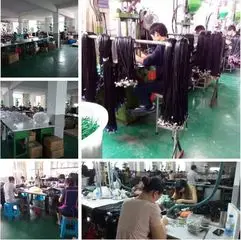
Changzhou Bestxun Electronic Co., Ltd.
- Trading Company
- Jiangsu, China
- Lead time15 days
- Avg. response≤ 17h
Main productsELM327,OBD2,Auto Diagnostics Tool,USB cable,MMCX
Main marketsEastern Asia(30.00%), Eastern Europe(15.00%), Western Europe(10.00%), North America(10.00%), Northern Europe(5.00%), Central America(5.00%), Africa(5.00%), Southeast Asia(5.00%)
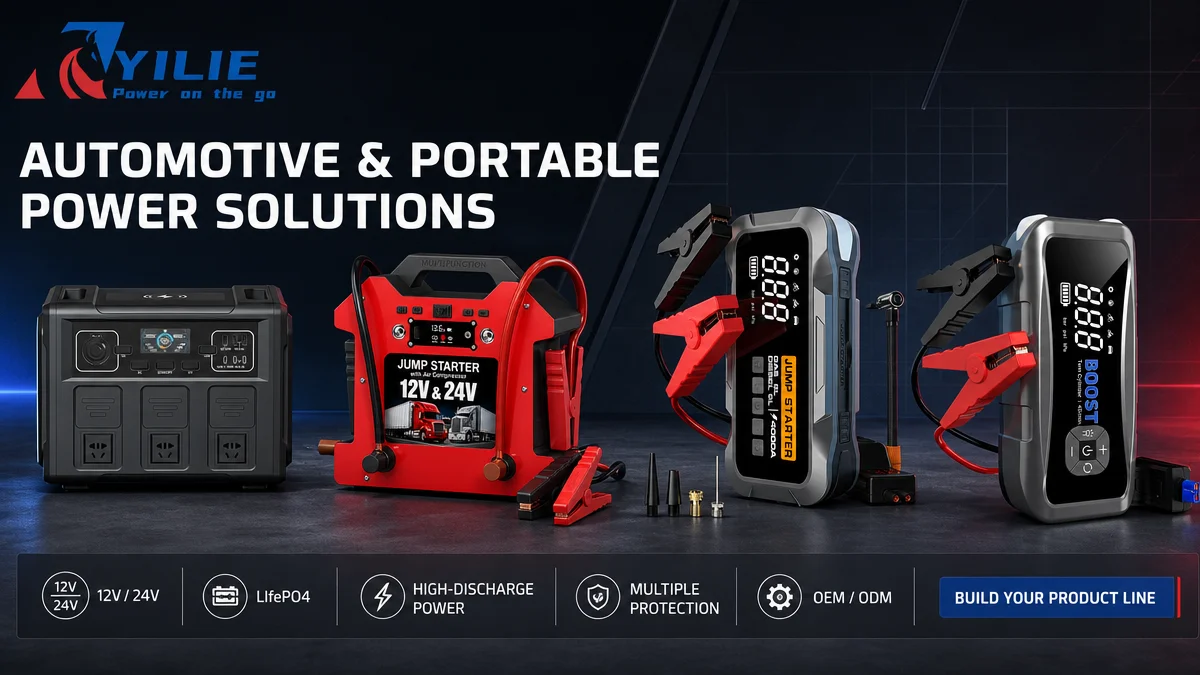
Shenzhen Yilie Network Technology Co., Ltd.
- Manufacturer, Trading Company
- Guangdong, China
- Lead time15 days
- Avg. response≤ 2h
Main products12V jump starter with tire inflator,24V heavy duty jump starter,Portable power stations,Solar Power Supply,Automotive Electronic Products
Main marketsNorth America(30.00%), Northern Europe(25.00%), South America(15.00%), Southeast Asia(15.00%), Mid East(10.00%), Africa(5.00%)

Sichuan CNGO New Energy Co.LTD.
- Verified by SGS
- Trading Company
- China Sichuan
- Lead time15 days
- Avg. response≤ 3h
Main productsGas Valve, Oxygen Valve, Cylinder Valve, Filling Valve, Ball Valve, Gas Cylinder Tank, Solenoid Valve, Tank Valve, Tank, Cylinder
Main marketsEurope
Shenzhen Jiawei Hengxin Technology Co., Ltd.
- Manufacturer, Trading Company
- Guangdong, China
- Lead time3 days
- Avg. response≤ 3h
Main productsKW870 Car Diagnostic Scanner, KW720 Car Battery Tester, KDIAG Car Full System Diagnostic Tool, KW520 Smart Battery Charger, KW450 Car OBD2 Full System Diagnostic Scanner
Main marketsNorth America(15.00%), Western Europe(15.00%), South America(10.00%), Southern Europe(10.00%), Africa(10.00%), Eastern Europe(10.00%), Oceania(5.00%), Central America(5.00%), Mid East(5.00%), Southeast Asia(5.00%), Northern Europe(4.00%), South Asia(2.00%), Eastern Asia(2.00%), Domestic Market(2.00%)

Yantai Lift Equipment Co., Ltd.
- Trading Company,Manufacturer/Factory
- China Shandong
- Lead time23 days
- Avg. response≤ 4h
Main productsCar Lift, Wheel Alignment, Tire Changer, Wheel Balancer, Auto Diagnostic Scanner, Auto Scanner, Car Jack, Garage Equipment, Auto Diagnostic Tool, Spray Booth
Main marketsSouth America,Eastern Europe,Mid East,North America,Southeast Asia,Eastern Asia,Oceania,Western Europe,Africa

High Stand Advanced Cars Key Programmer Key Programming Diagnostic Scanner
$1380.00 - $1656.00
MOQ: 1 Pieces

Factory Price Diagnostic Tool Camera Car Scanner Diagnostic Tools for Sale
$1380.00 - $1656.00
MOQ: 1 Pieces

Professional Original All System Scanner Diagnostic Tools for Auto Repair
$1380.00 - $1656.00
MOQ: 1 Pieces

High-Quality Vehicle Diagnostic Equipment/Car Diagnostic Tool/Car Scanner for Sale
$1380.00 - $1656.00
MOQ: 1 Pieces

Auto Diagnostic Tool/Launch X431 Scanner/Auto Diagnostic Tools/Tire Changer/Wheel Balancer/Car Lift
$434.00 - $457.00
MOQ: 1 Pieces

New Design Auto Scanner/Auto Diagnostic Tool/Diagnostic Tool/Code Reader for Auto Workshop
$1380.00 - $1656.00
MOQ: 1 Pieces
CHENGDU WECAN ELECTRONICS CO.,LTD
- Trading Company
- SICHUAN, China
- Lead time3 days
- Avg. response≤ 2h
Main productsOBD2 Scanner,clamp meter,digital multimeter,multimeter,diagnostic tools
Main marketsNorth America(30.00%), South Asia(20.00%), Eastern Europe(10.00%), South America(5.00%), Southern Europe(5.00%), Northern Europe(5.00%), Western Europe(5.00%), Eastern Asia(5.00%), Mid East(5.00%), Africa(5.00%), Southeast Asia(5.00%)

- Verified by SGS
- Trading Company
- China Zhejiang
- Lead time15 days
- Avg. response≤ 19h
Main productsCar Mat, Car Air Freshener, Car Seat Cover, Steering Wheel Cover, Car Phone Holder, Car Roof Tent, Car Sunshade, Jerry Can
Main marketsEurope,Australia

Fast Drop Shipping Automobile Fault Diagnosis Instrument Diagnostic Scanner
$5.28 - $5.94
MOQ: 190 Pieces

Factory Direct Sales Universal Car Fault Scanner Diagnostic Tool Scanner
$27.72 - $32.67
MOQ: 40 Pieces


Wholesale Multi-Language Car Fault Diagnostic Instrument Engine Scanner Code Reader
$10.78 - $11.99
MOQ: 100 Pieces

Ningbo East Wonder Import And Export Company Limited
- Trading Company
- ZHEJIANG, China
- Lead time50 days
- Avg. response≤ 4h
Main productsAutomotive Tools,Hand Tool Set,Hardware Tool,Tool Cabinet,Car Jack
Main marketsNorth America(50.00%), Western Europe(20.00%), South America(10.00%), Mid East(10.00%), Eastern Europe(10.00%)
Shenzhen HYX Electronic Co., Ltd.
- Verified by SGS Group
- Trading Company
- Lead time10 days
- Avg. response≤ 3h
Main productsGame Console, Smart Projector, Smart Watch, Wireless Earphone, Wireless Speaker
Main marketsNorth America(30%), South America(15%), Central America(10%)
Xi'an Wanpu Import And Export Trading Co., Ltd.
- Verified by SGS Group
- Trading Company
- Lead time15 days
- Avg. response≤ 4h
Main productsCar Light Products, Car Cleaning Products, Car Tools Products, New Energy Vehicle Parts, Car interior Products
Main marketsEastern Europe(30%), North America(15%), Western Europe(15%)

Shenzhen Wins Novelty Co., Ltd.
- Manufacturer
- Guangdong, China
- Lead time15 days
- Avg. response≤ 6h
Main productsCar HUD Head up display,Car OBD2 Gauge,GPS Speedometer,Car OBD2 Scanner,Throttle Controller
Main marketsNorth America(20.00%), Southeast Asia(17.00%), Domestic Market(12.00%), Eastern Europe(10.00%), South America(8.00%), Central America(6.00%), Northern Europe(5.00%), Southern Europe(5.00%), Western Europe(5.00%), Eastern Asia(5.00%), South Asia(3.00%), Mid East(2.00%), Oceania(2.00%)

Beijing Vacuum Electronic Technology Co., Ltd.
- Verified by BV
- Combined
- China Beijing
- Lead time30 days
- Avg. response≤ 7h
Main productsX-ray Baggage Scanner, Vehicle Inspection System, Container Scanner System, Walk-Through Metal Detector
Main marketsSoutheast Asia/ Mideast,East Asia(Japan/ South Korea),Domestic,North America
Shenzhen Xing Chen Technology Trading Company Ltd.
- Verified by Intertek
- Trading Company
- Lead time3 days
- Avg. response≤ 3h
Main productsCar Key Programmer, Automotive Car Parts, Key Cutting Machine, Car Key, Diagnostic Tool
Main marketsNorth America(40%), Eastern Europe(10%), Western Europe(10%)
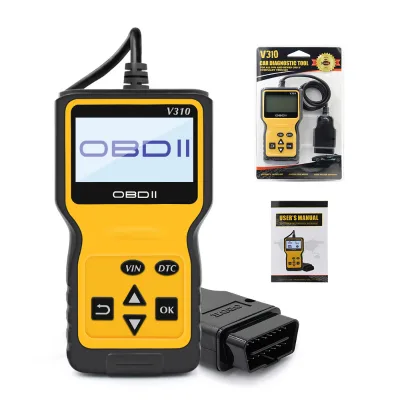
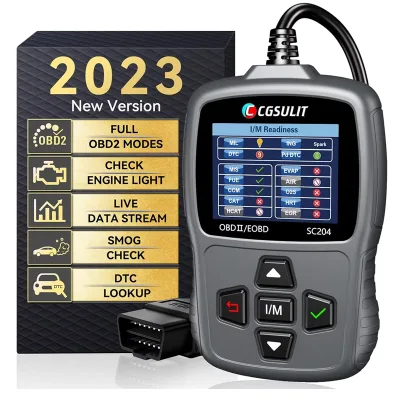
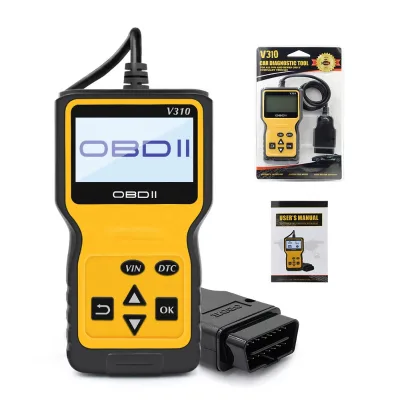
$9.80 - $15.00
MOQ: 5 pieces
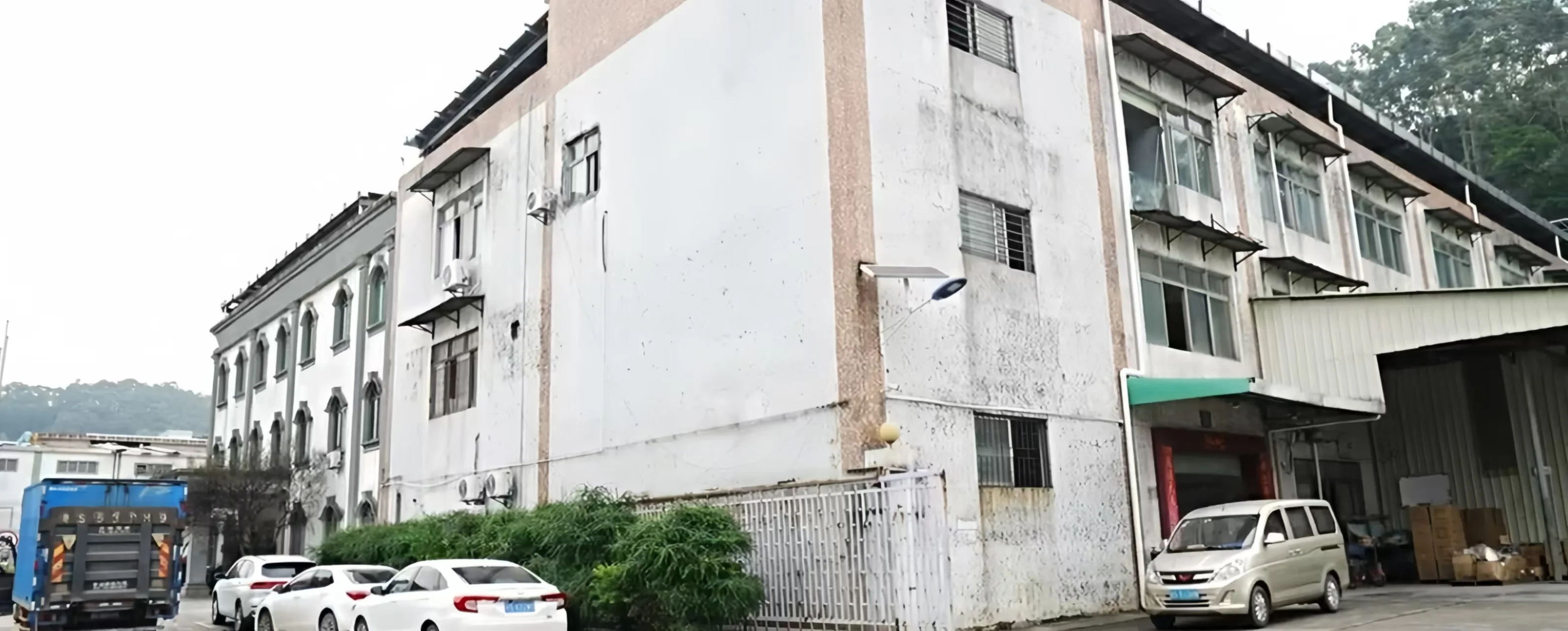
Dongguan Henuoweiya Electronic Technology Co., Ltd.
- Manufacturer, Trading Company
- Guangdong, China
- Lead time7 days
- Avg. response≤ 1h
Main productsVehicle diagnostic line,VGT wire
Main marketsCentral America(10.00%), Western Europe(10.00%), Eastern Asia(10.00%), Mid East(10.00%), Oceania(10.00%), Africa(10.00%), Southeast Asia(10.00%), Eastern Europe(10.00%), South America(10.00%), North America(10.00%)
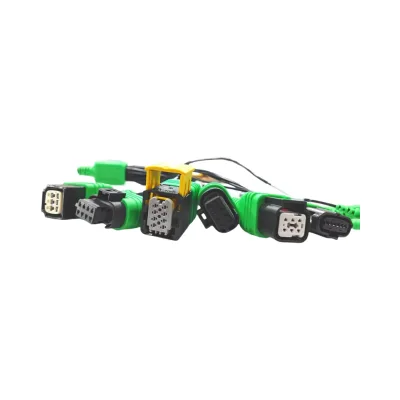
$23.47 - $32.66
MOQ: 10 pints
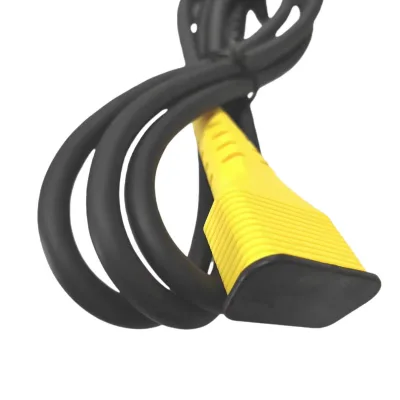
Ancel OBD2 Scanner Diagnostic Tool for Cars & Motorcycles 6V ECU Programador with 1 Year Warranty
$13.21 - $14.74
MOQ: 5 pieces
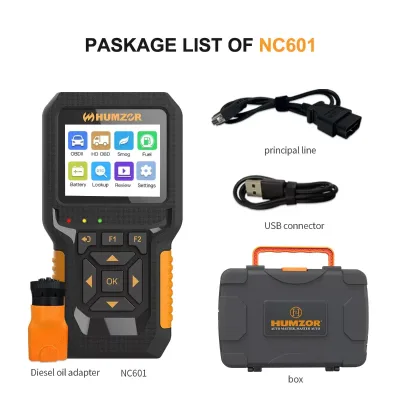
Taizhou Duke Auto Accessories Co., Ltd.
- Manufacturer, Trading Company
- Zhejiang, China
- Lead time30 days
- Avg. response≤ 11h
Main productscar seat cover,steering wheel cover,car covers,auto parts,car mats
Main marketsMid East(20.00%), Western Europe(20.00%), Eastern Asia(20.00%), Central America(10.00%), North America(10.00%), Northern Europe(5.00%), Eastern Europe(5.00%), South America(5.00%), Africa(5.00%)
Xi'an Haitu International Supply Chain Management Co., Ltd.
- Trading Company
- Shaanxi, China
- Lead time30 days
- Avg. response≤ 7h
Main productsCar Accessories,Booster Cable,Snow Chains,LED lamp,Wrench
Main marketsWestern Europe(50.00%), South America(30.00%), Central America(12.00%), North America(12.00%), Mid East(12.00%), Oceania(12.00%), Southeast Asia(12.00%), Eastern Europe(12.00%)
- Trading Company
- Jiangsu, China
- Lead time30 days
- Avg. response≤ 3h
Main productsVernier Calipers,Height Gauge,Micrometer,Bore Gauge,Magnetic Base
Main marketsSouth Asia(35.00%), Eastern Europe(16.00%), North America(10.00%), Domestic Market(5.00%), South America(5.00%), Mid East(5.00%), Oceania(5.00%), Africa(5.00%), Southeast Asia(5.00%), Central America(3.00%), Western Europe(2.00%), Eastern Asia(2.00%), Northern Europe(2.00%)

- Trading Company
- China Shandong
- Lead time23 days
- Avg. response≤ 25h
Main productsCar Lift Factory, Car Parking System, Tire Changer Manufacture, Wheel Balancer Factory, Wheel Alignment Machine, Frame Machine, Spray Booth, Air Compressor, Car Jack, Car Wash Machine
Main marketsSouth America,Africa,Southeast Asia/ Mideast,Domestic,Europe,Australia,North America

$279.00 - $289.00
MOQ: 1 Pieces


Professional Launch Crp123X OBD2 Scanner Automotive Diagnostics Tools Code Reader
$179.00 - $229.00
MOQ: 1 Pieces

$279.00 - $289.00
MOQ: 1 Pieces
Shenzhen Kingshowstar Technology Co., Limited
- Manufacturer, Trading Company
- Lead time旺季: "1 - 1":15,"> 1":"To be negotiated", 淡季: "1 - 1":15,"> 1":"To be negotiated"
- Avg. response≤ 3h
Main productsLED Auto Light, LED Wheel Rock Light, LED Motorcycle Light, LED ATV LIGHT , Car Air Pump
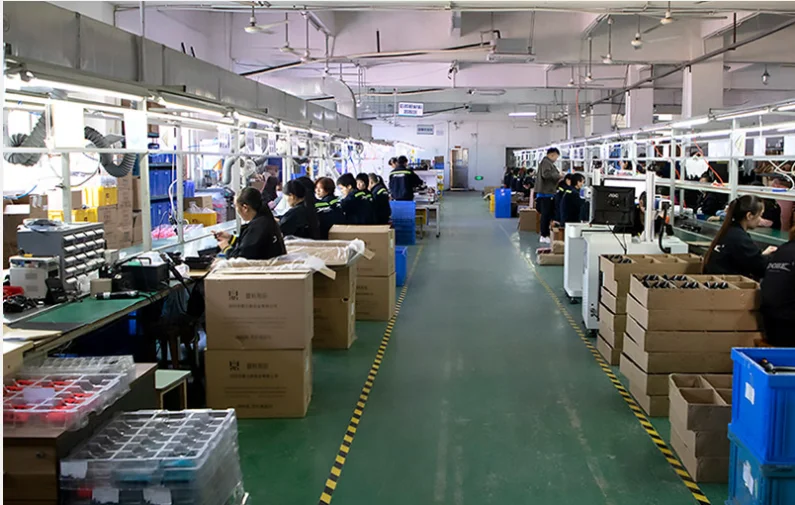
Shenzhen Kepalaisi Technology Co., Ltd.
- Manufacturer, Trading Company
- guangdong, China
- Lead time0 days
- Avg. response≤ 2h
Main productsgamepad,cable,earphone,bag,adapter
Main marketsNorth America(50.00%), Eastern Europe(30.00%), Mid East(10.00%), South America(10.00%)
Chengdu Chexinwang Electronic Technology Co., Ltd.
- Trading Company
- Sichuan, China
- Lead time1 days
- Avg. response≤ 3h
Main productsX431 PRO5, X431 IMMO PLUS, MTOOL
Main marketsWestern Europe(30.00%), North America(25.00%), South America(20.00%), Southeast Asia(10.00%), Oceania(5.00%), Eastern Asia(5.00%), Africa(5.00%)

Safeway Inspection System Limited
- Manufacturer/Factory
- China Guangdong
- Lead time15 days
- Avg. response≤ 16h
Main productsX-ray Baggage Scanner, Security X-ray Scanner, X-ray Luggage Scanner, Passenger Car and Vehicle Scanner, Dangerous Liquid Detector, Explosive and Narcotics Trace Detector, Walk Through Metal Detector, Handheld Metal Detector, Container Cargo and Vehicle Inspection System, Food X-ray Scanner
Main marketsSouth America,Eastern Europe,Mid East,North America,Southeast Asia,Eastern Asia,Oceania,Western Europe,Africa
Shenzhen Zhitong Automotive Technology Co., Ltd.
- Verified by SGS Group
- Trading Company
- Lead time7 days
- Avg. response≤ 1h
Main productsCar Diagnostic Tools, ECU Programming Tool, OBD2 Scanner, Auto Key Programmer, Auto Injector Cleaner And Auto Battery Tester
Shenzhen Dalos Electronics Co., Ltd.
- Manufacturer, Trading Company
- Lead time旺季: "1 - 100":7,"> 100":"To be negotiated", 淡季: "1 - 100":7,"> 100":"To be negotiated"
- Avg. response≤ 2h
Main productsCar Alarm,Immobilizer,Central lock,Power window kit,Led Headlilght

Safeway Inspection System Limited
- Verified by SGS
- Trading Company
- China Guangdong
- Lead time15 days
- Avg. response≤ 18h
Main productsX-ray Baggage Scanner, X-ray Security Scanner, X-ray Airport Scanner, Explosive and Narcotics Trace Detector, Dangerous Liquid Detector, Passenger Car and Vehicle Scanner, Walk Through Metal Detector, Handheld Metal Detector, Security X-ray Inspection Machine
Main marketsAfrica,Others(foreignTradeCapacity.exportBusinessCapacityMarketOther),Southeast Asia/ Mideast
Guangzhou Jinyaoe Technology Co., Ltd.
- Manufacturer, Trading Company
- Guangdong, China
- Lead time7 days
- Avg. response≤ 2h
Main productsjump starter,jump starter with air compressor,jump starter with air inflator,jump starter air pump,car Jump Starter
Main marketsNorth America(24.00%), Western Europe(16.00%), South America(13.00%), Northern Europe(12.00%), Oceania(9.00%), Eastern Asia(5.00%), Eastern Europe(5.00%), Southern Europe(5.00%), Mid East(4.00%), South Asia(3.00%), Southeast Asia(2.00%), Central America(1.00%), Africa(1.00%)
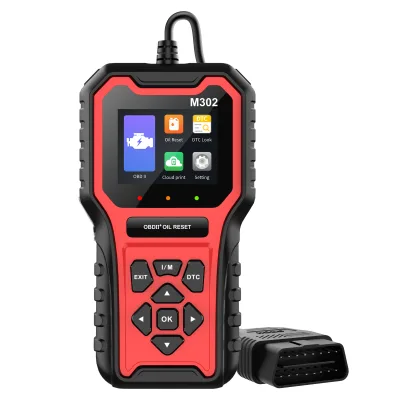
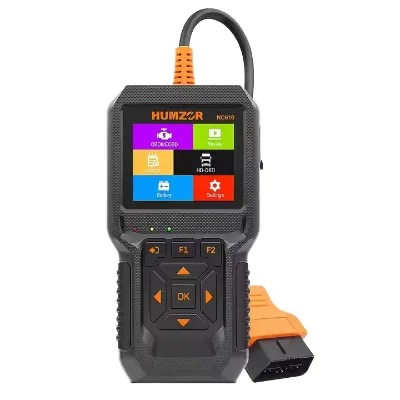


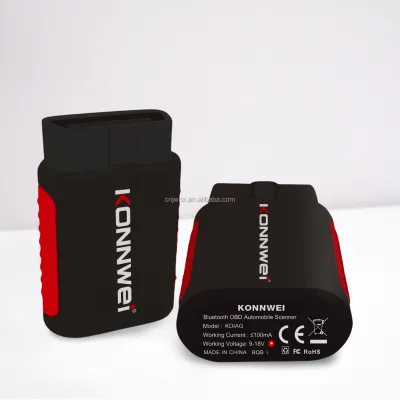
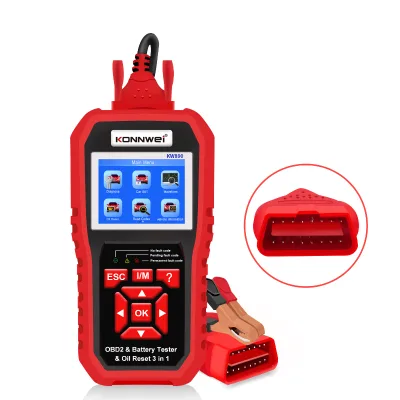
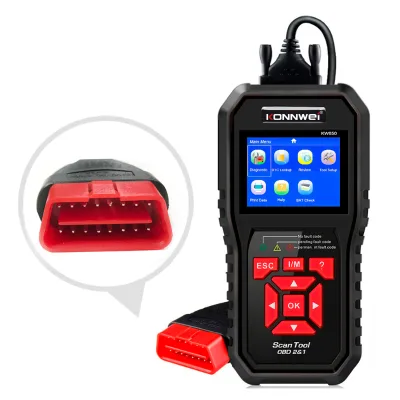
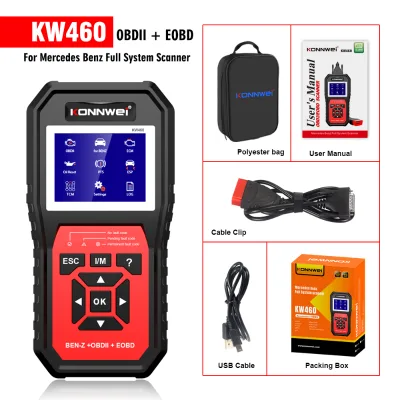
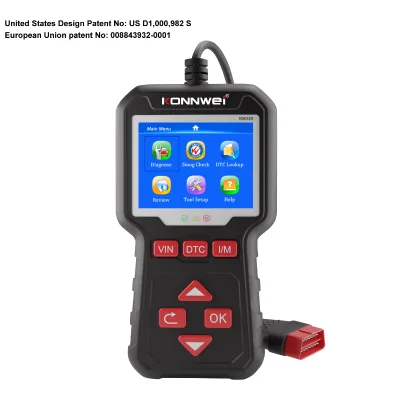
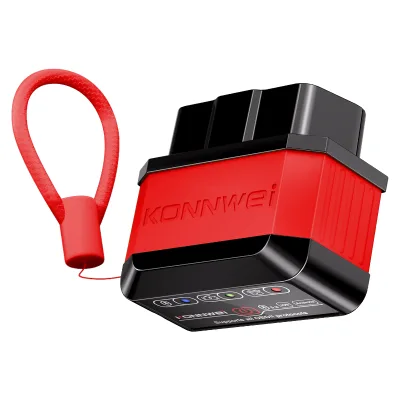
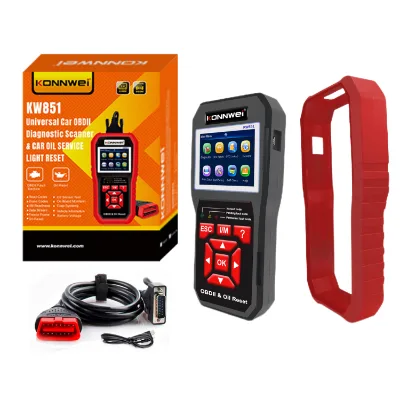
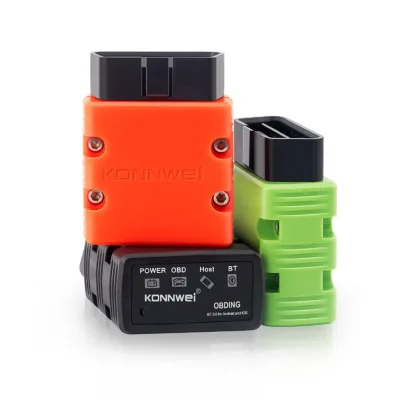
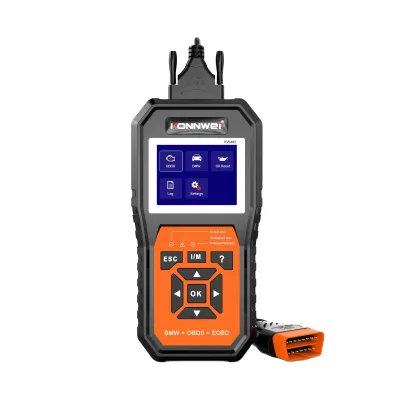
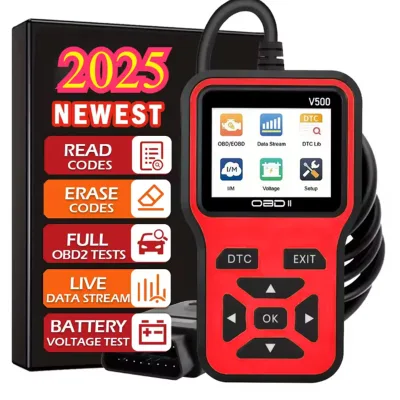
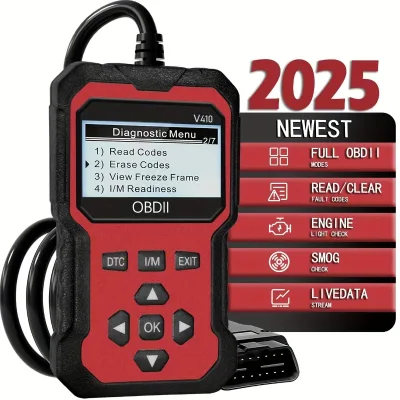
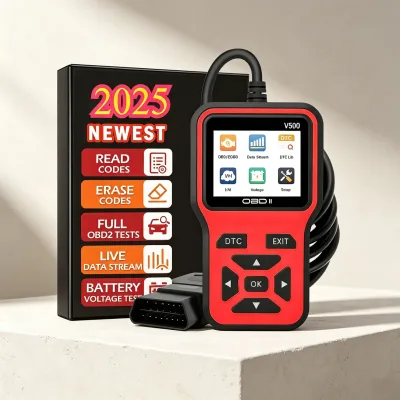
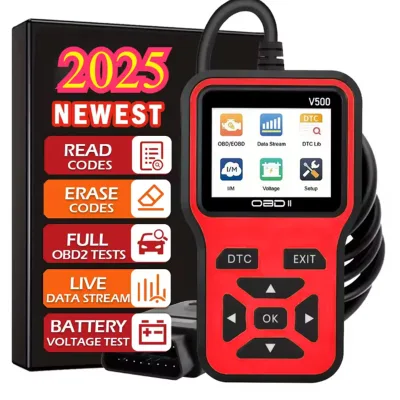
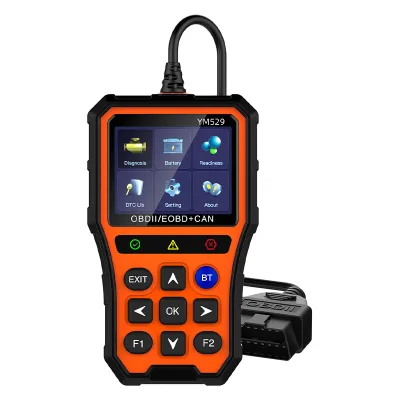


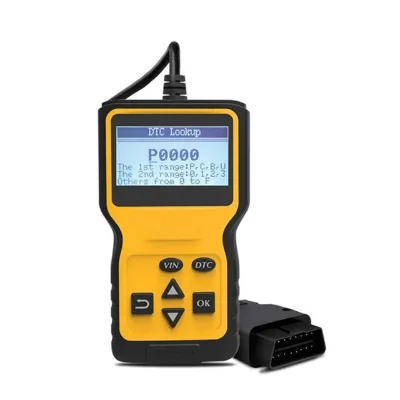
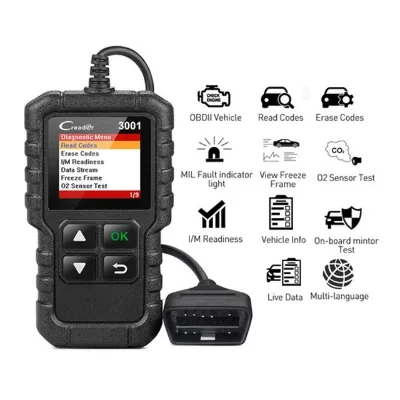
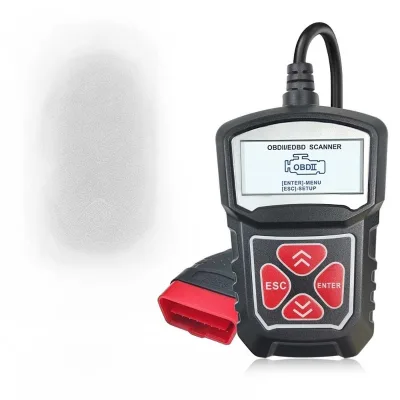
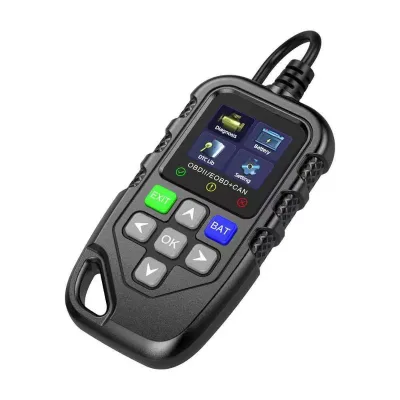
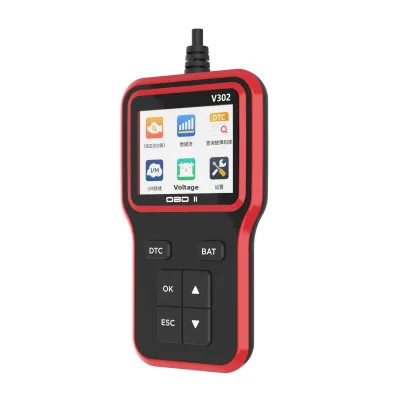
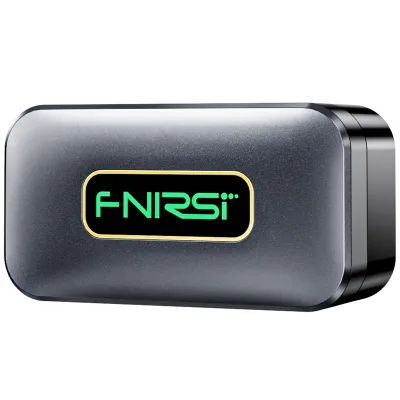
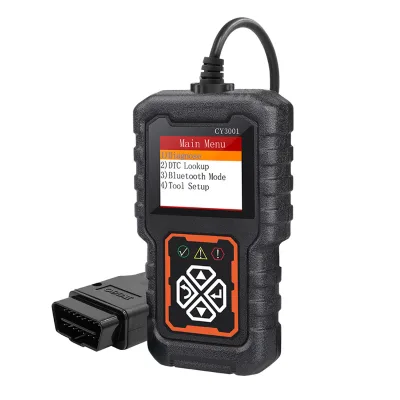
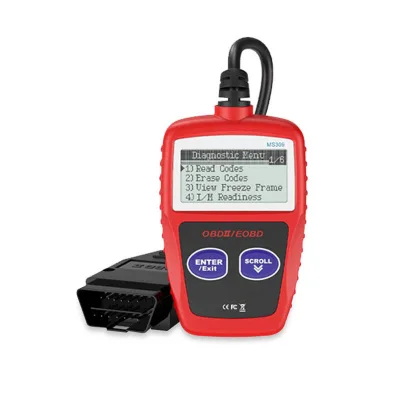
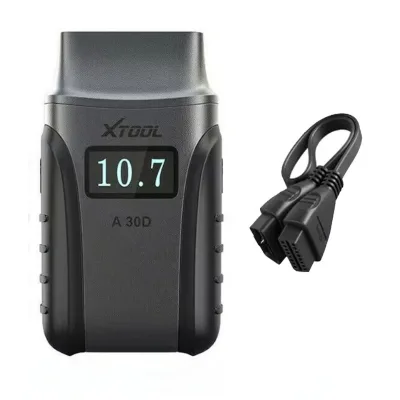
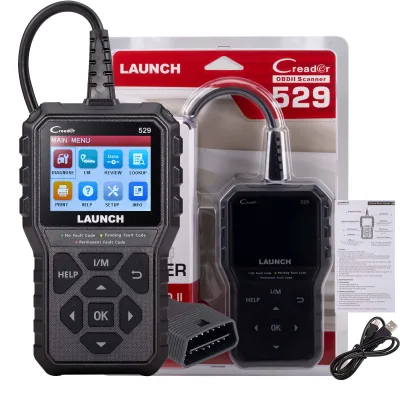


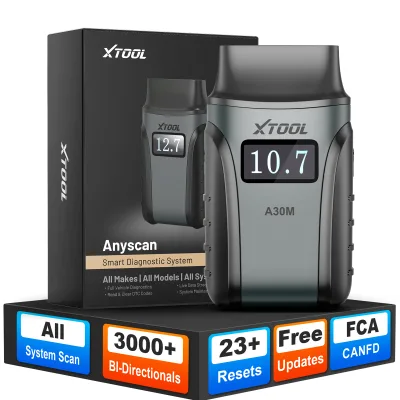
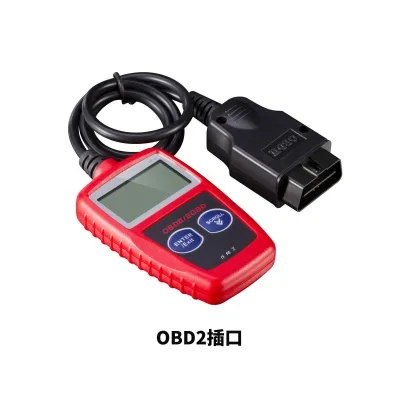
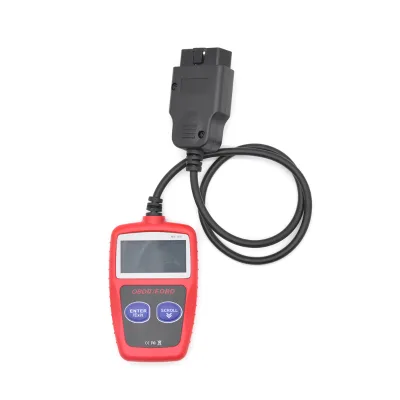


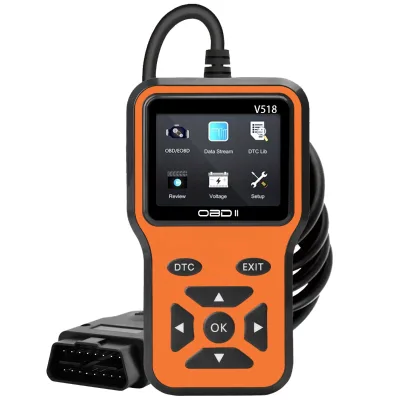
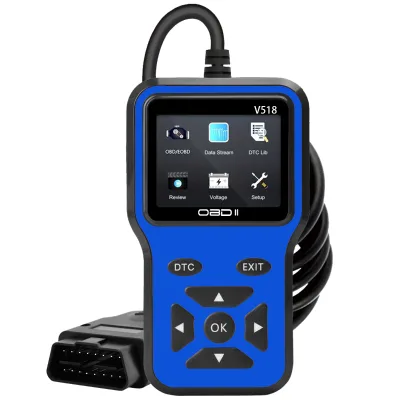
Comprehensive Sourcing Guide
Oil Light Reset Diagnostic Scanner Supplier Concentration and Factory Types
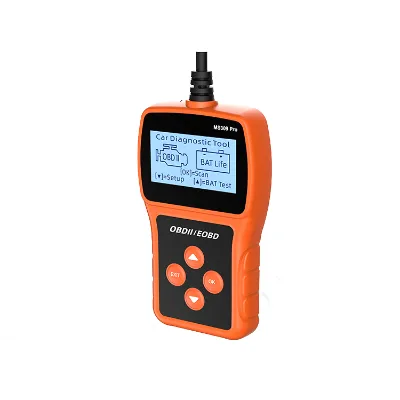
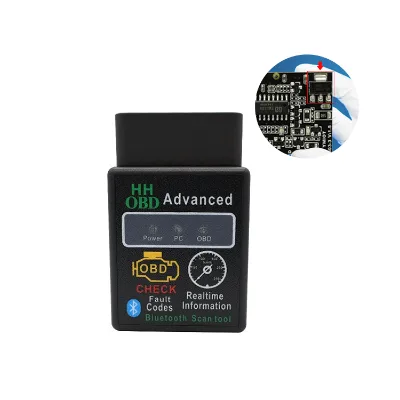
Current supplier data indicates a concentration of manufacturers and trading companies in specific Chinese provinces, with Sichuan, Jiangsu, and Guangdong emerging as key hubs for automotive diagnostic tools. Suppliers in Sichuan and Guangdong often list main products including diagnostic tools, key programmers, and ECU tools, suggesting a specialized cluster for complex automotive electronics. In contrast, suppliers in Jiangsu frequently focus on simpler OBD2 interfaces and basic scanners, indicating a different tier of manufacturing capability within the same region. This geographic distribution allows buyers to identify clusters by filtering for specific product attributes like "ELM327" or "Heavy Duty Truck Code Reader" rather than relying on generic location names.
The company types observed vary significantly, with some entities operating as pure trading companies while others function as manufacturers or a hybrid of both. A supplier in Guangdong, for instance, may declare itself as both a manufacturer and trading company, offering a broader range of products like jump starters and power stations alongside diagnostic scanners. This dual role can impact the depth of technical support and customization options available for oil light reset devices. Buyers should verify the specific company type listed in the supplier profile, as a trading company might source from multiple factories, whereas a manufacturer controls the production line directly. Understanding this distinction is crucial for assessing supply chain stability and the potential for customizing the diagnostic tool's firmware or hardware interface.
How to Verify Oil Light Reset Diagnostic Scanner Suppliers
Verification begins with scrutinizing the response time and lead time metrics provided in the supplier profile, as these are direct indicators of operational efficiency. Data shows response times ranging from 1 to 17 hours, with some suppliers committing to delivery within 2 working days or 48 hours. A supplier with a 17-hour response time may indicate a larger, less agile operation compared to one responding in 2 hours, which often correlates with better customer service for urgent diagnostic tool orders. Buyers should prioritize suppliers with faster response windows to ensure timely communication regarding product specifications and order status. Additionally, checking the lead time against the stated delivery time helps validate the supplier's ability to meet tight schedules, especially for bulk orders of diagnostic scanners.
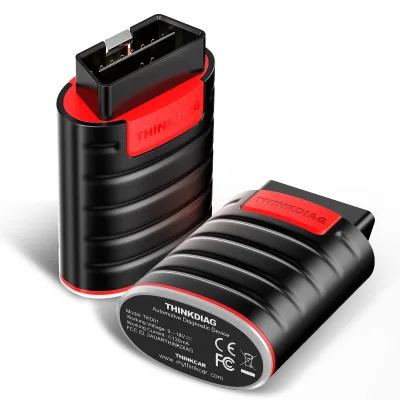
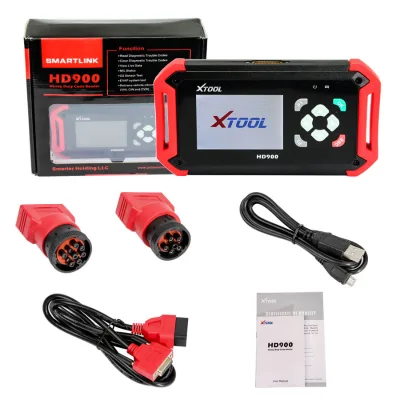
Beyond speed, buyers must validate the authenticity of product attributes and certifications listed in the supplier's catalog. For example, some products explicitly state a "Declaration of Conformity" certification, which is a critical verification point for electronic devices entering international markets. The presence of specific model numbers like "Thinkdiag" or "XTOOL HD900" allows buyers to cross-reference technical specifications such as voltage ranges, battery life, and software update capabilities. It is essential to confirm that the "Place of Origin" matches the claimed location, such as Guangdong or Jiangsu, to ensure the product meets regional manufacturing standards. Buyers should request detailed product evidence, including packaging details and warranty terms, to confirm that the supplier can deliver a genuine, high-quality diagnostic tool that meets international safety and performance standards.
What to Compare Across Oil Light Reset Diagnostic Scanner Suppliers
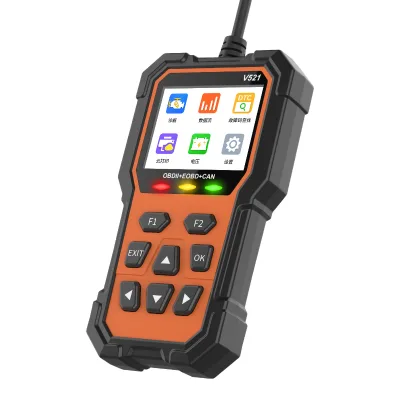
When comparing suppliers, the primary focus should be on the minimum order quantity (MOQ) and the price range, as these factors directly impact the initial investment and inventory risk. The observed data reveals a wide variance in pricing, with some diagnostic scanners listed between $15 and $17, while more advanced models range from $149 to $254. Similarly, MOQs can vary from a single unit to five units, allowing buyers to test the market with minimal commitment or secure bulk pricing for larger operations. A supplier offering a low MOQ of one unit is ideal for startups or those testing new product lines, whereas a higher MOQ might be necessary to achieve a lower unit cost for established businesses. Buyers must weigh these financial constraints against their specific business needs to determine the most cost-effective sourcing strategy.
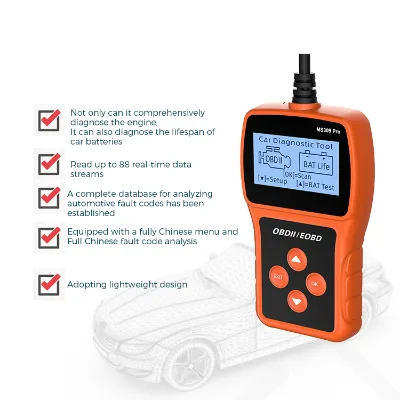
Another critical comparison point is the supply ability and the specific functional capabilities of the diagnostic tools. Suppliers may claim a supply ability of 1000 sets per month, but the actual functionality of the tool, such as "Diagnoses, ECU Coding" or "Oil Service Light Reset," must align with the buyer's target market. Some products are designed for universal vehicle coverage, while others are specific to certain brands like Toyota or BMW. The language support, ranging from multi-languages to English-only, is also a vital differentiator that affects the tool's usability in different regions. Buyers should compare these functional attributes alongside the warranty period, which is often listed as one year, to ensure the selected supplier offers a product that is both versatile and reliable for their specific customer base.
Common Oil Light Reset Diagnostic Scanner Sourcing Risks
One significant risk involves the discrepancy between the claimed product specifications and the actual delivered goods, particularly regarding software updates and compatibility. Some suppliers list products as having "Update Online" capabilities, while others may not specify this feature, potentially leaving buyers with outdated diagnostic tools that cannot communicate with newer vehicle models. The risk is compounded if the supplier does not provide clear documentation on how to perform these updates or if the software version is not the latest. Buyers must verify the "Software Version" and "Update" capabilities before placing an order to avoid receiving a device that becomes obsolete shortly after purchase. This verification is essential for maintaining the long-term value and utility of the diagnostic scanner in a rapidly evolving automotive landscape.
Another risk is the potential for inconsistent quality control and packaging standards, which can lead to damaged goods or customer dissatisfaction. While some suppliers specify "Standard Packing" or "cartons," others may use minimal packaging like "1pcs/opp bag," which offers less protection during transit. The weight and dimensions of the product, such as a 1KG unit versus a 0.055 KG unit, also influence shipping costs and the likelihood of damage. If a supplier does not clearly state the "Single gross weight" or "Single package size," buyers may face unexpected logistics challenges or higher shipping fees. To mitigate this risk, buyers should request detailed packaging information and consider using escrow services to ensure that the product arrives in the condition described in the listing, protecting their investment against shipping-related losses.
Oil Light Reset Diagnostic Scanner Regional Sourcing and Logistics
Logistics planning must account for the specific port of dispatch and the lead times associated with different regions. Suppliers in Guangdong and Sichuan often list "Any Port of China" as the dispatch point, offering flexibility in shipping routes but requiring buyers to coordinate with freight forwarders for optimal routing. The lead time for these suppliers can vary, with some promising delivery within 2 working days, while others may require 15 days for processing. This variance highlights the importance of aligning the supplier's location with the buyer's logistical capabilities and delivery expectations. Buyers should calculate the total transit time, including the supplier's lead time and the shipping duration, to ensure that the diagnostic tools arrive when needed for their business operations.
Regional sourcing also impacts the voltage and power requirements of the diagnostic tools, which must match the electrical standards of the target market. Products listed with a voltage of 12V or 9V-15V are generally compatible with standard automotive systems, but buyers must verify that the power source and operating current meet the specific needs of their customers. For instance, a tool with a power consumption of 45mA may be suitable for light-duty vehicles, while a heavier unit with 24W power might be required for heavy-duty trucks. Understanding these regional electrical standards helps buyers avoid compatibility issues and ensures that the diagnostic scanner functions correctly in the intended market. Additionally, buyers should consider the environmental conditions, such as storage temperatures ranging from -20℃ to 60℃, to ensure the product remains durable in various climates.
Oil Light Reset Diagnostic Scanner Commercial Terms and Order Planning
Commercial terms should be carefully negotiated to include clear warranty provisions and after-sales support, as these are critical for maintaining customer trust. The observed data indicates a standard warranty period of one year for many diagnostic tools, but buyers should confirm if this covers software updates or hardware repairs. A supplier that offers a comprehensive warranty can significantly reduce the risk of returns and customer complaints, making it a valuable asset in the sourcing process. Buyers should also inquire about the specific terms for handling defective units, such as whether the supplier provides replacement parts or a full unit exchange. Clear commercial terms regarding warranty and support help establish a reliable partnership and ensure that the buyer can offer a high level of service to their end customers.
Order planning must also consider the selling units and the scalability of the supply chain to meet future demand. Some suppliers list their products as "Single item" selling units, which simplifies the ordering process but may limit bulk discounts. Others may offer tiered pricing or volume discounts that become available only after reaching a certain order quantity. Buyers should analyze their projected sales volume to determine the optimal order size that balances cost efficiency with inventory management. Additionally, the "Supply Ability" of 1000 sets per month should be factored into the planning process to ensure that the supplier can scale up production if demand increases unexpectedly. By aligning order planning with the supplier's capacity and commercial terms, buyers can build a resilient supply chain that supports long-term growth in the diagnostic tool market.
FAQs
What is the price range for oil light reset diagnostic scanners?
Prices for these diagnostic scanners typically range from 15 to 255 dollars depending on the model and features. Basic OBD2 tools start around 15 dollars, while advanced units with ECU coding capabilities can cost up to 255 dollars. Buyers should verify specific pricing for their required vehicle compatibility.
How long does it take to receive these diagnostic tools?
Delivery times vary significantly by supplier, ranging from two working days to fifteen days. Some manufacturers offer rapid dispatch within two days, while others may require up to fifteen days for processing. Always confirm the specific lead time with the supplier before placing an order.
What is the minimum order quantity for these scanners?
Minimum order quantities differ by product, with some suppliers accepting single items while others require five units. Basic OBD2 scanners often have an MOQ of one, whereas specialized heavy-duty tools might require a minimum of five sets. Check the specific product listing for exact requirements.
Where are these diagnostic tool manufacturers located?
Manufacturers and trading companies for these tools are primarily located in China, specifically in Sichuan, Jiangsu, and Guangdong provinces. These regions host suppliers offering various models ranging from basic code readers to advanced diagnostic systems with multi-language support.
Do these scanners support ECU coding and engine diagnostics?
Yes, many advanced models support ECU coding, engine system diagnosis, and anti-lock braking system checks. Some devices also handle tire pressure monitoring and battery management functions. Ensure the selected tool matches your specific vehicle brand and required diagnostic capabilities.
What is the typical response time for supplier inquiries?
Supplier response times vary, with some companies replying within two hours and others taking up to seventeen hours. Fast-response suppliers often indicate higher availability for immediate support. Buyers should check the specific response time listed on the supplier profile before contacting them.
Are these diagnostic tools compatible with multiple vehicle brands?
Most scanners are designed for universal application across various car brands, including Toyota and BMW. Some models specifically target heavy-duty trucks or diesel engines. Verify the applicable models section to ensure compatibility with your specific vehicle fleet before purchasing.