Original USB Camera Module Suppliers and Manufacturers in China
Find 17 verified suppliers offering Original USB Camera Module with ISO9001:2015 certification and OEM capabilities. Compare response times, lead times, and pricing to source USB 2.0 camera modules from Guangdong factories today; review the available evidence before requesting comparable quotations from suitable candidates.
Updated
Suppliers List

Shenzhen Shixin Digital Co., Ltd.
- Manufacturer
- China Guangdong
- Lead time15 days
- Avg. response≤ 7h
Main productsUSB Camera, IP Camera, CCTV, 4K Camera, Security Camera, Camera Module, Mini Camera, Webcam, HD Camera, CCTV Camera
Main marketsSoutheast Asia/ Mideast,Domestic,Europe,North America
Shenzhen Longgang District Xr Electronics Factory
- Manufacturer, Trading Company, Buying Office, Distributor/Wholesaler
- Guangdong, China
- Lead time10 days
- Avg. response≤ 3h
Main productsConsumer electronics,household appliances
Main marketsSoutheast Asia(20.00%), North America(10.00%), Southern Europe(10.00%), Western Europe(10.00%), Domestic Market(5.00%), South Asia(5.00%), Eastern Europe(5.00%), Northern Europe(5.00%), Central America(5.00%), South America(5.00%), Eastern Asia(5.00%), Mid East(5.00%), Oceania(5.00%), Africa(5.00%)
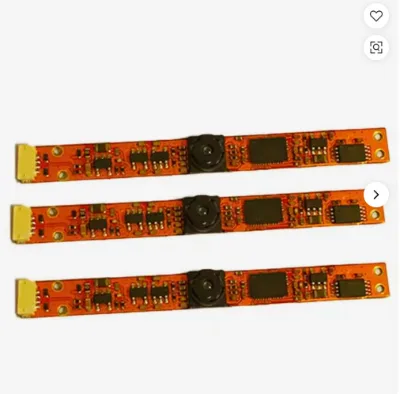
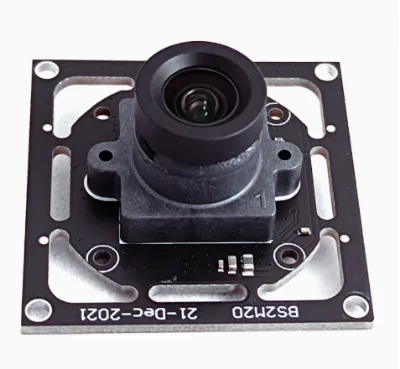
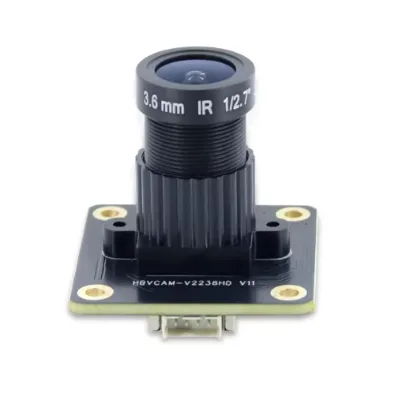
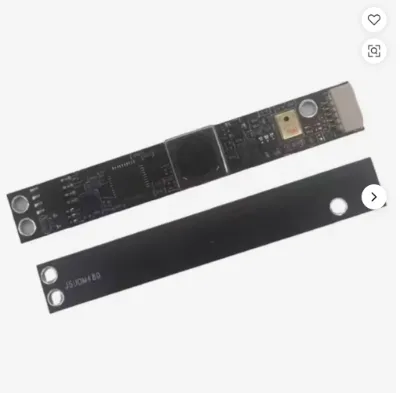
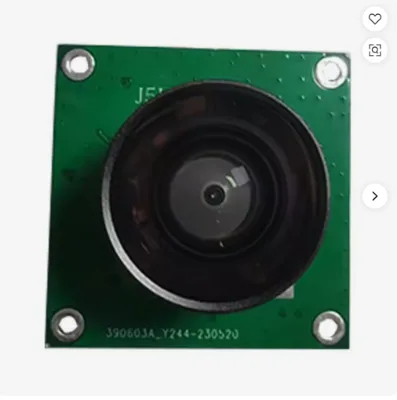
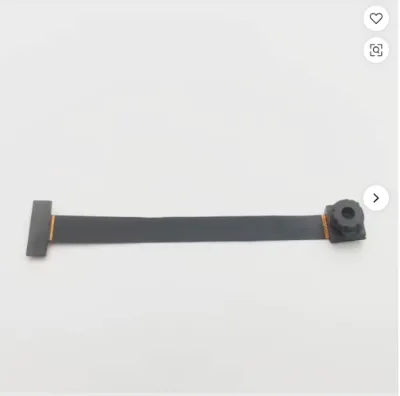
2MP 1080P USB Camera Module Long FPC+PCB GC2145 USB
$15.00 - $18.00
Dongguan Hampo Electronic Technology Co., Ltd.
- Manufacturer, Trading Company
- Lead time旺季: "1 - 2000":30,"> 2000":"To be negotiated", 淡季: "1 - 2000":30,"> 2000":"To be negotiated"
- Avg. response≤ 5h
Main productsCamera Module, PC Camera, Smart Pen
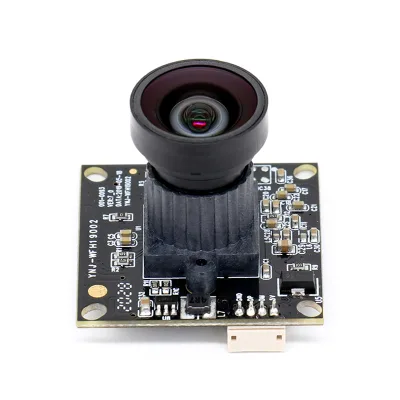
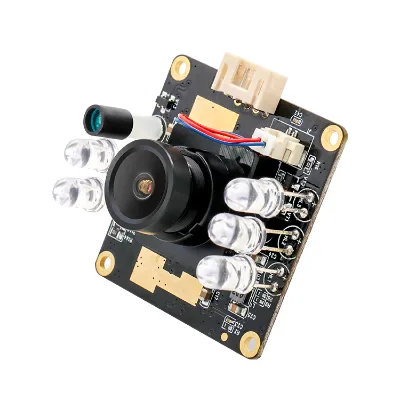
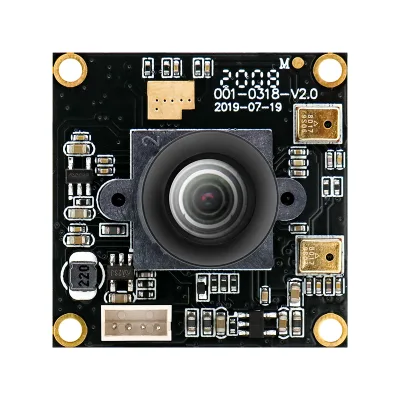
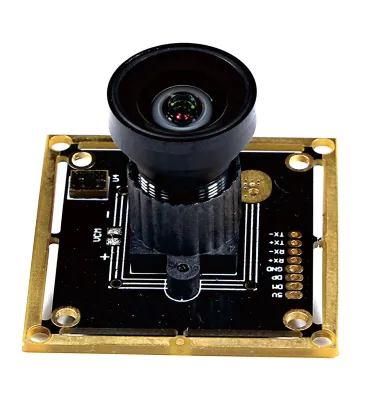
USB Camera Module 80 Degree 5MP 1/2.5" Large Sensor Camera Module for Skin Detector
$22.6421 - $23.6751
MOQ: 2 pieces
Shenzhen Huashi Chengjin Technology Co., Ltd.
- Verified by Intertek
- Trading Company
- Lead time7 days
- Avg. response≤ 1h
Main productsOptical Lens, Camera Module, Lens Mount, CCTV Lenses
Main marketsNorth America(10%), Southeast Asia(10%), Domestic Market(10%)

Chengdu Century Huasha Trading Co., Ltd.
- Trading Company
- China Sichuan
- Lead time0 days
- Avg. response≤ 1h
Main productsInfrared Thermal Imaging Shutter, IR-Cut Dual Filter Switcher, Automatic and Manual Iris Apeture Diaphragm, Fa Mechanical Vision Lens, Micro Stepper Stepping Motor, Brushless Motor, Measurement Sensor, Image Measuring Instrument, Voice Coil Motor Actuator VCM Vca, Color Sensor

Dongguan Hampo Electronic Technology Co., Ltd.
- Combined
- China Guangdong
- Lead time30 days
- Avg. response≤ 22h
Main productsUSP Camera
Main marketsSoutheast Asia/ Mideast,East Asia(Japan/ South Korea),Domestic,Europe,North America

2MP Ar0230 H. 264 USB Camera Module with Mic 96degree Wide View of Angle Lens
$25.00 - $27.00
MOQ: 300 Pieces

$38.50 - $41.00
MOQ: 200 Pieces

$38.50 - $42.00
MOQ: 200 Pieces

$38.50 - $41.00
MOQ: 200 Pieces


$35.50 - $41.00
MOQ: 200 Pieces
Shenzhen CXS Electronic Co., Ltd
- Manufacturer, Trading Company, Distributor/Wholesaler
- Guangdong, China
- Lead time0 days
- Avg. response≤ 6h
Main productsIC,Capacitor,Resistor,module,LED
Main marketsSouth America(20.00%), North America(20.00%), Northern Europe(10.00%), Western Europe(10.00%), Mid East(10.00%), Southern Europe(10.00%), Southeast Asia(10.00%), Domestic Market(5.00%), Africa(5.00%)
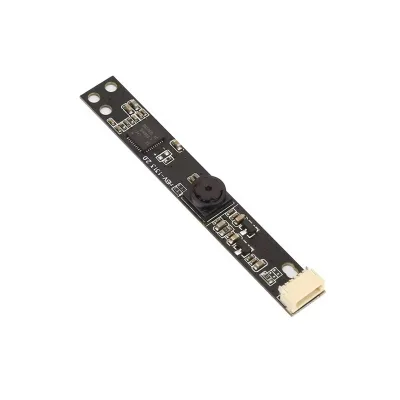
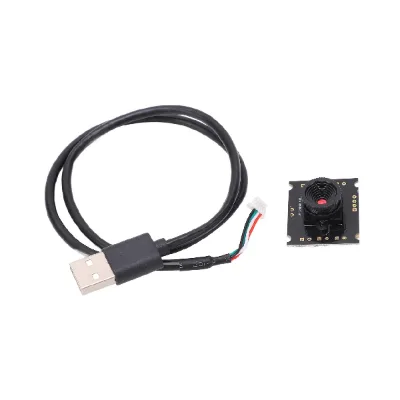
2 Million Pixels 60° Wide Angle Lens USB Camera Module with OV2659 Chip
$4.9326 - $7.3982
MOQ: 10 Minimum
$5.9596 - $6.6796
MOQ: 10 pieces

Yizhang Xinchenguang Electronics Co., Ltd.
- Trading Company,Manufacturer/Factory
- China Hunan
- Lead time15 days
- Avg. response≤ 13h
Main productsCamera Module, USB Camera Module, Ahd Camera Module
Main marketsSouth America,Eastern Europe,Mid East,North America,Southeast Asia,Eastern Asia,Western Europe


High Quality 1MP 720p 30fps H62 Sensor Wide Angle Fixed Focus USB Camera Module
$6.00 - $8.50
MOQ: 1 Pieces

1MP 720p 30fps Micro Camera Fixed Focus USB Camera Module with Ov9734 CMOS Camera Module
$5.50 - $7.00
MOQ: 5 Pieces

$15.00 - $20.00
MOQ: 1 Pieces

8MP HD USB Camera Module with Imx179 Sensor Free Drive USB2.0 Interface 4K Module 8 Million 30fps
$25.95 - $30.95
MOQ: 5 Pieces

1/9inch 1MP Camera Module CMOS Image Sensor Ov9734 USB Laptop Camera 3mm*75mm*2.5mm
$4.80 - $6.50
MOQ: 1 Pieces
Shenzhen Huiber Vision Technology Co., Ltd.
- Manufacturer, Trading Company
- Guangdong, China
- Lead time15 days
- Avg. response≤ 5h
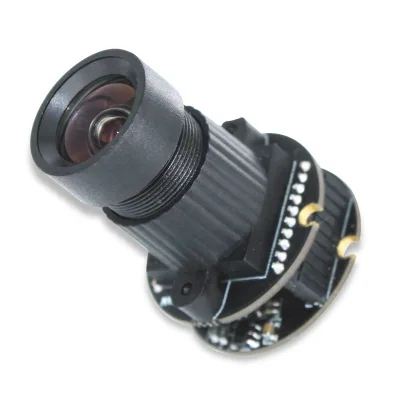
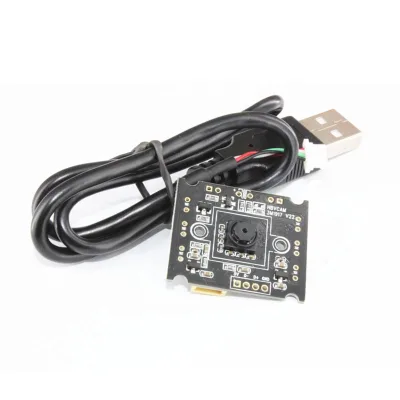
Main productsUSB Camera Module,Raspberry pi Camera Module,Endoscope Camera Module,Dual Camera Module,Webcam Camera Module
Main marketsDomestic Market(41.00%), North America(15.00%), Eastern Europe(13.00%), Eastern Asia(10.00%), Western Europe(5.00%), Oceania(5.00%), Southeast Asia(3.00%), Southern Europe(2.00%), South America(2.00%), South Asia(2.00%), Northern Europe(1.00%), Mid East(1.00%)
$7.2036 - $11.3188
MOQ: 2 pieces
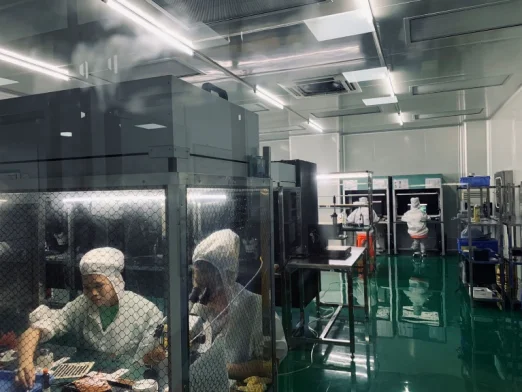
Shenzhen Wanling Electronics Co., Ltd.
- Manufacturer
- Guangdong, China
- Lead time0 days
- Avg. response≤ 2h
Main productsMIPI/DVP Camera Module,USB Camera Module,Thermal Imaging Camera Module,Industrial Camera Module,Customize Camera Module
Main marketsWestern Europe(35.00%), North America(15.00%), Northern Europe(15.00%), South America(15.00%), Southern Europe(5.00%), Eastern Europe(5.00%), Mid East(5.00%), Southeast Asia(2.50%), Eastern Asia(2.50%)
- Verified by TüVRheinland
- Trading Company
- Lead time15 days
- Avg. response≤ 4h
Main productsCamera Module, Communication Module, IOT Solutions, AIOT Solutions
Main marketsNorth America(21%), Africa(11%), Western Europe(10%)
Shenzhen Juhonghan Technology Co., Ltd.
- Verified by TüVRheinland
- Manufacturer, Trading Company
- Lead time20 days
- Avg. response≤ 8h
Main productsAHD Camera Modules, Endoscope Camera Modules, Global Shutter Camera Modules, Stereo Camera Modules, Multi-camera Modules
Main marketsNorth America(60%), Domestic Market(35%), Eastern Asia(5%)
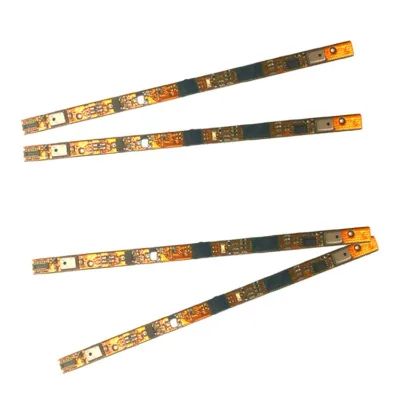
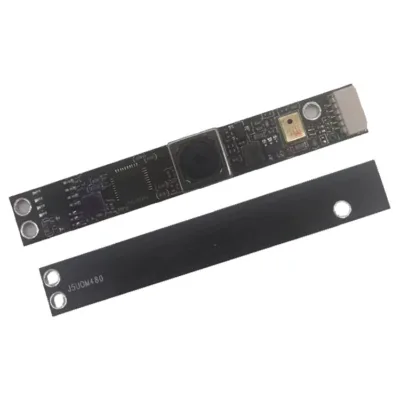
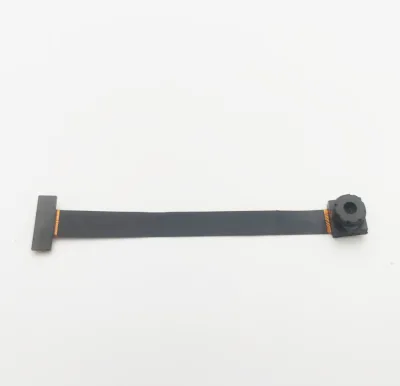
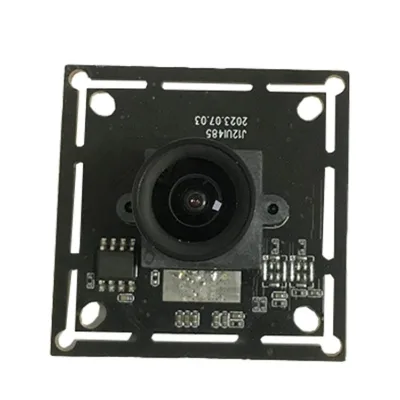
2MP 1080P USB Camera Module Long FPC+PCB GC2145 USB
$14.00 - $17.00

Shenzhen Weinan Electronic Co., Ltd.
- Verified by SGS
- Trading Company
- China Guangdong
- Lead time15 days
- Avg. response≤ 1h
Main productsUSB Camera Module, Mipi Camera Module, Dvp Camera Module
Main marketsDomestic,Europe


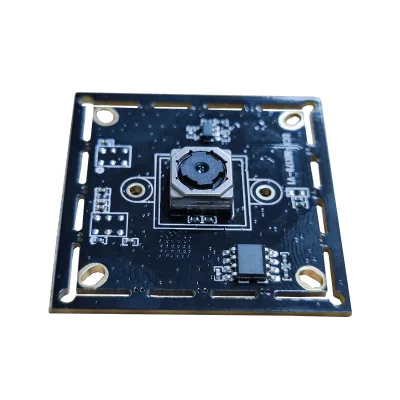
5MP Imx335 Sensor Fixed Focus USB Camera Module 60fps USB3.0 Webcam Module
$68.00 - $69.00
MOQ: 1 Pieces


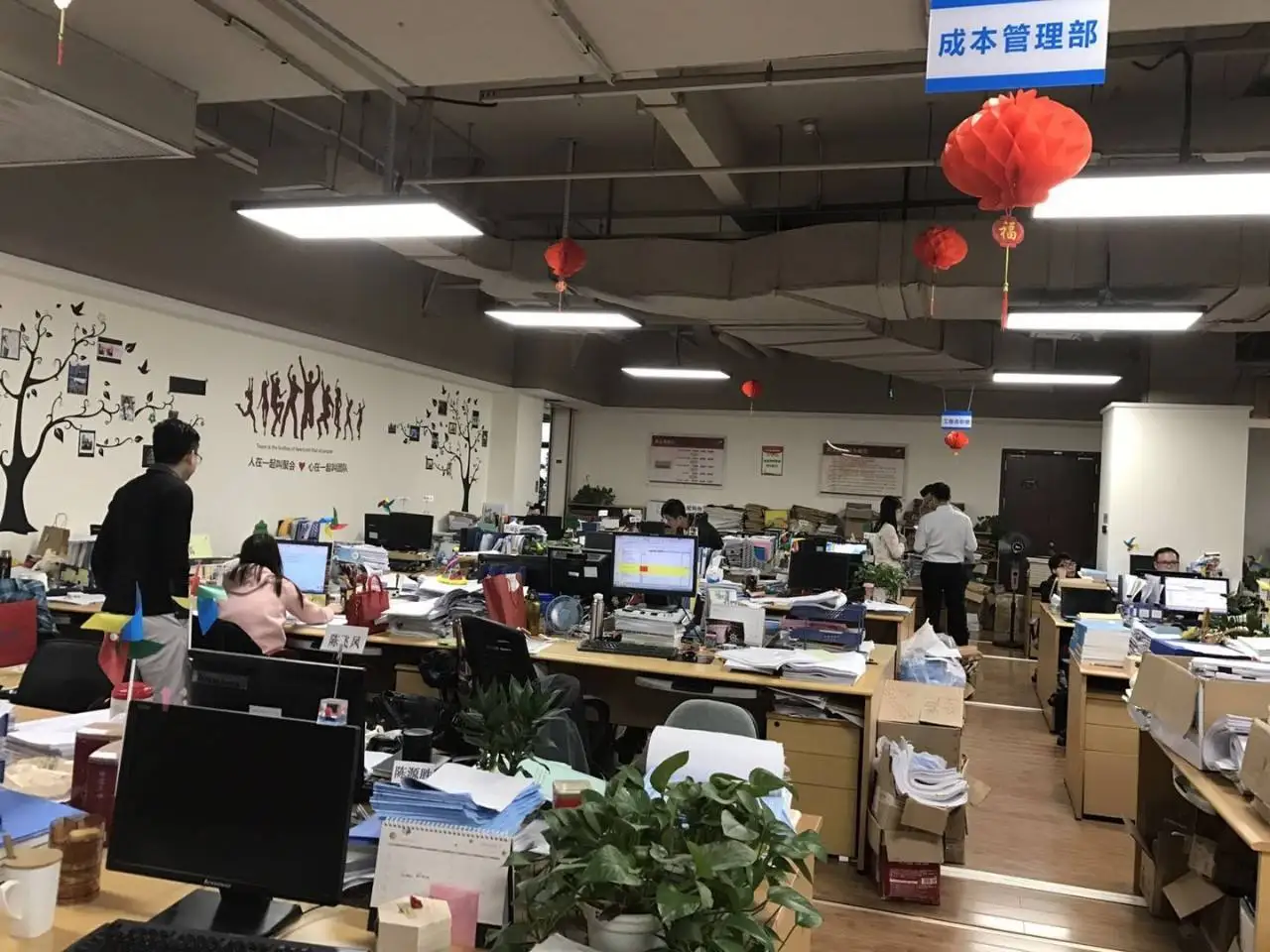
Shenzhen Bluewaving Technology Co., Ltd.
- Manufacturer, Distributor/Wholesaler
- Guangdong, China
- Lead time7 days
- Avg. response≤ 6h
Main productsComputer Mouse,Camera
Main marketsNorth America(35.00%), Western Europe(30.00%), Eastern Europe(10.00%), Mid East(10.00%), South Asia(5.00%), Northern Europe(5.00%), Central America(5.00%)

Shenzhen Huachuang Micro Vision Technology Co., Ltd
- Verified by SGS
- Combined
- China Guangdong
- Lead time15 days
- Avg. response≤ 4h
Main productsUSB Camera Module, USB Camera, Industrial Camera, Cvba Camera, Ahd Camera, Wfi Camera, CCTV Camera, IP Camera, Mini USB Camera
Main marketsDomestic,North America


HD 2MP Industrial CMOS USB Camera Module for Identification and Surveillance Object Scanning Devices
$10.99 - $12.99
MOQ: 1 Pieces
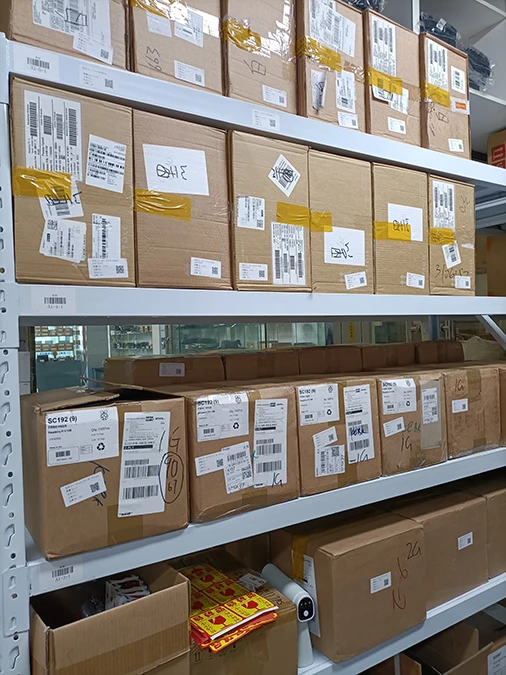
Shenzhen Silver Qiao Electronic Technology Co., Ltd.
- Manufacturer, Trading Company, Distributor/Wholesaler
- Guangdong, China
- Lead time7 days
- Avg. response≤ 4h
Main productsRaspberry Pi,Chips,Microbit,ARDUINO,BEAGLEBONE
Main marketsWestern Europe(30.00%), North America(30.00%), Domestic Market(10.00%), Southern Europe(10.00%), Eastern Europe(10.00%), Northern Europe(5.00%), South America(5.00%)

Shenzhen Evisuals Technology Co., Ltd.
- Manufacturer
- Guangdong, China
- Lead time20 days
- Avg. response≤ 8h
Main productsIdentity Verification All In One Machine,Webcam,Document Camera,Document scanner,Camera module
Main marketsWestern Europe(20.00%), South America(20.00%), North America(20.00%), South Asia(10.00%), Domestic Market(3.00%), Southeast Asia(3.00%), Southern Europe(3.00%), Northern Europe(3.00%), Central America(3.00%), Eastern Europe(3.00%), Eastern Asia(3.00%), Mid East(3.00%), Oceania(3.00%), Africa(3.00%)




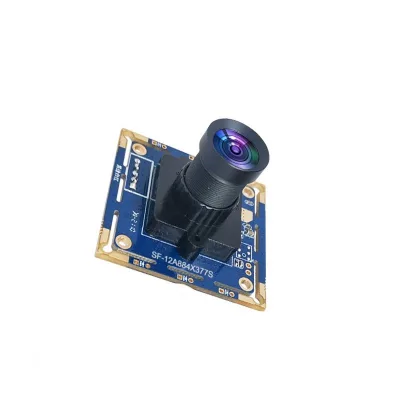
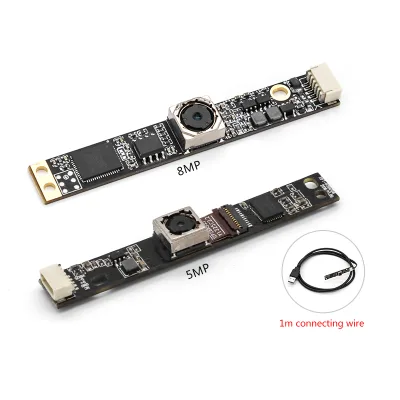
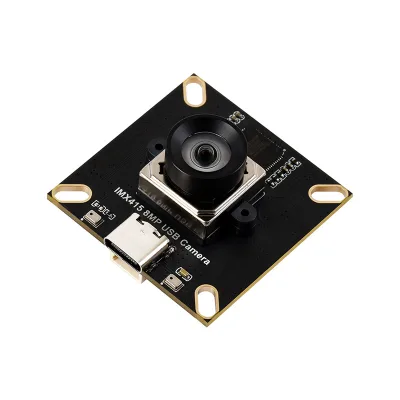
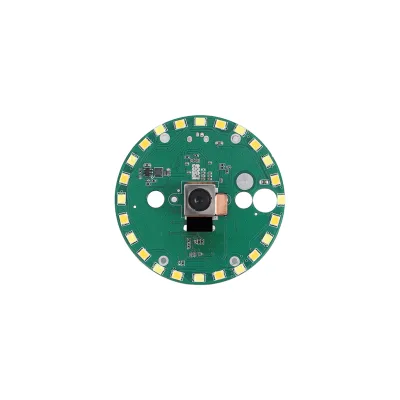
Comprehensive Sourcing Guide
Original USB Camera Module Supplier Concentration and Factory Types
The current supplier landscape for original USB camera modules reveals a distinct concentration of manufacturing capabilities within specific industrial hubs in China, particularly in Guangdong. This geographic clustering is not accidental but reflects a mature supply chain ecosystem where electronic components, sensor sourcing, and assembly lines are co-located to minimize logistics friction and accelerate production cycles. When evaluating potential partners, buyers should recognize that the majority of verified manufacturers operating in this sector are based in this region, leveraging local infrastructure to support high-volume output. This concentration allows for rapid prototyping and iterative design changes, which are critical for custom USB camera modules that may require specific form factors or interface adaptations. The density of suppliers in Guangdong also facilitates easier quality control visits and more frequent communication, as time zone differences are minimal and travel logistics are streamlined.
Beyond geographic location, the types of entities offering these modules vary significantly, ranging from pure manufacturers to trading companies and buying offices. While many suppliers identify as manufacturers with their own OEM and ODM capabilities, others operate as intermediaries who aggregate products from multiple factories. It is essential for buyers to distinguish between these entity types because the implications for pricing, customization flexibility, and direct technical support differ substantially. Manufacturers typically offer greater control over the production process and can accommodate complex customization requests, such as altering sensor sizes or interface types, whereas trading companies may offer a broader catalog of off-the-shelf solutions but with less direct influence over manufacturing specifics. Understanding this distinction helps buyers align their sourcing strategy with their operational needs, whether they prioritize cost efficiency through volume or technical precision through direct factory engagement.
How to Verify Original USB Camera Module Suppliers
Verifying the authenticity and capability of an Original USB Camera Module supplier requires a multi-layered approach that goes beyond surface-level profile reviews. Buyers should prioritize suppliers who display robust system certifications, such as ISO9001:2015, which indicate a standardized approach to quality management and consistent production processes. These certifications are not merely decorative; they serve as a baseline assurance that the supplier adheres to internationally recognized standards for manufacturing reliability. Additionally, product-specific certifications like CE, FCC, and RoHS are critical for ensuring that the camera modules meet regulatory requirements for safety and environmental compliance in target markets. Buyers must request valid certificates and verify their authenticity through issuing bodies, as counterfeit documentation is a known risk in the electronics supply chain. This verification step is particularly important for modules intended for use in sensitive applications such as medical devices or automotive systems, where compliance failures can have severe legal and operational consequences.
Response time and communication efficiency are also key indicators of supplier reliability and operational maturity. A supplier’s ability to respond to inquiries within a reasonable timeframe, such as under seven hours, suggests a well-staffed and organized sales and technical support team. Slow response times can be a red flag, indicating potential bottlenecks in communication that may delay project timelines or hinder problem resolution during production. Buyers should test supplier responsiveness by submitting detailed technical queries regarding sensor specifications, interface compatibility, and customization options. The quality and depth of the response can reveal the supplier’s technical expertise and their willingness to engage in a collaborative partnership. Furthermore, buyers should inquire about the supplier’s engagement in trade assurance or escrow services, which provide financial protection and dispute resolution mechanisms. These services add a layer of security to the transaction, ensuring that payments are released only when agreed-upon milestones are met, thereby reducing the risk of fraud or non-delivery.
What to Compare Across Original USB Camera Module Suppliers
When comparing suppliers, buyers must evaluate a range of operational metrics that directly impact cost, speed, and flexibility. Lead time is a critical factor, with some suppliers offering production cycles as short as ten to fifteen days, while others may require longer periods depending on order volume and customization complexity. Buyers should align their inventory planning with these lead times to avoid stockouts or excessive warehousing costs. Minimum Order Quantity (MOQ) requirements also vary significantly, ranging from small batches of ten units for prototyping to larger volumes of one hundred units for mass production. Understanding these MOQ thresholds helps buyers determine the feasibility of engaging with a supplier for their specific order size, especially for startups or small-scale projects that may not have the capital for large initial purchases. Suppliers with lower MOQs may offer higher per-unit prices but provide greater flexibility for market testing and iterative development.
Price and customization capabilities are equally important dimensions for comparison. The price range for USB camera modules can vary widely, from budget-friendly options around four to five dollars for basic 0.3MP modules to premium solutions exceeding twenty dollars for high-resolution 5MP or 8MP variants with advanced features like autofocus. Buyers should analyze the price-to-specification ratio to ensure they are not overpaying for unnecessary features or underpaying for compromised quality. Customization availability is another key differentiator, with many suppliers offering OEM and ODM services to tailor modules to specific brand or application requirements. Buyers should assess the extent of customization offered, including options for sensor size, interface type, resolution, and physical dimensions. Suppliers that provide comprehensive customization support can help buyers create unique products that stand out in the market, whereas those with limited options may restrict product differentiation. Additionally, comparing the main products offered by each supplier can reveal their core competencies, helping buyers select partners with specialized expertise in their required niche.
Common Original USB Camera Module Sourcing Risks
One of the primary risks in sourcing original USB camera modules is the potential discrepancy between advertised specifications and actual product performance. Buyers may encounter suppliers who claim high resolutions or advanced features, such as autofocus or low-light sensitivity, but deliver products that fall short of these promises. This risk is exacerbated by the complexity of camera module technology, where subtle differences in sensor quality, lens construction, and firmware can significantly impact image quality and functionality. To mitigate this risk, buyers should request detailed technical datasheets and sample units for rigorous testing before committing to large orders. Independent verification of key specifications, such as resolution, frame rate, and interface compatibility, is essential to ensure that the products meet the required standards. Buyers should also be cautious of suppliers who are vague or evasive when asked for specific technical details, as this may indicate a lack of transparency or control over the manufacturing process.
Another significant risk is the variability in quality control and consistency across production batches. Even with established certifications, there is no guarantee that every unit produced will meet the same high standards, particularly if the supplier lacks robust quality assurance protocols. Inconsistent quality can lead to high defect rates, customer complaints, and reputational damage for the buyer. To address this, buyers should inquire about the supplier’s quality control processes, including incoming material inspection, in-process testing, and final product verification. Suppliers that implement strict quality control measures and provide detailed inspection reports can offer greater assurance of product consistency. Additionally, buyers should consider the supplier’s track record and customer feedback, as these can provide insights into their reliability and commitment to quality. Engaging with suppliers who have a proven history of delivering high-quality products and maintaining strong customer relationships can help reduce the risk of quality-related issues.
Original USB Camera Module Regional Sourcing and Logistics
Sourcing USB camera modules from regional hubs like Guangdong offers logistical advantages but also presents specific challenges that buyers must navigate. The proximity of suppliers to major shipping ports and logistics networks facilitates efficient export processes, reducing transit times and costs. However, buyers must also consider the implications of regional trade policies, tariffs, and customs regulations, which can impact the final landed cost of the products. Understanding these factors is crucial for accurate cost estimation and supply chain planning. Buyers should work with suppliers who have experience in international shipping and can provide comprehensive logistics support, including documentation handling and customs clearance assistance. This support can streamline the import process and minimize delays, ensuring that products arrive at the buyer’s facility in a timely manner.
Additionally, the concentration of suppliers in specific regions can lead to competition for logistics capacity during peak seasons, potentially causing shipping delays. Buyers should plan their orders well in advance and maintain open communication with their suppliers to anticipate and mitigate potential logistical bottlenecks. Exploring alternative shipping routes or modes of transport, such as air freight for urgent orders or sea freight for bulk shipments, can provide flexibility in managing logistics risks. Buyers should also consider the environmental impact of their shipping choices, as sustainability is becoming an increasingly important factor in supply chain management. Selecting suppliers who prioritize eco-friendly logistics practices can enhance the buyer’s brand image and align with global sustainability trends. By carefully managing regional sourcing and logistics, buyers can optimize their supply chain for efficiency, cost-effectiveness, and reliability.
Original USB Camera Module Commercial Terms and Order Planning
Effective order planning for USB camera modules requires a clear understanding of commercial terms, including payment structures, warranty policies, and after-sales support. Buyers should negotiate favorable payment terms that align with their cash flow needs, such as partial upfront payments with the balance due upon shipment or delivery. Suppliers that offer flexible payment options can help buyers manage financial risks and maintain healthy working capital. Additionally, buyers should clarify warranty periods and return policies to ensure that they are protected against defective products or manufacturing errors. Suppliers that provide comprehensive warranty coverage and responsive after-sales support can help minimize downtime and repair costs, enhancing the overall value of the partnership.
Furthermore, buyers should consider the scalability of their supply chain and the supplier’s ability to handle volume fluctuations. Suppliers with robust production capacity and flexible manufacturing processes can accommodate sudden increases in demand, ensuring that the buyer’s business operations remain uninterrupted. Buyers should discuss volume discounts and long-term partnership incentives with their suppliers, as these can lead to significant cost savings over time. Establishing a strategic partnership with a reliable supplier can provide stability and predictability in the supply chain, allowing buyers to focus on product development and market expansion. By carefully planning commercial terms and order logistics, buyers can build a resilient and efficient supply chain that supports their long-term business goals.
FAQs
What is the price range for USB camera modules?
Prices for USB camera modules typically range from $4.80 to $25.00 per unit. The final cost depends on resolution, sensor size, and customization options. Buyers should verify specific pricing for their required quantity and technical specifications before placing an order.
What is the minimum order quantity for these modules?
Minimum order quantities vary significantly by supplier and product model. Some suppliers require as few as 10 units, while others set the threshold at 100 units. Buyers must check the specific MOQ for each product listing to ensure it fits their procurement needs.
How long does production take for these modules?
Standard lead times for USB camera modules generally range from 10 to 15 days. This timeframe covers manufacturing and quality control processes. Buyers should confirm exact delivery schedules with suppliers, as rush orders or custom OEM requirements may extend the production period.
What certifications do these camera modules have?
Many USB camera modules carry CE, FCC, and RoHS certifications. Some suppliers also hold ISO9001:2015 system certifications. Buyers should request valid certification documents to ensure compliance with international safety and environmental standards for their specific market requirements.
Where are these USB camera modules manufactured?
These modules are primarily manufactured in Guangdong, China, with many originating from Shenzhen. This region is a major hub for electronic components and camera technology. Buyers can verify specific factory locations to assess logistics costs and supply chain reliability.
What resolutions are available for USB camera modules?
Available resolutions include 1080P Full HD, 5.0MP, and 0.3MP options. Higher resolution models like the 5MP modules offer image clarity up to 2592*1944 pixels. Buyers should select the resolution that matches their application requirements for video conferencing or surveillance.