Automatic Battery Charging Control Board Suppliers and Manufacturers
Source 24 verified suppliers for Automatic Battery Charging Control Board components. Compare key dimensions including lead times, MOQs, and response speeds to identify suitable partners. Review product specifications and pricing details to streamline your procurement process; review the available evidence before requesting comparable quotations from suitable candidates.
Suppliers List
Shenzhen iSmart Electronic Co., Ltd.
- Verified by Intertek
- Trading Company
- Lead time0 days
Main productsSensor Module, Power supply converter, Hardware Tools, Educational equipment, Temperature controller
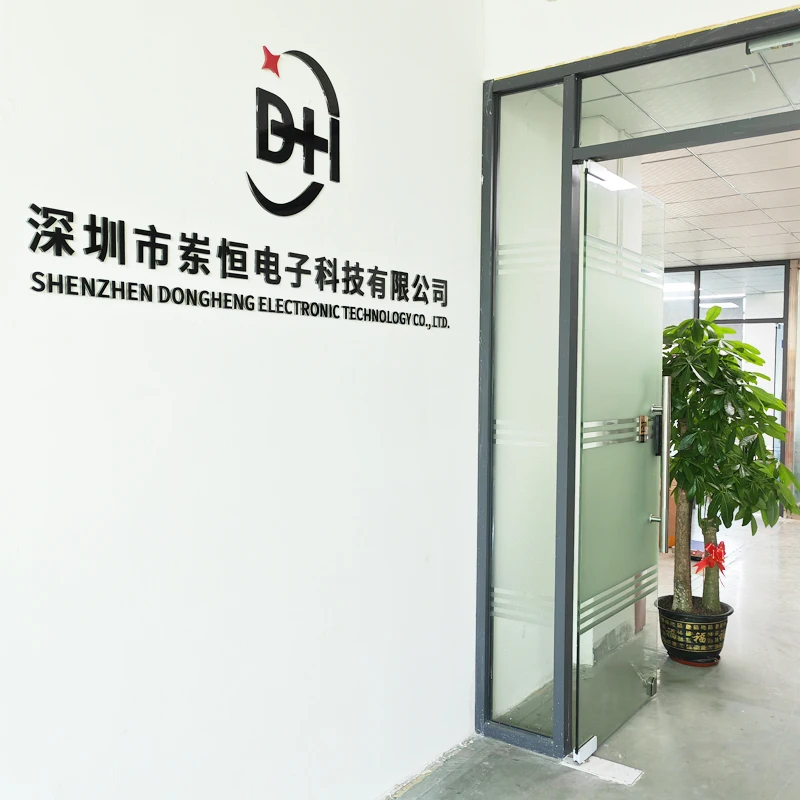
Shenzhen Dongheng Electronic Technology Co., Ltd.
- Trading Company, Distributor/Wholesaler
- Guangdong, China
- Lead time0 days
- Avg. response≤ 1h
Main productsElectronic Components,Cables,Integrated Circuit,Development Boards,3D Printer Parts
Main marketsNorth America(40.0%), Southeast Asia(30.0%), South Asia(10.0%), Central America(10.0%), Mid East(10.0%)
Gatexpert International Trade Co., Ltd.
- Verified by BV
- Trading Company
- China Zhejiang
- Lead time30 days
- Avg. response≤ 6h
Main productsSliding Gate Opener, Swing Gate Opener, Garage Door Opener, Industrial Door Opener, Automatic Barrier Gate, Control Board Customized, Program Development, Automotive Gearbox Transmission Parts, Reducer Gears
Main marketsSouth America,Southeast Asia/ Mideast,East Asia(Japan/ South Korea),Europe,Australia
Shenzhen Qianhai Ku Xian Sheng Industrial Co., Ltd.
- Manufacturer, Trading Company, Distributor/Wholesaler
- Guangdong, China
- Lead time0 days
- Avg. response≤ 5h
Main productsIC,Capacitor,Resistor,module,LED
Main marketsSouth America(20.0%), North America(20.0%), Northern Europe(10.0%), Western Europe(10.0%), Mid East(10.0%), Southern Europe(10.0%), Southeast Asia(10.0%), Domestic Market(5.0%), Africa(5.0%)

Guangdong Global Well Electronic Limited
- Verified by CTI
- Trading Company
- China Guangdong
- Lead time15 days
- Avg. response≤ 5h
Main productsOEM/ODM PCB+PCBA+Chip, Wire Harness OEM/ODM, Connector OEM/ODM, Assembly Finished Products, PCB Board OEM/ODM, PCB Assembly OEM/ODM, Electronic Components IC Chips
Main marketsSouth America,Southeast Asia/ Mideast,East Asia(Japan/ South Korea),Europe,North America
Shenzhen Mingxingyuan Industrial Interconnection Co., Ltd.
- Verified by SGS
- Trading Company
- China Guangdong
- Lead time15 days
- Avg. response≤ 3h
Main marketsOthers(foreignTradeCapacity.exportBusinessCapacityMarketOther)
Shenzhen Ovrod Electronic Technology Co., Ltd.
- Verified by CTI
- Combined
- China Guangdong
- Lead time23 days
- Avg. response≤ 6h
Main productsAC EV Charger, DC EV Charger, Charging Cables, EV Charger Components SKD, EV Charger Holder, Ocpp EV Charger
Main marketsSouth America,Southeast Asia/ Mideast,Domestic,Europe,Australia,North America
Shenzhen Chanzeho Technology Co., Limited
- Verified by TUVRHEINLAND
- Combined
- China Guangdong
- Lead time30 days
- Avg. response≤ 2h
Main marketsDomestic
Shenzhen XMS Technology Co., Ltd.
- Manufacturer, Trading Company, Buying Office
- guangdong, China
- Lead time7 days
- Avg. response≤ 2h
Main productsIC,Modules,Relay,Switch,LED
Main marketsDomestic Market(5.0%), South Asia(5.0%), Southern Europe(5.0%), Northern Europe(5.0%), Central America(5.0%), Western Europe(5.0%), Eastern Asia(5.0%), Mid East(5.0%), Oceania(5.0%), Africa(5.0%), Southeast Asia(5.0%), Eastern Europe(5.0%), South America(5.0%), North America(5.0%)

Ningbo Hometech Technology Co., Ltd.
- Verified by TUVRHEINLAND
- Trading Company,Manufacturer/Factory
- China Zhejiang
- Lead time0 days
- Avg. response≤ 25h
Main productsPCBA, Electrical Home Appliance, Electronic Control Board, PCBA for Heaters, PCBA for Pellet Stoves, PCBA for Ice Makers, PCBA for Coffee Makers, PCBA for Industrial Equipmet, Electronic Print Circuit Board
Main marketsEastern Europe,Mid East,North America,Western Europe,Africa
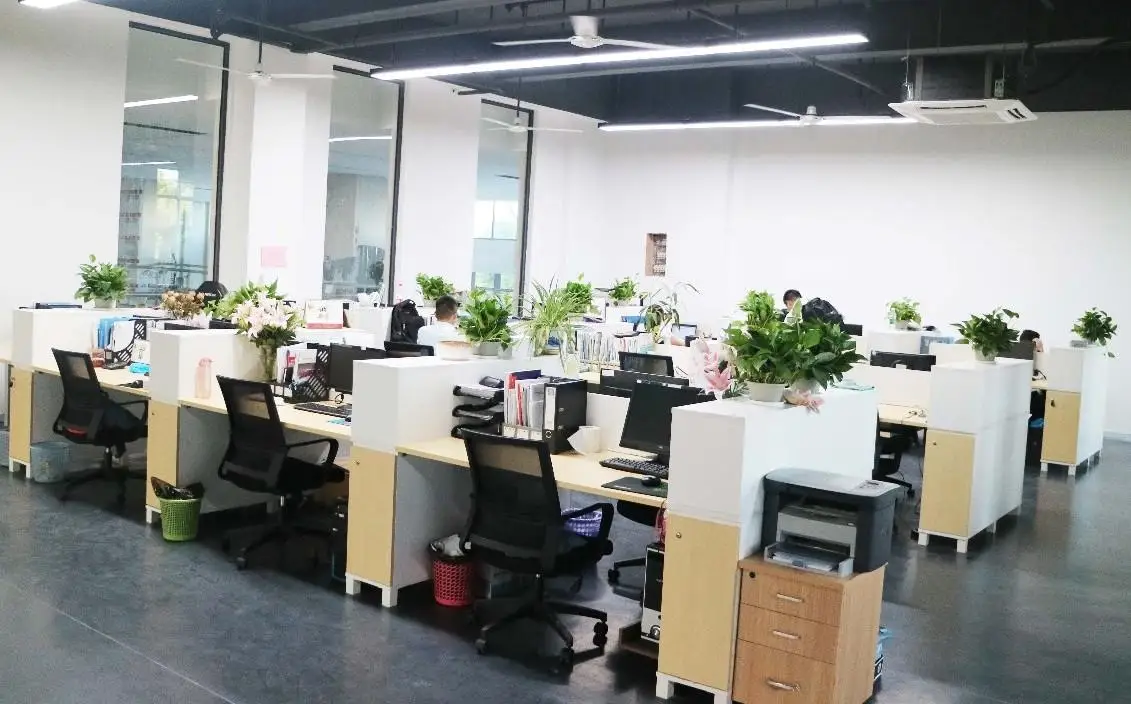
Shenzhen Binyueda Electronics Co., Ltd.
- Trading Company, Agent, Distributor/Wholesaler
- Guangdong, China
- Lead time3 days
- Avg. response≤ 11h
Main productsElectronics Components,Computer Accessories,Integrated Circuit,Electrical Equipment
Main marketsNorth America(30.0%), Western Europe(20.0%), Northern Europe(10.0%), Southeast Asia(10.0%), Mid East(10.0%), South America(5.0%), Eastern Europe(5.0%), South Asia(2.0%), Africa(2.0%)

Mu Star (shenzhen) Industry Co., Ltd.
- Verified by BV
- Trading Company
- China Guangdong
- Lead time15 days
- Avg. response≤ 12h
Main productsPCBA, PCB Assembly, PCB PCBA, SMT, Medical PCBA, SMD, PCB Assembly Service, EMS, PCBA Assembly
Main marketsNorth America

Portable Power Bank Control Board Fast-Charging Control Print Circuit Board PCBA
$0.50 - $1.00
Moq: 10

Shenzhen Ziyueda Technology Co., Ltd.
- Trading Company, Agent, Distributor/Wholesaler
- Guangdong, China
- Lead time3 days
- Avg. response≤ 3h
Main productsComputer Accessories,Module,Integrated Circuit,Development Board,Electronic Cables
Main marketsEastern Europe(20.0%), South America(20.0%), North America(20.0%), Domestic Market(5.0%), South Asia(5.0%), Southern Europe(5.0%), Northern Europe(5.0%), Western Europe(5.0%), Eastern Asia(5.0%), Mid East(5.0%), Africa(5.0%)

NINGBO SANHE REFRIGERATION CO., LTD.
- Verified by BV
- Trading Company
- China Zhejiang
- Lead time30 days
- Avg. response≤ 2h
Main productsCompressor, Refrigerant, Copper Tube & Coil, Air Conditioner Parts, Refrigeration Parts, Refrigerator Parts, Service Tools, Buildings Automation, Washing Machine Parts, Car Air Conditioning Parts
Main marketsSouth America,Africa,Southeast Asia/ Mideast,East Asia(Japan/ South Korea),Europe,Australia,North America

Zhonghe New Energy Electrical Engineering (Qingdao) Co. Ltd
- Verified by TUVRHEINLAND
- Trading Company,Manufacturer/Factory
- China Shandong
- Lead time23 days
- Avg. response≤ 12h
Main productsEV Charging Station (EV Charger), DC Power Supply Panel(Battery Charger), Traction Rectifier, DC Switchgear (for Traction Power System), DC Charging Cabinet Power Supply and Distributio, Distribution Board, Car Charger DC Charger, Lithium Battery Charger, Electric Vehicle Charging Station, Electric Car Charging Station
Main marketsSouth America,Eastern Europe,Mid East,North America,Southeast Asia,Eastern Asia,Oceania,Western Europe,Africa
Shenzhen Core Hecheng Electronic Technology Co., Ltd.
- Verified by CTI
- Manufacturer/Factory,Group Corporation
- China Guangdong
- Lead time15 days
- Avg. response≤ 4h
Main productsPCBA Assembly, PCBA, PCB, Quick Turn PCB Assembly, Turnkey PCB Assembly, Cheap PCB Assembly, Prototype PCB Assembly, Volume PCB Assembly, Low Cost PCB
Main marketsSouth America,Eastern Europe,North America,Southeast Asia,Eastern Asia,Western Europe
Shenzhen Allnewsemi Electronic Co., Ltd.
- Trading Company
- Guangdong, China
- Lead time3 days
- Avg. response≤ 4h
Main productsIC -Integrated Circuits-CHIP supplier,Electronic component supplier,BOM list One stop supporting services,Cooling fan,Smart accessories
Main marketsWestern Europe(30.0%), North America(20.0%), South America(10.0%), Domestic Market(5.0%), Eastern Europe(5.0%), Northern Europe(5.0%), Southern Europe(5.0%), Southeast Asia(5.0%), Eastern Asia(3.0%), Mid East(3.0%), South Asia(3.0%), Oceania(2.0%), Central America(2.0%), Africa(2.0%)

Shenzhen Jingxin Electronic Technology Co., Ltd.
- Verified by BV
- Combined
- China Guangdong
- Lead time30 days
- Avg. response≤ 5h
Main productsPCBA, PCB, Print Circuit Board, Flexible Circuit Board, Rigid PCB Assembly, PCB Assembly, Circuit Board, FPC, HDI PCB
Main marketsEurope,Australia,North America

China Dragon Electronic Industrial Co., Limited
- Verified by BV
- Combined
- China Guangdong
- Lead time23 days
- Avg. response≤ 9h
Main productsPCB, PCBA, LED Grow Light, PCB Design, Industrial Control, Smart Home, Communications Equipment, Medical Hairdressing, Multilayer PCB
Main marketsEurope,North America
SHENZHEN JERICO MULTILAYER PCB CO., LTD.
- Verified by SGS Group
- Manufacturer, Trading Company
- Lead time12 days
- Avg. response≤ 3h
Main productsPCB, PCBA
Main marketsNorth America(18%), Southeast Asia(15%), Western Europe(15%)

Antel Electronics (Shanghai) Co., Ltd.
- Manufacturer
- China Shanghai
- Lead time30 days
- Avg. response≤ 23h
Main productsRemote Control, Electronic Components, LED Light, Audio Connectivity, Speaker, Diodes, Transistor, Potentiometer, Car MP3
Main marketsSouth America,Southeast Asia/ Mideast,Europe

Dongguan Access Star Co., Ltd.
- Verified by SGS
- Combined
- China Guangdong
- Lead time30 days
- Avg. response≤ 8h
Main productsWire Harness, Cable Assembly, PCB Assembly, Box Build, USB Cable, Power Cable, Charging Cable, Plastic Parts, Die Casting Parts, Stamping Parts
Main marketsOthers(foreignTradeCapacity.exportBusinessCapacityMarketOther),East Asia(Japan/ South Korea),Domestic,Europe,Australia,North America

Shenzhen Grandtop Electronics Co., Ltd.
- Trading Company,Manufacturer/Factory
- China Guangdong
- Lead time30 days
- Avg. response≤ 15h
Main productsPCB Assembly, Robotic Control PCB Assembly, Industrial Control PCBA, Medical PCBA, Financial PCBA, Contract Manufacturer, Automatic Control PCB Assembly, OEM &ODM PCBA, Turnkey Service PCBA, One Stop PCB Assembly
Main marketsSouth America,Eastern Europe,Mid East,North America,Southeast Asia,Eastern Asia,Western Europe,Africa

Shijiazhuang Tonhe Electronics Technologies Co., Ltd.
- Verified by SGS
- Manufacturer/Factory
- China Hebei
- Lead time0 days
- Avg. response≤ 8h
Main productsEV Charging Power Module, EV Charger, EV Charging Station


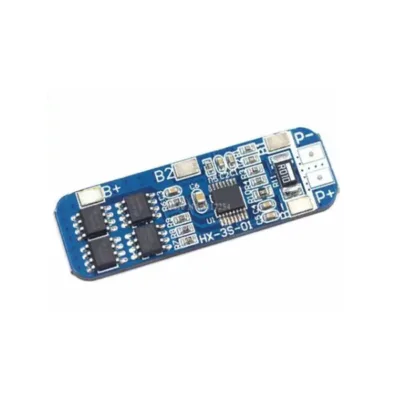
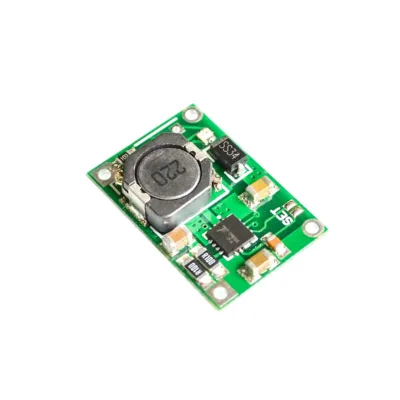


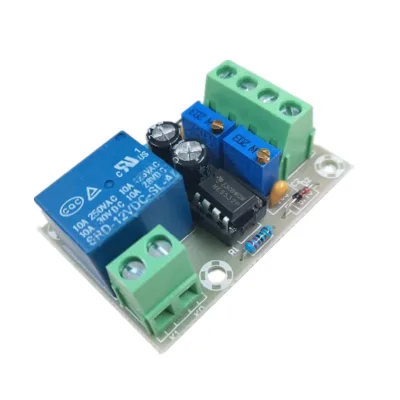
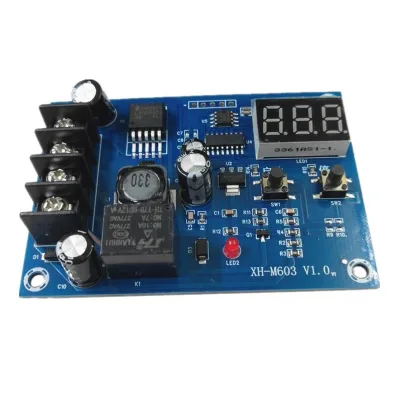








Comprehensive Sourcing Guide
Automatic Battery Charging Control Board Supplier Concentration and Factory Types
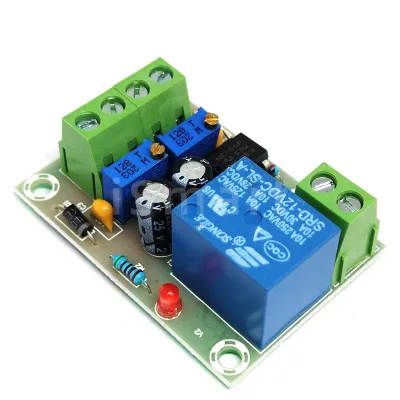
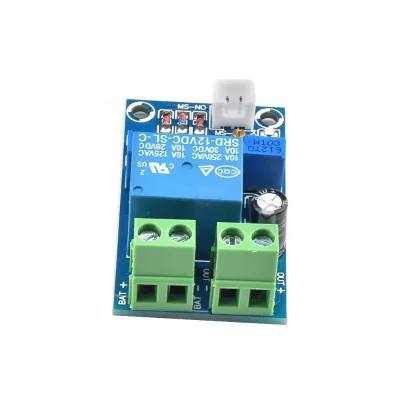
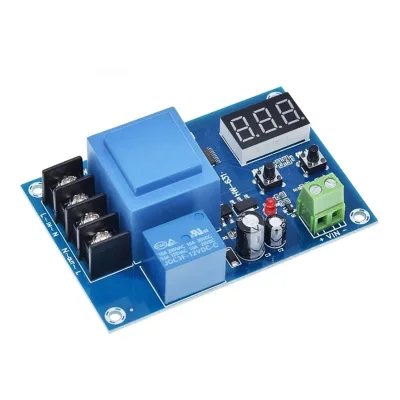
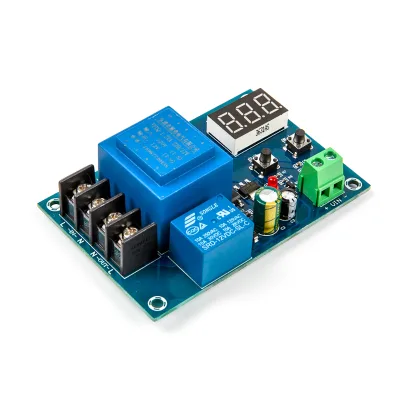
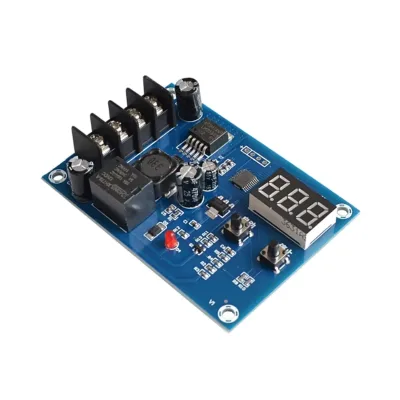
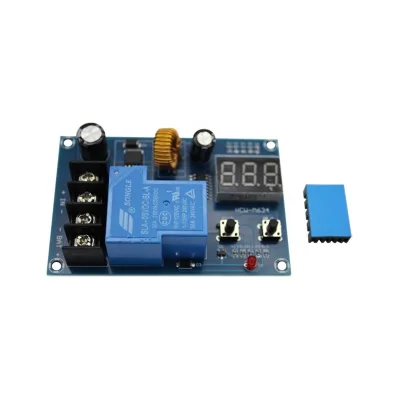
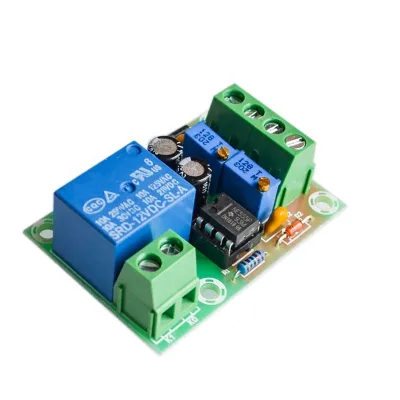
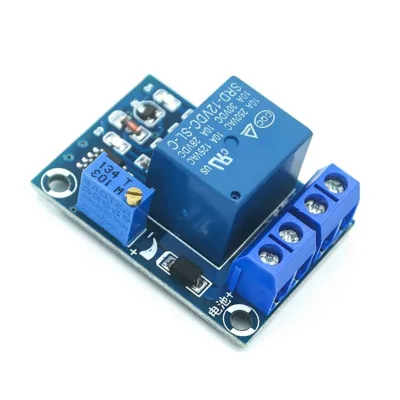
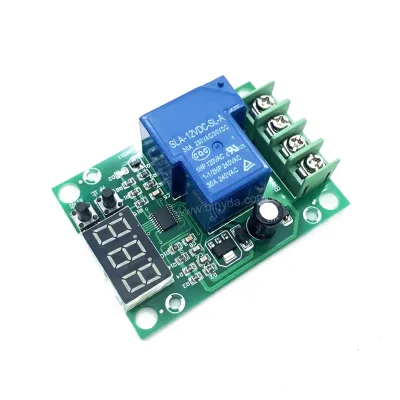
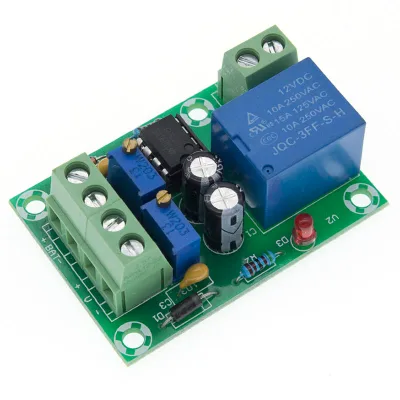
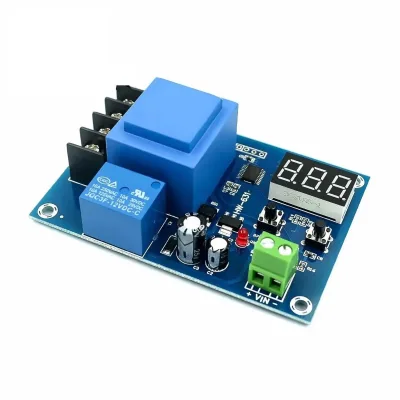
The current supplier landscape for automatic battery charging control boards reveals a mix of trading companies and distributors rather than a single dominant factory type. Many entities listed as trading companies or distributors handle products like the XH-M601 and XH-M602 modules, which originate from Guangdong, China. These suppliers often aggregate various electronic components, including power supply converters and hardware tools, alongside their core offerings of battery charge control switches. The presence of multiple product lines suggests that these suppliers function as intermediaries who source from various manufacturers to meet diverse buyer needs.
When evaluating the concentration of these suppliers, buyers should note that some listings indicate a focus on integrated circuits and development boards, while others specialize in broader categories like gate openers or industrial door operators. This diversity implies that a supplier might offer a charging control board as part of a larger catalog rather than as a specialized niche product. The verification status of some suppliers, such as those checked by Intertek or BV, provides a layer of confidence regarding their operational legitimacy. However, the specific factory origins are often generalized to regions like Guangdong or China, requiring buyers to dig deeper into individual product attributes to confirm the actual manufacturing base.
How to Verify Automatic Battery Charging Control Board Suppliers
Verification is a critical step when sourcing automatic battery charging control boards, as the market includes both verified and unverified trading companies. Buyers should prioritize suppliers who have undergone third-party verification processes, such as those conducted by Intertek or BV, as these audits often confirm the existence and operational capacity of the business. The presence of a verification badge does not guarantee product quality but serves as an initial filter to distinguish established entities from transient sellers. It is essential to cross-reference these verification claims with the specific product details provided in the listing to ensure consistency.
Beyond verification badges, buyers must scrutinize the product attributes listed for each supplier to confirm their authenticity. For instance, specific model numbers like IT20682 or XH-M602, along with detailed descriptions such as "12V Battery Charging Control Board," should match the supplier's claimed expertise. Some listings explicitly state the brand name, such as ISMARTELEC or Dongheng, which can be used to trace the product lineage. If a supplier claims to be an ODM or manufacturer but lists generic attributes without specific brand affiliations, this may indicate a trading company role. Buyers should request additional documentation or factory audits if the initial verification seems insufficient for their specific risk tolerance.
What to Compare Across Automatic Battery Charging Control Board Suppliers
Comparing suppliers requires a systematic analysis of key operational metrics such as lead time, minimum order quantity, and response speed. The data shows significant variation in these areas; for example, some suppliers list a lead time of zero days, while others indicate a thirty-day production window. Minimum order quantities also differ, ranging from a single item to ten units or more, which directly impacts the feasibility of small-batch testing versus large-scale procurement. Response times are another critical differentiator, with some suppliers responding within one day and others taking over five days, affecting the speed of negotiation and order placement.
Price and payment terms are equally vital comparison points that vary widely across the supplier base. Unit prices for similar modules can range from approximately $0.69 to $1.99, depending on the specific model and features like LED displays or digital control capabilities. Payment terms also differ, with some suppliers accepting standard methods while others explicitly mention escrow services or specific platforms like PayPal and TT. Buyers should create a comparison matrix that includes these variables to identify the most cost-effective and logistically viable options. It is important to note that lower prices may correlate with higher minimum order requirements or longer lead times, necessitating a balanced evaluation of total cost of ownership rather than just the unit price.
Common Automatic Battery Charging Control Board Sourcing Risks
One of the primary risks in sourcing automatic battery charging control boards is the potential mismatch between the supplier's stated capabilities and their actual product offerings. Many suppliers list a broad range of main products, from gate openers to 3D printer parts, which may dilute their focus on battery charging technology. This diversification can lead to inconsistencies in quality control or a lack of specialized technical support for complex charging modules. Buyers must carefully review the specific product descriptions to ensure the supplier has genuine experience with the exact model number and application they require, rather than relying on general category listings.
Another significant risk involves the ambiguity of origin and manufacturing standards. While many products list their place of origin as Guangdong, China, or simply China, the specific factory location and quality certifications are often not detailed in the initial listing. This lack of transparency can make it difficult to verify compliance with international safety standards or to trace the supply chain in case of defects. Additionally, the variation in packaging and shipping methods, such as the use of plastic packaging or specific courier services like DHL and FedEx, can impact the condition of the goods upon arrival. Buyers should mitigate these risks by requesting detailed product specifications and confirming the supplier's ability to provide consistent quality assurance before placing large orders.
Automatic Battery Charging Control Board Regional Sourcing and Logistics
Regional sourcing for automatic battery charging control boards is heavily concentrated in specific manufacturing hubs, with Guangdong, China, appearing frequently as the place of origin for many listed products. This region is known for its robust electronics manufacturing ecosystem, which supports the production of integrated circuits and battery control modules. However, some listings also indicate origins in Zhejiang, China, suggesting a broader geographic distribution of suppliers. Buyers should be aware that while these regions offer competitive pricing and established supply chains, the specific logistics capabilities of each supplier can vary significantly.
Logistics planning must account for the diverse shipping methods and lead times offered by different suppliers. Some suppliers utilize major courier services like DHL, FedEx, UPS, and EMS, which can provide faster delivery but may come at a higher cost. Others may rely on standard shipping methods that take longer but are more economical for bulk orders. The lead time, which can range from immediate availability to thirty days, plays a crucial role in determining the overall supply chain timeline. Buyers should factor in these variables when planning their inventory levels and production schedules to avoid delays. Additionally, the packaging standards, such as the use of boxes or plastic, should be considered to ensure the products arrive in good condition, especially for sensitive electronic components.
Automatic Battery Charging Control Board Commercial Terms and Order Planning
Commercial terms for automatic battery charging control boards vary significantly, with payment options ranging from standard wire transfers to more secure escrow services. Some suppliers explicitly list payment terms that include PayPal, TT, and escrow, providing buyers with multiple avenues to secure their transactions. These terms are critical for managing financial risk, especially when dealing with new suppliers or large order volumes. Buyers should carefully review the payment conditions to ensure they align with their company's financial policies and risk management strategies. The availability of escrow services can offer an additional layer of protection, ensuring that funds are only released once the goods are received and verified.
Order planning must also consider the minimum order quantities and pricing structures to optimize procurement costs. With MOQs ranging from one unit to ten or more, buyers can tailor their orders to their immediate needs without committing to excessive inventory. However, the unit price often fluctuates based on the order size and specific product features, such as the inclusion of LED displays or digital control modules. Buyers should plan their orders to leverage volume discounts while maintaining flexibility for future adjustments. It is also important to account for the lead times, which can impact the timing of production and delivery. By aligning commercial terms with realistic order planning, buyers can ensure a smooth and efficient sourcing process for their Automatic Battery Charging Control Board needs.
FAQs
What is the price range for automatic battery charging control boards?
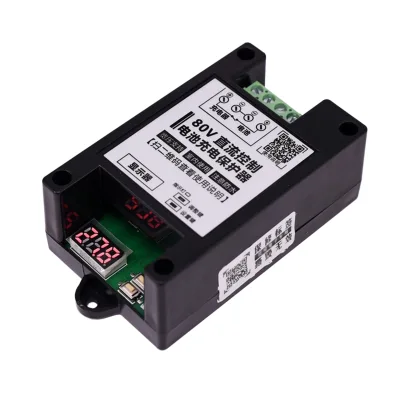
Prices for these modules typically range from $0.69 to $19.00 depending on specifications. Basic XH-M601 boards start around $0.69, while specialized gate opener control boards cost approximately $19.00. Buyers should check specific model listings for exact pricing tiers and bulk discounts.
What is the minimum order quantity for these electronic components?
Minimum order quantities vary by supplier and product type. Some listings accept orders as low as one unit, while others require a minimum of ten pieces. Buyers should verify the specific MOQ for their chosen model, as requirements differ between standard controllers and specialized protection boards.
Where are these battery charging control boards manufactured?
Most available automatic battery charging control boards originate from Guangdong, China. Some suppliers also list products with origins in Zhejiang, China. Buyers should verify the specific place of origin for each product listing to ensure alignment with their sourcing preferences and logistics requirements.
What is the typical response time for these suppliers?
Supplier response times vary significantly across the platform. Some trading companies respond within one day, while others may take up to five days. Buyers should prioritize suppliers with faster response rates to ensure timely communication regarding product specifications, pricing, and order processing details.
Are these suppliers verified by third-party inspection agencies?
Yes, several suppliers are verified by recognized agencies such as Intertek and BV. These verifications provide additional confidence in supplier reliability and product quality. Buyers should look for these verification badges when selecting suppliers to ensure they meet established industry standards and operational requirements.
What payment methods are accepted for these electronic components?
Common payment methods include PayPal, TT, Western Union, and Escrow. Some suppliers explicitly list Escrow as a secure payment option to protect buyer funds. Buyers should confirm available payment terms with the supplier before finalizing orders to ensure secure and convenient transaction processing.