qfn-48 ic transceiver Suppliers and Manufacturers
Compare 13 verified suppliers offering qfn-48 ic transceiver components with details on lead times, response times, and certifications. Review product specifications and pricing to select the right vendor for your electronic assembly needs; review the available evidence before requesting comparable quotations from suitable candidates.
Updated
Suppliers List

Shenzhen Junbo Trading Co., LTD
- Verified by SGS
- Trading Company
- China Guangdong
- Lead time15 days
- Avg. response≤ 2h
Main productsIC Chip, Integrated Circuit, Electronic Components, PCB, Light Emitting Diode, Memory RAM, SMD, Relay, Resistors, Modules
Main marketsNorth America


USB3318-Cp-Tr IC Transceiver 24qfn Interface Drivers Receivers Transceivers
$0.01 - $0.35
MOQ: 1 Pieces

ShenZhen Nova Semiconductor Co., Ltd.
- Verified by TUVRHEINLAND
- Trading Company
- China Guangdong
- Lead time15 days
- Avg. response≤ 7h
Main productsIC, Resistor, Capacitor, Sensor, Transistor, Diode, Triode, Passive Components, Drive IC, PCBA
Main marketsSouth America,Southeast Asia/ Mideast,East Asia(Japan/ South Korea),Europe,Australia,North America

- Trading Company
- China Guangdong
- Lead time15 days
- Avg. response≤ 2h
Main productsIC, Capacitor, Resistor, Electronic Components, Integrated Circuit, Transistor, Relay, Diode, MCU, Connector
Main marketsSouth America,East Asia(Japan/ South Korea),Europe


NEW ORIGINAL IC TXRX ETHERNET PHYTER DP83848KSQ/NOPB ETHERNET TRANSCEIVER IC
$0.40 - $0.60
MOQ: 100 Pieces

RTL8211FI-CG INTEGRATED 10/100/1000M ETHERNET TRANSCEIVER IC RTL8211FD-CG QFN40 SMD IC
$1.15 - $1.43
MOQ: 50 Pieces


Shenzhen Donghan System Technology Co., Ltd.
- Verified by SGS
- Trading Company
- China Guangdong
- Lead time15 days
- Avg. response≤ 2h
Main productsElectronic Components, Integrated Circuits, Microcontrollers, Diodes, Transistors, Capacitors, Resistors, PCBA, IC, PCB
Main marketsDomestic

High Speed Ethernet Precision Transceiver IC for Networking Devices
$1.3205 - $189.905
MOQ: 500 Pieces

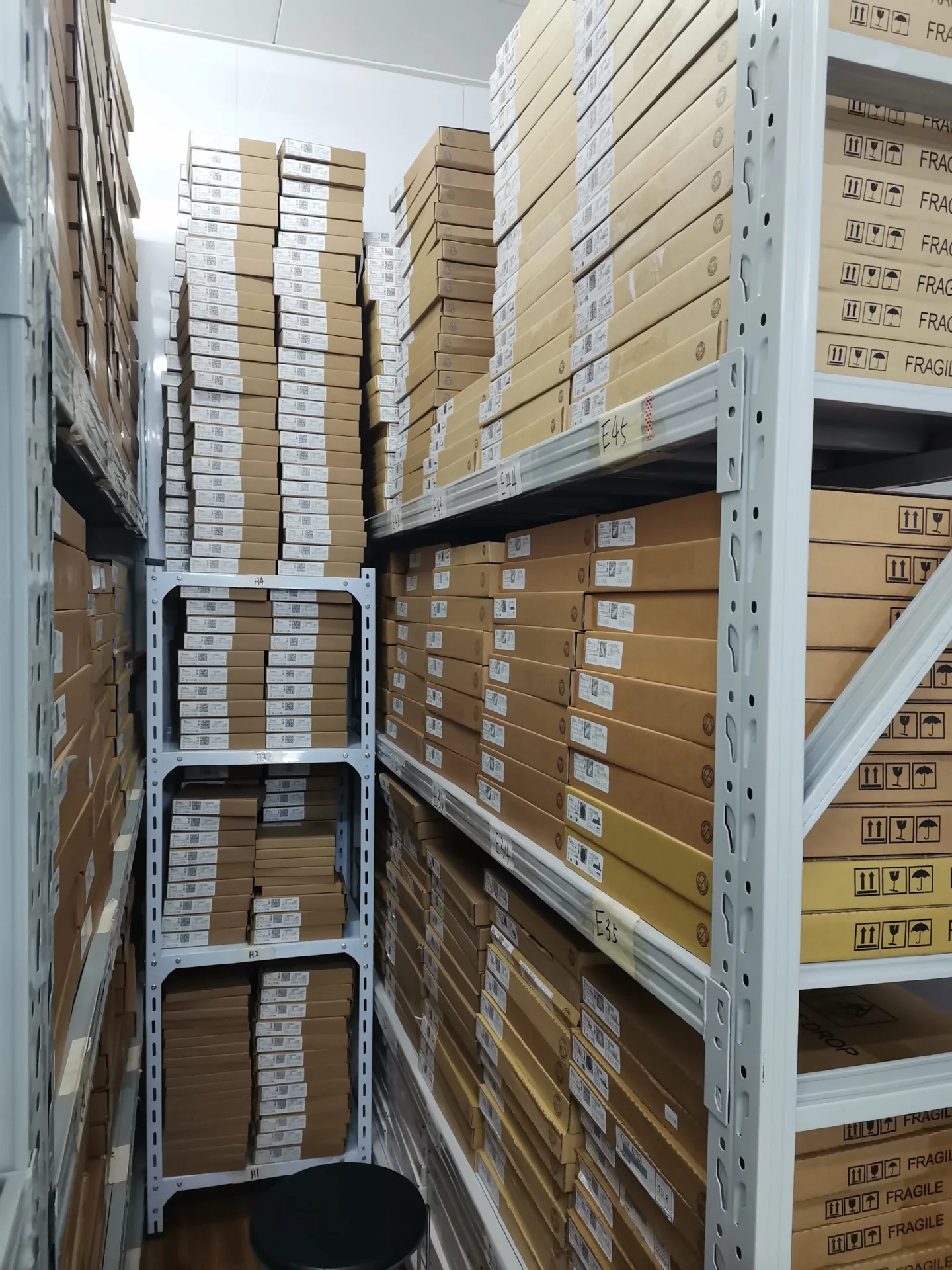
Shenzhen Entway Electronic Components Co., Ltd.
- Trading Company, Buying Office, Distributor/Wholesaler
- Guangdong, China
- Lead time10 days
- Avg. response≤ 9h
Main productsintegrated circuit,module,LED,PCB board,Capacitance resistance
Main marketsSouth America(18.00%), North America(18.00%), Central America(17.00%), Southeast Asia(8.00%), Northern Europe(5.00%), Eastern Europe(5.00%), Western Europe(5.00%), Eastern Asia(5.00%), Mid East(5.00%), Oceania(5.00%), Southern Europe(5.00%), Africa(2.00%), Domestic Market(1.00%), South Asia(1.00%)
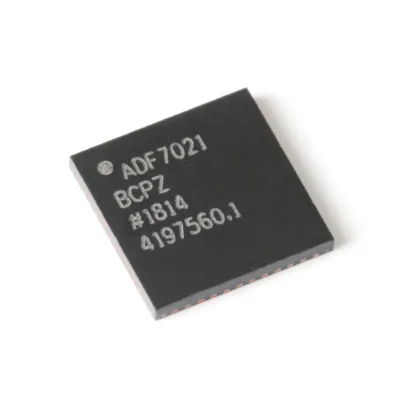
$0.1032 - $2.0659
MOQ: 1 Minimum
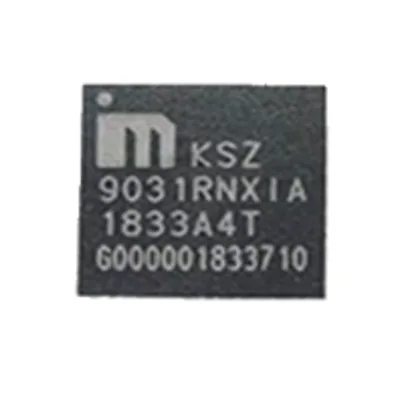

Shenzhen Zhenmao Electronics Co., Ltd.
- Trading Company, Buying Office, Agent, Distributor/Wholesaler
- Guangdong, China
- Lead time3 days
- Avg. response≤ 2h
Main productschip,relay,battery,Development board,triode
Main marketsMid East(30.00%), North America(15.00%), Central America(10.00%), Northern Europe(10.00%), Southeast Asia(5.00%), Western Europe(5.00%), Eastern Asia(5.00%), Oceania(5.00%), Southern Europe(5.00%), Eastern Europe(5.00%), South America(2.00%), South Asia(2.00%), Africa(1.00%)

Shenzhen Sinosky Electronics Co., Ltd.
- Verified by SGS
- Trading Company
- China Guangdong
- Lead time15 days
- Avg. response≤ 3h
Main productsIntegrated Circuits, Semiconductor, Transistor, Relays, Connector, Capacitor, Resistor, Switch, Module, LED Diode
Main marketsSouth America,Africa,Southeast Asia/ Mideast,Europe,Australia,North America

Electronic Components Ethernet Transceiver Qfn-48 IC Ar8151-Bl1a-R Ar8151-B
$0.37 - $0.51
MOQ: 50 Pieces

New Original Wireless Transceiver IC Chips CSR8635b04-Iqqf-R for PCB Service
$1.62 - $2.36
MOQ: 10 Pieces


Electronic Components IC Chip Ethernet Transceiver Qfn-48 Microcontroller Ar8033-Al1a Ar8033
$1.72 - $2.05
MOQ: 50 Pieces

Shenzhen Anterwell Technology Ltd
- Trading Company
- Guangdong, China
- Lead time2 days
- Avg. response≤ 4h
Main productsIntegrated Circuits,Diodes,Capacitors,Resistors,Transistor
Main marketsSouth America(40.00%), Africa(10.00%), Southeast Asia(10.00%), Domestic Market(5.00%), South Asia(5.00%), Southern Europe(5.00%), Central America(5.00%), Eastern Asia(5.00%), Mid East(5.00%), Eastern Europe(5.00%), North America(5.00%)
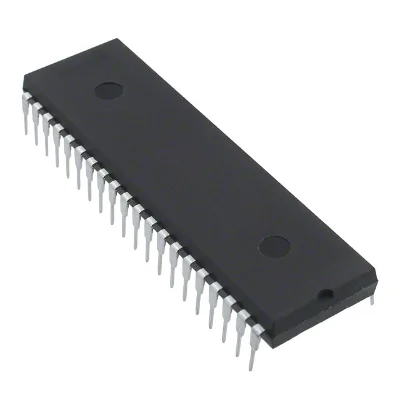
AR8035-AL1A-R-1 1/1 Transceiver Full Half Ethernet 40-QFN Flash nor Memory Ic
$2.3772 - $2.5659
MOQ: 10 Minimum
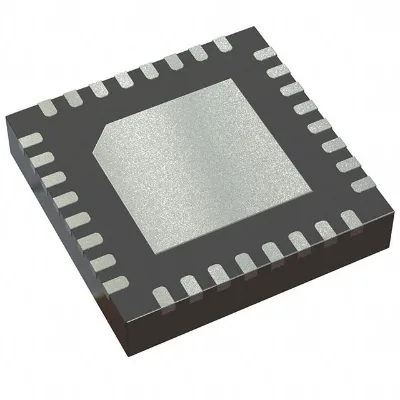
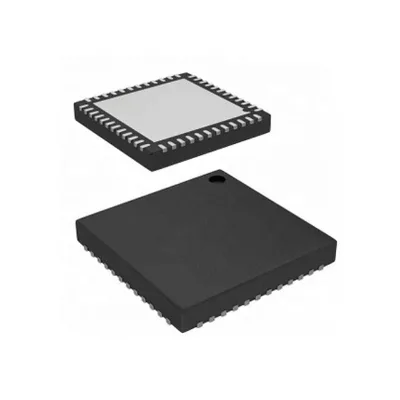
KSZ8081RNAIA-TR Single Port 10/100 Ethernet PHY Transceiver 32-Pin QFN Industrial Grade
$0.60 - $0.635
MOQ: 10 Minimum
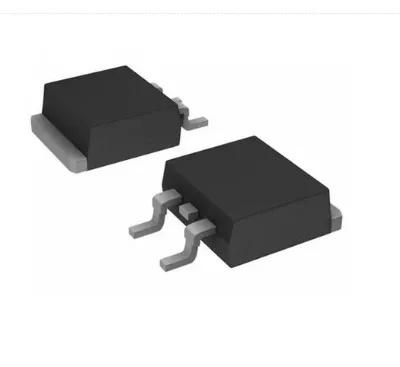
High-Performance LAN8740 Ethernet Transceiver Module - Industrial Grade Fast Shipping
$1.00 - $1.50
MOQ: 10 Minimum
- Verified by SGS Group
- Trading Company
- Guangdong, China
- Lead time3 days
- Avg. response≤ 3h
Main productsIntegrated Circuit, Diodes, Relay, Inductor, Resistor
Main marketsSouth America(15.00%), North America(14.00%), Northern Europe(11.00%), Mid East(11.00%), South Asia(10.00%), Western Europe(10.00%), Oceania(8.00%), Southeast Asia(7.00%), Eastern Asia(3.00%), Southern Europe(3.00%), Africa(3.00%), Eastern Europe(2.00%), Domestic Market(2.00%), Central America(1.00%)
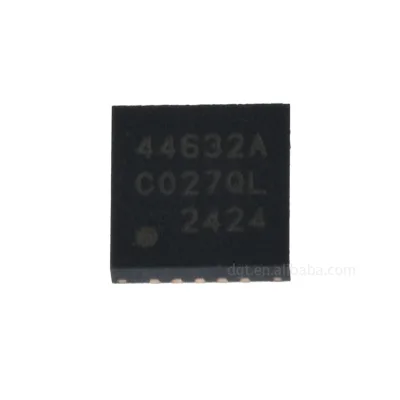
SI4463-C2A-GMR RF Transceiver, 142-1050MHz, 20-Pin QFN, for Wireless Communication and IoT
$0.80 - $0.89
MOQ: 20 pieces
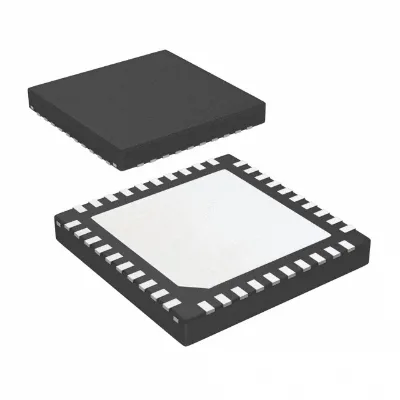

Coretek (Shenzhen) Electronics Co., Ltd
- Verified by SGS
- Trading Company,Manufacturer/Factory,Group Corporation
- China Guangdong
- Lead time15 days
- Avg. response≤ 2h
Main productsMCU /Arm MCU /Risc-V MCU/Ai Chips, Power Management Ics Pmic DC-DC Converters, Amplifier, Power Devices Mosfet IGBT, Imu CMOS Sensors/Mems/Radar/Tof Sensor, Flash/Emmc, Module, HDD / SSD, Electronic Parts, Electronic Component
Main marketsEastern Europe,Mid East,North America,Southeast Asia,Western Europe


Rtl8211fi-Cg Integrated 10/100/1000m Ethernet Transceiver IC Rtl8211fd-Cg Qfn40 SMD IC
$1.14 - $1.42
MOQ: 50 Pieces
Shenzhen Hurryup Technology Co., Ltd.
- Verified by TüVRheinland
- Trading Company
- Lead time3 days
- Avg. response≤ 2h
Main productsGPS Antenna, Communication Antenna, 5G 4G 3G 2G GNSS Module, GSM LTE Modem, GPS Receiver
Main marketsDomestic Market(13%), South America(10%), Southeast Asia(10%)
Shenzhen Chenyusheng Technology Co., Ltd.
- Trading Company, Buying Office, Distributor/Wholesaler, Other
- Guangdong, China
- Lead time0 days
- Avg. response≤ 2h
Main productsIntegrated Circuit (IC),Module,Inductor,Resistor,Capacitor
Main marketsNorth America(22.00%), South America(14.00%), Eastern Asia(12.00%), Western Europe(11.00%), Eastern Europe(8.00%), Mid East(8.00%), Oceania(5.00%), Southeast Asia(5.00%), Africa(4.00%), Southern Europe(3.00%), Northern Europe(3.00%), Domestic Market(3.00%), Central America(2.00%)

Shenzhen Mingxingyuan Industrial Interconnection Co., Ltd.
- Verified by SGS
- Trading Company
- China Guangdong
- Lead time15 days
- Avg. response≤ 4h
Main marketsOthers(foreignTradeCapacity.exportBusinessCapacityMarketOther)


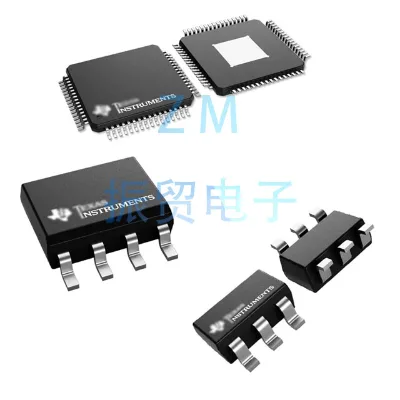
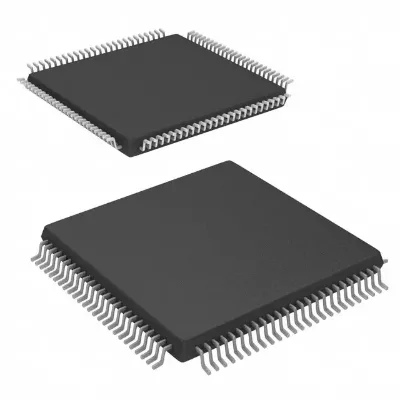
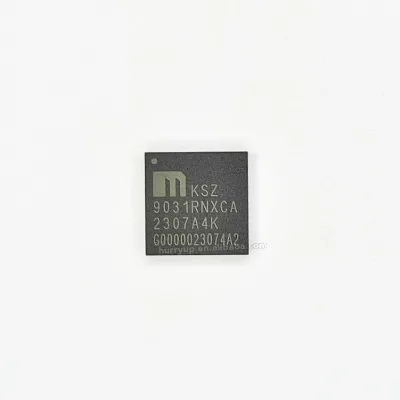


Comprehensive Sourcing Guide
Qfn-48 Ic Transceiver Supplier Concentration and Factory Types
The current supplier landscape for Qfn-48 IC transceivers is dominated by trading companies rather than direct manufacturers, a structural reality that significantly impacts sourcing strategies and supply chain dynamics. Evidence indicates that the primary operational base for these entities is located in China Guangdong, a region known for its dense electronics manufacturing ecosystem. This geographic concentration suggests that buyers will likely encounter intermediaries who aggregate inventory from various sources rather than factories producing the components in-house. The prevalence of trading companies means that the value proposition often lies in inventory availability and logistical convenience rather than direct engineering support or custom fabrication capabilities. Buyers must recognize that while the physical location is consistent, the actual origin of the components may vary, requiring careful verification of the supply chain depth.
Main product listings for these suppliers frequently include a broad array of electronic components such as IC chips, integrated circuits, memory RAM, SMD components, and passive elements like resistors and capacitors. This diversification indicates that these suppliers operate as generalist distributors rather than specialized niche manufacturers. The presence of products like the CC2642R1FRGZR and other RF transceivers within their catalogs confirms their capability to source specific Qfn-48 packages, but it also highlights the risk of stock fragmentation. Since these entities are trading companies, their ability to fulfill large orders depends heavily on their upstream relationships and inventory management systems. Understanding this factory type is crucial for setting realistic expectations regarding technical support, as trading companies typically provide limited engineering assistance compared to original equipment manufacturers.
How to Verify Qfn-48 Ic Transceiver Suppliers
Verification is a critical step when engaging with suppliers of Qfn-48 IC transceivers, particularly given the prevalence of trading companies in the current results. Buyers should prioritize suppliers who have undergone third-party verification processes, as this adds a layer of credibility to their business operations. In the observed data, some suppliers display verification badges from recognized entities such as SGS and TÜV Rheinland. These certifications indicate that the supplier has met certain standards for business legitimacy and operational integrity. However, the absence of specific system certifications like ISO 9001 in some profiles does not necessarily disqualify a supplier, but it does require buyers to conduct more rigorous due diligence. Relying solely on platform verification badges is insufficient; buyers must cross-reference these claims with independent checks to ensure the supplier’s stability and reliability.
Beyond verification badges, buyers should scrutinize the authenticity of the products offered, as the market for integrated circuits is prone to counterfeit goods. Suppliers often claim that their products are "New Original" or "Genuine," but these assertions must be validated through documentation. Requesting proof of purchase from authorized distributors or original manufacturers is a standard practice to mitigate the risk of receiving refurbished or fake components. Additionally, buyers should assess the supplier’s responsiveness, as indicated by response times. A quick response time, such as those observed around 1.5 to 6 hours, can indicate a professional sales team, but it does not guarantee product quality. Buyers should also inquire about the supplier’s ability to provide traceability documents, including batch numbers and manufacturing dates, to ensure that the Qfn-48 IC transceivers meet their specific quality and compliance requirements.
What to Compare Across Qfn-48 Ic Transceiver Suppliers
When evaluating multiple suppliers for Qfn-48 IC transceivers, buyers must compare several key operational metrics to determine the best fit for their procurement needs. One of the most significant differentiators is the minimum order quantity (MOQ), which can vary widely across suppliers. For instance, some suppliers may require an MOQ of 20 units, while others might demand 500 or more. This variation directly impacts inventory management and cash flow, especially for small to medium-sized enterprises. Buyers should also compare lead times, as delays in delivery can disrupt production schedules. The observed lead times suggest a standard window of around 15 days, but this can fluctuate based on stock availability and supplier capacity. Understanding these logistical constraints is essential for planning production timelines and ensuring timely delivery of components.
Price is another critical factor, but it should not be viewed in isolation. The price range for Qfn-48 IC transceivers can vary significantly, with some products listed at very low entry points while others command higher premiums. Buyers should analyze the price in conjunction with the MOQ and lead time to calculate the total cost of ownership. Additionally, the supplier’s main product focus can provide insights into their expertise and reliability. Suppliers specializing in a narrow range of electronic components may offer better technical support and inventory depth for those specific items. Buyers should also consider the supplier’s customization capabilities, as some offer available customization options for specific applications. Comparing these attributes across suppliers allows buyers to make informed decisions that balance cost, speed, and quality, ensuring that the selected supplier aligns with their strategic procurement goals.
Common Qfn-48 Ic Transceiver Sourcing Risks
Sourcing Qfn-48 IC transceivers from trading companies introduces several risks that buyers must actively manage to avoid supply chain disruptions. One of the primary risks is the potential for counterfeit or refurbished components being sold as new original products. Since trading companies often source from multiple channels, the traceability of components can be compromised, making it difficult to verify authenticity. Buyers must be vigilant in requesting detailed documentation and proof of origin to mitigate this risk. Additionally, the reliance on third-party suppliers can lead to inconsistencies in product quality and packaging. Variations in vacuum packing or tray packaging, as seen in different product listings, may indicate different sourcing channels, which can affect the reliability of the components. Buyers should establish clear quality assurance protocols to ensure that all received goods meet their specifications.
Another significant risk is the variability in supplier responsiveness and support. While some suppliers demonstrate quick response times, others may be slower, leading to delays in communication and order processing. This inconsistency can be particularly problematic when dealing with urgent procurement needs or technical inquiries. Buyers should also be aware of the potential for stockouts, as trading companies may not maintain large inventories of all components. If a supplier runs out of stock, they may need to source from other channels, leading to longer lead times and potential price fluctuations. Furthermore, the lack of direct manufacturer support can limit the buyer’s ability to resolve technical issues or obtain engineering assistance. Buyers should consider these risks when selecting suppliers and develop contingency plans to ensure continuity of supply, such as maintaining relationships with multiple vendors or securing backup inventory sources.
Qfn-48 Ic Transceiver Regional Sourcing and Logistics
The geographic concentration of suppliers in China Guangdong offers both advantages and challenges for buyers sourcing Qfn-48 IC transceivers. This region is a major hub for electronics manufacturing and distribution, providing access to a wide variety of components and competitive pricing. However, the dominance of trading companies in this area means that buyers must navigate a complex supply chain with multiple intermediaries. Logistics from this region are generally well-established, with efficient shipping options available through major carriers. Buyers should consider the shipping methods offered by suppliers, such as DHL or other express services, which can impact delivery times and costs. The observed shipping times of 1-3 days for some products suggest that expedited options are available, but these may come at a premium.
Buyers should also evaluate the logistical capabilities of suppliers to ensure they can handle international shipping requirements, including customs clearance and documentation. The origin of the products, often listed as China, may require additional scrutiny to ensure compliance with import regulations in the buyer’s country. Additionally, buyers should consider the impact of regional trade policies and tariffs on the total cost of procurement. While China Guangdong offers competitive pricing, buyers must factor in these additional costs when comparing suppliers. Furthermore, the reliability of logistics providers can vary, and buyers should assess the supplier’s track record in delivering goods safely and on time. Establishing clear communication channels with suppliers regarding shipping updates and potential delays can help mitigate logistical risks and ensure a smooth procurement process.
Qfn-48 Ic Transceiver Commercial Terms and Order Planning
Effective order planning for Qfn-48 IC transceivers requires a thorough understanding of the commercial terms offered by suppliers. Buyers should carefully review the pricing structures, including any volume discounts or tiered pricing models, to optimize costs. The observed price ranges indicate that prices can vary based on the specific model and quantity ordered. Buyers should negotiate terms that align with their budget and inventory requirements, ensuring that they secure favorable pricing without compromising on quality. Additionally, buyers should clarify the payment terms, including deposit requirements and payment methods, to avoid financial discrepancies. Understanding the supplier’s return and warranty policies is also crucial, as these terms can impact the overall risk profile of the procurement.
Lead time management is another critical aspect of order planning. Buyers should establish clear expectations with suppliers regarding delivery schedules and communicate any urgent requirements in advance. The standard lead time of 15 days observed in some profiles provides a baseline for planning, but buyers should confirm this with each supplier to account for potential variations. Additionally, buyers should consider the impact of seasonal demand and supply chain disruptions on lead times, developing contingency plans to mitigate these risks. By aligning commercial terms with operational needs, buyers can ensure a smooth procurement process and maintain a stable supply of Qfn-48 IC transceivers. Regular communication with suppliers and periodic reviews of performance metrics can help identify areas for improvement and strengthen the buyer-supplier relationship over time.
FAQs
What is the price range for QFN-48 IC transceivers?
Prices for QFN-48 IC transceivers typically range from $1.20 to $1.45 per unit. Some listings show higher costs up to $4.53 for specialized models. Buyers should verify exact pricing based on quantity and specific model requirements before placing orders.
What is the minimum order quantity for these components?
Minimum order quantities vary significantly by supplier and product. Common MOQs include 1 unit for sampling, 10 units for small batches, 20 units for standard orders, and 500 units for bulk purchases. Check specific product listings for exact MOQ requirements.
How long does delivery take for these ICs?
Standard lead times are approximately 15 days for production and shipping. Some suppliers offer faster shipping options within 1-3 days via express couriers. Actual delivery times depend on stock availability and the chosen shipping method selected by the supplier.
Are these ICs verified as original components?
Many suppliers list products as new original packaging with genuine quality. Verification services like SGS and TÜV Rheinland are used by some suppliers to confirm authenticity. Buyers should request certificates of conformity or original manufacturer documentation to ensure component integrity.
What is the typical response time from suppliers?
Supplier response times generally range from 1.49 to 6.16 hours. Faster responses around 1.5 hours indicate active trading companies ready to assist. Quick replies help clarify technical specifications and negotiate terms efficiently during the initial sourcing phase.
Where are these electronic components manufactured or supplied from?
Suppliers are primarily located in China, specifically in the Guangdong region. Products originate from original manufacturers but are distributed through trading companies. Buyers should confirm the country of origin and supply chain details to ensure compliance with import regulations.