Authenticator 6-Pin TSOC 1-Wire EPROM Suppliers and Manufacturers
Source Authenticator 6-Pin TSOC 1-Wire EPROM components from 17 verified suppliers. Compare response times, lead times, and pricing to find the right partner. Review product specifications and request quotes today; review the available evidence before requesting comparable quotations from suitable candidates.
Suppliers List

- Trading Company
- China Guangdong
- Lead time15 days
- Avg. response≤ 2h
Main productsIC, Capacitor, Resistor, Electronic Components, Integrated Circuit, Transistor, Relay, Diode, MCU, Connector
Main marketsSouth America,East Asia(Japan/ South Korea),Europe

JingZhou SynTek Smart Technology Co., Ltd.
- Combined
- China Hunan
- Lead time15 days
- Avg. response≤ 4h
Main productsRFID Cards, RFID Ear Tags, RFID Wristbands, RFID Animal Microchips, iButton Keys, iButton Probe Readers, RFID Keyfobs, RFID Epoxy Keychains, RFID Animal Readers, RFID Reader Writer Duplicators
Main marketsEurope

Go Young Technology (Shanghai) Co., Ltd.
- Verified by BV
- Trading Company
- China Shanghai
- Lead time23 days
- Avg. response≤ 25h
Main productsSmart Cards, RFID Tag, Ibuttons, NFC Tags, TM Probe
Main marketsEurope

Hangzhou Sciendy Technology Co., Ltd.
- Verified by BV
- Combined
- China Zhejiang
- Lead time15 days
- Avg. response≤ 8h
Main productsEAS Hard Tag, EAS Tag, RFID Tag, Hard Tag, Spider Tag, EAS Bottle Tag, Scan Tag, RF Label, Glof Tag, Security Seal
Main marketsSouth America,Africa,Southeast Asia/ Mideast,East Asia(Japan/ South Korea),Europe,Australia,North America

MOQ: 5000 Pieces

MOQ: 1000 Pieces

MOQ: 5000 Pieces

MOQ: 5000 Pieces
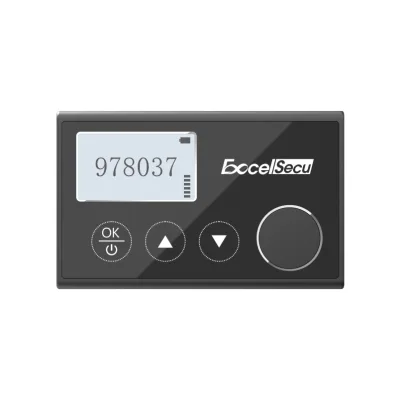
Excelsecu Data Technology Co., Ltd.
- Verified by SGS Group
- Manufacturer, Trading Company
- Lead time15 days
Main productsSmart Card, USB Key, OTP Token, FIDO U2F Security Key, IoT Payment Terminal
Main marketsDomestic Market(80%), Western Europe(8%), Eastern Asia(6%)

Techcrepower Technologies Limited
- Trading Company,Manufacturer/Factory
- China Guangdong
- Lead time15 days
- Avg. response≤ 8h
Main productsSoft Magnetic Eyelashes, Hard Magnetic Eyelashes, Beauty Makeup, Eyelashes Extension, Self Adhesive Lashes, Strip Lashes Glue, Full Lashes, Half Lashes, Cluster Lashes, Eyelashes Tool
Main marketsSouth America,Eastern Europe,Mid East,North America,Southeast Asia,Eastern Asia,Oceania,Western Europe,Africa

Shenzhen Ke Zhi You Technology Co., Ltd.
- Verified by CTI
- Trading Company,Manufacturer/Factory
- China Guangdong
- Lead time23 days
- Avg. response≤ 18h
Main productsArduino Board, Arduino Sheild, Arduino Starter Kit, 3D Printers, Arduino Robot, Arduino Sensor/Modules, Raspberry Pi, Smart Car, Display, Mico Bit: Bbc Board
Main marketsSouth America,Eastern Europe,Mid East,North America,Southeast Asia,Eastern Asia,Oceania,Western Europe,Africa
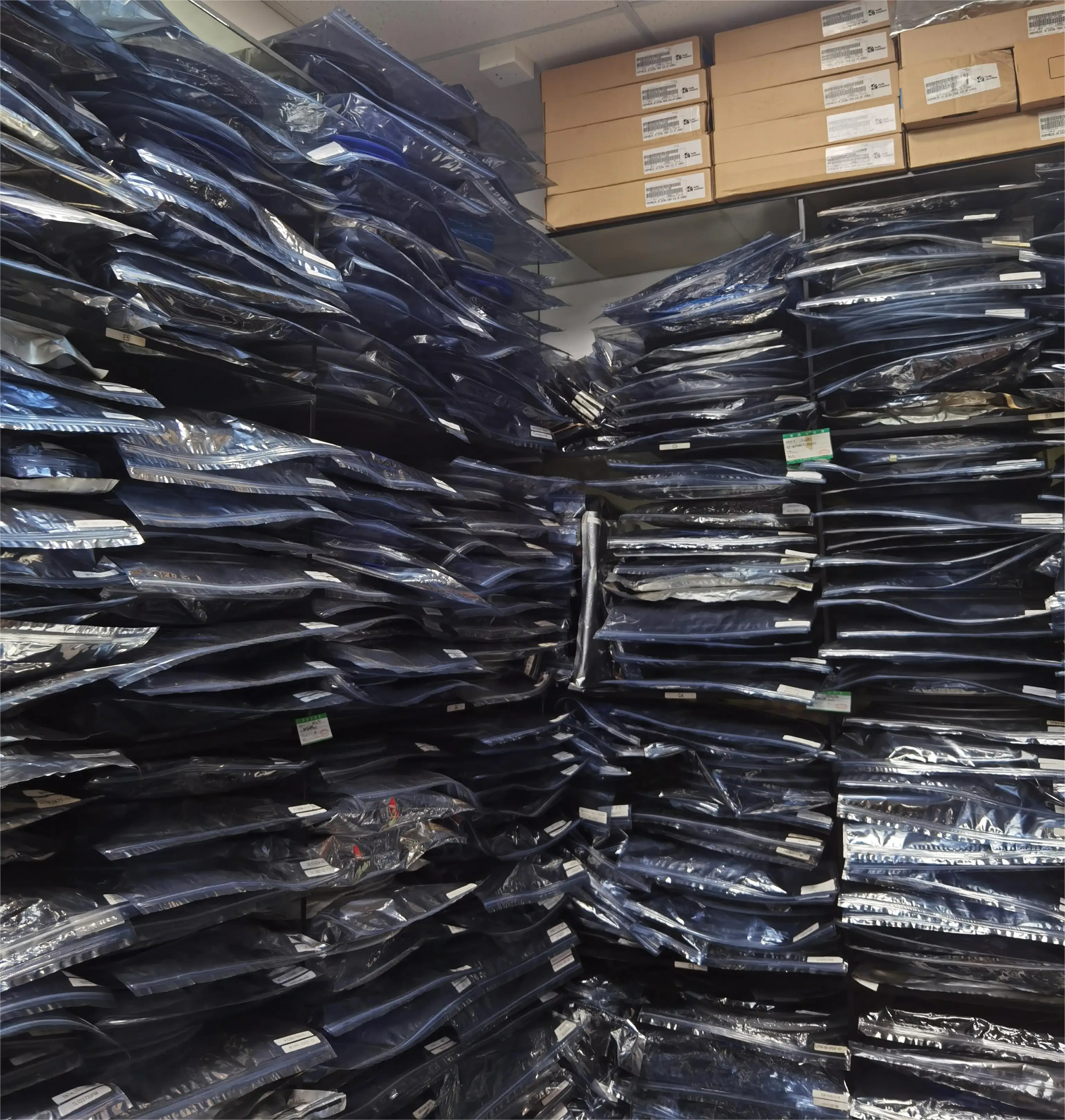
Shenzhen Hongda Xinyuan Technology Co., Ltd.
- Trading Company
- Guangdong, China
- Lead time7 days
- Avg. response≤ 1h
Main productsIntegrated circuit,Transistors,Capacitance resistance,Module,IGBT
Main marketsEastern Europe(20.00%), South America(20.00%), North America(20.00%), Southern Europe(10.00%), Northern Europe(10.00%), Western Europe(10.00%), Oceania(10.00%)

Henan 4.0 Automation Equipment Co., Ltd.
- Verified by BV
- Manufacturer/Factory
- China Henan
- Lead time15 days
- Avg. response≤ 1h
Main productsFrequency Inverter, PTC Heater, Filter Fan, Remote Io Module, AC Cooling Fan, Siemens, Ethercat Switches, ABB Schneider, PLC, DIN Rail Power Supply
Main marketsSouth America,Eastern Europe,Mid East,North America,Southeast Asia,Eastern Asia,Oceania,Western Europe,Africa

Simatic S7-300, Front Connector for Signal Module with Screw Contacts, 20 Pins
$30.00 - $40.00
MOQ: 1 Pieces

Original S7-1500 TM Count 2X24V Counter Technology Module 6es7550-1AA01-0ab0
$500.00 - $600.00
MOQ: 1 Pieces
- Verified by TUVRHEINLAND
- Combined
- China Guangdong
- Lead time30 days
- Avg. response≤ 6h
Main productsSwing Gate, Barrier Gate, Parking System, Swing Gate Motor, Swing Gate Turnstile, Swing Barrier Gate, Swing Gate Controller, Automatic Swing Gate, Tripod Turnstile
Main marketsSouth America,Southeast Asia/ Mideast,Domestic,Europe,Australia,North America

Dongguan Xinlian Chuangfu New Energy Technology Co., Ltd.
- Verified by CTI
- Trading Company
- China Guangdong
- Lead time30 days
- Avg. response≤ 1h
Main productsTerminal Block, Connector, Screw/Nut, Hardware Products, Plastic Products, High Current Terminal Blocks, Ws DIN Rail Terminal Block, PCB Screw Terminal Block, Quick Wiring Terminal, Spring Type Terminal Block
Main marketsDomestic

Shenzhen Tesike Electronic Co., Ltd.
- Verified by SGS
- Manufacturer/Factory
- China Guangdong
- Lead time23 days
- Avg. response≤ 2h
Main productsLf/Hf/UHF RFID Reader, RFID Card, RFID Keyfob Tag, RFID Sticker Tag, RFID Silicone Wristband, RFID Microchip Tag with Syringe, RFID Scanner, RFID Animal Microchip, 125kHz & 13.56MHz RFID Module, 125kHz RFID Reader
Main marketsSouth America,Eastern Europe,Mid East,North America,Southeast Asia,Eastern Asia,Oceania,Western Europe,Africa


Hf 13.5MHz RFID Reader Module Build-in Antenna ISO14443A/B for Electronic Terminals
$7.90 - $32.00
MOQ: 1 Pieces

- Verified by BV
- Combined
- China Guangdong
- Lead time23 days
- Avg. response≤ 1h
Main productsRFID & Mobile ID Access Control Reader, Osdp Wiegand Access Control Reader, Qr Code Access Control Reader, HTTP Web Access Control Terminal, Wireless Access Control System, Biometric Access Control System, Time Attendance Terminal, RFID Smart Card Reader, RFID NFC Desktop Reader Writer, Customized IoT Devices
Main marketsSoutheast Asia/ Mideast,North America
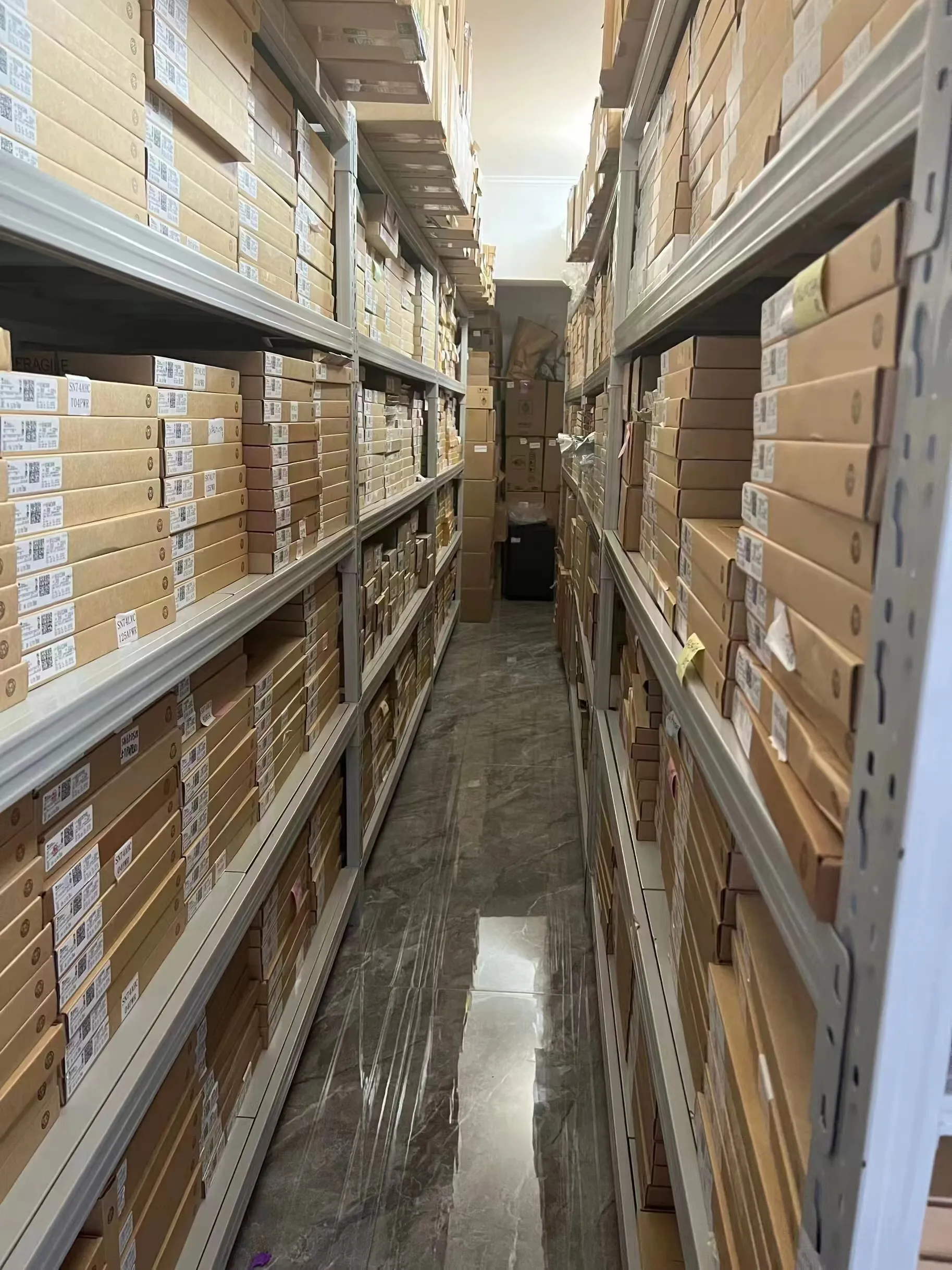
Shenzhen Hanmawei Technology Co., Ltd.
- Trading Company, Agent, Distributor/Wholesaler
- Guangdong, China
- Lead time1 days
- Avg. response≤ 6h
Main productselectronic parts,electronic components,Printed Circuit Board,Auxiliary accessories,LED Component
Main marketsSoutheast Asia(35.00%), South Asia(20.00%), Eastern Europe(8.00%), Eastern Asia(7.00%), Northern Europe(6.00%), North America(5.00%), Mid East(5.00%), South America(5.00%), Central America(3.00%), Africa(2.00%), Oceania(2.00%), Western Europe(1.00%), Southern Europe(1.00%)

- Verified by BV
- Trading Company
- China Guangdong
- Lead time15 days
- Avg. response≤ 12h
Main productsIC, Transistor, Capacitor, Diodes, Reistor, Relay, Connector, Electronic Component, Intergrated Circuit, Sensor
Main marketsSouth America,Southeast Asia/ Mideast,Europe,North America

Shenzhen Xingtong IoT Technology Co., Ltd.
- Verified by SGS
- Combined
- China Guangdong
- Lead time23 days
- Avg. response≤ 6h
Main productsWireless Wired Barcode Scanner, Qr Code Module, Price Checker Kiosk, PDA Data Collector, POS, OEM San Engine
Main marketsOthers(foreignTradeCapacity.exportBusinessCapacityMarketOther),East Asia(Japan/ South Korea),Domestic,Australia

XTIOT QR Code Module 1D/2D Barcode Reader for Self-Service Kiosk XT206M1
$26.00 - $28.00
MOQ: 1 Pieces

XTIOT Industrial QR Code Module 1D/2D Barcode Reader for WMS Workstation XT206M1 Factory
$26.00 - $28.00
MOQ: 1 Pieces

Shenzhen Easco Smart Equipment Co., Ltd.
- Verified by TUVRHEINLAND
- Combined
- China Guangdong
- Lead time15 days
- Avg. response≤ 2h
Main productsTurnstile Gate, Biometric Device, Car Barrier Gate, Automatic Door Opener, License Plate Recognition Device, Face Recognition Attendance, Speed Gate, Facial Recognition Turnstile, Tripod Turnstile, Full Height Turnstile
Main marketsSouth America,Southeast Asia/ Mideast,East Asia(Japan/ South Korea),Europe,North America

$399.00 - $452.00
MOQ: 2 Pieces

$368.00 - $398.00
MOQ: 2 Pieces






Comprehensive Sourcing Guide
Authenticator 6-Pin TSOC 1-Wire EPROM Supplier Concentration and Factory Types
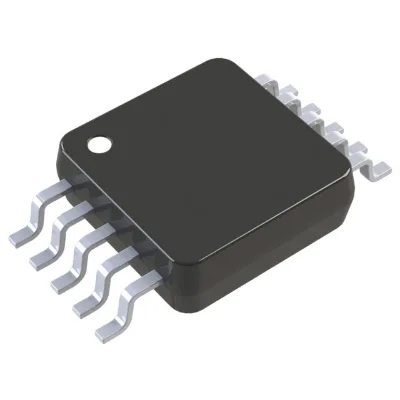
Suppliers offering Authenticator 6-Pin TSOC 1-Wire EPROM devices and closely related 1-Wire memory ICs tend to appear alongside broader electronic component catalogs. In the observed supplier results, one Guangdong-based company lists integrated circuits, capacitors, resistors, transistors, relays, diodes, MCUs and connectors as its main products, with the DS2502P-E48+ EPROM OTP in a TSOC-6 package listed among its product evidence. A Shanghai-area listing also references the authenticator keyword space, while a Hunan-based supplier focuses on RFID cards, iButton keys and readers — a reminder that adjacent ecosystems (memory ICs versus iButton hardware) can surface under the same search. Buyer takeaway: this category mixes semiconductor distributors and traders with hardware accessory makers, so a single search rarely maps to one factory type.
The observed structural profile matters when you shortlist. The Guangdong example is labeled a trading company rather than a manufacturer, with customization marked available and a stated lead time of 15 days. When you scan profiles, classify each candidate as manufacturer, trading company, or combined type, since the type affects traceability to wafer origin, programming services, and reel-level packaging. For a genuine-original chip in a 6-pin TSOC can, provenance claims (such as "new original" labeling and date-code ranges shown in product attributes) should be treated as claims to verify, not guarantees, and you should ask each shortlisted candidate how it traces stock back to authorized sources.
How to Verify Authenticator 6-Pin TSOC 1-Wire EPROM Suppliers
Verification for this keyword starts with the device itself. Product listings in the observed results show attribute fields you should demand from every candidate: manufacturer name (MAXIM or MICROCHIP in the sample data), package code (TSOC-6, SOIC-8, QFN24), integration level, date code (such as 17+ or 22+), quality claim, packing format, and raw material statement. Ask the supplier to confirm these attributes on the exact lot they will ship, and request datashet-consistent marking photos plus a sample for electrical verification on your own reader before committing to volume. If a listing omits any attribute, treat the gap as a question, not an assumption.
Next, verify the company layer. The observed results show one candidate with a 1.10 response-time figure and another at 3.79 — if a platform displays response metrics, compare them, but also send identical technical questions (date code, lot traceability, programming options) to every candidate and score reply speed and substance yourself. Check the stated company type against self-descriptions: a trading company can still be legitimate, but you should ask whom it buys from and what documentation accompanies the goods. Where a system certification field is vague ("Others" in the observed data), do not infer ISO or similar credentials; instead ask for certificates relevant to your market and verify them with the issuing body. For location claims such as Guangdong, Shanghai or Hunan, ask which warehouse actually ships and where inspection can occur.
What to Compare Across Authenticator 6-Pin TSOC 1-Wire EPROM Suppliers
Build a comparison sheet using the dimensions these supplier results actually expose. Useful columns include: location (Guangdong, Hunan, Shanghai appear in the data), company type (trading, combined, or manufacturer), main products (broad IC catalogs versus RFID/iButton specialists), response time figures (1.10 versus 3.79 in the sample), stated lead time (15 days appears for one IC trader), and displayed MOQ and price ranges — for example, a listing showing an MOQ of 100 units with prices from roughly 0.07 to 15.00, versus another at MOQ 500 with prices from about 1.00 to 200.00, and an accessory listing at MOQ 1. Do not assume every supplier displays all fields; record "not disclosed" and make disclosure a scoring criterion.
Beyond numeric fields, compare product evidence quality. Some listings state package (TSOC-6, SOIC-8), date code, manufacturer, quality claim and packing; others list only model and category. Richer, consistent attributes usually signal a supplier that understands the product. Also compare customization statements, capability labels (such as ODM/OEM availability shown by one candidate), and category placement — memory ICs versus access-control cards — because a supplier whose catalog matches your actual need (an authenticator IC versus an iButton key) will handle technical questions better. Weigh all columns together rather than optimizing one, since a fast responder with thin product detail can be riskier than a slower, better-documented source.
Common Authenticator 6-Pin TSOC 1-Wire EPROM Sourcing Risks
The dominant risk in this category is counterfeit or remarked stock. Many listings in the observed results are labeled "Genuine New Original," but that phrase is a seller claim, not proof. Date codes in the sample span 17+ and 22+, so older-than-expected date codes can appear; confirm whether your application accepts older stock. Related risks include wrong package substitution (the sample shows TSOC-6, SOIC-8 and even a QFN24 package attached to model names that suggest other packages), mislabeled manufacturer attributions, and mixing of genuine-original with compatible or programmed copies. Mitigate each with sample-first purchasing, decap or X-ray checks at a third-party lab for critical volumes, and incoming electrical verification of the 1-Wire or authenticator protocol behavior.
Commercial and documentation risks follow closely. MOQs in the observed data range from 1 to 500 units, so small pilot orders are feasible — but quoted price ranges (for example 0.07–15.00 or 1.00–200.00) are wide, and the price you pay may depend on quantity, date code and package, so pin these down in writing. Trading-company intermediaries add a traceability layer that can hide the original stock source; one candidate's system certification is recorded only as "Others," which signals you must verify any claimed certification externally. Finally, location mismatches — goods warehoused or shipped from a province different from the registered location — can complicate inspection and returns, so confirm the actual ship-from point before paying.
Authenticator 6-Pin TSOC 1-Wire EPROM Regional Sourcing and Logistics
The location data attached to these results is limited but usable. Guangdong appears as the province of a broad IC trading supplier, Hunan as the base of an RFID and iButton accessory maker whose product attributes list Shenzhen as the product origin, and Shanghai as another listed location. This pattern is consistent with general knowledge that southern China concentrates electronics distribution, but you should treat only the stated facts as confirmed: verify each candidate's actual shipping point, because product-origin labels (Shenzhen) and company registration provinces (Hunan, Guangdong, Shanghai) do not always align. When shortlisting, map each candidate to a concrete ship-from city and confirm customs export experience for ICs.
Logistics planning for this category should account for packaging formats and lead times. The observed product data lists box packing for ICs and bag/carton packing for iButton keys, with one accessory lead time of 7 working days and one IC trading lead time of 15 days; ask each supplier for its current figure rather than reusing these. Small, high-value chip shipments suit courier freight with robust ESD-safe packaging — confirm anti-static handling explicitly, since TSOC cans and SOIC tubes can be damaged by poor packing. For accessories like iButton keys, color and laser-engraving options appear in the data, so confirm which options add production time. Always reconcile the lead time quoted for samples with the volume-order lead time, which is often longer.
Authenticator 6-Pin TSOC 1-Wire EPROM Commercial Terms and Order Planning
Structure first orders to validate before scaling. Given the MOQ spread in the observed results — 100 units on one IC listing, 500 on another, and 1 on an access-control item — a staged plan is realistic: buy the smallest paid sample quantity, verify electrically, then place a pilot lot, then scale. Use escrow or platform-protected payment where available; if the supplier profile does not display escrow status, ask directly and verify the mechanism rather than assuming protection exists. Confirm the exact price basis: the wide ranges shown (roughly 0.07–15.00 and 1.00–200.00 on sample listings) mean the final price depends on quantity, date code and package, so request a written quotation tied to your specific model, package code and date-code window.
Order planning should also lock quality and delivery terms. Specify in the purchase order: exact part number and package (for example TSOC-6 for the 6-pin part), manufacturer, date-code requirement, quality claim ("new original" as defined by an agreed acceptance test), packing format, labeling, and remedies for failed incoming inspection. Reconcile the stated lead time — 15 days appears on one IC supplier and 7 working days on one accessory product — with your schedule and add buffer for re-verification of samples. For repeat orders, negotiate lot traceability documents and consistency of date codes. Finally, plan your payment milestones against inspection gates: pay a modest deposit, inspect on arrival, and release the balance only after your electrical verification passes.
FAQs
What is the price range for Authenticator 6-Pin TSOC 1-Wire EPROM?
The price range for these components typically spans from $0.072 to $15.00 per unit. This variance depends on specific model configurations and order volume. Buyers should verify current pricing for exact quotes based on their required quantity and delivery schedule.
What is the minimum order quantity for these electronic components?
The minimum order quantity is generally set at 100 units for standard integrated circuits. Some specialized items may require a higher minimum of 500 units. Buyers must confirm the specific MOQ with the supplier before placing an order to ensure availability.
How long does it take to receive these components after ordering?
The standard lead time for these electronic components is approximately 15 days. This duration allows for processing and shipping from the supplier location in China. Buyers should account for this timeframe when planning their production schedules and inventory management.
Where are these electronic components manufactured or supplied from?
These components are supplied from locations in China, including Guangdong and Shanghai. The products are identified as originating from China with genuine new original quality. Buyers can expect sourcing from these specific regions for integrated circuits and related electronic parts.
What is the typical response time from suppliers for these items?
Suppliers typically respond within 1.10 hours to inquiries regarding these components. This rapid response ensures quick communication for pricing and availability checks. Buyers can expect efficient support when contacting suppliers for integrated circuits and electronic component inquiries.
Are these components available for customization or OEM orders?
Customization is available for these integrated circuits and electronic components. Suppliers offer OEM and ODM services to meet specific buyer requirements. Buyers should discuss their customization needs directly with the supplier to ensure the product meets their exact technical specifications.