Outdoor EMI Shielded Honeycomb Vent Suppliers and Manufacturers
Compare 12 verified suppliers offering Outdoor EMI Shielded Honeycomb Vent products with ISO9001:2015 certification and customizable dimensions. Review response times, lead times, and pricing to select the right partner for your project needs; review the available evidence before requesting comparable quotations from suitable candidates.
Suppliers List

Hengshi (Langfang) Precision Machinery Manufacturing Co., Ltd.
- Combined
- China Hebei
- Lead time30 days
- Avg. response≤ 3h
Main productsMetal Honeycomb Products, Wind Tunnel Honeycomb, Honeycomb Core, Shielding Ventilation Plate, Honeycomb Air Seal, Air Vent Honeycomb, Air Flow Straightener, Metal Honeycomb, Gas Turbine, EMI Shielding Honeycomb Panel
Main marketsDomestic,Europe,North America


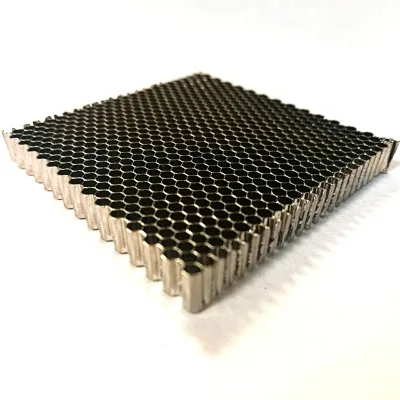
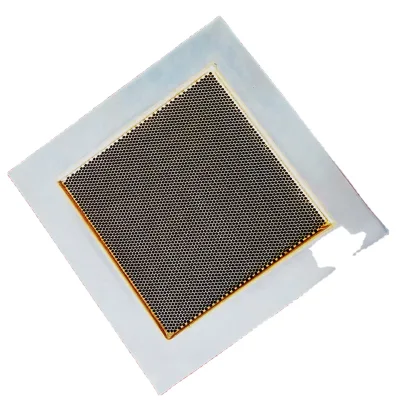
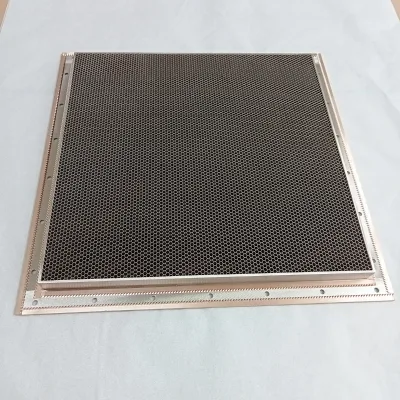
Factory Supply Honeycomb Vent for EMI/EMC/RF Shielding Honeycomb Ventilation Interference Shielding
$50.00 - $60.00
MOQ: 1 Pieces
Huarui Honeycomb Technology Co., Ltd.
- Manufacturer
- Guangdong, China
- Lead time10 days
- Avg. response≤ 6h
Main productsaluminum honeycomb core,aluminum honeycomb panel,honeycomb wall panels,stone honeycomb panel,steel honeycomb core
Main marketsDomestic Market(28.00%), Central America(9.00%), Mid East(8.00%), Eastern Asia(8.00%), Southeast Asia(7.00%), South America(6.00%), Oceania(6.00%), Northern Europe(5.00%), North America(5.00%), Western Europe(5.00%), Eastern Europe(5.00%), South Asia(3.00%), Southern Europe(3.00%), Africa(2.00%)
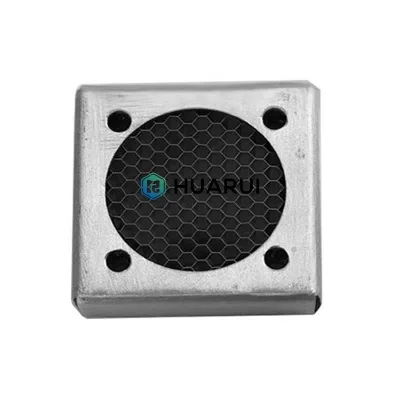
Fireproof Vent for Hospital Indoor Use with EMC/EMI Shielding and 2-Year Warranty
$102.20
MOQ: 10 Minimum
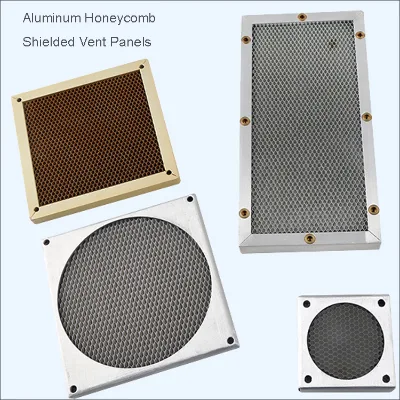
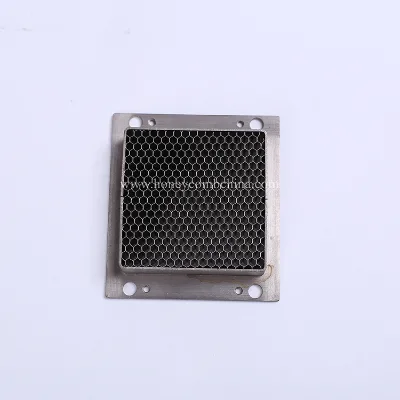
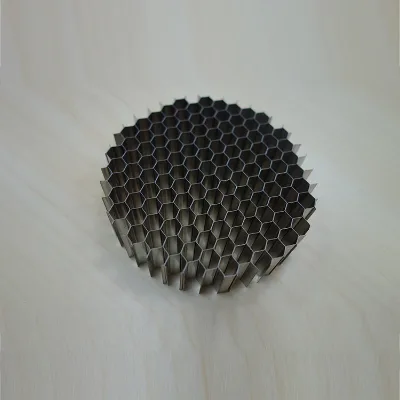
High Quality Stainless Steel Honeycomb Core
Contact supplier

Dongguan Leiqi Laser Technology Co., Ltd.
- Verified by SGS
- Combined
- China Guangdong
- Lead time30 days
- Avg. response≤ 1h
Main marketsDomestic

Hengshi (langfang) Precision Machinery Manufacturing Co., Ltd.
- Manufacturer, Trading Company
- Hebei, China
- Lead time0 days
- Avg. response≤ 2h
Main productsHoneycomb Panels,Honeycomb Cores,Honeycomb Seals,Honeycomb Air-flow Straighteners,Acoustic Liners
Main marketsDomestic Market(31.00%), Southeast Asia(20.00%), North America(20.00%), Eastern Asia(10.00%), South Asia(8.00%), Mid East(6.00%), South America(5.00%)
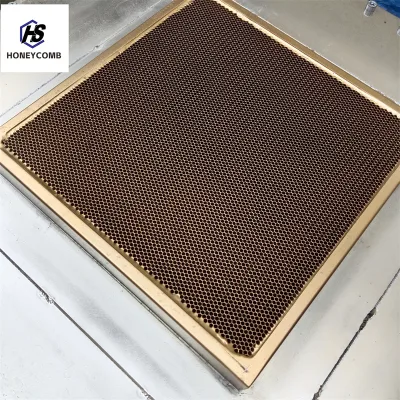
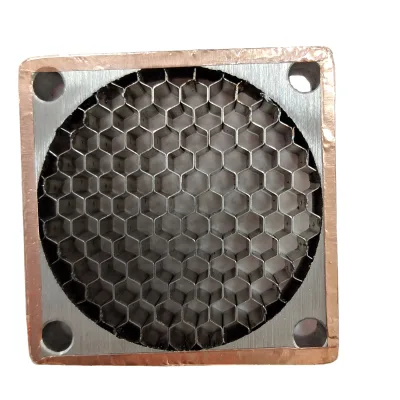
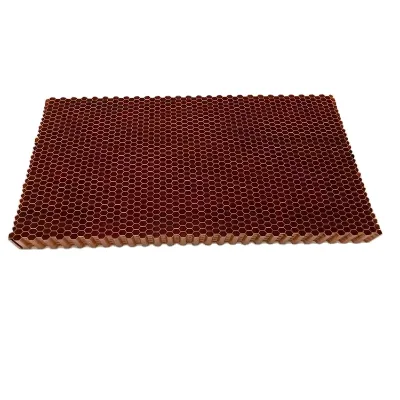
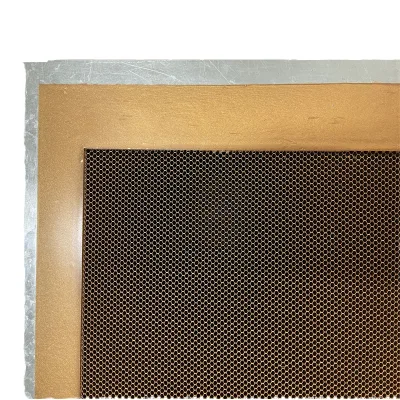
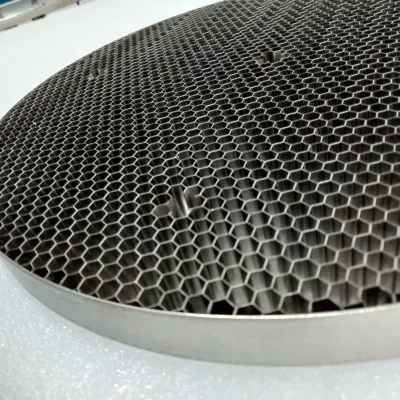
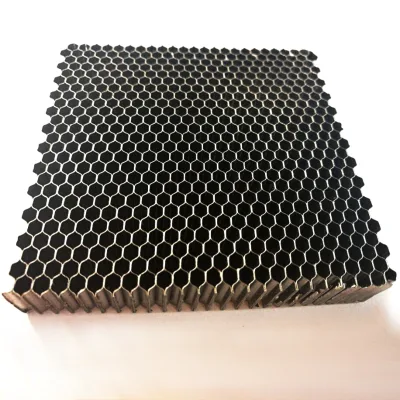
Customized High Quality Honeycomb Vent Supplied with Customized Honeycomb Core
$15.00 - $30.00
MOQ: 1 Minimum
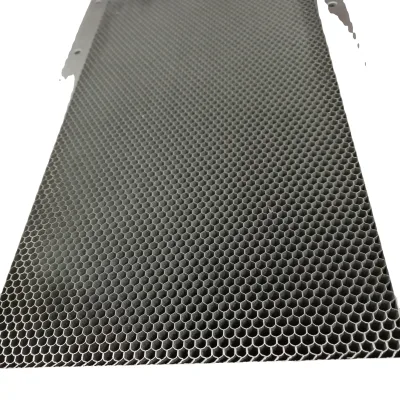
Beijing Cn-Ft Jovi Technology And Trading Co., Ltd.
- Trading Company
- Beijing, China
- Lead time5 days
- Avg. response≤ 3h
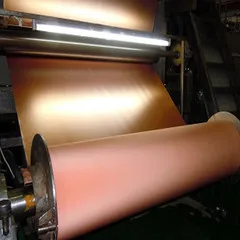
Main productsCopper Foil,RF Door,RF Window,Honeycomb Vent,Copper Figure
Main marketsNorth America(40.00%), Western Europe(20.00%), Central America(15.00%), South America(12.00%), Africa(10.00%), Northern Europe(3.00%)

Foshan Hehong Yichen Building Materials Co., Ltd.
- Manufacturer/Factory
- China Guangdong
- Lead time60 days
- Avg. response≤ 1h
Main productsHoneycomb Panel
Main marketsSouth America,Eastern Europe,Mid East,North America,Southeast Asia,Eastern Asia,Oceania,Western Europe,Africa


Stainless Steel Honeycomb Vent for Effective EMI EMC Shielding Solutions
$29.99 - $43.99
MOQ: 100 Square Meters


Premium EMI Shielding Vent with Durable 304 Stainless Steel Honeycomb Design
$29.99 - $43.99
MOQ: 100 Square Meters

EMC EMI Honeycomb Vents for Shielding with High Performance Used in Vehicle Aerospace
$29.99 - $43.99
MOQ: 100 Square Meters

High-Performance EMI Shielding Vent in 304 Stainless Steel Honeycomb Design
$29.99 - $43.99
MOQ: 100 Square Meters

FoShan HongZan Building Materials Co., Ltd.
- Trading Company,Manufacturer/Factory
- China Guangdong
- Lead time23 days
- Avg. response≤ 12h
Main productsHoneycomb Core, Honeycomb Panel, Stone Honeycomb Panel, Wall Cladding, Metal Ceiling, Stainless Steel Honeycomb Panel, Aluminum Panel, Porcelain Honeycomb Panel, Formica Honeycomb Panel, Mushrabiyah Panel
Main marketsSouth America,Eastern Europe,Mid East,North America,Southeast Asia,Eastern Asia,Oceania,Western Europe,Africa


Lightweight Aluminum Honeycomb Core Ventilation Aluminum Honeycomb Core
$15.00 - $20.00
MOQ: 200 Square Meters

Foshan City Wonderful Composite Meterial Co., Ltd.
- Verified by TUVRHEINLAND
- Combined
- China Guangdong
- Lead time23 days
- Avg. response≤ 3h
Main productsAlunimum Honeycomb Core, CNC Machining Parts, Stone Honeycomb Panel, FRP Honeycomb Panel, Stainless Steel Honeycomb Panel, HPL Sandwich Panel, Toliet Partition Panel, Truck Body Panels, FRP Sandwich Panel, Alunimum Honeycomb Panel
Main marketsDomestic

Premium Stainless Steel EMC Shield Honeycomb Core Panels for Ventilation
$20.00 - $50.00
MOQ: 200 Square Meters

1220mm X2440mm (Custom sizes available) Stainless Steel Honeycomb for EMI Shielding Vent Panels
$20.00 - $50.00
MOQ: 200 Pieces

Ningbo Aoshun Electrical Co., Ltd
- Verified by CTI
- Manufacturer/Factory
- China Zhejiang
- Lead time23 days
- Avg. response≤ 8h
Main productsWall Mounted Exhaust Fan, Mixed Flow Inline Fan, Air Curtain, Centrifugal Fan, Industrial Fan, Ventilation Air Grille & Other Accessories, Ceiling Mounted Exhaust Fan, Inline Duct Fan, Bathroom Ventilation Exhaust Fan, Ventilation Exhaust Fan
Main marketsSouth America,Mid East,Southeast Asia,Oceania,Western Europe

- Verified by SGS
- Trading Company
- China Zhejiang
- Lead time23 days
- Avg. response≤ 2h
Main productsRefrigeration, HVAC, Ventilation, Washing Machine Parts, Dryer Parts, Air Conditioning Parts, Customized Metal Products, AC Installation Products, Electrical
Main marketsSouth America,Africa,Southeast Asia/ Mideast,East Asia(Japan/ South Korea),Europe,Australia,North America

Changzhou Creherit Technology Co., Ltd.
- Verified by SGS
- Combined
- China Jiangsu
- Lead time15 days
- Avg. response≤ 18h
Main productsVent Membrane, Protective Vent, Automotive Vent, Vent Plug, Packaging Vent
Main marketsSouth America,Others(foreignTradeCapacity.exportBusinessCapacityMarketOther),Southeast Asia/ Mideast,East Asia(Japan/ South Korea),Domestic,Europe,Australia,North America

Anhui Jimei Air Treatment Equipment Co., Ltd.
- Verified by BV
- Combined
- China Anhui
- Lead time15 days
- Avg. response≤ 4h
Main productsCooling Pad, Ventilation Fans, Exhaust Fans, Air Cooler, Circulation Fans, External Rotor Fans
Main marketsSouth America,Southeast Asia/ Mideast,Domestic,Europe,North America




Comprehensive Sourcing Guide
Outdoor EMI Shielded Honeycomb Vent Supplier Concentration and Factory Types
Current data indicates a concentration of manufacturing activity in China, specifically within the Hebei province and the Guangdong region. Suppliers in Hebei, such as those located in Langfang City, frequently list main products including metal honeycomb cores, shielding ventilation plates, and air flow straighteners. These facilities often operate as combined entities capable of both Original Design Manufacturing and Original Equipment Manufacturing, suggesting a flexible production model that can adapt to specific engineering requirements for outdoor applications. The presence of ISO9001:2015 certification among these suppliers provides a baseline for quality management systems, though buyers must verify if this covers outdoor-specific environmental testing protocols.
In contrast, suppliers based in Guangdong, China, often present themselves as manufacturers specializing in aluminum honeycomb cores and panels. These entities may focus on different material compositions, such as aluminum or steel, which influences the suitability for various outdoor environments. The response times observed in these regions vary, with some facilities showing a response time of approximately six hours, while others in Hebei demonstrate faster engagement metrics. When evaluating factory types, buyers should distinguish between pure manufacturers and combined trading entities, as the latter may offer broader product ranges but less direct control over the fabrication process. Understanding this distinction is critical for ensuring that the specific welding techniques, such as spot welding or vacuum brazing, are applied correctly to the honeycomb structure for outdoor durability.
How to Verify Outdoor EMI Shielded Honeycomb Vent Suppliers
Verification begins with scrutinizing the specific product attributes listed in the supplier catalog, particularly regarding material composition and certification. For outdoor applications, the material must be robust; evidence shows options ranging from stainless steel to aluminum, with some products explicitly listing RoHS and ISO certifications. Buyers should request detailed documentation confirming that the stainless steel or aluminum grades used meet the necessary corrosion resistance standards for exterior exposure. It is essential to confirm that the "Customization" attribute is not merely a marketing term but is backed by the supplier's actual ODM and OEM capabilities, ensuring that cell sizes and wall thicknesses can be tailored to specific shielding requirements.
Beyond product specifications, buyers must validate the supplier's operational reliability through their response times and lead time commitments. Data suggests lead times can vary significantly, with some suppliers offering a thirty-day window while others in different regions may provide ten-day turnaround capabilities. A response time of under three hours indicates a highly active sales team, which is beneficial for resolving technical queries regarding EMI shielding performance. However, buyers should not rely solely on these metrics; they must verify the supplier's establishment year and physical address to ensure longevity and stability. Checking for escrow protection and reviewing past transaction records for similar shielding products will further confirm that the supplier can deliver consistent quality without compromising on the structural integrity of the honeycomb vent.
What to Compare Across Outdoor EMI Shielded Honeycomb Vent Suppliers
When comparing suppliers, the primary focus should be on the technical specifications of the honeycomb vents, specifically the cell size and wall thickness. Available data indicates cell sizes ranging from 0.8mm to 30mm and wall thicknesses typically between 0.13mm and 0.2mm. Buyers must compare these dimensions against their specific electromagnetic interference shielding requirements, as larger cells may reduce airflow resistance but compromise shielding effectiveness. Additionally, the welding techniques employed, such as spot welding or vacuum brazing, are critical factors. Different suppliers may utilize different methods, and the choice of technique directly impacts the structural strength and airtightness of the vent, which is vital for outdoor installations exposed to wind and weather.
Pricing and minimum order quantities (MOQ) represent another crucial comparison point. Current listings show price ranges starting from as low as 20.00 up to 60.00 or even 200.00 depending on the complexity and customization level. The MOQ also varies, with some suppliers requiring orders as low as one unit, while others mandate a minimum of ten or twenty units. Buyers should analyze whether the lower price points correspond to standard sizes or if customization incurs a significant premium. Furthermore, the packaging methods, such as wooden cases or plywood crates, should be compared to ensure the products arrive without damage during transit. Evaluating the after-sales service, including warranty periods and technical support availability, will also help determine the long-term value of each supplier option.
Common Outdoor EMI Shielded Honeycomb Vent Sourcing Risks
One significant risk involves the discrepancy between claimed certifications and actual product performance in outdoor environments. While many suppliers list ISO9001:2015 and RoHS compliance, these certifications often address general manufacturing quality rather than specific outdoor durability or electromagnetic shielding efficacy under extreme weather conditions. Buyers must be wary of suppliers who do not provide third-party test results for EMI/EMC shielding performance, as the absence of such data leaves the project vulnerable to signal leakage or equipment failure. The risk is compounded if the supplier relies on generic standards rather than industry-specific testing protocols for ventilation panels used in sensitive electronic facilities.
Another risk lies in the variability of lead times and the potential for supply chain disruptions. Although some suppliers advertise a ten-day lead time, others may require thirty days, and these timelines can fluctuate based on raw material availability or production capacity. If a supplier claims to be a manufacturer but lacks the capacity to handle large orders, delays can occur, impacting project schedules. Additionally, the use of different materials, such as aluminum versus stainless steel, introduces risks regarding corrosion resistance if the material grade is not explicitly verified. Buyers should also consider the risk of receiving products with inconsistent cell sizes or wall thicknesses if the supplier's quality control processes are not rigorous, which could lead to installation failures or reduced shielding performance in the field.
Outdoor EMI Shielded Honeycomb Vent Regional Sourcing and Logistics
Sourcing from China, particularly from the Hebei and Guangdong regions, offers access to a dense network of manufacturers specializing in honeycomb products. Suppliers in Hebei, such as those in Langfang City, often have established logistics channels for exporting heavy or bulky items like honeycomb panels. The proximity of these factories to major ports can facilitate efficient shipping, but buyers must account for the specific packaging requirements, such as wooden cases or plywood crates, to prevent damage during transit. The regional concentration allows for competitive pricing, but it also means that buyers need to carefully evaluate the specific location of the factory to ensure it aligns with their logistical needs and delivery timelines.
Logistics planning must also consider the specific dimensions and weight of the honeycomb vents, which can vary based on customization. Products with larger cell sizes or thicker walls may require specialized handling and packaging to ensure they arrive intact. Buyers should verify the supplier's experience with international shipping and their ability to provide accurate shipping estimates. The origin of the goods, whether from Langfang City or other parts of Guangdong, can influence the transit time and customs clearance process. It is advisable to work with suppliers who have a proven track record of exporting similar products to ensure that the logistics chain is robust and that the products are delivered on time and in good condition, minimizing the risk of delays or damage.
Outdoor EMI Shielded Honeycomb Vent Commercial Terms and Order Planning
Commercial terms for outdoor EMI shielded honeycomb vents often include specific requirements regarding customization and payment security. Many suppliers offer customization options, allowing buyers to specify cell sizes, wall thicknesses, and shapes to meet precise engineering needs. However, these customizations may impact the lead time and cost, so buyers should clarify these variables before placing an order. Payment terms should be structured to protect the buyer, potentially utilizing escrow services to ensure that funds are only released once the products meet the agreed-upon specifications. It is crucial to confirm the supplier's ability to handle the specific order volume, as some may have a minimum order quantity that could affect the overall project budget.
Order planning should also account for the potential need for additional components or accessories, such as specific mounting hardware or sealing materials. Buyers should verify if the supplier provides these items as part of the package or if they need to be sourced separately. The warranty terms, such as the two-year warranty mentioned for some fireproof vents, should be clearly defined in the commercial agreement to ensure coverage for any defects or performance issues. Additionally, buyers should plan for the possibility of sample orders to validate the product quality before committing to a larger purchase. By carefully planning the order process and understanding the commercial terms, buyers can mitigate risks and ensure a smooth procurement experience for their outdoor EMI shielding projects.
FAQs
Where are outdoor EMI shielded honeycomb vents manufactured?
These products are primarily manufactured in China, specifically in Hebei and Guangdong provinces. Suppliers in Langfang City, Hebei Province, offer various models with customizable shapes and sizes. Buyers should verify the specific origin listed on product details to ensure the location matches their logistics requirements.
What is the typical lead time for these honeycomb vents?
Lead times vary by supplier, with some offering a 10-day turnaround while others require 30 days. Manufacturers in Guangdong often provide faster delivery compared to those in Hebei. Buyers must confirm the specific production schedule with the supplier before placing an order to avoid delays.
What certifications do these EMI shielding vents typically hold?
Many products carry ISO9001:2015 certification and comply with RoHS standards. Some listings also mention ISO certification alongside other unspecified credentials. Buyers should request valid certificates directly from the supplier to confirm that the specific batch meets the required international safety and quality standards.
What is the minimum order quantity for honeycomb ventilation panels?
Minimum order quantities range from 1 unit to 10 units depending on the specific product model and supplier. Some listings allow single-unit purchases, while others require a batch of ten. Buyers need to check the specific MOQ listed for the desired model to ensure it fits their procurement volume.
How fast do suppliers typically respond to inquiries?
Response times vary, with some suppliers replying within approximately 2.8 hours and others taking up to 6 hours. Faster response times are often associated with manufacturers in specific regions. Buyers should expect a reply within a few hours but should verify the current status with the specific vendor.
What materials are used for EMI shielded honeycomb vents?
Common materials include stainless steel, aluminum, and carbon steel. Products are often available in fireproof aluminum or stainless steel variants suitable for hospital or industrial use. Buyers should verify the exact material composition listed in the product attributes to ensure compatibility with their specific shielding and environmental needs.
Are customization options available for these honeycomb vents?
Yes, customization is widely available for shapes, sizes, and thicknesses. Suppliers offer options for cell sizes ranging from 0.8 to 30mm and wall thicknesses of 0.13 to 0.2mm. Buyers can request specific dimensions and surface processes like mirror or brushed finishes to match their project requirements.