Outdoor Furniture Cover Suppliers and Manufacturers
Compare 23 verified suppliers of Outdoor Furniture Cover based on location, lead time, certifications, and response time. Review product specifications like material and weather resistance to select the right factory for your needs; review the available evidence before requesting comparable quotations from suitable candidates.
Suppliers List

Ningbo Yilong Outdoor Products Co., Ltd.
- Verified by TUVRHEINLAND
- Manufacturer/Factory
- China Zhejiang
- Lead time0 days
- Avg. response≤ 12h
Main productsAluminium Foldable Gazebo, Aluminium Umbrella, Wooden Umbrella, Beach Umbrella, Swing Chair, Steel Gazebo, Outdoor Furniture, Campling, Chair, Table
Main marketsSouth America,Eastern Europe,Mid East,North America,Southeast Asia,Eastern Asia,Oceania,Western Europe,Africa

MOQ: 100 Pieces

MOQ: 100 Pieces

Yangzhou Yinjiang Canvas Products Co., Ltd.
- Verified by TUVRHEINLAND
- Combined
- China Jiangsu
- Lead time30 days
- Avg. response≤ 12h
Main productsTarpaulin, Truck Cover, Curtain Side, PVC Tarpaulin, Trailer Cover, Canvas, Side Container Cover, Open Container Cover, Car Cover, Cotton Canvas
Main marketsEurope


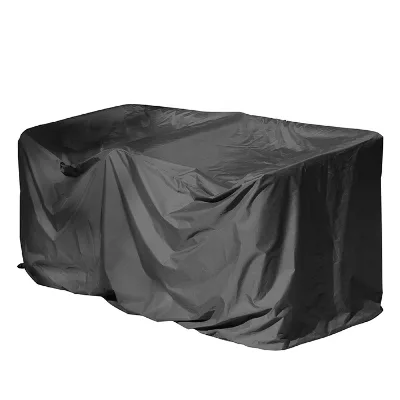
Large Rectangular Patio Table and Chairs Cover Outdoor Furniture Cover
$25.00 - $30.00
MOQ: 100 Pieces

Canvas Waterproof Outdoor Table and Chair Covers Garden Furniture Cover
$25.00 - $30.00
MOQ: 100 Pieces

Ningbo Lounger Import & Export Co., Ltd.
- Manufacturer/Factory
- China Zhejiang
- Lead time23 days
- Avg. response≤ 6h
Main productsHammock, Hammock Chair, Swing Chair, Hammock Swing, Garden Swing, Garden Umbrella, Beach Blanket, Garden Chair, Kids Swing, Hanging Chair
Main marketsSouth America,Eastern Europe,Mid East,North America,Southeast Asia,Eastern Asia,Oceania,Western Europe,Africa
Shanghai Anma Industry Co., Ltd.
- Trading Company
- Lead time旺季: "1 - 1000":35,"> 1000":"To be negotiated", 淡季: "1 - 1000":35,"> 1000":"To be negotiated"
- Avg. response≤ 7h
Main productsInteriror Accessories,Exterior Accessories,Electrical Accessories,Car Tools,Car Lighting

Xiamen Hongju United Technology Co., Ltd.
- Verified by TUVRHEINLAND
- Combined
- China Fujian
- Lead time23 days
- Avg. response≤ 2h
Main marketsAfrica,East Asia(Japan/ South Korea),Europe,Australia,North America


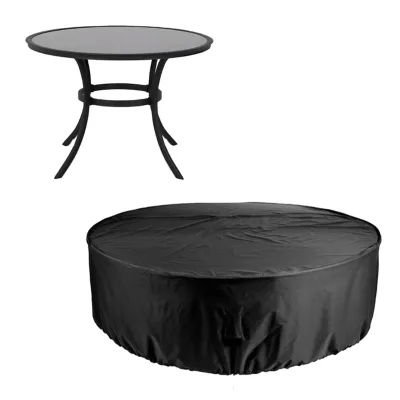
Durable Waterproof and UV Proof Round Garden Furniture Table Chair Cover
$5.84 - $6.33
MOQ: 100 Pieces

Foshan Tanfly Furniture Co., Ltd.
- Verified by BV
- Manufacturer/Factory
- China Guangdong
- Lead time23 days
- Avg. response≤ 7h
Main productsSwing Chair, Patio Furniture, Outdoor Furniture, Garden Furniture, Outdoor Sofa, Pergola, Sun Lounger, Fire Pit Table, Dining Table, Rattan Chair
Main marketsEastern Europe,Mid East,North America,Eastern Asia,Western Europe

Outdoor Furniture Cover Waterproof All Weather Patio Garden Furniture Cover
$5.99 - $9.99
MOQ: 10 Sets

Waterproof UV Resistant Fabric Patio Fire Pit Table Cover Outdoor Furniture Cover
$5.99 - $9.99
MOQ: 10 Sets

All Weather Waterproof Outdoor Furniture Cover for Garden Sets Patio Furniture Covers
$7.50 - $26.00
MOQ: 10 sets


Outdoor Garden Furniture Cover Hanging Egg Chair Cover Patio Swings Chair Covers Popular
$9.90 - $19.90
MOQ: 10 Pieces

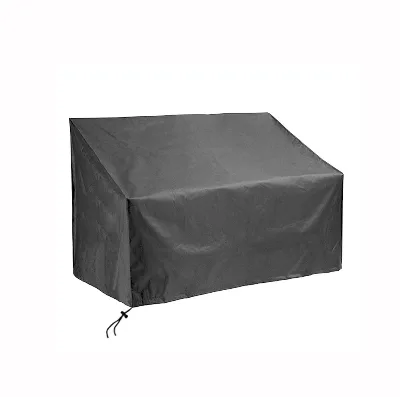
Waterproof Outdoor Patio Garden Furniture Cover for 1/2/3/4 Seater Sofa Rain Cover for Garden Swings
$9.90 - $29.90
MOQ: 100 pieces

Shanghai Haocover Outdoor Products Co. Ltd.
- Verified by SGS
- Trading Company,Manufacturer/Factory
- China Jiangsu
- Lead time60 days
- Avg. response≤ 16h
Main productsCar Cover, Motorcycle Cover, Furniture Cover, Boat Cover, BBQ Cover, ATV Cover, UTV Cover
Main marketsSouth America,Eastern Europe,North America,Southeast Asia,Eastern Asia,Oceania,Western Europe


Poly Rip-Stop Water-Proof Chair Cover TPU Breathable Outdoor Furniture Cover
$10.00 - $12.00
MOQ: 100 Pieces

Premium Solution Dyed TPU Patio Table Cover Waterproof Furniture Cover
$15.00 - $25.00
MOQ: 100 Pieces


Shanghai Anma Industry Co., Ltd.
- Verified by SGS Group
- Trading Company
- Lead time28 days
- Avg. response≤ 5h
Main productsCar Mats, Car Seat Covers, Car Covers, Car Jacks, Car Air Compressor
Main marketsSouth America(30%), North America(25%), Southeast Asia(8%)
Hangzhou Jinglian I & E Co., Ltd.
- Verified by Intertek
- Manufacturer, Trading Company
- Lead time30 days
- Avg. response≤ 7h
Main productsBike Cover, E-Bike Accessories, Motorcycle Cover, Garden Patio Cover, RV Caravan Accessories
Main marketsWestern Europe(29%), North America(26%), Eastern Asia(10%)
Hangzhou Beeland Technology Co., Ltd.
- Verified by TüVRheinland
- Trading Company
- Lead time35 days
- Avg. response≤ 3h
Main productsFurniture Covers, Car Covers, Shade Sails, Garden Supplies
Main marketsWestern Europe(40%), North America(30%), Northern Europe(10%)
Haining Lanhe Textile Co., Ltd.
- Trading Company
- Zhejiang, China
- Lead time0 days
- Avg. response≤ 3h
Main productsPatio Furniture Cover,Vehicle Cover,furniture
Main marketsNorth America(60.00%), South America(30.00%), Eastern Europe(10.00%)
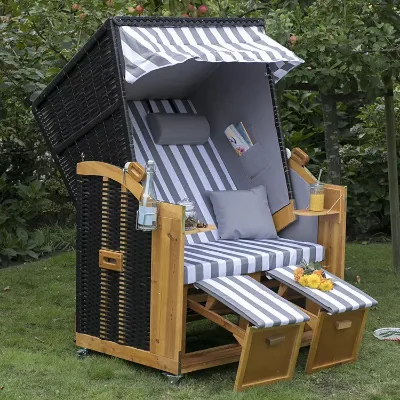
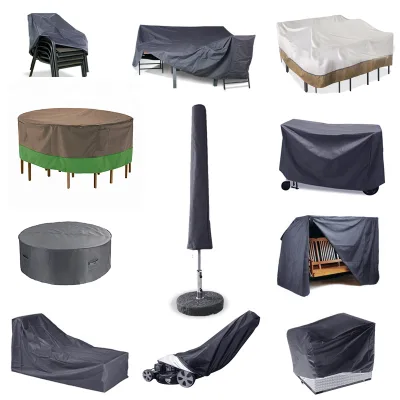
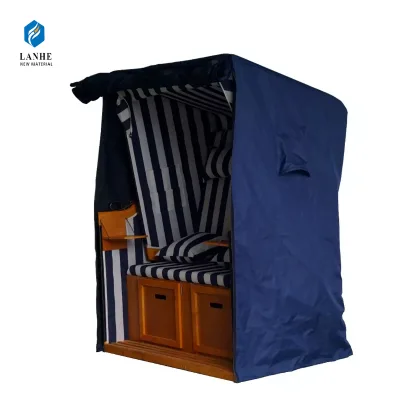
Outdoor Waterproof Water Resistant Furniture Chair Cover Set Top Patio Furniture Covers
$10.98 - $15.25
MOQ: 30
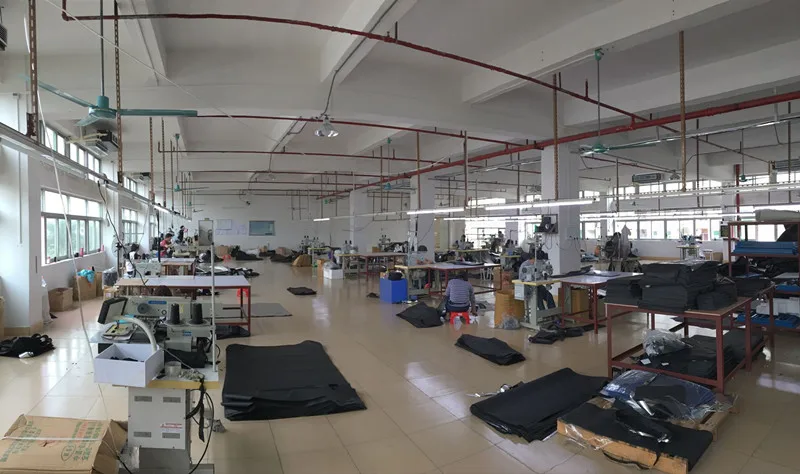
Dongguan Great Environmental Equipment Co., Ltd.
- Manufacturer, Trading Company
- Guangdong, China
- Lead time25 days
- Avg. response≤ 5h
Main productsGrow Tent,Grow Light,Carbon Filter,Duct Fan,Mylar Fabric
Main marketsNorth America(50.00%), Western Europe(20.00%), South America(10.00%), Eastern Europe(10.00%), Southern Europe(5.00%), Mid East(5.00%)
Yiwu Comeon Household Goods Co., Ltd.
- Verified by SGS Group
- Trading Company
- Lead time0 days
- Avg. response≤ 7h
Main productsDiaper Bag Backpack/ Pet Backpack/ Pet Bed
Main marketsNorth America(50%), Western Europe(30%), Eastern Asia(20%)

Changsha Ido Leisure Industry Co., Ltd.
- Verified by SGS
- Manufacturer/Factory
- China Hunan
- Lead time0 days
- Avg. response≤ 4h
Main productsHanging Chair and Hammock Stand, Leisure Table and Chair, Camping Gear Tent, Fishing Supplies, Leisure Chair and Table, Pavilion, Fire Pit, Parasol, Sporting Supplies, Outdoor Furniture
Main marketsNorth America,Western Europe

Custom Logo 420d Waterproof Outdoor Patio Table Furniture Cover Waterproof Garden Furniture Covers
$10.00 - $20.00
MOQ: 50 Pieces

$3.00 - $15.00
MOQ: 100 Pieces

$3.00 - $15.00
MOQ: 100 Pieces


$10.00 - $20.00
MOQ: 50 Pieces

Customized Waterproof Dust-Proof Black Oxford Outdoor Patio Outdoor Ourniture Covers
$3.00 - $15.00
MOQ: 100 Pieces
Guangzhou CS Textiles Co., Ltd.
- Manufacturer
- Guangdong, China
- Lead time25 days
- Avg. response≤ 19h
Main productscushion,packing storage bag,outdoor umbrella,cushion cover,patio furniture cover
Main marketsNorth America(37.00%), Oceania(33.00%), Western Europe(17.00%), South America(7.00%), Eastern Asia(6.00%)

Qingdao Aosheng Plastic Co., Ltd.
- Manufacturer/Factory
- China Shandong
- Lead time30 days
- Avg. response≤ 11h
Main productsPaint Mixing Cup, Disposable Painting Cup, Spray Gun Cup, Drop Sheet, Building Film, Construction Film, Masking Film, Car Cover, Plastic Film, Mattress Bag
Main marketsSouth America,Eastern Europe,Mid East,North America,Southeast Asia,Eastern Asia,Oceania,Western Europe,Africa

- Verified by BV
- Trading Company
- China Zhejiang
- Lead time23 days
- Avg. response≤ 4h
Main productsCamping Chair, Camping Table, Garden Chair, Garden Table, Tent, Sleeping Bag, Camping Mat, Car Tent
Main marketsSouth America,Southeast Asia/ Mideast,East Asia(Japan/ South Korea),Europe,North America


$3.00 - $13.00
MOQ: 500 Pieces
Ningbo Hugeleaf Gardening Products Co., Ltd.
- Verified by TüVRheinland
- Trading Company
- Lead time35 days
- Avg. response≤ 3h
Main productsGarden Tools, Plastic Products, Garden Decoration, Pet Product, Outdoor Products
Main marketsNorth America(30%), Western Europe(30%), South America(5%)
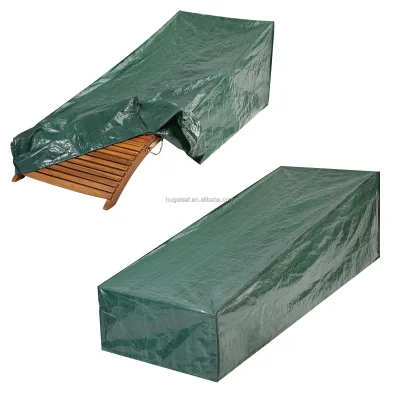
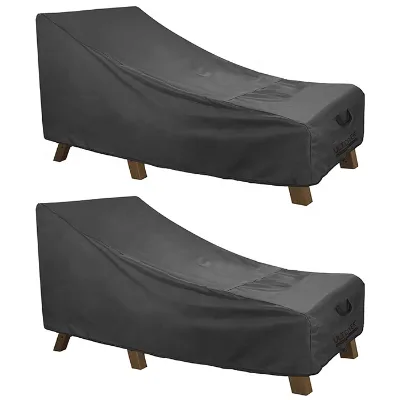
Waterproof tarpaulin protective Outdoor Furniture Covers for sun lounger
$2.30 - $2.40
MOQ: 2000 pieces
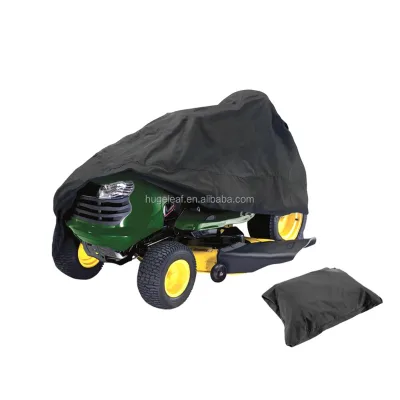
Outdoor Protection Tough Lawn Mower Tarpaulin Cover Heavy Duty Waterproof Furniture Cover
$30.00
MOQ: 3000 Minimum
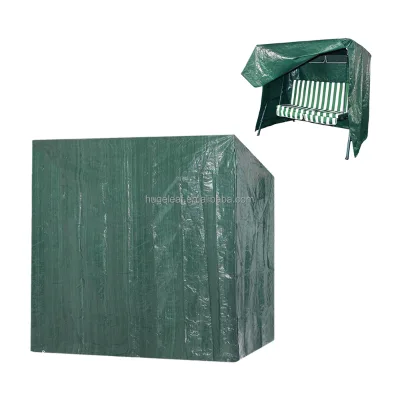
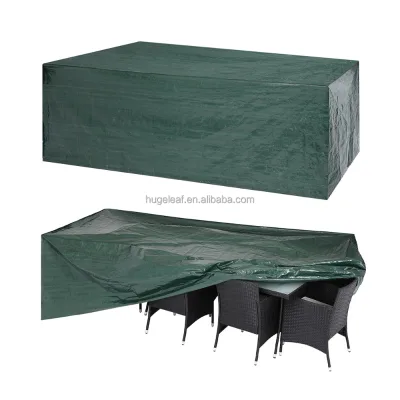
Garden Tarpaulin Waterproof Swing Bench Protective Cover Patio Furniture Cover with 2 Zipper
$5.72 - $5.87
MOQ: 1 pieces
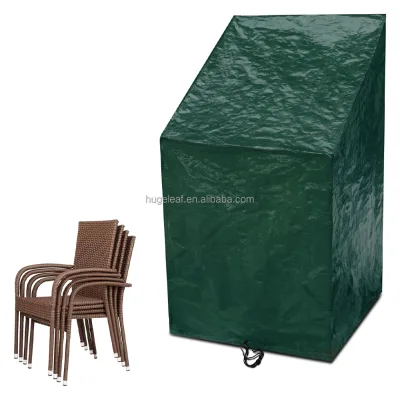
UV-resistant waterproof protective garden Furniture Covers with drawstring
$2.48 - $2.56
MOQ: 2000 pieces
Shandong Bestway Outdoor Products Co., Ltd.
- Verified by TüVRheinland
- Manufacturer, Trading Company
- Lead time15 days
- Avg. response≤ 2h
Main productsChair Cover, Outdoor Furniture Cover, Boat Cover, Camping Tent, Motorcycle Cover
Main marketsNorth America(40%), South America(15%), Eastern Europe(15%)
Jinan Bollison International Trading Co., Ltd.
- Verified by TüVRheinland
- Trading Company
- Lead time25 days
- Avg. response≤ 3h
Main productsPVC Tarpaulin, Transport Tarpaulin, Waterproof Cover, Storage Bag, Outdoor Tent
Main marketsNorth America(60%), Oceania(15%), Western Europe(15%)

Henan Joinwell Industrial Co., Ltd.
- Verified by BV
- Trading Company
- China Henan
- Lead time15 days
- Avg. response≤ 4h
Main productsPlastic Collasible Container, Steel Bulk IBC Container, 210L Steel Drum, Plastic Pallet Container, Thermal Roll Cage Cover, Steel Roll Container, Pallet Wrap, Cooler Box, Aseptic Bag, Plastic IBC Tank
Main marketsSouth America,Others(foreignTradeCapacity.exportBusinessCapacityMarketOther),East Asia(Japan/ South Korea),Europe,North America

Waterproof Protective Cover of Furniture/Textile/Sofa Cover/Table Cover/Chair Cover
$6.00 - $15.00
MOQ: 10 Pieces


Changzhou Hiyou Microline Electron Co., Ltd.
- Verified by SGS
- Manufacturer/Factory
- China Jiangsu
- Lead time23 days
- Avg. response≤ 1h
Main productsUSB 3.1 Type-C Cable, High-Speed 4K/8K HDMI Cable, 4K Fiber Active Optical Cable, S/FTP Cat. 7 and Cat. 8 Patch Cord, Displayport 4K/8K Cable, BNC Coaxial 3G/6g/12g HD SDI Cable, USB Charger 20W/30W/45W/60W, Power Bank 2500mAh/5000mAh/10000mAh, Screen Panel Green Background for Photography, Audio Video Splitter and Switch
Main marketsSouth America,Eastern Europe,Mid East

Laizhou Jinhong Textile Co., Ltd.
- Combined
- China Shandong
- Lead time23 days
- Avg. response≤ 10h
Main productsPP Spunbond Nonwoven Fabric, Weed Mat, Nonwoven Fabric, Landscape Fabric, Ground Cover, Weed Control Fabric, Plant Cover, Disposable Coverall
Main marketsEast Asia(Japan/ South Korea),Europe,North America


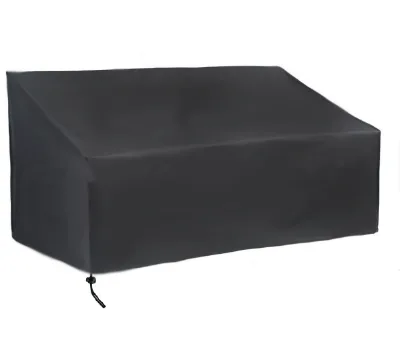
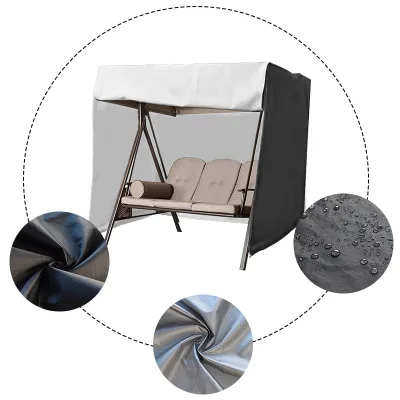
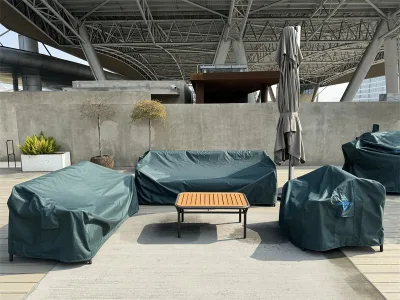
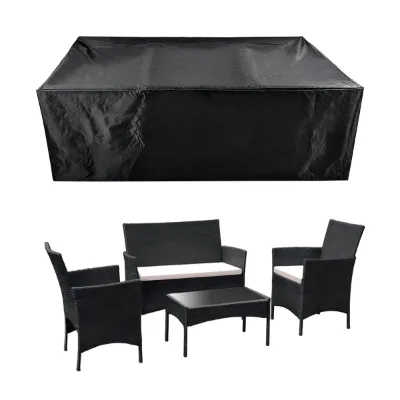
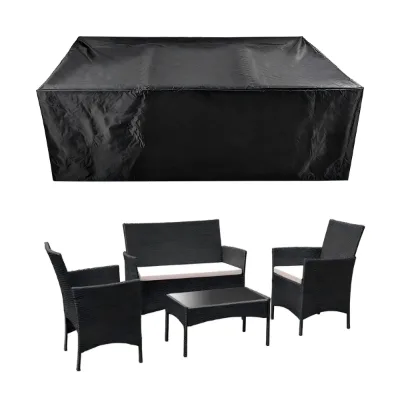
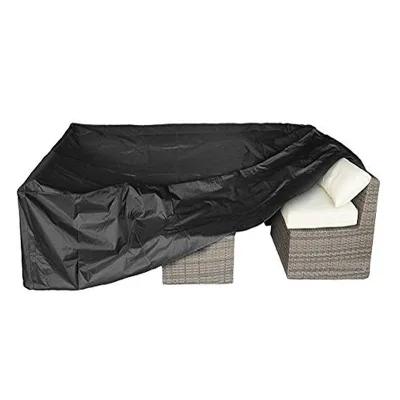
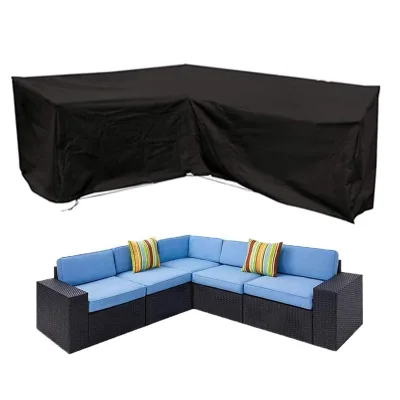




Comprehensive Sourcing Guide
Outdoor Furniture Cover Supplier Concentration and Factory Types
Current data indicates a concentration of manufacturers and factories located in China, specifically within the Zhejiang and Jiangsu provinces. These regions host suppliers offering diverse product lines that include aluminium gazebos, steel structures, and various outdoor furniture items alongside the core Outdoor Furniture Cover category. Some entities operate as combined trading and manufacturing entities, while others are strictly manufacturer-factories with dedicated research and development capabilities for OEM and ODM services. The presence of these specific provincial locations allows buyers to identify clusters where specialized production of canvas, tarpaulin, and oxford fabric covers is concentrated.
When evaluating the factory type, buyers should distinguish between pure manufacturers and combined entities based on their stated company type and main product lists. A manufacturer-factory typically focuses on production capacity and may offer broader customization options for models like YL7010 or YJPF-2577. In contrast, combined suppliers might leverage a wider network to source materials like 600d oxford fabric or cotton canvas. Buyers must verify if the supplier's primary output aligns with the specific material requirements, such as PVC tarpaulin or polyester blends, rather than assuming all listed suppliers possess identical manufacturing depth.
How to Verify Outdoor Furniture Cover Suppliers
Verification processes should prioritize checking for recognized third-party audit results and system certifications that validate operational standards. Several suppliers in the current results display verification from TUVRHEINLAND, which serves as a concrete indicator of factory compliance and quality management systems. Additionally, certifications such as BSCI, ISO 9000, ISO 9001, and specific environmental standards like ISO 14001:2015 provide evidence of adherence to social responsibility and environmental management protocols. Buyers must confirm these credentials directly rather than relying on general claims, ensuring the supplier maintains the necessary quality control for durable outdoor products.
Beyond certifications, buyers should assess the supplier's responsiveness and the depth of their product evidence to gauge reliability. Response times recorded in the data, such as 11.39 hours or 5.61 hours, offer a metric for communication efficiency, though these figures should be treated as historical averages rather than guaranteed future performance. Detailed product attributes, including specific yarn counts like 600d*600d, webbing widths, and weather resistance ranges from -35°C to +70°C, demonstrate the supplier's technical capability. Buyers should request current test reports, such as SGS testing mentioned for specific models, to validate claims regarding fireproof ratings like B1 or B2 and UV resistance capabilities before committing to an order.
What to Compare Across Outdoor Furniture Cover Suppliers
Comparative analysis requires a structured evaluation of lead times, minimum order quantities, and pricing structures across different supplier profiles. Lead times vary significantly, with some suppliers indicating a zero-day turnaround while others specify 30 days or 23 days for production. Minimum order quantities also differ, ranging from 100 units for certain furniture covers to 200 or even 500 units for specialized items like coffee table covers. Buyers must align these constraints with their inventory needs, noting that lower MOQs might apply to standard grey or custom-colored covers, whereas higher volumes are often required for printed patterns or specific model numbers like YJ-FC01.
Pricing and customization options form another critical comparison dimension, with observed price ranges spanning from $1.00 to $38.99 depending on material and specifications. Some suppliers offer flexible customization for logos, colors, and dimensions, while others provide fixed standard sizes. The material composition, whether it is 100% polyester, oxford fabric, or a blend of polyester and cotton, directly influences the cost and durability. Buyers should compare the specific attributes listed, such as gram weight ranging from 10-200GSM or 20-260GSM, to ensure the selected cover meets the intended usage for wedding chairs, beach chairs, or banquet settings without overpaying for unnecessary features.
Common Outdoor Furniture Cover Sourcing Risks
One significant risk involves the discrepancy between advertised lead times and actual production capacity, particularly when suppliers claim zero-day delivery. While some data points show a lead time of zero, this may reflect sample availability or a specific stock item rather than bulk production capability. Buyers must verify if the stated lead time applies to the specific order volume and customization level required, as complex orders involving custom logos or specific fireproof ratings like Nfpa701 often require longer manufacturing windows. Relying solely on the lowest reported lead time without confirming production slots can lead to supply chain delays.
Another risk pertains to the accuracy of product specifications and material claims, especially regarding weather resistance and durability. Suppliers may list broad ranges for weather resistance, such as -30 to 70 degrees, but the actual performance depends on the specific yarn count and fabric structure used. There is a potential mismatch between the claimed eco-friendly status, such as being heavy metal-free or reaching specific standards, and the actual batch quality. Buyers should demand detailed material certificates and test results for features like anti-mildew properties or UV resistance to avoid receiving covers that degrade quickly under harsh outdoor conditions, which could result in financial loss and reputational damage.
Outdoor Furniture Cover Regional Sourcing and Logistics
Sourcing from the identified regions in China, specifically Zhejiang and Jiangsu, offers access to established manufacturing clusters but requires careful logistics planning. These provinces are known for their textile and furniture industries, providing a robust supply chain for materials like canvas, tarpaulin, and oxford fabric. However, the distance from these inland manufacturing hubs to major ports can impact shipping times and costs. Buyers should calculate the total landed cost by factoring in inland transportation fees, as the origin location directly influences the efficiency of the shipping process, especially for heavy items like large rectangular patio covers.
Logistics strategies must account for the specific packaging requirements and shipping methods indicated in the product data. Some suppliers offer packing in carton boxes, polybags, or on pallets, which affects the volume and weight of the shipment. Shipping methods like sea freight are standard for large orders, but the delivery time of 30 days mentioned for certain items includes both production and transit. Buyers need to coordinate with freight forwarders to ensure that the packaging, whether it is a box or a custom pallet, meets the requirements for safe transport. Understanding the origin location helps in predicting potential customs delays and selecting the most cost-effective shipping route for the specific product model.
Outdoor Furniture Cover Commercial Terms and Order Planning
Commercial terms regarding payment, samples, and delivery timelines are critical for successful order planning and risk mitigation. Sample times are explicitly noted as seven days for certain products, which allows buyers to verify quality before placing bulk orders. Delivery times can extend to 30 days, and buyers must incorporate this into their inventory planning to avoid stockouts. Understanding the specific delivery terms, such as whether the price includes shipping or if it is an ex-works price, is essential for accurate budgeting. Buyers should clarify if the quoted price covers the full range of customization options or if additional fees apply for specific logos or colors.
Order planning must also consider the minimum order quantities and the flexibility of the supplier to accommodate mixed orders. With MOQs ranging from 100 to 500 units, buyers need to assess whether they can meet these thresholds or if they need to consolidate orders with other products. The availability of OEM and ODM services suggests that suppliers can adapt to specific design needs, but this may require longer lead times and higher initial costs. Buyers should establish clear communication channels to confirm the production schedule, ensuring that the delivery time aligns with their market launch dates. Verifying the escrow options and payment terms provided by the platform can further secure the transaction against potential disputes.
FAQs
What certifications do suppliers hold?
Manufacturers in Zhejiang and Jiangsu typically hold ISO 9001, ISO 9000, and BSCI certifications. Some also provide ISO 14001:2015 and SGS test reports. These credentials verify quality management and ethical production standards for outdoor furniture covers.
What is the typical lead time?
Lead times vary by supplier, ranging from 23 to 30 days for production. Some manufacturers list zero days, indicating immediate stock availability. Buyers should confirm specific delivery schedules based on order volume and customization requirements before placing orders.
What are the minimum order quantities?
MOQs generally range from 100 to 500 pieces depending on the product type. Standard covers may require 100 units, while custom printed options often start at 200 or 500 units. Lower MOQs are available for basic grey or custom color requests.
What materials are used for covers?
Common materials include 600D Oxford fabric, polyester, cotton, and PVC tarpaulin. Options feature UV resistance, waterproofing, and fireproof ratings like B1 or NFPA701. Weather resistance typically spans from -35°C to +70°C for durable outdoor protection.
What is the price range?
Prices range from $1.00 to $38.99 per unit based on material and size. Basic covers start around $1.00, while specialized waterproof or printed versions cost between $20.00 and $30.00. Final pricing depends on customization, quantity, and shipping terms.
Can suppliers offer customization?
Yes, most manufacturers support OEM and ODM services with available customization. Buyers can request custom logos, colors, sizes, and patterns. Options include printed designs, specific yarn counts, and tailored webbing widths to meet unique branding or functional requirements.