Polished Bathroom Vanity Suppliers and Manufacturers
Explore 10 verified options for Polished Bathroom Vanity units from Guangdong and Zhejiang. Compare response times, lead times, certifications, and pricing to select a suitable partner. Contact suppliers directly to request samples and confirm customization details; review the available evidence before requesting comparable quotations from suitable candidates.
Suppliers List

- Verified by BV
- Manufacturer/Factory
- China Guangdong
- Lead time23 days
- Avg. response≤ 6h
Main productsBathroom Vanity, Wash Basin, Facuet, Shower Set, Floor Drain, Sink, Bathtub, Bathroom Furniture, Shower Room, Bathroom Accessories
Main marketsSouth America,Eastern Europe,Mid East,North America,Southeast Asia,Oceania,Western Europe,Africa

Hangzhou Strive Sanitary Ware Co., Ltd.
- Trading Company,Manufacturer/Factory
- China Zhejiang
- Lead time30 days
- Avg. response≤ 19h
Main productsBathroom Cabinet, Bathroom Vanity, Glass Basin, LED Mirror, Bathroom Mirror, PVC Bathroom Cabinet, MDF Bathroom Cabinet, Wood Bathroom Cabinet, 304 Ss Bathroom Cabinet, Melamine Bathroom Cabinet
Main marketsSouth America,Eastern Europe,Mid East,North America,Southeast Asia,Eastern Asia,Oceania,Western Europe,Africa
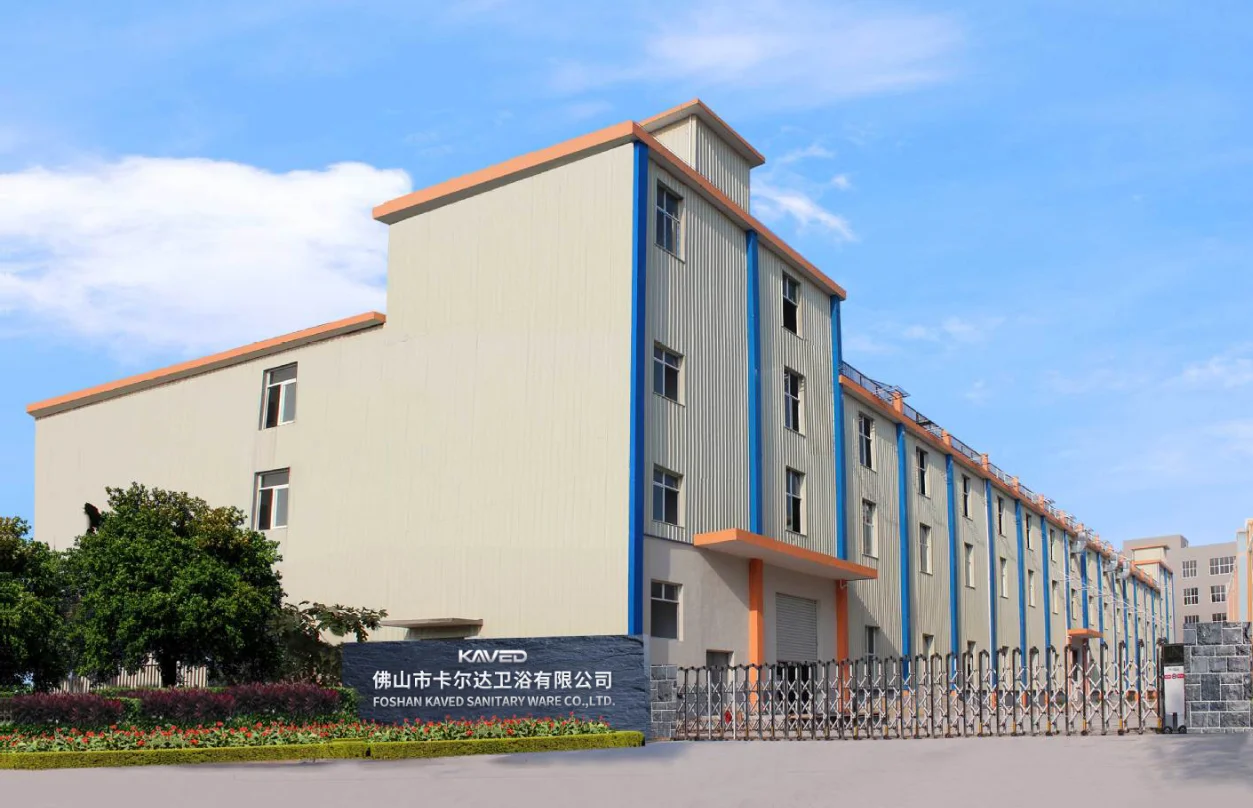
Foshan Kaved Sanitary Ware Co., Ltd.
- Trading Company
- Guangdong, China
- Lead time10 days
- Avg. response≤ 2h
Main productsToilets, Basin Faucets, Bathroom Vanities, Bathtubs, Shower Faucets
Main marketsAfrica(20.00%), Southeast Asia(20.00%), South Asia(10.00%), Central America(10.00%), Domestic Market(10.00%), Mid East(10.00%), North America(5.00%), South America(5.00%), Oceania(5.00%), Eastern Asia(5.00%)

Chaozhou Bodun Sanitary Ware Equipment Co Ltd
- Verified by SGS
- Combined
- China Guangdong
- Lead time30 days
- Avg. response≤ 5h
Main productsBathroom PVC Cabinet, Ceramic Wash Basin, Sintered Stone Cabinet, Bathroom Plywood Cabinet, Bathroom Aluminum Cabinet, Bathroom Stainless Steel Cabinet
Main marketsSoutheast Asia/ Mideast,Domestic

Shenzhen CBDMART Industry Co., Ltd.
- Verified by TUVRHEINLAND
- Trading Company
- China Guangdong
- Lead time45 days
- Avg. response≤ 5h
Main productsStaircase, Railing, Aluminum Window&Door, Kitchen Cabinet, Wooden Door, Closet, Vanity, Partition, Shower Room, Flooring
Main marketsSouth America,Eastern Europe,Mid East,North America,Southeast Asia,Eastern Asia,Oceania,Western Europe,Africa

Guangdong Lesso Technology Industry Co., Ltd.
- Verified by SGS
- Combined
- China Guangdong
- Lead time60 days
- Avg. response≤ 5h
Main productsKitchen Cabinet, Cabinet, Wood Door, Wardrobe, Custom Cabinets, Integrated Cabinets, Sanitary Ware, Doors and Windows, Shower Head, Fireproof Door
Main marketsDomestic

Zhaoqing Hongdao Sanitary Ware Technology Co., LTD
- Combined
- China Guangdong
- Lead time30 days
- Avg. response≤ 7h
Main productsSolid Surface Washbasin, Solid Surface Bathtub, Solid Surface Bathroom Sinks, Pedestal Basin, Bathroom Vanity, Vanity Top, Kitchen Sink, Solid Surface Counter Top, Solid Surface Slabs
Main marketsDomestic,Europe,North America

Jiangsu Mingyou Smart Home Technology Co., Ltd.
- Verified by CTI
- Combined
- China Jiangsu
- Lead time15 days
- Avg. response≤ 1h
Main productsCabinet, Wardrobe, Closet, Table, Wood Panel, Decorative Panel, Custom Furniture, OEM Furniture, ODM Furniture
Main marketsDomestic


Contemporary Bathroom Vanity Cabinet with Clean Lines and Matte Finish
$85.00 - $220.00
MOQ: 1 Square Meters

Shenzhen Prima Housing Co., Ltd.
- Manufacturer/Factory
- China Guangdong
- Lead time0 days
- Avg. response≤ 5h
Main productsStaircase and Railing, Cabinets, Aluminum Windows and Doors, Wood Doors, Furniture

Chaozhou Chao'an District Guxiang Town Saidi Ceramics Factory
- Verified by CTI
- Manufacturer/Factory
- China Guangdong
- Lead time15 days
- Avg. response≤ 4h
Main productsUndermount Bathroom Sink, Above Counter Basin, Art Basin, Smart Toilet, Bathroom Cabinet, Faucet, Stainless Steel Kitchen Sink, Kitchen Sink, One Piece Toilet, Wall-Hung Toilet
Main marketsSouth America,Eastern Europe,Mid East,North America,Southeast Asia,Eastern Asia,Oceania,Western Europe,Africa


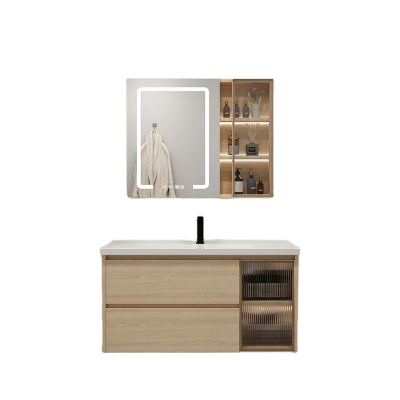
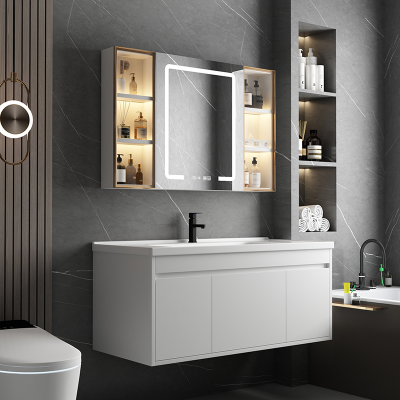
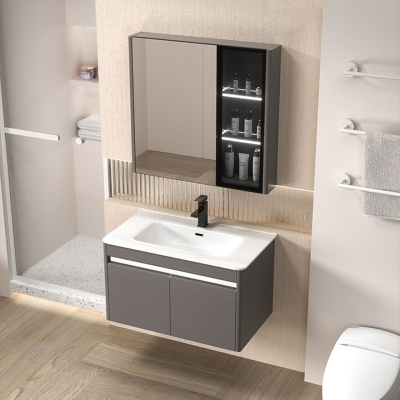


Comprehensive Sourcing Guide
Polished Bathroom Vanity Supplier Concentration and Factory Types
Current supplier data indicates manufacturing clusters primarily located in Guangdong and Zhejiang provinces within China. Specific facility records show operations in Guangdong, China, and Zhejiang, China, suggesting these regions host the active production capacity for Polished Bathroom Vanity units. Buyers should prioritize verifying the physical address of any potential partner against these known industrial zones to ensure proximity to established supply chains. The presence of facilities in Foshan, Guangdong, further confirms a concentration of specialized sanitary ware manufacturing in that specific city. When evaluating new prospects, confirm their registered location matches these high-confidence result facts rather than assuming a cluster exists elsewhere.
The supplier landscape includes both Manufacturer/Factory entities and Trading Companies, with some entities operating as a hybrid of both types. Evidence shows company types ranging from pure manufacturers to trading firms that may also possess factory capabilities. This distinction is critical because a Manufacturer/Factory typically controls the production process directly, while a Trading Company may source from multiple factories. Some records indicate a company type listed as "Trading Company,Manufacturer/Factory," suggesting a dual operational model. Buyers must verify the specific nature of the entity they engage to understand who holds the actual production responsibility and quality control authority for the Polished Bathroom Vanity order.
How to Verify Polished Bathroom Vanity Suppliers
Verification processes should begin by checking for third-party audit credentials, as some suppliers in the results display BV verification status. This badge indicates a specific level of external validation regarding business legitimacy and operational capacity. Buyers must request current verification certificates directly from the supplier to confirm the status has not expired or been revoked. While some records show ISO 9001 system certification, this is not universal across all results, so the absence of a specific badge does not automatically disqualify a supplier. However, the presence of such certifications provides a concrete baseline for assessing quality management systems.
Response time metrics offer another tangible verification point for supplier reliability and communication efficiency. Data shows response times varying significantly, with some suppliers recording a response time of 5.86 hours while others show 18.34 hours or even 2 hours. A faster response time generally correlates with better operational readiness and customer service capacity. Buyers should test communication channels before placing orders to validate these reported speeds. Additionally, checking the establishment year and production capacity, such as the 1000PCS per month capacity noted in some records, helps confirm the supplier can handle the required volume without overextending their resources.
What to Compare Across Polished Bathroom Vanity Suppliers
When comparing suppliers, lead time is a primary differentiator that directly impacts project scheduling and inventory planning. The observed data reveals lead times ranging from 10 days to 30 days, with some specific product attributes noting a delivery time of 30 days after receiving a deposit. This variance requires careful alignment with the buyer's timeline to avoid delays. A supplier offering a 10-day lead time may be more suitable for urgent orders, whereas a 30-day lead time might be standard for custom configurations. Buyers must explicitly confirm the lead time for their specific order quantity and customization requirements before finalizing agreements.
Minimum Order Quantity (MOQ) and pricing structures also vary significantly across the available supplier pool. Some records indicate an MOQ of 30 units, while others list a much lower threshold of 1 set or 20 units. Price ranges observed span from 39.00 to 180.00, reflecting differences in materials, size, and brand positioning. For instance, one product line lists a price range of 39.00 to 89.00, while another shows 120.00 to 180.00. Buyers should compare these figures against their budget and volume needs. It is essential to verify if the quoted price includes packaging details like foam, carton, and pallet, as these can affect the total landed cost and shipping logistics.
Common Polished Bathroom Vanity Sourcing Risks
One significant risk involves the discrepancy between advertised customization capabilities and actual production flexibility. While some product attributes list customization as available and offer options for different styles like Modern or Reclaimed Wood, others may have rigid production lines. Buyers must confirm if the "Customized" attribute applies to dimensions, materials, or finishes before committing to an order. Relying on general claims without specific technical validation can lead to production errors or delays. The risk is heightened when dealing with Trading Companies that may not have direct control over the manufacturing specifications of the factory they source from.
Another risk relates to the consistency of product standards and material quality across different batches. Product attributes mention materials such as Ceramics, MDF, Solid Wood, and Composite Acrylic, but the specific grade or origin of these materials is not always detailed in the summary data. For example, one product specifies a Carcase Material of MDF, while another lists Solid Wood. Without clear documentation on material sourcing and quality control standards, buyers face the risk of receiving substandard goods. It is crucial to request material test reports or samples to verify that the polished finish and structural integrity meet the required specifications before mass production begins.
Polished Bathroom Vanity Regional Sourcing and Logistics
Sourcing from Guangdong, China, offers logistical advantages due to the region's established infrastructure for exporting sanitary ware. Specific product evidence confirms origins in Foshan, Guangdong, which is a major hub for bathroom furniture manufacturing. This concentration allows for efficient consolidation of shipments and potentially lower freight costs compared to sourcing from more remote locations. Buyers should verify the specific port of loading, as proximity to major shipping hubs in Guangdong can streamline the export process. The location data also suggests that suppliers in this region are accustomed to international shipping requirements and documentation.
Zhejiang province represents another viable sourcing region, with suppliers located there offering different product profiles and capabilities. While the data confirms a location in Zhejiang, China, buyers should assess the specific logistics network available from that province. Some suppliers in the results list a supply ability of 500 sets per month, which may influence shipping frequency and volume. Logistics planning must account for the specific packaging details provided, such as standard carton packing or foam and pallet configurations. Understanding the regional strengths helps in selecting a supplier that aligns with the buyer's specific shipping and delivery requirements.
Polished Bathroom Vanity Commercial Terms and Order Planning
Commercial terms regarding payment and delivery are critical for successful order execution and risk management. Product attributes explicitly state delivery terms such as "30 Days After Receiving Deposit," which defines the timeline for production and shipment. Buyers must ensure these terms are clearly written into the purchase agreement to avoid misunderstandings regarding payment schedules. Additionally, the availability of after-sale services, including online technical support and onsite installation, should be confirmed as part of the commercial agreement. These services can significantly reduce post-purchase risks and ensure the product functions correctly in the intended environment.
Order planning must also consider the specific product attributes and dimensions to ensure compatibility with the buyer's project requirements. Product standards list various dimensions, such as 600/700/800/900/1000475525 mm, and installation types like Wall Mounted or Floor Mounted. Buyers need to verify that the selected model matches their spatial constraints and design specifications. The presence of accessories like mirrors and basins in the package should be confirmed to avoid unexpected additional costs. Careful planning of these details ensures that the Polished Bathroom Vanity fits seamlessly into the final installation without requiring costly modifications or replacements.
FAQs
What is the typical lead time for bathroom vanity orders?
Manufacturers in China typically require 23 to 30 days to produce and ship bathroom vanities after receiving the deposit. This timeframe ensures quality control and proper packaging. Buyers should confirm specific delivery schedules with suppliers before placing orders to avoid delays in project timelines.
What are the common price ranges for bathroom vanities?
Bathroom vanity prices generally range from $39 to $180 per unit depending on materials and customization. Basic models with MDF carcases and ceramic basins start around $39, while solid wood or marble countertop options can reach $180. Prices vary based on size and finish.
What is the minimum order quantity for bathroom vanities?
Minimum order quantities vary significantly by supplier, ranging from 1 set to 30 units. Some trading companies accept single sets for testing, while manufacturers often require 20 to 30 pieces. Buyers should verify MOQ requirements directly with suppliers to ensure alignment with their purchasing volume.
What materials are commonly used for bathroom vanity carcases?
Common carcase materials include MDF, solid wood, and composite acrylic. MDF is widely used for modern styles, while solid wood offers durability for natural finishes. Buyers can choose between wall-mounted or floor-mounted installations, with options for custom sizes and water-blocking plates to enhance functionality.
Are bathroom vanities customizable for specific interior designs?
Yes, many suppliers offer customization services including OEM and ODM options. Buyers can select specific styles, such as modern or reclaimed wood, and choose basin materials like ceramics or marble. Customization allows for tailored dimensions and finishes to match unique interior composition requirements and brand identities.
What certifications do bathroom vanity suppliers typically hold?
Reputable suppliers often hold ISO 9001 certification for quality management systems. Some products also comply with CE standards. Buyers should verify these certifications to ensure product safety and manufacturing consistency. BV verification is also common for confirming supplier reliability and operational standards in the bathroom furniture industry.