Polarized Square Sunglasses Suppliers and Manufacturers
Source 19 verified suppliers for Polarized Square Sunglasses. Compare key dimensions including lead times, MOQs, certifications, and response rates. Review product specs and request quotes to streamline your procurement process; review the available evidence before requesting comparable quotations from suitable candidates.
Suppliers List

Sky & Sea Optical MFY Co., Ltd.
- Verified by SGS
- Combined
- China Zhejiang
- Lead time60 days
- Avg. response≤ 4h
Main productsOptical Frame, Sunglasses, Reading Glasses, 3D Glasses, Blocking Pad, Eyeglasses, Optical Frames, Glasses Case, Safety Glasses, Lens Cleaner
Main marketsSouth America,Europe,North America


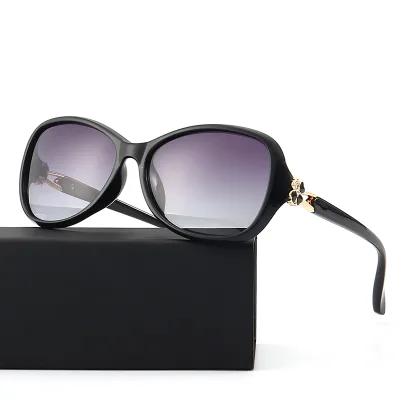
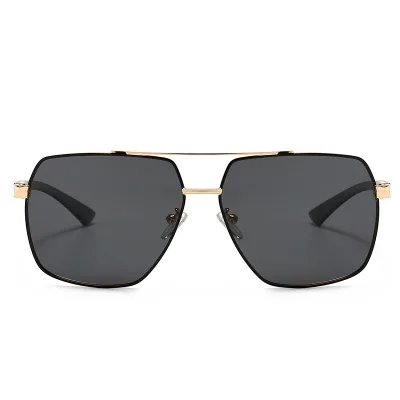
Unisex Polarized Sunglasses Square Shape Sunglass Male Black Square Polarized Sunglasses
$6.00 - $7.00
MOQ: 20 Pieces


Wenzhou Dilicn Optical Co., Ltd
- Verified by TUVRHEINLAND
- Trading Company
- China Zhejiang
- Lead time15 days
- Avg. response≤ 7h
Main productssports sunglasses, reading glasses, optical frames
Main marketsSouth America,Europe,North America


The New Trendy Polarized Sunglasses with UV Protection Features Are Suitable for Outdoor Use.
$6.60 - $6.87
MOQ: 12 Pieces

- Verified by TUVRHEINLAND
- Trading Company,Manufacturer/Factory
- China Jiangsu
- Lead time23 days
- Avg. response≤ 5h
Main productsMedal, Coin, Lapel Pin, PVC Patch, Embroidery Patch, Keychain, Button Badge, Silicone Wristband, Lanyards, Gift
Main marketsSouth America,Eastern Europe,Mid East,North America,Oceania,Western Europe

Wenzhou Yangming Eyewear Accessories Co., Ltd
- Verified by SGS
- Combined
- China Zhejiang
- Lead time30 days
- Avg. response≤ 3h
Main marketsDomestic

Xiamen Langxue Spectacles Co., Ltd.
- Combined
- China Fujian
- Lead time30 days
- Avg. response≤ 11h
Main productsSunglasses, Eyeglasses, Reading Glasses, Metal Sunglasses, Optical Frames, Safety Glasses, Eyewears, Optical Glass, Spectacles, Sports Sunglasses
Main marketsSouth America,Domestic,Europe,North America


Stylish Large Green Acetate Square Sunglasses with Grey Polarized Lenses - UV Protection
$5.90 - $8.00
MOQ: 600 Pieces


Translucent Blue Acetate Frame Retro Square Polarized Dark Lens Unisex Sunglasses
$6.00 - $9.00
MOQ: 900 Pieces

- Verified by TüVRheinland
- Manufacturer, Trading Company
- Lead time40 days
- Avg. response≤ 3h
Main productsReading Glasses, Sunglasses, Optical Frame Kid Glasses, Glasses Accessories, Kid Glasses
Main marketsNorth America(37%), South America(20%), Western Europe(20%)
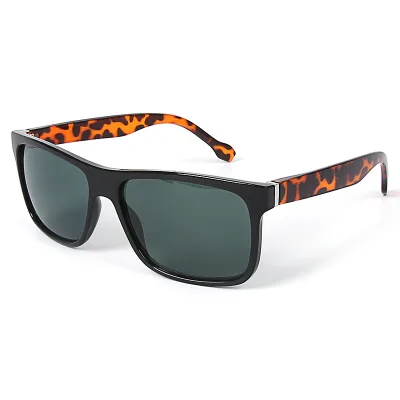
2024 Polarized Sunglasses Men Vintage square Sunglasses Pc UV400 Fashion Mens Sunglasses
$1.07 - $1.27
MOQ: 300 pieces
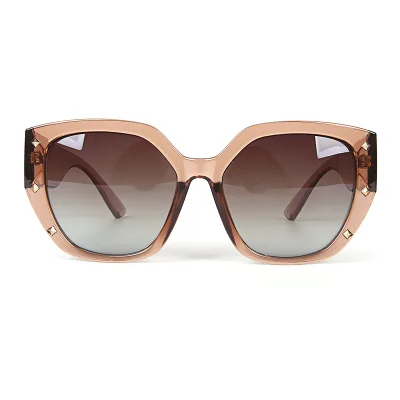
New Cut Lens square Sunglasses High Quality Unisex Sunglasses Shiny Sunglasses
$1.21 - $1.52
MOQ: 300 pieces
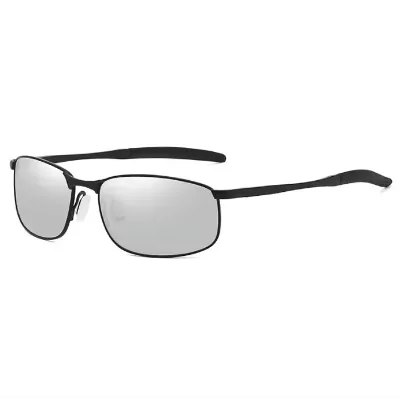
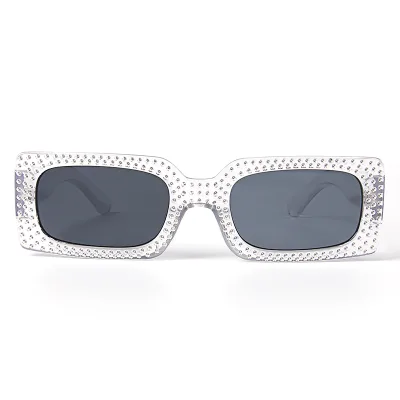
Men's Metal Luxury Sunglasses Men Sun Glasses Man Women Acetate Polarized Sunglasses
$1.21 - $1.52
MOQ: 300 pieces
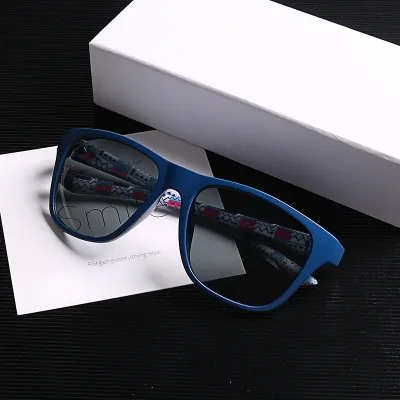
$0.51 - $2.04
MOQ: 300 Minimum
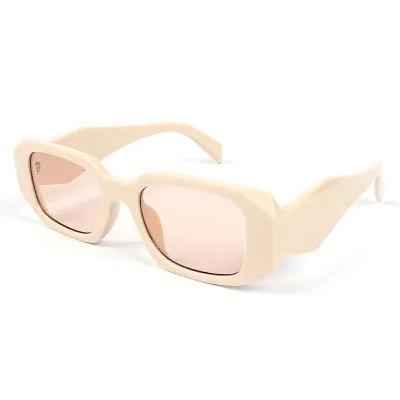
Taizhou Hannibal E-Commerce Co., Ltd.
- Verified by Intertek
- Trading Company
- Lead time30 days
- Avg. response≤ 2h
Main productsSunglasses
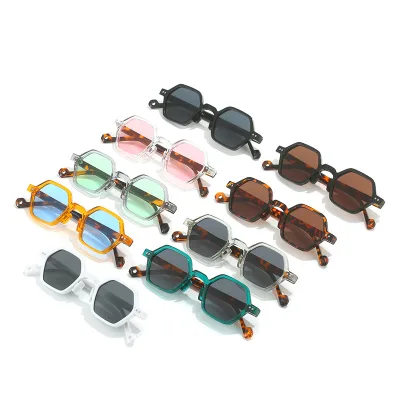
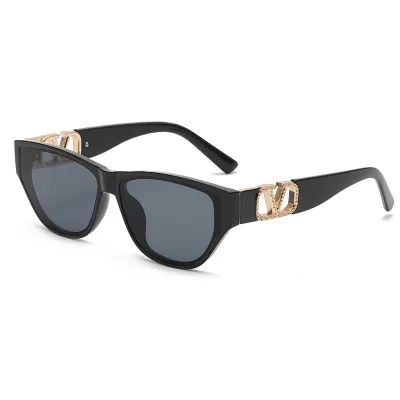
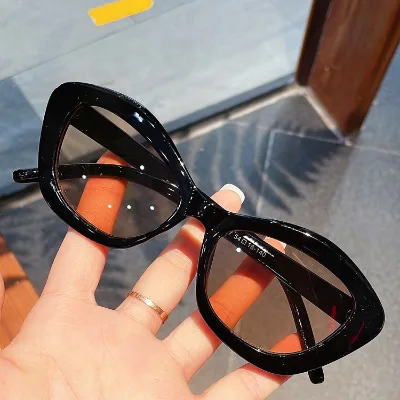
Wholesale New Small Frame Square Sunglasses Irregular Custom Polarized Sunglasses for Women Men
$1.14 - $1.24
MOQ: 3 pieces
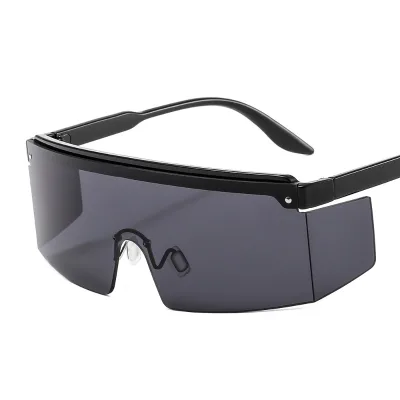
Windproof Integrated UV400 Lens Sunglasses Oversized Fashionable Sunglasses
$2.47 - $2.88
MOQ: 2 pieces

- Verified by SGS
- Trading Company
- China Zhejiang
- Lead time30 days
- Avg. response≤ 3h
Main productsOptical Frames, Sunglasses, Reading Glasses, Blue Block Glasses, Glasses Cases, Clean Cloth, Glasses Accessories, Clip on Glasses, Glasses Lenses
Main marketsSouth America,Africa,Southeast Asia/ Mideast,Europe,North America
Taizhou Shuochun Glasses Technology Co., Ltd.
- Trading Company
- Zhejiang, China
- Lead time25 days
- Avg. response≤ 11h
Main productsSunglasses, Optical Eyewear, Sports Eyewear, Eyeglasses Frames, Eyeglasses Cases
Main marketsNorth America(25.00%), Eastern Europe(10.00%), Southeast Asia(10.00%), Northern Europe(8.00%), Western Europe(7.00%), Domestic Market(7.00%), South Asia(5.00%), Eastern Asia(5.00%), South America(5.00%), Africa(5.00%), Mid East(5.00%), Oceania(3.00%), Southern Europe(3.00%), Central America(2.00%)
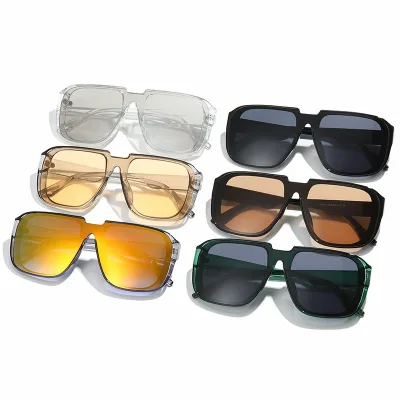
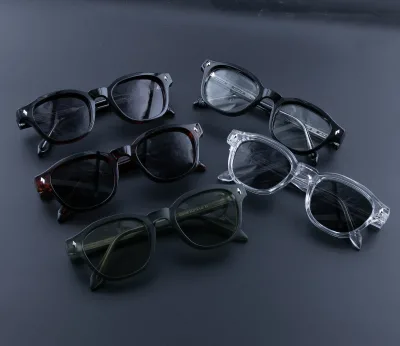
$3.60 - $3.90

Wenzhou Readsun Optical Co., Ltd.
- Verified by SGS
- Trading Company,Manufacturer/Factory
- China Zhejiang
- Lead time60 days
- Avg. response≤ 7h
Main productsSunglasses, Reading Glasses, Optical Frame, Plastic Sunglasses, Kid's Sunglasses, Metal Sunglasses, Sport Sunglasses, Titanium Optical Frame, LED Reading Glasses, Promotion Sunglasses
Main marketsSouth America,Eastern Europe,Mid East,North America,Southeast Asia,Eastern Asia,Oceania,Western Europe,Africa


Customize Acetate Polarized Sunglasses with Metal Decoration
MOQ: 450 Pieces

- Verified by BV
- Trading Company
- China Zhejiang
- Lead time30 days
- Avg. response≤ 6h
Main productsSunglass, Optical Frame, Sports Sunglasses, Kid's Optical Frames, Reading Glasses, Polarized Sunglasses, Eyeglasses Frame, Sun Glasses, Eyewear Frame, Sunglasses Case
Main marketsEurope,North America


High Quality Popular Eyewear Fashion Men Women Sunglass Polarized Sporty Sunglasses
$3.94 - $4.72
MOQ: 2 Pieces


Shanghai Touch Industrial Development Co., Ltd.
- Verified by TUVRHEINLAND
- Combined
- China Shanghai
- Lead time15 days
- Avg. response≤ 6h
Main productsInstant Hot Pack, Hot Cold Pack, Gel Eye Mask, Gel Ice Pack, Gel Bottle Cooler, Instant Ice Pack, Hand Warmer, Heat Pack, Cooling Scarf, Gel Beads
Main marketsSouth America,Others(foreignTradeCapacity.exportBusinessCapacityMarketOther),Southeast Asia/ Mideast,East Asia(Japan/ South Korea),Domestic,Europe,Australia,North America

Changzhou Showhum Precision Technology Co., Ltd.
- Verified by SGS
- Manufacturer/Factory
- China Jiangsu
- Lead time45 days
- Avg. response≤ 2h
Main productsCNC Part, CNC Machine Part, Car Parts, CNC Milling Part, Plastic Products, Forged Part, Welding Part, Waterjet Cutting Parts, Motorcycle Parts, Bicycle Parts
Main marketsSouth America,Eastern Europe,Mid East,North America,Eastern Asia,Western Europe

Shenzhen Gloffie Outdoor Products Co., Ltd
- Verified by SGS
- Manufacturer/Factory
- China Guangdong
- Lead time45 days
- Avg. response≤ 2h
Main productsSwimming Goggles, Diving Mask, Skiing Goggles, Swimming Cap, Snorkel, Fins, Power Inverter, Helmet, Solar Inverter, Sunglass
Main marketsSouth America,Eastern Europe,Mid East,North America,Southeast Asia,Eastern Asia,Oceania,Western Europe,Africa

High-Quality Polarized Sunglasses for Women and Men with UV400 Protection
$1.00 - $1.60
MOQ: 300 Pieces


- Verified by TUVRHEINLAND
- Trading Company
- China Zhejiang
- Lead time15 days
- Avg. response≤ 9h
Main productsSport Wear, Yoga Pants, Sports Bra, Sports Cap, Waist Bag, Sports Sock, Sports Towel, Quick Dry Clothes, Yiwu Buying Agent, Sourcing Agent
Main marketsSouth America,Europe,North America
Forvision Optical Mfg Co., Ltd.
- Verified by SGS Group
- Manufacturer, Trading Company
- Lead time60 days
- Avg. response≤ 4h
Main productsEyeglass Frame, Eyeglass, Eyeglass Cloth, Eyeglass Case, Sunglasses
Main marketsNorth America(21%), Western Europe(18%), Central America(14%)

Jinjiang Jiaxing Supply Management Co., Ltd.
- Verified by TUVRHEINLAND
- Trading Company
- China Fujian
- Lead time30 days
- Avg. response≤ 1h
Main productsEVA Clogs, Flip Flop, Shoe Charms, Shopping Bags, Wristbands, Gifts, Promotional Gifts, Slipper, Sport Cap, Ball
Main marketsNorth America

- Verified by TUVRHEINLAND
- Trading Company
- China Zhejiang
- Lead time15 days
- Avg. response≤ 7h
Main productsReading Glass, Sunglasses, Optical Frame, Glasses Case &Accesories; Cord, Display, Promotion Sunglasses, Kids Sunglasses, Fashion Sunglasses, Hot Sale Sunglasses, New Sunglasses
Main marketsSouth America,Europe,North America

Shanghai David International Trade Co., Ltd.
- Verified by TUVRHEINLAND
- Combined
- China Shanghai
- Lead time15 days
- Avg. response≤ 8h
Main productsPromotional Gifts, Gift Sets, Tshirts, Hats, Hot Packs, Hot Cold Packs, Ice Packs, Bags, Umbrellas, Water Bottles
Main marketsSouth America,Africa,Southeast Asia/ Mideast,East Asia(Japan/ South Korea),Domestic,Europe,Australia,North America




Comprehensive Sourcing Guide
Polarized Square Sunglasses Supplier Concentration and Factory Types
Current data indicates a concentration of suppliers in China, specifically within the Zhejiang province, where manufacturers and trading companies operate in close proximity. These entities often list optical frames, sunglasses, and reading glasses as their primary product lines, suggesting a specialized cluster for eyewear manufacturing. Some suppliers in this region are identified as combined entities, offering both manufacturing and trading capabilities, which can streamline the sourcing process for buyers seeking custom designs. The presence of ODM and OEM capacities alongside own brand development indicates that these factories are equipped to handle various levels of customization, from simple logo placement to full product development.
In contrast, other suppliers are located in Jiangsu province and may operate as trading companies or manufacturers with a broader product range that includes medals, pins, and patches. This diversity in company types means buyers must carefully distinguish between pure manufacturers and trading companies when evaluating potential partners. A trading company might offer a wider variety of products but could have less direct control over the production process compared to a factory. Buyers should verify the specific company type listed for each supplier to ensure alignment with their sourcing strategy, whether they prioritize direct factory communication or a broader product catalog. Understanding these structural differences is essential for navigating the supply chain effectively.
How to Verify Polarized Square Sunglasses Suppliers
Verification is a critical step when sourcing Polarized Square Sunglasses, as the market contains a mix of verified and unverified entities. Some suppliers in the current results hold SGS verification status, while others display TUVRHEINLAND certification, indicating third-party validation of their business operations. These verifications provide a baseline level of trust regarding the supplier's legitimacy and operational stability. However, the absence of a specific verification badge does not automatically disqualify a supplier, but it does necessitate a more rigorous due diligence process. Buyers should request proof of these certifications directly from the supplier to confirm their current validity and scope.
Beyond basic verification, buyers must assess the specific product certifications relevant to eyewear, such as CE and FDA approvals, which are listed for certain square sunglasses models in the data. These certifications ensure that the lenses and frames meet safety and quality standards required for international markets. It is important to note that not all suppliers display these certifications in their public profiles, so buyers should explicitly ask for documentation before placing an order. Additionally, checking the supplier's response time, which varies from approximately three hours to nearly seven hours, can indicate their operational efficiency and commitment to customer service. A faster response time often correlates with better communication channels and a more proactive approach to resolving sourcing issues.
What to Compare Across Polarized Square Sunglasses Suppliers
When comparing suppliers, lead time is a primary differentiator that significantly impacts inventory planning and market responsiveness. The observed data shows lead times ranging from 15 days to 60 days, a substantial variance that buyers must account for in their supply chain strategy. A shorter lead time of 15 days may be suitable for urgent orders or testing new designs, while a 60-day lead time suggests a more complex production process or higher volume capacity. Buyers should align their order timing with these lead times to avoid stockouts or overstocking, ensuring that production schedules match their sales forecasts.
Minimum Order Quantity (MOQ) and pricing are also critical comparison points that vary widely across the supplier base. Some suppliers offer MOQs as low as 12 pieces per color, making them accessible for small businesses or startups, while others require orders of 200 pieces or more. Pricing similarly fluctuates, with some models listed between $6.00 and $7.00, while others range from $8.00 to $11.00. These differences often reflect variations in material quality, such as acetate frames versus plastic, or the inclusion of polarized lenses. Buyers should evaluate the total cost of ownership, including shipping and potential tariffs, rather than focusing solely on the unit price. Comparing these metrics side-by-side allows for a more informed decision that balances cost, volume, and delivery speed.
Common Polarized Square Sunglasses Sourcing Risks
One significant risk in sourcing Polarized Square Sunglasses is the inconsistency in product specifications and quality standards across different suppliers. While some products list specific attributes like TAC lenses and UV protection, others may lack detailed optical specifications or fail to mention polarization capabilities clearly. This ambiguity can lead to receiving goods that do not meet the buyer's expectations or regulatory requirements. Buyers must ensure that the product descriptions explicitly state the lens material, optical attributes, and frame composition to avoid receiving substandard or non-compliant items.
Another risk involves the reliability of the supply chain, particularly regarding the supplier's ability to meet delivery deadlines and maintain consistent quality over time. The variation in response times, from under four hours to nearly seven hours, suggests differences in operational maturity and resource allocation. A supplier with a slower response time might struggle to address urgent issues or provide timely updates on production status. Furthermore, the lack of standardized certifications across all suppliers means that buyers cannot assume every product meets international safety standards without verification. Mitigating these risks requires clear communication, detailed product specifications, and regular quality checks throughout the production process.
Polarized Square Sunglasses Regional Sourcing and Logistics
Sourcing from China, particularly from the Zhejiang and Jiangsu provinces, offers access to a robust manufacturing ecosystem for eyewear. These regions are known for their specialized clusters in optical frame production, providing buyers with a wide selection of materials and design options. The proximity of suppliers to major shipping ports in these provinces can facilitate efficient logistics and reduce transit times for international orders. However, buyers should be aware that shipping costs and lead times can vary depending on the specific port of origin and the destination country. Understanding the logistics network of the supplier's region is crucial for accurate cost estimation and delivery planning.
For buyers considering suppliers outside of these identified regions, it is essential to verify the location and logistics capabilities of each potential partner. Not all suppliers may have the same access to efficient shipping routes or established relationships with freight forwarders. Buyers should inquire about the supplier's experience with international shipping, including their ability to handle customs documentation and coordinate with logistics providers. Additionally, the distance between the factory and the port can impact the overall lead time and cost of goods. By carefully evaluating the regional logistics capabilities of each supplier, buyers can minimize delays and ensure a smoother supply chain operation.
Polarized Square Sunglasses Commercial Terms and Order Planning
Commercial terms, including payment methods and order planning, play a vital role in the success of a sourcing transaction. Some suppliers in the current data specify payment terms such as 100% T/T, which requires buyers to be prepared for upfront financial commitments. Understanding these terms is essential for managing cash flow and mitigating financial risk. Buyers should negotiate payment terms that align with their financial capabilities and risk tolerance, potentially seeking escrow services or partial payment structures to protect their interests. Clear communication regarding payment schedules and methods is necessary to avoid misunderstandings and ensure a smooth transaction.
Order planning must also account for the specific packaging and labeling requirements of the supplier. The data indicates various packing standards, such as 1PC per OPP bag or 12 pieces per inner box, which can affect shipping costs and storage requirements. Buyers should confirm these details early in the process to ensure that the packaging meets their distribution needs and branding requirements. Additionally, the availability of customization options, such as customer logos or specific frame colors, should be integrated into the order plan. By carefully planning the commercial terms and order details, buyers can optimize their procurement process and ensure that the final product meets their business objectives.
FAQs
What is the typical lead time for Polarized Square Sunglasses?
Manufacturers in Zhejiang and Jiangsu report lead times ranging from 15 to 60 days depending on order volume and customization needs. Standard stock items may ship faster, while custom logo or packaging orders require additional production time. Buyers should confirm specific timelines with suppliers before placing bulk orders to ensure timely delivery.
What are the minimum order quantities for these sunglasses?
Minimum order quantities vary by supplier, with some requiring as few as 12 pieces per color or 20 pieces per style. Other manufacturers set higher thresholds, such as 50 pieces per style or 200 pieces for specific models. Buyers should verify the exact MOQ with each supplier to align with their inventory requirements.
What certifications do these sunglasses typically hold?
Many suppliers offer products certified with CE and FDA standards, ensuring compliance with international safety and quality regulations. Some manufacturers also hold ISO 9001, BSCI, or other system certifications. Buyers should request valid certification documents to verify product safety and regulatory compliance before finalizing purchases.
What is the price range for Polarized Square Sunglasses?
Prices typically range from $2.30 to $11.00 per pair, depending on materials, lens quality, and customization options. Acetate frames with TAC lenses often fall between $6.00 and $11.00, while simpler designs may cost less. Buyers should compare quotes from multiple suppliers to find the best value for their budget.
Can suppliers provide custom logos and packaging?
Most manufacturers accept custom logo printing and offer tailored packaging solutions, such as OPP bags or paper boxes. Buyers can request samples to verify logo placement and packaging quality. Customization options are widely available, but lead times and minimum order quantities may apply for personalized orders.
What materials are used for frames and lenses?
Frames are commonly made from acetate, offering durability and a premium finish. Lenses are typically crafted from TAC material, providing UV protection and polarization. Some models feature specific lens colors like brown or smoke, suitable for various face shapes. Buyers should confirm material specifications to ensure product quality and suitability.