Polished Crystal Quartz Pendant Suppliers and Manufacturers
Explore 27 verified options for Polished Crystal Quartz Pendant from Taiwan, Jiangsu, and Guangdong. Compare response times, lead times, and MOQs to find the right partner. Review product details and request quotes today; review the available evidence before requesting comparable quotations from suitable candidates.
Updated
Suppliers List
HUNG KUANG ACCESSORIES CO., LTD.
- Manufacturer, Trading Company
- Taiwan, China
- Lead time15 days
- Avg. response≤ 2h
Main productsODM/OEM,wholesales precious metal jewelry and fashion accessories
Main marketsDomestic Market(62.00%), Northern Europe(21.00%), North America(13.00%), Central America(2.00%), Western Europe(1.00%), South America(1.00%)
Donghai Vardy Crystal Company Limited
- Trading Company
- Jiangsu, China
- Lead time10 days
- Avg. response≤ 2h
Main productscrystal points and wands,crystal spheres,crystal clusters,gemstone carving,mineral specimens
Main marketsWestern Europe(30.00%), North America(25.00%), South America(12.00%), Eastern Europe(12.00%), Northern Europe(11.00%), Oceania(6.00%), Mid East(4.00%)

Guangzhou Huifu Jewelry Co., Ltd.
- Verified by BV
- Manufacturer/Factory
- China Guangdong
- Lead time90 days
- Avg. response≤ 3h
Main productsJewelry, Stainless Steel Jewelry, Stainless Steel Ring, Stainless Steel Pendant, Stainless Steel Earring, Fashion Jewelry, Ring, Necklace, Pendant, Bracelet
Main marketsEastern Europe,Mid East,North America,Western Europe,Africa
Donghai Kindfull Crystal Product Co., Ltd.
- Manufacturer, Trading Company
- Lead time旺季: "1 - 20":9,"21 - 30":15,"31 - 50":30,"> 50":"To be negotiated", 淡季: "1 - 20":9,"21 - 30":15,"31 - 50":30,"> 50":"To be negotiated"
- Avg. response≤ 2h
Main productsCarving/Crystal Points/Crystal Palm/Crystal Sphere/Beauty Tools
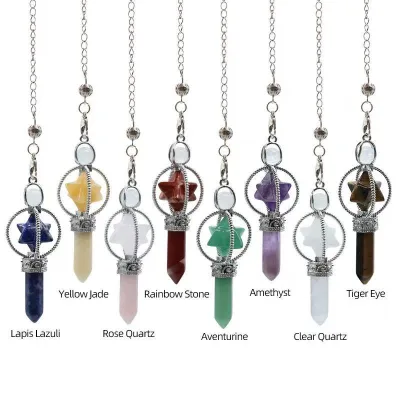
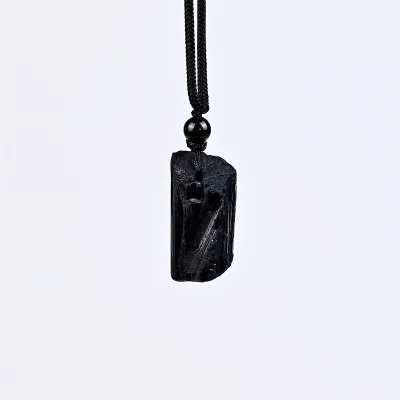
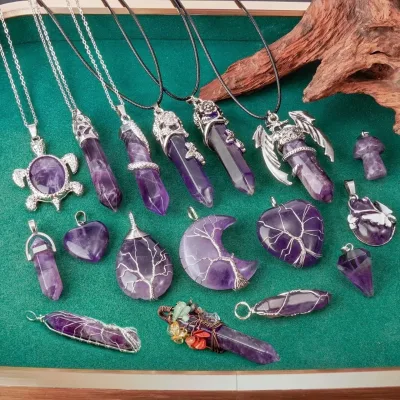
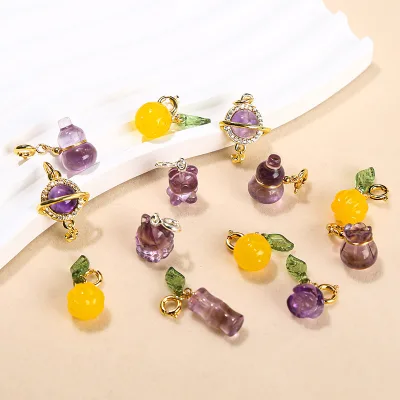
Popular Design Jewelry Crystal Stone Natural Black Tourmaline Pendant for Crystal Healing Stones
$1.1257 - $1.5344
MOQ: 2 pieces
Longfei (Jiangsu) International Trade Co., Ltd.
- Trading Company
- Jiangsu, China
- Lead time10 days
- Avg. response≤ 4h
Main productsCrystal Ball, Crystal Point, Crystal Stone, Crystal Chips Craft, Crystal Skull
Main marketsNorth America(50.00%), Central America(10.00%), Eastern Europe(10.00%), South America(5.00%), Western Europe(5.00%), Southern Europe(5.00%), Northern Europe(5.00%), Mid East(5.00%), Southeast Asia(3.00%), South Asia(2.00%)
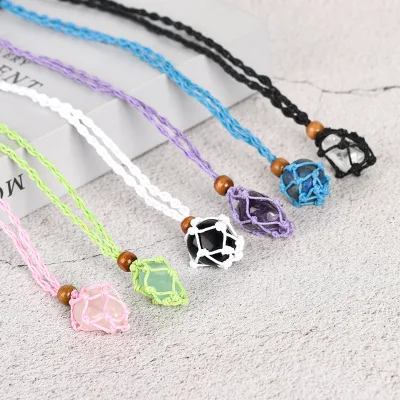
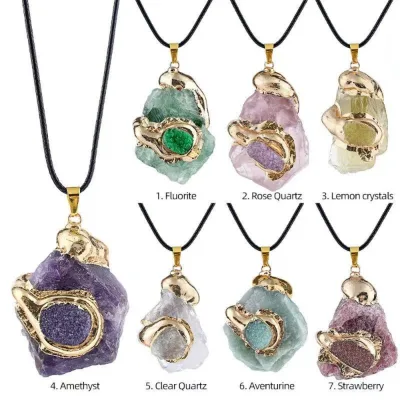
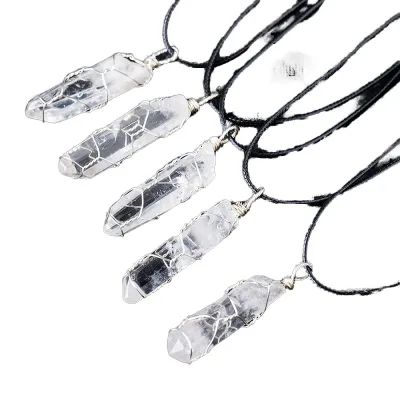
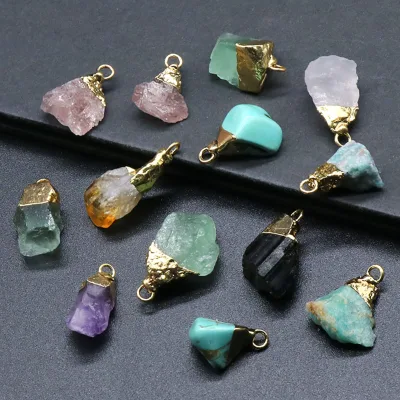
Factory Wholesale Irregular Gemstone clear Quartz Pendant Wrapped Raw Crystal Pendants
$1.50 - $2.00
MOQ: 2 pieces
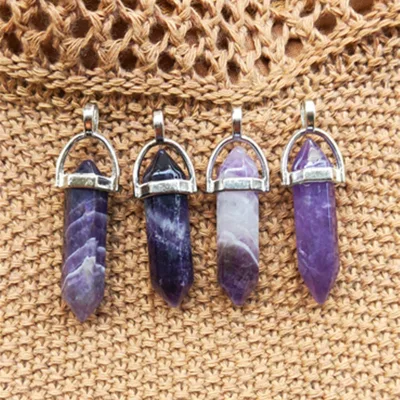
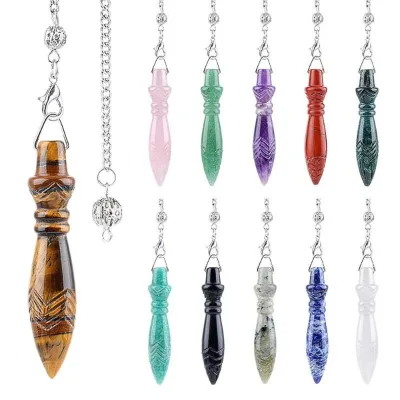
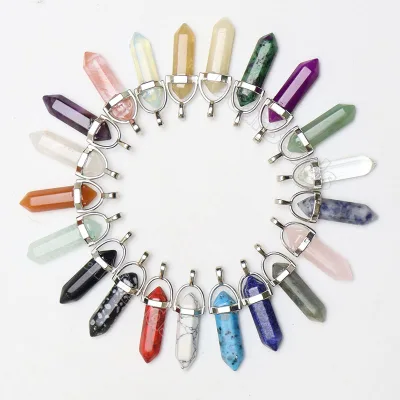
Natural Quartz Point Healing Amethyst Crystal Bullet Head Pendant DIY Pendants Necklace Key Chain
$1.3383 - $1.75
MOQ: 2 pieces

East Sunrise Jewelry Co., Limited
- Verified by SGS
- Manufacturer/Factory
- China Guangdong
- Lead time23 days
- Avg. response≤ 8h
Main productsPendant, Necklace, Bracelet, Ring, Earring, Carving, Ornament, Loose Bead, Jewelry, Semi-Precious Stones
Main marketsSouth America,Eastern Europe,Mid East,North America,Southeast Asia,Eastern Asia,Oceania,Western Europe,Africa
- Trading Company
- Zhejiang, China
- Lead time7 days
- Avg. response≤ 4h
Main productsGemstone Jewelry,Stainless Steel Jewelry,CZ Jewelry,Pearl Jewelry,Alloy Jewelry
Main marketsWestern Europe(25.00%), Northern Europe(15.00%), North America(5.00%), Eastern Europe(5.00%), South America(5.00%), Southeast Asia(5.00%), Africa(5.00%), Oceania(5.00%), Mid East(5.00%), Eastern Asia(5.00%), Central America(5.00%), Southern Europe(5.00%), South Asia(5.00%), Domestic Market(5.00%)

Guangzhou IO Jewelry Co., Ltd.
- Combined
- China Guangdong
- Lead time30 days
- Avg. response≤ 6h
Main productsJewelry, Fashion Jewelry, Stainless Steel Jewelry, Custom Jewelry, Stainless Steel Beads, Stainless Steel Charms, Stainless Steel Rings, Stainless Steel Pendants, Beads, Charms
Main marketsSouth America,Domestic,Europe,Australia,North America


Handmade High Quality Tail Pendant with Shiny Crystals Custom Pendant Necklace
$1.00 - $3.00
MOQ: 100 Pieces

Attractive Crystal Round Globe Design Copper Pendant Necklace with Black Plated
$4.00 - $9.00
MOQ: 80 Pieces

- Trading Company,Manufacturer/Factory
- China Guangdong
- Lead time23 days
- Avg. response≤ 8h
Main productsGemstone, Jewelry, Gemstone Jewelry, Loose Gemstone Beads, Jewelry Rings, Jewelry Set, Jewellery Earrings, Pendant, Created Emerald, Cubic Zirconia
Main marketsSouth America,Eastern Europe,North America,Western Europe
Donghai Kindfull Crystal Product Co., Ltd.
- Manufacturer, Trading Company
- Lead time旺季: "1 - 300":7,"301 - 500":20,"501 - 1000":31,"> 1000":"To be negotiated", 淡季: "1 - 300":7,"301 - 500":20,"501 - 1000":31,"> 1000":"To be negotiated"
- Avg. response≤ 2h
Main productsCarving/Crystal Points/Crystal Palm/Crystal Sphere/Beauty Tools
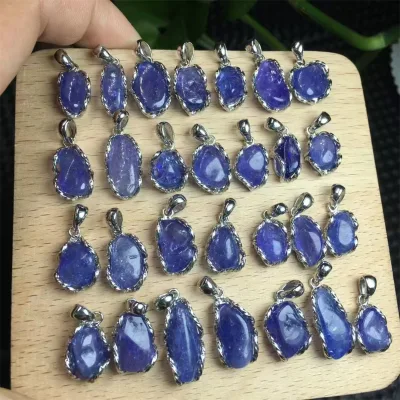
Wholesale Natural Crystal Gemstone Healing Quartz 925 Silver Tanzanite Pendant for Decoration
$17.60 - $21.00
MOQ: 1 pieces
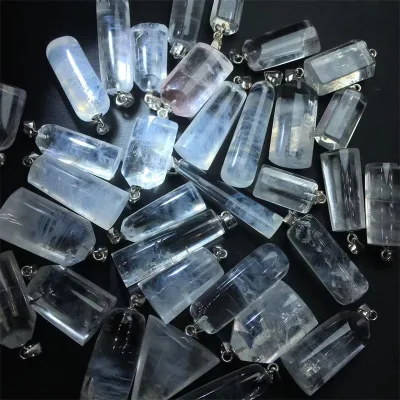
Hot Sale Clear Quartz Healing Gemstone Fashion Crystal Jewelry Blue Needle Pendant for Gifts
$13.7859 - $14.8068
MOQ: 3 pieces
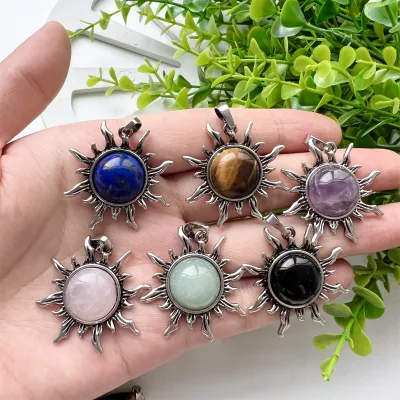
Donghai County Boheng Crystal Jewelry Co., Ltd.
- Verified by SGS Group
- Manufacturer, Trading Company
- Lead time3 days
- Avg. response≤ 2h
Main productsCrystal Water Bottle; Crystal Smoking Pipes; Crystal Point/Crystal Gravel/Crystal Ball
Main marketsNorth America(60%), Oceania(15%), Southeast Asia(10%)
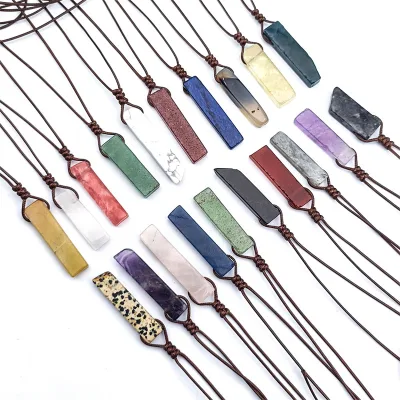
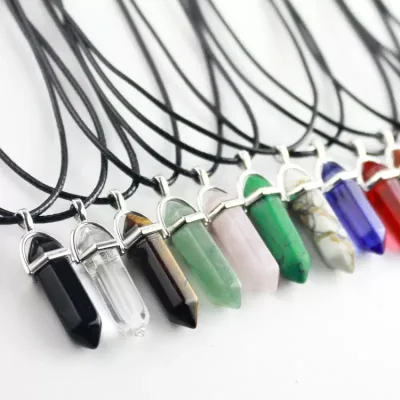
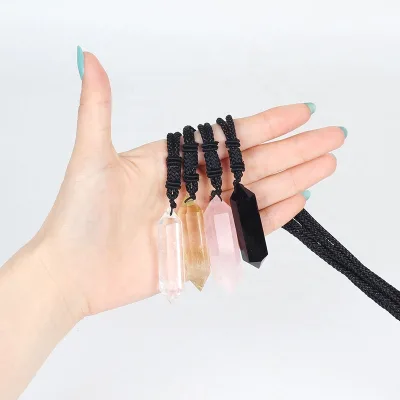
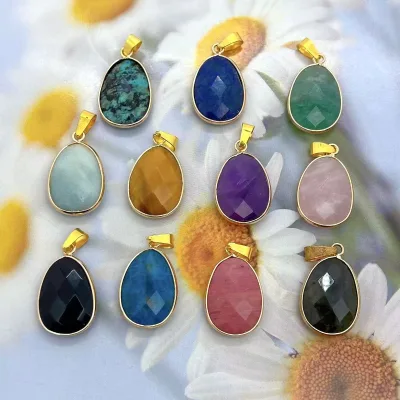
Wholesale Fashion Jewelry Crystal Natural Amethyst Stone Water Drop Pendant for gift
$1.744 - $2.0509
MOQ: 20 pieces

Guangzhou Govolon Trade Co., Ltd.
- Trading Company,Manufacturer/Factory
- China Guangdong
- Lead time15 days
- Avg. response≤ 24h
Main productsGarment Accessories, Lace, Button, Zipper, Fringe and Tassels, Belt Ribbon, Garment Trimming, Patch Badge, Buckle, Hotfix
Main marketsSouth America,Mid East,North America,Southeast Asia,Western Europe,Africa


Fashion Necklace Chain Silver with Crystals and Rhinestone Pendant 41+12cm
$1.50 - $1.60
MOQ: 500 Pieces
Donghai Hengmei Crystal Co., Ltd.
- Verified by TüVRheinland
- Manufacturer, Trading Company
- Lead time25 days
- Avg. response≤ 4h
Main productsCrystal Crafts, Bulk Tumbled Stones, Black Tourmaline, Chakra Stones, Crystal Raw Stone
Main marketsNorth America(30%), Western Europe(15%), Eastern Europe(10%)
Guangzhou Yasa Jewelry Co., Ltd.
- Manufacturer, Trading Company
- Guangdong, China
- Lead time10 days
- Avg. response≤ 3h
Main productsjewelry,crystal jewelry,natural gemstone,925 silver jewelry,gold plated jewelry
Main marketsNorth America(40.00%), Southeast Asia(10.00%), Eastern Europe(10.00%), South America(10.00%), Eastern Asia(5.00%), Mid East(5.00%), Oceania(5.00%), Western Europe(5.00%), Southern Europe(2.00%), Northern Europe(2.00%), Central America(2.00%), Africa(2.00%), Domestic Market(1.00%), South Asia(1.00%)

Donghai Jinuo Crystal Co., Ltd.
- Trading Company
- Jiangsu, China
- Lead time15 days
- Avg. response≤ 8h
Main productsCrystal Point, Crystal Ball, Crystal Massage Wand, Crystal Carving, Crystal Gravel
Main marketsNorth America(59.00%), Western Europe(10.00%), Northern Europe(10.00%), South America(5.00%), Oceania(5.00%), Southeast Asia(3.00%), Southern Europe(2.00%), Eastern Asia(2.00%), Eastern Europe(2.00%), South Asia(1.00%), Mid East(1.00%)
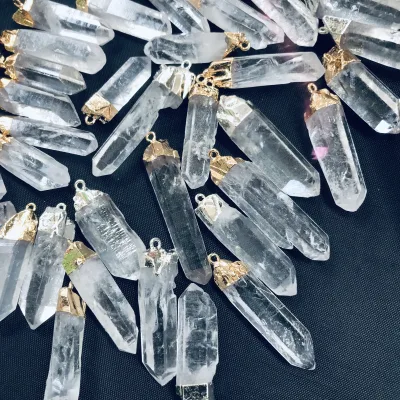
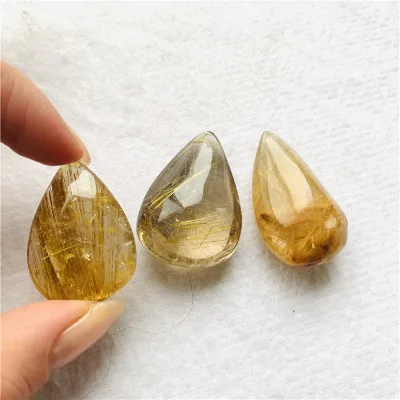
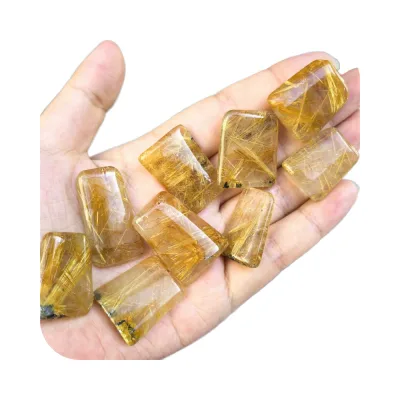
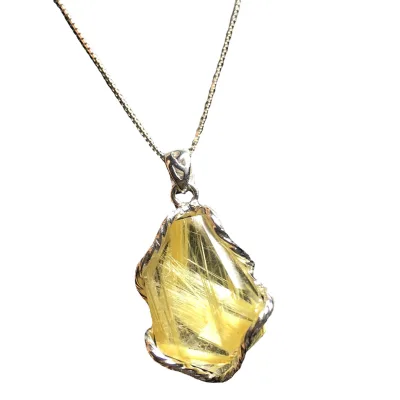
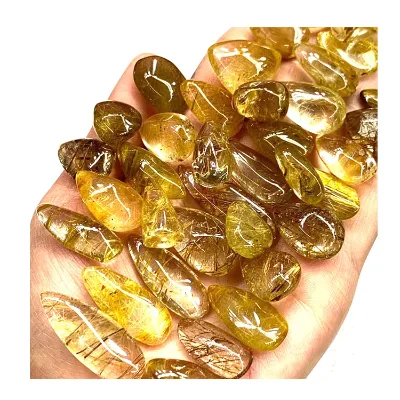
High Quality Natural Rock Quartz Stone Gold Rutilated Quartz Crystal Pendant for Jewelry Making
$6.00 - $10.00
MOQ: 1 pieces
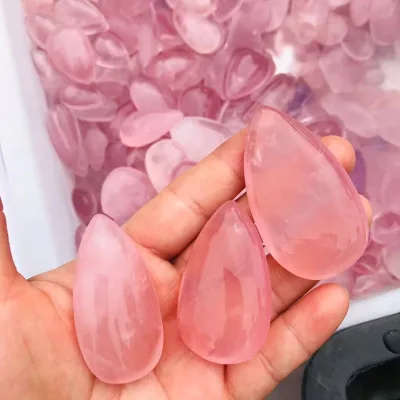
Nanning Haosiqi Jewelry Company Ltd.
- Trading Company
- Guangxi, China
- Lead time7 days
- Avg. response≤ 2h
Main productsNatural Semi-precious stones,Natural Stone Pendant,Bracelet,Rings,Necklace
Main marketsNorth America(45.00%), South America(25.00%), Domestic Market(10.00%), Eastern Europe(5.00%), Mid East(5.00%), Oceania(5.00%), Southeast Asia(5.00%)
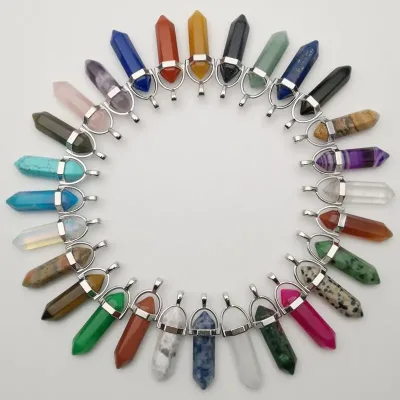
$0.5269 - $0.8383
MOQ: 10 Minimum
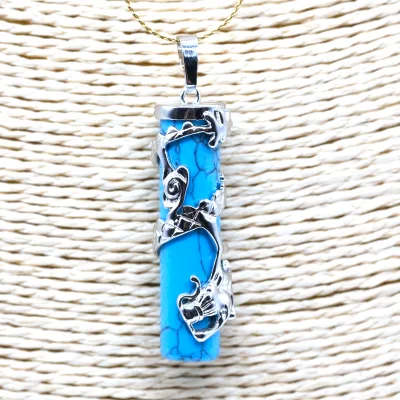
Silver Plated Healing Crystal Stone Charm Turquoise Gemstone Pendant for DIY Jewelry Making
$0.9207 - $3.3683
MOQ: 20 Minimum
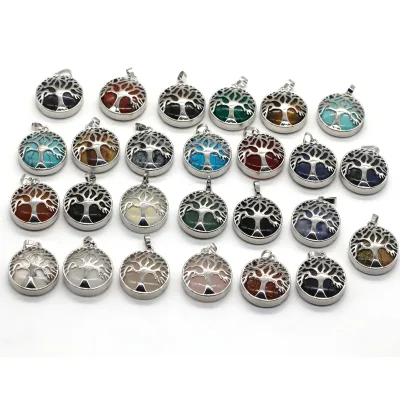
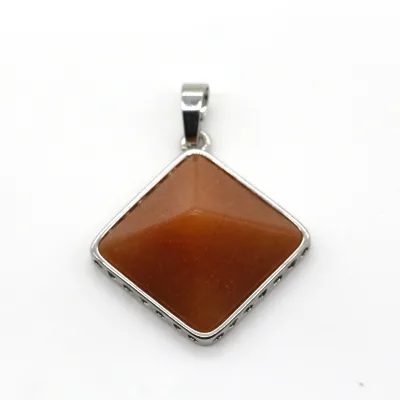
Fashion Trendy Unisex Crystal Red Watermelon Stone Pendants for Jewelry Making
$0.97 - $1.31
MOQ: 10 Minimum

Jinjiang Jiayi Supply Chain Management Co., Ltd.
- Verified by BV
- Trading Company
- China Fujian
- Lead time30 days
- Avg. response≤ 1h
Main productsGift, Shoe, Garment, Machine
Main marketsDomestic

Shenzhen Hengda Xin Jewelry Co., Ltd.
- Verified by BV
- Combined
- China Guangdong
- Lead time15 days
- Avg. response≤ 3h
Main productsJewelry, Stainless Steel Fittings, Stainless Steel Jewelry, Necklace, Bracelet, Stud Earrings, Ring, Pendant, Fashion Jewelry, Fashion Accessories
Main marketsSoutheast Asia/ Mideast,East Asia(Japan/ South Korea),Domestic,Europe,Australia,North America


Natural Quartz Stone Hexagonal Necklace Crystal Bullet Cone Pendant Quartz Necklace
$1.28 - $1.30
MOQ: 5 piece

Fujian Junqing Trade Co., Ltd.
- Verified by CTI
- Trading Company
- China Fujian
- Lead time15 days
- Avg. response≤ 2h
Main productsDesign Necklace, Design Earring, Design Bracelet Bangle, Design Hair Accessories, Shoes, Bags, Watches, Sunglasses, Home Decoration
Main marketsSoutheast Asia/ Mideast,Europe,North America

Wholesale Jewelry Natural Gemstone Pendant White Quartz Crystal Charm Key Chain Keyring Pendant
$1.59 - $4.99
MOQ: 50 Pieces


Lianyungang Best International Trading Co., Ltd.
- Trading Company
- Jiangsu, China
- Lead time10 days
- Avg. response≤ 3h
Main productsCrystal Carvings,Crystal Chips,Crystal Spheres,Crystal Tumbled
Main marketsNorth America(30.00%), Oceania(15.00%), Domestic Market(7.00%), Southern Europe(5.00%), Northern Europe(5.00%), Central America(5.00%), Western Europe(5.00%), Eastern Asia(5.00%), South America(5.00%), Africa(5.00%), Eastern Europe(5.00%), South Asia(3.00%), Mid East(2.00%)
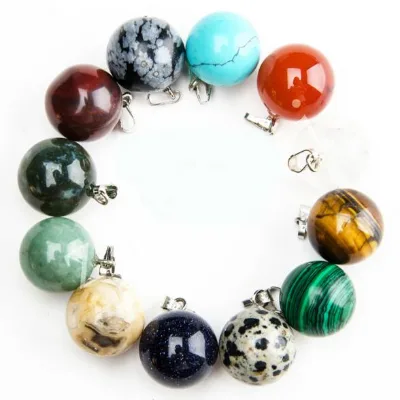
14mm Natural Quartz Crystal Roundness Pendants Crystal Quartz Pendants Roundness Shape Necklace
$0.31 - $2.00
MOQ: 10 pieces
Donghai Pingtouge Jewelry Co., Ltd.
- Trading Company
- Jiangsu, China
- Lead time0 days
- Avg. response≤ 3h
Main productscarved crystal,carving natural crystal stones,crystal carving,crystal animal carvings,crystal moon carving
Main marketsEastern Europe(30.00%), Northern Europe(20.00%), North America(20.00%), South Asia(20.00%), South America(10.00%)
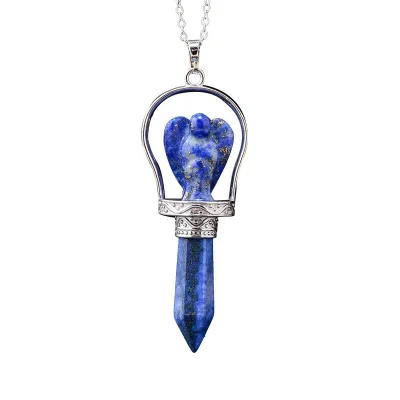
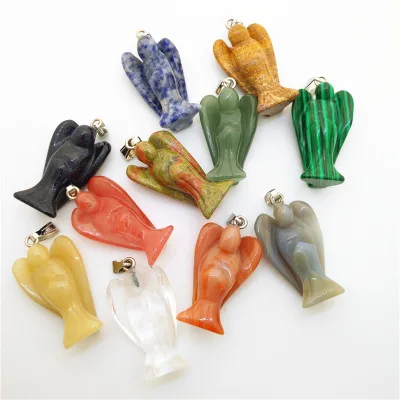
Wholesale fashion natural gemstone crystal point angel pendant crystal pendant
$6.1527 - $7.1781
MOQ: 100 pieces
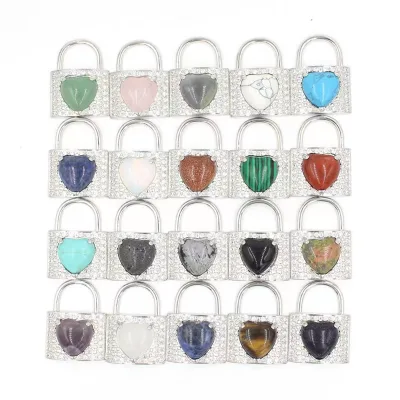
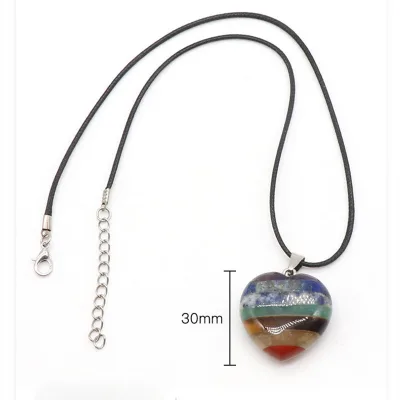
Healing Crystal Stone Couple Lock Pendant Natural Gemstones Heart Lovers Lock Pendant
$1.9536 - $2.5689
MOQ: 50 pieces
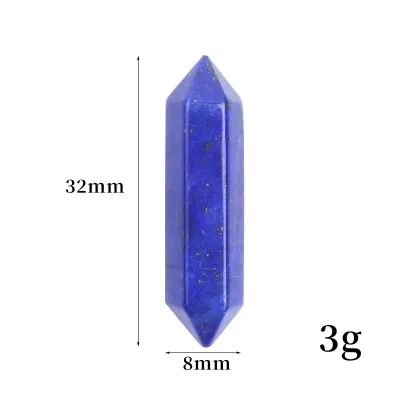
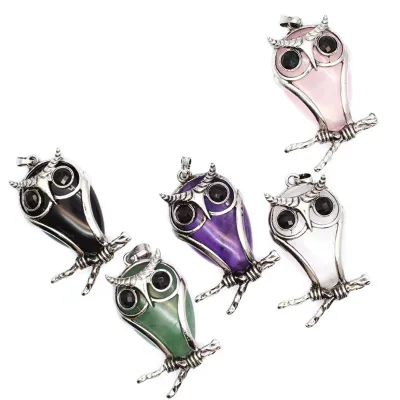
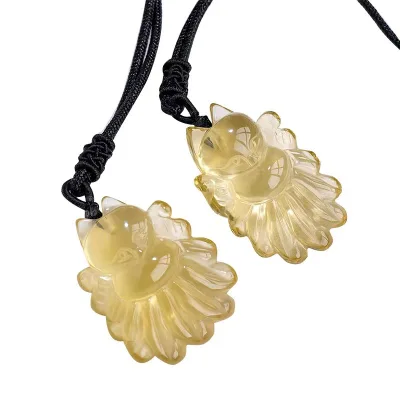
Alloy with Natural Crystal Gemstone Owl Pendants
$2.00 - $2.50
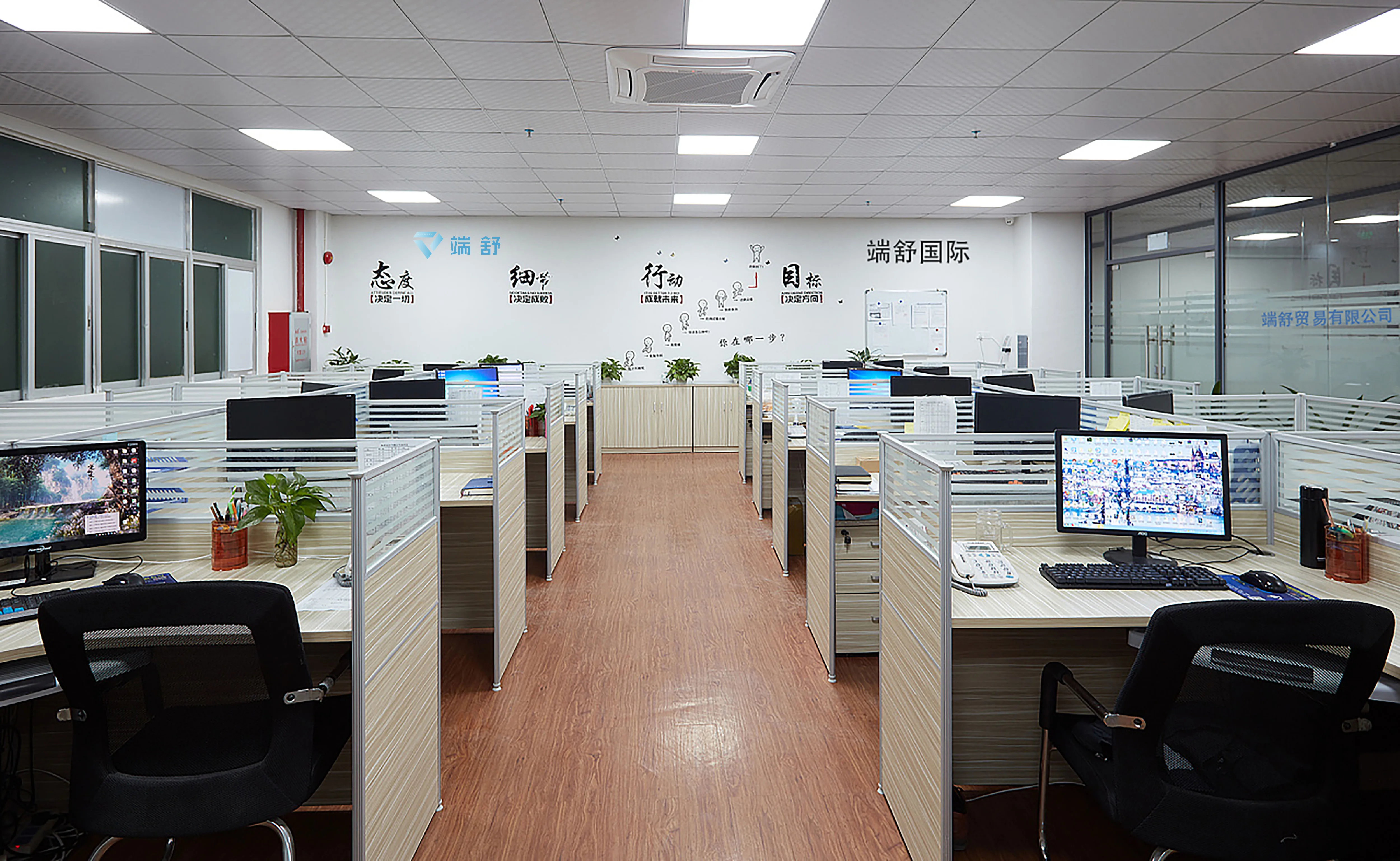
Lianyungang Duanshu Trading Co., Ltd.
- Trading Company
- Jiangsu, China
- Lead time3 days
- Avg. response≤ 2h
Main productsCrystal Bracelets,Crystal Raw Stone,Crystal Bangles,Crystal Healing Stone,Gravels/Chips
Main marketsNorth America(40.00%), Southeast Asia(20.00%), South America(10.00%), Oceania(10.00%), Western Europe(5.00%), Eastern Europe(5.00%), South Asia(5.00%), Northern Europe(3.00%), Africa(2.00%)
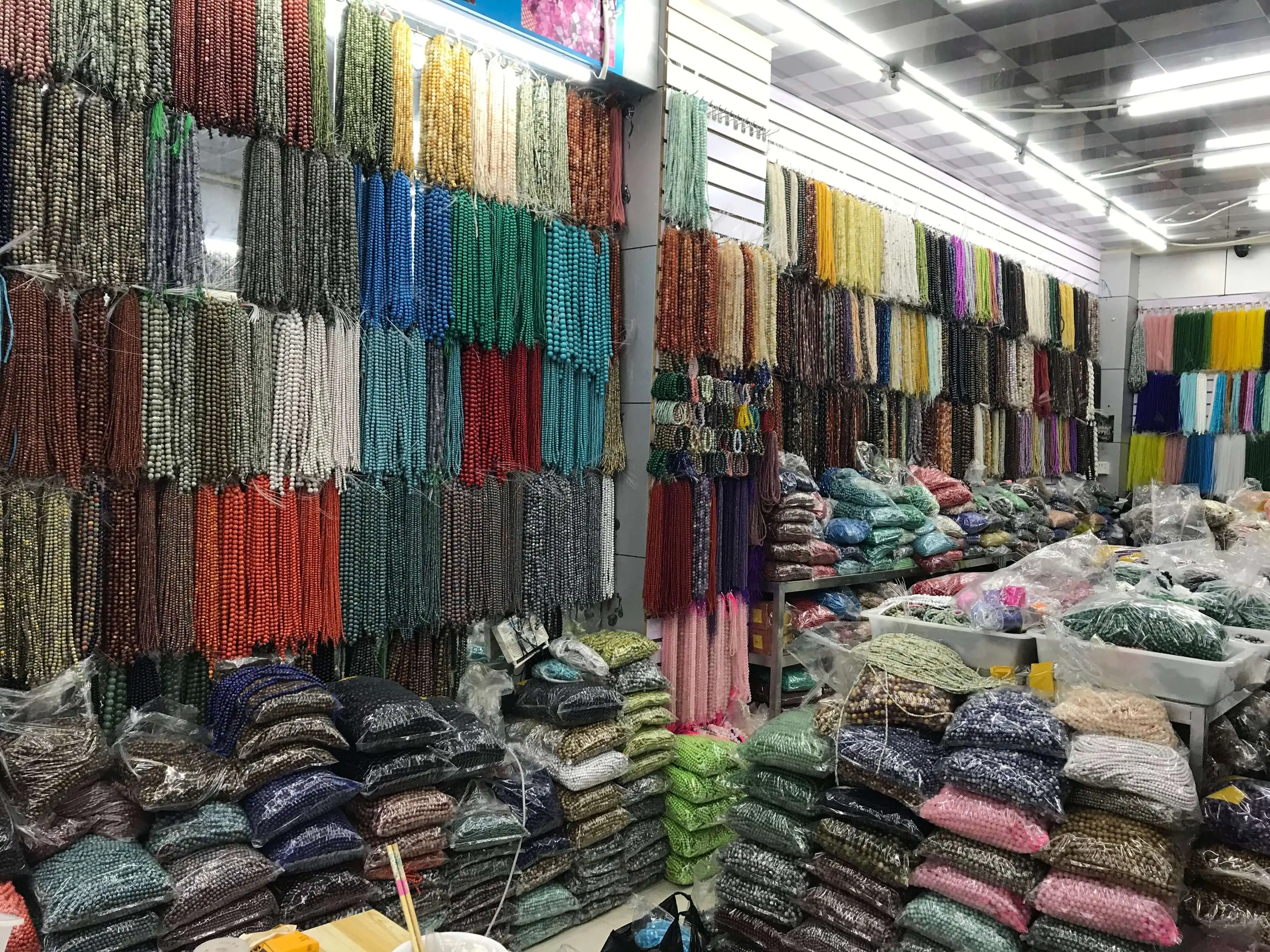
Yiwu Shanmei Arts And Gifts Co., Ltd.
- Manufacturer, Trading Company
- Lead time旺季: "1 - 1000":15,"> 1000":"To be negotiated", 淡季: "1 - 1000":15,"> 1000":"To be negotiated"
- Avg. response≤ 4h
Main productsJewelry
Yiwu Dibishi Jewelry Co., Ltd.
- Trading Company
- Zhejiang, China
- Lead time5 days
- Avg. response≤ 3h
Main productsBeads,Bracelets,Crystal,Gemstone,Loose Beads
Main marketsNorth America(40.00%), Western Europe(20.00%), Northern Europe(10.00%), Eastern Europe(10.00%), Southeast Asia(5.00%), Central America(5.00%), South America(5.00%), Oceania(5.00%)
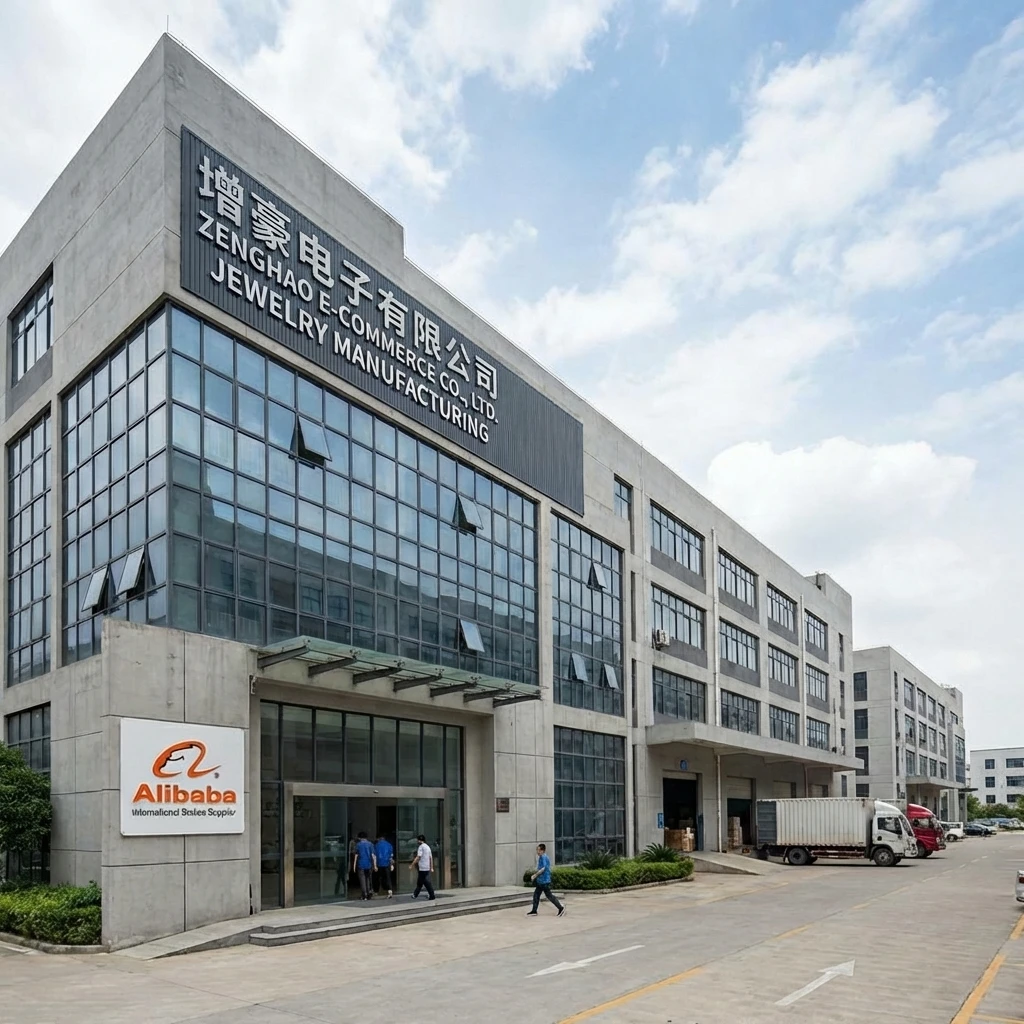
Yiwu Zenghao E Commerce Corporation
- Trading Company
- Zhejiang, China
- Lead time30 days
- Avg. response≤ 5h
Main productsnecklace,earring,bracelet,ring,keychain
Main marketsCentral America(40.00%), Eastern Europe(10.00%), Western Europe(10.00%), North America(5.00%), Domestic Market(5.00%), Mid East(5.00%), Oceania(5.00%), Southern Europe(5.00%), Northern Europe(5.00%), South Asia(3.00%), South America(2.00%), Africa(2.00%), Southeast Asia(2.00%), Eastern Asia(1.00%)
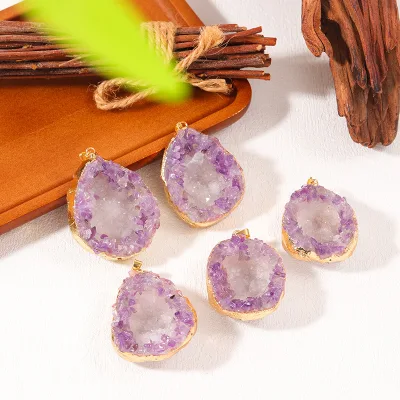
$1.30 - $1.47
MOQ: 12 Minimum
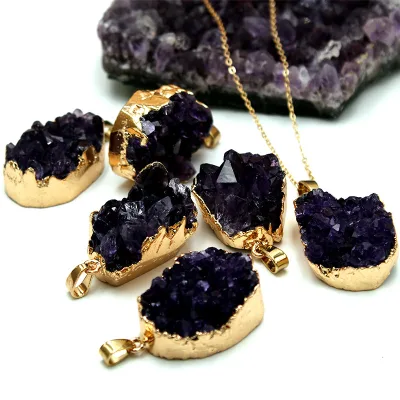
Natural Dark Amethyst Stone Pendant for Crystal Necklace DIY Jewelry Accessories
$2.98 - $3.28
MOQ: 5 pieces
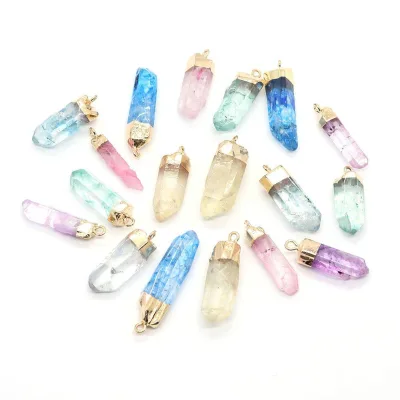
Donghai Crown Crystal Crafts Co., Ltd.
- Trading Company
- Jiangsu, China
- Lead time3 days
- Avg. response≤ 6h
Main productsCrystal Points/Crystal Carvings/Crystal Hearts/Crystal Skulls/Crystal Balls
Main marketsEastern Europe(26.00%), North America(18.00%), South America(15.00%), Central America(10.00%), Northern Europe(10.00%), Southeast Asia(10.00%), Southern Europe(6.00%), Western Europe(5.00%)

- Manufacturer, Trading Company
- Zhejiang, China
- Lead time15 days
- Avg. response≤ 6h
Main productsCrystal Jewelry,Crystal Bracelet,Gemstone Jewelry,Gemstone Pendant,Crystal necklace
Main marketsSouthern Europe(8.33%), Northern Europe(8.33%), Central America(8.33%), Western Europe(8.33%), Eastern Asia(8.33%), Mid East(8.33%), Oceania(8.33%), Africa(8.33%), Southeast Asia(8.33%), Eastern Europe(8.33%), South America(8.33%), North America(8.33%)
$0.7904 - $1.0165
MOQ: 3 Minimum




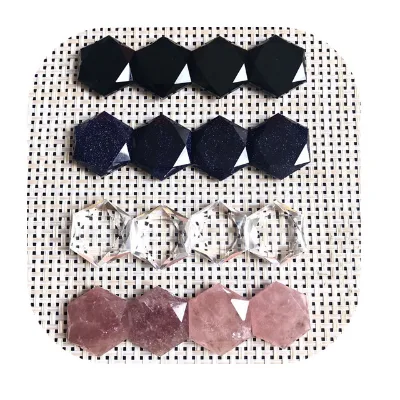
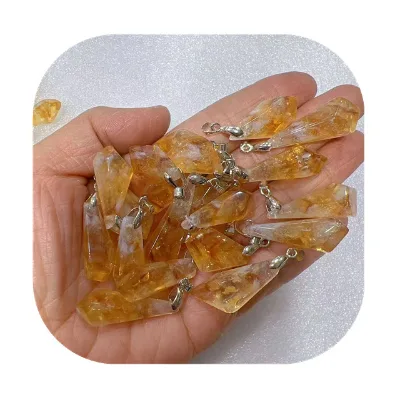
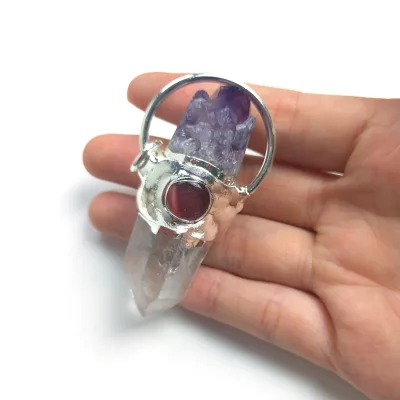

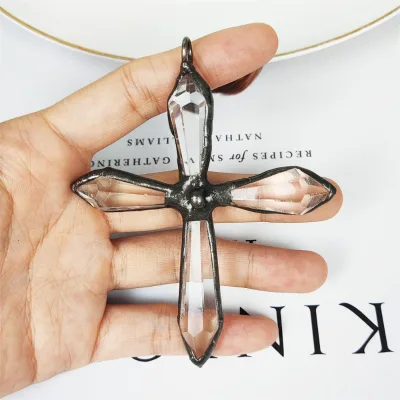


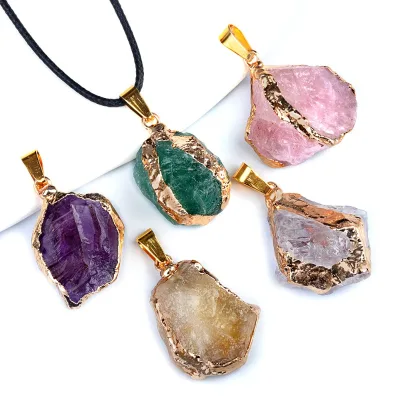
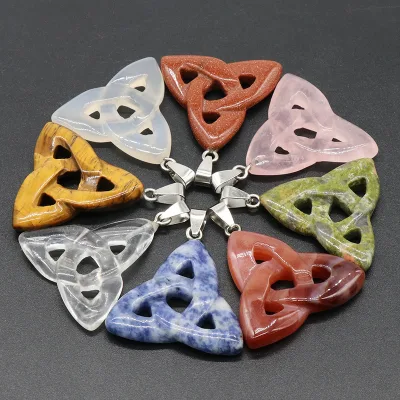
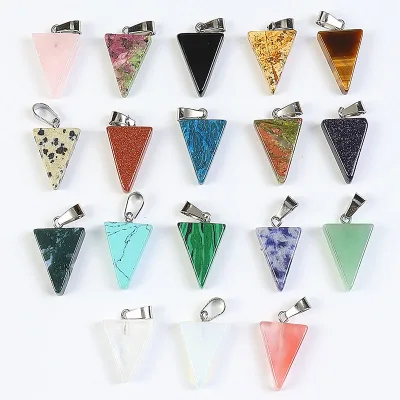
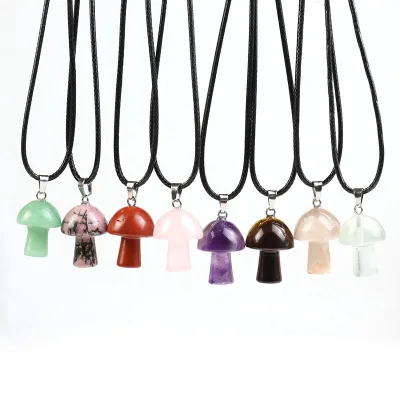
Comprehensive Sourcing Guide
Polished Crystal Quartz Pendant Supplier Concentration and Factory Types
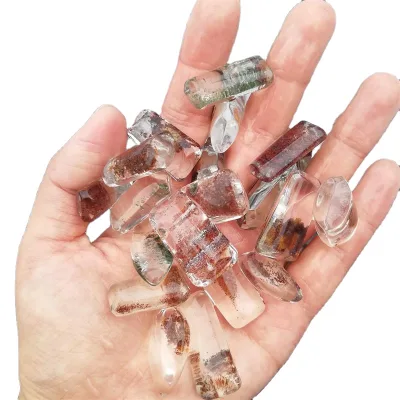
The current supplier landscape for polished crystal quartz pendants reveals a distinct geographic and structural distribution that buyers must navigate carefully. Evidence indicates that manufacturing and trading entities are concentrated in specific regions, with Taiwan and China appearing as primary hubs for these goods. Within China, Jiangsu and Guangdong provinces show significant activity, suggesting established industrial clusters for crystal processing and jewelry assembly. These locations are not random; they represent areas with historical expertise in stone carving, polishing, and metal setting. Buyers should recognize that suppliers in these regions often benefit from localized supply chains for raw materials like raw quartz, gemstones, and metal findings. This proximity to raw inputs can influence both the quality of the polished finish and the speed of production. However, the presence of a supplier in a known cluster does not automatically guarantee superior quality or competitive pricing. It merely indicates that the supplier operates within an ecosystem where such services are readily available.
Structurally, the market is divided between manufacturers, trading companies, and hybrid entities. Some suppliers identify as manufacturers or factories, implying they have direct control over the polishing and finishing processes. Others operate as trading companies, acting as intermediaries who source from multiple workshops. A third category includes entities that function as both, offering OEM and ODM services alongside wholesale distribution. This diversity means that a buyer’s choice of supplier type will significantly impact their ability to customize products, control costs, and manage communication. For instance, a factory may offer more flexibility in modifying the shape or polish of a crystal pendant, while a trading company might provide a broader catalog of pre-polished items. Understanding this distinction is crucial for aligning supplier capabilities with specific business needs. Buyers should not assume that all suppliers in a cluster are factories; verification is required to determine the actual nature of the business relationship and the extent of in-house production capabilities.
How to Verify Polished Crystal Quartz Pendant Suppliers
Verifying the legitimacy and capability of a Polished Crystal Quartz Pendant supplier requires a multi-layered approach that goes beyond surface-level profile information. One critical step is to check for third-party verification badges, such as BV (Bureau Veritas), which indicate that an independent agency has inspected the supplier’s facilities or business operations. The presence of such verification provides a baseline level of confidence regarding the supplier’s existence and operational legitimacy. However, verification alone does not guarantee product quality or ethical manufacturing practices. Buyers must also assess the supplier’s response time, which serves as an indicator of their operational efficiency and customer service commitment. A rapid response time, such as two days or less, suggests a well-staffed and responsive team, whereas slower responses may indicate bottlenecks or limited resources. This metric is particularly important for buyers who need quick turnaround times for samples or urgent orders.
Beyond verification badges and response speeds, buyers should scrutinize the supplier’s main products and company type to ensure alignment with their sourcing goals. If a supplier lists crystal points, spheres, and clusters as their main products, they may have deeper expertise in raw crystal processing compared to those focused solely on finished fashion jewelry. Similarly, distinguishing between a manufacturer and a trading company is essential for understanding who controls the quality assurance process. Buyers should request detailed product attributes, such as material composition, color options, and specific techniques like UV printing or mosaic work, to verify the supplier’s technical capabilities. Additionally, checking the supplier’s establishment year can provide insights into their market experience and stability. While not a definitive measure of quality, a longer track record often correlates with refined processes and reliable supply chains. Buyers should combine these data points to form a comprehensive view of the supplier’s reliability before proceeding with any orders.
What to Compare Across Polished Crystal Quartz Pendant Suppliers
When evaluating multiple suppliers for polished crystal quartz pendants, buyers must systematically compare key operational metrics to identify the best fit for their specific requirements. Lead time is a critical factor, as it directly impacts inventory management and customer satisfaction. Suppliers may offer lead times ranging from ten days to ninety days, depending on their production capacity and current order backlog. A shorter lead time, such as ten days, is advantageous for buyers seeking quick replenishment or testing new markets, while longer lead times may be acceptable for planned, large-scale orders. Alongside lead time, the minimum order quantity (MOQ) is another vital comparison point. MOQs can vary significantly, from as low as one piece for sample orders to fifty or more for bulk production. Buyers with limited capital or those testing new designs should prioritize suppliers with lower MOQs, while those with established distribution channels may benefit from economies of scale offered by higher-volume suppliers.
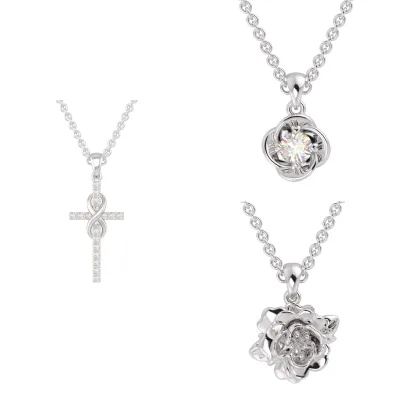
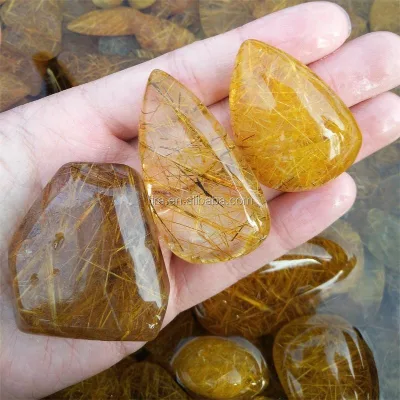
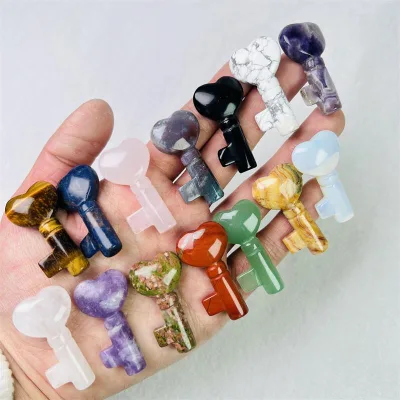
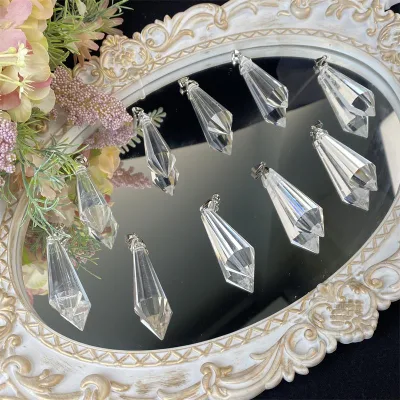
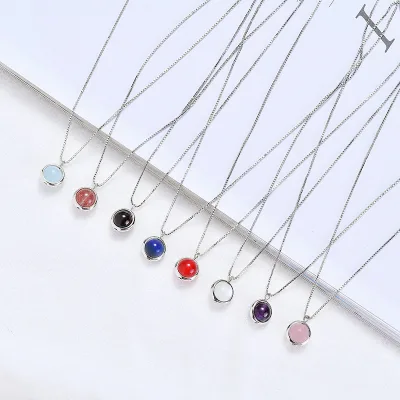
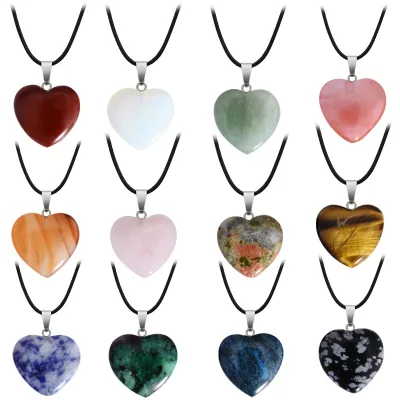
Price and product specifications are equally important dimensions for comparison. The price range for polished crystal quartz pendants can vary based on material quality, complexity of design, and finishing techniques. Buyers should compare not just the unit price but also the total cost, including shipping and any customization fees. Product attributes such as color options, size, and material type should be matched against the buyer’s target market preferences. For example, some suppliers may offer pendants in silver, gold, or rose gold tones, while others may focus on natural stone colors like yellow or clear. Additionally, the supplier’s main products should be evaluated to ensure they align with the buyer’s broader catalog strategy. A supplier specializing in fashion jewelry may offer trendy designs, while one focused on spiritual or healing crystals may provide items with specific metaphysical properties. By comparing these factors across suppliers, buyers can make informed decisions that balance cost, quality, and operational efficiency.
Common Polished Crystal Quartz Pendant Sourcing Risks
Sourcing polished crystal quartz pendants involves several inherent risks that buyers must proactively manage to avoid disruptions and financial losses. One significant risk is the variability in product quality, particularly regarding the clarity, cut, and polish of the crystal. Since natural stones can have unique inclusions and imperfections, buyers may receive items that do not match the visual standards set by samples. This discrepancy can lead to customer dissatisfaction and returns, especially if the buyer is marketing the items as premium or flawless. Another risk is the potential for miscommunication regarding customization requirements. Suppliers may interpret design specifications differently, leading to products that do not meet the buyer’s expectations. This is particularly relevant for items requiring specific techniques like engraving or UV printing, where precision is critical. Buyers must ensure that all technical details are clearly documented and confirmed before production begins.
Logistical and supply chain risks also pose challenges in this category. The reliance on air shipping for many crystal products can lead to increased costs and potential damage during transit. Crystals are fragile, and improper packaging can result in breakage, leading to lost inventory and additional replacement costs. Furthermore, the geographic concentration of suppliers in specific regions can create vulnerabilities if local disruptions occur, such as natural disasters or political instability. Buyers should also be aware of the risk of intellectual property infringement, especially when working with suppliers who offer OEM services. Ensuring that designs are protected and that suppliers adhere to confidentiality agreements is essential to safeguarding brand integrity. Additionally, the variability in supplier response times can hinder effective communication and problem-solving. Buyers must establish clear communication protocols and contingency plans to mitigate these risks and ensure a smooth sourcing process.
Polished Crystal Quartz Pendant Regional Sourcing and Logistics
The geographic location of suppliers plays a pivotal role in determining logistics strategies and overall sourcing efficiency for polished crystal quartz pendants. Suppliers located in Taiwan and China, particularly in provinces like Jiangsu and Guangdong, offer distinct advantages in terms of production capacity and supply chain maturity. These regions are known for their expertise in crystal processing and jewelry manufacturing, providing buyers with access to a wide range of products and customization options. However, the distance between these manufacturing hubs and global markets can impact shipping times and costs. Buyers must consider the port of dispatch, which may include major Chinese ports like Qingdao, Shanghai, or Lianyungang, when planning their logistics. Understanding the shipping routes and transit times from these ports to the final destination is crucial for accurate delivery estimates.
Logistics planning also involves selecting the appropriate shipping method based on the value and fragility of the products. Air shipping is commonly used for crystal pendants due to their relatively low weight and high value, but it comes at a premium cost. Buyers should evaluate whether the speed of air shipping justifies the expense, especially for bulk orders where sea freight might be more economical. Additionally, packaging requirements must be carefully specified to protect the fragile crystals during transit. Suppliers often use bubble paper and hard corrugated cartons, but buyers should verify that these methods meet their specific protection needs. The regional concentration of suppliers also means that buyers can potentially consolidate orders from multiple suppliers in the same area, reducing shipping complexity and costs. However, this requires careful coordination to ensure that all items are ready for dispatch simultaneously. Buyers should work closely with their suppliers to optimize logistics and minimize delays.
Polished Crystal Quartz Pendant Commercial Terms and Order Planning
Effective order planning for polished crystal quartz pendants requires a thorough understanding of commercial terms and the ability to align them with business objectives. Payment terms, such as the use of escrow services, provide a layer of security for buyers by ensuring that funds are only released upon satisfactory delivery. This is particularly important for new supplier relationships or large orders where the risk of non-delivery or quality issues is higher. Buyers should also consider the supplier’s supply ability, which indicates their capacity to fulfill orders within a given timeframe. For instance, a supplier with a monthly supply ability of five thousand pieces may be suitable for steady, ongoing orders, while those with lower capacities may be better for smaller, niche markets. Understanding these capacities helps buyers plan their inventory and avoid stockouts or overstock situations.
Customization and branding options are another critical aspect of commercial terms. Many suppliers offer the ability to add custom logos or specific designs, which can enhance brand identity and product differentiation. Buyers should clarify the requirements for custom branding, such as file formats, placement, and additional costs, before placing orders. Additionally, the supplier’s return and refund policies should be reviewed to understand how issues like damaged goods or incorrect items are handled. Clear communication regarding these terms can prevent misunderstandings and ensure a smooth transaction process. Buyers should also consider the total cost of ownership, including shipping, duties, and any potential customs fees, when evaluating supplier quotes. By carefully planning orders and negotiating favorable commercial terms, buyers can maximize their profitability and build sustainable relationships with their suppliers.
FAQs
What is the price range for polished crystal quartz pendants?
Prices for polished crystal quartz pendants typically range from $1.80 to $20.00 per unit. The final cost depends on the material type, such as rose quartz or green phantom, and the complexity of the carving. Buyers should check specific product listings for exact pricing tiers based on order volume.
What is the minimum order quantity for these pendants?
Minimum order quantities vary significantly by supplier and product type. Some suppliers accept orders as low as one piece for sample testing, while others require a minimum of 30 or 50 units for wholesale pricing. Buyers must verify the specific MOQ listed for each product to ensure it fits their budget.
Where are these crystal pendants manufactured?
Most polished crystal quartz pendants are manufactured in China, with specific production hubs located in Jiangsu and Guangdong provinces. Some suppliers are based in Taiwan. Buyers should check the place of origin on product pages to understand shipping logistics and potential tariffs associated with the manufacturing location.
How long does it take to receive an order?
Lead times for polished crystal quartz pendants generally range from 10 to 90 days. Faster production times of around 10 to 15 days are common for standard items, while more complex orders or specific manufacturers may require up to 90 days. Buyers should confirm the estimated delivery time with the supplier before placing an order.
What colors are available for crystal pendants?
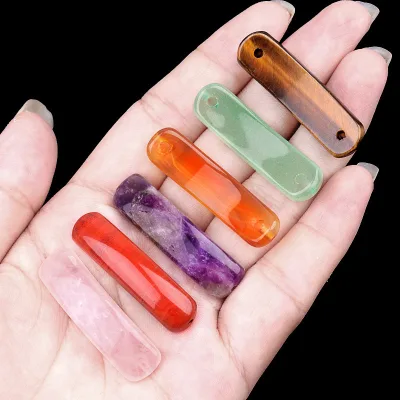
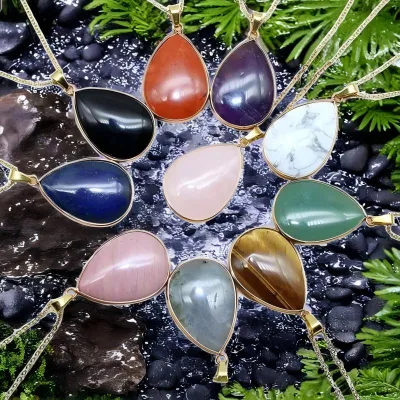
Polished crystal quartz pendants are available in various colors, including clear, yellow, green, silver, gold, and rose gold. Some suppliers offer mixed color options or specific shades like green phantom. Buyers should review product attributes to select the exact color that matches their design requirements or customer preferences.
Are suppliers verified for quality assurance?
Some suppliers offering crystal pendants are verified by third-party inspection companies like BV. Buyers should look for verification badges on supplier profiles to ensure they meet certain quality and business standards. Verification status helps reduce risk, but buyers should still request samples to verify product quality before committing to large orders.