Polished Wooden Langstroth Beehive Suppliers and Manufacturers
Source 16 verified suppliers for Polished Wooden Langstroth Beehive equipment from Henan, China. Compare key dimensions including ISO9001:2015 certification, OEM/ODM capabilities, response times, and pricing ranges to identify the right partner for your apiculture needs; review the available evidence before requesting comparable quotations from suitable candidates.
Suppliers List

Henan Multi-Sweet Beekeeping Technology Co., Ltd.
- Verified by CTI
- Combined
- China Henan
- Lead time120 days
- Avg. response≤ 3h
Main productsBee Hive, Honey Extractor, Beehive Frame, Honey Processing Machines, Bee Keeping Suit, Beekeeping Tools, Bee Feeders, Queen Rearing, Wax Processing Machines
Main marketsSouth America,Africa,Southeast Asia/ Mideast,East Asia(Japan/ South Korea),Europe,Australia,North America

Gongyi X.b Warm Products Co., Ltd.
- Manufacturer, Trading Company
- Henan, China
- Lead time3 days
- Avg. response≤ 4h
Main productsBee hive,beekeeper equipment,honey filling machine,honey extractor,honey processing machine
Main marketsSouth America(40.0%), Africa(12.0%), Central America(5.0%), Western Europe(5.0%), Eastern Asia(5.0%), Domestic Market(5.0%), Northern Europe(5.0%), North America(5.0%), Southeast Asia(5.0%), Eastern Europe(5.0%), Mid East(2.0%), South Asia(2.0%), Southern Europe(2.0%), Oceania(2.0%)
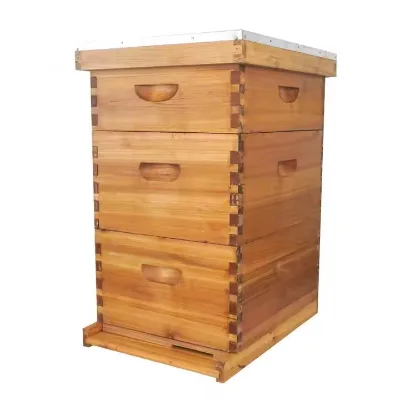
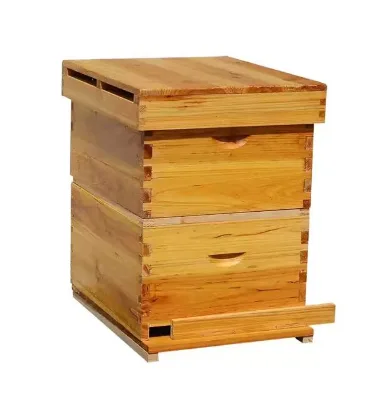
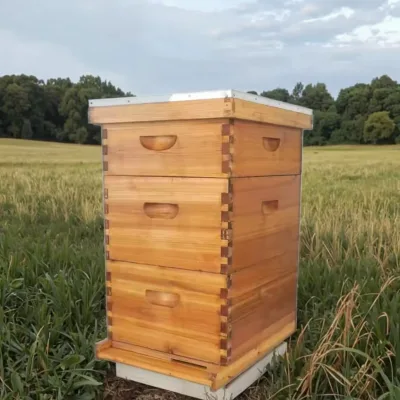
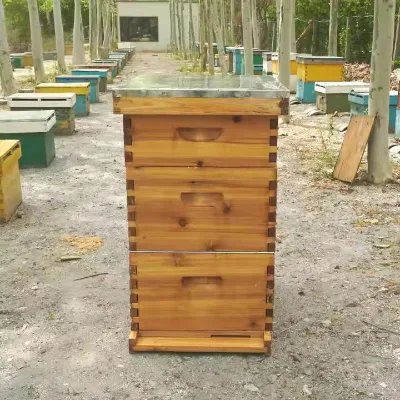
SmoothFinish Wood Langstroth Beehive for Easy Cleaning Langstroth Beehive Frame
$22.53 - $73.73
MOQ: 1 Minimum

ZHENGZHOU ENZHER IMP& EXP CO., LTD
- Verified by CTI
- Trading Company
- China Henan
- Lead time15 days
- Avg. response≤ 12h
Main productsbeekeeping equipment
Main marketsAustralia


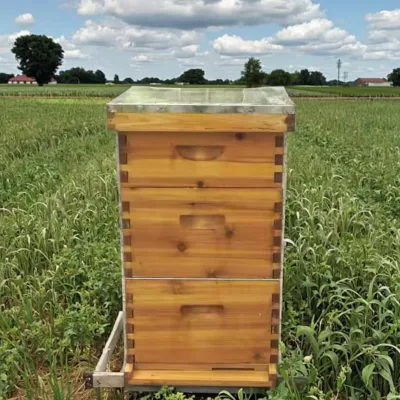
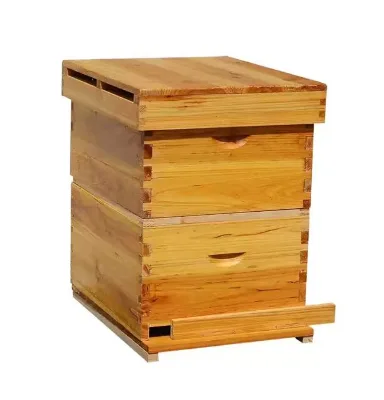
New Bee Hives Wooden Beehive for Beeskeeping Langstroth Beehive Products Best Price
$22.00 - $34.00
MOQ: 50 Sets


Zhongshan Benefitbee Beekeeping Equipment Co., Ltd.
- Verified by SGS Group
- Manufacturer, Trading Company
- Lead time7 days
- Avg. response≤ 4h
Main productsBee Smoker, Hive Tool, Queen Excluder, Beehive, Honey Extractor
Main marketsDomestic Market(100%)
Caoxian Baisenwo Crafts Co., Ltd.
- Manufacturer, Trading Company
- Shandong, China
- Lead time25 days
- Avg. response≤ 5h
Main productsWooden Boxes,Wooden Pet Products,Wooden Kids' Products,Wooden Kitchen Products,Wooden Shelves
Main marketsNorth America(24.0%), Western Europe(20.0%), Mid East(10.0%), Domestic Market(8.0%), South America(6.0%), Eastern Asia(5.0%), Southern Europe(5.0%), Oceania(5.0%), Eastern Europe(5.0%), Northern Europe(5.0%), Southeast Asia(3.0%), Central America(2.0%), Africa(1.0%), South Asia(1.0%)
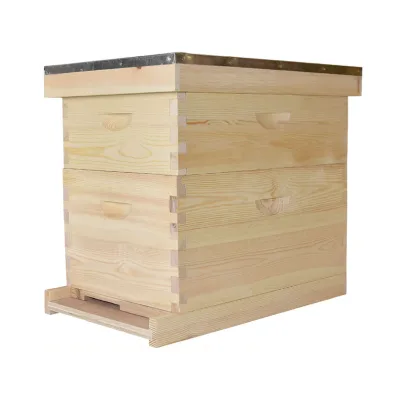
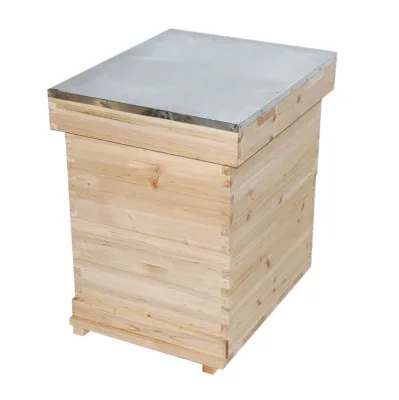
New Zealand Pine Wood Ten-Frame Double-Layer Beehive Bee Boxes Langstroth Beehive
$23.20 - $27.10
MOQ: 200 pieces
Luoyang Sweet Honey Biotech Co., Ltd.
- Trading Company
- Henan, China
- Lead time15 days
- Avg. response≤ 7h
Main productsbeekeeping equipment,beeswax,foundation sheet,beehive,pollen
Main marketsNorth America(40.0%), Africa(25.0%), Western Europe(10.0%), Oceania(10.0%), Southern Europe(5.0%), Eastern Europe(2.0%), Northern Europe(2.0%), Mid East(2.0%), South Asia(1.0%), Southeast Asia(1.0%), Eastern Asia(1.0%), Central America(1.0%)
Wuhan Yimin Bee Product Co., Ltd.
- Manufacturer, Trading Company
- Hubei, China
- Lead time0 days
- Avg. response≤ 13h
Main productsBeekeeping Equipment,Bee Product,Bee Hive,Bee wax foundation,Queen product
Main marketsDomestic Market(20.0%), Eastern Europe(15.0%), North America(15.0%), Northern Europe(12.0%), Southern Europe(10.0%), Western Europe(10.0%), Africa(10.0%), South Asia(3.0%), South America(3.0%), Southeast Asia(2.0%)
$132.28 - $142.54
MOQ: 1 sets
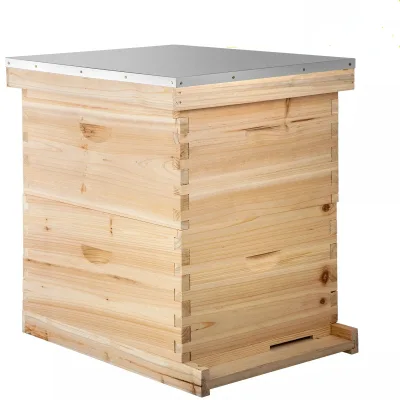
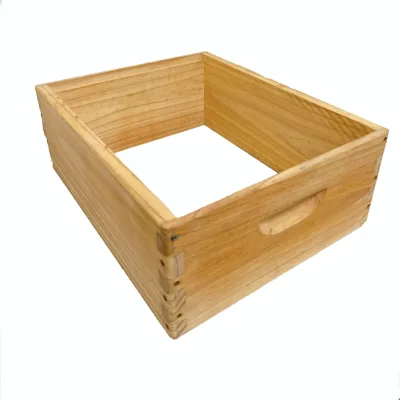
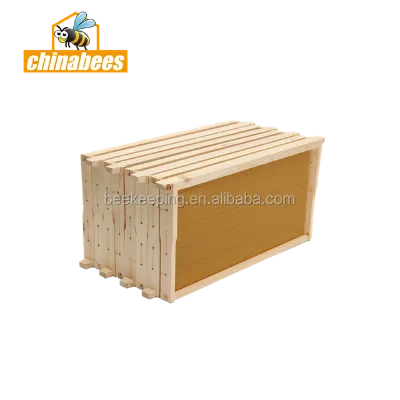
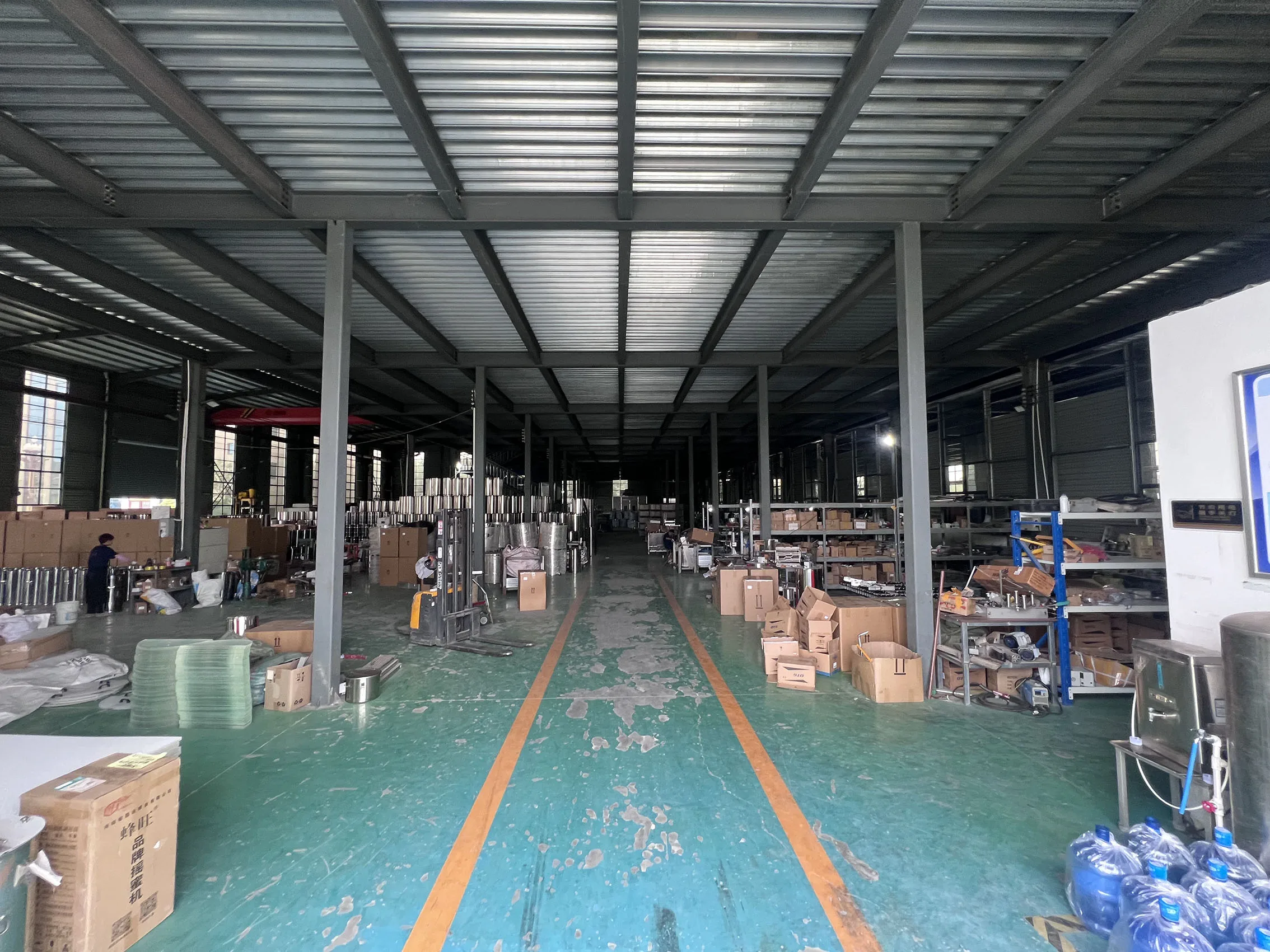
Changge City Sweet Home Beekeeping Co., Ltd.
- Trading Company
- Henan, China
- Lead time7 days
- Avg. response≤ 1h
Main productsBeehive,Beeware,Bee-dress,Bee-keeping equipment,Bee culture machinary
Main marketsNorth America(20.0%), South Asia(10.0%), Southern Europe(10.0%), Northern Europe(10.0%), Western Europe(10.0%), Eastern Asia(10.0%), Mid East(10.0%), Southeast Asia(10.0%), Eastern Europe(10.0%)
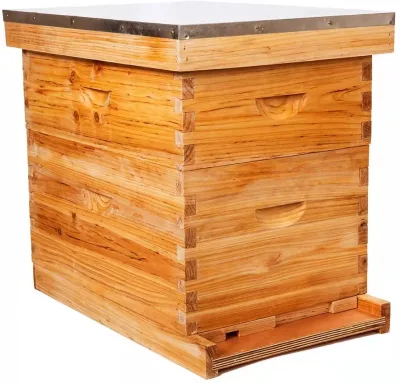
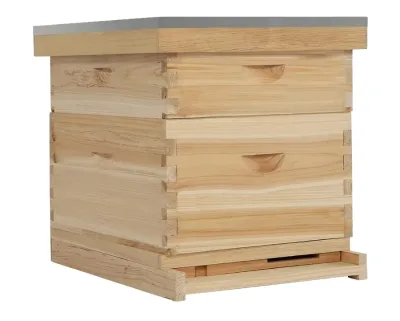
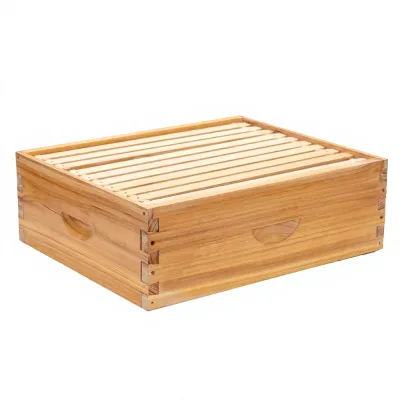
Beekeeping Equipment Bee Hive High Quality Pine Wood Bee Box 2 Layer Langstr Beehive
$23.00 - $24.90
MOQ: 1
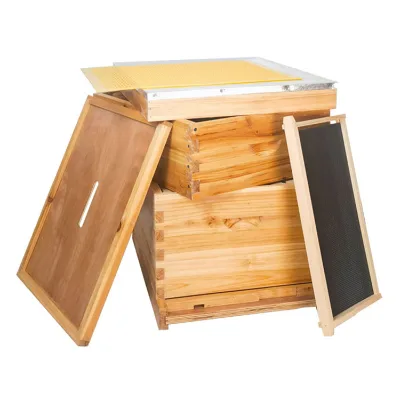
Hot Sell Beehive Accessory Fir Wood Deep Bee Box 20-Frame Langstroth Deep Box For Beekeeping
$23.00 - $24.90
MOQ: 1 pieces
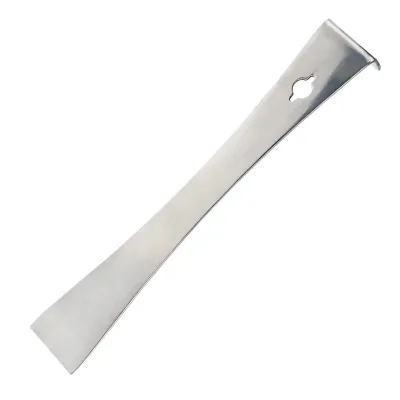
Henan Baichun Bio-Technology Co., Ltd.
- Trading Company
- Henan, China
- Lead time15 days
- Avg. response≤ 5h
Main productsBeekeeping equipment,Beehive,Honey extractor,Bee suit,Beeswax foundation machine
Main marketsOceania(30.0%), North America(20.0%), Eastern Europe(10.0%), South America(8.0%), Mid East(8.0%), Eastern Asia(6.0%), Western Europe(5.0%), South Asia(5.0%), Central America(3.0%), Southern Europe(2.0%), Africa(2.0%), Southeast Asia(1.0%)
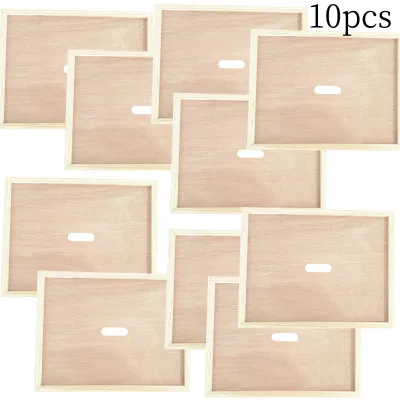
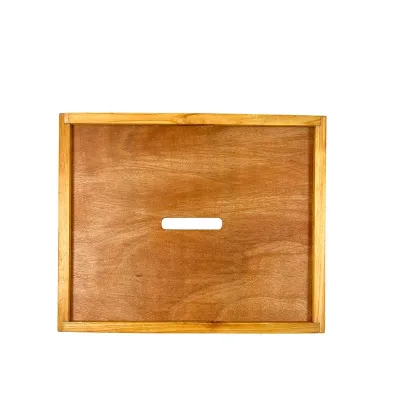
10PCS Langstroth Inner Cover for 10 Frame Beehive
$26.19 - $27.50
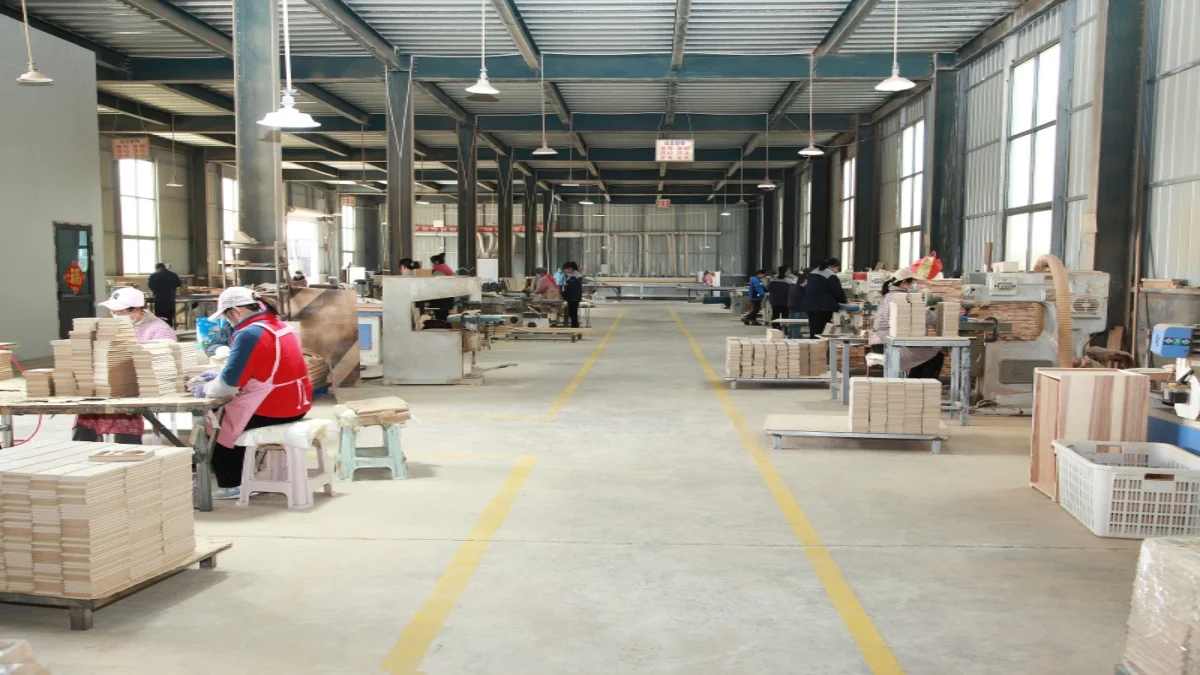
Caoxian Dongxing Arts And Crafts Co., Ltd.
- Manufacturer, Trading Company
- Shandong, China
- Lead time30 days
- Avg. response≤ 5h
Main productswooden craft,wooden tray,wooden box,wooden home decor,wooden shelf
Main marketsNorth America(50.0%), Eastern Asia(30.0%), Western Europe(20.0%)
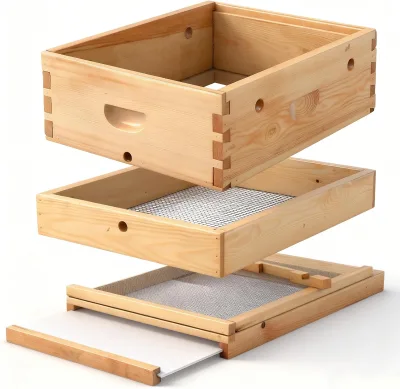
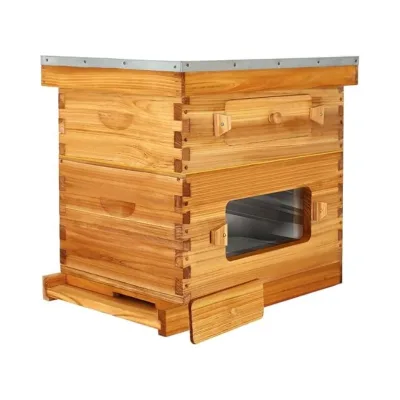
$2.05 - $4.11
MOQ: 500 pieces
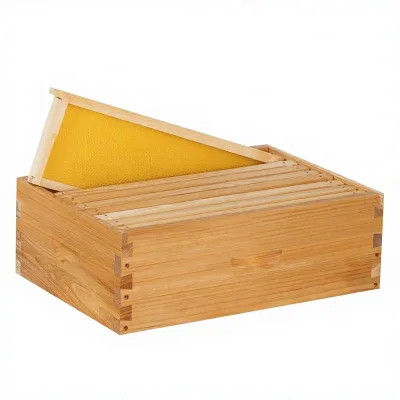

Henan Bee Healthy Bio-Technology Co., Ltd.
- Trading Company
- Henan, China
- Lead time0 days
- Avg. response≤ 12h
Main productsBeehive,Honey Extractor,Bee Smoker,Bee Suit,Beeswax Machine
Main marketsDomestic Market(20.0%), North America(10.0%), Mid East(10.0%), Oceania(10.0%), Africa(10.0%), Southeast Asia(10.0%), Eastern Europe(10.0%), South America(10.0%), Eastern Asia(5.0%), Western Europe(5.0%)

- Manufacturer/Factory,Group Corporation
- China Hubei
- Lead time23 days
- Avg. response≤ 6h
Main productsAgro Machine, Food Machine, Milking Machine, Tractor, Parboiled Rice Milling Machine, Thresher, Harvester, Solar Dryer, Seeder, Biogas Products
Main marketsSouth America,Eastern Europe,Mid East,North America,Southeast Asia,Eastern Asia,Oceania,Western Europe,Africa

Chengdu Flybee Trading Co., Ltd.
- Manufacturer, Trading Company
- Sichuan, China
- Lead time0 days
- Avg. response≤ 4h
Main productsvarroa mite treatment,beekeeping accessories,beekeeping equipment,beekeeping supplies,honey processing and honey harvesting equipment
Main marketsEastern Europe(20.0%), Mid East(20.0%), South America(10.0%), South Asia(5.0%), Southern Europe(5.0%), Northern Europe(5.0%), Central America(5.0%), Western Europe(5.0%), Eastern Asia(5.0%), North America(5.0%), Oceania(5.0%), Africa(5.0%), Southeast Asia(5.0%)
- Manufacturer, Trading Company
- Henan, China
- Lead time3 days
- Avg. response≤ 5h
Main productsHoney Extractor,Bee Smoker,Uncapping Knife,Comb Foundation,Sheepskin Gloves
Main marketsSouth America(30.0%), North America(30.0%), Northern Europe(20.0%), Southeast Asia(10.0%), Mid East(10.0%)
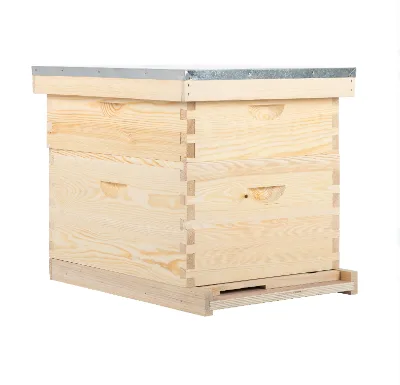
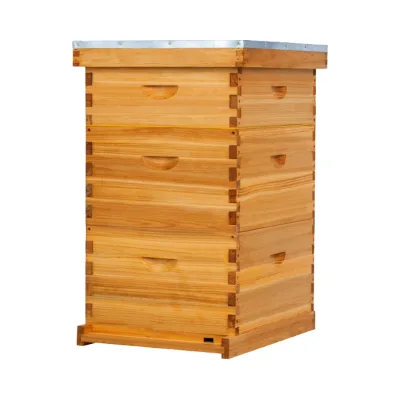
Langstroth Beehive Starter Kit 10 Frame Pine Wax Coated Material New Condition Beekeeping Equipment
$26.50 - $28.50
MOQ: 1 pieces
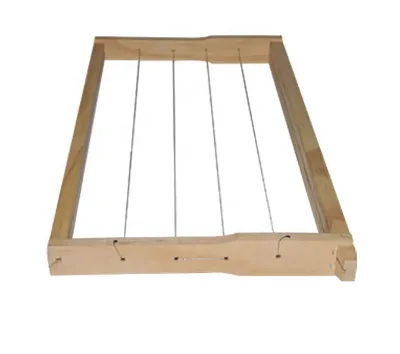
Fully Assembled and Wired Full Depth Beehive Frames Wired Beehive Frames
$0.67 - $0.97
MOQ: 1000 Minimum
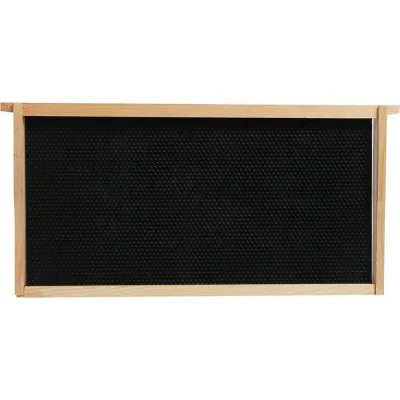
Beehive Frames with Plastic Foundation Kit Brood Wooden Frames with Foundation
Contact supplier
MOQ: 1000
Henan Xingbo Bee Industry Co., Ltd.
- Verified by SGS Group
- Manufacturer, Trading Company
- Lead time15 days
Main productsBeeswax, Bee pollen, Bee hive, Bee frames, Beekeeping equipment
Main marketsNorth America(30%), Mid East(30%), Africa(20%)
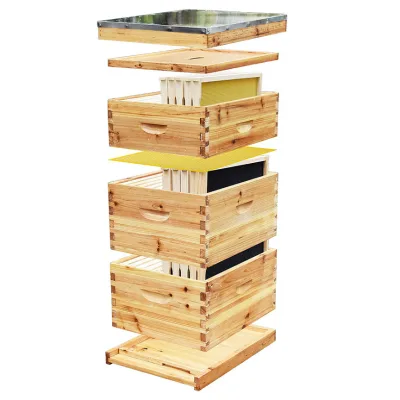
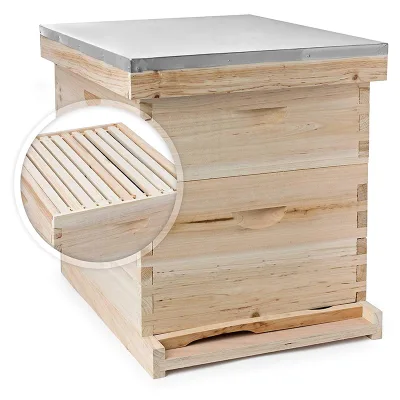
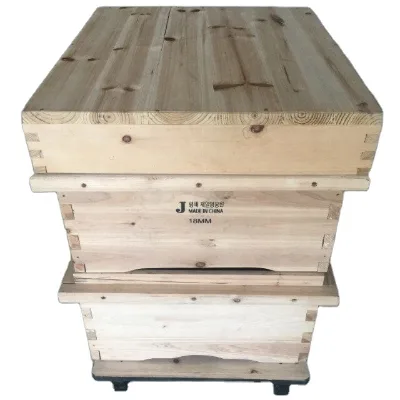
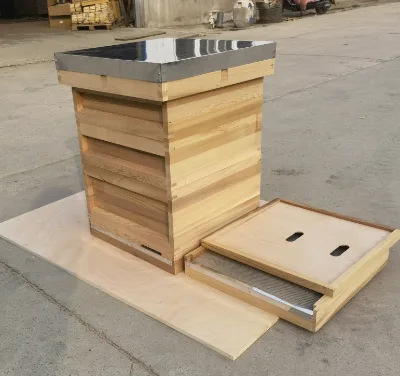
One Deep and One Shallow for Bees Langstroth Wood Bee Hive
$25.00 - $39.00
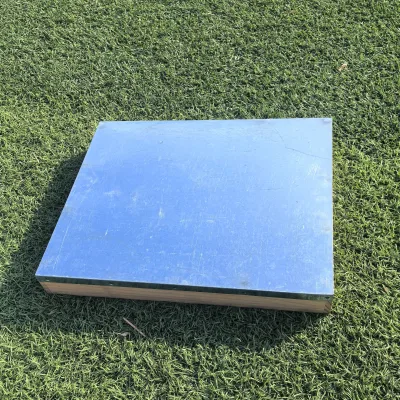
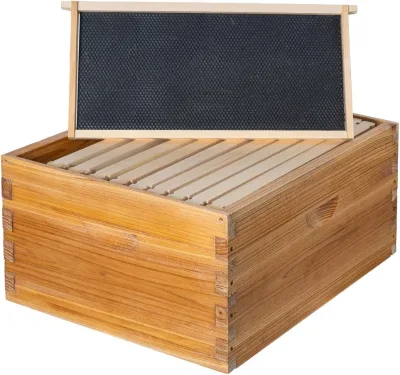

Yantai LSL Wood Arts &Crafts Co., Ltd.
- Trading Company
- Shandong, China
- Lead time30 days
- Avg. response≤ 3h
Main productsWooden Holder and Rack, Wooden Cutting Board, Wooden Photo Frame, Storage Box and Bin, Wooden Box
Main marketsNorth America(28.999999999999996%), South America(10.0%), Western Europe(10.0%), Southern Europe(10.0%), Northern Europe(10.0%), Eastern Europe(10.0%), Eastern Asia(5.0%), Oceania(5.0%), Mid East(5.0%), Africa(2.0%), Southeast Asia(2.0%), South Asia(1.0%), Central America(1.0%)
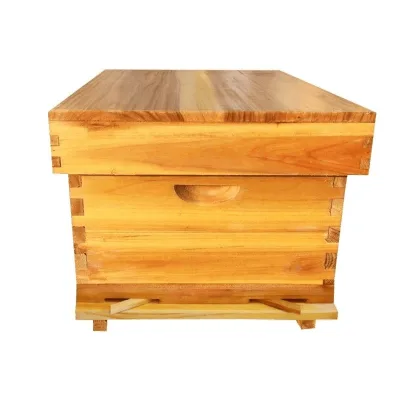
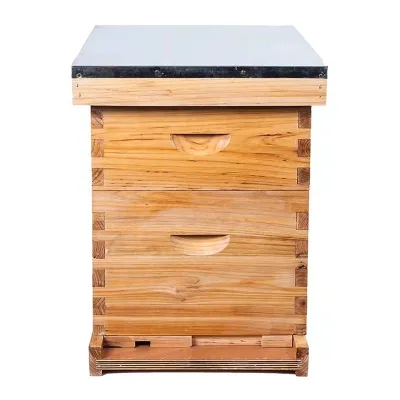
High Quality 2-Layer Langstr Beehive New Condition Beekeeping Equipment Pine Wood Bee Box
$33.36 - $33.38
MOQ: 200 pieces


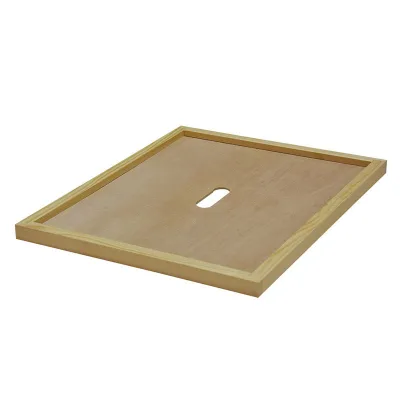
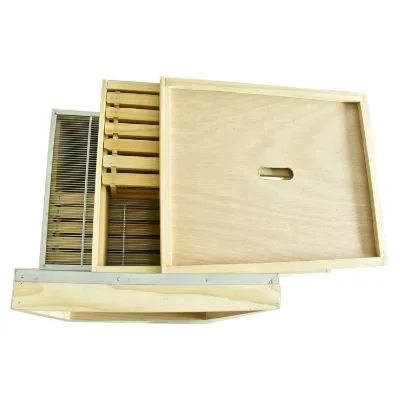
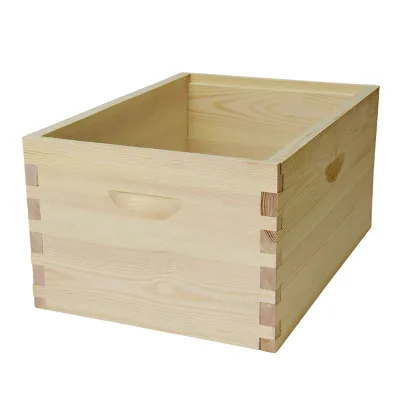
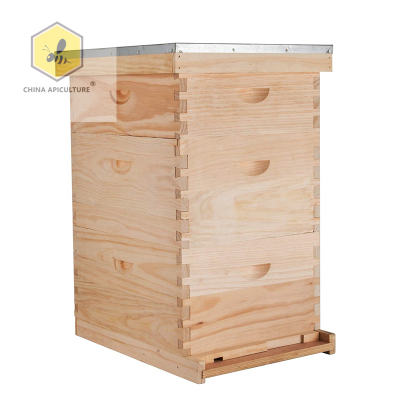
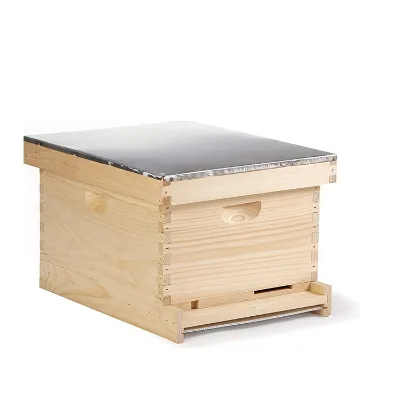
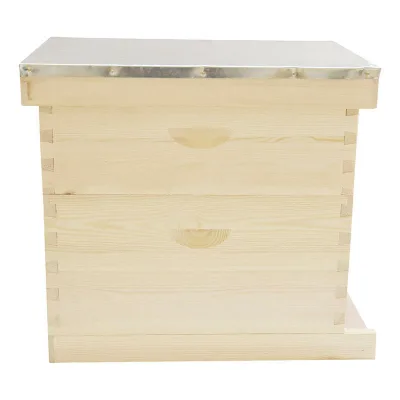
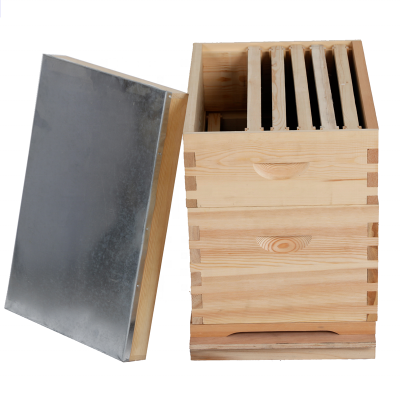


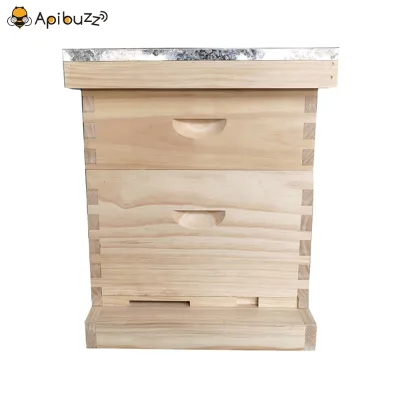
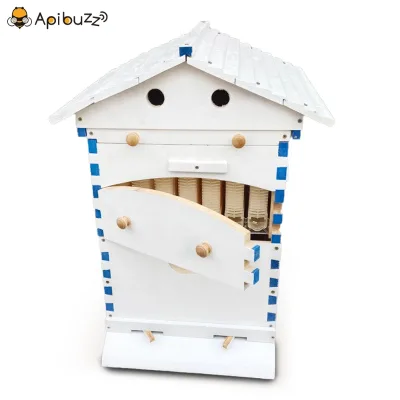
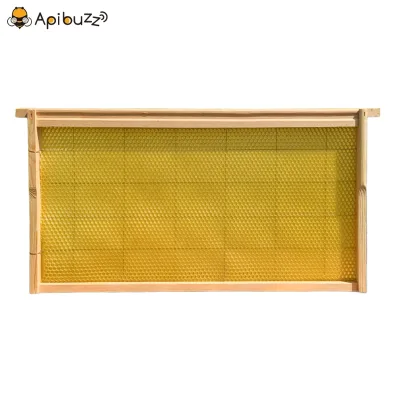
Comprehensive Sourcing Guide
Polished Wooden Langstroth Beehive Supplier Concentration and Factory Types
The available data indicates a specific concentration of manufacturing activity in Henan, China, for polished wooden Langstroth beehives. Multiple product listings explicitly state the origin as Henan, China, or simply China, with specific references to the Henan province. This geographic clustering suggests that buyers seeking this specific equipment should prioritize suppliers located in this region to ensure alignment with established supply chains. The presence of multiple product entries originating from this single location reinforces the likelihood of a specialized industrial cluster for apiculture equipment in this area.
Regarding company structures, the observed supplier types include a mix of combined entities, manufacturers, and trading companies. Some suppliers are identified as "Combined" or "Manufacturer, Trading Company," indicating they may handle both production and sales functions directly. This dual capability can be advantageous for buyers seeking direct factory access while maintaining the flexibility of a trading partner. However, the exact proportion of pure manufacturers versus trading companies varies, and buyers must verify the specific operational model of each potential partner to ensure they are dealing with the intended source of production.
How to Verify Polished Wooden Langstroth Beehive Suppliers
Verification of supplier credentials is critical when sourcing polished wooden Langstroth beehives, and the provided data highlights specific verification markers available for assessment. One key indicator found in the results is the CTI verification status, which serves as a third-party confirmation of the supplier's operational legitimacy. Buyers should actively look for this specific verification badge or statement in supplier profiles to confirm that the entity has undergone external scrutiny. Additionally, the presence of an ISO9001:2015 certificate is a documented standard for quality management systems, suggesting that the supplier adheres to recognized international protocols for production consistency.
Beyond certifications, buyers must scrutinize the response time metrics provided in supplier profiles to gauge operational responsiveness. The data shows response times ranging from approximately 2.39 to 4 hours, which serves as a tangible metric for communication efficiency. A faster response time often correlates with a more active sales team and better customer service readiness. Buyers should compare these figures across different potential suppliers to identify those that demonstrate a commitment to timely communication. It is essential to note that these metrics are based on current data and may fluctuate, so real-time testing of communication channels is recommended before finalizing any agreements.
What to Compare Across Polished Wooden Langstroth Beehive Suppliers
When evaluating suppliers, buyers should prioritize comparing lead times and minimum order quantities (MOQ) to align with their specific inventory and cash flow requirements. The observed data reveals significant variation in lead times, with some listings indicating a duration of 120 days while others suggest a much shorter window of 3 days. This discrepancy highlights the importance of clarifying production schedules before placing an order, as the actual delivery timeline can vary drastically depending on the specific supplier's capacity and current workload. Similarly, MOQs range from as low as 1 set to 20 sets, offering flexibility for different order sizes but requiring careful selection based on the buyer's volume needs.
Product specifications and customization capabilities form another critical comparison point for buyers assessing polished wooden Langstroth beehives. The data confirms that customization is available across multiple product listings, allowing buyers to request specific dimensions or features. Materials are consistently noted as China Fir, with thickness specifications often listed at 20mm, providing a baseline for quality assessment. Buyers should compare the detailed product attributes, such as box dimensions and packing weights, to ensure the equipment meets their specific apiary requirements. Additionally, the availability of OEM and ODM services indicates that suppliers can tailor products to specific branding or design needs, which is a valuable differentiator for buyers seeking unique solutions.
Common Polished Wooden Langstroth Beehive Sourcing Risks
One significant risk in sourcing polished wooden Langstroth beehives involves the potential inconsistency in product specifications and material quality. While the data indicates that China Fir is a common material, the specific dimensions and construction details can vary between suppliers, even for similar product names. For instance, packing sizes and box dimensions differ across listings, with some showing 604832cm and others 555232cm. Buyers must verify these exact specifications against their requirements to avoid receiving equipment that does not fit their existing frames or hive setups. Relying solely on product titles without confirming detailed attributes can lead to mismatches in the final delivery.
Another risk pertains to the reliability of lead times and the potential for delays in production or shipping. The wide variance in reported lead times, from 3 days to 120 days, suggests that production capacity and scheduling are not standardized across the supplier base. A supplier claiming a short lead time may face unexpected bottlenecks, while a supplier with a longer quoted time might be more reliable but less flexible. Buyers should treat these figures as estimates rather than guarantees and establish clear contractual terms regarding delivery dates. Failure to account for potential delays can disrupt the buyer's operational schedule, particularly if the beehives are needed for a specific season or event.
Polished Wooden Langstroth Beehive Regional Sourcing and Logistics
The geographic concentration of suppliers in Henan, China, presents specific logistical considerations for international buyers. Since the majority of the observed product origins are tied to this region, shipping routes and freight costs will likely be optimized for this location. Buyers should anticipate that logistics planning will revolve around major ports accessible from Henan, which may involve inland transportation to coastal shipping hubs. Understanding the specific port of loading is essential for calculating accurate freight costs and transit times. The consistent origin data simplifies the initial logistics assessment but requires buyers to verify the exact shipping terms and Incoterms with each supplier to avoid unexpected charges.
Logistics efficiency is further influenced by the packaging standards observed in the product data. Listings indicate various packing configurations, such as "2sets/Package" or "Nude Packing," with specific package weights ranging from 21.5kg to 27.1kg. These variations impact the number of units that can be loaded into a container and the overall shipping volume. Buyers should request detailed packing lists and dimensions to optimize container utilization and reduce per-unit shipping costs. Additionally, the weight of the packages affects handling requirements and potential damage risks during transit. Ensuring that the packaging is robust enough to protect the wooden beehives during long-distance shipping is a critical step in the logistics planning process.
Polished Wooden Langstroth Beehive Commercial Terms and Order Planning
Commercial terms for polished wooden Langstroth beehives vary significantly based on the supplier's pricing structure and order volume. The data shows price ranges from as low as $10 to as high as $73.73, reflecting differences in product complexity, customization, and supplier positioning. Buyers must carefully analyze these price points in the context of the specific product attributes, such as the inclusion of frames or specific finishing treatments. It is crucial to request detailed quotations that break down costs for materials, labor, and any additional customization fees to ensure transparency. Relying on a single price point without understanding the underlying cost drivers can lead to budget overruns or unexpected expenses.
Order planning must also account for the diverse minimum order quantities and payment terms offered by different suppliers. While some suppliers accept orders as low as one set, others require a minimum of 20 sets, which can impact the initial investment and inventory management strategy. Buyers should align their order quantities with their production or sales forecasts to avoid overstocking or stockouts. Furthermore, the availability of escrow services and warranty terms, such as the 1-year warranty noted in some listings, provides a layer of financial security. Buyers should verify these commercial protections before committing to an order, ensuring that they have recourse in case of quality issues or delivery failures.
FAQs
What is the typical lead time for wooden beehives?
The typical lead time for these wooden beehives is 120 days. Some suppliers may offer faster delivery with a lead time of just 3 days. Buyers should confirm the specific timeline with the manufacturer before placing an order to ensure it meets their project schedule.
What is the minimum order quantity for these hives?
The minimum order quantity varies by product listing. Some options require a minimum of 1 set, while others start at 2 sets or 10 sets. A specific painted model lists a minimum order of 20 units. Always check the specific product page for the exact MOQ.
Are these beehives made from China Fir wood?
Yes, the wooden beehives are constructed from China Fir material. This wood is selected for its durability and suitability for beekeeping environments. The thickness of the wood is typically 20mm, ensuring the structure is robust enough to withstand regular use in apiaries.
Do suppliers offer customization for these beehives?
Customization is available for many of the listed beehive models. Buyers can request specific sizes or modifications to the standard Langstroth design. The supplier capabilities include both OEM and ODM services to accommodate unique requirements for commercial or personal beekeeping operations.
What certifications do the suppliers hold?
The suppliers hold ISO9001:2015 system certification. This indicates adherence to international quality management standards for their manufacturing processes. Additionally, some suppliers are verified by CTI, providing an extra layer of trust regarding their business operations and product reliability.
Where are these beehives manufactured?
These beehives are manufactured in Henan, China. The location is consistently listed as the place of origin for the wooden Langstroth models. Buyers sourcing from this region can expect products that are specifically designed for the local climate and beekeeping practices.
What is the price range for a single beehive?
The price range for a single beehive typically falls between 10 and 73 dollars. Specific models may cost as low as 15 dollars or as high as 35 dollars depending on the configuration. Prices vary based on the included accessories and the specific dimensions of the hive.