Source Christmas 3D Lenticular Poster for Decoration, Gifts, and Events
Compare 30 listings for Christmas 3D Lenticular Poster featuring effects like 3D, Flip, and Animation. Buyers can review thickness, size, and customization options from suppliers in China to find suitable products for decoration, gifts, and events; compare the available evidence and request quotations based on your requirements.
Key considerations
Products List


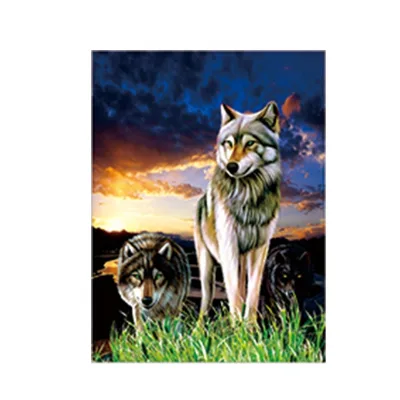
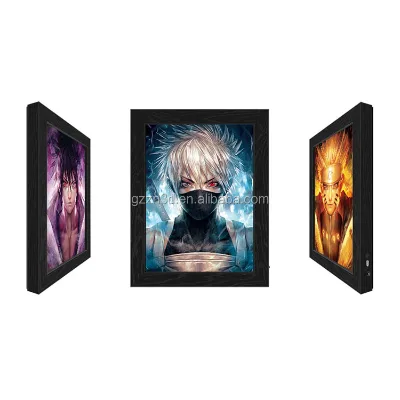
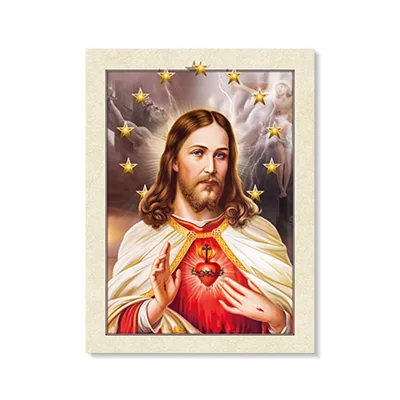

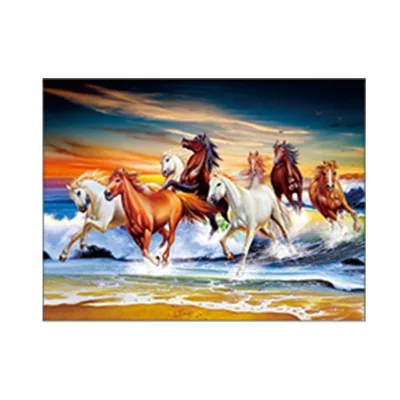
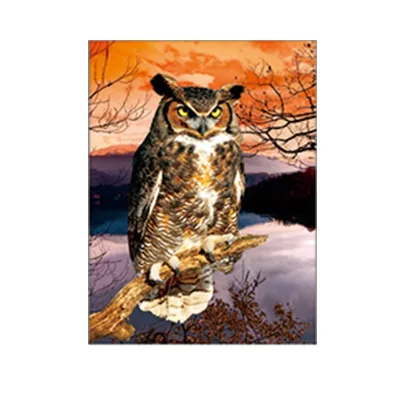
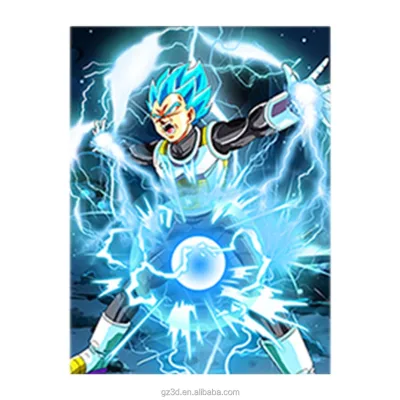
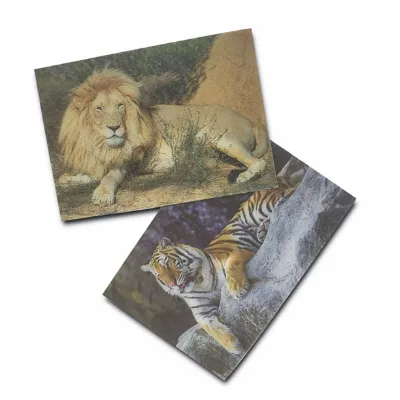
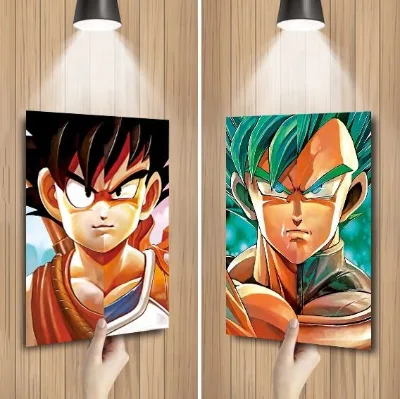


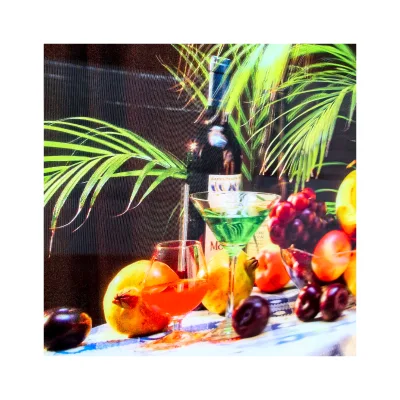
Customized 3D Lenticular Printing Paper Postcard/ Business Card/ Gift Card
$0.20 - $0.26
MOQ: 500 Pieces
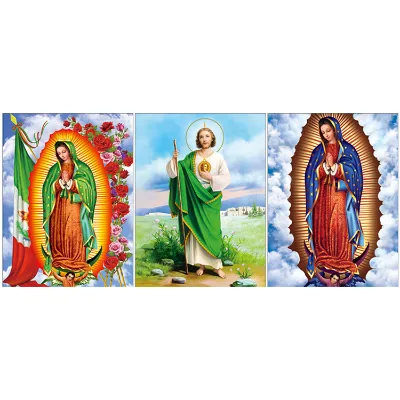
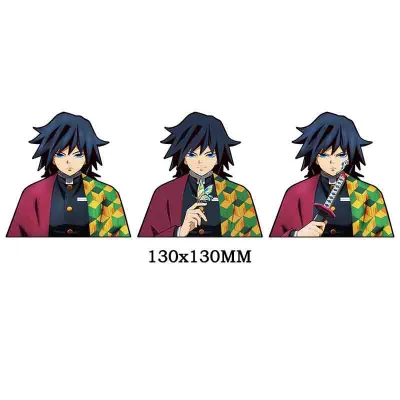
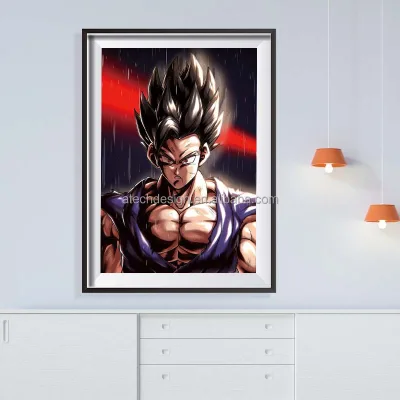
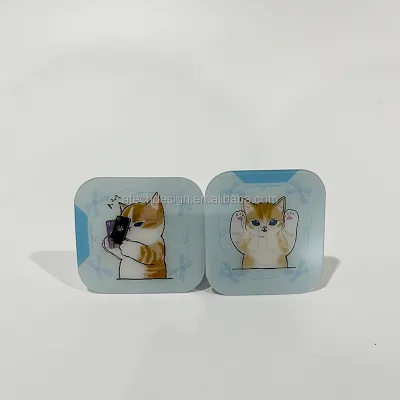
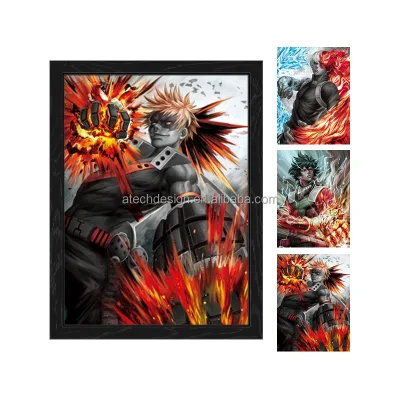
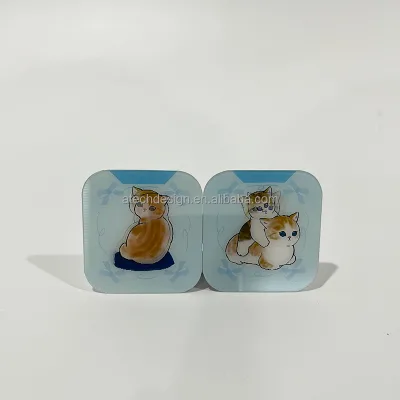
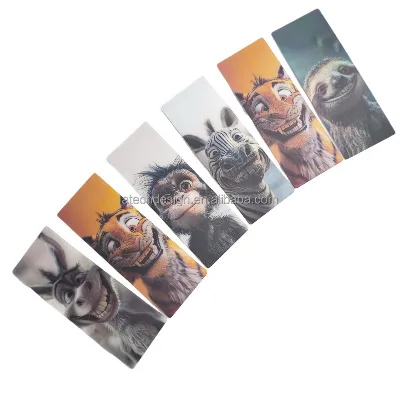
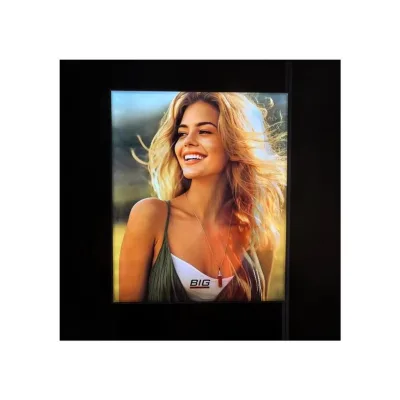


Comprehensive Sourcing Guide
Christmas 3D Lenticular Poster Sourcing Guide
Christmas 3D lenticular posters combine seasonal artwork with lenticular lens technology, producing effects such as 3D depth, flip, zoom, morph, move, and animation. For B2B buyers, these products serve retail promotions, back-to-school and holiday merchandising, decoration programs, and shopping-oriented campaigns. Because the effect quality depends heavily on lens pitch, printing registration, and artwork preparation, sourcing decisions should begin with a clear definition of the desired visual effect rather than with price alone.
This guide walks procurement teams through the full sourcing cycle for Christmas 3D lenticular posters: scoping product types and listing signals, verifying technical specifications, assembling compliance documentation, understanding cost drivers and commercial terms, qualifying suppliers, and setting up long-term procurement checks. All observations here reflect attributes documented in the supplied product listings, including models such as GZY030, GZY-C196, GZY-C197, GZY-C160, GZY-C184, GZY-C208, and 3D-B002, alongside typical commercial signals such as SGS certification references and design formats like PDF, AI, JPG, and PSD.
Product Scope and Observed Listing Signals
The supplied listings describe a coherent product family rather than a single item. Observed effects include 3D, 2D, flip, zoom, morph, move, animation, 3D+flip, and active combinations, meaning buyers can select one effect or combine several in one design. Documented product types include flower and plant themes, animal styles, alphabet patterns, and anime posters, all of which can be adapted to Christmas artwork such as seasonal characters, wreaths, or festive typography. Brand references include Baoqian3D, and origin attributes point to Jiangmen City and Guangdong, China.
Commercial signals in the listings are equally instructive. One listing records an MOQ of 100 pcs, while the observed overall MOQ range across the category spans 1 to 1000 pieces, so buyers should confirm per-listing minimums before quoting. Observed prices range from 0.05 to 2000 USD, reflecting differences in size, effect complexity, and order volume rather than a single market rate. Buyers should treat these figures as observations of individual listings, not guaranteed benchmarks for every Christmas 3D Lenticular Poster order.
Technical Specifications to Verify
Thickness is the most variable documented specification. Listings record minimum thicknesses of 0.3mm and 0.25mm, maximum thicknesses of 8mm and 2mm, and specific thickness options of 0.35mm, 0.45mm, 0.53mm, 0.6mm, and 0.9mm. Thin sheets around 0.3mm suit lightweight posters, while thicker stock supports deeper 3D effects and rigid displays. Buyers should match thickness to effect type: flip and animation effects tolerate thinner material, whereas pronounced 3D depth generally benefits from thicker lenticular sheet.
Size and surface finishing also require explicit confirmation. One listing states the largest size for the whole sheet as 110240cm, a standard size of 1015cm is documented, and customization of size is listed as an attribute, with one model noting "customize size" as its standard. Surface finish is recorded as film lamination, which protects printed artwork during handling and shipping. Buyers should request a sheet-size map showing how many poster dimensions nest within a 110*240cm sheet, since layout efficiency directly affects unit cost and waste.
Compliance and Safety Documentation
Documentation should be requested before sampling, not after production. The supplied listings reference SGS certification, so buyers should ask each candidate supplier for the current SGS report covering the exact product construction being ordered, and confirm which tests it covers rather than assuming broad compliance. Because no other certification status is documented in the supplied context, buyers should independently verify any additional certificates a supplier claims, checking certificate numbers, scope, and validity dates with the issuing body where possible.
Material composition matters for seasonal retail products that may be handled by children or displayed in homes. Listings identify plastic as the material and describe features such as recyclable and eco-friendly, but these attributes are supplier observations, not verified claims. Buyers should request material declarations identifying the plastic types used in the lens sheet and backing, ask how the recyclable claim is substantiated, and confirm whether inks and laminating films meet the safety requirements of their destination market. Shipping carriers named in the listings include FedEx, DHL, UPS, and TNT, which simplifies logistics documentation.
Cost Drivers and Commercial Terms
Price variation in the observed range, from 0.05 to 2000 USD, is driven mainly by effect complexity, thickness, sheet utilization, and order quantity. Multi-effect designs such as 3D+flip or animation require more interlaced frames and tighter printing tolerances than a single flip, increasing both proofing and production cost. Thicker lens sheet carries higher material cost, and layouts that waste the 110*240cm sheet raise the effective price per finished poster. Buyers should request quotes broken down by tooling, proofing, printing, and finishing.
Commercial terms should be settled in writing before tooling begins. Observed packing options include CTN, pallet, and plywood box; plywood boxes add cost but protect large-format or thick stock on multi-leg shipments. Shipping options recorded in the listings include DHL, FedEx, UPS, TNT, by air, and by sea, so buyers should compare express convenience against sea freight economy for their volume. Confirm whether quoted prices are per piece or per sheet, whether packing materials are included, and which Incoterms apply, since these details explain much of the spread between apparently similar quotes.
Supplier Qualification and Quality Control
Supplier qualification should center on demonstrated lenticular capability rather than general printing credentials. Start with the documented signals: model numbers such as GZY030 and the GZY-C series indicate an established product line, and origin attributes identify Jiangmen City, Guangdong, and China as documented production locations. Ask candidates to provide effect samples, not flat print samples, because lenticular registration, pitch alignment, and image switching can only be judged on finished lens material under normal viewing conditions.
Quality control should be defined as a written process before mass production. Require a pre-production proof in the exact thickness and finish specified, approve it against the submitted design file in PDF, AI, JPG, or PSD format, and record the approved sample as the reference standard. During production, specify inspection points for registration accuracy, scratch and lamination defects, color consistency across the run, and effect performance at the intended viewing distance. Listings note selling units as single items and standard packaging, so define carton counts, inner protection, and pallet configuration in the QC checklist to avoid transit damage disputes.
Long-Term Procurement Checks
For repeat seasonal programs, build a procurement file that survives annual reorders. Record the approved model number, thickness, effect type, sheet size, design format, and packing specification for each Christmas poster SKU, so reorders reference verified parameters instead of memory. Because customization is a documented attribute, maintain version-controlled artwork files and reconfirm with the supplier each season that tooling, lens pitch, and file setup remain unchanged, particularly if the supplier has introduced new equipment or materials.
Annual review should revalidate the claims that time erodes. Refresh SGS or other certification documents each year, confirm that recyclable and eco-friendly statements remain substantiated for current material lots, and re-quote freight since carrier mix between DHL, FedEx, UPS, TNT, air, and sea shifts with fuel and capacity conditions. Track defect rates and effect complaints by SKU across seasons, share the findings with the supplier at each reorder, and use consistent historical data to negotiate volume pricing, improved packing, and priority production slots for the next holiday cycle.
FAQs
What effects can a Christmas 3D Lenticular Poster display?
Christmas 3D lenticular posters can display 3D, flip, zoom, morph, move, animation, and 3D plus flip effects. The chosen effect depends on the lenticular lens design and the artwork supplied. Buyers typically provide design files in PDF, AI, JPG, or PSD format, and the printing partner converts the artwork into interlaced frames suited to the selected effect and lens pitch.
What sizes are available for Christmas 3D Lenticular Poster printing?
Sizes are customizable, and the largest size for a whole sheet is 110 by 240 centimeters. A common standard size is 10 by 15 centimeters, which suits postcards and small holiday promotions. Buyers can request custom dimensions within the maximum sheet size, and smaller formats can be die-cut or finished from larger printed sheets to match campaign requirements.
What thickness options suit a Christmas 3D Lenticular Poster?
Thickness options commonly range from a minimum of 0.25mm to 0.3mm up to a maximum of 2mm to 8mm depending on the model. Listed thickness values include 0.35mm, 0.45mm, 0.53mm, 0.6mm, and 0.9mm. Thinner material suits flat posters and mailers, while thicker lenticular sheet gives stronger depth for premium displays and point-of-sale pieces.
Can I customize the artwork on a Christmas 3D Lenticular Poster?
Yes, customization is available. Suppliers accept design files in PDF, AI, JPG, and PSD formats, and the artwork is prepared for the chosen effect such as 3D, flip, zoom, or animation. Provide print-ready files with seasonal artwork, and confirm size, thickness, and effect before production so the lenticular interlacing matches the lens material and viewing distance.
How is a Christmas 3D Lenticular Poster packed and shipped?
Packing options include cartons, pallets, and plywood boxes for larger or heavier orders, with standard packaging for single-item sales. Shipping can be arranged via DHL, FedEx, UPS, TNT, by air, or by sea. Small urgent orders usually move by express courier, while bulk quantities travel by air or sea freight depending on budget and delivery deadlines.
What is the typical MOQ for Christmas 3D Lenticular Poster orders?
A listed MOQ is 100 pieces for lenticular picture products, though MOQ ranges across listings span from 1 to 1000 pieces. Flexible minimums often depend on size, effect complexity, and material thickness. Custom artwork generally requires higher minimums than stock designs, so confirm the MOQ for your specific specification before requesting a formal quotation.
Which material and finish are used for Christmas 3D Lenticular Poster products?
These posters use plastic lenticular material with a film lamination surface finish, giving protection and a glossy appearance. Some products list eco-friendly and recyclable features, which matters for seasonal retail packaging and sustainability goals. Foam technique is also listed among production techniques. Confirm material composition, finish, and recyclability details with the supplier for your exact order specification.
Which certifications or quality checks apply to Christmas 3D Lenticular Poster suppliers?
SGS is listed among certifications on these product pages, indicating third-party verification is available from certain suppliers. Certification coverage varies by product model, so request the certificate applicable to your order. For print quality, discuss proofing and sample approval before mass production, since effect clarity depends on correct lenticular interlacing and registration during printing.