Portable Absorption Mini Refrigerator Suppliers and Manufacturers
Find 15 verified suppliers offering Portable Absorption Mini Refrigerator units with CE, RoHS, and UL certifications. Compare response times, lead times, and MOQs to source compact cooling solutions from China Shandong factories. Contact suppliers directly to request quotes; review the available evidence before requesting comparable quotations from suitable candidates.
Suppliers List

Qingdao Vestar International Industry Co., Ltd.
- Verified by BV
- Trading Company
- China Shandong
- Lead time30 days
- Avg. response≤ 3h
Main productsRefrigerator, Air Conditioner, Range Hood, Gas Hobs, Oven, Washing Machine, Microwave, Dishwasher, Showcase, Chest Freezer
Main marketsSouth America,Africa,Southeast Asia/ Mideast,Domestic,Europe,Australia,North America


Mini Gas Powered and Electric Powered Refrigerator Portable Wholesale
$200.00 - $400.00
MOQ: 48 Pieces

Qingdao Yunlei Electric Applicance Co., Ltd.
- Verified by TUVRHEINLAND
- Manufacturer/Factory
- China Shandong
- Lead time45 days
- Avg. response≤ 4h
Main productsShowcase, Freezer, Refrigerator, Ice Maker Microwave, Oven Air-Cooled Glass Cabinet, Kitchen Equipment, Kitchen Fridge, Air-Cooled Glass Cabinet, Cooling Workbench, Stainless Steel Stove
Main marketsSouth America,Eastern Europe,Mid East,North America,Southeast Asia,Eastern Asia,Oceania,Western Europe,Africa

Hot Sales Refrigerator Mini Fridge DC Power Refrigerator Portable Mini Refrigerator
$55.70 - $212.75
MOQ: 20 Pieces


Portable Universal Refrigerator Home Small Single Door Mini Fridge Refrigerator Freezer
$63.80 - $67.00
MOQ: 180 Pieces


Zhengzhou Hepo International Trading Co., Ltd.
- Verified by TUVRHEINLAND
- Trading Company,Manufacturer/Factory,Group Corporation
- China Henan
- Lead time98 days
- Avg. response≤ 3h
Main productsMedical Refrigerator, Deep Freezer, Cooler Box, Auto Biochemistry Analyzer, Auto Hematology Analyzer, Ultrasound Scanner, Laminar Air Flow Cabinet, Incubator, Class II Biological Safety Cabinet, Digital X Ray Machine
Main marketsSouth America,Eastern Europe,Mid East,North America,Southeast Asia,Eastern Asia,Oceania,Western Europe,Africa


40L Mini Absorption Refrigerator for Medical Usage with Gas and 12V Electrical
$220.00 - $290.00
MOQ: 10 Pieces


50L Mini Silent Absorption Refrigerator
MOQ: 10 Pieces

Qingdao Smad Electric Appliances Co., Ltd.
- Verified by BV
- Manufacturer/Factory
- China Shandong
- Lead time60 days
- Avg. response≤ 11h
Main productsRefrigerator, Freezer, Washing Machine, Air Conditioner, Dish Washer, Display Cooler, Microwave Oven, Water Dispenser, Wine Cooler, Clothes Dryer
Main marketsSouth America,Eastern Europe,Mid East,North America,Southeast Asia,Eastern Asia,Oceania,Western Europe,Africa

- Verified by TUVRHEINLAND
- Trading Company,Manufacturer/Factory
- China Shandong
- Lead time23 days
- Avg. response≤ 7h
Main productsRefrigeration Part, Evaporator, Compressor, Condenser, Refrigerator Condenser, Filter Drier, Access Valve, Accumulator, Refrigeration, Refrigerator Part
Main marketsSouth America,Eastern Europe,Mid East,North America,Southeast Asia,Eastern Asia,Oceania,Western Europe,Africa

- Verified by BV
- Trading Company
- China Shandong
- Lead time15 days
- Avg. response≤ 10h
Main productsCompressor, Condenser, Evaporator, Auto AC Parts, Refrigeration Part, Sensor, Insulation Tube, Motors, Unit Cooler, Thermostat
Main marketsSouth America,Southeast Asia/ Mideast,East Asia(Japan/ South Korea),Domestic,Europe

Qingdao Shing Auto Parts Co., Ltd.
- Trading Company,Manufacturer/Factory
- China Shandong
- Lead time45 days
- Avg. response≤ 3h
Main productsParking Air Conditioner, Car Air Conditioning Condenser, Car Refrigerator, Car Air Conditioning Evaporator, Car Air Conditioning Compressor, Axial Fan, Motorcycle Helmet, Refrigeration Filter Dryer, Freezer Compressor, A/C Control System
Main marketsSouth America,Eastern Europe,Mid East,North America,Southeast Asia,Eastern Asia,Oceania,Western Europe,Africa

Zhejiang Heerxin Refrigeration Appliance Technology Co., Ltd.
- Combined
- China Zhejiang
- Lead time30 days
- Avg. response≤ 4h
Main productsDeep Freezer, Car Refrigerator, Medical Refrigerator, Tuna Freezer, Blood Bank Refrigerator, Low Temperature Freezer, Commercial Refrigerator, Household Refrigerator, Laboratory Freezer, Pharmacy Refrigerator
Main marketsDomestic

- Verified by SGS
- Trading Company
- China Zhejiang
- Lead time15 days
- Avg. response≤ 17h
Main productsFan, Heater Fan, Air Fryer, Toaster, Rice Cooker, Vacuum Cleaner, Coffee Machine, Hairdressing Appliance, Electric Toothbrush, Steam Iron
Main marketsEurope,Australia

Small Fridge Mini Refrigerators Cooler Portable Auto Mini Fridge Travel
$20.04 - $22.39
MOQ: 50 Pieces

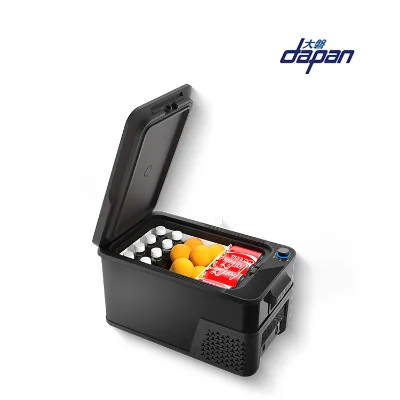
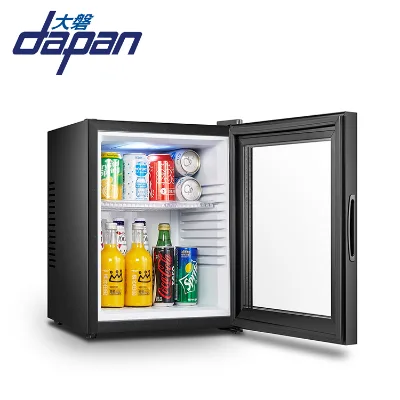
Da Pan Electric Appliance Ind. Co., Ltd.
- Verified by SGS Group
- Manufacturer, Trading Company
- Lead time45 days
- Avg. response≤ 2h
Main productsRefrigerator, Wine Cooler, Commercial Refrigerator, Cigar Humidor, Car Fridge
Main marketsNorth America(20%), Northern Europe(16%), Southeast Asia(10%)

Hangzhou Juka Solar Tech Co., Ltd.
- Verified by BV
- Combined
- China Zhejiang
- Lead time30 days
- Avg. response≤ 9h
Main productsFreezer, Refrigerator, Ice Maker, Solar Ice Cream Tricycle, Car Fridge, Solar Air Conditioner, Solar Cooler, Solar Fan, Solar Mobile Vaccine Refrigerator, Solar Panel Battery Controller
Main marketsAfrica,Southeast Asia/ Mideast,Domestic

Cixi Zhuoyue Electric Appliance Co., Ltd.
- Combined
- China Zhejiang
- Lead time30 days
- Avg. response≤ 20h
Main productsWater Cooler, Chest Freezer
Main marketsSouth America,Africa,Southeast Asia/ Mideast,East Asia(Japan/ South Korea),Domestic,Europe

Shenzhen Sachikoo Yongfa Technology Co., Ltd.
- Verified by TUVRHEINLAND
- Combined
- China Guangdong
- Lead time15 days
- Avg. response≤ 3h
Main productsSafe, Telephone, LED Mirror, Electric Kettle, Mini Fridge, Hairdryer
Main marketsSouth America,Southeast Asia/ Mideast,Europe,Australia,North America


48 Liter Hotel Mini Refrigerator Fridge Portable Electric Cooler Outdoor Use
$66.50 - $67.50
MOQ: 20 pieces


Feilong Home Electrical Group Co., Ltd.
- Verified by TUVRHEINLAND
- Combined
- China Zhejiang
- Lead time30 days
- Avg. response≤ 9h
Main productsTwin Tub Washing Machine, Top Loading Fully Automatic Washing Mach, Washing Machine, Freezer, Glass Door Freezer, Refrigerator, Mini Refrigerator, Chest Freezer, Semi Automatic Washing Machine, Upright Freezer
Main marketsEurope

Foshan Shunde Ruibei Refrigeration Equipment Co., Ltd.
- Verified by SGS
- Combined
- China Guangdong
- Lead time60 days
- Avg. response≤ 3h
Main productsUpright Cooler, Upright Freezer, Display Refrigerator, Refrigerator Showcase, Ice Merchandisers, Back Bar Cooler, Multi-Door Display Cooler, Open Chiller, Island Freezer, Fresh Meat Display Refrigerator
Main marketsDomestic




Comprehensive Sourcing Guide
Portable Absorption Mini Refrigerator Supplier Concentration and Factory Types
The current supplier landscape for portable absorption mini refrigerators shows a distinct concentration of manufacturing activity in China, specifically within the Shandong province. This regional clustering suggests a mature supply chain ecosystem where raw materials, component suppliers, and assembly lines are geographically proximate, potentially reducing logistics friction for bulk orders. Buyers observing results from this region should note that the primary product mix often includes a broad range of home appliances such as refrigerators, air conditioners, and washing machines, indicating that these facilities possess versatile production capabilities. The presence of both trading companies and manufacturers in the results highlights a dual-tier market structure where some entities act as intermediaries while others operate direct factory floors.
When evaluating the factory types, it is critical to distinguish between trading companies and manufacturers based on the provided company type data. Some suppliers are identified as trading companies, which may offer a wider variety of products but might have less direct control over the manufacturing process and quality assurance protocols. Conversely, other suppliers are listed as manufacturers or factories, often displaying specific certifications like ISO 9000, TS 16949, and ISO 14001, which signal a commitment to standardized production and environmental management. Buyers must verify if the specific facility handling their order is the actual production site or a sales office, as this distinction impacts the ability to customize designs, manage production schedules, and resolve technical issues directly with the engineering team.
How to Verify Portable Absorption Mini Refrigerator Suppliers
Verification of suppliers in this category relies heavily on third-party audit reports and specific certification badges rather than self-declared claims. The available data indicates that some suppliers hold BV verification status, while others display TUVRHEINLAND credentials, which serve as independent validations of their business operations and compliance standards. Buyers should prioritize suppliers who present these specific verification marks, as they confirm that an external agency has inspected the company's legal standing and operational capacity. It is essential to cross-reference these verification badges with the supplier's profile to ensure the audit is current and covers the specific product lines relevant to portable absorption refrigerators, rather than just a general company overview.
Beyond verification badges, buyers must scrutinize the specific product certifications listed for the absorption units, such as CE, RoHS, UL, SASO, GS, and ETL. These certifications are not merely marketing tools but are often mandatory for market access in different regions, particularly for electrical appliances that operate on varying voltage standards like 115V, 220V, or DC 12V. The presence of multiple certifications, such as a combination of CE, RoHS, and SASO on a single product listing, suggests a higher level of compliance readiness for international export. However, buyers should not assume all listed certifications apply to every model; they must verify that the specific unit they intend to purchase carries the necessary approvals for their target market, as a lack of these specific marks can lead to customs delays or legal liabilities upon import.
What to Compare Across Portable Absorption Mini Refrigerator Suppliers
When comparing potential partners, buyers should focus on quantifiable operational metrics such as lead times, minimum order quantities, and response speeds to gauge reliability and scalability. The data reveals a range of lead times, with some suppliers indicating a 30-day production window while others suggest a 45-day timeline, which can significantly impact inventory planning and market launch schedules. Similarly, minimum order quantities vary widely, with some listings showing MOQs as low as 48 units while others require orders of 574 or 600 units. These disparities mean that buyers with smaller budget constraints or those testing a new market must carefully filter suppliers based on their specific volume requirements to avoid being locked into unmanageable inventory levels.
Response time is another critical differentiator that reflects the supplier's operational efficiency and customer service readiness. Available records show response times ranging from approximately 2 hours to nearly 4 hours, which can influence the speed of negotiation and the resolution of pre-order inquiries. A faster response time often correlates with a more active sales team and better communication channels, which is vital when discussing technical specifications like temperature types, defrost mechanisms, or power source requirements. Additionally, buyers should compare the main product portfolios to ensure the supplier has a dedicated focus on refrigeration units rather than a scattered mix of unrelated appliances, as a specialized focus often translates to deeper technical expertise and more consistent quality control for portable absorption models.
Common Portable Absorption Mini Refrigerator Sourcing Risks
One significant risk in sourcing portable absorption mini refrigerators involves the complexity of power compatibility and voltage specifications across different global markets. The product data indicates a wide array of voltage options, including 115V/60Hz, 220V/50Hz, and DC 12V/24V configurations, alongside varying climate types like ST, SN, and T. If a buyer fails to specify the exact voltage and frequency required for their destination country, they risk receiving units that are incompatible with local power grids, leading to equipment failure or safety hazards. Furthermore, the reliance on specific refrigerants like R600A or R134A requires careful verification against environmental regulations in the target market, as some regions have strict phase-out schedules for certain gas types that could render the inventory non-compliant.
Another substantial risk pertains to the discrepancy between claimed product attributes and actual manufacturing capabilities, particularly regarding customization and material quality. While many listings state that customization is available, the extent of this flexibility varies, and some suppliers may only offer minor cosmetic changes rather than functional modifications to the cooling system or dimensions. The material specifications, such as stainless steel construction or specific foam blowing agents like C5h10, must be rigorously verified against the final product samples to ensure durability and energy efficiency. Additionally, the packing dimensions and weight, which vary from compact cartons to wooden crates, can lead to unexpected shipping cost overruns if the buyer does not accurately calculate the volumetric weight based on the supplier's specific packing standards before finalizing the order.
Portable Absorption Mini Refrigerator Regional Sourcing and Logistics
Sourcing from the identified concentration in China, specifically Shandong, offers logistical advantages but requires careful planning regarding international freight and customs clearance. The proximity of suppliers to major ports in this region can streamline the export process, yet buyers must account for the specific packing dimensions provided in the product data, which range from 26x18.5x28cm for gift boxes to larger wooden crates for bulk shipments. These dimensions directly influence the number of units that can be loaded into a standard container, affecting the overall cost per unit when factoring in ocean freight charges. Buyers should request detailed packing lists and container loading plans from the supplier to optimize space utilization and minimize shipping expenses, especially when dealing with mixed orders that include different refrigerator models.
Logistics planning must also consider the lead time variability observed across different suppliers, which can extend from 30 to 45 days depending on the factory's current workload and production capacity. This production window must be added to the transit time from the port of origin to the destination, creating a total lead time that can span several months. For buyers relying on just-in-time inventory strategies, this extended timeline poses a risk of stockouts if not managed with sufficient buffer stock. It is advisable to establish a clear communication schedule with the supplier to track production milestones and arrange for pre-shipment inspections, ensuring that the goods are ready for dispatch exactly when needed to avoid demurrage charges or storage fees at the destination port.
Portable Absorption Mini Refrigerator Commercial Terms and Order Planning
Commercial terms for portable absorption mini refrigerators often involve significant price variations based on order volume and specific product configurations, with unit prices ranging from $20 to $400 depending on the model and features. The data shows a wide spectrum of pricing, from budget-friendly units around $40 to high-end models exceeding $200, which necessitates a clear definition of the target price point before engaging with suppliers. Buyers must also be aware of the minimum order quantities that accompany these price tiers, as lower prices are often contingent on meeting higher volume thresholds. Understanding the relationship between price, MOQ, and customization options is essential for negotiating favorable terms that align with the buyer's financial constraints and sales projections.
Order planning should also incorporate the specific payment and escrow mechanisms available to protect both parties during the transaction. While the provided data does not explicitly detail escrow terms, the presence of verified suppliers suggests that secure payment channels are likely available to mitigate the risk of non-delivery or quality disputes. Buyers should prioritize suppliers who offer escrow services or trade assurance programs, as these mechanisms ensure that funds are only released once the goods have been inspected and confirmed to meet the agreed-upon specifications. Additionally, planning for the total landed cost, including duties, taxes, and insurance, is crucial, as the base price of the refrigerator is only one component of the final cost, and overlooking these additional expenses can erode profit margins significantly.
FAQs
What is the price range for portable absorption mini refrigerators?
Portable absorption mini refrigerators typically range from $40 to $400 per unit depending on capacity and power source. Smaller units under 20 liters cost between $200 and $400, while larger models with double doors or specific certifications may reach up to $200. Buyers should verify exact pricing based on order volume and customization needs.
What certifications are available for these refrigerators?
Common certifications include CE, RoHS, SASO, GS, ETL, UL, CCC, and CB. Specific models may carry additional marks like EMC or meet specific climate types such as ST or SN. Buyers should request current certification documents to ensure compliance with local import regulations and safety standards before placing bulk orders.
What is the typical lead time for manufacturing?
Manufacturing lead times generally range from 30 to 45 days after order confirmation. Trading companies may offer faster turnaround times around 30 days, while manufacturers might require up to 45 days for production. Buyers should confirm specific schedules with suppliers to align with their inventory requirements and shipping deadlines.
What is the minimum order quantity for these units?
Minimum order quantities vary significantly, ranging from 48 units for smaller portable models to over 500 units for standard refrigerators. Some suppliers require MOQs around 574 or 600 units. Buyers should negotiate MOQs based on their market demand and consider mixed container loads to optimize shipping costs and inventory management.
Where are these suppliers located?
Most suppliers are located in China, specifically in the Shandong province. This region is known for home appliance manufacturing, offering competitive pricing and established supply chains. Buyers should verify supplier locations to assess logistics costs and potential shipping times to their destination markets.
What power sources do these refrigerators support?
These units support various power sources including DC 12V/24V for vehicles, AC 115V/60Hz or 220V/50Hz for home use, and gas-powered options. Some models are designed for solar compatibility or dual power systems. Buyers should select the appropriate voltage and power type based on their intended usage environment and available power infrastructure.