Portable Alcohol Free Solid Perfume Suppliers and Manufacturers
Compare 13 verified suppliers offering Portable Alcohol Free Solid Perfume with varying lead times, MOQs, and certifications like ISO 9001. Review response times and product attributes to select the right partner for your needs; review the available evidence before requesting comparable quotations from suitable candidates.
Updated
Suppliers List
Jiangxi Global Natural Spice Co., Ltd.
- Manufacturer, Trading Company
- Lead time旺季: "1 - 1":5,"2 - 500":7,"501 - 1000":10,"> 1000":"To be negotiated", 淡季: "1 - 1":5,"2 - 500":7,"501 - 1000":10,"> 1000":"To be negotiated"
- Avg. response≤ 9h
Main productsBody Care Set, Essential Oil, Hair Care Sets, Skin Care Set, Sunscreen
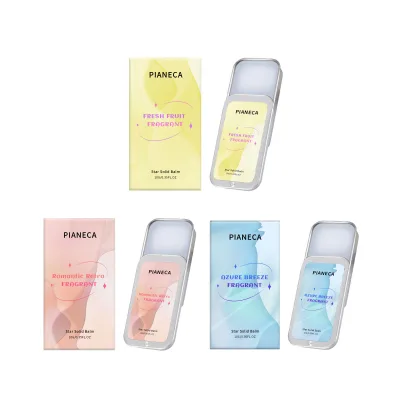
$0.8054 - $0.9686
MOQ: 100 sets
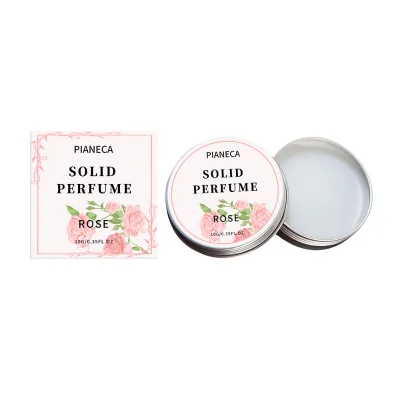
$0.8174 - $0.9835
MOQ: 100 sets
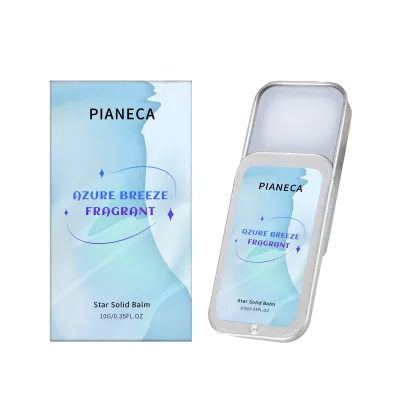
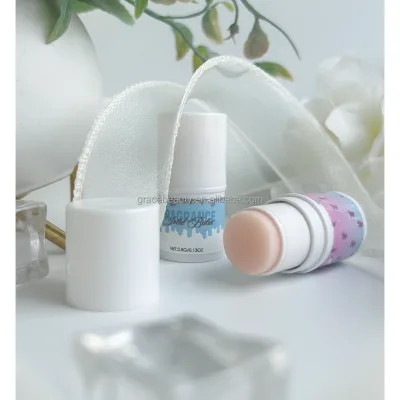
Wholesale Organic Solid Balm Lasting Fragrance Skincare Whipped Solid Balm Perfume
$0.94 - $0.98
MOQ: 100
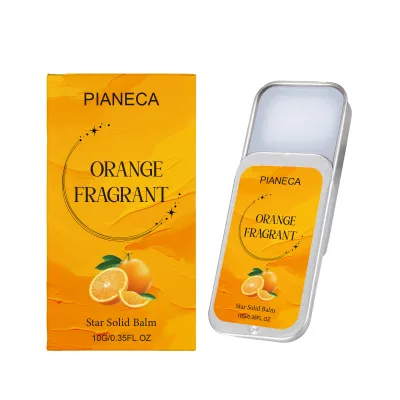
Zhejiang Chenxin Cosmetic Co., Ltd.
- Verified by Intertek
- Manufacturer, Trading Company
- Lead time25 days
- Avg. response≤ 4h
Main productsHair Color Powder, Hair Color Cream
Main marketsAfrica(27%), North America(25%), South America(20%)

Shanxi Binduo Technology Co., Ltd.
- Trading Company
- Shanxi, China
- Lead time7 days
- Avg. response≤ 7h
Main productsSkin care,cosmetic,health Care,make up tool,Hair Care
Main marketsNorth America(35.00%), Western Europe(12.00%), Southeast Asia(10.00%), Central America(10.00%), Eastern Europe(5.00%), Mid East(5.00%), Northern Europe(5.00%), South America(5.00%), Southern Europe(3.00%), Africa(3.00%), South Asia(2.00%), Eastern Asia(2.00%), Oceania(2.00%), Domestic Market(1.00%)
$0.8293 - $1.0883
MOQ: 20 boxes
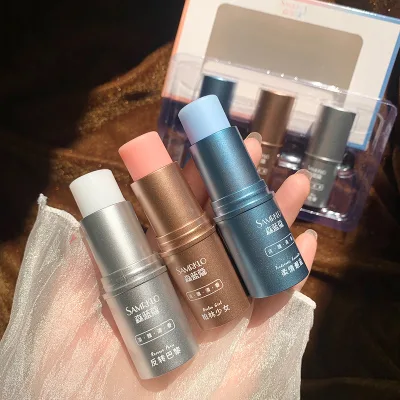
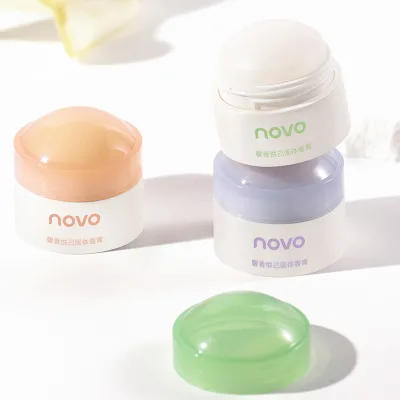

Shantou Bosuya Cosmetic Co., Ltd.
- Trading Company
- Guangdong, China
- Lead time10 days
- Avg. response≤ 3h
Main productsPersonal Care,Perfume Body Mist,Skincare,Makeup,Body Care
Main marketsSouth America(20.00%), Mid East(20.00%), Africa(10.00%), Southeast Asia(10.00%), North America(10.00%), Northern Europe(5.00%), Southern Europe(5.00%), Western Europe(5.00%), Eastern Asia(5.00%), South Asia(5.00%), Central America(3.00%), Domestic Market(1.00%), Eastern Europe(1.00%)
Qingdao Grace Arts & Crafts Co., Ltd.
- Verified by TüVRheinland
- Trading Company
- Lead time7 days
- Avg. response≤ 2h
Main productsMelting Spray, Hair Extensions, Lace Glue, Lace Tint Spray, Perfume Oil
Main marketsNorth America(60%), Africa(10%), Oceania(10%)
Guangzhou Tinsun Biotechnology Co., Ltd.
- Verified by SGS Group
- Manufacturer, Trading Company
- Lead time7 days
- Avg. response≤ 3h
Main productsSerum, Facial Mask, Hair Shampoo, Lotion & Cream, Toner
Main marketsNorth America(48%), Eastern Europe(16%), Southeast Asia(12%)

Shenzhen Huazhong Sun May Technology Co., Ltd
- Verified by SGS
- Trading Company,Manufacturer/Factory
- China Guangdong
- Lead time15 days
- Avg. response≤ 5h
Main productsLipstick, Lip Gloss, Cosmetics, Eyeshadow, Blusher, Makeup, Skin Care, Makeup Brush, Perfume, Parfum
Main marketsSouth America,Eastern Europe,Mid East,North America,Southeast Asia,Eastern Asia,Oceania,Western Europe,Africa

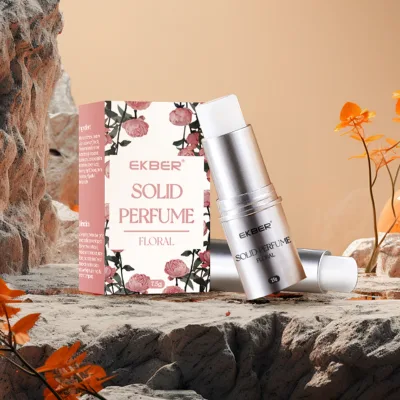
Woman Perfume Long Lasting Solid Perfume Private Label Fragrance Sticks Solid Perfume
$1.80 - $2.50
MOQ: 50 Pieces

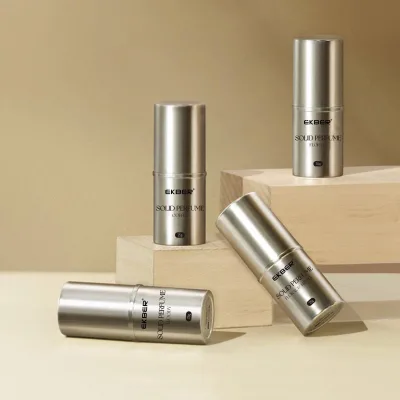
Deodorant Long-Lasting Portable Body Fragrance Solid Perfume for Men and Women Perfume Stick
$1.30 - $1.70
MOQ: 50 Pieces
Guangzhou Senti Cosmetics Co., Ltd.
- Verified by SGS Group
- Manufacturer, Trading Company
- Lead time15 days
- Avg. response≤ 5h
Main productsBody Perfume, Air Freshener, Perfume Mist, Car Perfume, Reed Diffuser
Main marketsNorth America(50%), Southeast Asia(20%), Mid East(10%)
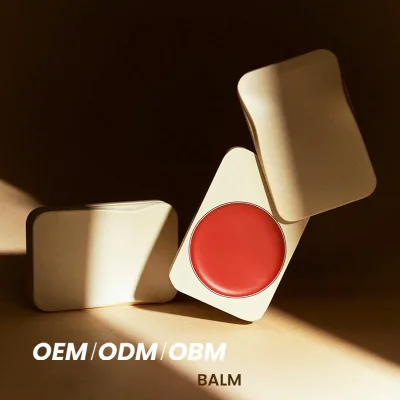
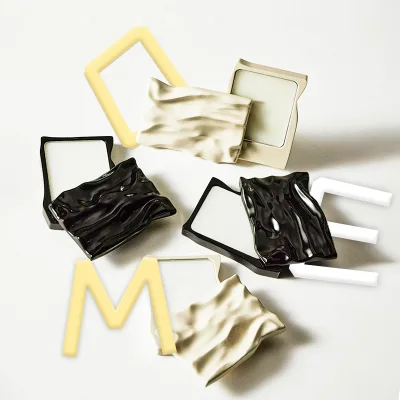
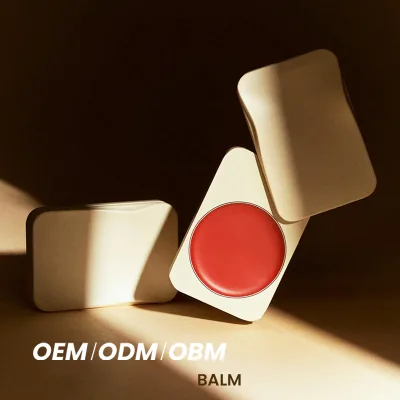
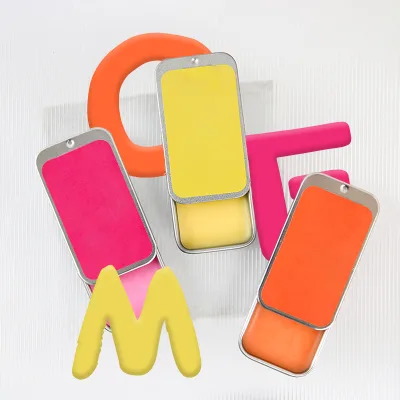
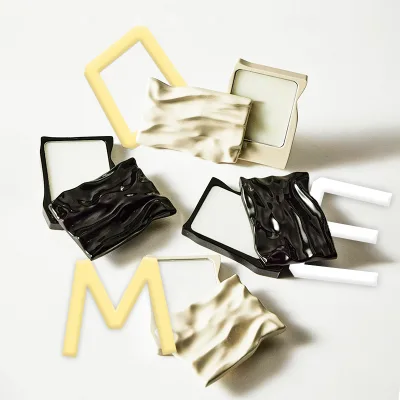
$2.50 - $4.50
MOQ: 10000 pieces
Jinan World Expo Noah Medical Technology Co., Ltd.
- Verified by TüVRheinland
- Manufacturer, Trading Company
- Lead time20 days
- Avg. response≤ 7h
Main productsPersonal Care Products, Yoni Care Products, Mouthwash, Lubricant, Skin Care Set
Main marketsDomestic Market(80%), North America(5%), Eastern Europe(4%)
Guangzhou Weixiang Cosmetics Co., Ltd.
- Trading Company, Buying Office, Agent
- Guangdong, China
- Lead time20 days
- Avg. response≤ 1h
Main productsOEM/ODM Perfume,solid perfume,Parfum Spray,Perfume,Deodorant
Main marketsNorth America(15.00%), Oceania(10.00%), Southern Europe(10.00%), Mid East(10.00%), Eastern Europe(10.00%), South America(10.00%), Africa(5.00%), Domestic Market(5.00%), Central America(5.00%), South Asia(5.00%), Eastern Asia(5.00%), Southeast Asia(5.00%), Western Europe(3.00%), Northern Europe(2.00%)
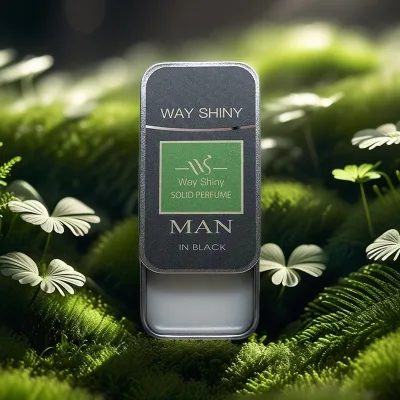
Long Lasting Portable Solid Perfume Set for Men-Dongfeng Fragrance Woody Tone Fresh Natural Scent
$0.6198 - $0.8263
MOQ: 12 pieces
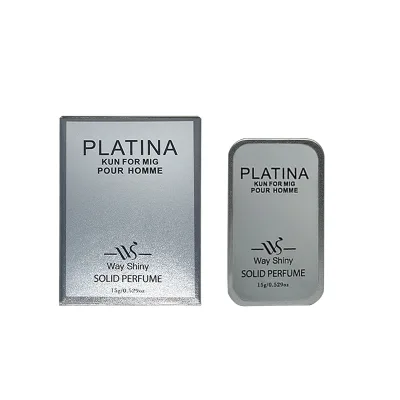
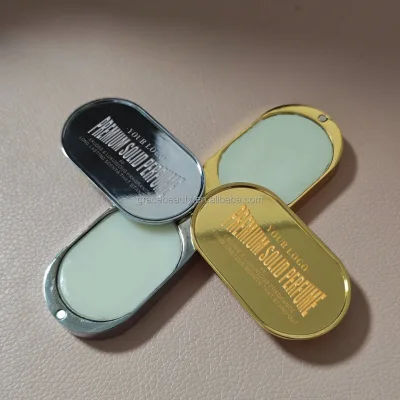
Pocket Size Sliding Solid Perfume Fresh and Lasting Solid Perfume 15g Sliding Tin Box Solid Perfume
$0.6287 - $0.8383
MOQ: 12 pieces
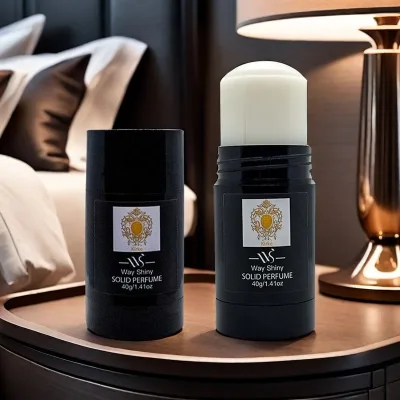
Custom Portable Solid Perfume for Men Long-lasting Custom Fragrance GelMulti-layered Fragrance
$1.6557 - $2.1736
MOQ: 12 pieces
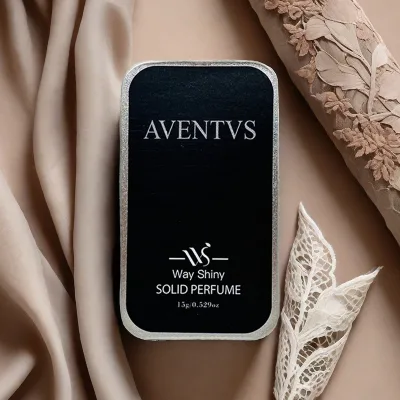
$0.60 - $0.80
MOQ: 12 pieces
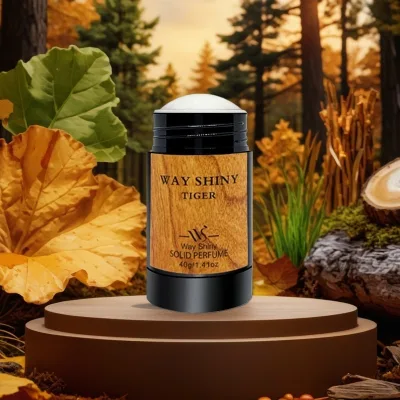
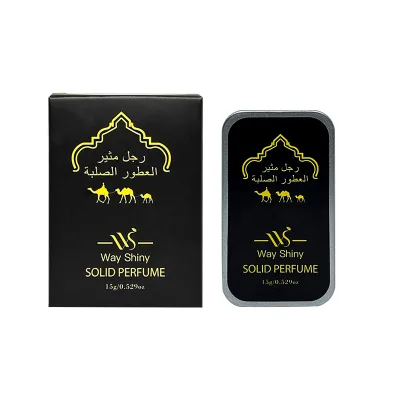
15g Perfume for Women and Men Long Lasting Solid Perfume for Dating Gift Private Label Perfume
$0.60 - $0.80
MOQ: 12 pieces
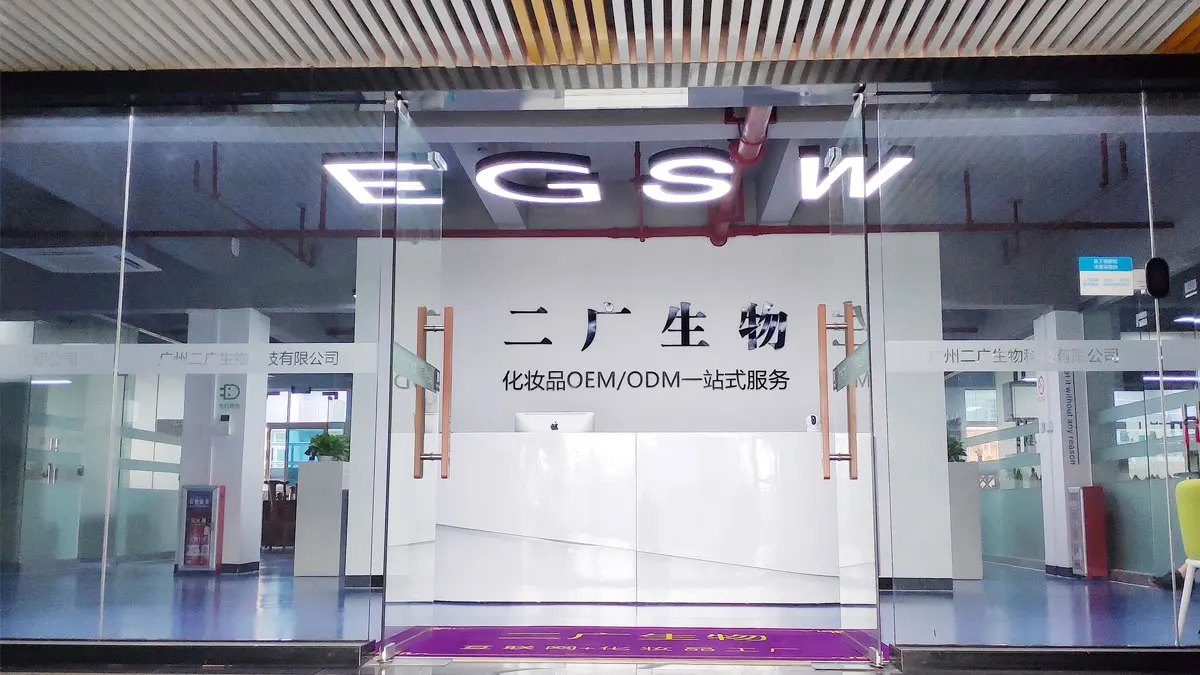
Guangzhou Erguang Biotechnology Co., Ltd.
- Manufacturer
- Guangdong, China
- Lead time15 days
- Avg. response≤ 4h
Main productsFacial Care,Lip Care,Eye Care,Hand & Foot Care,Pet Cleaning & Grooming Products
Main marketsDomestic Market(60.00%), North America(15.00%), Western Europe(10.00%), Southeast Asia(5.00%), Oceania(5.00%), Mid East(5.00%)

Shenzhen Menglida Trading Co., Ltd.
- Verified by CTI
- Trading Company
- China Guangdong
- Lead time15 days
- Avg. response≤ 6h
Main productsPerfume, Clothing and Footwear, Bag, Watch
Main marketsNorth America
Shenzhen Mermaid Artistry Makeup Co., Ltd.
- Manufacturer, Trading Company
- Guangdong, China
- Lead time20 days
- Avg. response≤ 7h
Main productsMakeup Tools,makeup products,skincare products
Main marketsDomestic Market(30.00%), North America(20.00%), Eastern Asia(20.00%), Africa(15.00%), South America(15.00%)


Comprehensive Sourcing Guide
Portable Alcohol Free Solid Perfume Supplier Concentration and Factory Types
The current supplier landscape for Portable Alcohol Free Solid Perfume reveals a mix of manufacturing capabilities and trading structures that buyers must navigate carefully. Evidence indicates that the available suppliers include both manufacturers and trading companies, each offering distinct advantages for different procurement strategies. Manufacturers typically provide direct access to production lines, which can facilitate deeper customization and potentially lower unit costs for larger volumes. In contrast, trading companies often aggregate products from multiple factories, offering a broader catalog of main products such as body care sets, essential oils, and hair care items alongside solid perfumes. This diversity allows buyers to consolidate orders for complementary beauty and personal care items, simplifying logistics and reducing administrative overhead. However, the presence of trading companies also means that buyers must verify the actual source of the goods to ensure quality control and supply chain transparency.
Understanding the specific company type is crucial for assessing reliability and communication efficiency. The observed data shows that some suppliers have established response times that vary significantly, with some responding within hours while others may take longer. This variance often correlates with the supplier’s operational model, where manufacturers might be more focused on production schedules and trading companies on customer service. Additionally, the main products listed by these suppliers range from solid perfumes to skincare and makeup tools, suggesting that many entities operate as general beauty product suppliers rather than niche fragrance specialists. Buyers should evaluate whether a supplier’s broader product range impacts their expertise in solid perfume formulation and packaging. A supplier specializing in multiple beauty categories might offer better cross-category insights but could lack the specialized R&D focus of a dedicated fragrance manufacturer. Therefore, identifying the right balance between product variety and specialized expertise is key to selecting a partner that aligns with your brand’s specific needs and growth trajectory.
How to Verify Portable Alcohol Free Solid Perfume Suppliers
Verification is a critical step in mitigating risk when sourcing Portable Alcohol Free Solid Perfume, as the beauty industry is subject to strict regulatory standards. Buyers should prioritize suppliers who hold recognized system certifications, such as ISO 9001 for quality management and ISO 14001 for environmental management. These certifications indicate a structured approach to production quality and environmental responsibility, which are increasingly important for global market compliance. Additionally, third-party verification services like Intertek provide an independent layer of assurance regarding the supplier’s business legitimacy and operational capabilities. Buyers should request copies of these certificates and verify their validity through the issuing bodies to ensure they are current and applicable to the specific products being sourced. This due diligence helps confirm that the supplier adheres to international standards, reducing the risk of non-compliance issues during customs clearance or retail distribution.
Beyond certifications, buyers should assess the supplier’s product evidence and attribute consistency to gauge their technical proficiency. Detailed product attributes, such as specific scent profiles, volume measurements, and packaging dimensions, provide insight into the supplier’s attention to detail and manufacturing precision. For instance, suppliers listing specific scents like honey, rose, or aquatic aromas demonstrate a capability in fragrance formulation. Buyers should also verify the supplier’s ability to provide samples, as accepting samples is a common service indicator that allows for physical quality assessment before committing to large orders. Furthermore, checking the supplier’s response time can serve as a proxy for their operational efficiency and customer service commitment. A supplier with a quick response time is more likely to be responsive to issues during production and shipping. By combining certification checks, product attribute analysis, and service responsiveness evaluations, buyers can build a comprehensive profile of a supplier’s reliability and suitability for their specific sourcing requirements.
What to Compare Across Portable Alcohol Free Solid Perfume Suppliers
When evaluating multiple suppliers, buyers must compare key operational metrics to determine the best fit for their business model. Lead times are a primary differentiator, with some suppliers offering rapid turnaround for small orders while others require longer periods for larger volumes. For example, lead times can range from five days for small quantities to ten days for medium batches, with larger orders requiring negotiation. This variability allows buyers to align supplier capabilities with their inventory management strategies, ensuring that stock levels are maintained without excessive holding costs. Additionally, minimum order quantities (MOQs) vary significantly, with some suppliers requiring as few as twenty pieces, while others mandate one hundred or more. Lower MOQs are advantageous for startups or brands testing new markets, whereas higher MOQs may offer better unit economics for established brands with consistent demand. Buyers should weigh these factors against their sales forecasts and cash flow constraints to select a supplier that supports their growth stage.
Response times and main product offerings also play a crucial role in the comparison process. Suppliers with faster response times can facilitate quicker decision-making and problem resolution, which is vital in the fast-paced beauty industry. Moreover, the range of main products offered by a supplier can indicate their versatility and potential for future collaboration. Suppliers offering a wide array of beauty products, including skincare, hair care, and makeup tools, may provide opportunities for bundled orders and cross-selling. However, buyers should also consider the supplier’s specialization in solid perfumes, as dedicated expertise can lead to better product quality and innovation. By systematically comparing lead times, MOQs, response speeds, and product portfolios, buyers can identify suppliers that not only meet their immediate needs but also offer strategic value for long-term partnership. This holistic approach ensures that the selected supplier aligns with both operational requirements and brand positioning.
Common Portable Alcohol Free Solid Perfume Sourcing Risks
Sourcing Portable Alcohol Free Solid Perfume involves several inherent risks that buyers must proactively manage to ensure a smooth procurement process. One significant risk is the variability in product quality and consistency, which can arise from differences in formulation and manufacturing processes. Without rigorous quality control measures, buyers may receive batches with inconsistent scent profiles or packaging defects, leading to customer dissatisfaction and brand damage. To mitigate this risk, buyers should establish clear quality specifications and request pre-shipment inspections or third-party testing reports. Additionally, the risk of supply chain disruptions cannot be overlooked, as geopolitical factors, raw material shortages, or logistical bottlenecks can impact lead times and availability. Buyers should diversify their supplier base and maintain open communication with suppliers to stay informed about potential delays. This proactive approach helps in developing contingency plans and ensuring business continuity.
Another common risk is the misalignment of commercial terms and expectations, which can lead to disputes and financial losses. Issues such as unclear pricing structures, hidden fees, or ambiguous delivery terms can complicate the procurement process. Buyers should ensure that all commercial terms are explicitly documented in the contract, including payment terms, shipping responsibilities, and return policies. Furthermore, the risk of intellectual property infringement is a concern, especially when dealing with custom designs or private label products. Buyers must verify that suppliers respect intellectual property rights and have the necessary licenses to produce branded items. By identifying and addressing these risks through thorough due diligence, clear contracts, and active monitoring, buyers can protect their interests and build a resilient supply chain. This risk-aware approach is essential for maintaining brand integrity and achieving sustainable growth in the competitive beauty market.
Portable Alcohol Free Solid Perfume Regional Sourcing and Logistics
Regional sourcing plays a pivotal role in determining the efficiency and cost-effectiveness of the supply chain for Portable Alcohol Free Solid Perfume. The observed data indicates that suppliers are located in various regions of China, including Jiangxi, Zhejiang, and Shanxi provinces. Each region may offer distinct advantages in terms of raw material access, manufacturing expertise, and logistical infrastructure. For instance, suppliers in Zhejiang province might benefit from proximity to major ports and established manufacturing clusters, facilitating faster export processes. Similarly, suppliers in Jiangxi and Shanxi may offer competitive pricing due to lower operational costs. Buyers should consider the geographic location of suppliers when evaluating logistics options, as distance impacts shipping costs and transit times. Understanding these regional dynamics allows buyers to optimize their supply chain by selecting suppliers that align with their logistical preferences and cost targets.
Logistics planning is equally important, as the nature of solid perfume products requires careful handling to maintain quality during transit. Buyers should work with suppliers who have experience in exporting beauty products and understand the specific packaging requirements to prevent leakage or damage. Additionally, buyers should consider the impact of regional trade policies and tariffs on the final cost of goods. By analyzing the regional distribution of suppliers and their logistical capabilities, buyers can make informed decisions that enhance supply chain resilience and reduce overall procurement costs. This strategic approach to regional sourcing and logistics ensures that products reach the market efficiently, maintaining quality and meeting customer expectations. Furthermore, leveraging regional strengths can provide a competitive advantage by enabling faster time-to-market and more flexible inventory management.
Portable Alcohol Free Solid Perfume Commercial Terms and Order Planning
Commercial terms and order planning are fundamental to successful procurement of Portable Alcohol Free Solid Perfume, requiring careful negotiation and strategic foresight. Buyers should focus on establishing clear pricing structures that account for volume discounts, tooling fees, and sample costs. The observed price ranges for solid perfumes vary, with some products priced between $0.35 and $2.90 per unit, depending on factors such as scent complexity, packaging, and order quantity. Buyers should request detailed quotations that break down these costs to ensure transparency and avoid hidden charges. Additionally, payment terms should be negotiated to balance risk and cash flow, with options such as escrow services providing security for both parties. By understanding the cost drivers and negotiating favorable terms, buyers can optimize their profit margins and financial stability.
Order planning involves aligning production schedules with sales forecasts to maintain optimal inventory levels. Buyers should consider the supplier’s lead times and MOQs when planning orders, ensuring that production cycles match market demand. For instance, suppliers with shorter lead times for small orders can support agile inventory management, while those with longer lead times for large volumes may require advance planning. Buyers should also establish clear communication channels with suppliers to monitor production progress and address any issues promptly. By integrating commercial terms and order planning into a cohesive strategy, buyers can enhance supply chain efficiency and responsiveness. This holistic approach ensures that procurement activities support business objectives, driving growth and customer satisfaction in the competitive beauty industry.
FAQs
What is the typical price range for portable solid perfume?
Portable solid perfumes generally cost between $0.35 and $2.90 per unit. Prices vary based on scent complexity and volume, with standard 10 ml options often priced around $0.80 to $1.00. Bulk orders may offer lower unit costs, while custom private label services can increase the final price point.
What are the common minimum order quantities for solid perfume?
Minimum order quantities typically range from 20 to 100 pieces. Some suppliers accept orders as low as 20 pcs for testing, while others require 100 pcs for standard production. Custom OEM services often have higher thresholds, so buyers should verify specific MOQ requirements before placing orders.
How long does production take for solid perfume orders?
Lead times depend on order volume and season. Small orders under 500 units usually take 5 to 7 days. Larger orders between 501 and 1000 units may require 10 days. Quantities exceeding 1000 units require negotiation. Peak seasons may extend these timelines significantly.
Do suppliers offer OEM and private label services?
Yes, many manufacturers provide OEM, ODM, and private label services. Buyers can customize scents, packaging, and branding. Services include graphic processing and sample creation. Suppliers in Jiangxi and Zhejiang often support these customizations, allowing brands to create unique portable solid perfume products tailored to their market.
What certifications do solid perfume suppliers hold?
Verified suppliers often hold ISO 9001 and ISO 14001 certifications. These indicate adherence to quality management and environmental standards. Some suppliers undergo Intertek verification for additional assurance. Buyers should request current certification documents to ensure compliance with international beauty product regulations and safety standards.
Where are solid perfume manufacturers located in China?
Manufacturers are primarily located in Jiangxi, Zhejiang, and Shanxi provinces. Jiangxi suppliers often focus on organic ingredients. Zhejiang producers specialize in portable designs. Shanxi companies offer floral scents. Buyers can filter results by these regions to find suppliers with specific logistical advantages or regional expertise.