Portable 3D Topography Skin Analyzer Suppliers and Manufacturers
Source a Portable 3D Topography Skin Analyzer from 32 verified suppliers in China. Compare key dimensions including response times, lead times, and pricing ranges. Review product specifications and certifications to identify the right partner for your business needs; review the available evidence before requesting comparable quotations from suitable candidates.
Suppliers List

Amy Beauty Equipment Manufacture
- Verified by SGS
- Trading Company
- China Shaanxi
- Lead time15 days
- Avg. response≤ 7h
Main productsHifu, Cryolipolysis, Hair Removal Machine, CO2 Fractional Laser Machine, Shockwave, Injection, Body Slimming Machine, Body Facial Analyzer, PDT Machine
Main marketsSouth America

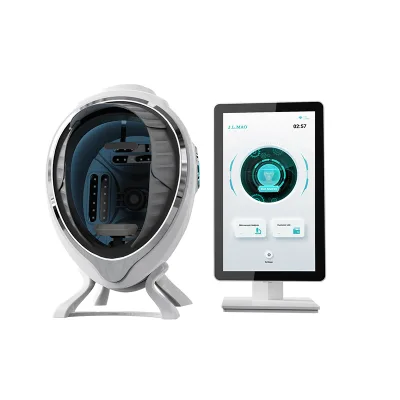
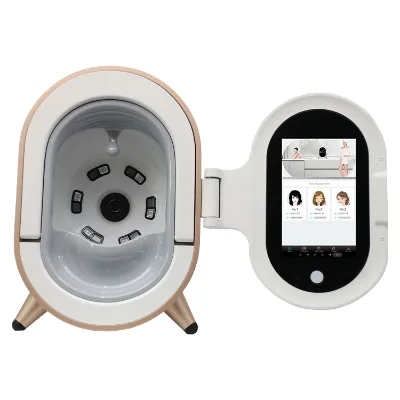
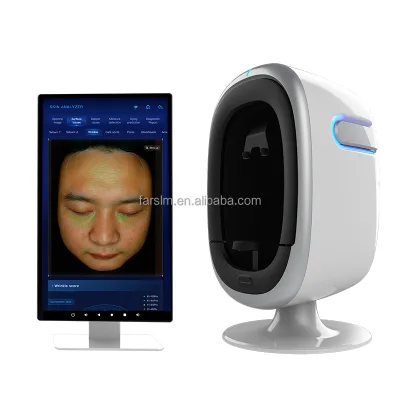
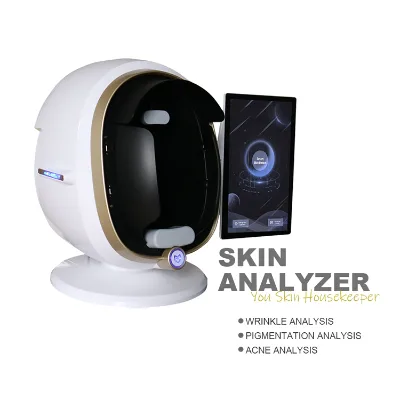
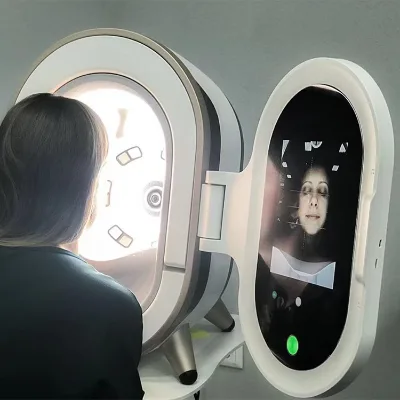
Portable 3D Skin Analysis Machine Facial Skin Lamp Scan Skin Analyzer Machine
$600.00 - $1100.00
MOQ: 1 Pieces

$900.00 - $1190.00
MOQ: 1 Pieces


$900.00 - $1190.00
MOQ: 1 Pieces

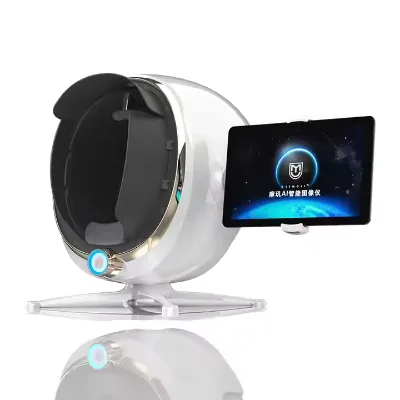
Latest 3D Ai Smart Skin Analyzer Professional Facial Analysis Analyzer
$960.00 - $1760.00
MOQ: 1 Pieces

Guangzhou Zhongke Medical Cosmetic Instrument Co., Ltd.
- Verified by BV
- Combined
- China Guangdong
- Lead time15 days
- Avg. response≤ 2h
Main productsEMS Chair, EMS Body Sculpting Machine, Laser Machine, Hifu Machine, Hair Removal Machine, Skin Analysis Machine, Fat Freezing Machine, Tattoo Machine, Pelvic Floor Chair, Medical Beauty Equipment
Main marketsSouth America,Africa,Southeast Asia/ Mideast,East Asia(Japan/ South Korea),Europe,North America

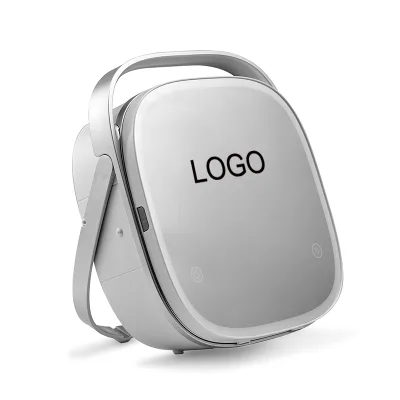
Beauty Equipment 3D Facial Analyzer Portable Skin Analyzer Facial Skin Analysis Machine
$920.00 - $1050.00
MOQ: 1 packs

Advanced 3D Facial Skin Analysis Machine Smart Skin Diagnostics Analyzer for Beauty Clinics
$1150.00 - $1450.00
MOQ: 1 packs

Skin Care 3D Face Analysis Machine Scanner Facial Scanner Skin Analyzer
$1400.00 - $1650.00
MOQ: 1 packs

Skin Analyser Device Digital Skin Analyzer Face Facial Skin Test Machine
$950.00 - $1450.00
MOQ: 1 packs

Hebei Tuosite Import & Export Trade Co., Ltd.
- Verified by CTI
- Trading Company
- China Hebei
- Lead time15 days
- Avg. response≤ 4h
Main productsBeauty Equipment, Medical Equipment, Skin Care Equipment, Diode Laser Equipment, Hair Removal Equipment, Muscle Building Equipment, Cryolipolysis Equipment, Cavitation Vacuum Equipment, Roller Infrared Massage Cellulite Equipment
Main marketsEurope

Advanced 3D Portable Skin Analyzer for Comprehensive Skin Assessment
$1100.00 - $1600.00
MOQ: 1 Pieces

Portable 3D Facial Skin Analyzer Feature Scanner Analyzer Skin Diagnostic Machine
$1100.00 - $1600.00
MOQ: 1 Pieces

$1100.00 - $1600.00
MOQ: 1 Pieces

$1100.00 - $1600.00
MOQ: 1 Pieces


GUANGZHOU KONMISON TECHNOLOGY CO., LIMITED
- Verified by BV
- Trading Company
- China Guangdong
- Lead time30 days
- Avg. response≤ 11h
Main productsBeauty Machine, Beauty Equipment, Slimming Machine, Cavitation Weight Loss Beauty Machine, Skin Care Machine, RF Skin Lifting Rejuvenation Machine, IPL Hair Removal Machine, Laser Hair Removal Machine, LED Facial Mask Beauty Device
Main marketsEurope,Australia

$1500.00 - $1700.00
MOQ: 1 Pieces


2022 Professional Skin Analyzer Skin Analysis Machine 3D Skin Analysis Facial
$678.50 - $748.50
MOQ: 1 Pieces

Beijing Sleeper Beauty Technology Co., Ltd.
- Verified by SGS
- Trading Company
- China Beijing
- Lead time15 days
- Avg. response≤ 2h
Main productsDiode Laser Hair Removal Machine, Hydra Skin Clean Machine, Hifu Machine, ND YAG Laser Machine, CO2 Fractional Laser Machine, EMS Slimming Machine, Cryolipolisys Machine, IPL Opt Machine, Picosecond Laser, Skin Zimmer Cooling Machine
Main marketsNorth America

Portable 3D Facial Skin Analyzer Feature Scanner Analyzer Skin Diagnostic Machine
$1085.00 - $1199.00
MOQ: 1 Set


$850.00 - $950.00
MOQ: 1 Set



Shaanxi Alisa Technology Co., Ltd.
- Trading Company
- Shaanxi, China
- Lead time7 days
- Avg. response≤ 2h
Main productsHIFU Machine,Beauty Machine,Skin care products,CO2 Laser Machine,Slimming Machine
Main marketsNorth America(26.00%), South America(16.00%), Eastern Europe(14.00%), Northern Europe(10.00%), Central America(10.00%), Western Europe(10.00%), Eastern Asia(10.00%), Southeast Asia(10.00%)
Guangzhou Auro Beauty Equipment Co., Ltd.
- Verified by SGS Group
- Manufacturer, Trading Company
- Lead time5 days
- Avg. response≤ 6h
Main productsFacial Machines, Body Massage Machine, Hifu Machine, Slimming Machine
Main marketsNorth America(15%), Western Europe(15%), Eastern Europe(13%)
Handan Fushui Technology Co Ltd
- Verified by TüVRheinland
- Trading Company
- Lead time6 days
- Avg. response≤ 2h
Main productsSlimming Machine, 980nm Diode Laser, Derma Roller, Derma Pen, Mesotherapy Gun
Main marketsNorth America(25%), South America(12%), Eastern Asia(12%)
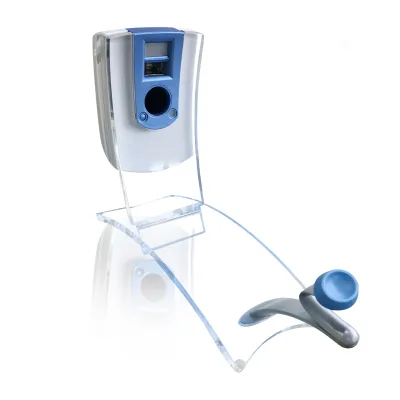
Commercial Portable Mini Skin Scanner Facial Analyzer 3d Skin Analyzer Reveal
$800.00 - $1200.00
MOQ: 1 Minimum
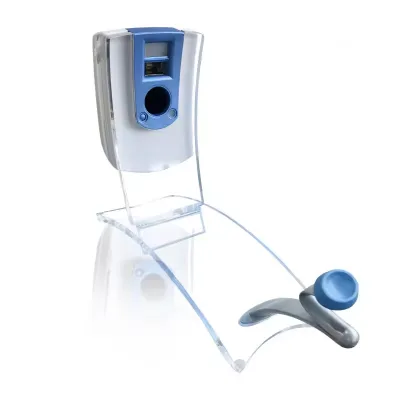
Smart Skin Analyzer UV Light Facial Care Beauty Skin Detector Reveal Skin Analyzer
$1223.73
MOQ: 1 Minimum

Guangzhou Qili Technology Co., Ltd.
- Verified by SGS
- Trading Company
- China Guangdong
- Lead time23 days
- Avg. response≤ 8h
Main productsSkin Analyzer Machine, Hifu Machine, EMS Pelvic Floor Chair, Microneedle Machine, Diode Laser Hair Removal Machine, Solarium Tanning Machine, Tattoo Removal Machine, RF Equipment, Cryo Slimming Machine, CO2 Fractional Laser Machine
Main marketsSouth America,Eastern Europe,North America,Southeast Asia


Portable Skin Analyzer 3D Technology Facial Scanner Skin Analysis Machine Skin Care
$1300.00 - $1800.00
MOQ: 1


Skin Scanner Analyzer 3D Facial Skin Analyzer Beauty Machine Face Skin Analyzer Machine
$999.00 - $1250.00
MOQ: 1

Guangzhou T&B Beauty Equipment Co., Ltd.
- Verified by BV
- Trading Company
- China Guangdong
- Lead time15 days
- Avg. response≤ 3h
Main productsTecar RF Physio Machine, Magneto Emtt Physio Machine, Shockwave Pain Relief Machine, Pressotherapy Slim Massage Machine, Hifu Face Lifting Machine, Fat Remove Machine, Endospheres Slim Machine, Trusculpt Flex ID Machine, RF Slim Machine
Main marketsSouth America,Southeast Asia/ Mideast,East Asia(Japan/ South Korea),Europe,Australia,North America


$500.00 - $1000.00
MOQ: 1 pieces


Shenzhen Fitconn Technology Co., Ltd.
- Verified by SGS
- Trading Company,Manufacturer/Factory
- China Guangdong
- Lead time23 days
- Avg. response≤ 8h
Main productsCompressor Nebulizer, Mesh Nebulizer, Anti Decubitus Air Mattress, Blood Pressure Monitor, Pulse Oximeter, Fetal Doppler, Themometer, DC Compressor Nebulizer, Glucose Meter, Mini Masager
Main marketsSouth America,Eastern Europe,Mid East,Eastern Asia,Oceania,Western Europe
Hebei Mita Biotechnology Co., Ltd.
- Trading Company
- Lead time旺季: "1 - 1":7,"2 - 50":10,"51 - 100":15,"> 100":"To be negotiated", 淡季: "1 - 1":7,"2 - 50":10,"51 - 100":15,"> 100":"To be negotiated"
- Avg. response≤ 3h
Main productsCo2 Fractional Laser Machine, Ems Sculpting Machine, HIFU Machine, Cryolipolysis Machine, Laser Hair Removal Machine

Shanghai Lumsail Industrial Inc.
- Manufacturer
- China Shanghai
- Lead time15 days
- Avg. response≤ 4h
Main productsShockwave Therapy System, Body Composition Analyzer, LED PDT Phototherapy System, Facial Skin Analyzer, Liposuction System, Laser Hair Regrowth System, IPL Elight Beauty Machine, CO2 Surgical Fractional Laser, Cryolipolysis Body Slimming System
Main marketsSouth America,Africa,Southeast Asia/ Mideast,East Asia(Japan/ South Korea),Domestic,Europe,Australia,North America


3D Skin Analyzer Facial Analyzers for Cosmetologists/Dermatologists/Plastic Surgeons
$1999.00 - $2199.00
MOQ: 1 Pieces


Foshan City DaiNi Electronic Technology Co., Ltd.
- Verified by SGS
- Combined
- China Guangdong
- Lead time15 days
- Avg. response≤ 12h
Main productsBeauty Machine, Beauty Equipment, Dermabrasion Machine, Breast &Butt Enlargement, Oxygen Machine, Haire &Tattoo Removal, Skin Care, Slimming Machine, PDT & LED, Hifu
Main marketsSoutheast Asia/ Mideast

12 Million Dual Cameras Skin Tester Precise Analysis Smart 3D Skin Analyzer
$1000.00 - $1200.00
MOQ: 1 Pieces

High Technology Product Portable Multi-Language 3D Skin Analyzer for Facial Skin Care
$900.00 - $1100.00
MOQ: 1 Pieces

Mirror Skin Analysis Machine Professional 3D Face Skin Scanner Skin Analyze
$1200.00 - $1500.00
MOQ: 1 Pieces


Feier Electronic Technology (guangzhou) Co., Ltd.
- Trading Company
- Guangdong, China
- Lead time5 days
- Avg. response≤ 2h
Main productsVacuum Cavitation Machine,Fat Freezing Machine,Vacuum Butt Lifting Machine,Oxygen Jet Facial Machine,Body Sculpting Machine
Main marketsNorth America(40.00%), Southern Europe(10.00%), Western Europe(10.00%), Eastern Europe(10.00%), South America(10.00%), Mid East(5.00%), Northern Europe(5.00%), Southeast Asia(5.00%), Eastern Asia(5.00%)

- Verified by SGS
- Trading Company
- China Zhejiang
- Lead time15 days
- Avg. response≤ 16h
Main productsFan, Heater Fan, Air Fryer, Toaster, Rice Cooker, Vacuum Cleaner, Coffee Machine, Hairdressing Appliance, Electric Toothbrush, Steam Iron
Main marketsEurope,Australia


Quality Guaranteed Adjustable Mini Facial Skin Analyser Moisture Tester
$4.80 - $5.30
MOQ: 1000 Pieces

HEBEI KEYLASER SCI-TECH CO., LTD.
- Verified by CTI
- Manufacturer/Factory
- China Beijing
- Lead time15 days
- Avg. response≤ 4h
Main productsIPL, Diode Laser Hair Removal, ND YAG Laser, Hifu, CO2 Fractional Laser, Picosecond Laser, Body Slimming, Cryolipolysis Fat Freezing, 980nm Diode Laser, Emscuplt Muscle Building
Main marketsSouth America,Eastern Europe,Mid East,North America,Southeast Asia,Eastern Asia,Oceania,Western Europe,Africa

Skin Analyzer Machine Facial Test Facial Analysis 3D Skin Analysis Machine
$999.00 - $1299.00
MOQ: 1 Pieces

3D Facial Skin Analyzer Machine Ai Intelligent Scanner Skin Type Test Moisture Analysis
$999.00 - $1299.00
MOQ: 1 Pieces
Foshan Health Info Technology Co., Ltd.
- Verified by SGS Group
- Trading Company
- Lead time10 days
- Avg. response≤ 2h
Main productsHair Removal Machine, Hifu Machine, Hydrafacial Machine, Fractional CO2 Laser Machine, Laser Tattoo Removal Machine
Main marketsNorth America(25%), South America(10%), Southeast Asia(10%)
Jiangmen Feier Electronic Technology Co., Ltd.
- Verified by SGS Group
- Manufacturer, Trading Company
- Lead time0 days
- Avg. response≤ 2h
Main productsVaccum Cavitation Machine, Hydra Oxygen Machine, Muscle Stimulation Machine, Cryo Fat Reduction Machine, Laser Machine
Main marketsNorth America(45%), Western Europe(20%), Southern Europe(10%)
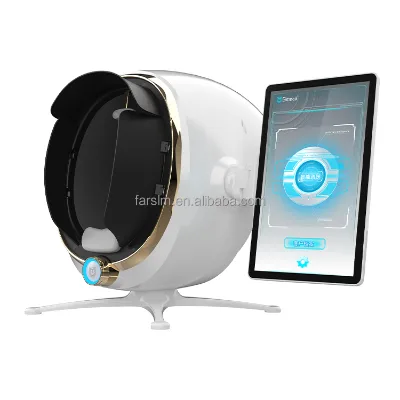
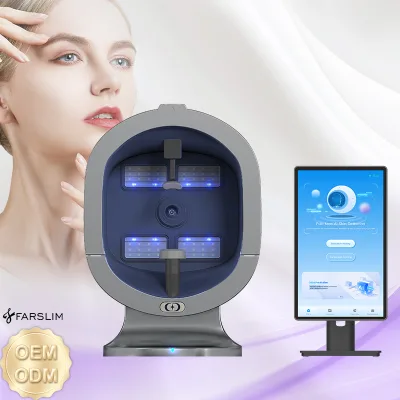
$1088.32 - $1200.20
MOQ: 1 units

Guangzhou Janlis Technology Equipment Co., Ltd.
- Trading Company
- Guangdong, China
- Lead time3 days
- Avg. response≤ 2h
Main productsSkin Analyzer, Straight Hair Comb, Ultrasonic Facial Cleanser, Water Flosser, High Speed Hair Dryer
Main marketsNorth America(39.00%), Western Europe(11.00%), Oceania(7.00%), Northern Europe(6.00%), South America(5.00%), Southern Europe(5.00%), Eastern Europe(5.00%), Southeast Asia(5.00%), South Asia(4.00%), Central America(4.00%), Mid East(4.00%), Eastern Asia(3.00%), Africa(2.00%)
Guangzhou Jinshuo Technology Co., Ltd.
- Manufacturer, Trading Company, Distributor/Wholesaler
- Guangdong, China
- Lead time3 days
- Avg. response≤ 6h
Main productsEMS Sculpting Machine,hydrafacial machine,Slimming machine,diode laser hair removal machine,Massage machine
Main marketsSouth America(20.00%), Africa(9.00%), Southern Europe(8.00%), Eastern Asia(8.00%), Eastern Europe(8.00%), South Asia(6.00%), Northern Europe(6.00%), Western Europe(6.00%), Southeast Asia(6.00%), Mid East(6.00%), Central America(5.00%), Domestic Market(5.00%), North America(4.00%), Oceania(3.00%)

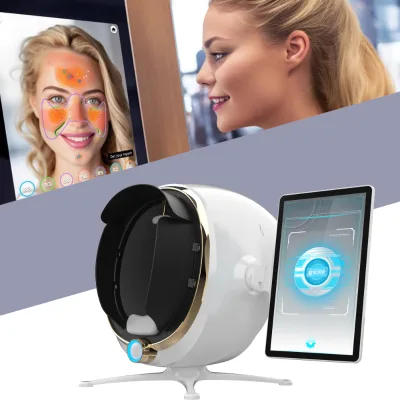
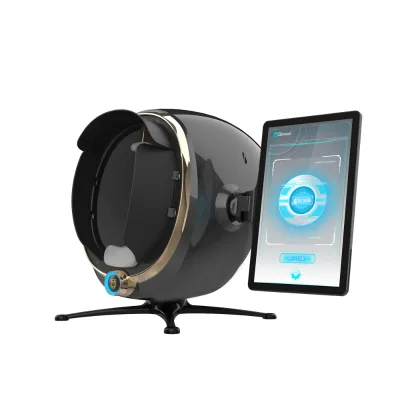
Portable Bio Skin Analyze Intelligence Face Analyzer Fully Automatic Analyzer Home Use Skin Detector
$1131.22 - $1539.99
MOQ: 1

Beijing ADSS Development Co., Ltd.
- Verified by TUVRHEINLAND
- Combined
- China Beijing
- Lead time15 days
- Avg. response≤ 4h
Main productsHifu, Laser Vaginal Tightening, Digital Syringe Injector, 808nm Diode Laser Hair Remvoal, Fractional RF & Thermal RF, Vacuum Shape, 20MHz RF Thermal, Cryolipolysis Slimming Machine, Cavitation Slimming Machine, Fractional CO2 Laser
Main marketsSouth America,East Asia(Japan/ South Korea),Europe,Australia,North America

Facial Imaging Analysis Skincare System Medical Grade 3D Skin Analyzer
$1000.00 - $10000.00
MOQ: 1 Pieces


Professional Skin Analyzer 3D Smart Face Skin Diagnosis System for Clinic Scanner
$1000.00 - $10000.00
MOQ: 1 Pieces


Professional 3D Skin Analysis Machine Analyzer
MOQ: 1 Pieces

Guangzhou Yingcai Beauty Instrument Co., Ltd.
- Verified by SGS
- Combined
- China Guangdong
- Lead time15 days
- Avg. response≤ 2h
Main productsHifu Machine, Hair Removal Machine, Pico Laser Machine, PDT Machine, Franctional Laser Machine, Electrolysis Hair Removal, Hydra Dermabrasion Facial Machine, Cavitation Machine, Cryolipolysis Machine
Main marketsSouth America,Africa,Southeast Asia/ Mideast,East Asia(Japan/ South Korea),Europe,Australia,North America

Popular 3D Skin Problems Analysis/ Pigmentation Analysis Skin Wrinkle Analysis Machine
$820.00 - $925.00
MOQ: 1 Pieces

Wholesale Facial Skin Analyzer 3D Face Scanner for Skin Wrinkle Pigmentation Analysis
$820.00 - $925.00
MOQ: 1 Pieces

High Quality Intelligent Facial Analysis Machine Acne/ Pigmentation/Skin Analysis Machine.
$820.00 - $925.00
MOQ: 1 Pieces
Gorgeous Beauty Equipment Manufacture
- Verified by SGS Group
- Trading Company
- Lead time3 days
- Avg. response≤ 2h
Main productsCryolipolysis, Hair Removal Machine, Muscle Stimulation Machine
Main marketsNorth America(48%), Western Europe(20%), Eastern Europe(10%)
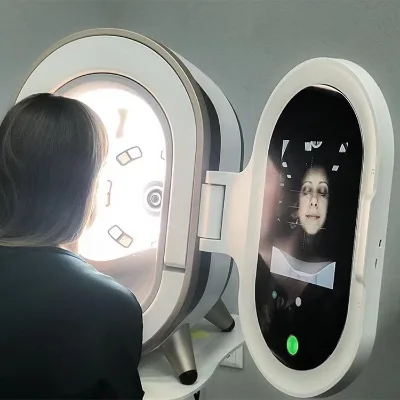
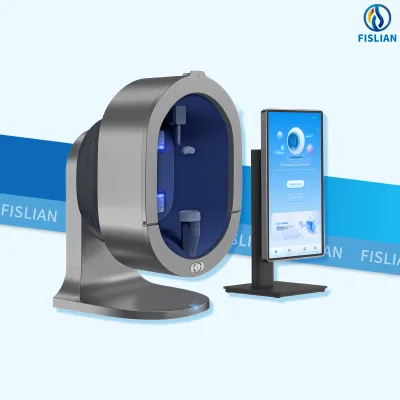
Portable Daily Use Accurately Analysis 10 Skin Problems From Epidermis Dermis Skin Analyzer Device
$1018.20 - $1323.96
MOQ: 1 pieces
Guangzhou Fislian Electronic Technology Co., Ltd.
- Verified by TüVRheinland
- Manufacturer, Trading Company
- Lead time15 days
- Avg. response≤ 3h
Main productsFacial Beauty Device, Cavitation Body Sculpting Device, Laser Hair Removal Equipment, Skin Analysis Device, RF Microneedle
Main marketsNorth America(45%), Eastern Europe(10%), Mid East(10%)

Guangzhou Newbelle Technology Co., Ltd.
- Verified by BV
- Trading Company
- China Guangdong
- Lead time15 days
- Avg. response≤ 2h
Main productsShockwave Therapy, Hydro Facial Machine, Pressotherapy Machine, Cryotherapy Machine, Cryoskin Machine, Microcurrent RF Machine
Main marketsSouth America,Africa,Southeast Asia/ Mideast,Europe

$699.00 - $1199.00
MOQ: 1 Pieces

$699.00 - $1199.00
MOQ: 1 Pieces

- Verified by SGS
- Manufacturer/Factory
- China Beijing
- Lead time0 days
- Avg. response≤ 8h
Main productsDiode Laser 808nm/810nm, IPL E-Light, Picolaser Q-Switched ND: YAG Laser, CO2 Fractional Laser, Liposonix System Ultrashape System, Vacuum+RF Body Slimming, Cryolipolysis System, Skin Analyser System, Messotherapy System, Relevant Systems

$850.00 - $1250.00
MOQ: 1 Pieces


Foshan Meiji Spirit Health Technology Co., Ltd.
- Verified by Intertek
- Trading Company
- Lead time10 days
- Avg. response≤ 2h
Main productsSkin Analysis Machine
Main marketsNorth America(50%), Western Europe(10%), Northern Europe(10%)
Guangdong Yiyunfu Technology Co., Ltd.
- Manufacturer, Trading Company
- Guangdong, China
- Lead time15 days
- Avg. response≤ 5h
Main productsAimyskin Skin Analyzer, 3 in 1 Oxygen Beauty Machine, CO2 Bubble Oxygen Jet Machine
Main marketsSoutheast Asia(30.00%), North America(20.00%), Northern Europe(15.00%), Eastern Europe(15.00%), Mid East(10.00%), Western Europe(5.00%), Southern Europe(5.00%)
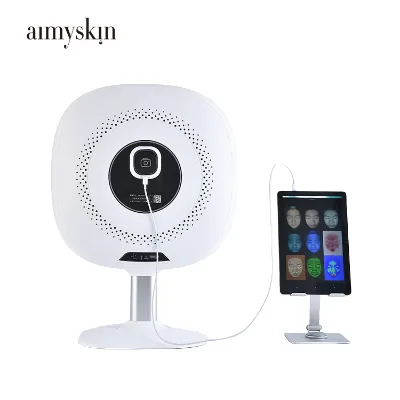
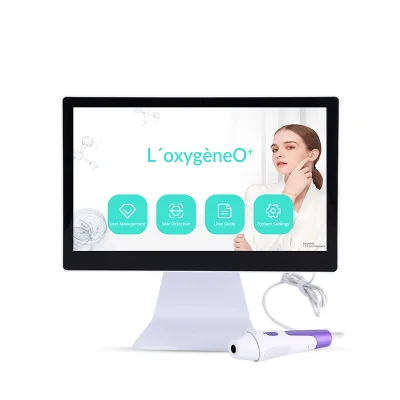
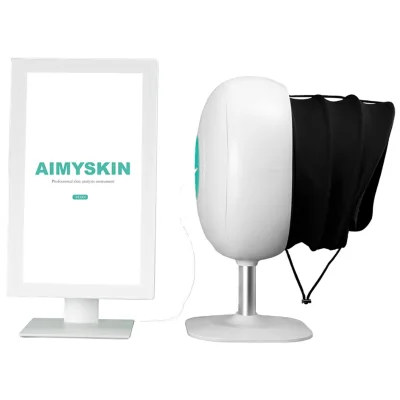
Easy to Use Skin Analyzer Promotion Price AIMYSKIN Skin Analyzer With Android Tablet
$900.00 - $1000.00
MOQ: 1 sets
Hebei Mita Biotechnology Co., Ltd.
- Trading Company
- Lead time旺季: "1 - 1":7,"> 1":"To be negotiated", 淡季: "1 - 1":7,"> 1":"To be negotiated"
- Avg. response≤ 2h
Main productsLaser Hair Removal, hifu machine, cryolipolysis machine, beauty bed, Co2 Fractional Laser Mac
Xuanzun (hebei) Medical Technology Co., Ltd.
- Verified by SGS Group
- Manufacturer, Trading Company
- Hebei, China
- Lead time10 days
- Avg. response≤ 5h
Main productsSkin Analyzer,Scalp Analyzer,Diode Laser Hair Removal Machine,Picosecond Laser,Ultrasound
Main marketsNorth America(35%), Western Europe(20%), Southeast Asia(20%)

Henan Huang Kai Technology Co., Ltd.
- Trading Company
- Henan, China
- Lead time7 days
- Avg. response≤ 2h
Main productsderma roller,ice roller,microneedling pen,beauty machine,microneedling
Main marketsEastern Europe(20.00%), North America(20.00%), Western Europe(10.00%), Southern Europe(10.00%), Northern Europe(10.00%), Mid East(10.00%), South Asia(5.00%), Southeast Asia(5.00%), South America(5.00%), Domestic Market(1.00%), Oceania(1.00%), Africa(1.00%), Eastern Asia(1.00%), Central America(1.00%)

$1024.00 - $1350.00
MOQ: 1 Minimum
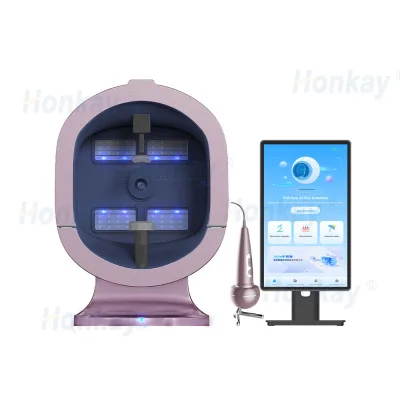
Professional Medical Full Face Skin Analyzer High Level Analysis at Price
$1024.00 - $1350.00
MOQ: 1 Minimum
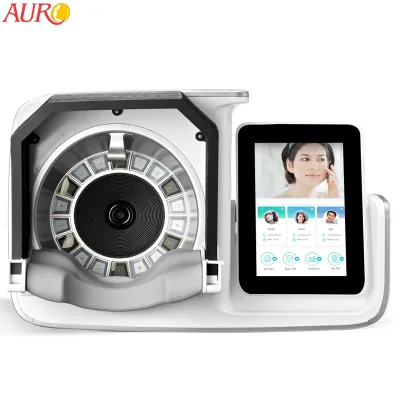
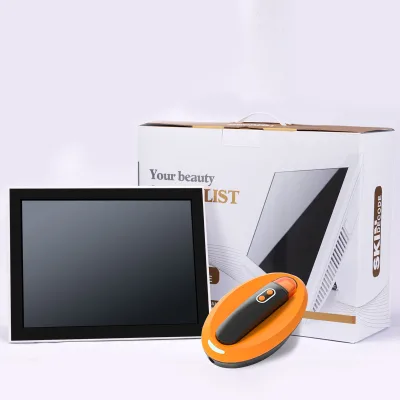


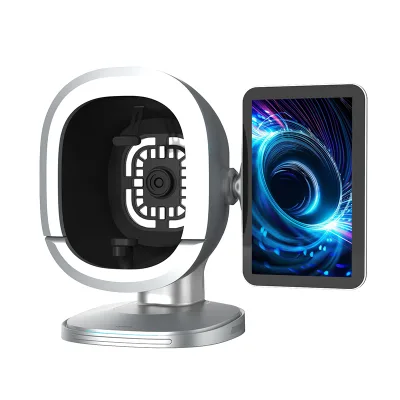
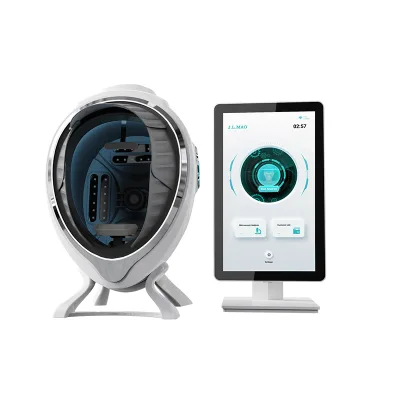



Comprehensive Sourcing Guide
Portable 3D Topography Skin Analyzer Supplier Concentration and Factory Types
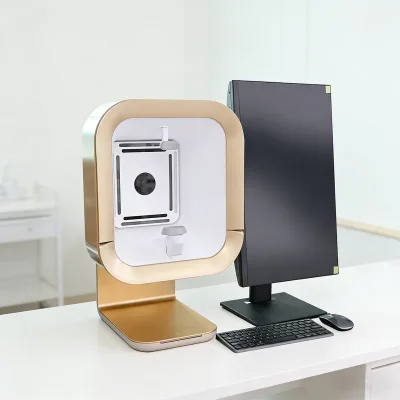
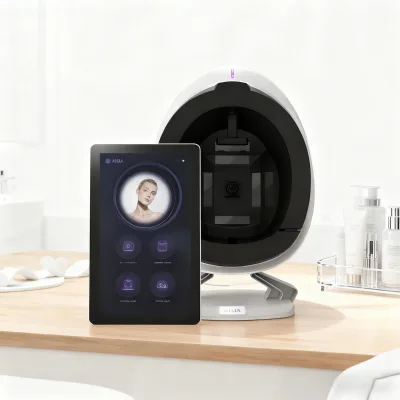
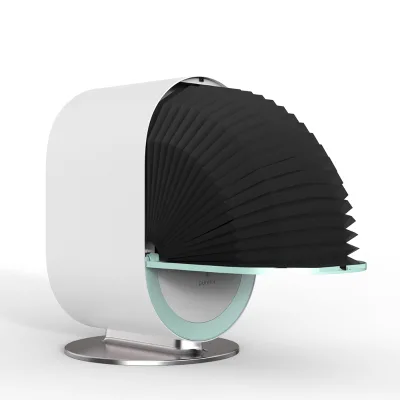
Current data indicates that suppliers offering portable 3D topography skin analyzers are concentrated in specific Chinese provinces, with Shaanxi and Guangdong emerging as key manufacturing hubs. In Shaanxi, the primary business model observed is that of a trading company, which aggregates products like Hifu, cryolipolysis, and various laser machines alongside skin analysis equipment. This suggests that buyers in this region may encounter intermediaries rather than direct manufacturers for certain specialized units. Conversely, suppliers in Guangdong present a mixed profile, including combined company types that offer ODM, OEM, and own-brand capabilities. This distinction is critical because a trading company in Shaanxi might source the core technology from elsewhere, whereas a combined entity in Guangdong could possess deeper in-house engineering resources for the 3D scanning components.
When evaluating the factory types, buyers must distinguish between pure trading entities and those with direct production capacity. The available facts show that some suppliers list ODM as a core capacity, implying they can customize the 3D topography software or hardware casing. However, the absence of specific establishment years in the provided data means buyers cannot yet verify the longevity of these operations. A supplier claiming ODM capabilities should be scrutinized to confirm if they own the assembly lines or merely coordinate with third-party factories. The presence of multiple product lines, such as body slimming machines and facial analyzers, often indicates a broad-spectrum manufacturer, but this does not guarantee specialized expertise in the specific 3D topography technology required for high-precision skin analysis.
How to Verify Portable 3D Topography Skin Analyzer Suppliers
Verification of suppliers for portable 3D topography skin analyzers relies heavily on third-party audit reports and specific certification markers found in the search results. Some suppliers in the dataset have been verified by SGS, while others hold BV verification status. These external validations provide a baseline of trust regarding the company's legal existence and operational stability. Additionally, system certifications such as ISO9001:2015 are explicitly mentioned for certain Guangdong-based suppliers, indicating adherence to international quality management standards. Buyers should prioritize suppliers displaying these specific verification badges over those with no listed verification status, as the latter lack independent confirmation of their business practices.
Beyond general company verification, buyers must validate the specific product certifications to ensure the 3D topography analyzers meet safety and regulatory requirements. Product evidence shows that some units carry CE, RoHS, and ISO certifications, which are essential for selling in European and North American markets. However, other entries list system certifications as NIL, creating a significant compliance gap for buyers targeting regulated regions. It is imperative to request the actual certificate documents for the specific model, such as the ksh165 or FM83, rather than relying on general company claims. The presence of a "Coated Lens" or "Blur Reduction Camera" in product attributes does not substitute for formal safety certification, so buyers must explicitly ask for the test reports corresponding to the electrical and optical components of the device.
What to Compare Across Portable 3D Topography Skin Analyzer Suppliers
Comparing suppliers requires a detailed analysis of response times, lead times, and minimum order quantities to determine operational efficiency. The data reveals a wide variance in response speeds, with some suppliers responding in approximately 1.90 hours while others take over 6 hours. For time-sensitive projects involving portable 3D topography skin analyzers, a faster response time often correlates with better supply chain management and more attentive customer service. Lead times also vary, with a standard figure of 15 days observed in the current results. Buyers should calculate the total time from order placement to delivery, factoring in the specific lead time of the chosen supplier, as delays in production can disrupt salon equipment rollouts or retail inventory planning.
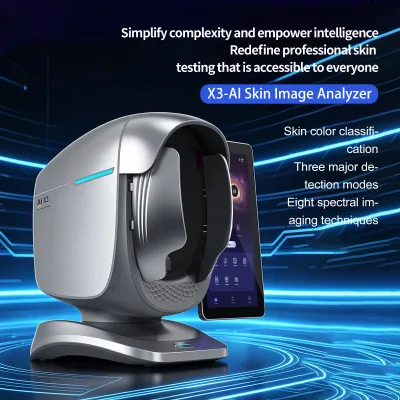
Minimum order quantities (MOQ) and pricing structures are equally critical comparison points for budgeting and inventory strategy. The observed MOQ for these devices is as low as one unit, which is advantageous for small businesses or those testing the market. However, price ranges fluctuate significantly, with some models listed between $600 and $1,100, while others range from $900 to $1,760. These price differences may reflect variations in pixel resolution, such as 36 million HD pixels versus standard imaging, or the inclusion of advanced features like multi-language support and adjustable image clarity. Buyers must compare the price per unit against the specific technical specifications, such as the "8 Spectral" imaging capability or the "Intelligent Skin Analyzer System," to ensure they are not overpaying for basic features or underestimating the cost of high-end diagnostic tools.
Common Portable 3D Topography Skin Analyzer Sourcing Risks
One significant risk in sourcing portable 3D topography skin analyzers is the potential mismatch between advertised capabilities and actual product performance. Product attributes list features like "3D Ai Skin Analyzer Machine" and "Smart Product Recommendations," but without standardized testing results, these claims remain unverified. Buyers face the risk of receiving units that fail to deliver the promised "Skin Quality Analysis" or "Pore Analysis" accuracy. The variation in product names, such as "Body Analyzer Device" versus "Facial Steamer," suggests that some listings may be mislabeled or generic templates used for multiple unrelated products. This ambiguity increases the risk of receiving a device that does not match the specific topography scanning requirements needed for professional dermatological assessments.
Another critical risk involves the lack of consistent warranty and after-sales support information across different suppliers. While some product entries explicitly state a "2 Years" warranty, others provide no warranty details at all. This inconsistency creates uncertainty regarding long-term maintenance and repair costs for the portable units. Furthermore, the absence of establishment years in the supplier data makes it difficult to assess the supplier's track record for honoring warranties. If a supplier has been in business for only a short period, they may lack the infrastructure to handle complex repairs or software updates for the 3D scanning technology. Buyers must verify the warranty terms in writing before payment, ensuring that the coverage includes both hardware defects and software functionality for the specific model they intend to purchase.
Portable 3D Topography Skin Analyzer Regional Sourcing and Logistics
Logistics planning for portable 3D topography skin analyzers must account for the specific packaging and dimensions provided in the supplier data. Units are shipped in various configurations, including "Flight Case," "Carton," and "Air Box Packaging," with dimensions ranging from compact 48x18x38 cm to larger 66x53x67 cm units. The weight also varies significantly, with some devices weighing as little as 4kg and others reaching 37kg. These physical attributes directly impact shipping costs and handling requirements, especially for buyers importing from China. A 37kg unit in an air box will incur higher freight charges and may require specialized handling equipment at the destination port, whereas a 4kg cartonized unit is more suitable for standard courier services.
Regional sourcing from China involves navigating specific export standards and customs requirements. The product origin is consistently listed as China, but the specific province of origin, such as Shaanxi or Guangdong, can influence the type of export documentation and local logistics partners available. Suppliers in Guangdong, often closer to major ports like Shenzhen or Guangzhou, may offer faster transit times compared to those in Shaanxi. Buyers should verify the exact shipping terms, such as FOB or EXW, to understand who bears the risk during transit. Additionally, the "Multi Language Support" feature on the devices does not affect logistics, but the voltage specifications, listed as 110V/220V, are crucial for ensuring the equipment is compatible with the electrical infrastructure of the buyer's location without requiring additional transformers.
Portable 3D Topography Skin Analyzer Commercial Terms and Order Planning
Commercial terms for portable 3D topography skin analyzers often include customization options that can significantly alter the final order cost and timeline. Many suppliers indicate that "Customization" is available, allowing buyers to request specific branding, software interfaces, or hardware modifications. This ODM capability is a key differentiator, as it enables buyers to create a unique product identity rather than selling generic equipment. However, customization requests typically extend the lead time beyond the standard 15 days observed in the data. Buyers must clarify the specific customization requirements early in the negotiation process to avoid delays and ensure that the modified units still meet all necessary safety certifications like CE or RoHS.
Order planning should also consider the payment security and escrow options provided by the platform. While the specific escrow terms are not detailed in the current facts, the presence of verification badges like SGS and BV suggests that these suppliers are eligible for secure payment channels. Buyers should utilize these escrow services to protect their funds until the goods are shipped and verified. Additionally, the "OEM ODM Service" availability implies that buyers can negotiate volume discounts or exclusive distribution rights. It is essential to confirm the payment currency and method, as well as the deposit requirements, before finalizing the order. Proper planning ensures that the financial terms align with the buyer's cash flow and that the supplier is committed to delivering the agreed-upon specifications for the Portable 3D Topography Skin Analyzer.
FAQs
Where are portable 3D skin analyzers manufactured?
Portable 3D skin analyzers are manufactured in China, specifically in Shaanxi and Guangdong provinces. These regions host trading companies and combined suppliers offering various beauty equipment models for global markets.
What is the minimum order quantity for these devices?
The minimum order quantity is one unit for most portable 3D skin analyzer models. This low MOQ allows buyers to test products before placing larger orders for salon or home use applications.
How long does delivery take for these machines?
Delivery lead times are typically 15 days for portable 3D skin analyzers. Buyers should confirm specific shipping schedules with suppliers to ensure timely arrival for their business operations or salon openings.
Are these devices available with customization options?
Yes, customization is available for many portable 3D skin analyzer models. Suppliers offer OEM and ODM services, allowing buyers to tailor features like language support, packaging, and specific analysis functions.
What certifications do these machines hold?
Some models carry CE, RoHS, and ISO certifications. Additionally, certain suppliers hold ISO9001:2015 system certifications, ensuring quality management standards are met for the manufacturing and supply of these beauty devices.
What is the price range for these analyzers?
Prices range from 600 to 1760 USD depending on the model and features. Specific units like the 3D Ai Skin Analyzer start around 600 USD, while advanced versions with 36 million pixels cost up to 1760 USD.
How quickly do suppliers respond to inquiries?
Supplier response times vary, with some responding within 1.90 hours and others taking up to 6.35 hours. Fast response times are common among verified suppliers in Guangdong and Shaanxi provinces.
Can these machines be used at home or in salons?
These portable 3D skin analyzers are designed for both salon and home applications. Their compact, portable design allows easy transport, making them suitable for professional beauty treatments or personal skincare routines.