Professional Salon Nail Trimmer Suppliers and Manufacturers
Explore 23 verified options for Professional Salon Nail Trimmer suppliers offering customization, varied certifications, and distinct lead times. Compare response times, MOQs, and product specifications to identify the right partner for your sourcing needs today; review the available evidence before requesting comparable quotations from suitable candidates.
Suppliers List

Wenzhou Hexi Electronic Technology Co., Ltd.
- Verified by SGS
- Combined
- China Zhejiang
- Lead time23 days
- Avg. response≤ 5h
Main productsNeck and Back Massager, Massage Gun, Massage Pillow, Foot Massager, Beauty& Personal Care, Water Flosser, Eye Massager, Electric Toothbrush, Hair Curler, Knee Massager
Main marketsAfrica,Southeast Asia/ Mideast,Europe


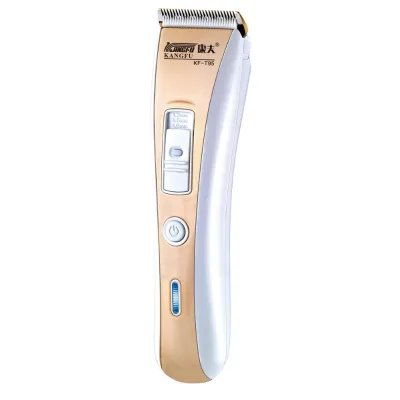
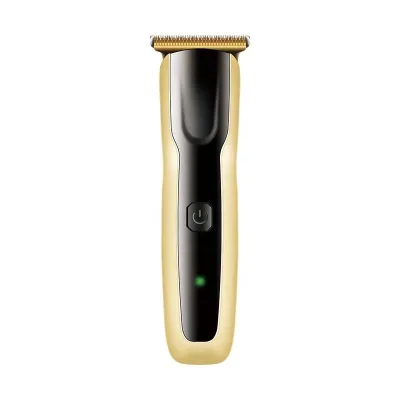
Professional Cordless Barber Hair Clipper Professional Hair Trimmer Hair Cutting Machine for Men
$6.50 - $7.50
MOQ: 200 Pieces


$6.50 - $7.50
MOQ: 100 Pieces

- Trading Company
- China Zhejiang
- Lead time0 days
- Avg. response≤ 11h
Main productsHousehold, Personal Care, Kitchenware, Fitness, Car Items, Tools, Health Care, Paint Brush, Magic Mesh, Beauty

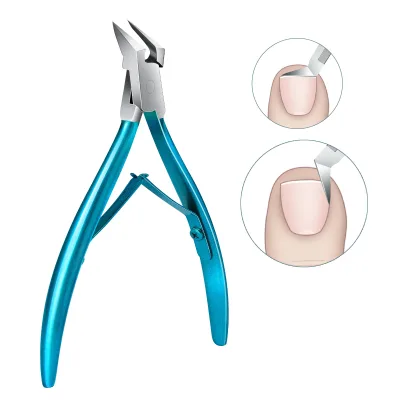
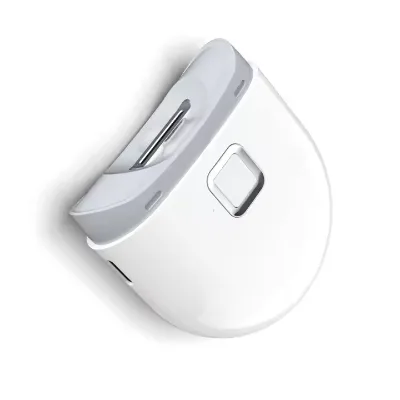
Anti Splash Nail Clipper Professional Nail Trimmer Nail Dead Skin Trimming Tool
$1.75 - $1.80
MOQ: 200 Pieces

Guangdong Huanengda Electrical Appliances Co., Ltd.
- Verified by TüVRheinland
- Manufacturer, Trading Company
- Lead time45 days
- Avg. response≤ 1h
Main productsHair Dryers, Straighteners, Curlers, Clippers, Shavers
Main marketsDomestic Market(60%), North America(15%), Southern Europe(12%)

Changsha Fusheng Electronic Technology Co., Ltd.
- Trading Company
- China Hunan
- Lead time15 days
- Avg. response≤ 2h
Main productsElectronic Product
Main marketsSoutheast Asia/ Mideast,Europe,North America


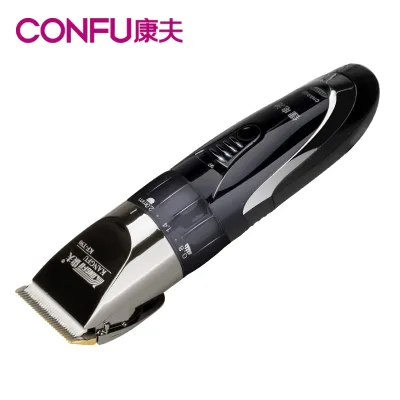
Electric Professional Barber Hair Clipper Rechargeable Hair Trimmer Digital Display Salon Cutter
$4.90 - $7.90
MOQ: 10 Pieces


Professional Electric Hair Trimmer with Adjustable Comb Haircut Equipment
$17.60 - $23.90
MOQ: 10 Pieces

- Verified by CTI
- Trading Company,Manufacturer/Factory
- China Guangdong
- Lead time105 days
- Avg. response≤ 9h
Main productsBluetooth Speaker, Radio Receiver, Solar Energy, Car Motro Battery, TV DVD, Headphone Headset, Data Cable, Smart Watch
Main marketsSouth America,Eastern Europe,Mid East,North America,Southeast Asia,Eastern Asia,Oceania,Western Europe,Africa

Trimmer Hair Clipper Men Metal Electric Adult Professional Barber Hair Salon Clippers
$3.05 - $3.35
MOQ: 1000 Pieces

Trimmer Hair Clipper Men Metal Electric Professional Barber Hair Salon Clippers
$4.05 - $4.35
MOQ: 1000 Pieces

Guangzhou Ice Beauty Nail Art Supplies Co., Ltd.
- Verified by TUVRHEINLAND
- Manufacturer/Factory
- China Guangdong
- Lead time30 days
- Avg. response≤ 13h
Main productsNail Dust Collector, Nail Steamer, UV Nail Curing Lamp, Nail Drill Machines, Electric Foot File, Nail Decorations, Wax Heater, Beauty & Personal Care Product
Main marketsSouth America,Eastern Europe,Mid East,North America,Southeast Asia,Eastern Asia,Oceania,Western Europe,Africa


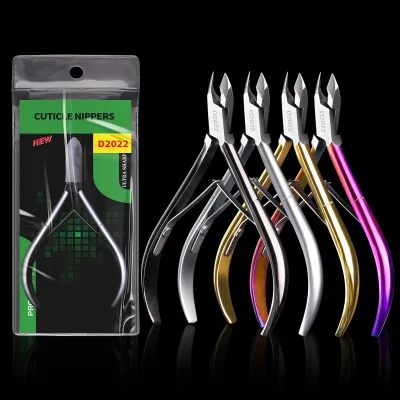
Professional Stainless Steel Nail Cuticle Nipper Cutter for Nails Art Manicure Salon
$4.70 - $5.30
MOQ: 100 Pieces

Colorful Luxury Professional Stainless Steel Portable Finger Nail Clipper Trimmer
$3.85 - $3.99
MOQ: 500 Pieces


Professional Stainless Steel Nail Cuticle Nipper for Fingernails Toenails Pedicure Manicure
$3.80 - $4.50
MOQ: 100 Pieces
- Verified by BV
- Trading Company
- China Zhejiang
- Lead time30 days
- Avg. response≤ 8h
Main productsElectric Kettle, Massager, Hair Dryer, Heater, Electric Grill, Humidifier, Hair Straightener, Mixer, Beauty Instrument, Electronics
Main marketsAfrica,Southeast Asia/ Mideast,Europe,North America

Wenzhou Boyo Electric Appliance Co., Ltd.
- Verified by BV
- Manufacturer/Factory
- China Zhejiang
- Lead time45 days
- Avg. response≤ 12h
Main productsHair Straightener, Hair Curler, Men's Shaver, Lady Epilator/Rozar, Callus Remover, Hair Dryer, Hair Clipper/Trimmer, Facial Cleansing Brush, Hot Air Brush, Oil Diffuser
Main marketsSouth America,Eastern Europe,Mid East,North America,Southeast Asia,Eastern Asia,Oceania,Western Europe,Africa


Professional Zero Cut Hair Trimmer Rechargeable Hair Clipper Carving Trimmer Clippers Tools
$4.80 - $6.50
MOQ: 3000 Pieces


Electric Portable Cordless Hair Trimmer Rechargeable Professional Hair Clipper
$5.80 - $6.50
MOQ: 3000 Pieces


Yangjiang Feehome Tech Co., LTD
- Verified by TUVRHEINLAND
- Trading Company,Manufacturer/Factory,Group Corporation,Other
- China Guangdong
- Lead time23 days
- Avg. response≤ 3h
Main productsKitchen Knives, Outdoor Knives, Nail Clippers, Kitchen Ware, Tea Infuser, BBQ Tools, Multi Function Tools, Kitchen Tools, Baking Tools, Coffee Tools
Main marketsSouth America,Eastern Europe,Mid East,North America,Southeast Asia,Eastern Asia,Oceania,Western Europe,Africa

Qingdao Toyo Industry Co., Ltd.
- Verified by BV
- Trading Company
- China Shandong
- Lead time15 days
- Avg. response≤ 2h
Main productsGlass Cutting Machine, Glass Storage Equipment, Glass Racks, Glass Grinding and Polishing Machine, Glass Vacuum Lifter, Glass Handing Equipment, Glass Laminating Machine, Insulating Glass Production Line, Glass Slings, Glass Machinery Consumables and Tools
Main marketsSouth America,Africa,Southeast Asia/ Mideast,East Asia(Japan/ South Korea),Europe,Australia,North America

Seemagic Portable Electric Manicure Toenail Trimmer: Innovative Nail Clipper PRO
$48.00
MOQ: 50 Pieces


Guangzhou Umei Technology Co., Ltd
- Verified by SGS
- Manufacturer/Factory
- China Guangdong
- Lead time15 days
- Avg. response≤ 2h
Main productsHair Straightener, Hair Dryer, Hair Curler, Hair Clipper, Photo Booth Vending Machine, Cotton Candy Vending Machine, Popcorn Vending Machine, Vending Machine, Ice Cream Vending Machine, 360 Photo Booth
Main marketsSouth America,Eastern Europe,Mid East,North America,Southeast Asia,Eastern Asia,Western Europe

Metal Barber Shop Commercial Professional Brushless Motor Hair Clipper& Hair Trimmer
$40.00 - $45.00
MOQ: 500 Pieces

Low Noise Rechargeable Cordless Close Cutting Professional Cordless Men Hair Trimmer
$14.50 - $15.00
MOQ: 500 Pieces
Hefei Leyimei Trading Co., Ltd.
- Trading Company
- Anhui, China
- Lead time10 days
- Avg. response≤ 3h
Main productsnail lamp,nail drill,nail brush,nail file,nail tool
Main marketsNorth America(50.00%), Western Europe(15.00%), South America(10.00%), Eastern Europe(10.00%), Southern Europe(10.00%), Northern Europe(5.00%)

HANGZHOU WEIZE IMP & EXP CO., LTD.
- Verified by TUVRHEINLAND
- Trading Company
- China Zhejiang
- Lead time30 days
- Avg. response≤ 4h
Main productsProtective Mask
Main marketsAfrica,Southeast Asia/ Mideast,Europe,North America

Professional Electric Nail Polisher Multi-Functional Safe Baby Electric Nail Trimmer
$3.11 - $5.05
MOQ: 100 Pieces

Guangdong Yilian Digital Industry Co., Ltd.
- Manufacturer, Trading Company
- Guangdong, China
- Lead time30 days
- Avg. response≤ 23h
Main productsMobile Charger,Data Cable,Sports,Others,TWS
Main marketsSouth America(40.00%), South Asia(10.00%), Western Europe(10.00%), Eastern Asia(10.00%), Mid East(10.00%), Africa(10.00%), Southeast Asia(10.00%)

- Verified by SGS
- Trading Company
- China Guangdong
- Lead time15 days
- Avg. response≤ 12h
Main productsRespirator
Main marketsSouth America,Southeast Asia/ Mideast,Domestic,Europe,North America

Hangzhou Longwin Industry Limited
- Verified by SGS
- Trading Company,Manufacturer/Factory
- China Zhejiang
- Lead time15 days
- Avg. response≤ 6h
Main productsHome Cleaning, Domestic Appliances, Auto and Motorcycle and Bicycle, Fiberglass Products, Battery, Clothing, Furniture, Tools, Machine, Building
Main marketsSouth America,Eastern Europe,Mid East,North America,Southeast Asia,Eastern Asia,Oceania,Western Europe,Africa


High Quality Professional Hair Cutting Hairdressing Barber Salon Scissor Thinning Hair Scissor
$25.31 - $51.24
MOQ: 1 Pieces

Professional Hairdressing Scissors Professional Barber Scissors Hair Cutting Shears Scissor Haircut
$51.65 - $56.20
MOQ: 10 Pieces

Shenzhen Huayu Electronics Technology Co., Ltd.
- Manufacturer, Trading Company
- Guangdong, China
- Lead time15 days
- Avg. response≤ 2h
Main productsMenstrual Heating Pad, EMS Massage Belt, Light Shading Eye Mask, Heated Eye Massager Mask
Main marketsNorth America(30.00%), Western Europe(30.00%), Oceania(20.00%), Africa(10.00%), Southeast Asia(10.00%)

Guangzhou Xinyang Electric Appliance Co., Ltd.
- Verified by SGS
- Combined
- China Guangdong
- Lead time15 days
- Avg. response≤ 11h
Main productshair dryer
Main marketsDomestic

New Professional Rechargeable Hair Clipper; for Barber Shop Useelectric Trimmer
$7.80 - $11.50
MOQ: 500 Pieces

$7.20 - $8.00
MOQ: 200 Pieces

Ningbo Sunkin Electrical Co., Ltd.
- Verified by TUVRHEINLAND
- Trading Company
- China Zhejiang
- Lead time15 days
- Avg. response≤ 14h
Main productsLED Bulbs, LED Tube, LED Floodlight, LED Panel Light, LED Spotlight, G9 LED Lamp
Main marketsEurope,North America

Foshan Nanhai Jin Yuan Da Metal Manufacturing Co., Ltd.
- Combined
- China Guangdong
- Lead time23 days
- Avg. response≤ 23h
Main productsNail Clipper, Key Chain, Bottle Opener
Main marketsSouth America,Africa,Southeast Asia/ Mideast,East Asia(Japan/ South Korea),Domestic,Europe,North America

Professional Production of Nail Clippers General Manicure Scissors Carbon Steel Nail Clippers
$0.31 - $0.32
MOQ: 12000 Pieces

Professional Production of Nail Clippers Practical Wide Clippers Sharp Carbon Steel Nail Clippers
$0.29 - $0.30
MOQ: 12000 Pieces


Foshan Nanhai Xiqiao Zhengrong Nail Clipper Factory
- Verified by SGS
- Combined
- China Guangdong
- Lead time30 days
- Avg. response≤ 14h
Main productsNail Clipper
Main marketsDomestic,Europe,North America

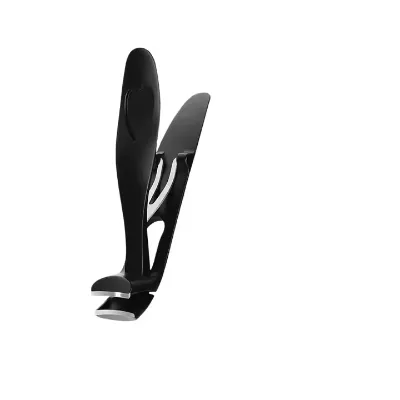
Beauty Salon Equipment Golden Longer Handle Trimmer Cuticle Nail Clippers (301G)
$0.67 - $0.68
MOQ: 10000 Pieces

Multi Color Fashion Nail Clippers with Nail File Manicure Care Nail Cutter
$0.22 - $0.26
MOQ: 2000 Pieces

Simple Golden Handle Nail Cutter Clippers for Manicure Care Use
MOQ: 5000 Pieces

Simple Golden Handle Nail Cutter Clipper for Manicure Care Use
MOQ: 5000 Pieces

Foshan Fengdeli Nail Clippers Manufacturing Co., Ltd.
- Trading Company,Manufacturer/Factory
- China Guangdong
- Lead time45 days
- Avg. response≤ 7h
Main productsNail Clipper, Manicure Set, Tweezers, Pedicure Implements, Baby Gifts, Scissors, Beauty Set, Key Rings, Nail Files, Promotion Gifts
Main marketsSouth America,Eastern Europe,Mid East,North America,Southeast Asia,Western Europe,Africa

Professional Japan Toe Finger Nail Clipper Cutters with Plastic Catcher
$0.35 - $0.40
MOQ: 6000 Pieces

New Professional High Quality Nail Cutter Clipper with Epoxy Coating and Soft Touch
$0.29 - $0.38
MOQ: 3000 Pieces


MOQ: 24000 Pieces

MOQ: 24000 Pieces

Jiangxi Orange Trading Co., Ltd.
- Trading Company
- Jiangxi Province, China
- Lead time15 days
- Avg. response≤ 2h
Main productsNail Art Brush,Makeup Brush,Paint Artist Brush
Main marketsNorth America(35.00%), South America(20.00%), Western Europe(13.00%), Central America(10.00%), Northern Europe(5.00%), Africa(3.00%), South Asia(2.00%), Southern Europe(2.00%), Oceania(2.00%), Southeast Asia(2.00%), Eastern Europe(2.00%), Eastern Asia(2.00%), Mid East(2.00%)






Comprehensive Sourcing Guide
Professional Salon Nail Trimmer Supplier Concentration and Factory Types
The current supplier landscape for professional salon nail trimmers reveals a concentration of manufacturing activity within specific regions of China, particularly Zhejiang and Ningbo. These locations serve as primary hubs where factories and trading companies cluster to support the production of personal care appliances and beauty tools. When evaluating potential partners, buyers should look for evidence of these regional origins in product specifications or company profiles, as this often indicates access to established supply chains for components like stainless steel and plastic. The presence of suppliers in these areas suggests a mature ecosystem capable of handling both standard and customized orders for nail care devices.
Company structures in this sector vary significantly, ranging from pure manufacturers to combined entities that function as both producers and traders. Some suppliers list their type as a combined operation, offering the flexibility of direct factory pricing alongside the logistical support of a trading company. Others operate strictly as trading companies, sourcing from various factories to aggregate a broader catalog of beauty and personal care items. Understanding this distinction is critical, as a manufacturer may offer deeper customization capabilities for specific models, while a trading company might provide a wider variety of finished goods and faster sample processing. Buyers must verify the actual nature of the entity to align with their specific sourcing strategy.
How to Verify Professional Salon Nail Trimmer Suppliers
Verification of supplier credibility relies heavily on third-party audit reports and specific certification data rather than general claims. In the current results, some suppliers display verification status from recognized bodies like SGS or TÜV Rheinland, which provides a baseline level of confidence regarding their business operations. However, not all suppliers in the dataset show a verification badge, and the absence of such a mark does not automatically disqualify a partner but necessitates a more rigorous due diligence process. Buyers should request current audit reports directly from the supplier to confirm that the facility matches the claimed production capacity and quality control standards.
Certification requirements for professional nail trimmers often include safety and environmental standards such as CE, RoHS, or FCC, depending on the target market. While some suppliers in the results list comprehensive certification portfolios including UL, CSA, and EMC, others show no system certifications listed. This discrepancy highlights the need for buyers to explicitly ask for test reports relevant to the specific product model they intend to purchase. A supplier claiming to manufacture professional-grade equipment should be able to provide documentation proving compliance with international safety regulations. Without these documents, the risk of non-compliance in the destination market increases significantly, potentially leading to customs delays or product recalls.
What to Compare Across Professional Salon Nail Trimmer Suppliers
When comparing suppliers, key operational metrics such as lead time, minimum order quantity, and response time offer critical insights into their reliability and scalability. The data indicates a wide variance in lead times, with some suppliers reporting a standard window of 23 days while others list zero days, suggesting immediate availability or a drop-ship model. Similarly, response times fluctuate between approximately one hour and over ten hours, which can impact the speed of negotiation and problem resolution. Buyers should prioritize suppliers with faster response times for urgent orders but must balance this against the potential for higher costs or lower production capacity.
Minimum order quantities and pricing structures also vary considerably across the supplier base, influencing the feasibility of small-batch testing versus large-scale production runs. For instance, some professional hair and nail trimmer models have an MOQ of 100 units with a price range starting around $3.00, while others require 200 units with prices starting near $6.50. These differences often reflect the complexity of the product, the level of customization available, and the specific manufacturing setup. Buyers must align their order volume with the supplier's MOQ to avoid unnecessary costs, while also ensuring that the unit price fits within their target margin. Comparing these figures side-by-side helps identify the most cost-effective partner for the specific order size.
Common Professional Salon Nail Trimmer Sourcing Risks
One significant risk in sourcing professional nail trimmers involves the discrepancy between claimed product attributes and actual manufacturing capabilities. Some suppliers list detailed specifications such as waterproof ratings, blade materials, and battery types, yet fail to provide corresponding test evidence or certification for these features. For example, a product might claim IPX7 waterproofing or titanium alloy blades, but without a verified test report, these claims remain unproven. Buyers should treat such specifications as provisional until confirmed by independent testing or a factory audit, as unverified claims can lead to product failures in the field and damage to brand reputation.
Another critical risk is the inconsistency in customization availability and the clarity of the supply chain. While many suppliers indicate that customization is available, the extent of this service varies from simple color changes to full ODM and OEM development. Some suppliers list their capacity as limited to sample processing or graphic design, which may not support complex engineering changes required for professional salon equipment. Additionally, the lack of a clear establishment year or long-term track record in the provided data makes it difficult to assess the supplier's stability. Buyers should verify the supplier's history and capacity for long-term support to ensure they can maintain consistent quality and supply over time.
Professional Salon Nail Trimmer Regional Sourcing and Logistics
Logistics planning must account for the specific origins of the products, which are frequently listed as Ningbo, China, or Zhejiang. These regions are major export hubs with well-developed port infrastructure, facilitating efficient shipping to global markets. However, the specific origin stated in product attributes, such as Ningbo, should be cross-referenced with the supplier's actual location to ensure consistency. If a supplier claims to be based in one region but the product origin is listed as another, it may indicate a complex supply chain involving multiple factories, which can complicate quality control and shipping coordination.
Lead times and shipping schedules are heavily influenced by the supplier's location and their current production load. The observed lead times in the dataset range from immediate availability to 45 days, reflecting the variability in factory schedules and order backlogs. Buyers should factor in these lead times when planning their inventory, especially for seasonal peaks in the beauty and personal care market. Furthermore, the packaging standards, such as carton or blister packaging, affect the volume and weight of the shipment, which in turn influences freight costs. Understanding the logistical implications of the supplier's location and packaging choices is essential for accurate cost estimation and delivery scheduling.
Professional Salon Nail Trimmer Commercial Terms and Order Planning
Commercial terms regarding payment, escrow, and after-sales service are vital components of the order planning process. While some suppliers in the results explicitly mention after-sales services like return and replacement, others do not list any warranty or support terms. This variation requires buyers to negotiate clear terms before placing an order, ensuring that there is a mechanism for handling defective units or quality issues. The absence of a stated warranty should not be assumed to mean none exists, but rather that it must be explicitly agreed upon in the purchase agreement to protect the buyer's interests.
Order planning also involves aligning the financial terms with the supplier's pricing structure and MOQ requirements. The price ranges observed, from as low as $1.75 to over $13.00 per unit, depend heavily on the product model, material quality, and customization level. Buyers must calculate the total landed cost, including shipping and duties, to ensure the final price remains competitive. Additionally, the response time of the supplier can impact the speed of order confirmation and payment processing. A supplier with a slow response time might delay the entire order cycle, so it is advisable to select partners who can communicate quickly and efficiently to keep the project on schedule.
FAQs
What is the price range for professional nail trimmers?
Professional nail trimmers typically range from $1.75 to $13.60 per unit depending on features. Manual clippers start around $1.75, while electric models with LED displays or rechargeable batteries cost between $3.30 and $13.60. Prices vary based on customization options and order volume.
What is the minimum order quantity for these products?
Minimum order quantities vary by product type. Manual nail clippers require a minimum of 100 units, while electric trimmers often require 200 units. Buyers should verify specific MOQs with suppliers, as some manufacturers offer flexible terms for customized orders or sample processing requests.
Are professional nail trimmers available with certifications?
Certification availability depends on the supplier. Some manufacturers provide CE and ROHS certifications for electric nail trimmers. Others may offer broader compliance including UL, FCC, and ETL for hair care appliances. Buyers should request specific test reports to ensure products meet regional safety standards.
How long does it take to receive orders?
Lead times vary significantly among suppliers. Some manufacturers report a lead time of 23 days, while others indicate 45 days for production. Certain suppliers list zero lead time, which may indicate stock availability. Buyers should confirm production schedules directly with suppliers before placing bulk orders.
What is the typical response time from suppliers?
Supplier response times range from 1 hour to over 10 hours. Some verified manufacturers respond within one hour, ensuring quick communication for urgent inquiries. Others may take up to 10.35 hours. Faster response times often correlate with higher verification levels and established trading operations.
Can I customize professional nail trimmers?
Customization is widely available for both manual and electric nail trimmers. Suppliers offer OEM and ODM services, allowing for custom branding, packaging, and design modifications. Buyers can request specific colors, materials, or functional adjustments. Customization options should be confirmed with the manufacturer prior to ordering.