Rubber Timing Belts Suppliers and Manufacturers
Source 25 verified suppliers for Rubber Timing Belts. Compare key dimensions including lead times, MOQs, response speeds, and certifications like ISO 9001. Review product specifications and pricing to identify the right partner for your procurement needs; review the available evidence before requesting comparable quotations from suitable candidates.
Updated
Suppliers List

- Trading Company
- China Zhejiang
- Lead time30 days
- Avg. response≤ 7h
Main productsRubber Belt
Main marketsSouth America,Europe,Australia,North America
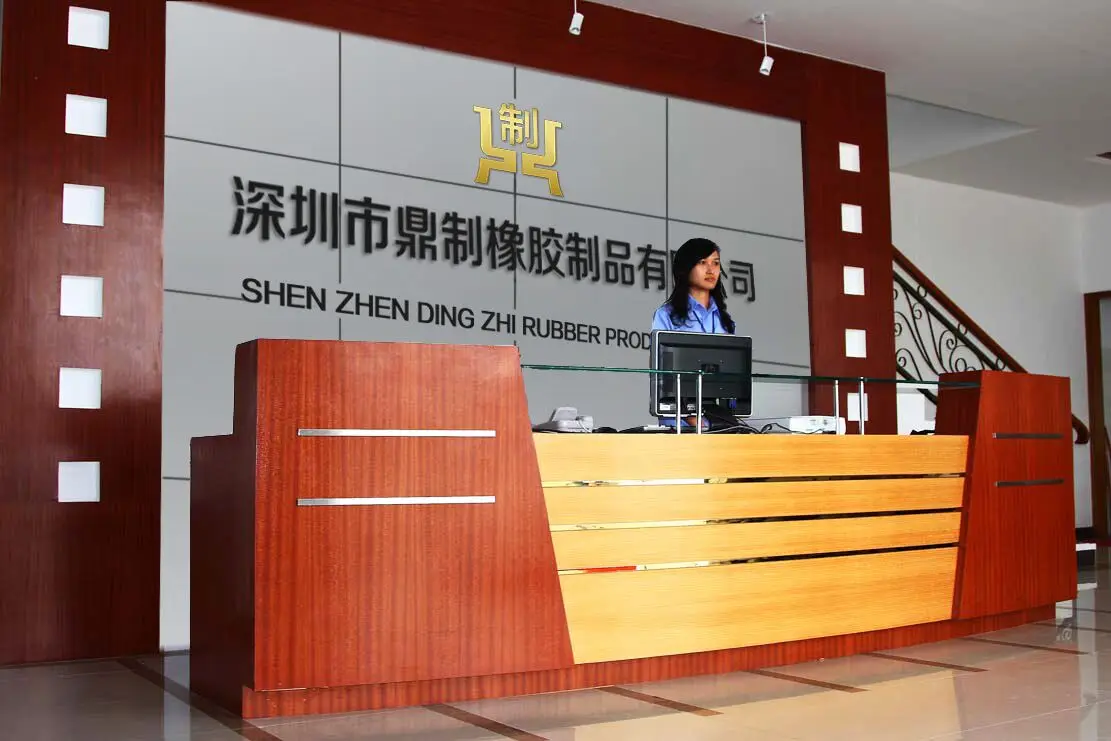
Shenzhen Dingzhi Rubber Products Co., Ltd.
- Manufacturer, Trading Company, Distributor/Wholesaler
- Guangdong, China
- Lead time5 days
- Avg. response≤ 6h
Main productsSilicone sheet,O-ring,Silicone foam string,Silicone sucker,Latex sheet
Main marketsDomestic Market(20.00%), South Asia(15.00%), South America(10.00%), Southern Europe(10.00%), Northern Europe(10.00%), Central America(10.00%), Western Europe(10.00%), North America(10.00%), Eastern Asia(5.00%)

Ningbo Sinoconve Belt Co., Ltd.
- Verified by TUVRHEINLAND
- Trading Company,Manufacturer/Factory
- China Zhejiang
- Lead time0 days
- Avg. response≤ 4h
Main productsV Belt, Timing Belt, Transmission Belt, Conveyor Belt, Conveyor Roller, Cogged V Belt, Pk Belt, Conveyor Belt Fastener

B&C Machinery Accessories Co., Ltd.
- Manufacturer, Trading Company
- Guangdong, China
- Lead time5 days
- Avg. response≤ 18h
Main productstiming belt,conveyor belt,jointing machine,special coating,welding kits
Main marketsDomestic Market(50.00%), Southeast Asia(20.00%), Mid East(15.00%), South America(10.00%), South Asia(7.14%), Southern Europe(7.14%), North America(7.14%), Central America(7.14%), Western Europe(7.14%), Eastern Asia(7.14%), Eastern Europe(7.14%), Oceania(7.14%), Africa(7.14%), Northern Europe(7.00%)
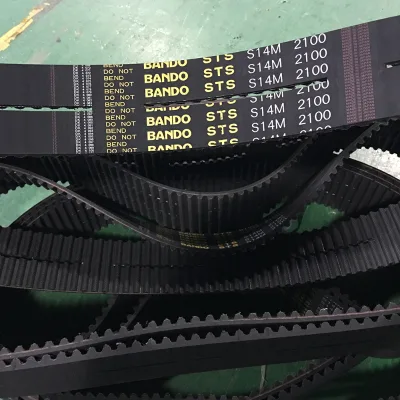
$19.00 - $20.00
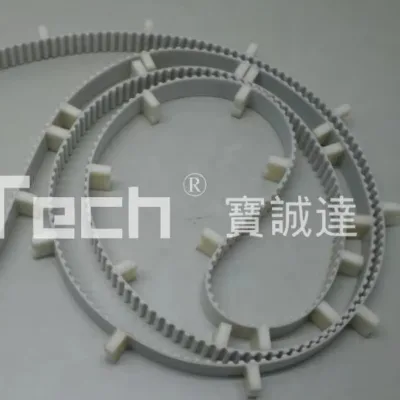
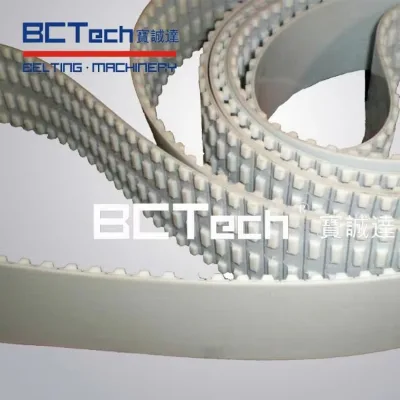
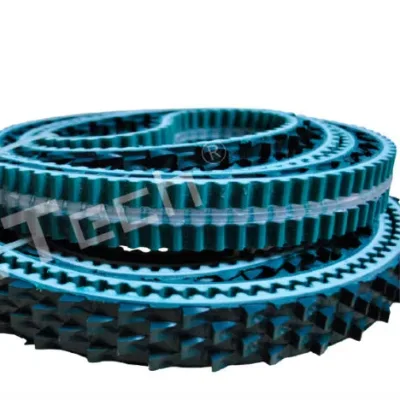
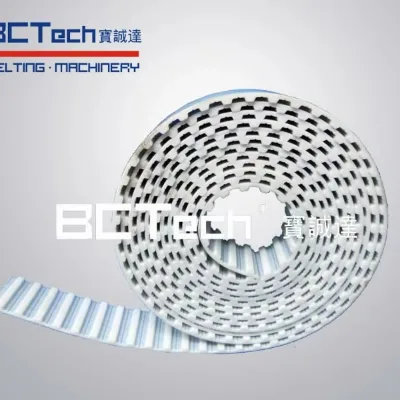
BCTech Industrial Urethane Timing Belt Made in China
$19.00 - $20.00

SHANDONG RESPOWER INDUSTRIAL CO., LTD.
- Manufacturer/Factory
- China Shandong
- Lead time23 days
- Avg. response≤ 6h
Main productsConveyor Belt, Rubber & PVC Hose, Conveyor Components, Crusher Spare Parts, Electric Motor & Gear Box, Related Industrial Products, Hardware Tools
Main marketsSouth America,Eastern Europe,Mid East,North America,Southeast Asia,Eastern Asia,Oceania,Western Europe,Africa

Guangzhou Lianyi Industrial Belt Co., Ltd.
- Manufacturer
- Guangdong, China
- Lead time0 days
- Avg. response≤ 4h
Main productstiming belt,rubber belt,timing pulley,conveyor belt,jointed machine
Main marketsEastern Asia(30.00%), Southeast Asia(30.00%), North America(20.00%), Africa(20.00%), Domestic Market(10.00%), South Asia(10.00%), Northern Europe(10.00%), Eastern Europe(10.00%), Western Europe(5.00%), South America(5.00%), Southern Europe(5.00%), Oceania(5.00%), Central America(5.00%)
Dongguan Zhende Machine Equipment Co., Ltd.
- Verified by TüVRheinland
- Manufacturer, Trading Company
- Lead time10 days
- Avg. response≤ 1h
Main productsTiming Pulley, Timing Belt
Main marketsNorth America(20%), South America(20%), Domestic Market(20%)
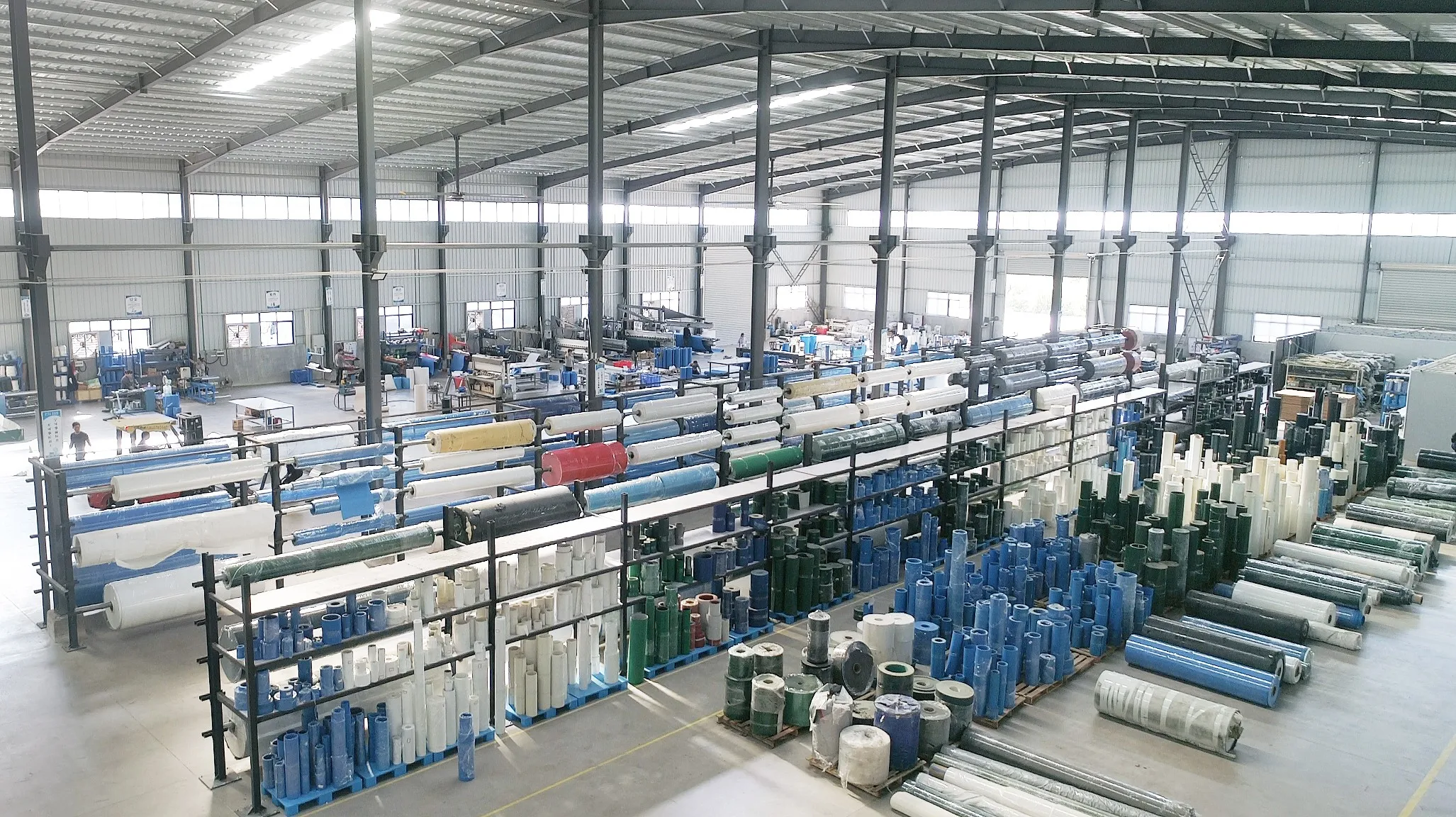
Quanzhou Canwell Transmission Technology Co., Ltd.
- Manufacturer, Trading Company
- Fujian, China
- Lead time15 days
- Avg. response≤ 1h
Main productsHomogeneous belt,Conveyor Belt,Timing Belt,Customized Conveyor Belts,Easy Clean Conveyor Belt
Main marketsWestern Europe(30.00%), North America(30.00%), South America(10.00%), Oceania(10.00%), Africa(10.00%), Southeast Asia(10.00%)
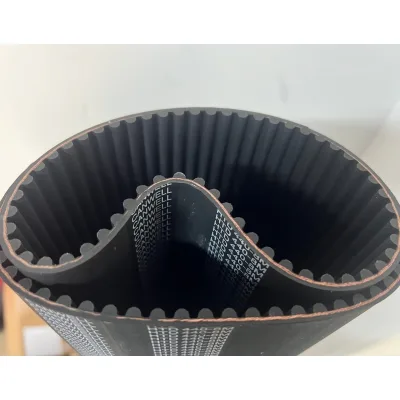
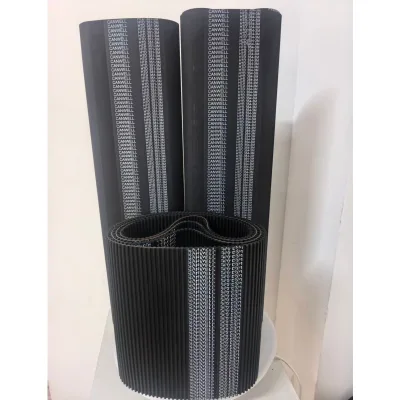
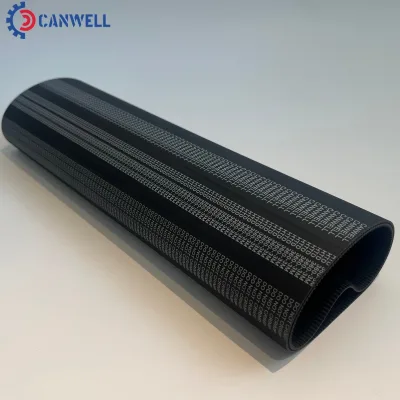
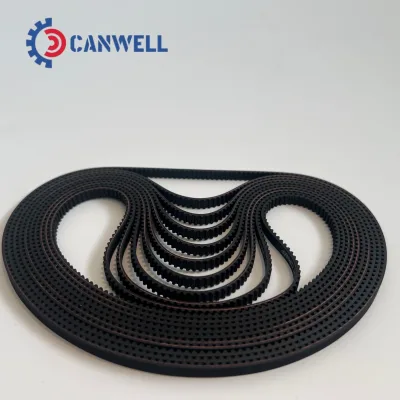
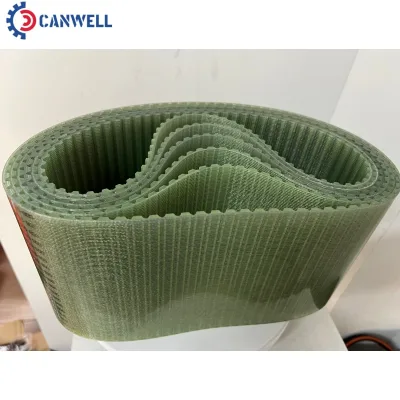
Seamless T10 PU Sleeve Timing Belt Endless Type
$0.30 - $0.50
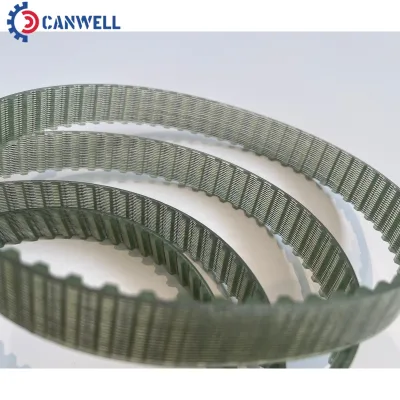
Anti Static T10 PU Sleeve Timing Belt Safe Use
$0.30 - $0.50
Boledon Transmission Technology (guangdong) Co., Ltd.
- Manufacturer
- Guangdong, China
- Lead time10 days
- Avg. response≤ 2h
Main productsIndustrial Conveyor belt,Timing Belt,Transmission conveyor,polyurethane synchronous belt,timing belt processing machine
Main marketsDomestic Market(50.00%), Mid East(10.00%), Africa(10.00%), South America(5.00%), South Asia(5.00%), Western Europe(5.00%), Eastern Asia(5.00%), Southeast Asia(5.00%), Eastern Europe(5.00%)
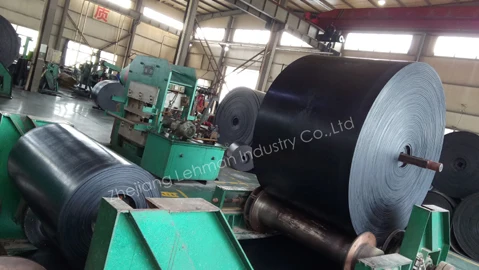
Zhejiang Lehman Industry Co., Ltd.
- Manufacturer, Trading Company
- Zhejiang, China
- Lead time30 days
- Avg. response≤ 4h
Main productsConveyor Roller,mobile crusher,Pulley,Transmission belt,Conveyor belt
Main marketsDomestic Market(19.00%), Eastern Europe(17.00%), Africa(15.00%), Mid East(13.00%), South America(12.00%), North America(6.00%)

Ningbo Sinoconve Belt Co., Ltd.
- Trading Company,Manufacturer/Factory
- China Zhejiang
- Lead time45 days
- Avg. response≤ 4h
Main productsTiming Belt, Conveyor Roller, Conveyor Belt, Transmission Belt, PVC Conveyor Belt, Rubber V Belt, PU Timing Belt
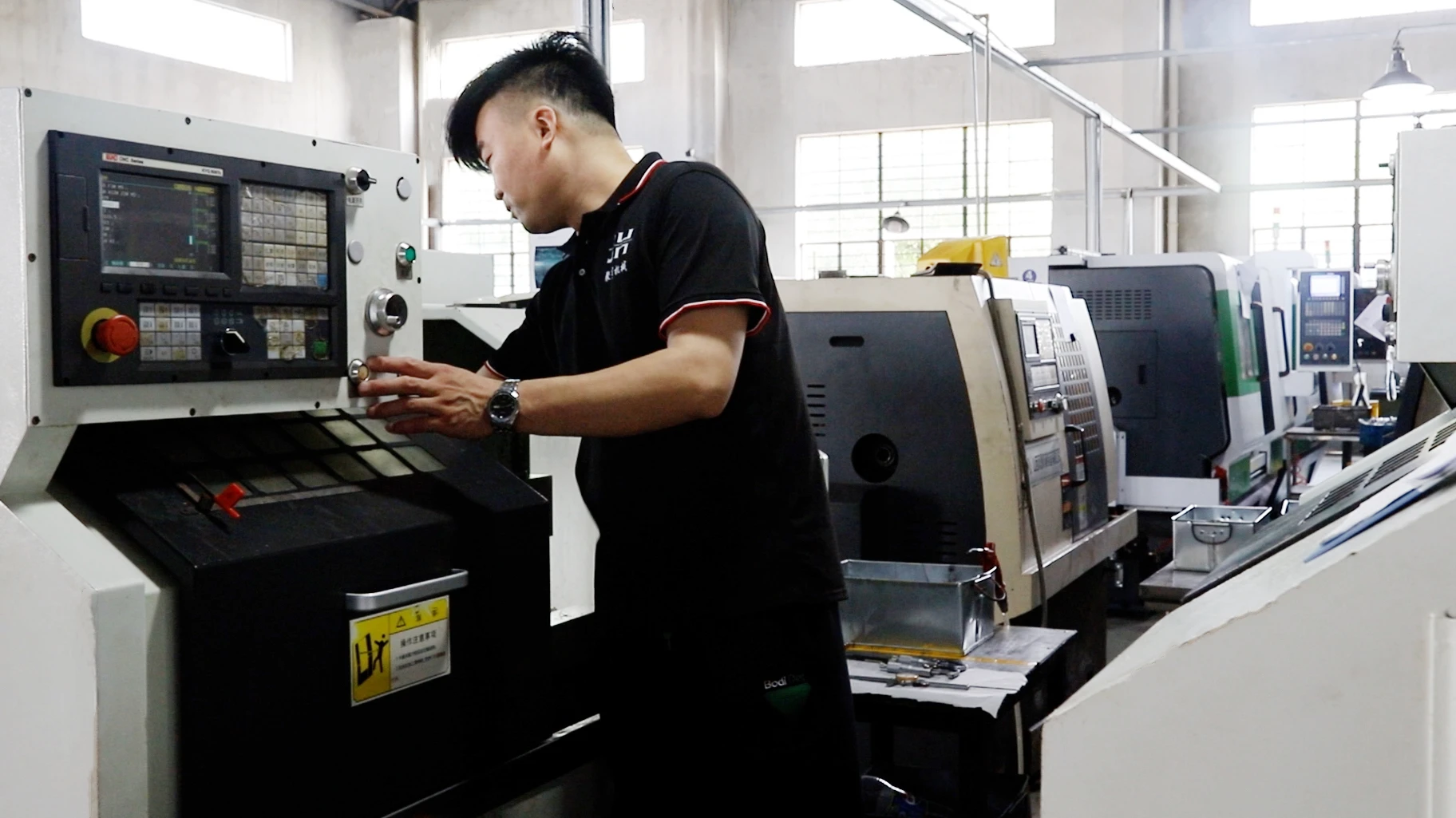
Ningbo Juheng Machinery Technology Co., Ltd.
- Manufacturer
- Zhejiang, China
- Lead time30 days
- Avg. response≤ 3h
Main productsDie Casting,Gears,Shafts,CNC Machining,Worm
Main marketsSoutheast Asia(25.00%), North America(25.00%), South Asia(10.00%), South America(10.00%), Western Europe(9.00%), Southern Europe(8.00%), Africa(5.00%), Oceania(5.00%), Northern Europe(3.00%)
Foshan Jinxi Transmission Technology Co., Ltd.
- Verified by SGS Group
- Manufacturer, Trading Company
- Lead time7 days
- Avg. response≤ 1h
Main productsPU timing belt
Main marketsDomestic Market(50%), North America(15%), Eastern Europe(15%)
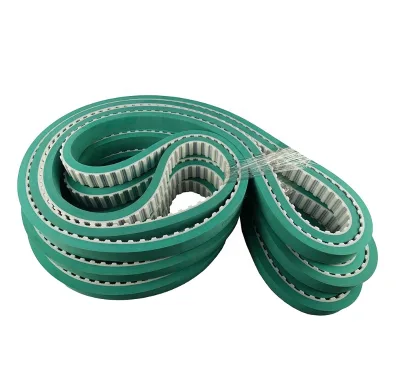
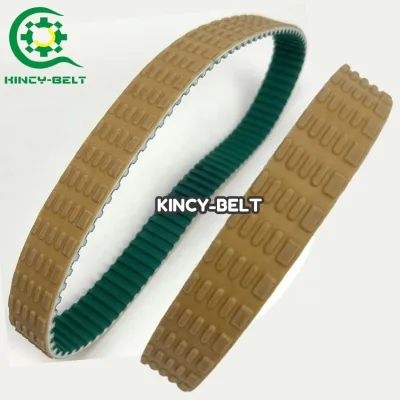
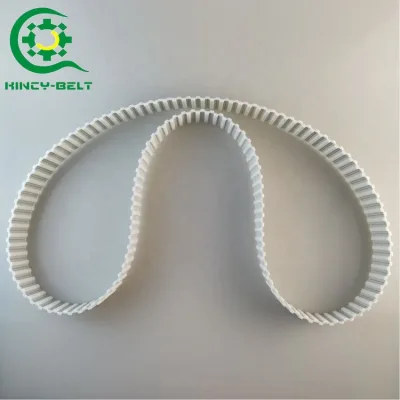
PU Timing Belt Cutting Machine Different Kinds Transmission Belts with Rubber Coating Toothed Belt
$4.0072 - $6.0624
MOQ: 1 pieces

Guangzhou Miaoste Tape Co., Ltd.
- Manufacturer, Trading Company
- Guangdong, China
- Lead time15 days
- Avg. response≤ 6h
Main productstiming belts,rubber belt,v-belt,PK belt,auto parts
Main marketsAfrica(5.00%), Western Europe(5.00%), North America(5.00%), Southern Europe(4.00%), Mid East(3.00%), Oceania(3.00%), Central America(3.00%), South Asia(2.00%), Southeast Asia(2.00%), Domestic Market(2.00%), Eastern Europe(2.00%), South America(2.00%), Eastern Asia(2.00%), Northern Europe(1.00%)
Xiamen Lindas Hardware Industrial Co., Ltd.
- Manufacturer, Trading Company
- Fujian, China
- Lead time20 days
- Avg. response≤ 4h
Main productsRubber Products,Rubber Moulds,Plastic Moulds,Rubber Parts,Metal parts
Main marketsNorth America(46.22%), Northern Europe(31.98%), South Asia(16.83%), Western Europe(1.82%), Eastern Europe(1.41%), Oceania(0.57%), Domestic Market(0.40%), Southern Europe(0.39%), Mid East(0.21%), Eastern Asia(0.17%)
Hebei Oudu Technology Co., Ltd.
- Trading Company
- Hebei, China
- Lead time10 days
- Avg. response≤ 2h
Main productsTransmission Belt , Brake System
Main marketsSoutheast Asia(40.00%), Eastern Europe(30.00%), Mid East(30.00%)

$0.9243 - $1.6942
MOQ: 50 pieces
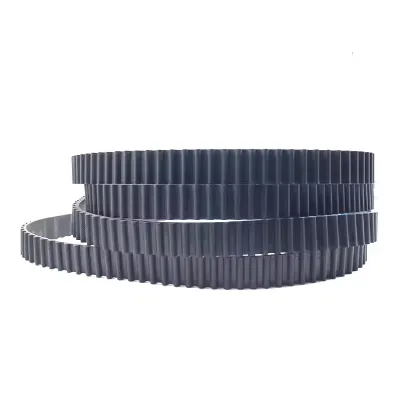
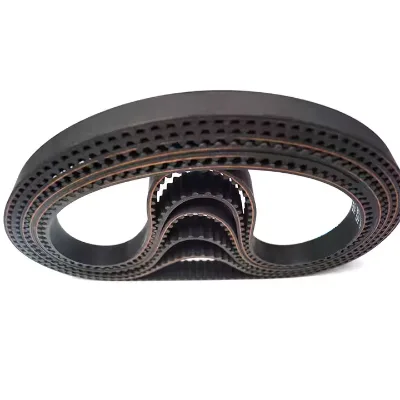
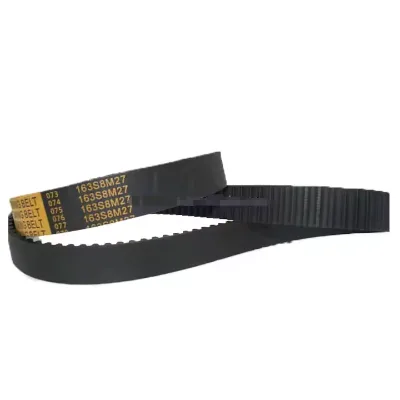
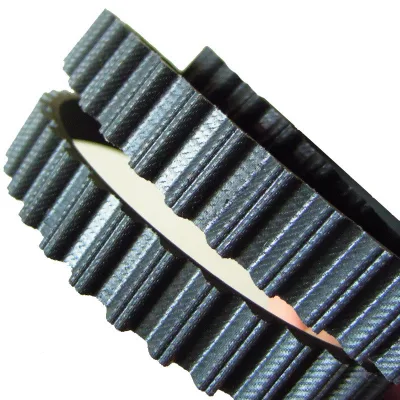
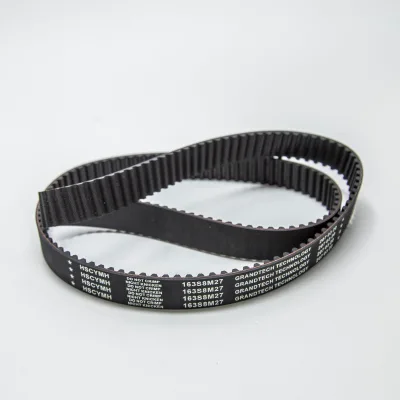
Timing Belt Brand 163s8m27 in Hnbr /cr Material High-quality Auto Timing Belt
$2.10 - $3.00
MOQ: 10 pieces
Yiwu Grand Auto Parts Co., Ltd.
- Trading Company
- Zhejiang, China
- Lead time20 days
- Avg. response≤ 12h
Main productsBrake pad/Diaphragm/Brake shoe, Timing belt/PK belt/V belt
Main marketsSouth America(30.00%), Africa(30.00%), Mid East(20.00%), Eastern Europe(15.00%), Southeast Asia(5.00%)

Ningbo Fulong Synchronous Belt Co., Ltd.
- Combined
- China Zhejiang
- Lead time30 days
- Avg. response≤ 9h
Main productsTiming Belt, Transmission Belt, Industrial Rubber Belt, Drive Belt, V Belt, Flat Belt, Timing Pulley, Ribbed-V Belt, Coated Belt, Pk Belt
Main marketsSouth America,Africa,Southeast Asia/ Mideast,East Asia(Japan/ South Korea),Domestic,Europe,Australia,North America

- Trading Company
- Hong Kong S.A.R.
- Lead time15 days
- Avg. response≤ 2h
Main productsEngines,Gearbox,Engine Parts,Auto Parts,Vehicle Parts
Main marketsSouth America(35.00%), Africa(12.00%), Southeast Asia(12.00%), North America(9.00%), Eastern Europe(5.00%), South Asia(5.00%), Central America(4.00%), Oceania(3.00%), Southern Europe(3.00%), Northern Europe(3.00%), Mid East(3.00%), Western Europe(3.00%), Eastern Asia(3.00%)
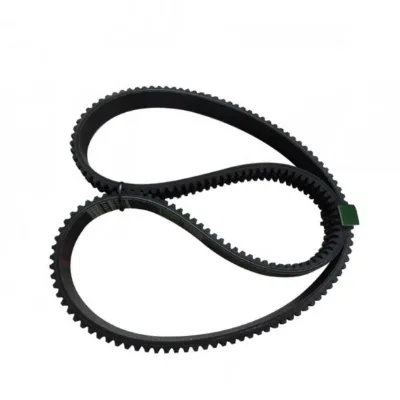
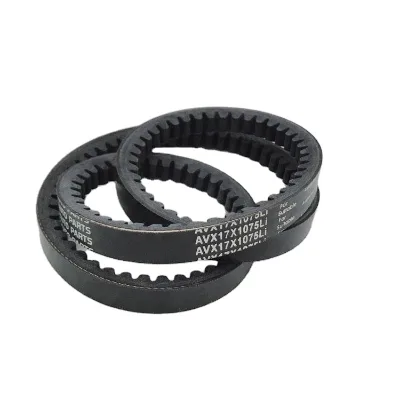
Rubber Timing Belt 2x15x1830 Auto Transmission Belt 2/AV15x1830 for Bus Transmission System
$29.7353 - $39.9876
MOQ: 1 parcels
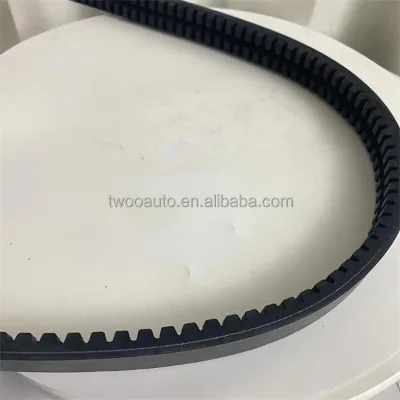
Timing Belt 2/AV15X1960 V- Belt for Sale
$15.00 - $20.00
Shijiazhuang Jiuting International Trade Co., Ltd.
- Trading Company
- Hebei, China
- Lead time15 days
- Avg. response≤ 4h
Main productsPK Belt, Timing Belt, V Belt
Main marketsSoutheast Asia(30.00%), Mid East(25.00%), Africa(15.00%), North America(10.00%), Eastern Europe(10.00%), South America(5.00%), Oceania(5.00%)
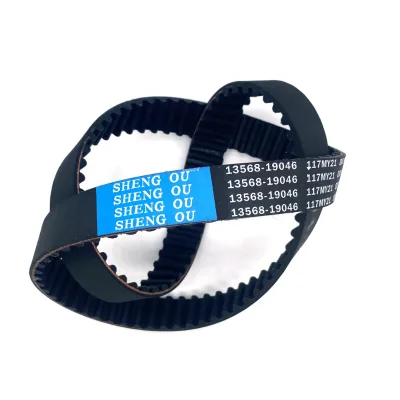
Auto Genuine Timing Belt 55ZA13 106MR19 112RU30 195YU32 All Types Car Belts Auto Timing Belt
$1.8485 - $2.0538
MOQ: 50 pieces
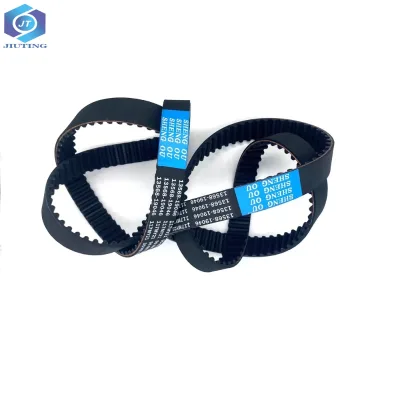
Timing Belt Reliable for Passenger Car SUV Timing System with Rubber Material OEM Replacement
$3.0784 - $3.5922
MOQ: 50 pieces
Guangzhou Libo Transmission Equipment Co., Ltd.
- Verified by TüVRheinland
- Manufacturer, Trading Company
- Lead time3 days
- Avg. response≤ 6h
Main productsConveyor Belt, Other Special Belts
Main marketsSoutheast Asia(40%), South America(20%), Mid East(15%)
Wuxi Kueisn Transmission Equipment Co., Ltd
- Verified by TüVRheinland
- Manufacturer, Trading Company
- Lead time0 days
- Avg. response≤ 1h
Main productsTiming Belt, Timing Belt Pulley, PU Synchronous Belt, Multi-ribbed Belt, V-belt
Main marketsDomestic Market(25%), Eastern Europe(15%), South America(14%)

Wuxi Kueisn Transmission Equipment Co., Ltd.
- Verified by SGS
- Combined
- China Jiangsu
- Lead time15 days
- Avg. response≤ 3h
Main productsRubber Timing Belt, PU Timing Belt, Timing Pulleys, Round Belt, Conveyor Belt, Flat Belt
Main marketsDomestic
Wuxi Jingtian Transmission Technology Co., Ltd.
- Manufacturer, Trading Company
- Jiangsu, China
- Lead time3 days
- Avg. response≤ 4h
Main productsConveyer Belt,Transmission belt,Timing Pulley,pvc pu conveyor belt,timing belt
Main marketsEastern Asia(10.00%), Mid East(10.00%), Northern Europe(10.00%), Africa(10.00%), Southeast Asia(10.00%), Central America(10.00%), South America(10.00%), North America(10.00%), Southern Europe(5.00%), Oceania(5.00%), Eastern Europe(5.00%), Western Europe(5.00%)
Guangzhou Weiqi Auto Parts Co., Ltd.
- Verified by TüVRheinland
- Trading Company
- Lead time30 days
- Avg. response≤ 2h
Main productsFuel Injector System, Electric System, Engine System, Cooling System, Supension Parts
Main marketsDomestic Market(40%), South America(15%), Africa(10%)










Comprehensive Sourcing Guide
Rubber Timing Belts Supplier Concentration and Factory Types
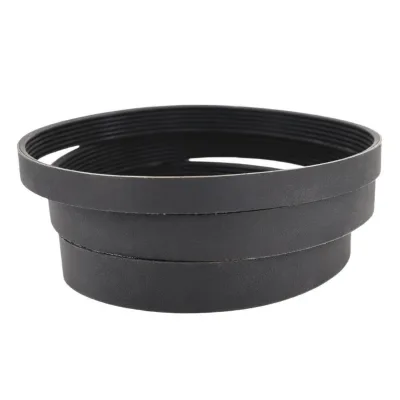
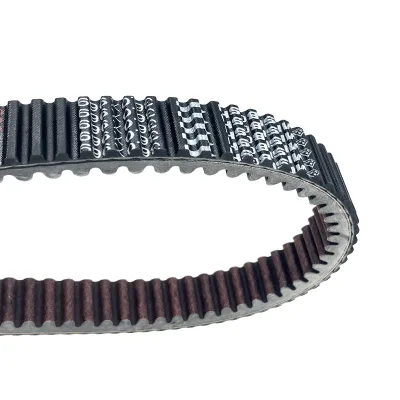
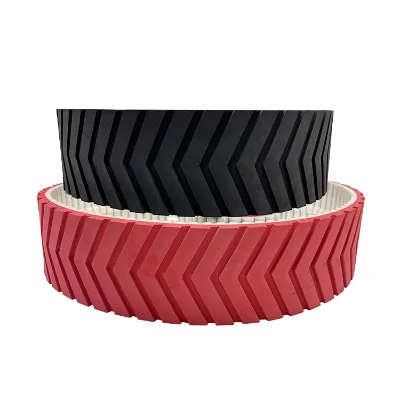
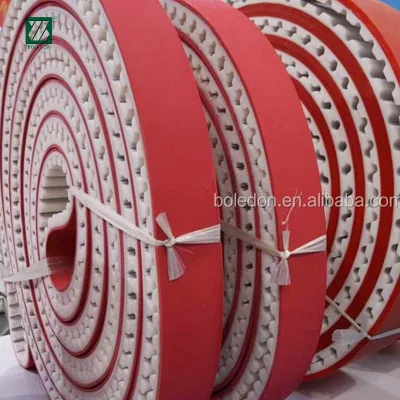
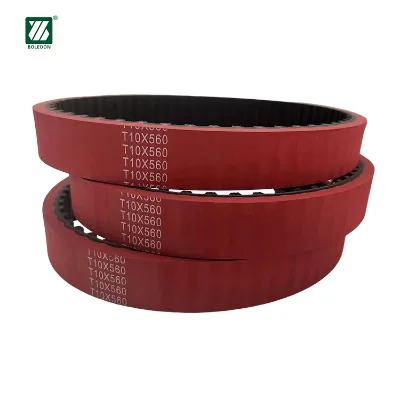
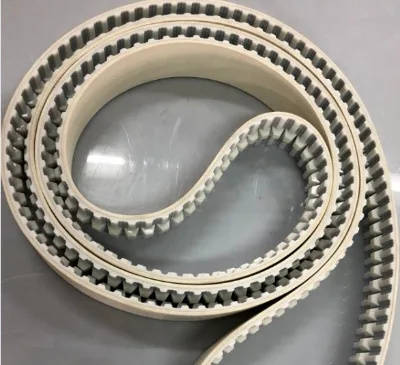
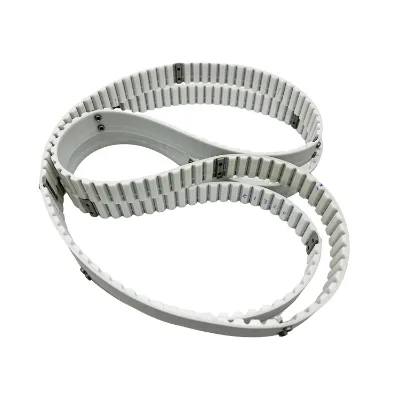
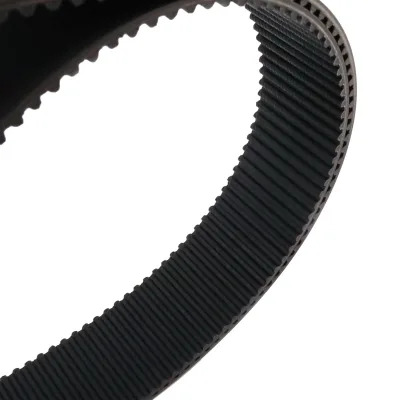
Search results for Rubber Timing Belts on B2B platforms typically surface suppliers concentrated in a small number of Chinese provinces, and in the current results two provinces appear repeatedly: Zhejiang and Guangdong. A Zhejiang-based trading company lists industrial arc-tooth Rubber Timing Belts, while several Guangdong entries include a manufacturer offering rubber-coated and PU timing belts, a trading company offering slotted timing belts for energy and mining use, and a combined trading company and factory listing rubber industry engine timing belts alongside V belts and conveyor products. This mix matters: a buyer should expect the same product keyword to sit behind very different business models, each affecting price, customization, and control over production.
When classifying supplier types, look at the company-type label first. A trading company may source from multiple belt factories and can be useful for mixed orders or small quantities, while a factory listing usually indicates direct production control and more willingness to modify tooth profiles, widths, or coatings. Some suppliers hold dual labels such as "Manufacturer, Trading Company," which requires extra questioning to determine which products they actually make. Also check whether the supplier's main-product list aligns with timing belts or covers a broader transmission and rubber catalogue; a supplier whose core line is belts is more likely to have consistent tooling, quality processes, and technical staff able to answer pitch, tooth-count, and cord-material questions before an order is placed.
How to Verify Rubber Timing Belts Suppliers
Verification starts with the platform evidence and ends with your own checks. In the current results, one supplier carries a third-party verification badge from TÜV Rheinland and lists ISO 9001 as its system certification, while another shows only "Others" under system certification, meaning the certification type is unspecified and must be confirmed directly. Product-level certificates also appear: several timing belt listings cite ISO/TS16949 and ISO 9001 on the product attributes. Treat a system certification and a product-level certificate as separate claims — a factory may hold one without the other — and ask for the actual certificate numbers and scopes, not just the logo.
Beyond documents, probe the supplier's operational signals. Response time is a useful first filter: the observed entries range from roughly 4 hours to 18 hours, so send the same technical enquiry — pitch, tooth count, width, cord type, and quantity — to each candidate and compare both the speed and the technical quality of replies. Confirm that product photographs correspond to real production capability rather than catalogue images by requesting a short factory video or live call showing belt molding or cutting equipment. Ask for two or three reference customers in your application area, such as textile machinery or packaging lines, and request samples cut from current production. Finally, if the supplier claims OEM or ODM capability, as at least one entry does, ask which part of the process — tooling, compound mixing, or tooth grinding — happens in-house versus outsourced, because this determines where quality risk actually sits.
What to Compare Across Rubber Timing Belts Suppliers
Build a comparison sheet from the attributes suppliers actually display, without assuming every entry shows the same data. In the current results, lead time ranges dramatically: one Guangdong supplier lists 5 days, a Zhejiang trading company lists 30 days, and another entry shows 0, which usually means "not stated" rather than instant delivery. Quoted lead times also need clarification about whether they start from order confirmation, sample approval, or deposit receipt. Response time is the second dimension, with observed figures of about 4, 6, and 18 hours; slow responders often become slow problem-solvers after shipment.
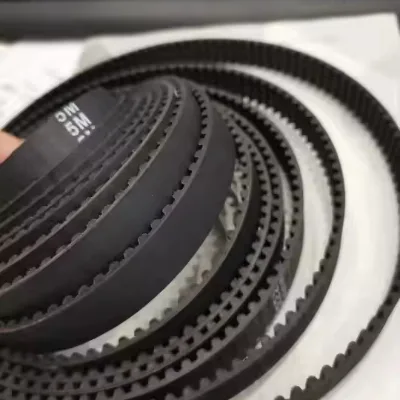
MOQ is the third decisive figure, and it varies enormously in this category: observed entries include MOQs of 10, 18, 20, 30, and 100 pieces depending on the belt type. A PU timing belt listing shows an MOQ of 18, industrial Rubber Timing Belts show 30, and a 5-meter rubber timing belt shows 100. Price ranges overlap: from under a dollar per piece for some industrial belts to around twenty dollars for a rubber-coated belt, so compare price only at matched specifications — pitch, width, length, and cord construction. Location is the fourth dimension, since Zhejiang and Guangdong suppliers differ in freight origin and port access. Finally, compare customization signals: only some entries state customization available or OEM/ODM support, and establishment-year data may be missing entirely, so ask directly and note blanks rather than assuming parity across suppliers.
Common Rubber Timing Belts Sourcing Risks
The first major risk is specification drift. Timing belts are defined by precise pitch, tooth profile, width, and cord material, yet many listings compress this into generic labels such as "industrial timing belt" or model codes without full engineering data. In the observed results, some listings do provide working temperature ranges — one cites −25°C to +110°C — while others omit length and pitch entirely. If you order from a listing without confirmed drawings, you may receive a belt that fits the catalogue name but not your pulleys. Always require a dimensioned drawing or a signed sample approval before production, and state the acceptance tolerance for pitch and width.
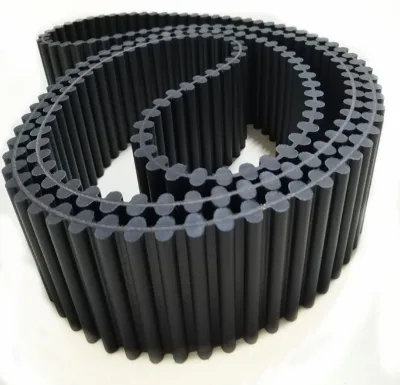
The second risk is verification gaps and mixed business models. One observed supplier lists "Others" as its system certification, which tells you almost nothing; another is a trading company with a 30-day lead time, which may mean goods are sourced from a third factory you cannot audit. Compound quality is a hidden risk for rubber goods: heat resistance, flame resistance, and tear resistance are claimed in several listings' feature attributes, but without a named test standard and a batch test report, these claims are unverified. Also watch for material ambiguity — one slotted timing belt listing states both PU and rubber as materials — so confirm exactly which compound applies to your order. Finally, small MOQs can mask a reseller: an unusually low MOQ with fast lead time may indicate stock trading rather than manufacturing, which weakens traceability on replacement orders.
Rubber Timing Belts Regional Sourcing and Logistics
Because the current results point to Zhejiang and Guangdong, plan logistics around those origins. Guangdong suppliers are close to major southern Chinese ports, which typically supports shorter inland transit and more frequent sailings, while Zhejiang suppliers sit near the Yangtze Delta export corridor. A supplier's stated lead time must be read as production time only: the observed 5-day and 30-day figures do not include booking, customs, or ocean transit, so a "5-day" Guangdong manufacturer and a "30-day" Zhejiang trading company can converge to similar arrival dates once shipping is added. Ask each supplier which port they ship from and whether they quote FOB, CIF, or express terms.
Packing and shipment sizing deserve specific questions for this category. The observed listings mention carton packing, with one listing specifying a carton standard of 65×37×26 and another a single package of 10×10×50 cm at 1 kg gross weight — coiled belts are light but bulky, so dimensional weight can exceed actual weight on express shipments. Confirm how belts are coiled, whether minimal bend radius is respected during packing, and whether PU or coated belts are protected from deformation. For urgent needs, ask whether a supplier keeps semi-finished stock in common pitches so that only cutting and joining remain. Finally, align order quantity with freight mode: an MOQ of 10–20 belts may justify courier, while a 100-piece MOQ often becomes economical by sea freight.
Rubber Timing Belts Commercial Terms and Order Planning
Structure your first order to limit exposure while testing the supplier. A sensible pattern is a paid sample, then a small pilot order at or just above the stated MOQ, then scaling. Observed MOQs in this category range from 10 to 100 pieces, so pilot costs are manageable, but confirm whether the quoted price — for example ranges of roughly 0.42–0.43, 0.80–1.00, 0.98–1.68, or 4.84–5.68 per piece in current listings — is valid at your volume and whether tooling or setup charges apply to non-standard belts. Ask what payment terms the supplier accepts, whether escrow or trade-assurance protection is available on the platform listing, and never assume escrow exists if it is not displayed.
Plan the order calendar backwards from your production need: sample time, plus stated lead time, plus transit, plus inspection. Where lead time is not stated or shows as zero, treat it as unknown and get a written confirmation. Clarify reordering terms at the same time as the first order — locking in repeat pricing, compound formulation retention, and tooling ownership prevents disputes when you reorder six months later. For customized belts, agree who owns the mold and drawings. Finally, define the quality acceptance basis in the purchase contract: reference the agreed drawing, note the claimed temperature and resistance properties where the supplier has stated them, and specify what evidence — batch report or retained sample — accompanies each shipment so future orders remain comparable to the approved one.
FAQs
What is the price range for Rubber Timing Belts?
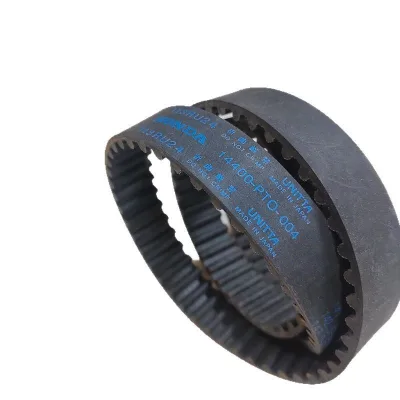
Prices vary by model and specifications. The 5m Rubber Timing Belt is listed between 0.42 and 0.43 per unit. Industrial Timing Belts range from 0.80 to 1.00. High-quality 400h Rubber Timing Belts cost 0.98 to 1.68. Rubber Industry Engine Timing Belts are priced between 4.84 and 5.68. Always verify current quotes for bulk orders.
What are the minimum order quantities for these belts?
MOQs depend on the specific product type. The 5m Rubber Timing Belt requires a minimum of 100 units. Industrial Timing Belts have an MOQ of 30. High-quality 400h Rubber Timing Belts need 20 units. Rubber Industry Engine Timing Belts require only 10 units. Pu Timing Belts have an MOQ of 18. Check listings for exact requirements.
How long does delivery take for Rubber Timing Belts?
Lead times vary by supplier and location. One supplier in Zhejiang, China, has a lead time of 30 days. Another supplier in Guangdong, China, offers a much faster lead time of 5 days. Some manufacturers list a lead time of 0 days, indicating immediate availability. Response times also differ, ranging from under 4 hours to 18 hours.
What certifications are available for Rubber Timing Belts?
Certifications vary by manufacturer. Some suppliers hold ISO 9001 system certification. Product certificates for specific belts include ISO/Ts16949 and ISO 9001. One supplier is verified by TUVRHEINLAND. Other suppliers list system certification as Others. Always request valid certificates to ensure compliance with your industry standards and quality requirements.
What features do Rubber Timing Belts typically have?
Common features include wear-resistance, heat-resistance, flame-resistance, cold-resistance, and tear-resistance. Working temperatures can range from -25℃ to +110℃. Materials often include rubber or PU. Some belts are black and standard. Applications span textile machinery, automotive sealing, and energy mining. Verify specific features against your operational needs.
Where are rubber timing belt suppliers located?
Suppliers are primarily located in China. Specific regions include Zhejiang and Guangdong. Products originate from these Chinese provinces. One supplier is a trading company in Zhejiang. Another is a manufacturer in Guangdong. Location affects shipping costs and lead times. Verify the exact origin for customs and logistics planning.