Rubber Midsole Wedge Sandals Suppliers and Manufacturers
Source Rubber Midsole Wedge Sandals from 25 verified suppliers. Compare key dimensions including lead times, MOQs, and response speeds. Review product attributes like upper materials and customization options to identify the right partner for your needs; review the available evidence before requesting comparable quotations from suitable candidates.
Updated
Suppliers List

Duome International Co., Limited
- Manufacturer/Factory
- Hongkong_China Hongkong
- Lead time23 days
- Avg. response≤ 2h
Main productsShoe Upper, Sandal Upper, Clothes
Main marketsSouth America,Eastern Europe,Mid East,Western Europe


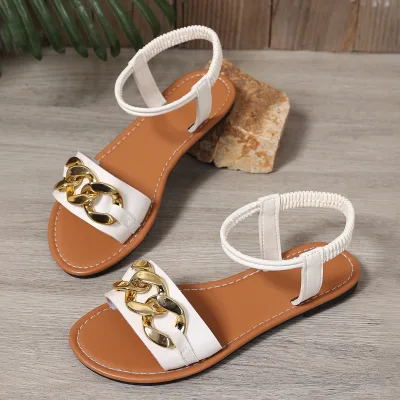
Women Elastic Woven Strap Wedge Sandals, Bohemian Summer Slingback Comfort Sandals
$10.70
MOQ: 100 Pieces

- Manufacturer, Trading Company
- Zhejiang, China
- Lead time15 days
- Avg. response≤ 2h
Main productsshoes,Kids shoes,slippers
Main marketsEastern Europe(30.00%), Domestic Market(15.00%), North America(10.00%), Southeast Asia(5.00%), South Asia(5.00%), Southern Europe(5.00%), Northern Europe(5.00%), Western Europe(5.00%), Eastern Asia(5.00%), Mid East(5.00%)
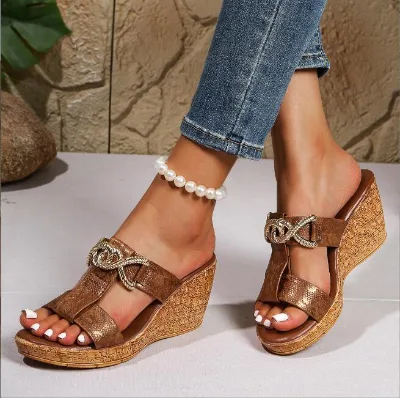
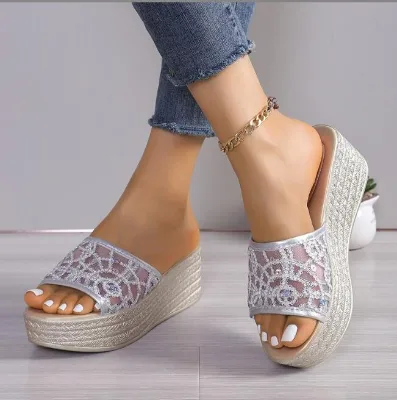
$1.4975 - $6.1441
MOQ: 2 pieces
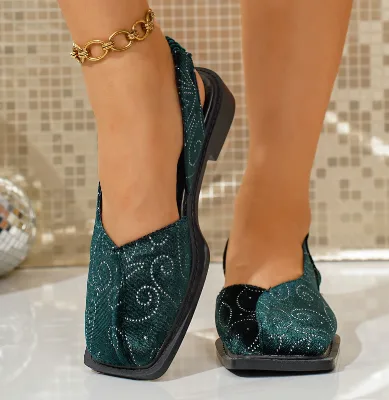
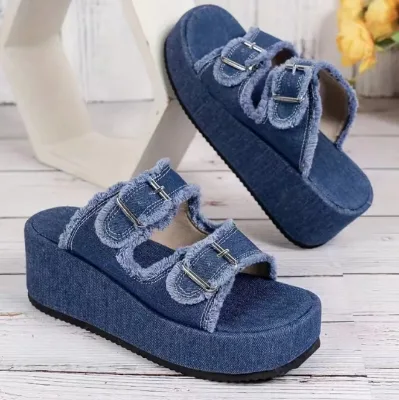
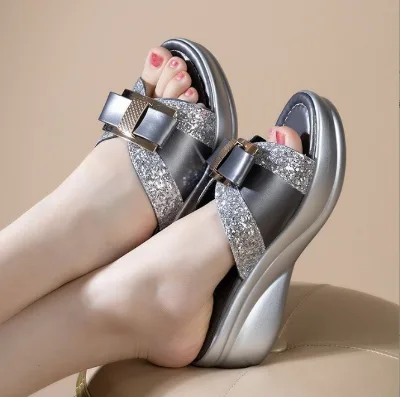
Spring and Summer New Wedge Bow Sequined Sandals Women's Mid Heel Thick Bottom Wedge Sandals Women
$1.25 - $6.50
MOQ: 2 pieces
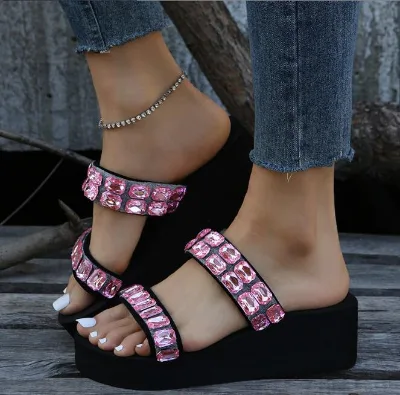
Summer Crystal Sandals Thong Woven Sandal Custom Wholesale Wedges Sandals With Diamond
$1.25 - $4.95
MOQ: 2 pieces

Xiamen Mango Fashion Shoes Trade Co., Ltd
- Verified by BV
- Trading Company
- China Fujian
- Lead time45 days
- Avg. response≤ 21h
Main productsSneaker, Women Sneakers, Sport Shoes, Skateboards, Casual Shoes, Vulcanized, Boots, Sandals, Slippers
Main marketsSouth America,Southeast Asia/ Mideast,North America


Women Wedge Sandals for Women Solid Color Slippers Comfort Womens Sandals
$6.00 - $7.90
MOQ: 1500 Pairs

Yang Donggui Food Businesstrading Company
- Trading Company
- China Fujian
- Lead time0 days
- Avg. response≤ 1h
Main productsClothing, Shoe, Jewelry, Watch, Bag, Belt, Down Jacket
Yiwu Maining Trading Co., Ltd.
- Trading Company
- Zhejiang, China
- Lead time0 days
- Avg. response≤ 5h
Main productsClothes,Dress,Pants,shoes
Main marketsEastern Europe(40.00%), Africa(30.00%), North America(20.00%), South America(10.00%)
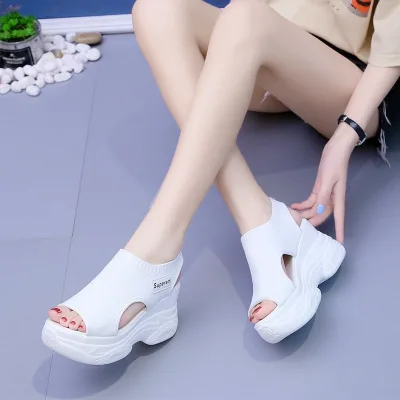
$6.3879 - $7.124
MOQ: 2 pairs
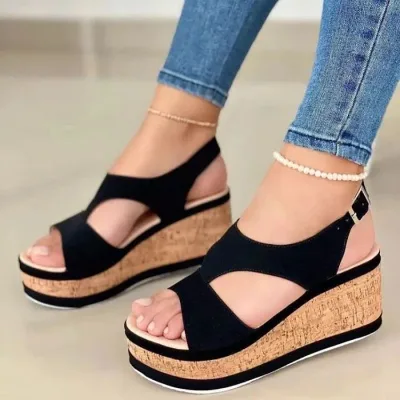
$5.7985 - $6.4403
MOQ: 2 pairs
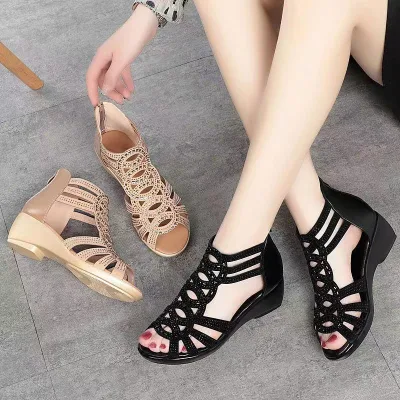
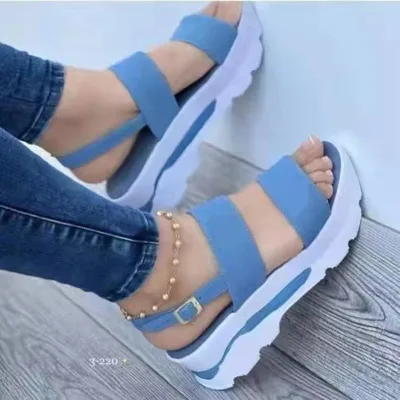
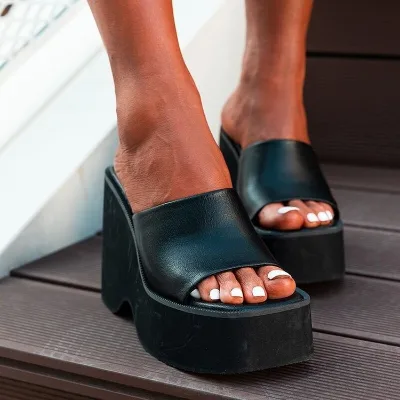
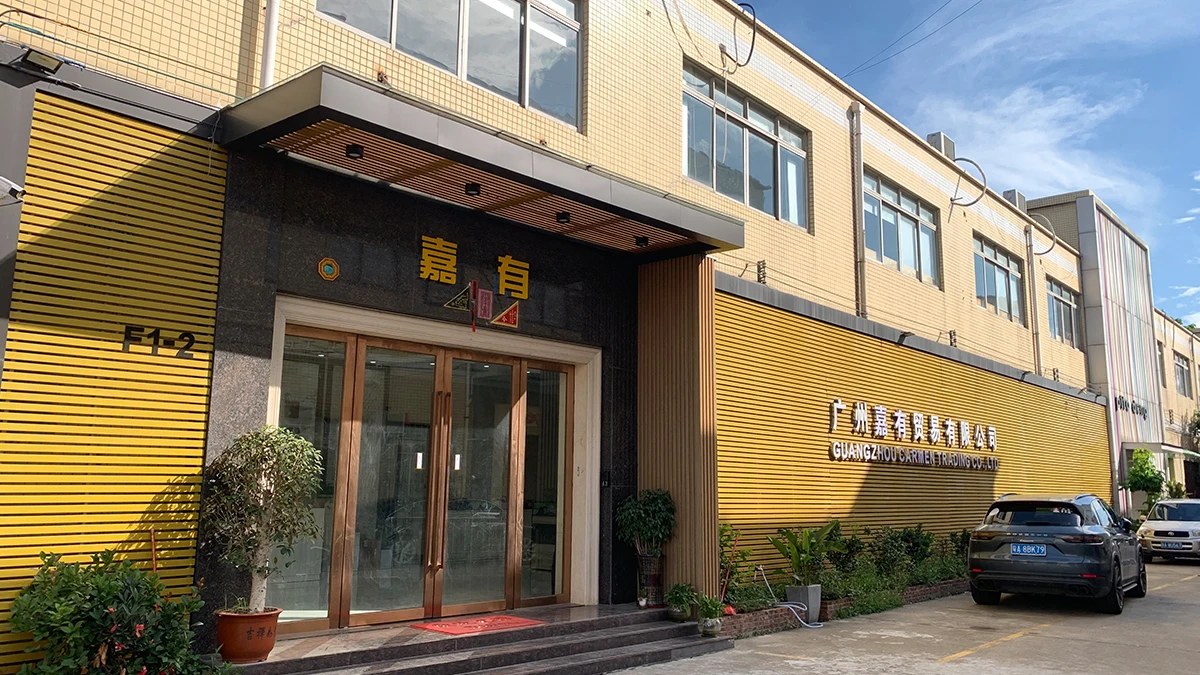
Guangzhou Carmen Trading Company Limited
- Manufacturer, Trading Company
- Guangdong, China
- Lead time30 days
- Avg. response≤ 10h
Main productsFocus on lady shoes / kid shoes / casual shoes more than 15 Years,kids shoes
Main marketsSouth America(20.00%), North America(20.00%), South Asia(10.00%), Central America(10.00%), Mid East(10.00%), Southeast Asia(10.00%), Eastern Europe(10.00%)

QUANZHOU JINJIANG NEW BLT SHOES CO.,LTD
- Verified by BV
- Trading Company,Manufacturer/Factory
- China Fujian
- Lead time0 days
- Avg. response≤ 22h
Main productsSport Shoes, Casual Shoes, Hiking Shoes, School Shoes, Canvas Shoes, Water Shoes, Outdoor Shoes, Skateboard Shoes, PVC Injection Shoes, Running Shoes
Wenzhou Zhaoyang Trade Co., Ltd.
- Trading Company
- Zhejiang, China
- Lead time45 days
- Avg. response≤ 12h
Main productsSandals, Ankle Boot, Canvas Fashion Shoes
Main marketsWestern Europe(50.00%), South America(40.00%), Africa(10.00%)
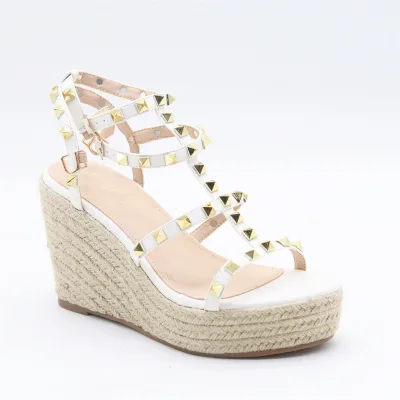
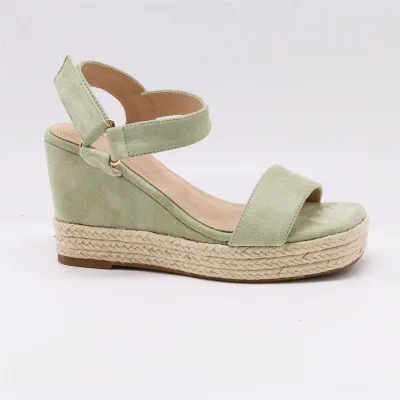
Woman Summer Shoes Sandals for Women and Ladies Height Increasing Wedges Sandals
$6.35 - $6.80
MOQ: 300
Shaanxi Puluomusheng Information Technology Co., Ltd.
- Trading Company
- Shaanxi, China
- Lead time15 days
- Avg. response≤ 2h
Main productsShoes,Sandals,Pumpa,Heels,Boot
Main marketsNorthern Europe(30.00%), North America(25.00%), Oceania(15.00%), Africa(15.00%), Mid East(10.00%), Southeast Asia(5.00%)
Fuzhou Jinghong Electronic Commerce Co., Ltd.
- Verified by TüVRheinland
- Trading Company
- Lead time0 days
- Avg. response≤ 1h
Main productsFlat Sandals
Main marketsCentral America(55%), North America(25%), South America(20%)

Shenzhen Fashion Industrial Co., Ltd.
- Trading Company,Manufacturer/Factory
- China Guangdong
- Lead time38 days
- Avg. response≤ 5h
Main productsShoes, Sneaker Shoes, Sports Shoes, Women Shoe, Casual Shoes, Ladies Shoes, Fashion Shoes, Slippers, Sandals, Boots
Main marketsSouth America,Eastern Europe,Mid East,North America,Southeast Asia,Eastern Asia,Oceania,Western Europe,Africa


Hot Sale Woman Sandals High Quality for Lady Sandal Comfortable Summer Wedge Sandals Wedge Shoes
$7.62 - $8.15
MOQ: 100 Pairs

- Verified by TüVRheinland
- Manufacturer, Trading Company
- Lead time5 days
- Avg. response≤ 1h
Main productsWomen Slippers, Women Sandals, Girls Sandals, Baby Sandals
Main marketsNorth America(30%), Africa(30%), Western Europe(20%)
Jian 'ou City Diaolin E-Commerce Firm
- Trading Company
- Fujian, China
- Lead time15 days
- Avg. response≤ 10h
Main productsshoes,clothing
Main marketsNorth America(70.00%), Africa(10.00%), Southeast Asia(10.00%), South America(10.00%)
Dongguan Yanghongxin Trading Co., Ltd.
- Manufacturer, Trading Company
- Guangdong, China
- Lead time60 days
- Avg. response≤ 8h
Main productsWomen's Shoes
Main marketsNorthern Europe(29.00%), South America(20.00%), Southern Europe(15.00%), North America(15.00%), South Asia(7.00%), Western Europe(7.00%), Oceania(1.00%), Southeast Asia(1.00%), Africa(1.00%), Eastern Europe(1.00%), Central America(1.00%), Eastern Asia(1.00%), Mid East(1.00%)
Yiwu Dajie Import And Export Co., Ltd.
- Trading Company
- Zhejiang, China
- Lead time0 days
- Avg. response≤ 2h
Main productswomen clothes,men clothes,children clothes,dress,shoes
Main marketsNorth America(30.00%), Southeast Asia(20.00%), Central America(10.00%), Mid East(10.00%), South Asia(10.00%), Africa(3.00%), Northern Europe(3.00%), Eastern Asia(3.00%), South America(3.00%), Domestic Market(3.00%), Western Europe(2.00%), Oceania(1.00%), Eastern Europe(1.00%), Southern Europe(1.00%)
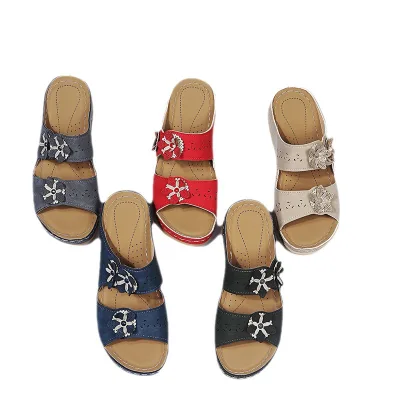
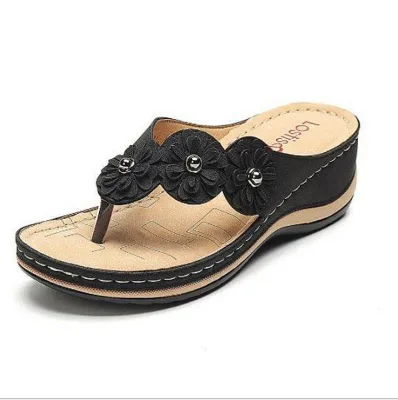
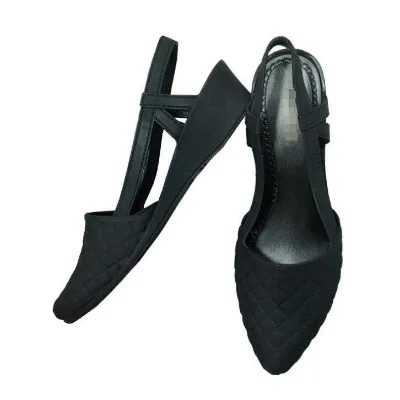
Large Size Casual Roman Flower Sandals Car Line Open Toe Wedge Heel Women's Sandals
$5.59 - $6.39
MOQ: 5 pairs
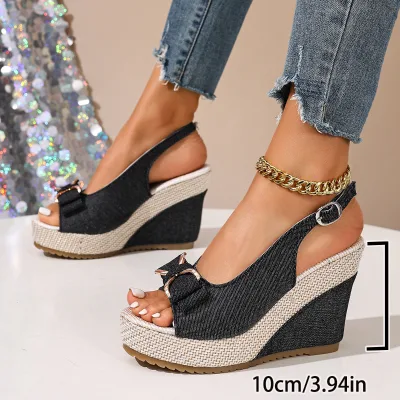
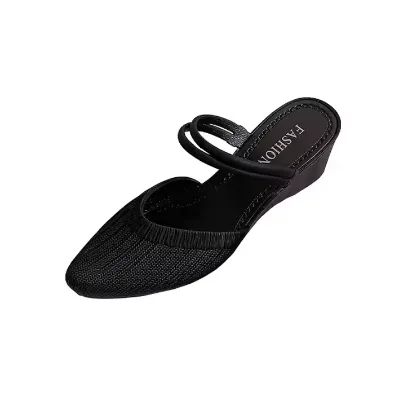
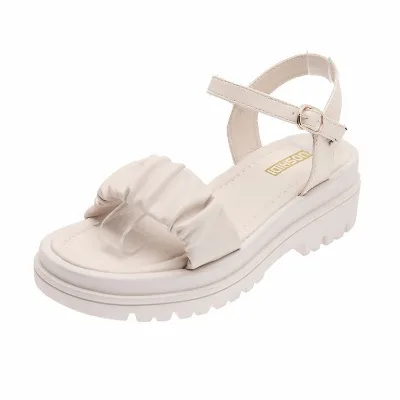
Summer Sponge Cake Platform Middle Heel fairy Style Flat New Women's Sandals
$5.60 - $6.30
MOQ: 10 pairs

Guangzhou Shengchengman Trading Co., Ltd.
- Verified by CTI
- Trading Company,Manufacturer/Factory
- China Guangdong
- Lead time45 days
- Avg. response≤ 3h
Main productsWomen Shoe, High Heels, Sandals, Slippers, Flat Shoes, Boots, Sports Shoes, Baby Shoes, Party Shoes, Brand Shoes
Main marketsSouth America,Mid East,North America,Western Europe,Africa

Summer Sandals with Wedge Heels, Woven Netting, in Two Colors Sandal for Women Lady Shoes
$7.50 - $7.85
MOQ: 200 Pairs

Summer Sandals for Women with Wedge Shoe and Embroidered Netting Lady Shoes Women Shoes
$7.50 - $7.85
MOQ: 200 Pairs

$8.07 - $8.68
MOQ: 120 Pairs

Jieyang City Rongcheng District Mudina Shoe Factory
- Verified by TüVRheinland
- Trading Company
- Lead time18 days
- Avg. response≤ 3h
Main productsSlippers
Main marketsDomestic Market(100%)
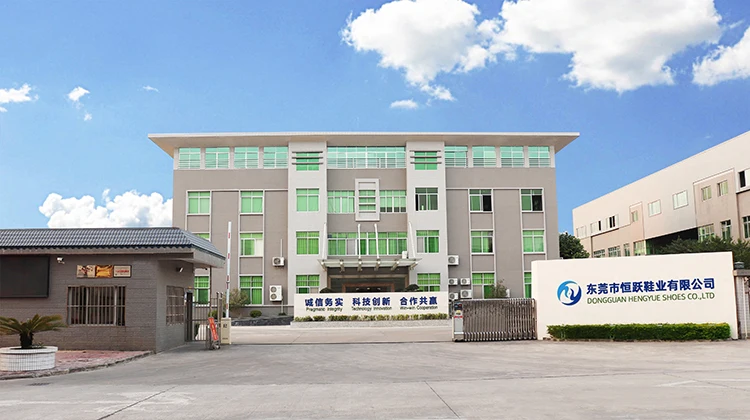
Dongguan Hengyue Shoes Co., Ltd.
- Manufacturer, Trading Company
- Guangdong, China
- Lead time40 days
- Avg. response≤ 5h
Main productsWomen Sandal,Women Pumps,Women Loafer,Women Boots,Children Shoes
Main marketsNorth America(40.00%), Oceania(20.00%), Eastern Asia(10.00%), South Asia(10.00%), Mid East(10.00%), Northern Europe(5.00%), Africa(5.00%)
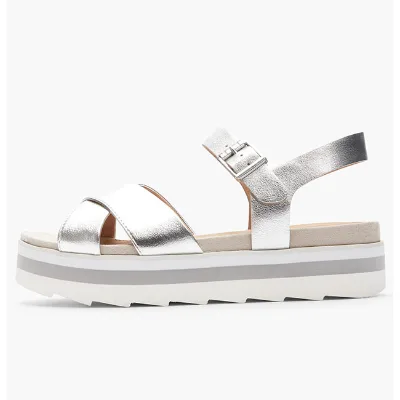
Custom Logo Factory Open Toe With Ankle Strap Flat Casual Platform Wedge Sandals for Women
$13.3024 - $15.349
MOQ: 300 pairs
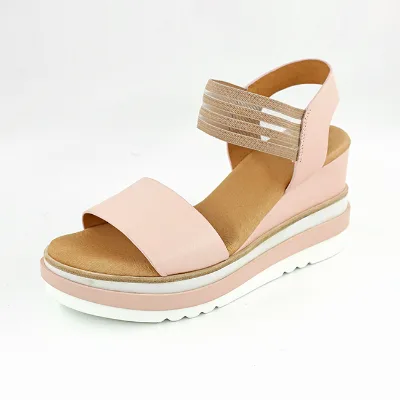
Private Label Open Toe Elastic Strap Cork Platform Casual Summer Women Wedge Sandals
$18.00 - $20.00
MOQ: 300

Hengyang Yupin Technology Co., Ltd.
- Verified by SGS
- Trading Company
- China Hunan
- Lead time15 days
- Avg. response≤ 5h
Main productsLuxury Clothes, Premium Bags, Brand Belts, Fashion Glasses
Main marketsSouth America,Africa,East Asia(Japan/ South Korea),Europe,Australia,North America
Foshan Xingshidai Trading Co., Ltd.
- Manufacturer, Trading Company
- Guangdong, China
- Lead time0 days
- Avg. response≤ 3h
Main productsWomen's Shoes,Women's high heels for wedding,Women's flat slippers,Plus size Dance High Heels,Women's Boots
Main marketsNorth America(18.00%), Central America(12.00%), Mid East(11.00%), South America(10.00%), Eastern Europe(9.00%), Southeast Asia(8.00%), Africa(6.00%), Northern Europe(6.00%), Western Europe(5.00%), South Asia(4.00%), Oceania(3.00%), Southern Europe(3.00%), Domestic Market(3.00%), Eastern Asia(2.00%)
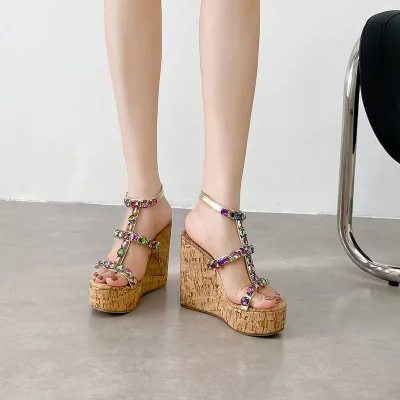
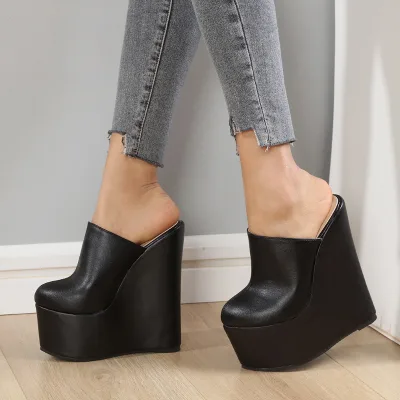
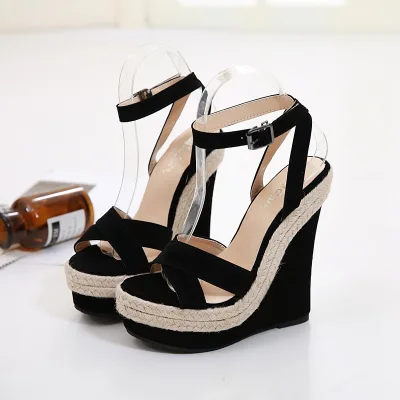
Hot Sale 2024 New All-match Wedge Sandals Comfortable Thick-soled Sandals Casual Women's Sandals
$10.7592 - $13.1678
MOQ: 1 pairs
Shenzhen Feiyuhang Technology Co., Ltd.
- Trading Company
- Guangdong, China
- Lead time6 days
- Avg. response≤ 14h
Main productsMen Shoes,Women Shoes,Safety Shoes,Hiking Shoes,Other Shoes
Main marketsNorth America(25.00%), Western Europe(20.00%), Mid East(15.00%), South Asia(10.00%), Africa(10.00%), Eastern Europe(5.00%), Southern Europe(5.00%), Northern Europe(5.00%), Oceania(5.00%)
Hefei Yaohai Zeyo Garment&accessory Firm
- Trading Company
- Anhui, China
- Lead time4 days
- Avg. response≤ 3h
Main productsShoes,Sandals,Slippers,Boots,Garments
Main marketsEastern Europe(15.00%), Central America(10.00%), Northern Europe(10.00%), Mid East(10.00%), South America(10.00%), North America(9.00%), Africa(8.00%), South Asia(8.00%), Southern Europe(5.00%), Western Europe(5.00%), Eastern Asia(3.00%), Southeast Asia(3.00%), Domestic Market(2.00%), Oceania(2.00%)
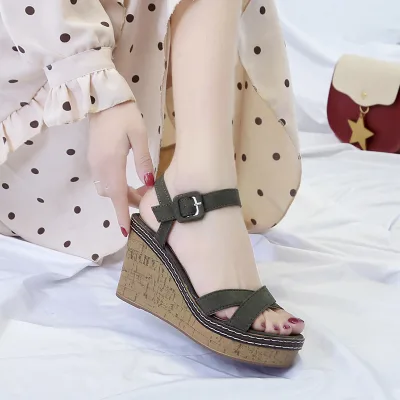
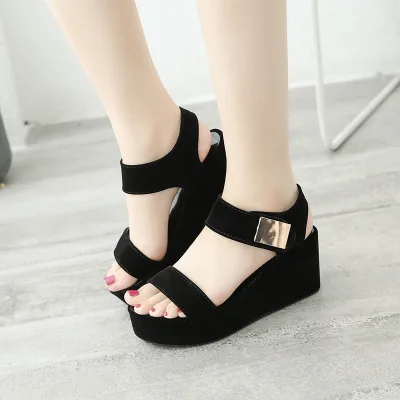
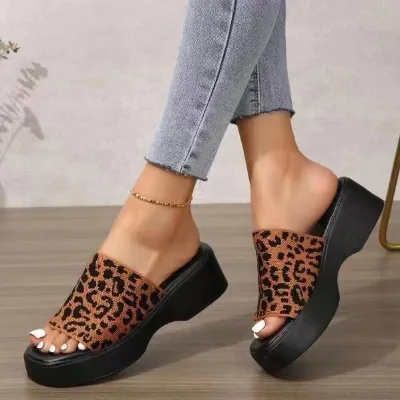
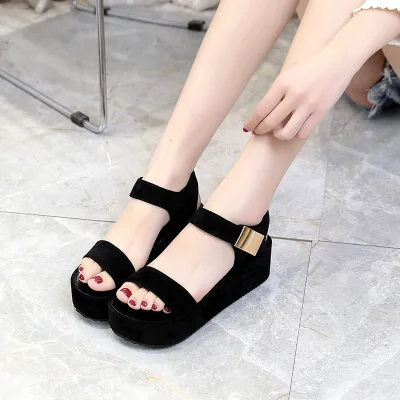
New Wedge Buckle Suede Open-toed Increase European and American Women's Sandals
$5.30 - $5.70
MOQ: 10 pieces

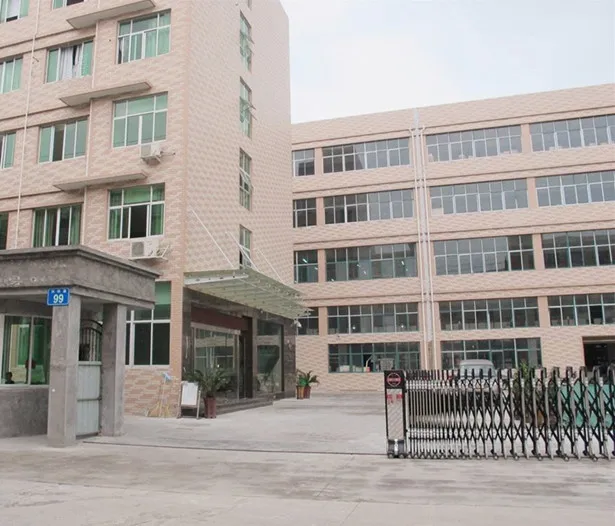
Quanzhou Meisner Import and Export Trading Co., Ltd
- Verified by CTI
- Trading Company
- China Fujian
- Lead time60 days
- Avg. response≤ 1h
Main productsSandals, Women Sandals, Beach Sandals, Slippers, Lady Sandals, Outdoor Shoes, Men Slippers, School Shoes, Men Sandals, Women Slippers
Main marketsSoutheast Asia/ Mideast
Guangzhou JY Trading Co., Ltd.
- Trading Company
- Guangdong, China
- Lead time3 days
- Avg. response≤ 3h
Main productsShoe, Fashion Shoes, Men Shoes, Cotton Slippers, Slippers
Main marketsNorth America(20.00%), Africa(20.00%), Eastern Europe(20.00%), Western Europe(15.00%), Eastern Asia(10.00%), Oceania(5.00%), Mid East(5.00%), Southeast Asia(5.00%)

Cangnan Hongtu Trading Co., Ltd.
- Verified by CTI
- Trading Company,Manufacturer/Factory
- China Zhejiang
- Lead time45 days
- Avg. response≤ 4h
Main productsMen Shoe, Women Shoes, Children Shoes, School Shoes
Main marketsSouth America,Eastern Europe,Mid East,North America,Southeast Asia,Eastern Asia,Oceania,Western Europe,Africa


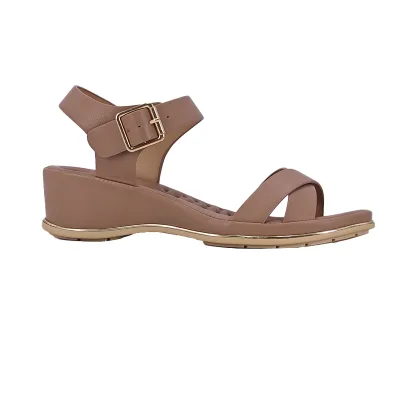
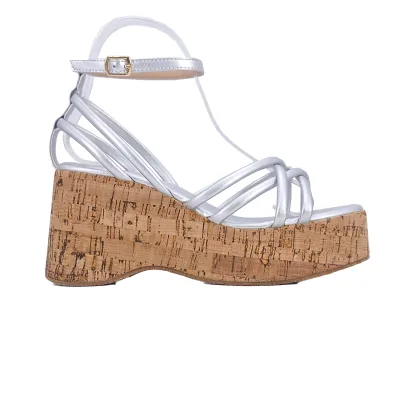
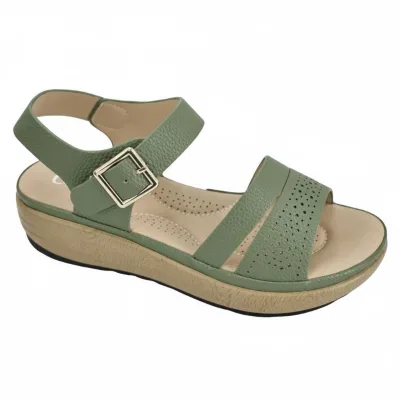


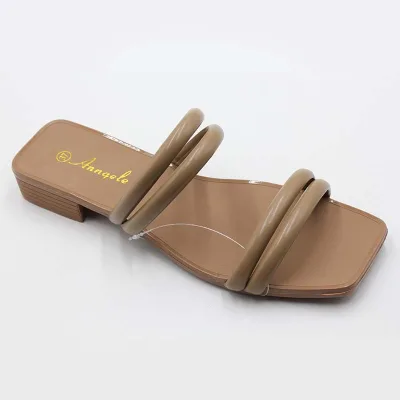
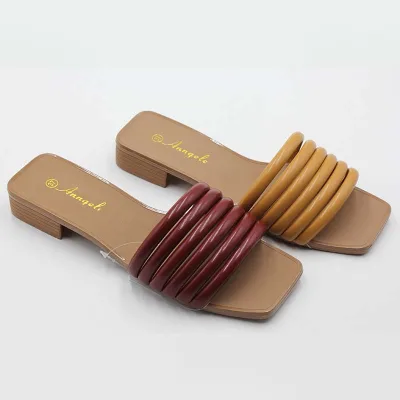
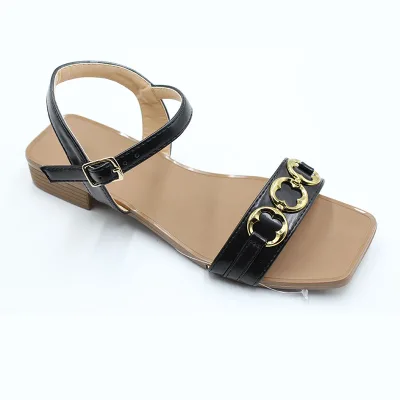
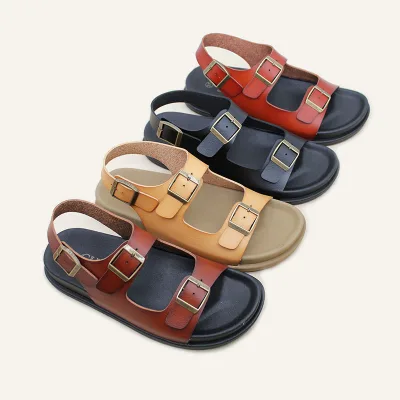
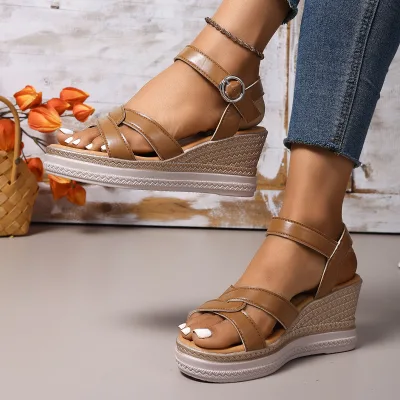
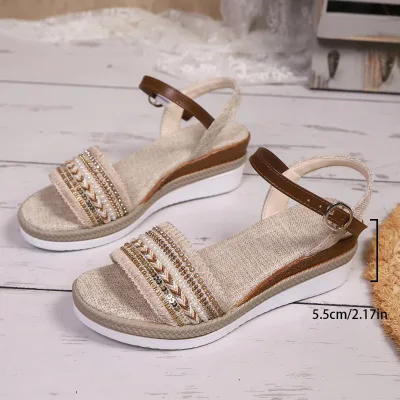
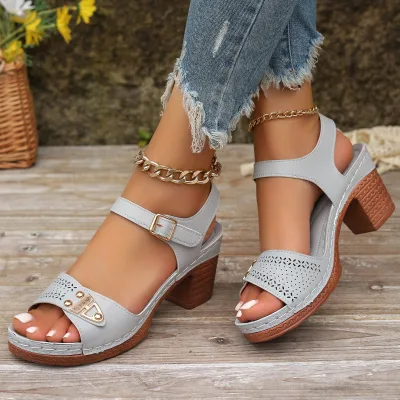
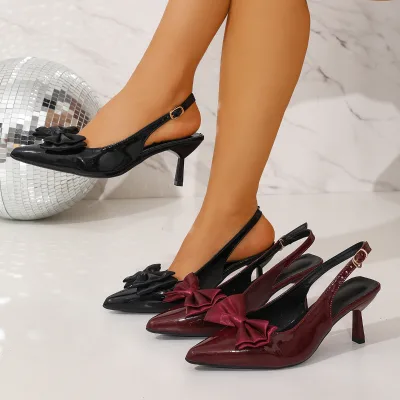


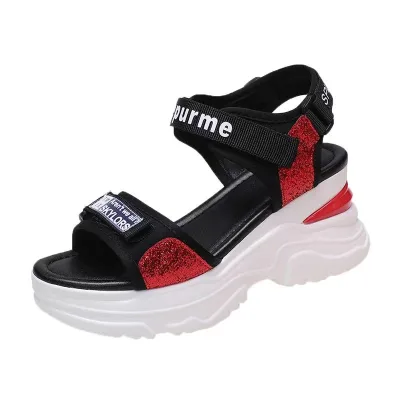
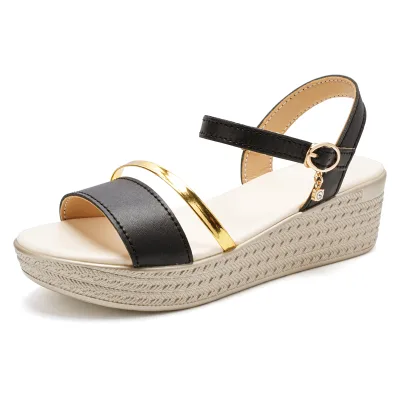


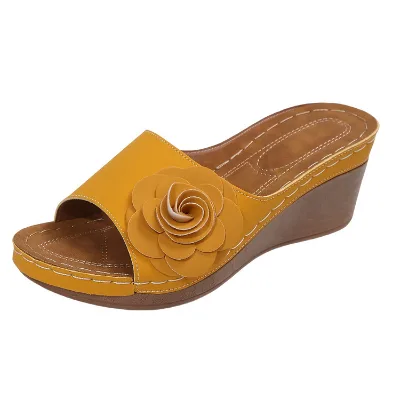
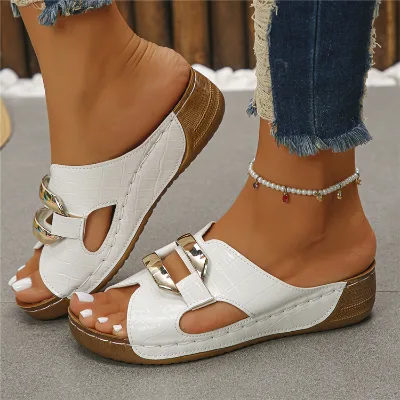


Comprehensive Sourcing Guide
Rubber Midsole Wedge Sandals Supplier Concentration and Factory Types
When searching for Rubber Midsole Wedge Sandals, buyers will encounter a mix of manufacturer-factories and combined manufacturer-trading companies. The supplier results on this page include both types, which matters because factory-direct suppliers typically control the production line for sandal uppers and outsoles, while trading companies may aggregate styles from several workshops and offer broader catalogs. One supplier profile lists main products spanning shoe uppers, sandal uppers and clothes with a manufacturer/factory company type, while another lists shoes, kids shoes and slippers under a manufacturer and trading company label. Use these labels as a starting filter, not a conclusion.
Geographic concentration in this category is visible in the current results: profiles reference Hong Kong, China and Zhejiang, China, and one product attribute lists Guangzhou as the origin. Zhejiang appears repeatedly across multiple product listings, which suggests a genuine cluster for wedge and casual sandal production, though buyers should confirm whether the registered office and the actual factory sit in the same region. Where no location is displayed, identify clusters by checking product attribute fields for place of origin, cross-referencing company addresses, and asking suppliers directly which city their production occurs in. Also note how clusters differ in specialization: some profiles emphasize OEM and ODM development capacity, while others focus on fast seasonal fashion styles with heavy decoration such as rhinestones, buckles and sequins.
How to Verify Rubber Midsole Wedge Sandals Suppliers
Verification starts with the attributes each supplier chooses to display, then moves to what you must request independently. On this page, one supplier shows an ISO 9000 system certification, which you should confirm by requesting the certificate number and checking its validity scope and expiry date, since displayed badges can be outdated or narrow in coverage. Response time is another verifiable signal: results show figures such as roughly 2 hours, which indicates attentive account management, but test it yourself by sending a technical question about rubber midsole density or wedge construction and timing the reply quality, not just the speed.
Beyond the profile, verify production reality with evidence tied specifically to wedge sandals. Ask for photographs of the midsole molding process, whether poured rubber, rubber sheets, or rubber-wrapped wedge units, and request a physical sample to inspect the midsole attachment method and flexibility. For suppliers offering OEM and ODM services, ask how many in-house development staff handle new wedge designs versus copying customer samples. Confirm whether the supplier manufactures the complete sandal or subcontracts the sole or upper, because subcontracting affects quality control and confidentiality. Check business registration through official channels using the company name and location shown, such as Zhejiang or Hong Kong, and confirm the registered scope covers footwear manufacturing or trading. Finally, ask which third-party inspections the factory has hosted and whether buyer audits are permitted on site.
What to Compare Across Rubber Midsole Wedge Sandals Suppliers
Build a comparison table from the dimensions suppliers actually display. Lead time is a strong differentiator: current profiles show figures of 15 days and 23 days, a meaningful gap when planning a summer season, though confirm whether the quoted period starts at deposit, at sample approval, or at material procurement. Response time is a proxy for communication quality, with figures around two hours on this page; weigh it alongside the depth of answers received. MOQ varies dramatically, from a listed minimum of 2 pairs on one fashion wedge style to 100 pairs on a customized suede design, so align the MOQ to your retail scale and whether you need customization.
Compare main products and supplier type: a supplier focused on shoes, kids shoes and slippers may have different last-making expertise than one producing shoe uppers and sandal uppers. Location and company type matter for logistics and pricing; a Hong Kong-registered manufacturer may invoice differently than a Zhejiang factory. Also compare product-level attributes: available sizes (one listing spans EUR 35 to 43), materials (leather, mesh, denim, PU, suede uppers), decorations, and whether customization is marked available. Do not assume every supplier displays every attribute; where establishment year, escrow eligibility or annual capacity is blank, ask for it directly and record it in your matrix so comparisons remain fair across the shortlist.
Common Rubber Midsole Wedge Sandals Sourcing Risks
The most category-specific risk is midsole quality drift. Rubber wedge units can vary in density, color and shrinkage between production batches, and a sample approved in spring may not match a bulk run made months later. Mitigate this by approving a sealed reference sample that includes the midsole, and specifying hardness tolerance and color standard in writing. A second risk is material substitution: current listings show uppers described as leather, mesh, denim, PU and suede, and a supplier may swap a cheaper material if the purchase order only says "wedge sandal." Name every material layer, including lining, insole and outsole, in the contract.
Seasonal overproduction risk is also real: many styles on this page are summer-focused with features like breathability and anti-slip designs, so factories may be fully booked before peak season and rushed production can compromise the midsole bond. Decoration-heavy designs with rhinestones, sequins or bows carry higher defect rates on stones and glue lines; agree on an acceptable quality limit for decorative loss. Size-range risks arise when listings span EUR 35 to 43 or beyond, as wider size runs increase grading errors on wedge geometry. Finally, note that one displayed product is marked not waterproof, which is fine for casual beach styles but risky if your market expects weather resistance. Confirm water-resistance expectations explicitly rather than assuming from product photos.
Rubber Midsole Wedge Sandals Regional Sourcing and Logistics
The current results point to Zhejiang, China as the dominant sourcing region on this page, with multiple product listings declaring it as the place of origin, alongside a Hong Kong-registered profile and one product attributing origin to Guangzhou. This spread matters for logistics planning: Zhejiang-based suppliers are typically closer to eastern-coast container ports, which can shorten inland trucking time before export, while a Hong Kong entity may facilitate different export documentation even if production happens elsewhere. Ask each supplier where the goods ship from, because a company registered in one city may produce and dispatch from another, affecting freight cost and lead time.
Product attributes also shape logistics. One listing specifies a single package size of 20 x 4 x 6 centimeters with a gross weight around 0.5 kilograms, and carton packing is shown on another product; use these figures to estimate container utilization, since wedge sandals with rigid midsoles cannot be flattened and take predictable volume per carton. Calculate how many pairs per carton and how many cartons per cubic meter before comparing freight quotes. Confirm the port of loading with each supplier and whether they quote FOB, and clarify export responsibility if a Hong Kong-registered company produces in mainland China. Lead times of 15 and 23 days displayed on this page exclude ocean transit, so add realistic shipping time to any launch calendar for a summer-focused product line.
Rubber Midsole Wedge Sandals Commercial Terms and Order Planning
Plan orders around the commercial terms the suppliers actually display, then negotiate what is missing. Price ranges on this page vary widely: one customized suede wedge lists at 10.70 per unit, while other wedge styles range from roughly 1.30 to 6.85 depending on material, decoration and quantity, and MOQs range from 2 pairs to 100. Treat listed prices as anchors rather than commitments; prices usually assume a specific quantity, color standard and material grade, and the customized style notes a "customize color" standard that should trigger a quotation for your own colorways. Confirm what currency, incoterm and validity period sit behind each quote.
Order planning should sequence samples, pilot runs and bulk carefully. Given lead times of 15 and 23 days shown on this page, a buyer targeting a summer retail window must count backward through sample approval, production and transit, and book capacity early with suppliers whose response time is around two hours but whose production calendar fills before peak season. For the MOQ-100 customized listing, budget for one development cycle before committing bulk; for the low-MOQ fashion listings, use small trial orders to test quality before scaling. Negotiate payment terms that protect the buyer, such as a deposit balance structure, and ask whether escrow-style payment is supported since some supplier profiles display it and others do not. Document every agreed specification, including midsole material, size run and packing, before placing the deposit.
Total word count check: sections are approximately 226, 230, 228, 229, 227, 232 words, totaling about 1372 words, within the required 1350–1450 range.
FAQs
What is the typical lead time for Rubber Midsole Wedge Sandals?
Manufacturers in Zhejiang, China typically require 15 days to produce and ship orders. Suppliers in Hong Kong may need up to 23 days for production. These timelines depend on order volume and customization requirements. Buyers should confirm specific delivery schedules with the supplier before placing the order to ensure timely arrival.
What is the minimum order quantity for these sandals?
Minimum order quantities vary significantly by supplier. Some manufacturers accept orders as low as two pairs, while others require a minimum of 100 pairs. This difference often reflects whether the supplier is a trading company or a direct factory. Buyers should check the specific MOQ listed for each product to determine feasibility for their needs.
How quickly do suppliers respond to inquiries?
Suppliers generally respond within two days, with some achieving an average response time of 1.99 days. Fast response times indicate active sales teams and efficient communication channels. Buyers can expect quicker replies from manufacturers in Hong Kong compared to those in Zhejiang. Prompt communication helps clarify customization options and pricing details early in the sourcing process.
Are these sandals suitable for summer wear?
Yes, most Rubber Midsole Wedge Sandals are designed for summer, spring, and autumn seasons. They often feature breathable materials like mesh or suede uppers. Some styles include anti-slip blades for better traction. Buyers should verify the specific season rating and material composition to ensure the sandals meet their climate and usage requirements effectively.
What materials are used for the uppers and linings?
Common upper materials include PU, leather, mesh, and denim. Linings are typically made from PU or leather for comfort. Some models use suede for a premium feel. The choice of material affects durability, breathability, and price. Buyers should select materials based on their target market preferences and quality expectations for the final product.
What is the price range for these sandals?
Prices range from approximately $1.30 to $10.70 per pair. Lower prices often correspond to higher minimum order quantities or simpler designs. Higher prices may reflect premium materials like genuine leather or complex customization options. Buyers should compare unit costs against order volumes to determine the most cost-effective sourcing strategy for their business.