Running Chest Bag Suppliers and Manufacturers in China
Explore 31 verified options for Running Chest Bag suppliers and manufacturers located in China. Buyers can compare response times, lead times, certifications like ISO9001:2015, and product specifications such as waterproof materials and customization availability. Review the listed price ranges and MOQs to select the right partner for your needs.
Suppliers List
Guangzhou Juli Leather Co., Ltd
- Verified by SGS
- Combined
- China Guangdong
- Lead time30 days
- Avg. response≤ 15h
Main productsBackpack, Travel Backpack, Laptop Backpack
Main marketsSouth America,East Asia(Japan/ South Korea),Domestic,Europe
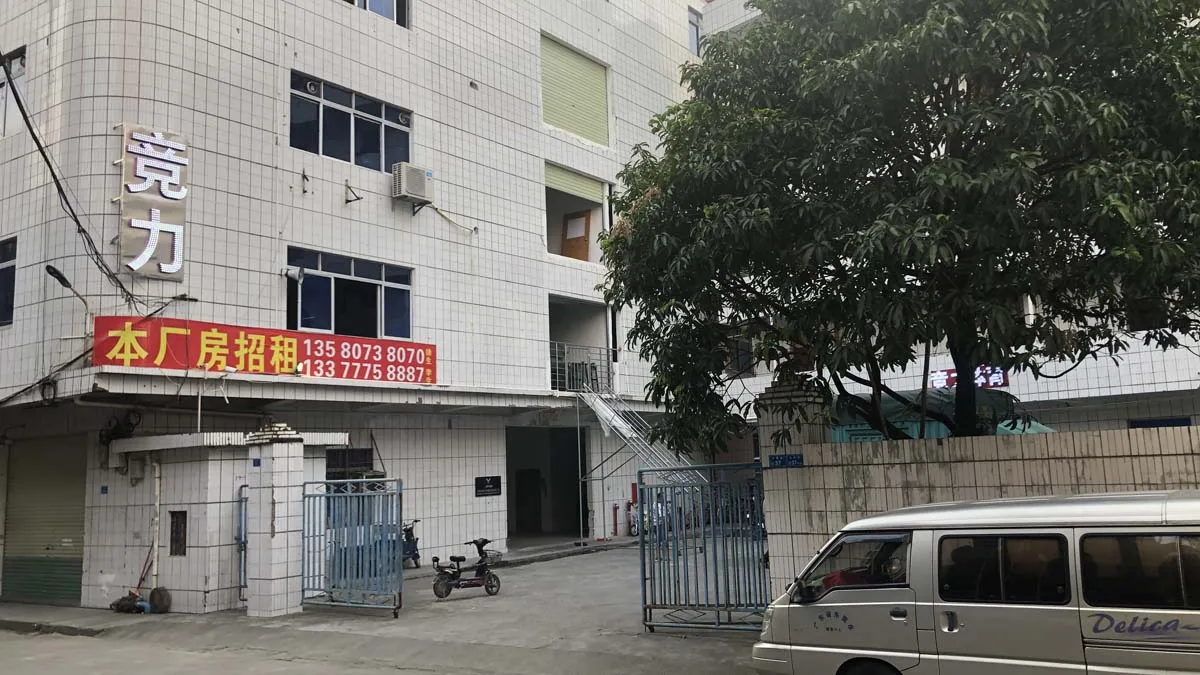
Dongguan Jingli Sports Goods Co., Ltd.
- Manufacturer, Trading Company
- Guangdong, China
- Lead time0 days
- Avg. response≤ 3h
Main productsHelmet/ Elbow Pads/Knee Pads,Yoga Clothing/Fishing Clothing/Cycling Clothing/T-Shirt,Backpack/Leg Bag/Arm Bag/Waist Bag/Wrist Bag
Main marketsDomestic Market(20.0%), North America(20.0%), Eastern Europe(15.0%), South America(5.0%), South Asia(5.0%), Southern Europe(5.0%), Northern Europe(5.0%), Western Europe(5.0%), Eastern Asia(5.0%), Mid East(5.0%), Oceania(5.0%), Southeast Asia(5.0%)

Quanzhou Lingyuan Bags Co., Ltd.
- Verified by SGS
- Combined
- China Fujian
- Lead time45 days
- Avg. response≤ 3h
Main productsSchool Bag, Sports Bag, Trolley Bag, Promotional Bag, Ladies Bag, Backpack, Hiking Backpack, Ski Bag, Hockey Bag, Bike Bag
Main marketsEurope,North America


Simple Waterproof Chest Bag, Lightweight Running Vest with Mobile Phone Stand
$5.90 - $9.90
MOQ: 500 Pieces
Shijiazhuang Aofeite Imp & Exp Co., Ltd.
- Manufacturer, Trading Company
- Lead time旺季: "1 - 100":15,"> 100":"To be negotiated", 淡季: "1 - 100":15,"> 100":"To be negotiated"
- Avg. response≤ 2h
Main productsKnee Brace, Lumbar Support Belt
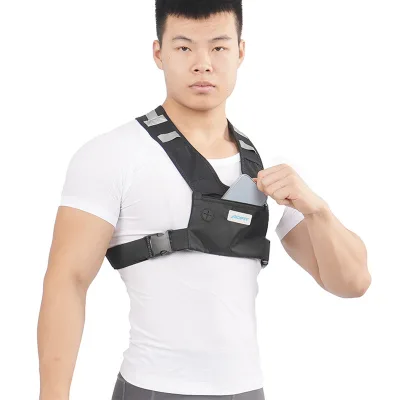
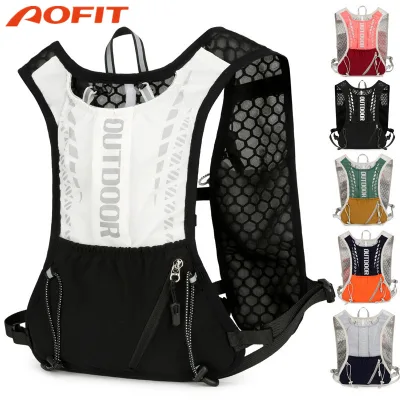
Lightweight Running Hydration Vest Backpack Athletic Training Chest Running Vest Bag
$7.02 - $8.39
MOQ: 50 units
Quanzhou Zhengdong Bags Co., Ltd
- Verified by BV
- Trading Company,Manufacturer/Factory
- China Fujian
- Lead time30 days
- Avg. response≤ 3h
Main productsSchool Bag, Backpack, Running Bag, Cycling Bag, Hydration Pack, Tool Bag, Laptop Bag, Lapotp Backpack, Outdoor Bag, Sports Bag
Main marketsSouth America,Eastern Europe,Mid East,North America,Southeast Asia,Eastern Asia,Oceania,Western Europe,Africa

ANHUI GOOD LUCK INDUSTRIAL CO., LTD.
- Verified by BV
- Trading Company
- China Anhui
- Lead time15 days
- Avg. response≤ 3h
Main productsCosmetic Bag, Backpack, Lunch Bag, Cooler Bag, Shopping Bag, Diaper Bag, Sports Bag, Handbag, Beach Bag, Make up Bag
Main marketsSouth America,Africa,Southeast Asia/ Mideast,East Asia(Japan/ South Korea),Domestic,Europe,Australia,North America


Waterproof Outdoor Running Waist Crossbody Men Chest Bag Fanny Pack Shoulder Bag
$1.99 - $2.72
MOQ: 100 Pieces

Custom Promotional Eco-Friendly RPET Unisex Running Sports Pack Shoulder Chest Bag
$3.20 - $4.80
MOQ: 10 Pieces
Quanzhou Xinwang Bags Co., Ltd.
- Verified by SGS
- Combined
- China Fujian
- Lead time45 days
- Avg. response≤ 5h
Main productsLuggage, Cooler Bag, Sports Bag, Lady Bag, Outdoor Bags, Tools Bag, Travel Bag, Duffel Bag
Main marketsDomestic

Custom Waterproof Reflective Running Chest Bag Suitable for Sports Night Running Cycling
$8.00 - $10.00
MOQ: 500 Pieces


Custom Lightweight Waterproof Running Chest Bag for Workouts Running Cycling Skiing
$6.50 - $8.50
MOQ: 500 Pieces
Xiamen Daysun Industrial Co., Ltd.
- Verified by SGS
- Trading Company
- China Fujian
- Lead time30 days
- Avg. response≤ 4h
Main productsBackpack, Travel Bag, Sports Bag, Laptop Bag, Shopping Bag, Cosmetic Bag, Cooler Bag, RPET Bag, Clothing, Neoprene Case
Main marketsEurope,Australia,North America
Shenzhen YCW Bags Company Ltd.
- Verified by SGS Group
- Manufacturer, Trading Company
- Lead time25 days
- Avg. response≤ 2h
Main productsGYM Bag, Tactical Vest Bag, Tool Bag, Tactical Backpack, Waist Bag
Main marketsNorth America(63%), Oceania(6%), Western Europe(5%)

Shenzhen Youfan Industry Co., Ltd.
- Manufacturer
- Guangdong, China
- Lead time30 days
- Avg. response≤ 6h
Main productsBags,Case,Carrier,Organizer,Pack
Main marketsNorth America(15.0%), South Asia(11.0%), Domestic Market(10.0%), Africa(9.0%), Eastern Europe(8.0%), Southeast Asia(7.000000000000001%), Southern Europe(7.000000000000001%), Central America(6.0%), Mid East(6.0%), Northern Europe(5.0%), South America(5.0%), Western Europe(4.0%), Oceania(4.0%), Eastern Asia(3.0%)
Quanzhou Qiming Import and Export Trading Co., Ltd
- Verified by SGS
- Combined
- China Fujian
- Lead time45 days
- Avg. response≤ 5h
Main marketsAustralia,North America

QUANZHOU DANKIN IMP AND EXP CO., LTD.
- Manufacturer/Factory
- China Fujian
- Lead time45 days
- Avg. response≤ 2h
Main productsBackpack, Cooler Bag, Tool Bag, Laptop Bag, Gun Bag, Travel Bag, Hiking Bag, Tennis Bag, Running Bag, Diaper Bag
Main marketsSouth America,Eastern Europe,Mid East,North America,Southeast Asia,Eastern Asia,Oceania,Western Europe,Africa


Sling Chest Shoulder Bag Outdoor Sports Bicycle Bag, Small Laptop Bag for Men
$3.99 - $8.99
MOQ: 500 Pieces


Wholesale Running Belt Sport Waist Bag Running Phone Pouch Belt Pack Bag
$1.80 - $2.70
MOQ: 500 Pieces
Quanzhou Bonita Traveling Articles Co.,Ltd.
- Trading Company
- Fujian, China
- Lead time1 days
- Avg. response≤ 6h
Main productsBusiness Bag, Outdoor Bag, Fashion Bag, Diaper Bag, Sport Bag
Main marketsNorth America(45.0%), Western Europe(30.0%), South America(10.0%), Southern Europe(10.0%), Mid East(5.0%)

Dongguan Prosperity Sports Goods Co., Ltd.
- Verified by SGS
- Trading Company,Manufacturer/Factory
- China Guangdong
- Lead time23 days
- Avg. response≤ 3h
Main productsEVA Case, EVA Tool Bag, EVA Pouch, Neoprene Can Cooler, Knee Support, Laptop Bag, Neoprene Lunch Bag, Neoprene Beer Cooler, Ankle Support, Waterproof Dry Bag
Main marketsSouth America,Eastern Europe,Mid East,North America,Southeast Asia,Eastern Asia,Oceania,Western Europe,Africa

Sports Waist Bag Outdoor Mini Waist Bag Running Chest Waist Bag Change Mobile Phone Handbag
$3.50 - $8.50
MOQ: 500 Pieces

$3.50 - $8.50
MOQ: 500 Pieces

$3.50 - $8.50
MOQ: 500 Pieces

Fashion Sports Waist Bag Outdoor Waist Bag Running Chest Waist Bag Change Phone Handbag Case
$3.50 - $8.50
MOQ: 500 Pieces

$3.50 - $8.50
MOQ: 500 Pieces

Quanzhou Chaumet Bags Co., Ltd.
- Verified by BV
- Trading Company,Manufacturer/Factory
- China Fujian
- Lead time60 days
- Avg. response≤ 6h
Main productsSports Bag, Outdoor Bag, Pet Carrier, Diaper Bag, Cooler Bag/Food Delivery Bag, Waterproof Bag, Custom Bags
Main marketsSouth America,Eastern Europe,North America,Oceania,Western Europe

Lightweight Sport Trail Bike Chest Bag Cycling Backpack Running Vest Hydration Bag
$6.13 - $7.66
MOQ: 300 Pieces

New Shoulder Bag Outdoor Travel Waist Pack Travel Lightweight Sports Cycling Chest Bag
$8.88 - $10.58
MOQ: 100 Pieces

New Green Shoulder Bag Outdoor Travel Waist Pack Travel Lightweight Sports Cycling Chest Bag
$8.88 - $10.58
MOQ: 100 Pieces

New Brown Shoulder Bag Outdoor Travel Waist Pack Travel Lightweight Sports Cycling Chest Bag
$8.88 - $10.58
MOQ: 100 Pieces

New Black Shoulder Bag Outdoor Travel Waist Pack Travel Lightweight Sports Cycling Chest Bag
$8.88 - $10.58
MOQ: 100 Pieces

Blue Waist Bag Lightweight Chest Bag Crossbody Bag Sports Hiking Cell Phone Bag
$4.89 - $5.58
MOQ: 300 Pieces

Xiamen Heanoo Industry and Trade Co., Ltd
- Trading Company
- China Fujian
- Lead time45 days
- Avg. response≤ 3h
Main productsBackpack, School Bag, Travel Bag, Promotion Bag, Laptop Bag, Outdoor Backpack, Waterproof Dry Bag, Sports Backpack, Business Backpack, Tactical Backpack
Main marketsEurope,Australia


Spandex Waist Bag High Stretch Close-Fitting Large Capacity Belt Bag for Running
$2.17 - $2.50
MOQ: 20 Pieces
Quanzhou Fengze Huide Bags Co., Ltd.
- Verified by SGS Group
- Manufacturer, Trading Company
- Lead time30 days
Main productsTravel Bag, Waist Bag, Sport Bag, Backpack, Duffel Bag
Main marketsNorth America(42%), Eastern Europe(20%), Southeast Asia(15%)

Xiamen Top Green Bags Co., Ltd.
- Verified by SGS
- Trading Company,Manufacturer/Factory
- China Fujian
- Lead time45 days
- Avg. response≤ 5h
Main productsCooler Bags, Sports Bags, Apron, Promotional Bag, Waist Bag, Shoulder Bag, Travel Bags, Cosmetic Bag, Laptop Bag, Pencil Bag
Main marketsSouth America,Eastern Europe,North America,Southeast Asia,Eastern Asia,Oceania,Western Europe,Africa


Custom Unisex Waterproof Crossbody Chest Travel Sport Running Waist Single Shoulder Bag
$2.80 - $3.10
MOQ: 500 Pieces

Shenzhen Dongnada Luggage Co., Ltd.
- Verified by TüVRheinland
- Trading Company
- Lead time25 days
- Avg. response≤ 2h
Main productsTravel Bag, Pet Bag, Smell Proof Bag, Diaper Bag, Cooler Bag
Main marketsNorth America(70%), Western Europe(13%), Southern Europe(8%)
Baoding Flybird Trading Co., Ltd
- Trading Company
- Hebei, China
- Lead time40 days
- Avg. response≤ 3h
Main productswomen bags,backpack,travel bags,wallets,waist bag
Main marketsSouth America(30.0%), North America(30.0%), Northern Europe(10.0%), Central America(10.0%), Western Europe(10.0%), Eastern Europe(10.0%)
Fuzhou ADF International CO., LTD.
- Verified by BV
- Trading Company,Manufacturer/Factory
- China Fujian
- Lead time45 days
- Avg. response≤ 4h
Main productsBags, Suitcase, Backpack, Travel Bags, School Bags, Storage Ottoman, Luggage, Cooler Bag, Household Products
Main marketsSouth America,Eastern Europe,Mid East,North America,Southeast Asia,Eastern Asia,Oceania,Western Europe,Africa

- Verified by CTI
- Manufacturer/Factory
- China Fujian
- Lead time23 days
- Avg. response≤ 6h
Main productsTrolley Luggage, Travel Bags, School Bag, Cooler Bag, Special Backpack, Delivery Bag, Picnic Bag, Hunting Bag, Duffel Bag, Rolling Bag
Main marketsMid East,North America,Southeast Asia,Western Europe

Fashion Leisure Multifunctional Jogging Waist Belt Crossbody Chest Running Bag for Phone
$1.45 - $2.65
MOQ: 1000 Pieces


Jinjiang Jiaxing Supply Management Co., Ltd.
- Verified by TUVRHEINLAND
- Trading Company
- China Fujian
- Lead time30 days
- Avg. response≤ 1h
Main productsEVA Clogs, Flip Flop, Shoe Charms, Shopping Bags, Wristbands, Gifts, Promotional Gifts, Slipper, Sport Cap, Ball
Main marketsNorth America

Bettyluori Textile (ningbo) Co., Ltd.
- Trading Company
- Zhejiang, China
- Lead time45 days
- Avg. response≤ 5h
Main productsLegging,Scarf,Hat,Gloves,Bag
Main marketsSouth America(36.48%), Western Europe(18.21%), Northern Europe(7.55%), Domestic Market(7.35%), Southeast Asia(7.33%), South Asia(7.28%), Southern Europe(4.12%), Eastern Europe(4.05%), Eastern Asia(3.9800000000000004%), Oceania(3.65%)
- Verified by TUVRHEINLAND
- Trading Company,Manufacturer/Factory
- China Jiangsu
- Lead time23 days
- Avg. response≤ 4h
Main productsMedal, Coin, Lapel Pin, PVC Patch, Embroidery Patch, Keychain, Button Badge, Silicone Wristband, Lanyards, Gift
Main marketsSouth America,Eastern Europe,Mid East,North America,Oceania,Western Europe
Quanzhou Advance Bags Co., ltd.
- Trading Company
- Fujian, China
- Lead time30 days
- Avg. response≤ 2h
Main productsBackpack,Sports bag,Waist bag,Travel bag,laptop bags
Main marketsWestern Europe(45.0%), Eastern Europe(30.0%), Northern Europe(10.0%), North America(5.0%), Oceania(5.0%), South America(5.0%)

Quanzhou Chally Sport Goods Co., Ltd.
- Verified by TUVRHEINLAND
- Trading Company,Manufacturer/Factory
- China Fujian
- Lead time90 days
- Avg. response≤ 7h
Main productsSports Bag, Outdoor Bag, Waist Bag, Duffel Bag, Padel Racket Bag, Tennis Bag, Pickleball Bag, Gym Bag, First Aid Bag, Fitness Bag
Main marketsSouth America,Eastern Europe,Mid East,North America,Southeast Asia,Eastern Asia,Oceania,Western Europe,Africa
Jiaxing Layo Imp. & Exp. Group Co., Ltd.
- Verified by BV
- Manufacturer/Factory,Group Corporation
- China Zhejiang
- Lead time45 days
- Avg. response≤ 2h
Main productsJacket, Bag, Suit, Trench Coat, Wool Coat, Dress, Sweater, Faux Leather, Backpack, Duffle Bag
Main marketsSouth America,Eastern Europe,Mid East,North America,Southeast Asia,Eastern Asia,Oceania,Western Europe,Africa

$4.00 - $10.00
MOQ: 500 Pieces

$4.00 - $6.00
MOQ: 500 Pieces
- Verified by BV
- Trading Company
- China Fujian
- Lead time30 days
- Avg. response≤ 25h
Main productsBackpack Bag, School Bag, Travel Bag, Backpack, Waterproof Bag, Cooler Bag, Trolley Suitcase, Luaggage
Main marketsSouth America,Europe,North America


Comfortable and Functional: The Perfect Mix for Casual Andfitness Runs
$18.60 - $19.60
MOQ: 500 Pieces

- Verified by BV
- Trading Company,Manufacturer/Factory
- China Fujian
- Lead time23 days
- Avg. response≤ 5h
Main productsSports Bag, Backpack, Shopping Bag, Swimwear, Beach Dress
Main marketsSouth America,Eastern Europe,Mid East,North America,Southeast Asia,Eastern Asia,Oceania,Western Europe,Africa

SJ-YB1126 Custom Lightweight Crossbody Shoulder Bag Chest Pack for Travel Sports Running
$4.90 - $7.50
MOQ: 500 Pieces

Hebei Orangeton Import & Export Co., Ltd.
- Verified by SGS
- Combined
- China Hebei
- Lead time15 days
- Avg. response≤ 8h
Main productsNet
Main marketsNorth America




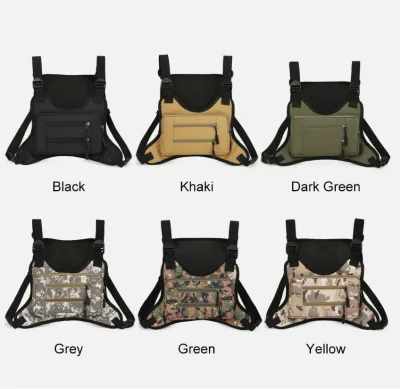
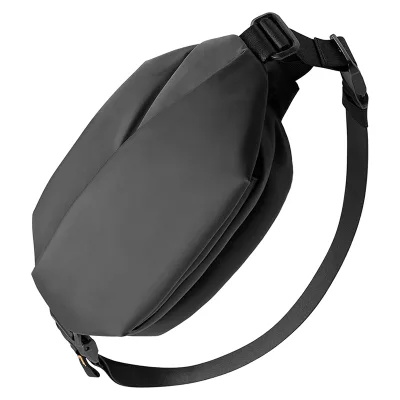
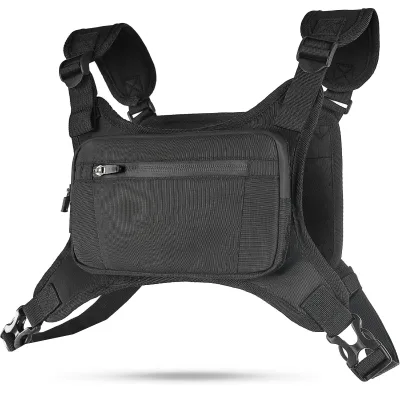
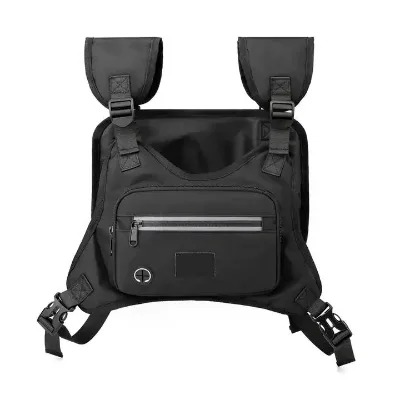


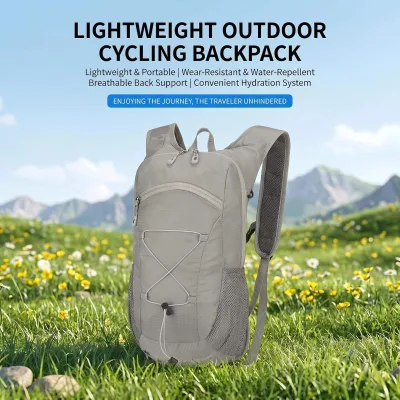
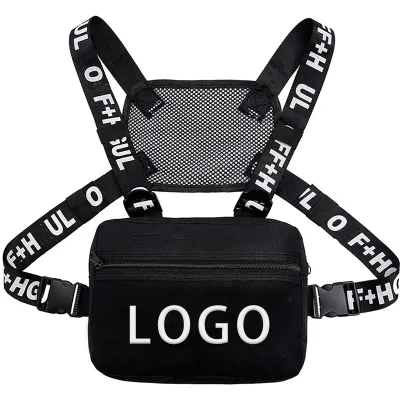
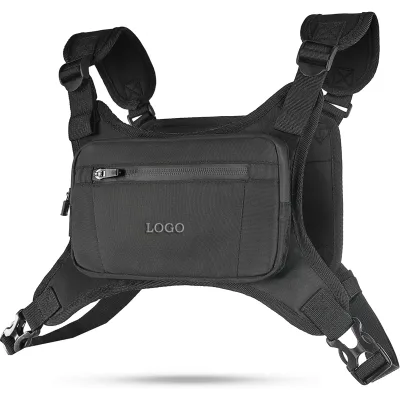
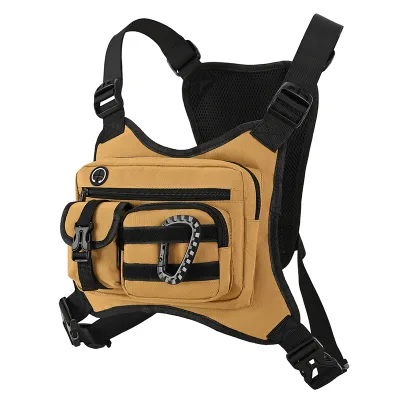
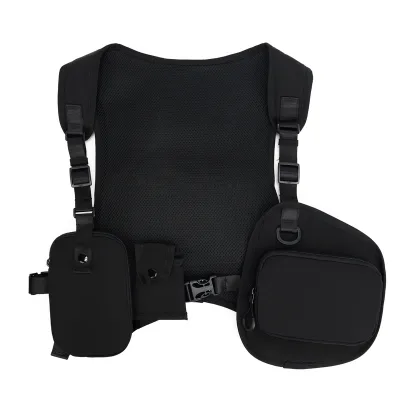


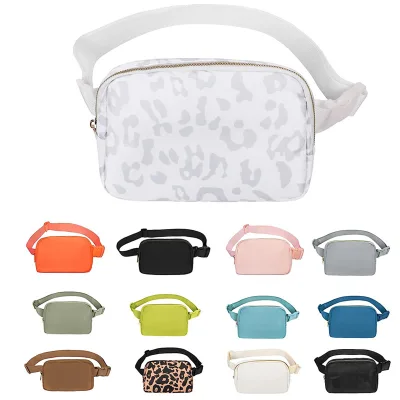
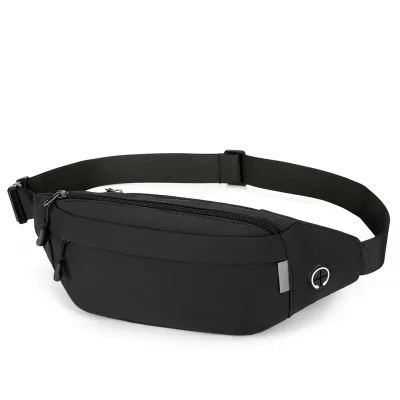


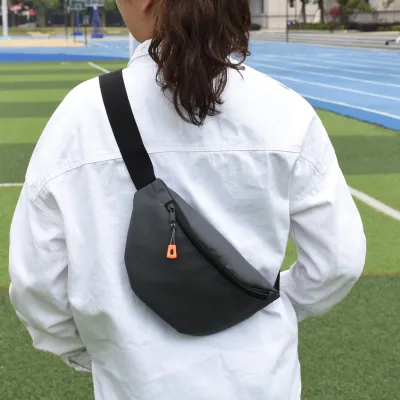


Comprehensive Sourcing Guide
Running Chest Bag Supplier Concentration and Factory Types
The available data indicates a concentration of manufacturing activity in China, specifically within the Guangdong province, where suppliers list locations as China Guangdong or Guangdong, China. This region appears to host a mix of combined company types that function as both manufacturers and trading companies, offering a blend of direct production capabilities and sourcing flexibility. Some suppliers in this cluster also list locations in Fujian, suggesting a broader regional presence for sports bag manufacturing. Buyers should verify if a specific factory is located in these high-confidence zones to understand the logistical advantages of the local supply chain. The presence of combined entities means a single supplier might manage their own production lines while also handling external orders, which can streamline communication but requires clear distinction between in-house and outsourced work.
When evaluating factory types, the observed data shows suppliers identifying as manufacturers, trading companies, or combined entities. This distinction is critical because a manufacturer typically controls the production process and quality directly, whereas a trading company may source from multiple factories. Some suppliers in the results explicitly state capabilities for ODM, OEM, and own brand services, indicating a capacity for customization and private labeling. Buyers must confirm whether the supplier's stated company type aligns with their specific needs for production control or market agility. The presence of ODM and OEM capabilities suggests that suppliers are equipped to handle custom designs, but the extent of this capacity varies by entity. Understanding the specific operational model of each supplier helps in predicting lead times and the level of direct involvement in the manufacturing process.
How to Verify Running Chest Bag Suppliers
Verification of supplier credibility relies heavily on third-party audit results and system certifications found in the data. One observed supplier holds an ISO9001:2015 certificate, which serves as a concrete indicator of a standardized quality management system. Additionally, verification status from SGS is noted for at least one entity, providing an external validation of their business operations. Buyers should prioritize suppliers with these specific, verifiable credentials over those without listed certifications, as these documents offer tangible proof of compliance with international standards. The presence of such certifications reduces the risk of engaging with non-compliant manufacturers and suggests a commitment to maintaining consistent product quality.
Beyond certifications, response time and verification status are key metrics for assessing supplier reliability. The data shows response times ranging from approximately 2.45 to 14.22 units, with some suppliers responding significantly faster than others. A faster response time often correlates with better communication channels and operational efficiency, which is vital for resolving issues during the sourcing process. Buyers should compare these response metrics to gauge the supplier's readiness to engage. Furthermore, the verification badge from agencies like SGS adds a layer of trust that goes beyond self-reported claims. When selecting a partner, buyers should look for the intersection of a valid system certification and a rapid, verified response capability to ensure a secure and efficient procurement experience.
What to Compare Across Running Chest Bag Suppliers
Comparing suppliers requires a detailed analysis of lead times, minimum order quantities, and pricing structures to ensure alignment with project requirements. The observed data reveals lead times varying from zero to 45 days, with some suppliers listing a 30-day standard and others indicating a 45-day window. These variations can significantly impact inventory planning and market launch schedules. Buyers must carefully review the specific lead time associated with each supplier to avoid delays. Additionally, minimum order quantities (MOQ) are listed as 500 pieces for several products, which sets a baseline for order volume. Understanding these thresholds is essential for determining if a supplier can accommodate the buyer's scale, whether for a small test run or a large bulk order.
Pricing and product attributes also form a critical comparison point across different suppliers. The data indicates price ranges for running chest bags from $2.00 to $9.90, depending on the specific model and material composition. Some products are priced between $4.10 and $6.00, while others range from $5.90 to $9.90. Buyers should compare these price points against the specified materials, such as polyester or nylon, and features like waterproofing or adjustable straps. The variation in price often reflects differences in customization options, material quality, and production complexity. By analyzing these factors alongside the MOQ and lead time, buyers can identify the most cost-effective supplier that meets their specific quality and volume requirements without compromising on essential product features.
Common Running Chest Bag Sourcing Risks
One significant risk in sourcing running chest bags involves the variability of lead times and the potential for production delays. The data shows lead times ranging from zero to 45 days, with some suppliers indicating a 30-day standard and others up to 45 days. This inconsistency can disrupt supply chains, especially if a buyer relies on a specific delivery date for a seasonal launch. Buyers must verify the current production capacity and confirm the exact lead time before placing an order, as a supplier's stated time may change based on order volume or material availability. Relying on a single supplier without a backup plan can exacerbate these risks if production bottlenecks occur.
Another risk relates to the accuracy of product specifications and the potential for mismatched expectations regarding customization. While some suppliers list customization as available, the specific details of what can be customized, such as color, material, or branding, may vary. The data shows attributes like waterproofing, closure types, and materials, but buyers must ensure these match their exact requirements. There is also a risk associated with the "combined" company type, where a supplier might act as a trading company for some products and a manufacturer for others. This duality can lead to confusion about who is responsible for quality control. Buyers should explicitly confirm the scope of customization and the specific responsibilities of the supplier to avoid receiving products that do not meet their design or functional standards.
Running Chest Bag Regional Sourcing and Logistics
The primary sourcing hub identified in the data is located in China, with specific concentrations in Guangdong and Fujian provinces. Guangdong is frequently cited as the location for suppliers offering backpacks, travel bags, and running chest bags, suggesting a robust manufacturing ecosystem in this region. Fujian is also noted as a location for suppliers specializing in sports bags and school bags. Buyers should prioritize suppliers located in these regions to leverage the established logistics networks and supply chain efficiencies that exist there. The proximity of these manufacturing clusters to major ports can facilitate smoother shipping processes and potentially lower freight costs. Understanding the specific regional location of a supplier helps in estimating transit times and planning the logistics of the supply chain effectively.
Logistics planning must also account for the specific packaging and shipping requirements of the products. The data indicates that products are often packed in cartons or individual OPP bags, with dimensions varying by model. For instance, some items have a single package size of 20x12x4 cm, while others are 30x20x2 cm. These dimensions influence the number of units that can be shipped per container, directly affecting shipping costs and efficiency. Buyers should request detailed packing lists and dimensions from suppliers to optimize container loading. Additionally, the origin of the products, consistently listed as China, means that international shipping regulations and customs duties will apply. Buyers need to factor these logistics costs into their overall budget and ensure that the supplier's packaging meets the requirements for safe and efficient transport to the destination market.
Running Chest Bag Commercial Terms and Order Planning
Commercial terms for Running Chest Bag orders often include specific minimum order quantities and sample times that must be factored into the planning process. The data shows an MOQ of 500 pieces for several products, which sets a clear threshold for order placement. Some suppliers also specify a sample time of 5-7 days, which is crucial for prototyping and quality verification before mass production. Buyers should plan their order timeline to accommodate these sample periods, ensuring that the final production run begins only after the sample has been approved. The variation in sample times and MOQs across different suppliers means that buyers must carefully review the commercial terms of each potential partner to align with their production schedule and budget constraints.
Pricing and payment terms are also central to order planning, with observed price ranges from $2.00 to $9.90 depending on the product specifications. Buyers should negotiate based on the volume of the order and the specific features required, such as waterproofing or custom branding. The data indicates that customization is available for many products, which may affect the final price. Buyers should clarify whether the quoted price includes all customization costs or if there are additional fees for design changes. Additionally, the lead time of 30 to 45 days must be integrated into the overall project timeline to ensure timely delivery. By understanding these commercial terms and planning accordingly, buyers can mitigate risks and ensure a smooth procurement process from order placement to final delivery.
FAQs
What is the price range for running chest bags?
Running chest bags typically cost between $2.00 and $9.90 per unit. Prices vary based on material, such as nylon or polyester, and features like waterproofing or custom branding. Buyers should check specific product listings for exact pricing tiers and volume discounts.
What is the minimum order quantity for these bags?
The minimum order quantity is generally 500 pieces for most running chest bags. Some suppliers may offer different terms, but 500 PCS is the standard baseline. Buyers should verify specific MOQ requirements with the supplier before placing bulk orders.
How long does production take for custom orders?
Production lead times range from 0 to 45 days depending on the supplier. Some manufacturers offer faster turnaround times, while others require up to 45 days for complex orders. Sample times are typically 5-7 days. Buyers should confirm timelines with their chosen supplier.
Are these chest bags waterproof?
Many running chest bags are designed to be waterproof. Products often feature materials like nylon or polyester with waterproof coatings. Buyers should check product attributes for specific waterproof ratings and closure types, such as zippers or buckles, to ensure adequate protection for their gear.
Can I customize the design of the chest bag?
Customization is available for many running chest bags. Suppliers offer OEM and ODM services, allowing for custom logos, colors, and materials. Buyers can request specific designs, such as adjustable straps or unique pocket configurations. Confirm customization options and additional costs with the supplier.
Where are these suppliers located?
Suppliers are primarily located in China, specifically in Guangdong and Fujian provinces. These regions are known for manufacturing sports accessories. Buyers can filter results by location to find suppliers closer to their shipping preferences or those with specific regional certifications.