Rubber Vacuum Suction Ball Suppliers and Manufacturers
Compare 16 verified suppliers of rubber vacuum suction balls across locations like China Shandong, Zhejiang, and Fujian. Review response times, certifications, and product specs to source custom silicone or nitrile options. Contact suppliers directly to request samples; review the available evidence before requesting comparable quotations from suitable candidates.
Suppliers List

QINGDAO GOFAI RUBBER & PLASTIC PRODUCTS CO., LIMITED
- Verified by BV
- Combined
- China Shandong
- Lead time15 days
- Avg. response≤ 6h
Main productsResilient Sound Isolation Clip, Marine Rubber Fender, USB RJ45 HDMI DVI VGA PS2 SATA 2.0 Dust Cover, Dva Rubber Vibration Dumping, 3m Self Adhesive Rubber Pad, Washing Anti-Vibration Pads, Dock Fender, Tug Boat Fender, Ship Fender, Mooring Bollard
Main marketsSoutheast Asia/ Mideast,East Asia(Japan/ South Korea),Europe,Australia,North America

Hangzhou Bright Rubber Plastic Product Co., Ltd.
- Verified by TUVRHEINLAND
- Manufacturer/Factory
- China Zhejiang
- Lead time15 days
- Avg. response≤ 5h
Main productsCustom EPDM/NBR/Silicone Rubber Molding Parts, Custom Nylon/ABS Plastic Injection Molding Parts, Silicone Extrusion Profiles/Tube/Strip, Spong Silicone Extrusion Profiles/Tube/Strip, Rubber Extrusion Profiles/Sealing/Tube/Strip, Rubber Bumper/Shock Absorber/Buffer/Damper, Rubber Seal/Gasket/Ring/O-Ring/Base, Rubber Cushion/Grommet/Bushing/Spacer/Hose/Grip, Plastic Extrusion Profiles/Sealing/Tube/Strip, Metal Parts
Main marketsSouth America,Eastern Europe,Mid East,North America,Southeast Asia,Eastern Asia,Oceania,Western Europe,Africa

Xiamen Neway Rubber & Plastic Products Co., Ltd.
- Verified by BV
- Combined
- China Fujian
- Lead time15 days
- Avg. response≤ 4h
Main productsPlastic Injection Molding, Plastic Parts, Silicone Rubber Parts, Gasket Seals, Rubber Grommet, Mould, O Ring, Extrusion Strip, Metal Parts, Suction Cup
Main marketsSouth America,Africa,Southeast Asia/ Mideast,East Asia(Japan/ South Korea),Europe,Australia,North America

Quanzhou Shengda Rubber Products Co., Ltd.
- Verified by TUVRHEINLAND
- Combined
- China Fujian
- Lead time15 days
- Avg. response≤ 4h
Main productsO Ring, Toilet Seat Hinge Top Fix Rubber Well Nut, Rubber Seal, Silicone Gasket, Silicone Washer
Main marketsEurope


Factory Wholesale Vacuum Suction Cup Silicone Rubber Sucker Vacuum Rubber Suction Cup
$0.01 - $0.02
Moq: 1000


Yiwu Sifan Import & Export Co., Ltd.
- Verified by BV
- Trading Company
- China Zhejiang
- Lead time30 days
- Avg. response≤ 11h
Main productsSoccer Ball Football PU Ball, Football PVC Football PU Football, Promotional Football Cheap Sosccer Ball, Soccer Jersey T-Shirts Football Jersey, Volleyball Rubber Ball Rubber Volleyball, Football Jersey Soccer Jersey Tshirts, Sports Goods Sporting Goods, T-Shirts Soccer T-Shirts Football T-Shirts, Soccer Uniform Football Uniform, Basketball Rubber Ball Rubber Basketball
Main marketsEurope,North America

Shanxi Baite Fluid Machinery Co., Ltd.
- Verified by TUVRHEINLAND
- Trading Company,Manufacturer/Factory
- China Shanxi
- Lead time23 days
- Avg. response≤ 21h
Main productsPneumatic Cylinder, Pneumatic Fittings, Pneumatic Tubes, Air Source Treatment, Solenoid Valves, Oil Lubrication Pump, Rotary Union, Forging Parts, Casting Parts, Sensor
Main marketsSouth America,Eastern Europe,Mid East,North America,Southeast Asia,Eastern Asia,Oceania,Western Europe,Africa

Zhongde (Beijing) Machinery Equipment Co., Ltd.
- Verified by TUVRHEINLAND
- Trading Company
- China Beijing
- Lead time30 days
- Avg. response≤ 7h
Main productsCustom Molded Rubber Parts, Custom Molded Plastic Parts, CNC Machined Parts, High Pressure Oil Hoses, PU Rollers, Bushings, End Caps, Gaskets, Sealing Strips, Gears
Main marketsEurope,Australia,North America

Qingdao Weilian Plastic & Rubber Co., LTD.
- Trading Company,Manufacturer/Factory
- China Shandong
- Lead time23 days
- Avg. response≤ 11h
Main productsRubber Sealing Strip, Rubber Metal Bonded Part, Rubber Hose, Rubber Grommet, Rubber Buffer, Rubber Bushing, Rubber Gasket Seal, Silicone Rubber Cap, Rubber Stopper
Main marketsSouth America,Eastern Europe,Mid East,North America,Southeast Asia,Eastern Asia,Western Europe

Ningbo Boman Mechanical & Technology Co., Ltd.
- Manufacturer/Factory
- China Zhejiang
- Lead time15 days
- Avg. response≤ 7h
Main productsOil Seal, O Ring, Customize Molded Rubber Part, Bonded Seal, Extrusion Strip, Rubber Ball, Valve Stem Seal, Rubber Product, Plastic Products, Silicone Product
Main marketsSouth America,Eastern Europe,Mid East,North America,Southeast Asia,Eastern Asia,Western Europe

YUEQING GUANGTAI IMPORT & EXPORT CO., LTD.
- Verified by CTI
- Trading Company,Manufacturer/Factory
- China Zhejiang
- Lead time23 days
- Avg. response≤ 14h
Main productsDistribution Board, Meter Socket, Load Center, Electrical Accessories, Tools, Hardware
Main marketsSouth America,Eastern Europe,Mid East,North America,Southeast Asia,Eastern Asia,Oceania,Western Europe,Africa

Dongguan Huaqi Sealing Co., Ltd.
- Verified by TUVRHEINLAND
- Combined
- China Guangdong
- Lead time15 days
- Avg. response≤ 2h
Main productsSilicone Rubber Sheet, Silicone Foam Sheet, Silicone Tube, Rubber Tube, Rubber Strips, Oil Seals, Suction Cup
Main marketsSoutheast Asia/ Mideast,Domestic


Factory Direct Custom Silicone Rubber Vacuum Suction Pad Vacuum Pad Suction Cup
$0.15 - $1.21
Moq: 100


Hebei Jiangzhi Machinery Equipment Co., Ltd
- Verified by SGS
- Trading Company
- China Hebei
- Lead time23 days
- Avg. response≤ 2h
Main productsCustom Plastic Parts
Main marketsEurope,North America
Shenzhen Jiulingsheng Technology Co., Ltd.
- Trading Company
- Guangdong, China
- Lead time0 days
- Avg. response≤ 4h
Main productsScrewdriver,Scraper,Suction Cup,Screwdriver Set,Tweezers
Main marketsSouth America(100.0%), Africa(100.0%), Domestic Market(50.0%), South Asia(20.0%), North America(10.0%), Mid East(4.0%), Southern Europe(2.0%), Eastern Europe(2.0%), Northern Europe(2.0%), Central America(2.0%), Western Europe(2.0%), Eastern Asia(2.0%), Oceania(2.0%), Southeast Asia(2.0%)

Milesun Rubber & Plastic Technology Co., Ltd.
- Verified by CTI
- Manufacturer/Factory
- China Guangdong
- Lead time23 days
- Avg. response≤ 11h
Main productsRubber Components, Rubber Damper/Shock Absorber/Sheet, Rubber-Metal Components, Sealing Ring, Home Appliance Rubber and Metal Components, Power Tool Rubber and Metal Components, Auto Rubber and Metal Components, Sanitary Rubber and Metal Components, Kitchen Ware / Daily Use Rubber Products, Food Grade Rubber Products/Toy
Main marketsSouth America,Eastern Europe,Mid East,North America,Southeast Asia,Eastern Asia,Oceania,Western Europe,Africa


Custom Rubber Sucker Silicone Suction Cup
Contact supplier


Hebei Erye Rubber and Plastic Co., Ltd.
- Verified by SGS
- Manufacturer/Factory
- China Hebei
- Lead time0 days
- Avg. response≤ 3h
Main productsCustom Plastic Parts, Injection Molding Parts, Custom Rubber Parts, Custom PU Parts, Injection Mold, Rubber Gasket, Rubber Roller, Plastic Pulley, Rubber Mount, Rubber Bellow

- Verified by SGS
- Combined
- China Zhejiang
- Lead time23 days
- Avg. response≤ 4h
Main productsTile Leveling System, Tile Cross Spacer, Uncoupling Membrance, Tile Suction Cup, Manual Tile Cutter, Aluminium Tile Shims, Tile Vibrator, Tile Cleaning Bucket, Wooden Floor Installation Tools
Main marketsSouth America,Southeast Asia/ Mideast,Europe,Australia,North America




Comprehensive Sourcing Guide
Rubber Vacuum Suction Ball Supplier Concentration and Factory Types
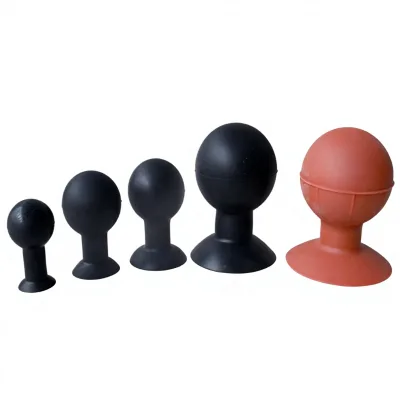
Listings for rubber vacuum suction balls and related suction cups in the observed results cluster in several Chinese provinces, including Shandong, Zhejiang, and Fujian. Shandong-based listings in this category describe combined-type companies whose main product ranges extend beyond suction components into marine rubber fenders, dock fenders, and anti-vibration pads, suggesting diversified rubber manufacturers rather than dedicated suction-ball specialists. Zhejiang results point to manufacturer/factory type businesses focused on custom rubber molding and extrusion, where a silicone vacuum suction cup appears alongside EPDM, NBR, and injection-molded parts. Fujian listings cover plastic injection molding and silicone rubber parts, with suction cups listed among a broader gasket, O-ring, and mold portfolio.
When location data is not displayed for a given result, buyers should identify clusters themselves by checking the company profile address, the listed main products, and whether factory type is labeled as manufacturer, factory, trading company, or combined. Product breadth is a useful signal: a supplier whose main products span fenders, bumpers, and sealing parts likely runs general rubber molding lines, while one centered on O-rings, gaskets, and silicone washers may specialize in smaller precision parts. Neither profile guarantees dedicated suction-ball tooling, so request evidence that vacuum suction balls or cups are actively produced, such as current model numbers, mold availability, and photos of recent production, before treating a listing as a specialist source.
How to Verify Rubber Vacuum Suction Ball Suppliers
Start with third-party verification status, because it is often displayed directly on the result card. In the observed listings, some suppliers carry Bureau Veritas verification and others carry TÜV Rheinland verification, while others show no verification badge at all. Treat a badge as confirmation of an audited company identity, not as approval of a specific suction ball product. Next, check system certifications shown in the profile. Results in this category include suppliers listing ISO 9001:2015 certificates, one combining ISO 9001:2015 and ISO 14001:2015, and a Zhejiang factory listing TS 16949 alongside ISO 9001 and ISO 14001 standards. Ask for certificate copies matching the exact legal entity name and confirm validity dates.
Beyond displayed credentials, verify capability through product-level evidence. Listings here show customization marked as available, ODM and OEM capacity at one supplier and OEM at another, and product attributes such as silicone rubber material, anti-static and wear-resistant features, and models like GF-81, GF-92, GF-49, GF-1013, and GF-54. Ask which of these models the supplier currently stocks or molds. For one Fujian listing, product attributes include prototype processes such as SLA, vacuum forming, and CNC, plus sample times of 3–7 days and lead times of 10–20 days, and certificates cited at product level including IATF16949, RoHS, REACH, MSDS, and LFGB. Request documentation for each claimed certificate and confirm the issuing scope covers the suction ball grade you need.
What to Compare Across Rubber Vacuum Suction Ball Suppliers
Compare displayed operational metrics side by side, but do not assume every supplier exposes the same fields. Response time is one of the clearest differentiators in the observed data: values shown include roughly 5.32, 4.27, 3.10, and 3.14 hours, so a buyer prioritizing fast communication has measurable spread to work with. Lead times also differ; one combined Shandong supplier lists a 15-day lead time, while a Fujian product listing states 10–20 days depending on order scope. Where no lead time is displayed, ask the supplier to quote one for your specific quantity and finish, and record the answer in your comparison sheet.
Minimum order quantities and pricing deserve the same treatment. Displayed MOQs in this category range from 100 pieces on a Zhejiang vacuum silicone rubber suction cup listing to 1,000 pieces on Shandong suction ball listings, and unit prices shown range from roughly 0.10 to 1.00 USD, so confirm current quotations rather than relying on stale card data. Also weigh company type, verification badge, system certifications, customization capacity (OEM versus ODM/OEM), and main product fit. A supplier whose main products include rubber seals, washers, and silicone gaskets may handle precision molding better than one focused on marine fenders, even if the fender supplier carries a suction ball listing. Score each dimension rather than judging on a single displayed number.
Common Rubber Vacuum Suction Ball Sourcing Risks
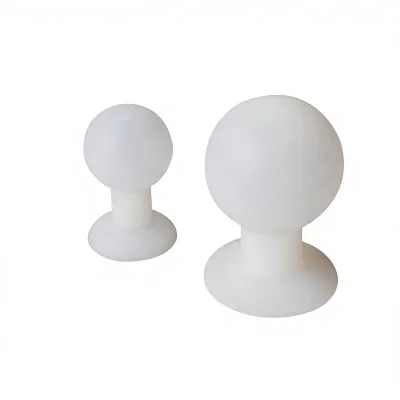
The most common risk is material substitution. Listings in this category describe suction balls made from silicone rubber with anti-static, wear-resistant, and impact-resistant features, and cups described as natural rubber or nitrile rubber with hardness ranges of 30–90A. If anti-static performance matters for your application, a supplier could mold a standard silicone ball and call it equivalent. Specify anti-static requirements in writing, reference the listed model numbers when reordering, and request batch samples from actual production rather than showroom stock. Color is another trap: several listings show transparent or black variants, and translucent silicone can vary noticeably between batches if no color standard is agreed.
A second risk is treating product-listing claims as verified facts. One Fujian listing cites a broad set of certificates at product level, including IATF16949 and food-contact-related standards, while the company profile shows only ISO 9001:2015; discrepancies like this require direct document checks. Similarly, displayed lead times such as 15 days or 10–20 days may assume stock models, not custom shore hardness or non-marking formulations. MOQs of 100 versus 1,000 pieces signal very different flexibility for trials, and a low unit price near 0.10–0.20 USD may reflect simple cup geometries rather than ball-shaped anti-static parts. Also confirm customization scope: "customized" model and standard fields on several listings may mean full tooling, which adds cost and time not reflected in the card price.
Rubber Vacuum Suction Ball Regional Sourcing and Logistics
The observed supplier base sits in three Chinese provinces with distinct logistics profiles. Shandong suppliers, described here as combined-type companies, ship alongside heavier product lines such as marine fenders and mooring bollards, so suction ball orders may be consolidated with bulky freight or, conversely, deprioritized on mixed production schedules; ask how small rubber parts are slotted into the plan. Zhejiang manufacturer/factory listings, which include silicone vacuum suction cups with customized shapes and tensile strength ratings of 17 MPa or higher, sit near established eastern-coast export infrastructure, and Fujian injection molding and silicone rubber suppliers likewise indicate coastal dispatch. In every case, confirm the actual dispatch port with the supplier rather than assuming the nearest one.
For logistics planning, use displayed lead times as a starting point but distinguish production time from transit. A 15-day lead time or a 10–20 day product lead time covers manufacturing, not ocean or air freight, customs clearance, or inland delivery. Sample logistics matter too: one listing states a 3–7 day sample time, so plan an approval cycle before committing to a 1,000-piece MOQ. Packing is specified on some listings as OPP bags with cartons or inner polybags with carton boxes, and bulk packing on another; confirm carton dimensions, gross weight, and palletization for your freight quote. If timing is critical, ask whether partial shipment from stock is possible before full production completes.
Rubber Vacuum Suction Ball Commercial Terms and Order Planning
Structure commercial terms around the two confirmed negotiation variables in this category: MOQ and customization. Displayed MOQs run from 100 pieces for a Zhejiang silicone suction cup to 1,000 pieces for Shandong suction ball models, and customization is marked available on nearly every relevant listing. Propose a staged plan: a sample order at the supplier's stated sample lead time (3–7 days where displayed), then a pilot batch at or near the stated MOQ, then volume orders at renegotiated pricing. Because displayed prices span roughly 0.10 to 1.00 USD, ask what drives the spread—material grade, anti-static treatment, size, or tooling amortization—before comparing quotes across suppliers.
Protect payment and delivery through verifiable terms rather than trust in displayed badges. Verification marks such as BV or TÜV Rheinland and system certifications like ISO 9001:2015 reduce company risk but do not cover product conformity, so keep acceptance criteria—shore hardness, anti-static resistance, dimensional tolerance, and appearance—in the purchase contract. Where escrow or platform-protected payment is offered, confirm eligibility for your transaction type; do not assume it applies because a supplier is listed. Confirm the quoted lead time (15 days, 10–20 days, or supplier-quoted) applies to your specification, agree packing in OPP bags with cartons or polybag-and-carton as displayed where suitable, and define what happens if samples fail: retooling costs, re-sample lead time, and deposit treatment should all be settled before the deposit is paid.
FAQs
What materials are used for rubber vacuum suction balls?
Suppliers offer suction balls made from silicone rubber, nitrile rubber, and PVC. These materials provide wear resistance, impact resistance, and anti-static properties. Some products use natural rubber pads or metal frame layers for enhanced durability. Buyers can select transparent, black, or various colored options based on industrial requirements and aesthetic preferences.
What is the typical lead time for these products?
Manufacturers generally require 15 days for standard production runs. Some suppliers indicate a broader range of 10 to 20 days depending on order complexity. Sample preparation typically takes 3 to 7 days. Buyers should confirm specific timelines with the supplier to ensure alignment with project schedules and delivery expectations.
What are the minimum order quantities for suction cups?
Minimum order quantities vary by supplier and product type. Some manufacturers require a minimum of 1000 units for specific anti-static models. Others accept lower volumes starting at 100 units for customized silicone options. Buyers should verify the exact MOQ with the supplier to ensure it fits their procurement volume and budget constraints.
Are these products customizable for industrial applications?
Yes, customization is widely available across multiple suppliers. Manufacturers offer OEM and ODM services to tailor shapes, sizes, and hardness levels. Buyers can request specific tensile strength, elongation at break, and color options. Custom logos and packaging are also supported to meet specific branding and functional requirements for various industrial components.
What certifications do these rubber suppliers hold?
Suppliers hold various quality and environmental certifications including ISO 9001, ISO 14001, and TS 16949. Some providers also possess IATF 16949, RoHS, and Reach certifications. Verification badges from BV and TÜV Rheinland indicate third-party audits. Buyers should request current certificates to ensure compliance with specific industry standards and regulatory requirements.
Where are these rubber suction ball manufacturers located?
Manufacturers are primarily located in China, specifically in Shandong, Zhejiang, and Fujian provinces. These regions host both combined trading companies and dedicated manufacturing factories. Buyers can source from these locations to access a wide range of rubber and plastic injection molding capabilities for vacuum suction products.
What is the price range for vacuum suction balls?
Prices vary based on material and customization. Specific models are listed around $0.10 to $0.20 per unit for standard silicone options. Other specialized anti-static balls may be priced near $0.60 or $1.00 per unit. Buyers should request detailed quotes to understand how volume, material choice, and tooling costs affect the final price.