Skinny Sweet Denim Corset Suppliers and Manufacturers
Source 18 verified suppliers for Skinny Sweet Denim Corset production. Compare key dimensions including Guangdong location, 30-day lead times, and MOQs starting at 3 units. Review OEM capabilities and cotton blend specifications to identify suitable partners for your next order.
Suppliers List
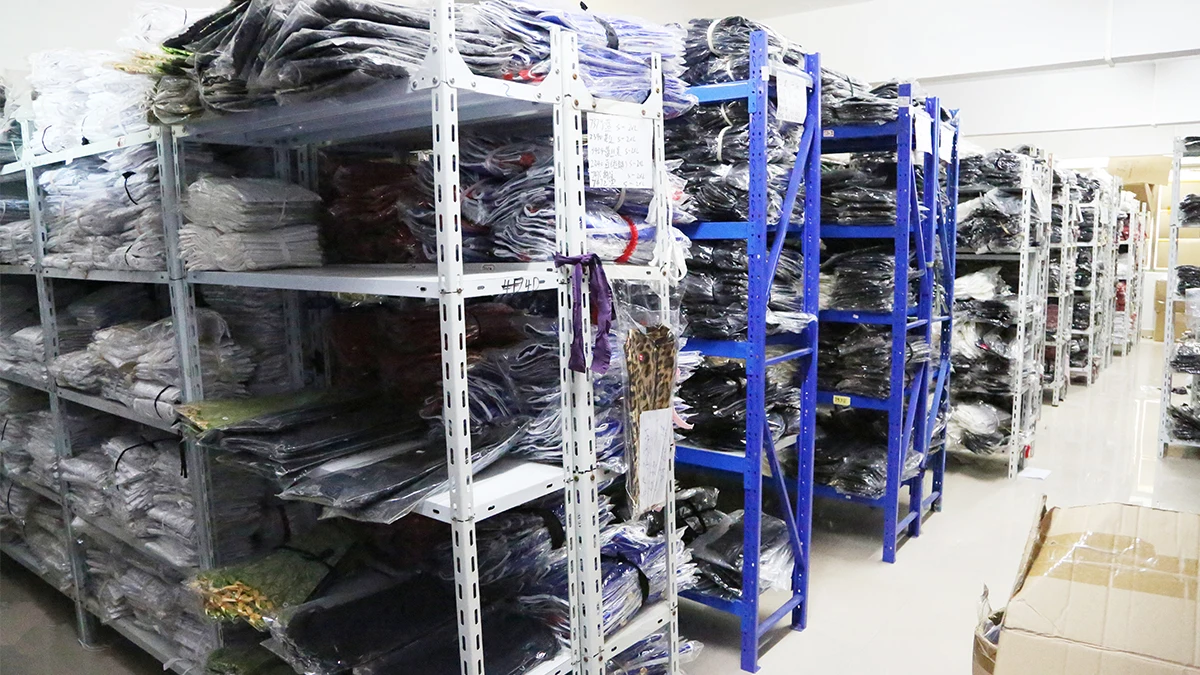
Guangzhou Doyen Lingerie Co., Ltd.
- Manufacturer, Trading Company
- Guangdong, China
- Lead time30 days
- Avg. response≤ 18h
Main productsCorset,Body Suit,Control Panties,Waist Trainer
Main marketsNorth America(45.00%), Domestic Market(20.00%), Southern Europe(5.00%), Northern Europe(5.00%), Western Europe(5.00%), Eastern Europe(5.00%), Oceania(3.00%), South America(2.00%), South Asia(2.00%), Mid East(2.00%), Africa(2.00%), Southeast Asia(2.00%), Eastern Asia(2.00%)

Jiangmen Neiyishe Garment Co., Ltd
- Verified by CTI
- Combined
- China Guangdong
- Lead time15 days
- Avg. response≤ 25h
Main productsUnderwear, Women Underwaer, Panty, Lace Underwear, Thong, Period Underwear, Plush Underwear
Main marketsDomestic

Guangzhou Vincenia Trading Co., Ltd.
- Trading Company
- China Guangdong
- Lead time23 days
- Avg. response≤ 5h
Main productsUnderwear, Lingerie, Shapewear, Legging, Lace, Bra, Briefs, Yoga, Fabrics
Main marketsSouth America,Southeast Asia/ Mideast,East Asia(Japan/ South Korea),Europe,North America
Guangzhou Yijia Manufacturing Co.,ltd
- Manufacturer
- Guangdong Province, China
- Lead time0 days
- Avg. response≤ 4h
Main productsDENIM JACKET,DENIM JEANS,DENIM SHORT,DENIM DRESS,DENIM SHIRTS
Main marketsNorth America(50.00%), Oceania(20.00%), Western Europe(20.00%), South America(10.00%)
Foshan Jianwei Apparel Co., Ltd.
- Verified by Intertek
- Manufacturer, Trading Company
- Guangdong, China
- Lead time2 days
- Avg. response≤ 2h
Main productsBodysuit, Body Shapewear, Waist Trainer, Corset, Waist Cincher
Main marketsNorth America(25%), Northern Europe(10%), Southern Europe(10%)

PUYANG SELFAIDING INDUSTRIAL CO., LTD.
- Verified by SGS
- Manufacturer
- China Henan
- Lead time15 days
- Avg. response≤ 3h
Main productsAdult Bib, Pet Pad, Underpad, Baby Bib, Protective Panties, Washable Sanitary Pad, Compression Stockings, Patient Care Clothing, Pet Nest, Pet Toy
Guangzhou Corzzet Lingerie Co., Ltd.
- Verified by Intertek
- Manufacturer, Trading Company
- Lead time3 days
- Avg. response≤ 5h
Main productsCorset, Costume, Diamond Bra, Party Hat, Lingerie
Main marketsDomestic Market(60%), North America(16%), Eastern Europe(15%)
Hengshui Liou Import And Export Trade Co., Ltd.
- Verified by SGS Group
- Trading Company
- Lead time15 days
- Avg. response≤ 3h
Main productsClothing, Camping Cart, Wallet and bags, Watch, Sport Brace
Main marketsNorth America(50%), South America(10%), Oceania(10%)
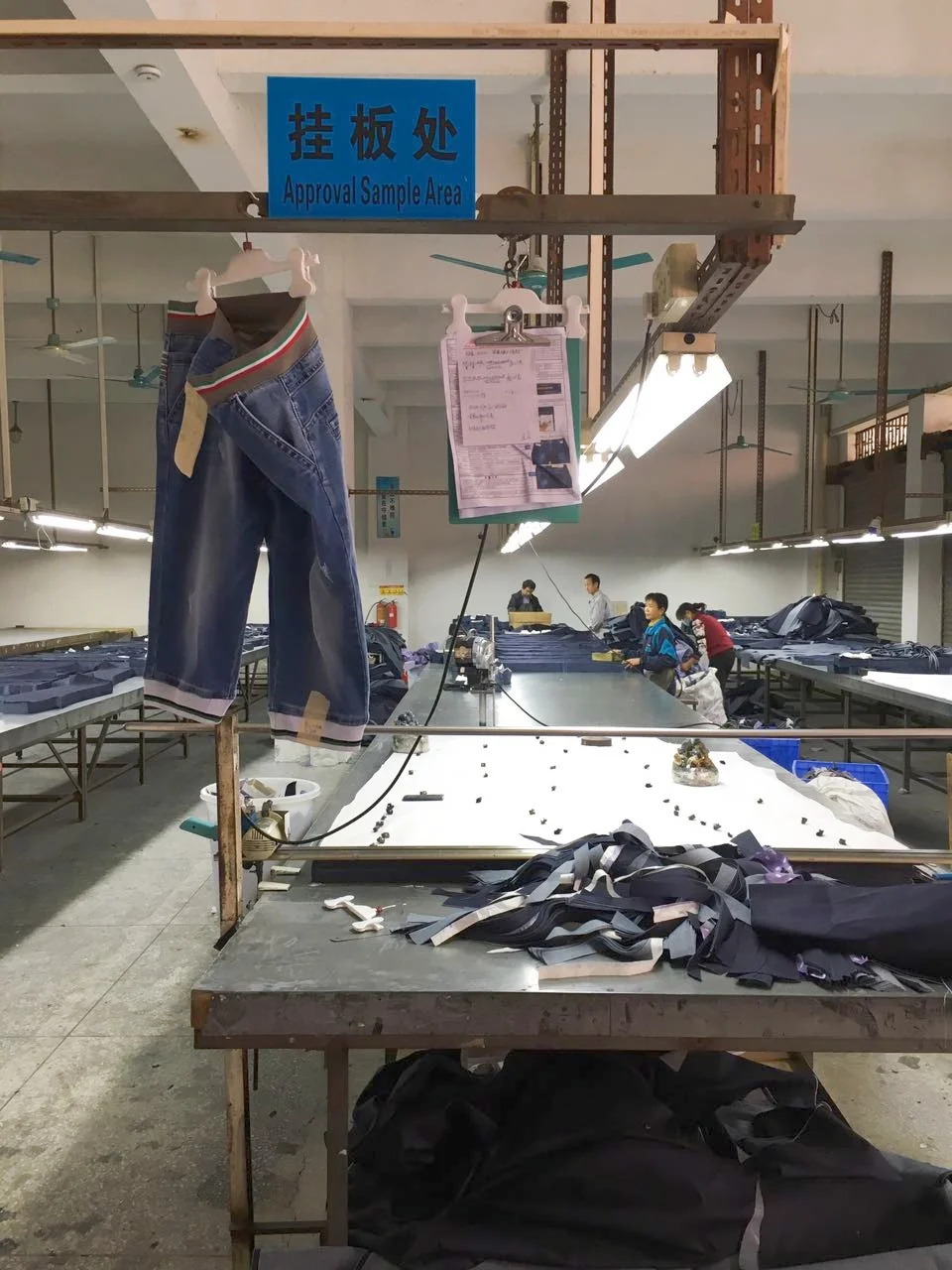
Guangzhou Kaicheng Garment Co., Ltd.
- Trading Company
- Guangdong, China
- Lead time12 days
- Avg. response≤ 3h
Main productsCowboy Clothing,Men's Clothing,Women's Clothing
Main marketsNorth America(40.00%), Southeast Asia(10.00%), Eastern Europe(10.00%), South America(10.00%), Southern Europe(5.00%), Domestic Market(5.00%), Mid East(5.00%), Oceania(5.00%), Western Europe(4.00%), Northern Europe(4.00%), Eastern Asia(2.00%)

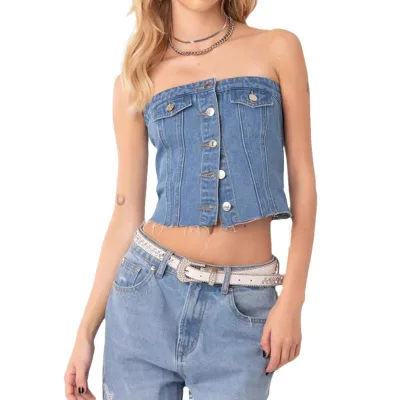
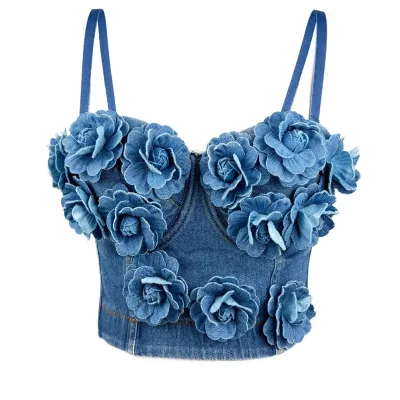
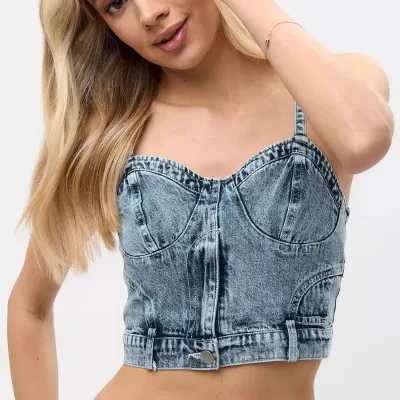
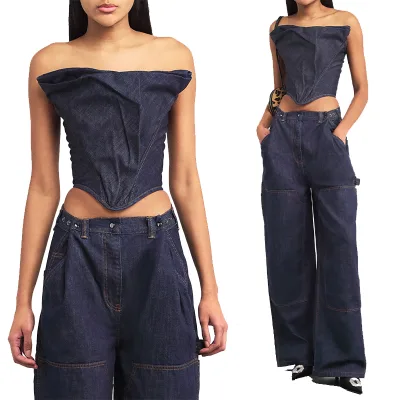
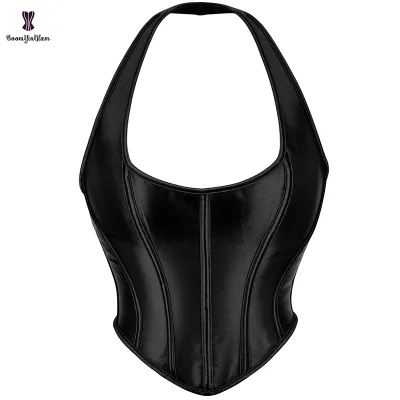
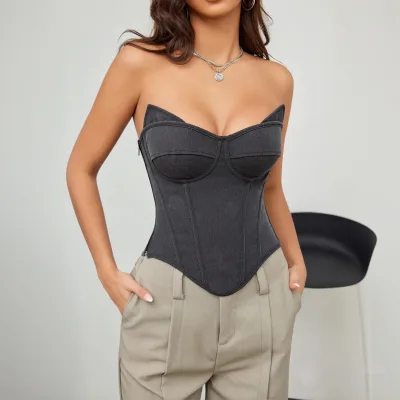
Summer Hottie Corset Top Denim tank Top Halter
$8.23 - $10.29
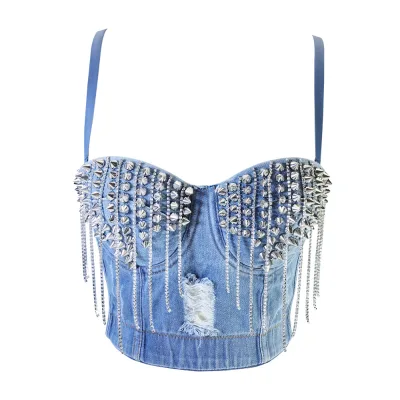

Foshan Xiangyinren Clothing Co., Ltd.
- Verified by SGS
- Combined
- China Guangdong
- Lead time15 days
- Avg. response≤ 11h
Main productsCorset, Corset Top, Court Corsets, Sexy Bra Set, Women's Lingeries, Sexy Bodysuit, Fashion Body Chain
Main marketsEurope,North America


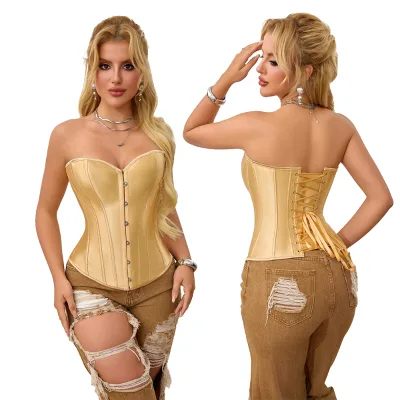
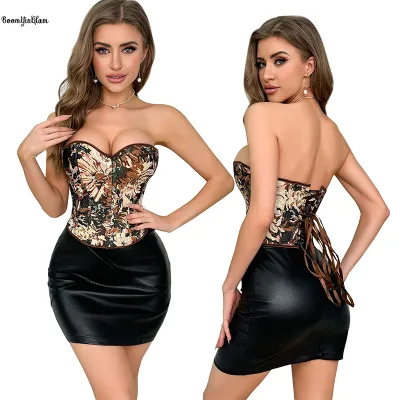
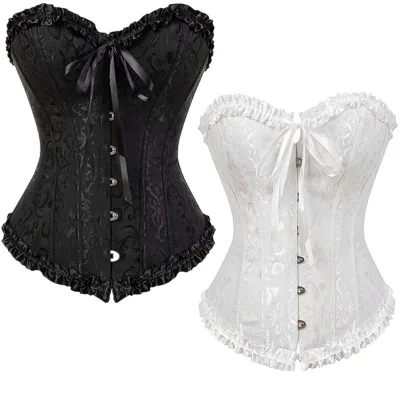
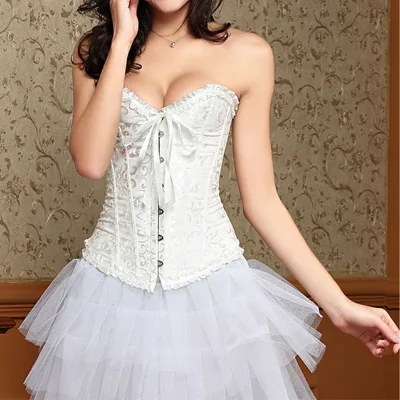
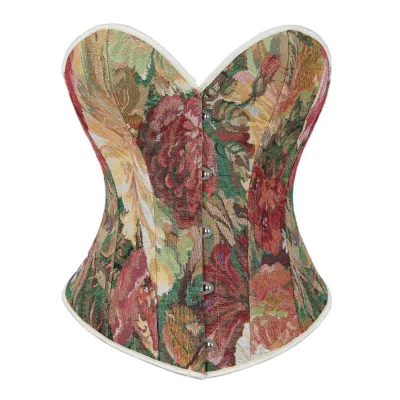
Adjustable Sexy Flower Steel Boned Overbust Tummy Control Waist Slimming Corset
$5.20 - $5.48
MOQ: 2 Pieces


Foshan Neiyoumei Clothing Co., Ltd.
- Verified by TüVRheinland
- Manufacturer, Trading Company
- Lead time30 days
- Avg. response≤ 2h
Main productsSexy Lingerie, Bra Set, Sexy Underwear, Sexy Bodysuit, Sexy Sleepwear
Main marketsNorth America(30%), Eastern Europe(12%), Domestic Market(10%)
Foshan Qianfa Clothing Co., Ltd.
- Verified by TüVRheinland
- Manufacturer, Trading Company
- Lead time10 days
- Avg. response≤ 2h
Main productsWaist Trainer, Latex Waist Trainer, Latex Vest, Corset, Sexy Lingerie
Main marketsNorth America(25%), Northern Europe(10%), Southern Europe(10%)

Xiamen Pop Gloria International Trade Co., Ltd.
- Verified by BV
- Combined
- China Fujian
- Lead time15 days
- Avg. response≤ 11h
Main productsUnderwear, Sexy Lingerier, Period Underwear, Pregnancy Underwear, Comfortable Bra, Fashion Underwear, Fashion Bra Set, Sexy String, Nursing Bra, Sexy Bra
Main marketsSoutheast Asia/ Mideast,Europe

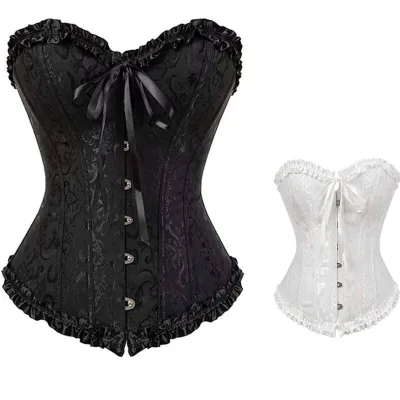
The New Heart Sling Belly Shaping Lace Trim Women′ S Corset Shapewear Tummy Control
$10.79 - $10.99
MOQ: 10 Sets

Women′ S Comfort High Waist Thigh Full Tummy Control Slimming Body Shapewear
$10.79 - $10.99
MOQ: 10 Sets

Dongguan Senfeng Trading Co., Ltd.
- Verified by TUVRHEINLAND
- Trading Company
- China Guangdong
- Lead time15 days
- Avg. response≤ 1h
Main productsWomen's Underwear, Women's Shapewear, Women's Bra, Women's Panties, Women's Belt, Women's Clothes, Men's Briefs, Women's Bodysuit
Main marketsOthers(foreignTradeCapacity.exportBusinessCapacityMarketOther)

Shenzhen Yilairuika Medical Technology Co., Ltd.
- Verified by TUVRHEINLAND
- Combined
- China Guangdong
- Lead time15 days
- Avg. response≤ 3h
Main productsWomen Compression Faja, Post Surgery Shapewear, Men Shapewear
Main marketsAfrica,North America
Shijiazhuang Aofeite Imp & Exp Co., Ltd.
- Verified by SGS Group
- Manufacturer, Trading Company
- Lead time10 days
- Avg. response≤ 1h
Main productsKnee Brace, Lumbar Support Belt
Main marketsNorth America(27%), Western Europe(22%), Eastern Europe(15%)

Shenzhen Weixi Chuang Industrial Co., Ltd.
- Verified by SGS
- Trading Company
- China Guangdong
- Lead time15 days
- Avg. response≤ 6h
Main productsDress, T-Shirt, Lingerie, Sport Wear, Sleepwear, Corset, Underwear, Pajamas, Bra, Bathrobe
Main marketsNorth America
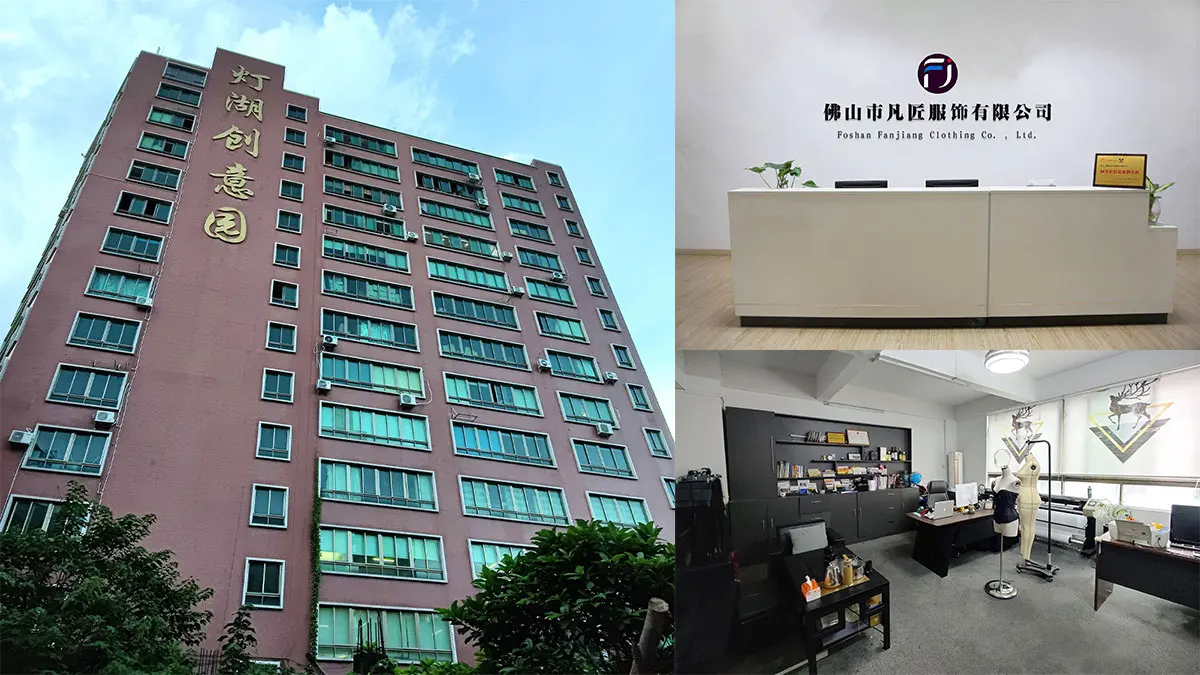
Foshan Fanjiang Clothing Co., Ltd.
- Manufacturer, Trading Company, Distributor/Wholesaler
- Guangdong, China
- Lead time7 days
- Avg. response≤ 7h
Main productsCorset,Waist Trainer,Bodysuit,Waist trainer vest,Bustier
Main marketsSoutheast Asia(17.00%), South America(15.00%), Africa(13.00%), Mid East(13.00%), Eastern Europe(13.00%), Central America(12.00%), North America(12.00%), Northern Europe(5.00%)
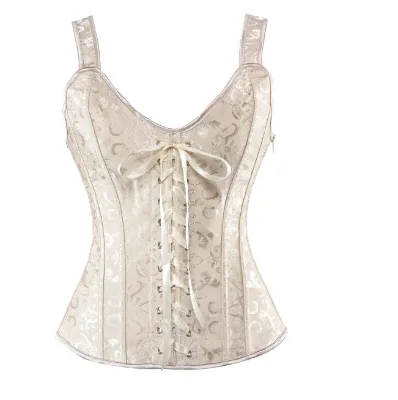


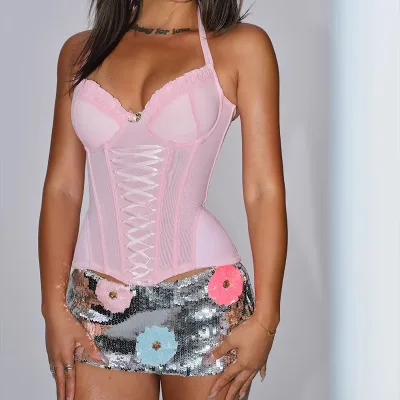
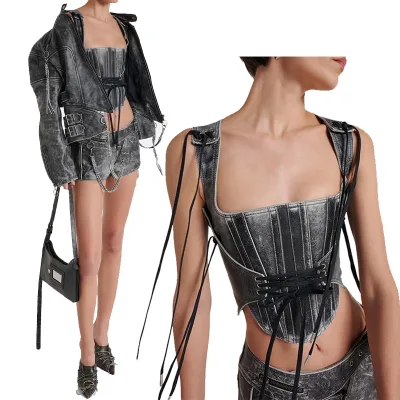
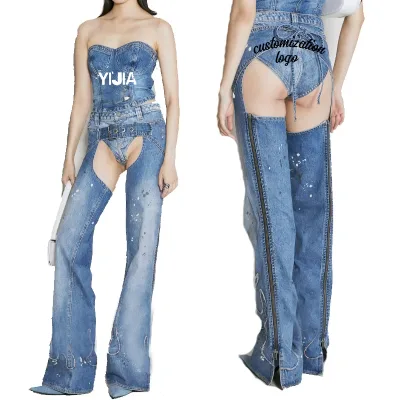
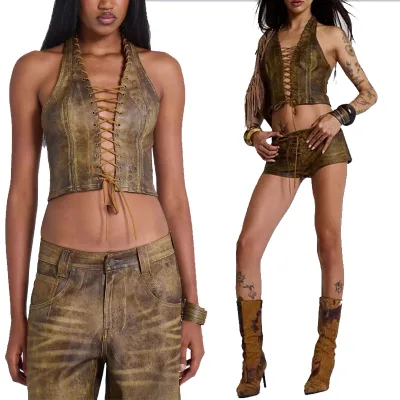
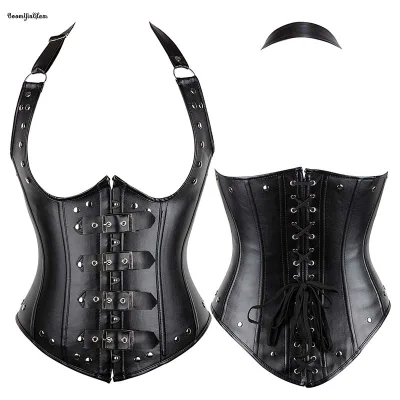
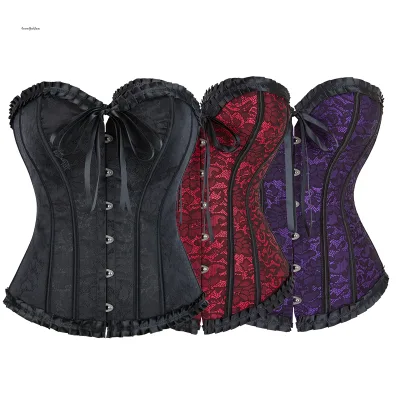
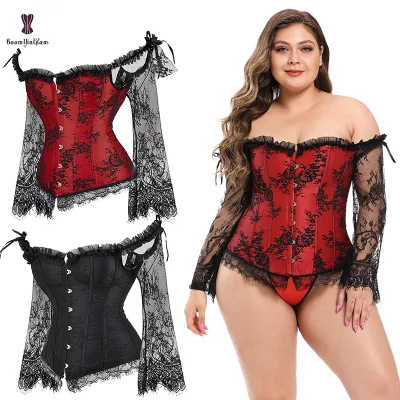


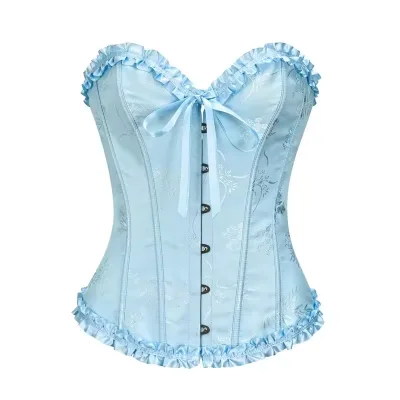

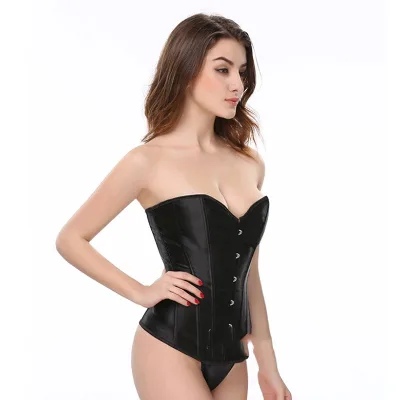
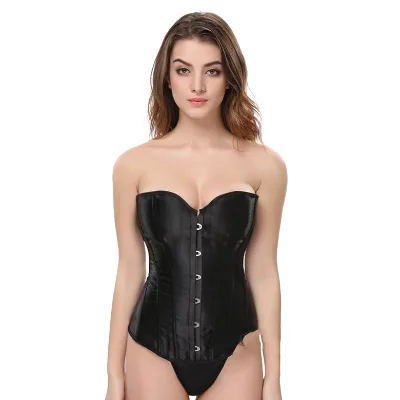
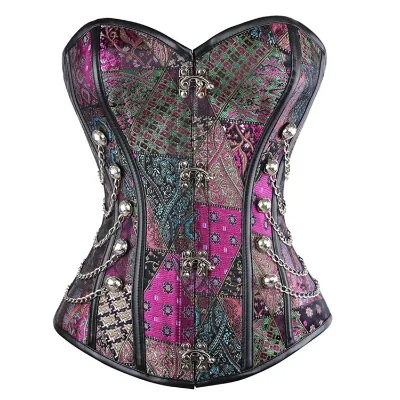

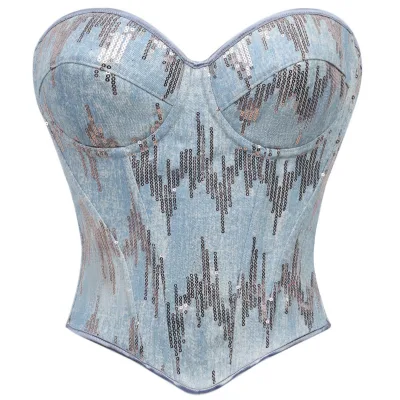
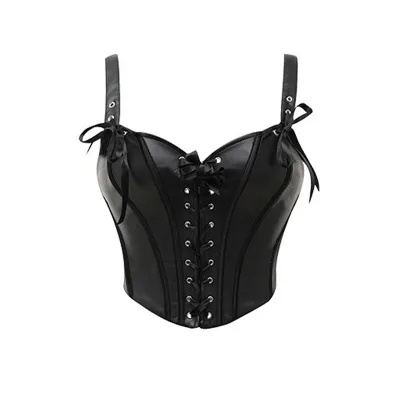
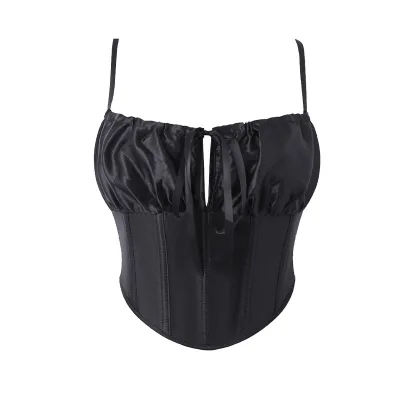
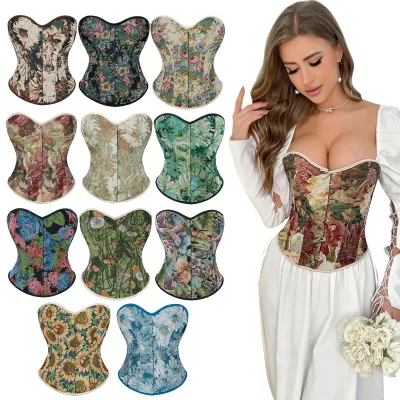

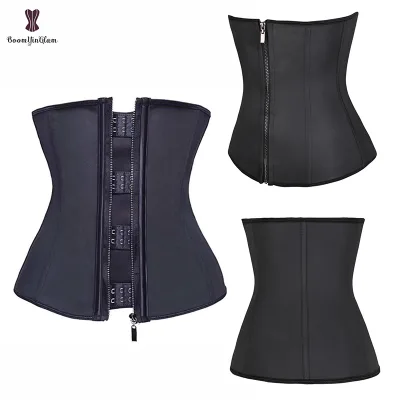





Comprehensive Sourcing Guide
Skinny Sweet Denim Corset Supplier Concentration and Factory Types
The available data indicates that suppliers for this category are concentrated in Guangdong, China, with specific product origins noted in Foshan. This region represents a significant manufacturing cluster for apparel and accessories, particularly for items like corsets and shapewear. Buyers should prioritize verifying the specific factory address within this province, as the concentration of textile infrastructure supports complex garment construction. The supplier types observed include both manufacturers and trading companies, offering distinct advantages depending on the buyer's needs. Manufacturers often provide direct control over the production process, which can be critical for customizing denim blends or adjusting structural elements like boning and lacing.
Trading companies may offer a broader range of styles and faster access to existing inventory, which is useful for buyers seeking immediate stock. The product evidence shows a mix of OEM services and in-stock items, suggesting that some facilities handle custom orders while others focus on ready-to-ship goods. When evaluating potential partners, buyers must distinguish between these two models to ensure alignment with their supply chain strategy. A manufacturer might be better suited for large-volume orders requiring specific fabric modifications, whereas a trading company could streamline the process for smaller, diverse orders. Understanding this distinction is essential for navigating the supply landscape effectively in this specific region.
How to Verify Skinny Sweet Denim Corset Suppliers
Verification begins with confirming the physical location and operational history of the supplier, as the data points to Guangdong and Foshan as key origins. Buyers should request proof of address and business registration to ensure the entity is legitimate and operates within the claimed industrial zone. It is crucial to validate the company type, distinguishing between a direct manufacturer and a trading intermediary, as this impacts quality control and communication efficiency. The response time of 18 hours observed in some listings serves as a baseline metric for communication reliability, but buyers must test this directly before committing to an order. A slow response can indicate bottlenecks in the supply chain or a lack of dedicated account management.
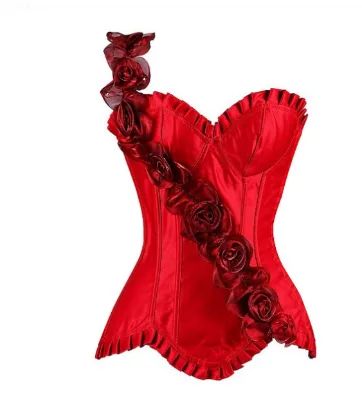
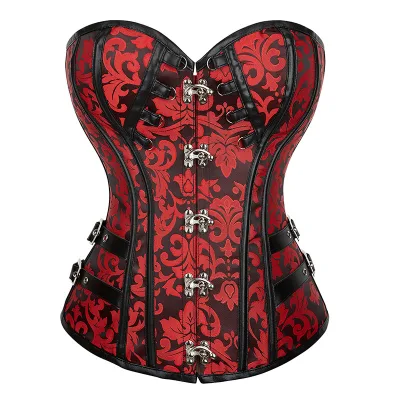
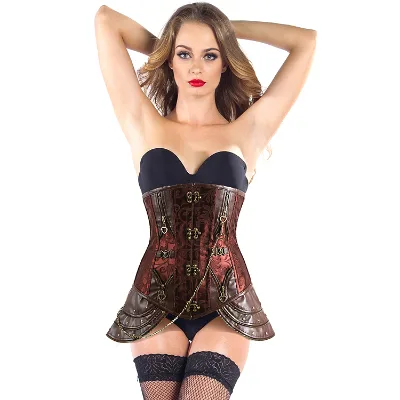
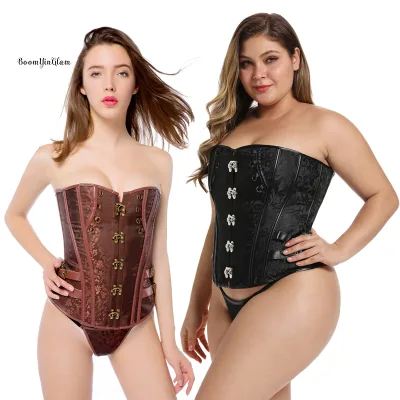
Beyond location and response speed, buyers must scrutinize product attributes to ensure they match the specific requirements for a Skinny Sweet Denim Corset. The evidence shows varying material compositions, such as cotton blends and 100% cotton, which may not align with a denim-specific request. Buyers should explicitly ask for fabric swatches and technical specifications to confirm the presence of denim or denim-like materials. Additionally, checking the minimum order quantity (MOQ) is vital, as some listings show an MOQ of 3 pieces while others may differ. Verifying the ability to meet specific style requirements, such as vintage or steampunk aesthetics, requires direct communication with the supplier to confirm their production capabilities.
What to Compare Across Skinny Sweet Denim Corset Suppliers
When comparing suppliers, the primary focus should be on lead times, minimum order quantities, and pricing structures. The observed lead time of 30 days provides a benchmark for production scheduling, but buyers must confirm if this applies to custom denim orders or standard stock items. Some suppliers offer a 7-day sample order lead time, which is a significant advantage for rapid prototyping and design validation. Comparing these timelines helps buyers determine which partner can meet their launch deadlines. Pricing is another critical variable, with observed ranges starting around $6.13 and reaching up to $13.06 depending on the product complexity and material. Buyers should request detailed quotes that break down costs for materials, labor, and shipping to ensure transparency.
Another essential comparison point is the supply type, which ranges from OEM services to spot goods and in-stock items. Suppliers offering OEM services are better suited for brands looking to create unique designs with specific branding, while those with spot goods are ideal for immediate resale. The control level of the garments, noted as medium or firm in the data, also varies and must be matched to the target market's expectations. Buyers should also evaluate the available quantity, as some listings show limited stock while others indicate high availability. By systematically comparing these dimensions, buyers can identify suppliers that offer the best balance of cost, speed, and flexibility for their specific business model.
Common Skinny Sweet Denim Corset Sourcing Risks
One significant risk involves the discrepancy between product descriptions and actual material composition. The data shows many items listed as cotton or cotton blends, which may not satisfy a buyer specifically seeking denim. Relying solely on product titles without verifying fabric content can lead to receiving garments that do not meet the intended aesthetic or functional requirements. Buyers must insist on detailed material specifications and physical samples before placing bulk orders to mitigate this risk. Another risk is the variability in minimum order quantities, which can range from 1 piece to 3 pieces or higher. This inconsistency can complicate inventory planning and increase the cost per unit for smaller orders.
Quality control is another area of concern, particularly regarding the structural integrity of corsets. The observed control levels vary from medium to firm, and the construction techniques are listed as "Other" in some cases. Without clear standards for stitching, boning, and fastening, buyers risk receiving products with poor durability or fit issues. The lack of specific certification data in the provided facts means buyers cannot assume compliance with international safety or quality standards. It is essential to request third-party inspection reports or conduct factory audits to verify production quality. Additionally, the potential for delayed shipments due to supply chain disruptions in the manufacturing region must be accounted for in the overall project timeline.
Skinny Sweet Denim Corset Regional Sourcing and Logistics
Sourcing from Guangdong, China, offers access to a well-developed logistics network, but buyers must plan for specific shipping requirements. The data indicates that shipment methods include express services like DHL, FedEx, and UPS, as well as airfreight and sea freight. Selecting the appropriate method depends on the urgency of the order and the total volume being shipped. For small sample orders, express shipping is often the most efficient option, while sea freight is more cost-effective for large bulk shipments. Buyers should calculate the total landed cost, including duties and taxes, to ensure the final price remains competitive in their target market.
The location of the factory, specifically in Foshan or other parts of Guangdong, influences transit times and handling fees. Buyers should verify the exact port of loading and the distance to the factory to estimate inland transportation costs. The single package size and weight data provided for some items, such as 0.3kg, help in estimating shipping volumes and costs. However, buyers must confirm these figures for their specific order, as custom designs may alter packaging dimensions. Planning for potential delays during peak seasons is also crucial, as the observed lead times can extend during high-demand periods. Establishing a clear logistics plan with the supplier ensures smooth delivery and minimizes unexpected costs.
Skinny Sweet Denim Corset Commercial Terms and Order Planning
Commercial terms for these products often include flexible payment structures and clear definitions of delivery responsibilities. The observed MOQ of 3 pieces suggests that suppliers are open to small initial orders, which is beneficial for testing the market. However, buyers should negotiate terms that allow for scaling up production without significant price increases. The availability of OEM services indicates that suppliers are willing to customize products, but this requires clear communication regarding design specifications and branding requirements. Buyers must ensure that all customizations are documented in the purchase order to avoid disputes over the final product.
Order planning should account for the 30-day lead time observed in the data, as well as the time required for sample approval and production adjustments. Buyers should create a timeline that includes buffer periods for potential delays in material sourcing or manufacturing. The response time of 18 hours provides a baseline for communication, but buyers should establish a dedicated point of contact to streamline the process. It is also important to verify the return and refund policies, especially for custom orders where returns may not be accepted. By carefully planning the commercial terms and order timeline, buyers can manage risks and ensure a successful sourcing experience for their Skinny Sweet Denim Corset line.
FAQs
What is the minimum order quantity for corsets?
The minimum order quantity is typically 3 pieces for most corset styles listed. Some specific items like the steampunk design allow a single piece purchase. Buyers should verify the exact MOQ per product before placing an order to ensure compliance with supplier requirements.
How long does it take to receive corset orders?
Standard lead times for corset production are approximately 30 days from order confirmation. Some suppliers offer a 7-day sample order lead time for quick prototyping. Buyers must confirm specific delivery schedules with the manufacturer as shipping methods vary by destination.
Are these corsets made from cotton materials?
Yes, many listed corsets are crafted from cotton blends or 100% cotton fabrics. Specific products feature materials like cotton blend or 90% cotton with lace decorations. Buyers should check the fabric name attribute for each item to confirm the exact material composition before purchasing.
What is the price range for women's corsets?
Prices for women's corsets generally range from 6.13 to 13.06 US dollars per unit. The cost varies based on style, control level, and material composition. Buyers should review the specific price minimum and maximum for each product listing to determine the final unit cost.
Where are these corset manufacturers located?
Manufacturers are primarily located in Guangdong and Foshan, China. These regions are known for producing apparel and accessories including shapewear. Buyers should verify the specific place of origin listed for each product to ensure it matches their sourcing preferences.
Do suppliers offer OEM services for corsets?
Yes, several suppliers provide OEM services for custom corset production. Buyers can request customized logos and specific model numbers for their orders. It is essential to confirm the supply type and customization options directly with the manufacturer to ensure the service meets your needs.
What control levels are available for shapewear?
Corsets are available in medium and firm control levels depending on the design. Some styles offer tummy control and hip lifting features for enhanced shaping. Buyers should select the control level that best suits their body shaping requirements when choosing a specific corset model.