Sleep Therapy Nerve Stimulator Suppliers and Manufacturers
Explore 27 verified options for Sleep Therapy Nerve Stimulator devices from manufacturers and trading companies. Compare response times, lead times, certifications like ISO 13485, and pricing ranges to find the right partner. Contact suppliers directly to request samples or negotiate bulk orders.
Suppliers List
Hubei YJT Intelligent Technology Group Co., Ltd.
- Manufacturer, Trading Company
- Lead time旺季: "1 - 100":10,"> 100":"To be negotiated", 淡季: "1 - 100":10,"> 100":"To be negotiated"
- Avg. response≤ 2h
Main productsSemiconductor Laser Therapy Device, Millimeter Wave Therapy Device, High Potential Therapy Device, Hair Growth Machine, LED Therapy Device

Jiangsu Province Huaxing Medical Apparatus Industry Co., Ltd.
- Verified by BV
- Trading Company,Manufacturer/Factory
- China Jiangsu
- Lead time15 days
- Avg. response≤ 19h
Main productsInfusion Pump, Anesthesia Kit, Anesthesia Needle, Central Venous Catheter Catheter/Kit, Nerve Block Needle, Silicon Foley Catheter, Reinforced Epidural Catheter, Bone Marrow Puncture Needle, Reinforced Endotracheal Tube, RF Needle
Main marketsSouth America,Eastern Europe,Mid East,North America,Southeast Asia,Eastern Asia,Oceania,Western Europe,Africa
Wuhan Guangdun Technology Co., Ltd
- Verified by SGS Group
- Manufacturer, Trading Company
- Lead time3 days
Main productsSemiconductor Laser Therapy Device, CES Insomnia Treatment Device, Handheld Laser Pain Relief Device, Red Light Therapy Blanket, Female Vaginal Laser Therapy Device
Main marketsDomestic Market(40%), North America(20%), Eastern Europe(5%)
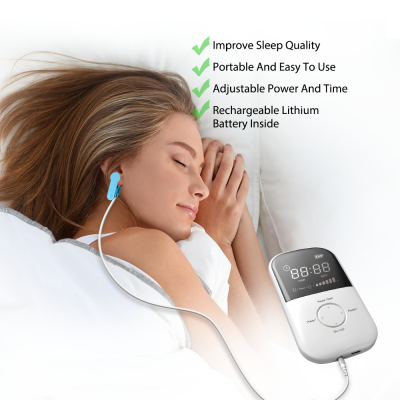
$72.03 - $113.19
MOQ: 1 pieces
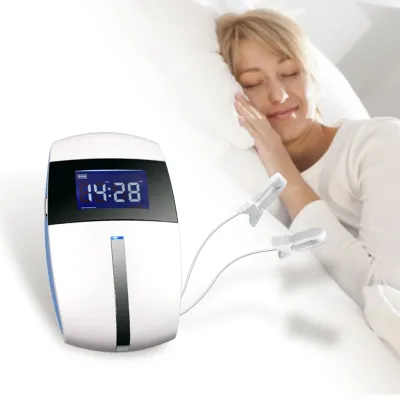
$66.43 - $102.19
MOQ: 1 pieces
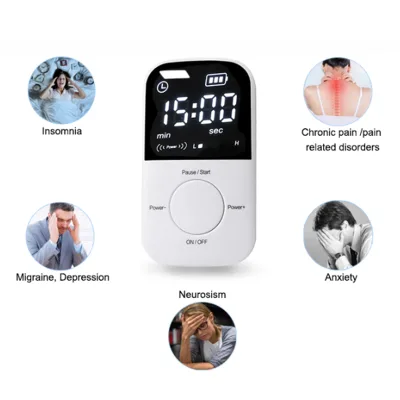
$72.23 - $113.50
MOQ: 1 pieces
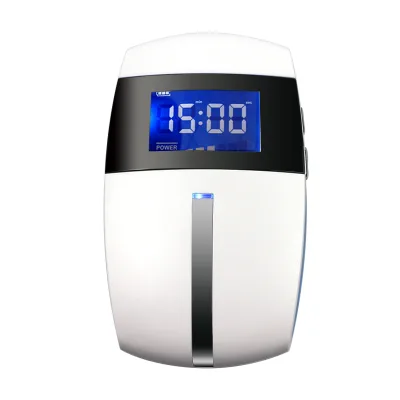
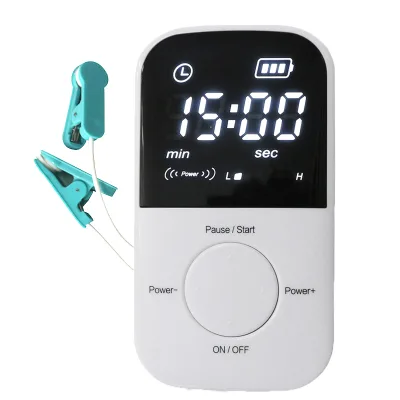
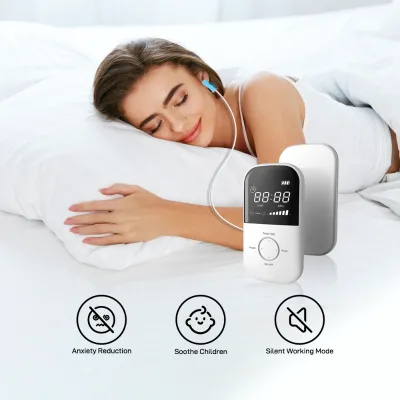
$71.39 - $112.18
MOQ: 1 pieces

GUANGDONG HONGYANG MEDICAL EQUIPMENT LIMITED
- Verified by BV
- Trading Company,Manufacturer/Factory
- China Guangdong
- Lead time38 days
- Avg. response≤ 7h
Main productsDialysis Center Solution, Operating Room Equipment Solution, Ophthalmology Department Solution, Medical Ventilator Machine, Medical Anesthesia Machine, Medical Furniture, Physical Therapy Products Series, Wheelchair, Robotic Rehabilitation, Rehabilitation Equipments
Main marketsSouth America,Eastern Europe,Mid East,North America,Southeast Asia,Eastern Asia,Oceania,Western Europe,Africa

Guangzhou Maya Medical Equipment Co., Ltd.
- Verified by BV
- Combined
- China Guangdong
- Lead time15 days
- Avg. response≤ 7h
Main productsMedical Equipment, Medical X-ray Machine, B Ultrasound Scanner, Hemodialysis Machine, Patient Monitor, Anesthesia Machine, Medical Disposable Material, Dental Equipment, Laboratory Equipment, Hospital Furniture
Main marketsAfrica
Leihu (Henan) Medical Devices Co., Ltd.
- Verified by SGS Group
- Manufacturer, Trading Company
- Lead time10 days
- Avg. response≤ 1h
Main productsFull-Body Stretching Machine, Electric Wheelchair, Sleep Aid Device, External Fixation Brace
Main marketsMid East(17%), Southeast Asia(15%), Eastern Europe(12%)

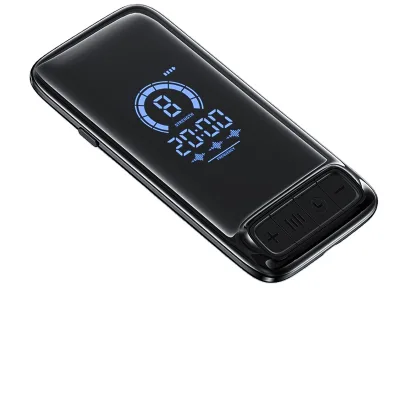
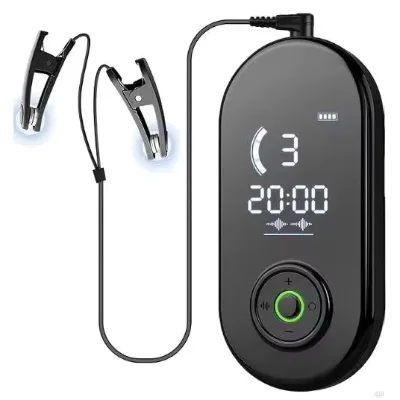
$23.71 - $26.50
MOQ: 100 pieces
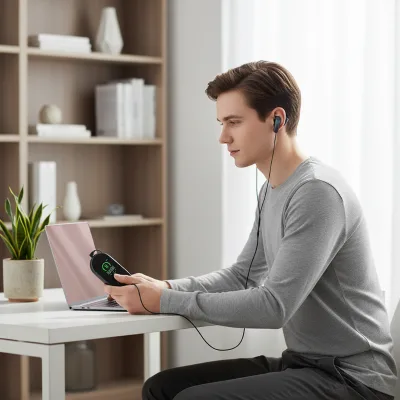
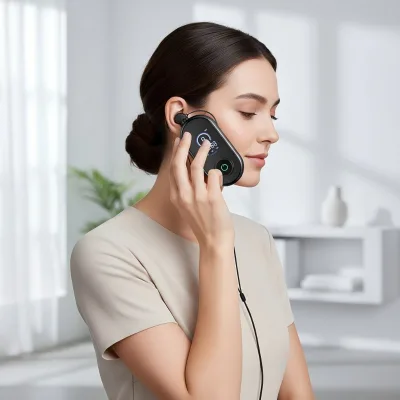
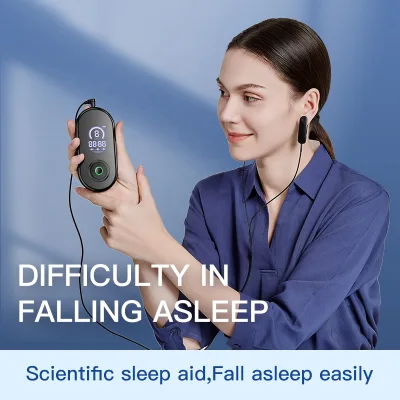

LeYiDi International Medical Devices (Beijing) Co., Ltd.
- Verified by SGS
- Trading Company
- China Beijing
- Lead time15 days
- Avg. response≤ 5h
Main productsThermal Dry Films, Radiology Film, Medical X-ray Film, Intelligent Blood Collection Management System, Printer of Medical Dry Film, Inkjet X-ray Film, Laser X-ray Film, Thermal X-ray Film, Automatic Test Tube Labeling Machine, Digital X-ray Film
Main marketsSouth America,Africa,Southeast Asia/ Mideast
Guangzhou Umy Medical Equipment Co., Ltd.
- Verified by SGS
- Manufacturer
- China Guangdong
- Lead time15 days
- Avg. response≤ 4h
Main marketsDomestic

$700.00 - $900.00
MOQ: 1 Pieces


Henan Lebang Medical Instrument Co., Ltd
- Verified by SGS
- Combined
- China Henan
- Lead time15 days
- Avg. response≤ 2h
Main productsDiabetes Therapy Equipment, Transcranial Magnetic Stimulation Instrument, Brain Injury Therapy Instrument, Breast Disease Treatment Instrument, Chinese Medicine Directional Drug Penetration Th, Ultrasound Drug Introduction Instrument, Shockwave Therapy Machine, Neuromuscular Electrical Stimulation, Ultrasound Physical Therapy Instrument, Medium Frequency Electrotherapy Instrument
Main marketsSouth America,Africa,Domestic,Australia


$429.00 - $500.00
MOQ: 1 Pieces
Shenzhen L-Domas Technology Ltd.
- Verified by SGS Group
- Manufacturer, Trading Company
- Lead time10 days
Main productsTENS Unit, EMS Product, Beauty Device, Massager Product
Main marketsNorth America(61%), South America(12%), Oceania(4%)
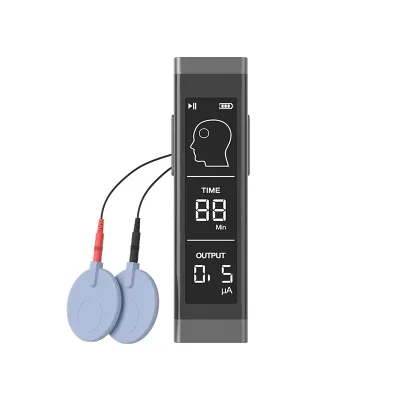
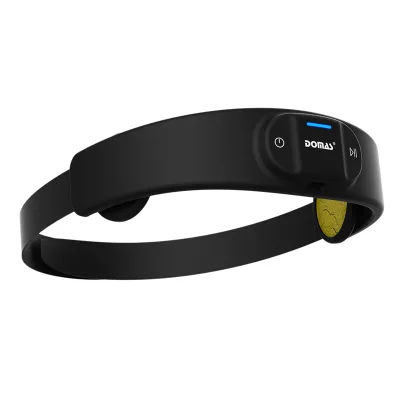
$17.36 - $20.43
MOQ: 3 pieces
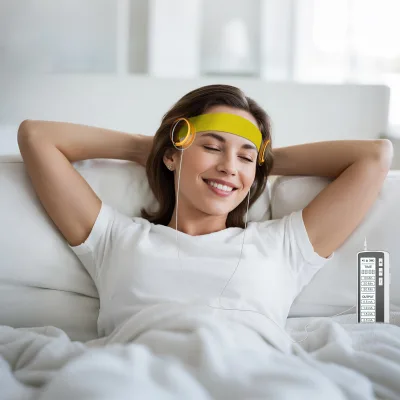
Treat Depression ADHD Insomnia Relief Brain Stimulation Device Transcranial Magnetic Stimulation
$17.36 - $25.53
MOQ: 2 pieces
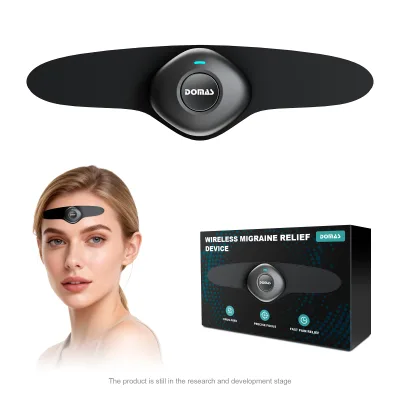
Sleep Aid Improve Focus Sleep Aid Transcranial Magnetic Stimulation Migraine Management
$15.83 - $16.34
MOQ: 1000 pieces
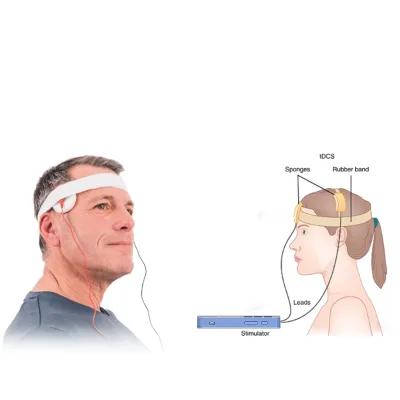

Wuhan Yuanguang Ruikang Technology Co., Ltd.
- Verified by TUVRHEINLAND
- Combined
- China Hubei
- Lead time15 days
- Avg. response≤ 17h
Main productsHousehold Appliances
Main marketsSoutheast Asia/ Mideast,Domestic,Europe

Sleep Therapy Mattress Electric Potential Therapy Mat for Insomnia & Sleep Disorder
$160.00 - $300.00
MOQ: 5 Pieces

Physical Therapy Equipment High Potential Therapy Device for Pain Relief & Sleep Disorder
$300.00 - $1200.00
MOQ: 5 Pieces

New Upgrade Electrotherapy High Potential Therapy Mattress for Sleep Disorder
$160.00 - $300.00
MOQ: 5 Pieces

Small Size High Potential Therapy Device for Insomnia and Sleep Disorder
$300.00 - $1200.00
MOQ: 5 Pieces

Bestseller High Potential Therapy Device for Sleep Disorder and Pain Relief
$300.00 - $1200.00
MOQ: 5 Pieces

Source Supplier High Potential Therapy Device for Pain Relief and Blood Circulation
$300.00 - $1200.00
MOQ: 5 Pieces
Huiyuan Lantian Medical System Co., Ltd.
- Verified by SGS
- Trading Company
- China Sichuan
- Lead time23 days
- Avg. response≤ 4h
Main productsInfusion Set Portable Ultrasound
Main marketsDomestic

Hubei YJT Intelligent Technology Group Co., Ltd.
- Verified by SGS
- Combined
- China Hubei
- Lead time15 days
- Avg. response≤ 1h
Main productsLaser Treatment Instrument, Physiotherapy Rehabilitation, Medical Laser Physical Therapy, Rehabilitation Therapy Equipment, Low Level Laser Therapy, Home Healthcare, Laser Acupuncture, Cold Laser Treatment Instrument, Health Care, Health Care Cold Laser Therapeutic
Main marketsSoutheast Asia/ Mideast,East Asia(Japan/ South Korea),Domestic,Europe,Australia,North America

Sleep Disorder, Insomnia, Headache Treatment Electric Potential Therapy Instrument
$1500.00 - $2499.00
MOQ: 10 Pieces


Negative Potential Ions Therapy Device for Insomnia and Pain Relief
$2000.00 - $2999.00
MOQ: 10 Pieces

Advanced Electric Potential Therapy Device for Headache and Insomnia Relief
$2000.00 - $2999.00
MOQ: 10 Pieces

Multi-Function Electric Potential Therapy Device for Insomnia and Pain Relief
$2000.00 - $2999.00
MOQ: 10 Pieces
Wuhan Atang Technology Co., Ltd.
- Verified by SGS Group
- Manufacturer, Trading Company
- Lead time3 days
- Avg. response≤ 6h
Main productsLaser Therapy Watch, Laser Pain Relief Device, Laser Vaginal Device, Ces Insomnia Device, Semiconductor Laser Therapy Device
Main marketsEastern Asia(40%), North America(16%), South America(10%)
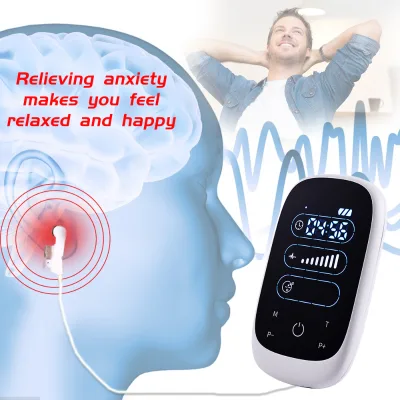
$265.00 - $299.00
MOQ: 1 Minimum
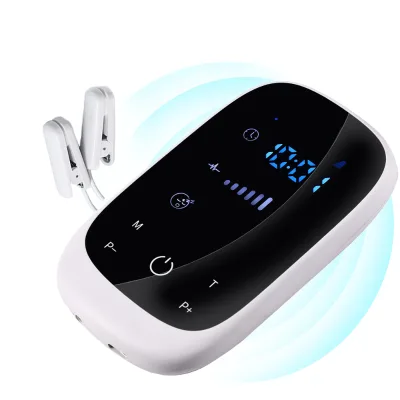
$60.25 - $305.35
MOQ: 1 Minimum
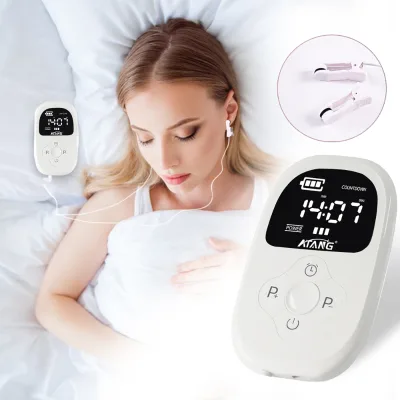
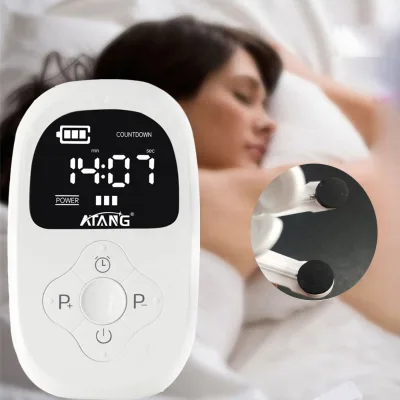

Henan Geesion Medical Devices Co., Ltd.
- Verified by BV
- Trading Company
- China Henan
- Lead time15 days
- Avg. response≤ 7h
Main productsPain Relief Patch, Cooling Gel Patch, Detox Foot Patch, Slimming Patch, Capsicum Plaster, Stop Smoking, Nasal Strips, Dental Mouthguard, Cough Relieve Patch, Wormwood Knee Patch
Main marketsSouth America,Africa,Southeast Asia/ Mideast,East Asia(Japan/ South Korea),Europe,Australia,North America


Sleep Aid Patches Wellness Health Products Health Care Products Transdermal Patch Price
$0.06 - $0.10
MOQ: 500 piece

LUOYANG WEIERJIAN BIOTECHNOLOGY CO., LTD.
- Verified by BV
- Manufacturer/Factory
- China Henan
- Lead time30 days
- Avg. response≤ 2h
Main productsPain Relief Patch, Ointment, Topical Care Products, External Use, Nutritional Supplements, Pet Products, Pet Chews, Personal Care Products
Main marketsSouth America,Eastern Europe,Mid East,North America,Southeast Asia,Eastern Asia,Oceania,Western Europe,Africa

Good Night Sleeping Patch Improves Sleep Quality Melatonin Sleep Aid Patch
$0.12 - $0.16
MOQ: 9999 pieces


Non-Addictive Sleep Aid Patch Supports Sleep - Sustained Release Dream Patch
$0.12 - $0.16
MOQ: 9999 sheets
Hubei YJT Intelligent Technology Group Co., Ltd.
- Manufacturer, Trading Company
- Hubei, China
- Lead time30 days
- Avg. response≤ 2h
Main productsHealthcare Supplements,Dietary supplements,Plant Extracts
Main marketsDomestic Market(86.0%), North America(3.0%), Southeast Asia(3.0%), Eastern Asia(3.0%), Oceania(1.0%), South Asia(1.0%), Southern Europe(1.0%), Eastern Europe(1.0%), Mid East(1.0%)

HUNAN VENTMED MEDICAL TECHNOLOGY CO., LTD.
- Manufacturer/Factory
- China Hunan
- Lead time23 days
- Avg. response≤ 5h
Main productsCPAP, Sleep Monitor, Bipap, Polysomnogram, Bpap, Sleep Study, Auto CPAP, CPAP Machine
Main marketsSouth America,Eastern Europe,Mid East,North America,Southeast Asia,Eastern Asia,Oceania,Western Europe,Africa

Changsha Fusheng Electronic Technology Co., Ltd.
- Trading Company
- China Hunan
- Lead time15 days
- Avg. response≤ 2h
Main productsElectronic Product
Main marketsSoutheast Asia/ Mideast,Europe,North America
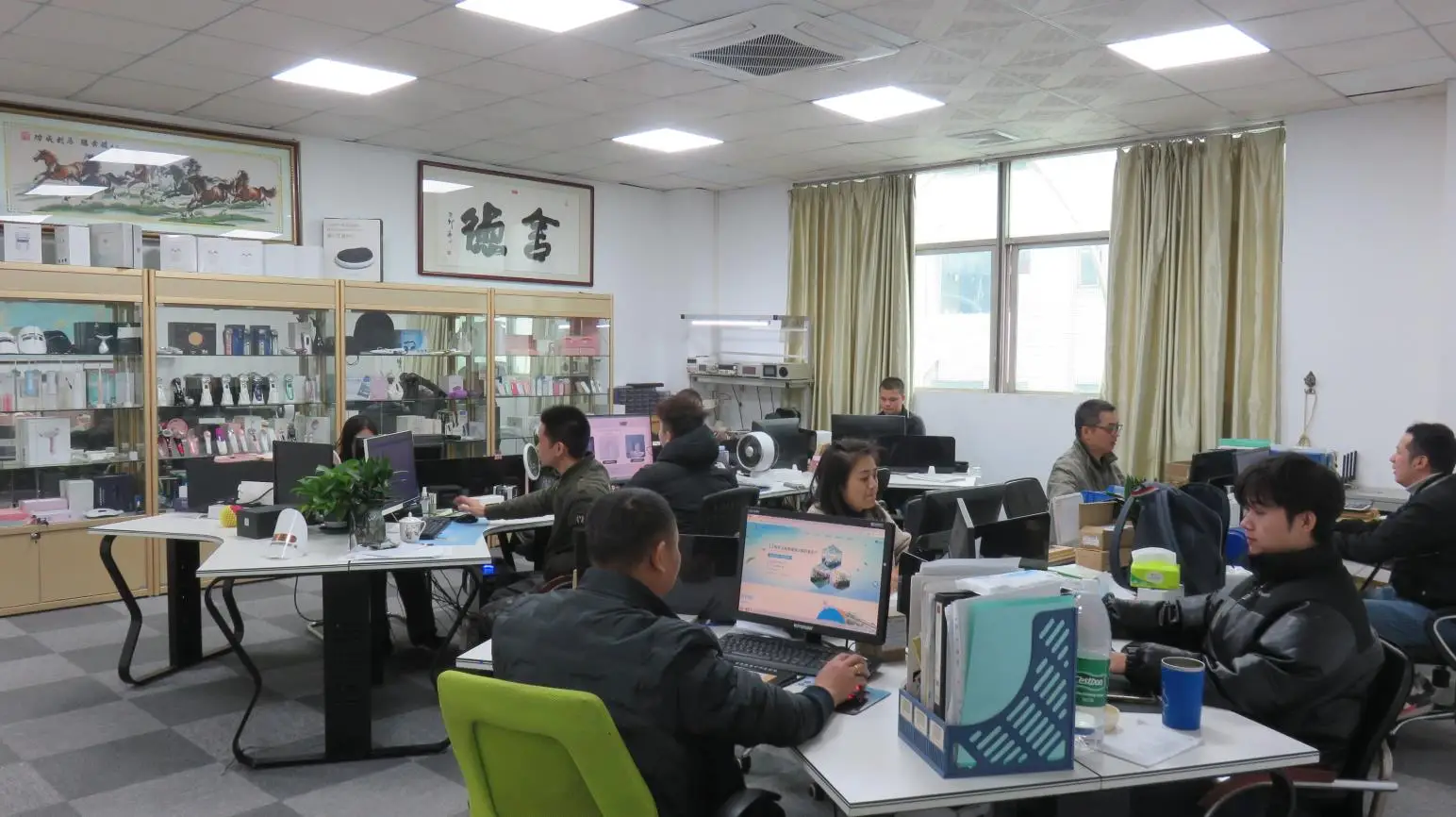
Shandong Chengchang Health Technology Co., Ltd.
- Trading Company
- Shandong, China
- Lead time15 days
- Avg. response≤ 3h
Main productsBeauty equipment,Massager,A protector,medical equipment,Health care equipment
Main marketsSoutheast Asia(20.0%), Domestic Market(15.0%), Mid East(10.0%), South America(5.0%), South Asia(5.0%), Southern Europe(5.0%), Northern Europe(5.0%), Central America(5.0%), Western Europe(5.0%), Eastern Asia(5.0%), Eastern Europe(5.0%), Oceania(5.0%), Africa(5.0%), North America(5.0%)
Hebei Houde Hanfang Medical Devices Group Co., Ltd.
- Verified by SGS Group
- Manufacturer, Trading Company
- Lead time10 days
- Avg. response≤ 2h
Main productsFoot Patch, Hydrogel Patch, Scar Removal Patch, Non Woven Fabric Patch, Beauty Personal Care Products
Main marketsDomestic Market(60%), North America(11%), Eastern Europe(9%)
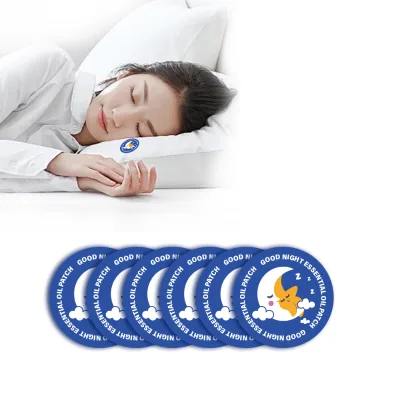
$0.04 - $0.05
MOQ: 10000 pieces

Super Sleeping Pad Patch Kit Deep Sleep Transdermal Patch with Melatonin with Good Price
$0.07 - $0.10
MOQ: 1 pieces
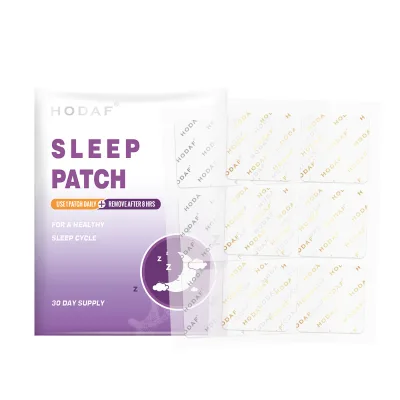
Best Selling Products Good Night Patch for Better Sleep Body and Mind Relax Deep Sleeping Patch
$0.07 - $0.10
MOQ: 1 pieces

Shanghai Brother Medical Manufacturer Co., Ltd.
- Verified by CTI
- Manufacturer/Factory
- China Shanghai
- Lead time23 days
- Avg. response≤ 20h
Main productsWheelchair, Hearing Aid, Mobility Scooter, Commode Chair, Shower Chair, Crutch, Walking Stick
Main marketsSouth America,Eastern Europe,Mid East,North America,Southeast Asia,Eastern Asia,Oceania,Western Europe,Africa
- Verified by BV
- Manufacturer/Factory
- China Shanghai
- Lead time23 days
- Avg. response≤ 20h
Main productsWheelchair, Electric Wheelchair, Commode Chair, Shower Chair, Crutch, Walking Stick, Mobility Scooter, Walker, Lift Chair, Cane
Main marketsSouth America,Eastern Europe,Mid East,North America,Southeast Asia,Eastern Asia,Oceania,Western Europe,Africa
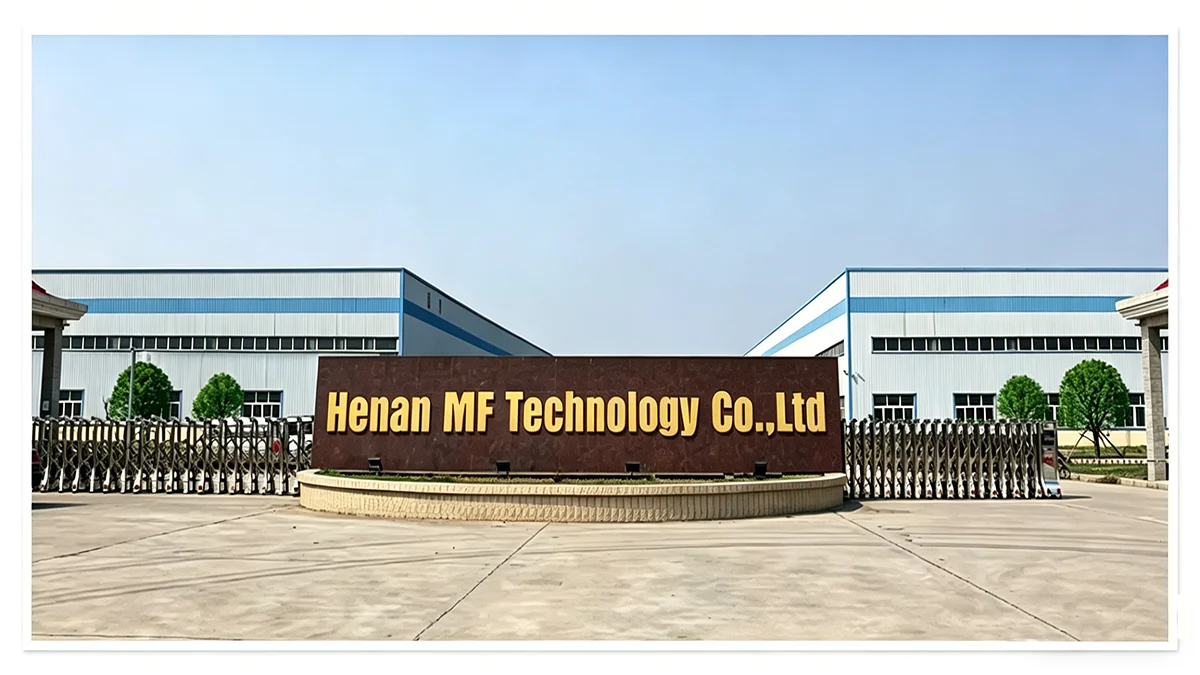
- Trading Company
- Henan, China
- Lead time15 days
- Avg. response≤ 3h
Main productsSlimming Patch,Pain Relief Patches,Detox Foot Patches,Smoke Patches,Ear Candles
Main marketsNorth America(30.0%), Domestic Market(10.0%), Africa(10.0%), Oceania(10.0%), Western Europe(6.0%), Southeast Asia(5.0%), South Asia(5.0%), Central America(5.0%), Eastern Europe(5.0%), Eastern Asia(5.0%), South America(5.0%), Southern Europe(2.0%), Northern Europe(2.0%)
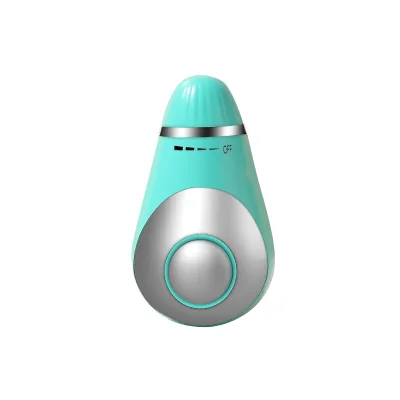
HOT Sales Deep Sleep Sleep Aid Device for Anxiety Therapy Relaxation Portable Sleep Aid Device
$11.69 - $14.61
MOQ: 1 pieces
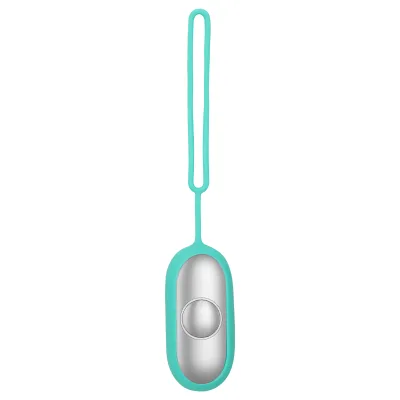
$12.11 - $15.14
MOQ: 1 pieces
Shenzhen Elite Medical Technology Co., Ltd.
- Manufacturer, Trading Company
- Guangdong, China
- Lead time5 days
- Avg. response≤ 10h
Main productsMedical Rehabilitation Equipment,Household Healthcare Products,Sleep Aid Device,Electrotherapy Equipment,Magnetic Therapy Device
Main marketsNorth America(20.0%), Southern Europe(10.0%), Western Europe(10.0%), Northern Europe(10.0%), Mid East(10.0%), Domestic Market(8.0%), Central America(5.0%), Southeast Asia(5.0%), Eastern Europe(5.0%), Oceania(5.0%), South Asia(3.0%), Africa(3.0%), Eastern Asia(3.0%), South America(3.0%)
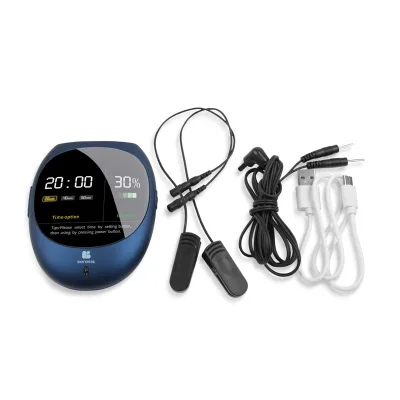
Portable CES Device Cranial Electrotherapy Stimulation Machine Alpha-stim Device
$71.49 - $122.55
MOQ: 1 Minimum
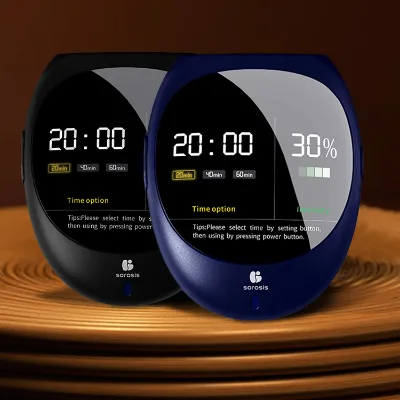
CES Device Alpha Stim Device Small and Easy to Carry,Improve Deep Sleep
$70.00 - $120.00
MOQ: 1 Minimum
Taizhou Kaisum Fitness Equipment Co., Ltd.
- Verified by SGS
- Combined
- China Zhejiang
- Lead time30 days
- Avg. response≤ 2h
Main marketsEast Asia(Japan/ South Korea),Domestic,Australia

Stable Frequency Intelligent Helmet Head Massager for Promote Deeper Sleep
$42.00 - $100.00
MOQ: 1 Pieces


High Quality Intelligent Air Pressure Eye Massager for Improve Sleep Quality
$17.50 - $50.00
MOQ: 1 Pieces

Anhui Xuanwuyan Pharmaceutical Co., Ltd.
- Verified by BV
- Combined
- China Anhui
- Lead time30 days
- Avg. response≤ 2h
Main productsPain Relief Patch, Fever Cooling Patch, Capsicum Plaster, Tiger Capsicum Plaster, Cough Relief Patch, Anti-Diarrheal Patch, Corn Removal Plaster, Motion Sickness Patch, Slimming Patch, Heat Therapy Patches
Main marketsSouth America,Southeast Asia/ Mideast,North America






Comprehensive Sourcing Guide
Sleep Therapy Nerve Stimulator Supplier Concentration and Factory Types
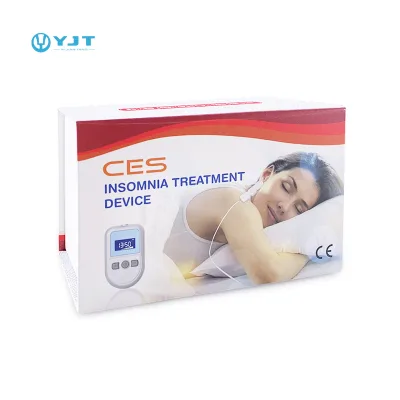
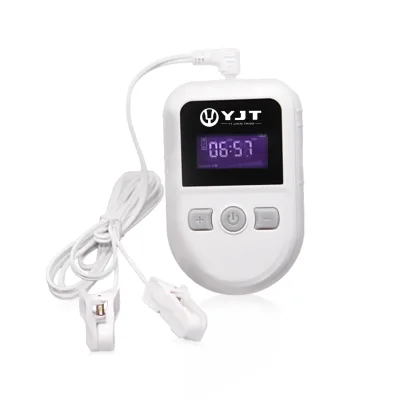
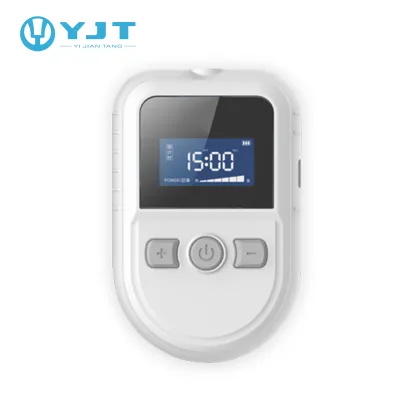
Suppliers of Sleep Therapy Nerve Stimulator devices on this page cluster around cranial electrotherapy stimulation (CES) products, with several listings showing Hubei, China as the place of origin. These devices typically appear under household medical devices or physical therapy equipment categories, and the product mix at many suppliers extends into semiconductor laser therapy devices, millimeter wave therapy devices, high potential therapy devices, LED therapy devices, and hair growth machines. This breadth suggests many sellers treat CES sleep units as one line within a wider rehabilitation and physiotherapy portfolio rather than as a standalone specialty.
Factory types on this page include manufacturers, trading companies, and hybrid manufacturer/factory operations. One Jiangsu-based trading company and manufacturer combination supplies nerve block and plexus needle stimulators under its own brands and offers OEM and ODM capacity, which differs from the CES-focused consumer sleep device sellers based in Hubei. When no location is displayed for a supplier, buyers should treat the origin as unverified and confirm it through business licenses and shipment records before assuming cluster membership. Product listings can reveal factory type indirectly: listings showing model numbers, registered brand names, instrument classification, and license numbers usually point to a manufacturer or brand owner, while generic keyword-stuffed titles with no model detail more often indicate a trading intermediary. Match the supplier type to your plan—manufacturers suit custom development, while hybrid or trading suppliers may aggregate complementary rehabilitation lines for mixed-container orders.
How to Verify Sleep Therapy Nerve Stimulator Suppliers
Verification should start with the credentials displayed in the supplier results, then move to what is absent. On this page, some suppliers carry third-party verification from BV or SGS Group, and system certifications such as ISO 13485 and ISO 9001 appear for several listings. One CES product lists itself as Class II instrument classification with RoHS quality certification and an ISO13485 safety standard, while another claims CE, ISO13485, and CFDA certificates. None of these should be accepted at face value: request the actual certificate PDFs, check certificate numbers against issuing body databases, and confirm the certificate scope covers CES or cranial electrotherapy devices rather than an unrelated product family.
Beyond certificates, verify regulatory pathway for your destination market, because CES devices for insomnia, anxiety, and depression may require registration as active medical devices, and listing claims of Class II status must match your own regulator's classification. Ask for the license numbers printed on the products—one listing shows a licence number field—confirm the registered entity name matches the export contract, and validate the place of origin, since Hubei and Jiangsu appear as origins on this page but not for every supplier. Practical checks include a video factory walkthrough, a sample order before bulk commitment, and confirmation that warranty terms (one year is listed for some models) and after-sale services such as return and replacement are written into the contract rather than only appearing in product attributes.
What to Compare Across Sleep Therapy Nerve Stimulator Suppliers
Compare suppliers on the attributes actually displayed rather than assuming every listing shows them. On this page, response times differ sharply: one supplier reports a two-hour average response while another reports roughly 18 hours, a meaningful gap when you are iterating on samples or resolving a defect. Lead times also vary—one supplier lists 10 days for quantities of 1 to 100 units with larger volumes to be negotiated in both peak and off season, another lists 15 days, and a third lists 3 days. Note that some suppliers show no lead time at all, so request it in writing.
MOQs range from a single unit on several CES sleep devices, to 10 units for a nerve block plexus needle stimulator, to 50 units for another stimulator listing, so match the threshold to your test-market strategy. Price bands also matter: CES devices on this page span roughly the high twenties to around 120 US dollars per unit depending on model and configuration, while the professional nerve block stimulator sits far higher at 420 US dollars, reflecting a different clinical use case. Compare customization capacity—some suppliers advertise light customization, sample processing, graphic processing, and on-demand customization, while another offers OEM, ODM, and own-brand production—alongside main product lines, company type (manufacturer versus trading company), and whether the supplier's portfolio concentrates on CES sleep devices or spreads across unrelated therapy hardware.
Common Sleep Therapy Nerve Stimulator Sourcing Risks
The most common risk in this category is regulatory mismatch. Listings on this page market CES devices for insomnia, anxiety, depression, and migraine—claims that regulators in many markets treat as medical claims requiring clearance. A supplier's Class II self-classification, RoHS marking, or claimed CE and CFDA certificates do not automatically authorize you to sell with therapeutic claims in your own market. Confirm the exact claim language you may use, obtain the technical file, and have a local regulatory consultant review labeling before launch, because product attributes like "insomnia treatment" in a listing are not a compliance approval.
Operational risks follow from thin listing data. Some products display a single fixed price with no published MOQ, while others show price ranges without shipping terms, leaving room for quoted-price drift at order time. Battery-powered units—several listings show built-in or rechargeable lithium-ion power—carry battery transport restrictions, so confirm UN38.3 test documentation and correct shipping classification before booking freight. Other risks include warranty ambiguity (some listings specify one year, others do not), vague after-sale terms despite listed "return and replacement" promises, and brand conflicts where the factory's own registered brand appears on products you intended to sell under your label. Mitigate with written specifications, a signed OEM agreement restricting the factory from selling your design, pre-shipment inspection tied to the agreed model number, and staggered payments rather than full prepayment.
Sleep Therapy Nerve Stimulator Regional Sourcing and Logistics
The confirmed locations on this page are Hubei, China for most CES sleep device listings and Jiangsu, China for the nerve block stimulator supplier, so your logistics planning should account for inland versus coastal origin differences. Hubei-based shipments typically move overland to a coastal port before ocean export, which adds inland trucking time and cost compared with suppliers already based in a coastal province like Jiangsu. When a listing shows no place of origin, ask the supplier directly and cross-check against the shipping address on sample invoices, because freight quotes can differ materially by pickup province.
For logistics execution, note the product-specific constraints. CES sleep devices on this page are compact—single package sizes around 18x12x7 cm or 11x20x6.5 cm with gross weights under 1.5 kg—so air freight and courier samples are inexpensive, and a carton of dozens of units remains manageable for air shipment. Battery-powered models add dangerous-goods handling for air freight, and plug type matters: one listing offers UK, JP, US, AU, and EU plugs, so specify the plug per destination market at order stage rather than assuming. Seasonality also affects scheduling—one supplier explicitly lists peak-season lead times separately from off-season, both at 10 days for smaller quantities but with larger volumes to be negotiated—so confirm your ship date against the supplier's peak-season calendar and lock it into the purchase contract.
Sleep Therapy Nerve Stimulator Commercial Terms and Order Planning
Order planning should start small and scale with evidence. Several CES sleep device listings on this page accept a one-unit MOQ, which makes validation cheap: buy samples from two or three shortlisted suppliers, compare build quality, packaging, instruction clarity, and actual function against the listing claims, then negotiate volume pricing on the winning model. Remember that listed price ranges—for example, roughly 72 to 113 US dollars for one CES model and 28 to 120 dollars across other sleep devices—represent listing tiers, not guaranteed contract prices, so request a formal quotation specifying configuration, plug type, packaging, and incoterms.
Structure commercial terms around the verification gaps you still have. For first orders, use staged payment (deposit with balance after inspection), and consider whether the platform's trade assurance or escrow-style protection applies, since only some suppliers on this page carry verification badges that correlate with such coverage. Set MOQ and lead time in the contract, noting that suppliers here quote 10 to 15 days for small batches and "to be negotiated" above 100 units, so large orders need a separately confirmed production schedule. Specify warranty duration, spare-parts or replacement policy, customization scope (some suppliers list light customization versus full OEM/ODM), and per-market plug and labeling requirements. Finally, plan reorder timing around peak-season capacity and keep a second qualified supplier warm so a single factory's production slip does not stall your sleep-device line.
FAQs
What is a Sleep Therapy Nerve Stimulator and how is it used?
A Sleep Therapy Nerve Stimulator is a cranial electrotherapy stimulation device that sends mild electrical impulses to help ease insomnia, anxiety, and related symptoms. Typical household models are handheld, powered by a built-in or rechargeable battery, and used for around fifteen minutes per session. Buyers should confirm intended use claims and regulatory classification with each supplier before ordering.
What is the typical minimum order quantity for CES sleep devices?
Many listed CES sleep therapy devices can be ordered in single-unit quantities, with at least one product showing an MOQ of 1 piece and another listing 1 unit. Volume tiers are usually priced separately, so request a tiered quotation. Some stimulator accessories, such as nerve block needle stimulators, carry higher MOQs of 10 to 50 units.
How much do sleep therapy nerve stimulators cost per unit?
Listed unit prices for CES sleep therapy devices range widely, from roughly $28 to $120 for one model, and about $72 to $113 for another, depending on configuration. A professional nerve block stimulator is listed at $420. Final pricing depends on order quantity, customization, and accessories, so confirm current quotes before committing to an order.
What lead times should buyers expect when sourcing these devices?
One manufacturer listing shows a lead time of about 10 days for 1 to 100 units in both peak and off-peak seasons, with larger volumes subject to negotiation. Another supplier lists a 3-day lead time. Lead times vary by order size and customization level, so confirm production schedules and shipment terms directly with suppliers.
Which certifications should I verify before importing a CES device?
Look for medical device classification, quality management, and safety credentials on each listing. Products in this category are shown as Class II instruments, with certifications cited including ISO 13485, ISO 9001, CE, RoHS, EMC, and CFDA registration, and one supplier also holds BV or SGS verification. Always request valid, current certificate copies and verify registration numbers yourself.
Do suppliers offer customization and after-sales support for these devices?
Yes, customization options appear across the listings, including OEM and ODM services, sample processing, graphic processing, custom-on-demand options, and own-brand production. After-sales terms commonly cited include return and replacement service and a one-year warranty, with one product listing an eight-year shelf life. Confirm warranty scope, spare parts availability, and service response terms in writing before placing an order.
What product specifications should I compare between listings?
Compare model number, housing material, power supply mode, package dimensions, gross weight, plug type, and power rating. Listed CES devices use ABS housings, AC110V-220V or built-in rechargeable battery power, package sizes around 11x20x6.5 cm to 22x11x15 cm, and multi-region plugs including UK, JP, US, AU, and EU. Also confirm place of origin, such as Hubei, China, and applicable standards.