Sliding Table Wood Jointer Machine Suppliers and Manufacturers
Source 22 verified suppliers for Sliding Table Wood Jointer Machine units. Compare key dimensions such as lead times, response rates, certifications, and pricing to identify suitable partners. Review product specifications and contact suppliers directly to request quotes; review the available evidence before requesting comparable quotations from suitable candidates.
Suppliers List

Henan Share M&E Equipment Co., Ltd
- Verified by TUVRHEINLAND
- Trading Company
- China Henan
- Lead time15 days
- Avg. response≤ 4h
Main productsBag Printing Machine, Brick Making Machine, Quilting Machine, Water Well Drilling Rig, Roll Forming Machine
Main marketsSouth America,Africa,Others(foreignTradeCapacity.exportBusinessCapacityMarketOther),Southeast Asia/ Mideast,East Asia(Japan/ South Korea),Domestic,Europe,Australia,North America

Qingdao Haozhonghao Woodworking Machinery Co., Ltd.
- Manufacturer
- China Shandong
- Lead time30 days
- Avg. response≤ 6h
Main productsVeneer Slicer, Sanding Machine, Guillotine, Knife Grinder, Panel Saw, Edge Banding Machine
Main marketsSouth America,Africa,Southeast Asia/ Mideast,East Asia(Japan/ South Korea),Europe,Australia

Woodworking Machinery Furniture Solid Wood Finger Joint Jointing Jointer Machine
$1000.00 - $3000.00
MOQ: 1 Sets

Woodworking Machinery Wood Panel Precise Cutting Sliding Table Machine Panel Saw Machine
$3300.00 - $3500.00
MOQ: 1 Pieces

Woodworking Machinery Wood Panel Precise Cutting Sliding Table Machine Panel Saw
$3300.00 - $3500.00
MOQ: 1 Pieces

LINYI METRO MACHINERY CO.,LIMITED
- Verified by SGS
- Manufacturer
- China Shandong
- Lead time30 days
- Avg. response≤ 15h
Main productsPlywood Machinery, Particleboard Line, MDF Line, LVL Line, Boiler, Veneer Making Machinery, OSB Line, Wood-Based Panel Machinery, Blockboard Machinery, Woodworking Machinery
Main marketsDomestic

Qingdao Maonple Machinery Technology Co., Ltd.
- Verified by CTI
- Trading Company,Manufacturer/Factory
- China Shandong
- Lead time15 days
- Avg. response≤ 3h
Main productsPanel Saw, Edge Banding Machine, CNC Router, Electric Panel Saw, CNC Beam Saw, Edge Bander, Drilling Machine, Hot Press Machine
Main marketsSouth America,Eastern Europe,Mid East,Southeast Asia,Eastern Asia,Western Europe,Africa

Wood Surface Thickness Jointer Planer Machine Woodworking Combined Machine
$950.00 - $1650.00
MOQ: 1 Pieces


Hot Sale Woodworking Bench Jointer Furniture Surface Planer Machine for Woodworking
$950.00 - $1650.00
MOQ: 1 Pieces
Henan Share M&E Equipment Co.,Ltd
- Verified by SGS Group
- Trading Company
- Lead time7 days
- Avg. response≤ 3h
Main productsTextile Machinery, Printing Machinery, Construction Machinery, Wood Machinery
Main marketsNorth America(20%), South America(20%), Eastern Europe(10%)

Henan Elasn Machinery Equipment Co., Ltd.
- Verified by SGS
- Trading Company
- China Henan
- Lead time30 days
- Avg. response≤ 4h
Main productsHot Press Machine, Finger Joint Machine, Wood Block Extruder, Wood Veneer Press Machine, Wood Pallet Nailing Machine, Block Press Machine, Automatic Pallet Nailing Machine, Short Cycle Machine, Melamine Hot Press Machine, Wood Door Laminating Veneering Machine
Main marketsSouth America,Europe

High Speed Automatic Finger Joint Jointer Machine Woodworking Jointing Machine
$38000.00 - $50000.00
MOQ: 1 Sets

High Quality Wood Planer Jointer Industrial 4 Surface Bench Planer Machine for Solid Wood Furniture
$12500.00 - $13250.00
MOQ: 1 Sets

Qingdao Zhongding Machinery Co., Ltd.
- Verified by SGS
- Combined
- China Shandong
- Lead time30 days
- Avg. response≤ 3h
Main productswoodworking machinery
Main marketsSouth America,Africa,Southeast Asia/ Mideast,East Asia(Japan/ South Korea),Europe,Australia,North America

Cost Effective Wood Jointer Woodworking Finger Joint Machine for Cabinet Furniture
$3600.00 - $3800.00
MOQ: 1 Pieces

Woodworking Wood Jointer Finger Joint Machine for Cabinet Furniture with High Quality Mx3515A
$3600.00 - $3800.00
MOQ: 1 Pieces


Sliding Table Saw and High Precision Woodworking Machine Sliding Table Saw
$3200.00 - $3400.00
MOQ: 1 Pieces


Electronic Wood Cutter Panel Saw Woodworking Machine Sliding Table Saw
$2450.00 - $2700.00
MOQ: 1 Pieces

Qingdao Zhongding Machinery Co., Ltd.
- Combined
- China Shandong
- Lead time30 days
- Avg. response≤ 3h
Main productsCNC Machinery, Panel Saw, Edge Bander, Press Machine, Sanding Machine, Drilling Machine
Main marketsSouth America,Africa,Southeast Asia/ Mideast,East Asia(Japan/ South Korea),Europe,Australia,North America

Solid Wood Full Automatic Jointer Finger Joint Press Machine Finger Joint Assembler
$4000.00
MOQ: 1 Pieces


Zhengzhou Share Machinery Co., Ltd.
- Trading Company
- Lead time旺季: "1 - 1":7,"> 1":"To be negotiated", 淡季: "1 - 1":7,"> 1":"To be negotiated"
- Avg. response≤ 3h
Main productsConstruction Machinery/Industrial Machinery/Printing Machinery

Qingdao Xinlihui Machinery Co., Ltd.
- Trading Company
- China Shandong
- Lead time23 days
- Avg. response≤ 19h
Main productsWoodworking Machinery, Wood Panel Saw Machine, Wood Sanding Machine, Wood Edge Banding Machine, PVC or Paper Sticking Machine, CNC Router, Wood Drilling and Boring Machine, Plywood Production Line, Press Machine Series, Vacuum Laminating Machine
Main marketsSouth America,Africa,Southeast Asia/ Mideast,East Asia(Japan/ South Korea),Domestic,Europe,Australia,North America


$40000.00 - $46000.00
MOQ: 1 Pieces

Jinan Lingrui Cnc Machinery Co., Ltd.
- Verified by TUVRHEINLAND
- Combined
- China Shandong
- Lead time15 days
- Avg. response≤ 2h
Main productsLaser Cutting Machine, Laser Marking Machine, Laser Welding Machine, CNC Plasma Cutting Machine, CO2 Laser Engraving Machine, CNC Router, CNC Wood Lathe, CNC Wood Machine
Main marketsDomestic


$2699.00 - $4099.00
MOQ: 1 Pieces

China Woodworking Portable Sliding Table Panel Saw Wood Cutting Machine
$2699.00 - $4099.00
MOQ: 1 Pieces

QINGDAO SOSN MACHINERY CO., LTD.
- Verified by CTI
- Combined
- China Shandong
- Lead time23 days
- Avg. response≤ 4h
Main productsCNC Router, Panel Saw, Edging Banding Machines, Boring Machines, Woodworking Machines Series, Dust Collectors, Sliding Table Saw
Main marketsSouth America,Africa,Southeast Asia/ Mideast,Domestic,Europe,Australia,North America


Woodworking Machine Sliding Table Saw
MOQ: 1 Pieces

Wood Working Machine Cutting Tools Sliding Table Saw
MOQ: 1 Pieces

- Verified by TUVRHEINLAND
- Trading Company,Manufacturer/Factory,Group Corporation
- China Shandong
- Lead time38 days
- Avg. response≤ 15h
Main productsWoodworking Machine, Plywood Machine, Veneer Dryer, Hot Press Machine, Glue Spreader, Engineered Panel Board Making Machine, Timber Block Handling Machine, Vacuum Gripper, Straight Knife Blade Grinder, Veneer Peeling Knife
Main marketsSouth America,Eastern Europe,Mid East,North America,Eastern Asia,Oceania,Western Europe,Africa

Shijiazhuang Chancsmac Machine Technology Co., Ltd.
- Verified by TUVRHEINLAND
- Trading Company,Manufacturer/Factory
- China Hebei
- Lead time30 days
- Avg. response≤ 3h
Main productsPress Machine, Hot Press, High Frequency Press, Hydraulic Press, CNC Machine, Glue Spreader, Planer, Sawing Machine, Sanding Machine, High Frequency Hot Press
Main marketsSouth America,Eastern Europe,Mid East,North America,Southeast Asia,Africa

Qingdao Kingmarks Machinery Co., Ltd
- Verified by TUVRHEINLAND
- Trading Company
- China Shandong
- Lead time30 days
- Avg. response≤ 7h
Main productsClamp Carrier, Sander, Finger Jointer, Saw, Planer, Press, Tenoner, Spindle Mouler, Router, Drilling Machine
Main marketsSouth America

Woodworking Finger Press Jointer Machine Semi-Auto Finger Joint Clamp Woodworking
$1000.00 - $6000.00
MOQ: 1 Pieces


Shandong Acetech Intelligent Equipment Co., Ltd.
- Verified by SGS
- Combined
- China Shandong
- Lead time15 days
- Avg. response≤ 3h
Main marketsSouth America,Europe,North America

$2800.00 - $3300.00
MOQ: 1 Pieces

Professional Woodworking Edge Banding Machine and Sliding Table Saw for Furniture Wood Plywood
$8000.00 - $9500.00
MOQ: 1 Sets

Qingdao Zhongchi Machinery Co., Ltd.
- Verified by TUVRHEINLAND
- Trading Company,Manufacturer/Factory
- China Shandong
- Lead time0 days
- Avg. response≤ 5h
Main productsEdge Banding Machine, Table Saw, Wood Drilling Machine, CNC Center Machine, Wide Belt Sanding Machine, Small Table Saw, Small Edge Banding Machine, Horizontal Band Saw, Hot Press, Cold Press
Main marketsSouth America,Eastern Europe,Mid East,North America,Southeast Asia,Eastern Asia,Oceania,Western Europe,Africa

$1200.00 - $2300.00
MOQ: 1 Sets

Portable Folding Multi-Function Woodworking Saw Sliding Table Saw with Edge Banding Machine
$500.00 - $680.00
MOQ: 1 Sets

Sliding Folding Horizontal Portable Table Panel Saw Wood Cutting Machine for Woodworking Sliding
$500.00 - $680.00
MOQ: 1 Sets
Yantai Jett Machinery Co., Ltd.
- Manufacturer, Trading Company
- Shandong, China
- Lead time0 days
- Avg. response≤ 4h
Main productsEmma: Thicknesser,Planer,Band saw,Edge banding machine
Main marketsCentral America(14.00%), South Asia(12.00%), Oceania(11.00%), South America(10.00%), Africa(9.00%), Southern Europe(8.00%), Western Europe(7.00%), Mid East(6.00%), Eastern Europe(5.00%), Northern Europe(5.00%), Eastern Asia(4.00%), Southeast Asia(4.00%), Domestic Market(3.00%), North America(2.00%)

Samet Intelligent Manufacturing Co., Ltd.
- Verified by SGS
- Combined
- China Shandong
- Lead time15 days
- Avg. response≤ 6h
Main productsMatel Cutting Machine, Metal Bending Machine, Metal Plate Rolling Machine, Fiber Laser Machine, Laser Welding & Cleaning Machine
Main marketsEurope

Qingdao Wardwin Industry and Trade Co., Ltd.
- Verified by SGS
- Manufacturer/Factory
- China Shandong
- Lead time23 days
- Avg. response≤ 3h
Main productsWoodworking Machine, Sliding Table Saw, Edge Banding Machine, Finger Joint Machine, Planer, Wood Cutting Machine, Automatic Edge Bander, Wood Composer Machine, CNC Router, Drilling & Boring Machine
Main marketsSouth America,Eastern Europe,Mid East,North America,Southeast Asia,Eastern Asia,Oceania,Western Europe,Africa

Woodworking Sliding Table Saw Circular Saw Machine Portable Table Saw Cutting Machine
$600.00 - $900.00
MOQ: 1 Pieces

Woodworking Sliding Table Saw Circular Saw Machines Portable Table Saw
$600.00 - $900.00
MOQ: 1 Pieces

Foshan Langborden Plastic Products Factory
- Verified by SGS
- Combined
- China Guangdong
- Lead time15 days
- Avg. response≤ 3h
Main productsVeneer Glue Thread, Veneer Stitching Machine, Veneer Tape, Veneer Sewing Machine, Veneer Adhesive Thread
Main marketsDomestic

Mingding D Tech (Shandong) Machinery Equipment Co., Ltd.
- Verified by TUVRHEINLAND
- Manufacturer/Factory
- China Shandong
- Lead time23 days
- Avg. response≤ 3h
Main productsPlywood Machine, Peeling Machine, Hot Press Machine, Sanding Machine, MDF Line, Edge Trimming Saw, Dd Saw, Edge Banding Machine, Laminating Machine, Particle Board Line
Main marketsSouth America,Eastern Europe,Mid East,North America,Southeast Asia,Eastern Asia,Oceania,Western Europe,Africa


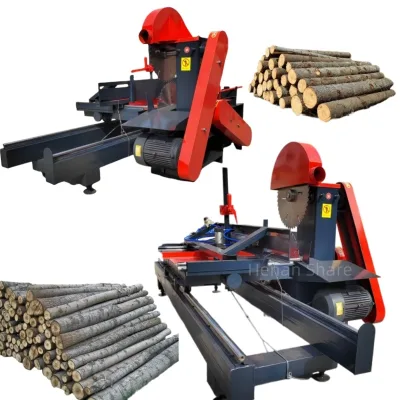
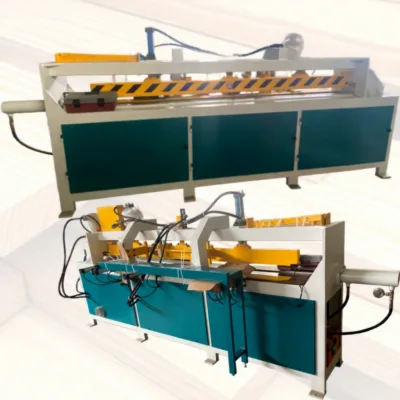
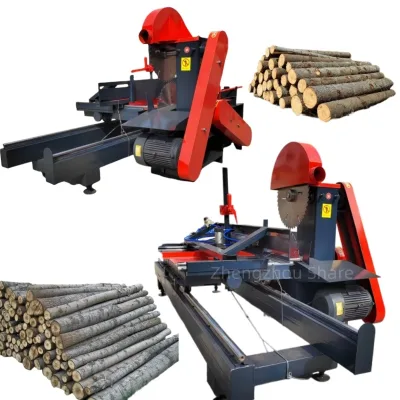
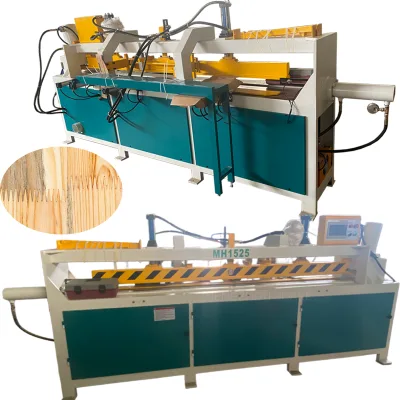




Comprehensive Sourcing Guide
Sliding Table Wood Jointer Machine Supplier Concentration and Factory Types
Current data indicates a concentration of suppliers in China, specifically within the Henan and Shandong provinces, which serve as primary manufacturing hubs for industrial woodworking machinery. In Henan, the available supplier results identify a trading company structure offering a diverse range of equipment including bag printing, brick making, and various drilling rigs alongside woodworking solutions. This suggests that some entities in this region operate as general trading firms rather than specialized manufacturers, potentially sourcing their woodworking inventory from various factories. Conversely, the Shandong location data points to a distinct supplier type classified explicitly as a manufacturer, focusing on core products like veneer slicers, sanding machines, and panel saws. This distinction is critical for buyers seeking direct factory engagement versus those comfortable with intermediary trading arrangements.
When evaluating the factory types, buyers must distinguish between the trading company model observed in Henan and the manufacturer model found in Shandong. The trading company structure often implies a broader product catalog but may introduce an additional layer between the buyer and the actual production facility. In contrast, the manufacturer designation in Shandong suggests direct control over the production process, potentially offering more flexibility for customization and deeper technical knowledge of the machinery. Buyers should verify if the supplier claims to be a manufacturer by checking for specific production capabilities like ODM or OEM services, which are explicitly noted in the Shandong supplier data. Understanding this structural difference helps in aligning expectations regarding communication speed, technical support, and the ability to modify machine specifications for specific production needs.
How to Verify Sliding Table Wood Jointer Machine Suppliers
Verification of supplier credibility relies heavily on checking third-party audit results and system certifications rather than relying solely on self-reported claims. The available data shows that some suppliers hold verification from TUVRHEINLAND, a recognized international inspection and certification body, which provides a baseline level of trust regarding their business operations. Additionally, specific system certifications like ISO9001:2015 are documented for certain manufacturers, indicating adherence to international quality management standards. Buyers should prioritize suppliers who can present these specific, verifiable credentials rather than generic statements about quality. The presence of a CE certification on product attributes further supports the claim that the machinery meets European safety and health requirements, which is a crucial verification step for international buyers.
Beyond certifications, buyers must scrutinize the response time and verification status to gauge operational reliability. The data reveals response times varying between 3.70 and 5.76, which serves as a metric for how quickly a supplier engages with potential inquiries. A faster response time often correlates with a more active sales team and better customer service readiness. However, a high response speed alone does not guarantee product quality; it must be paired with the verification status. Buyers should request proof of the TUVRHEINLAND verification or ISO certificates directly from the supplier to ensure the claims are current and valid. Relying on these objective data points helps filter out entities that may lack the necessary infrastructure or transparency to support a long-term procurement relationship for complex machinery like sliding table wood jointers.
What to Compare Across Sliding Table Wood Jointer Machine Suppliers
Comparing suppliers requires a detailed analysis of lead times, minimum order quantities, and specific product attributes to ensure alignment with project requirements. The observed lead times range from 15 days to 30 days, a significant variance that impacts production scheduling and inventory planning. Buyers must determine if the shorter lead time is feasible for their specific needs or if the longer duration allows for more thorough quality control and customization. Furthermore, the minimum order quantity (MOQ) is listed as 1 unit for the products reviewed, which is favorable for small-scale operations or testing new equipment. However, buyers should confirm if this low MOQ applies to all configurations or if customizations might increase the order threshold.
Product specifications and pricing structures also form a critical comparison point across different supplier offerings. The data indicates specific technical parameters such as maximum working widths of 150mm or 120mm, working thicknesses up to 70mm, and power ratings like 1.5kw or 5.5kw. These technical details must be matched against the buyer's production capacity and material requirements. Pricing is another variable, with examples showing fixed unit prices around $950 to $2099, though these figures may fluctuate based on customization. Buyers should compare the total cost of ownership, including the cost of customization, shipping, and potential after-sales support, rather than just the base machine price. Ensuring that the supplier's technical capabilities match the buyer's specific operational needs is essential for a successful procurement outcome.
Common Sliding Table Wood Jointer Machine Sourcing Risks
One significant risk in sourcing this machinery involves the potential mismatch between the supplier type and the buyer's expectation of direct manufacturing support. The presence of trading companies in the results, particularly in Henan, means that the buyer may not be dealing directly with the factory that built the machine. This can lead to communication gaps, delayed responses to technical issues, and a lack of deep understanding regarding the machine's internal mechanics. If a buyer requires extensive customization or rapid troubleshooting, relying on a trading company without verified manufacturing capabilities can result in project delays and increased costs. Buyers must explicitly ask whether the supplier is the actual manufacturer or an intermediary to mitigate this risk.
Another risk pertains to the variability in product certifications and the potential for non-compliance with local safety standards. While some products list CE and ISO certifications, others may show "NIL" for system certification, creating uncertainty about the machine's safety and quality assurance. Relying on a supplier with incomplete or missing certification data can expose the buyer to regulatory hurdles in their home country. Additionally, the variation in response times suggests that some suppliers may be less responsive during critical project phases. Buyers should verify that the specific machine model they intend to purchase has the necessary certifications for their region and that the supplier has a proven track record of maintaining these standards throughout the product lifecycle.
Sliding Table Wood Jointer Machine Regional Sourcing and Logistics
Sourcing from China, specifically the Henan and Shandong provinces, offers access to a mature industrial ecosystem for woodworking machinery, but it introduces specific logistical considerations. The concentration of suppliers in these regions means that shipping routes and freight costs are generally optimized for this type of heavy industrial equipment. However, the distance from the factory to the port and the subsequent international transit time must be factored into the overall lead time. Buyers should calculate the total delivery window by adding the supplier's production lead time, which ranges from 15 to 30 days, to the estimated shipping duration. Understanding the specific location of the factory helps in estimating the inland transportation costs and the efficiency of the logistics chain.
Logistics planning also involves understanding the packaging and handling requirements for heavy machinery like wood jointers. The product data indicates that items are typically packed in standard export wooden packages, which are designed to protect the equipment during transit. Buyers should verify if this packaging is sufficient for their specific shipping method or if additional reinforcement is needed for long-distance ocean freight. Furthermore, the weight of the machines, ranging from 190kg to 920kg, impacts the choice of shipping container and the handling equipment required at the destination port. Buyers must ensure that their receiving facility is equipped to handle these weights and dimensions to avoid delays in unloading and installation upon arrival.
Sliding Table Wood Jointer Machine Commercial Terms and Order Planning
Commercial terms and order planning must account for the specific customization options and warranty provisions offered by the suppliers. The data shows that customization is available for many models, allowing buyers to tailor the machine to their specific production lines. However, buyers need to clarify the scope of customization, including any additional costs or extended lead times associated with these modifications. Warranty terms are also a critical component of the commercial agreement, with some suppliers offering a standard one-year warranty. Buyers should negotiate clear terms regarding what is covered under the warranty, the process for claiming repairs, and the availability of spare parts to ensure long-term operational continuity.
Order planning should also consider the payment terms and the financial security provided by the transaction platform. While specific payment terms are not detailed in the current data, buyers should seek clarity on deposit requirements, balance payment schedules, and the use of escrow services to protect their funds. The availability of escrow can provide a safety net, ensuring that payment is only released once the goods are verified as per the agreed specifications. Additionally, buyers should plan for the total cost of the order, including the base price, customization fees, shipping, insurance, and any applicable import duties. A comprehensive financial plan that accounts for all these variables ensures that the procurement process remains within budget and avoids unexpected financial strain during the order fulfillment phase.
FAQs
What is the lead time for sliding table wood jointer machines?
Lead times vary by supplier location and order volume. One supplier in Henan offers a 15-day lead time, while a manufacturer in Shandong provides a 30-day lead time. Buyers should confirm specific delivery schedules based on their chosen vendor and production capacity before placing an order.
Do sliding table wood jointer machines come with CE certification?
Yes, several models listed include CE certification as a standard feature. Some suppliers also provide ISO certifications for their systems. Buyers should verify the specific certification documents for each machine model to ensure compliance with international safety and quality standards before finalizing any purchase agreement.
What is the minimum order quantity for these woodworking machines?
The minimum order quantity is typically one unit for most sliding table wood jointer machines. This allows buyers to test the equipment without committing to large volumes. However, specific terms may vary by supplier, so checking individual product listings for exact MOQ requirements is recommended before proceeding.
Where are the manufacturers of sliding table wood jointer machines located?
Manufacturers and trading companies are primarily located in China, specifically in Henan and Shandong provinces. These regions host suppliers offering various woodworking machinery types. Buyers should consider the location when evaluating shipping costs and lead times for their specific sourcing needs and project timelines.
What is the price range for sliding table wood jointer machines?
Prices for these machines range from approximately 950 to 2099 USD depending on the model and specifications. Specific models like the Woodworking Finger Jointer Machine are priced around 2099 USD, while other multifunctional units may cost 950 USD. Buyers should compare features against the price to determine the best value.
Are customization options available for sliding table wood jointer machines?
Customization is available for many sliding table wood jointer machines, including specific dimensions and power requirements. Suppliers often offer tailored solutions to meet unique production needs. Buyers should discuss their specific requirements with the supplier to ensure the machine can be adapted to their workshop environment effectively.
What is the response time for inquiries about these machines?
Response times for supplier inquiries vary, with some suppliers responding within 3.70 hours and others taking up to 5.76 hours. Faster response times can help expedite the sourcing process and clarify technical details quickly. Buyers should prioritize suppliers with quicker response rates for urgent project requirements.