Ski Poles Suppliers and Manufacturers in China
Source 14 verified Ski Poles suppliers from Zhejiang, China. Compare key dimensions including MOQ, lead times, and material specifications like aluminum or carbon fiber. Review product details and request quotes directly to streamline your procurement process; review the available evidence before requesting comparable quotations from suitable candidates.
Suppliers List
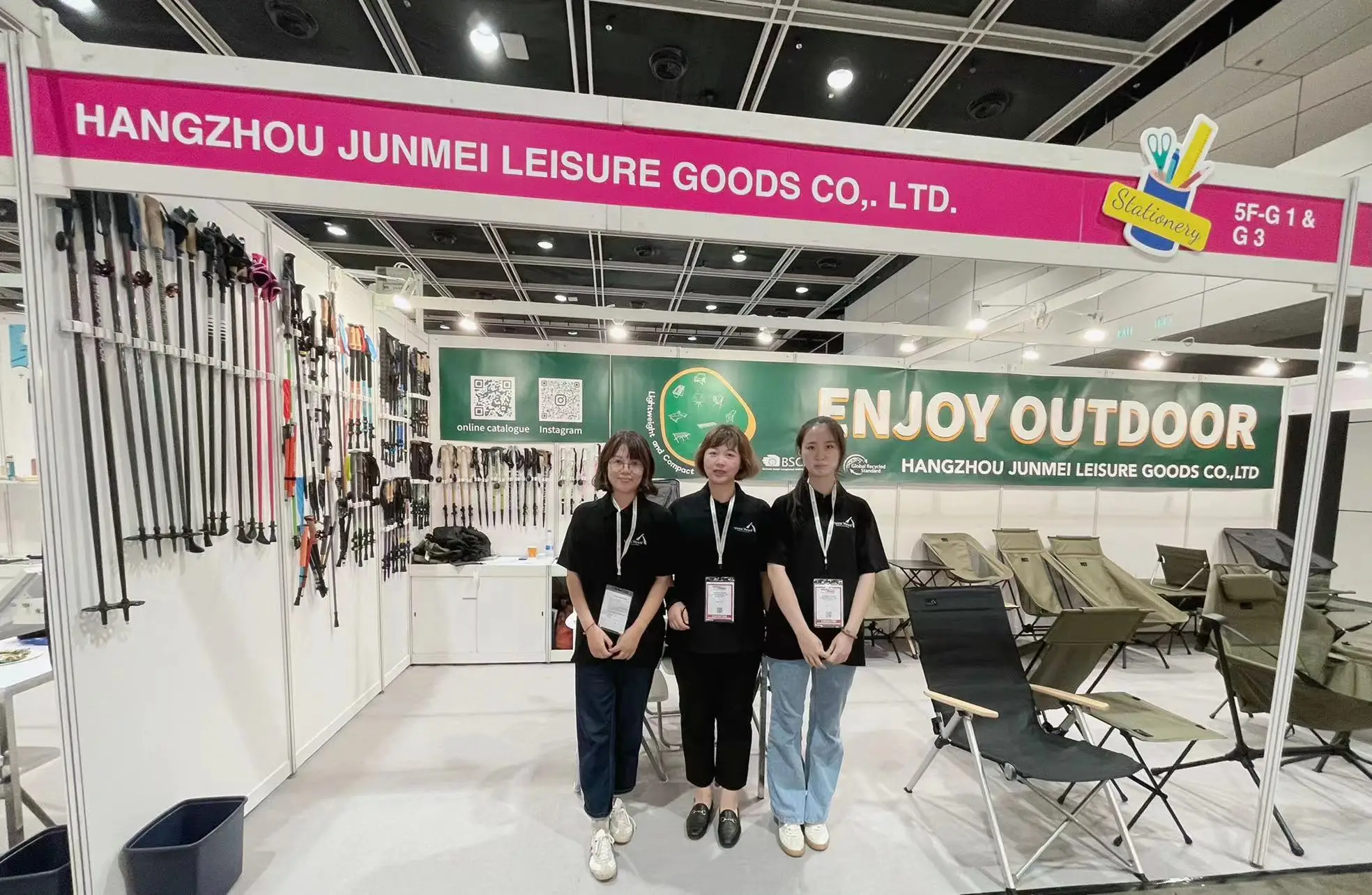
Hangzhou Junmei Leisure Goods Co., Ltd.
- Trading Company
- Zhejiang, China
- Lead time20 days
- Avg. response≤ 6h
Main productsTrekking pole,Walking sticks,Ski pole,Folding chair,Trail running pole
Main marketsWestern Europe(40.0%), North America(20.0%), South Asia(10.0%), Northern Europe(10.0%), Eastern Europe(10.0%), Domestic Market(5.0%), Southern Europe(5.0%)

TIANCHANG ZHENGMU TECHNOLOGY CO., LTD.
- Verified by CTI
- Combined
- China Anhui
- Lead time30 days
- Avg. response≤ 1h
Main productsBaseball&Softball Bats, Baseball&Softballs, Laminated&Rubber Basketball, Machine-Stitched&Rubber Football, Machine-Stitched&Laminated Soccer, Multiple Rackets, Volleyball and Badminton Combo Set, Horsehoes Set, Volleyball Set, Bocce Set
Main marketsSouth America,Domestic,Europe,North America

Chinapack Ningbo Import & Export Co., Ltd.
- Verified by SGS
- Trading Company,Manufacturer/Factory
- China Zhejiang
- Lead time23 days
- Avg. response≤ 17h
Main productsSnowboard, Water Bottle, Promotional Hats, Glass Bottle, Ski Set, Snowboot, Snowboard Binding, Home Sock, Hood, Scarf
Main marketsSouth America,Eastern Europe,North America,Southeast Asia,Eastern Asia,Oceania,Western Europe

TianChang Liangwen Sporting Equipment Co., Ltd.
- Verified by BV
- Combined
- China Anhui
- Lead time15 days
- Avg. response≤ 8h
Main productsPickleball Paddles, Beach Tennis Rackets, Padel Rackets, Badminton Rackets, Baseball/Softball Bats, Baseballs/Softballs
Main marketsNorth America


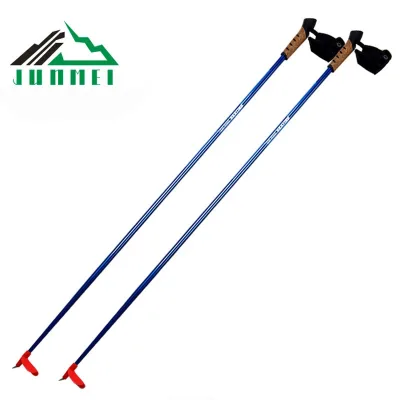
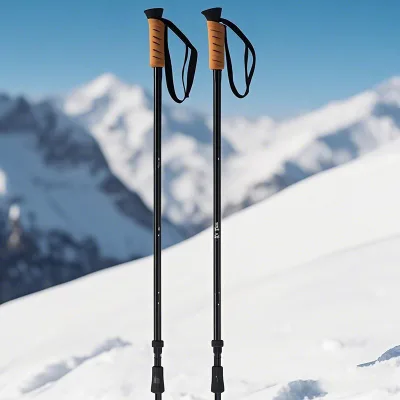
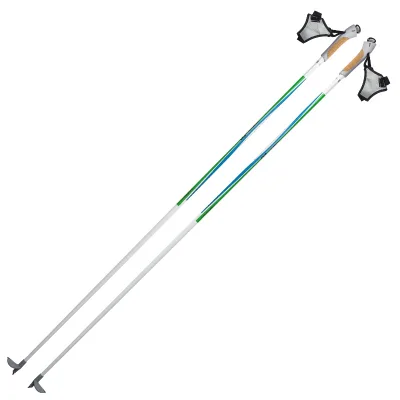
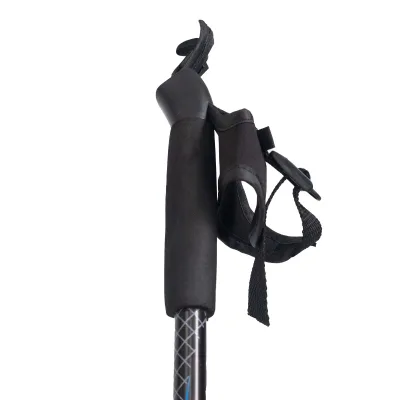
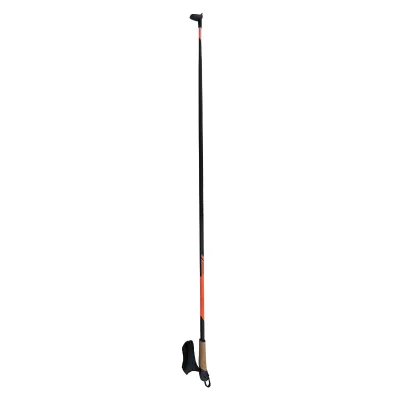
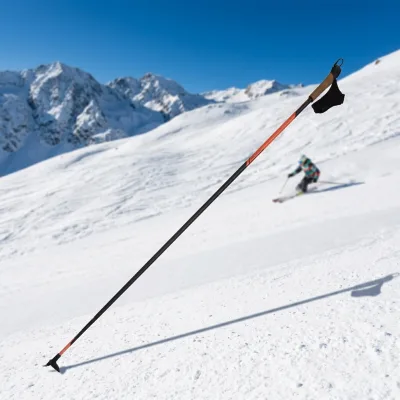
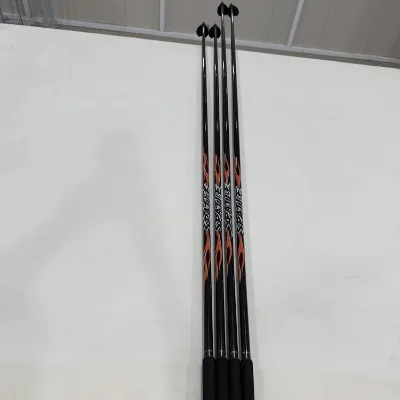
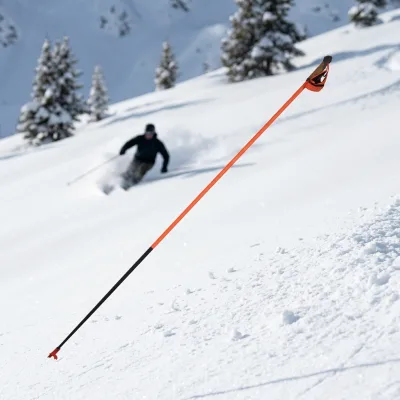
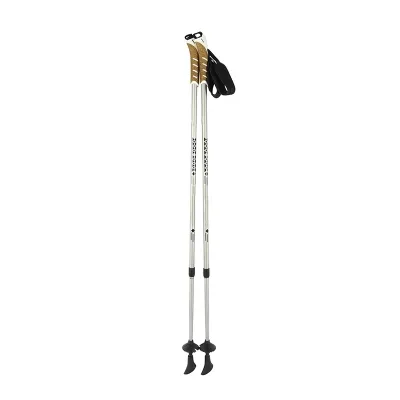
Outdoor Cross Country Custom Logo Lightweight Pure Carbon Fiber Nordic Ski Poles
$8.00 - $19.00
Moq: 200

Jiangyin Sinpo Metal Co., Ltd.
- Verified by TUVRHEINLAND
- Trading Company
- China Jiangsu
- Lead time23 days
- Avg. response≤ 12h
Main productsSolar Panel System, Solar System, Solar Power System, Sola Energy System, Solar Mounting System, Solar Panel, Solar Inverter, Solar Pump, Solar Module, Solar Roof Brackets
Main marketsDomestic

Shanghai J&D International Co., Ltd.
- Trading Company
- China Shanghai
- Lead time23 days
- Avg. response≤ 25h
Main productsShirts, Necktie, Ties, Scarves, Waistcoat, Cufflink, Neckwear, Accessories
Main marketsSoutheast Asia/ Mideast,Domestic,Europe,Australia,North America

Ningbo Haishu Mango Import & Export Co., Ltd.
- Verified by BV
- Manufacturer/Factory
- China Zhejiang
- Lead time23 days
- Avg. response≤ 3h
Main productsCooler Bag, Folding Chairs, Beach Bag, Folding Tables, Backpack, Camping Tent, Hiking Stick, Sleeping Bag, Ski Pole, Hammock
Main marketsSouth America,Eastern Europe,Mid East,North America,Southeast Asia,Eastern Asia,Oceania,Western Europe,Africa


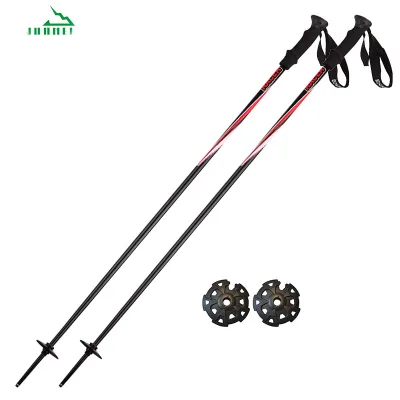
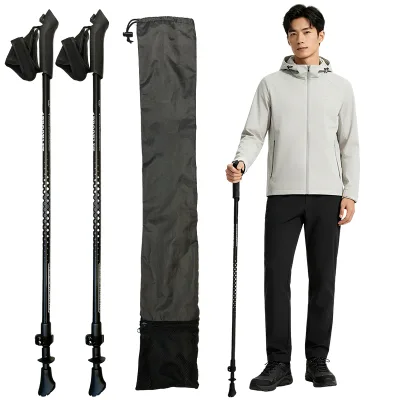
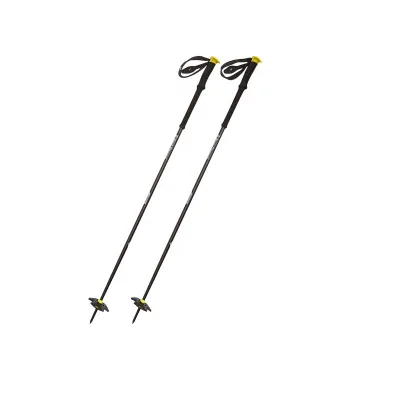
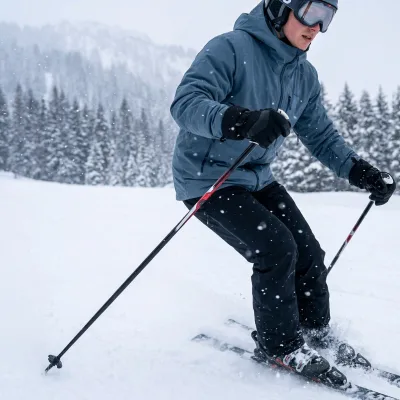
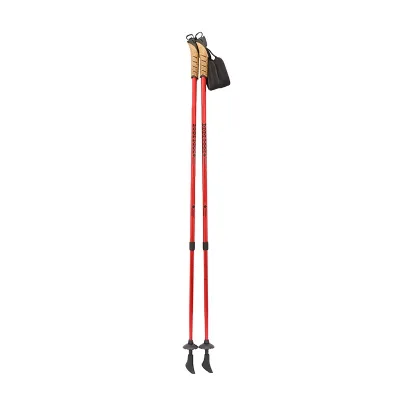
3-Section Telescopic 7075 Aluminum Ski Poles with Gopro & Gun Holder Attachment
$10.99 - $11.99
Moq: 200

Anhui Feistel Outdoor Product Ltd.
- Verified by SGS Group
- Trading Company
- Lead time15 days
- Avg. response≤ 2h
Main productsFolding Table, Folding Chair, Folding Bed, Trekking Pole, Sleeping Pad
Main marketsNorth America(40%), Eastern Asia(30%), Northern Europe(9%)
Nantong Golden Yuelai Gym Equipment Co., Ltd.
- Verified by SGS Group
- Manufacturer, Trading Company
- Lead time40 days
- Avg. response≤ 9h
Main productsYoga Products, Body Building Products, Crossfit Products, Massage and Therapy Products, Fitness Accessories Products
Main marketsNorth America(45%), Western Europe(27%), Northern Europe(4%)
Tianchang Spatle Sports Equipment Technology Co., Ltd.
- Verified by Intertek
- Manufacturer, Trading Company
- Lead time15 days
- Avg. response≤ 4h
Main productsPickleball Paddle, Badminton Racket, Padel Racket, Baseball Bats, Baseball
Main marketsNorth America(50%), Southeast Asia(20%), Eastern Europe(10%)

HENAN CHALCO ALUMINUM INDUSTRIAL CO.,LTD
- Verified by BV
- Trading Company,Manufacturer/Factory
- China Henan
- Lead time23 days
- Avg. response≤ 13h
Main productsAluminum Forgings, Industrial Aluminum Profile, Precision Aluminum Plate/Sheet, Aluminum Coil/Strip, Aluminum Flat Bar/Busbar, Aluminum Foil, Aluminum Wire, Aluminum Sublimation Sheet, Cladding/Brazing Aluminium Sheet Coil/Strip, Color Coated Aluminium Sheet/Strip/Coil
Main marketsSouth America,Eastern Europe,Mid East,North America,Southeast Asia,Eastern Asia,Oceania,Western Europe,Africa
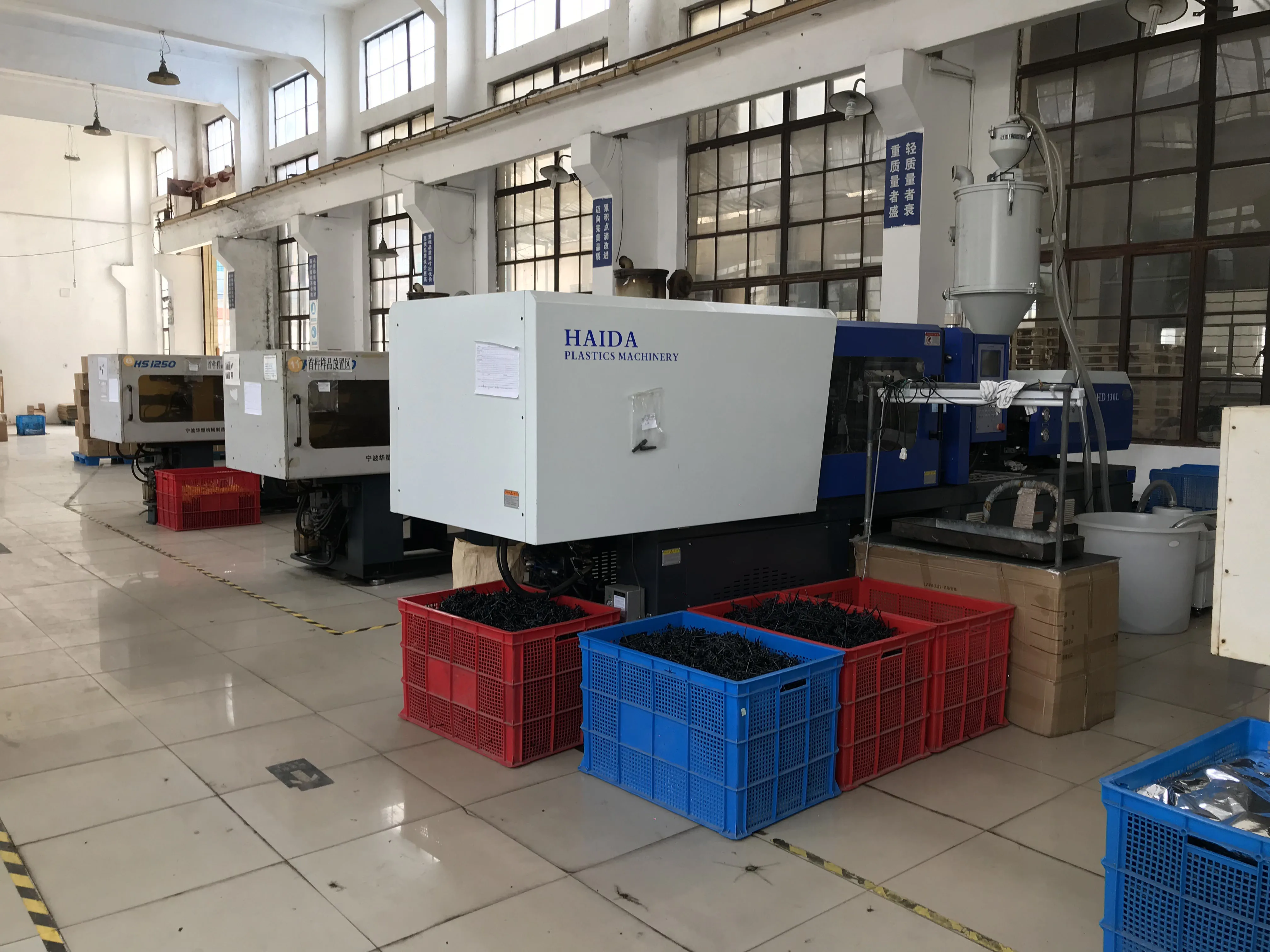
Ningbo Goroad Outdoor Products Co., Ltd.
- Trading Company
- Zhejiang, China
- Lead time0 days
- Avg. response≤ 12h
Main productstrekking pole,nordic walking pole,folding pole,camping chair&table,snowboard binding
Main marketsWestern Europe(25.0%), North America(25.0%), Northern Europe(20.0%), Eastern Europe(20.0%), South America(10.0%)
Xiamen Herisen Commercial Co., Ltd.
- Verified by Intertek
- Manufacturer, Trading Company
- Lead time45 days
- Avg. response≤ 1h
Main productsDelivery bag, Outdoor bag, Cooler bag
Main marketsNorth America(48%), Western Europe(37%), Northern Europe(15%)

Zhuzhou Hongtong Tungsten Carbide Co., Ltd.
- Verified by TUVRHEINLAND
- Trading Company,Manufacturer/Factory
- China Hunan
- Lead time23 days
- Avg. response≤ 1h
Main productsTungsten Carbide, Cemented Carbide, Carbide Plate, Carbide Ball, Carbide Wire Drawing Die, Agricultural Carbide, Carbide Tips, Carbide Gripper Inserts, Carbide Buttons, Carbide Teeth
Main marketsSouth America,Eastern Europe,Mid East,North America,Southeast Asia,Western Europe,Africa






Comprehensive Sourcing Guide
Ski Poles Supplier Concentration and Factory Types
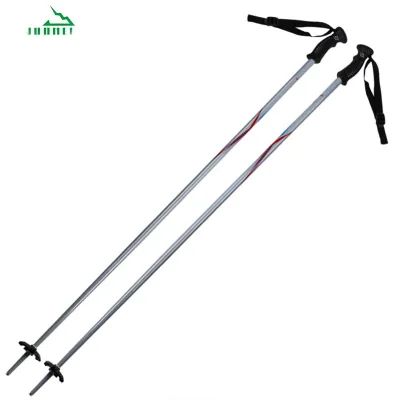
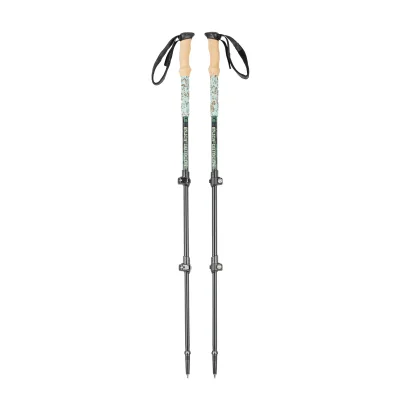
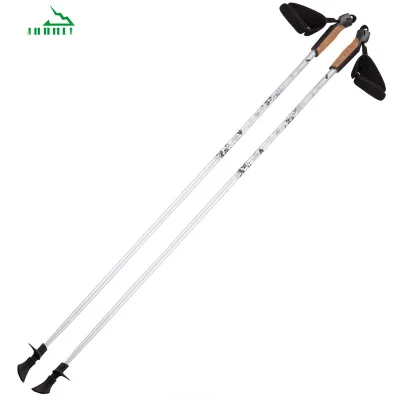
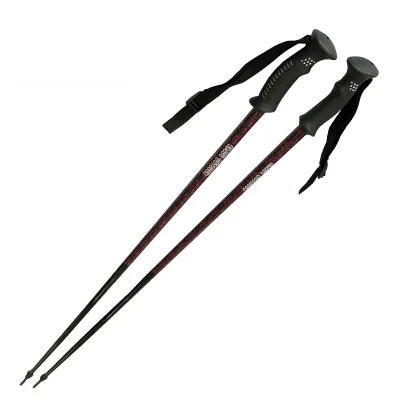
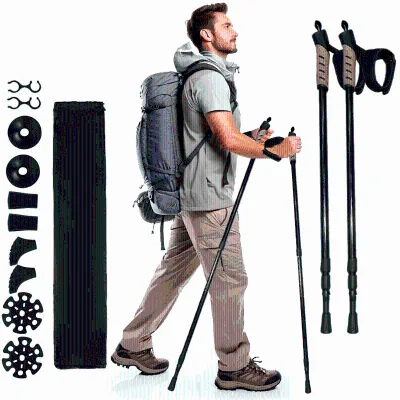
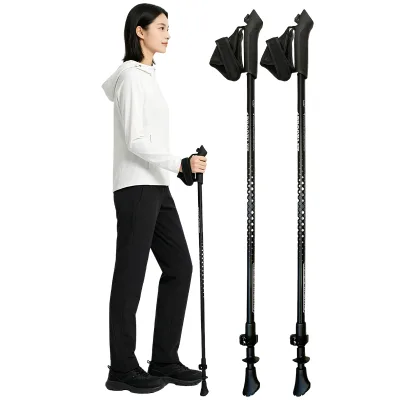
Current search results indicate a concentration of ski pole manufacturers and trading companies located in Zhejiang, China. This region appears frequently in the origin data for products such as aluminum alloy trekking poles and cross-country ski sticks. When evaluating potential partners, buyers should verify if the listed location matches the actual factory address, as some entities may be trading companies operating from the same province without owning production lines. The distinction between a direct factory and a trading company is critical for understanding pricing structures and communication efficiency.
The supplier types observed include both trading companies and entities that may function as manufacturers. A trading company typically sources from various factories, which can offer a broader range of products like folding chairs and walking sticks alongside Ski Poles. In contrast, a factory might specialize in specific materials such as Aluminum 6061 or 7075. Buyers must confirm the company type to ensure they are dealing with the source of production. If a supplier claims to be a manufacturer, they should provide evidence of their production capacity and facility details rather than relying solely on a trading company label.
How to Verify Ski Poles Suppliers
Verification begins with confirming the physical location and operational history of the supplier. While results show origins in Zhejiang, China, buyers should request specific factory addresses and photos to validate the claim. It is essential to distinguish between a trading company and a manufacturer by asking for production line details. If a supplier lists multiple unrelated product categories, they may be a general trading firm. For specialized ski pole production, the supplier should demonstrate expertise in materials like carbon fiber or aluminum alloys, which are common in the observed product attributes.
Response time and communication speed are also key verification metrics. The data indicates a response time of six hours for some suppliers, which suggests a level of operational readiness. Buyers should test this responsiveness before placing an order to ensure timely support during the sourcing process. Additionally, checking for established business credentials is vital. While specific establishment years are not provided in the current data, buyers should ask for the year the company was founded to gauge stability. Requesting business licenses and verifying them against local registries can confirm the legitimacy of the entity.
What to Compare Across Ski Poles Suppliers
When comparing suppliers, focus on the Minimum Order Quantity (MOQ) and lead times, as these vary significantly across the market. The observed data shows an MOQ of 500 pairs or 500 pieces for various ski pole models, which is a standard threshold for many suppliers. Lead times also differ, with some suppliers indicating a 20-day production window while others mention delivery within 45 days. Buyers must align these timelines with their inventory needs and seasonal demand. A shorter lead time might be preferable for urgent orders, but it often comes with a higher price point or limited customization options.
Product specifications and pricing are another critical comparison point. The available data lists prices ranging from 8.00 to 12.00 per unit, depending on the material and features. Suppliers offer different grip materials, such as EVA, cork, or rubber, and shaft materials like aluminum or carbon fiber. Buyers should compare these attributes to ensure the product meets their quality standards. Additionally, the diameter and length of the poles, such as 18mm or 135cm, must match the intended use. Comparing these technical details alongside the price helps identify the best value proposition without compromising on performance.
Common Ski Poles Sourcing Risks
One significant risk involves the discrepancy between claimed specifications and actual product quality. While data lists materials like Aluminum 6061/7075, buyers must verify the actual composition through third-party testing. Some suppliers might claim carbon fiber content without providing proof, leading to potential durability issues. The tip material, often listed as tungsten or tungsten steel, is another area where quality can vary. Buyers should request sample testing reports to confirm that the tips are durable and suitable for the intended terrain, whether for alpine skiing or cross-country touring.
Another risk is the reliability of the supply chain and delivery timelines. Although some suppliers state a lead time of 20 days, external factors like raw material shortages or logistics delays can extend this period. The observed delivery time of within 45 days suggests a buffer, but buyers should plan for potential delays. Furthermore, the packaging details, such as single polybag or carton packing, must be verified to ensure products arrive without damage. Inconsistent packaging can lead to increased breakage rates during transit, resulting in financial losses and customer dissatisfaction.
Ski Poles Regional Sourcing and Logistics
Sourcing from Zhejiang, China, offers logistical advantages due to the region's established manufacturing infrastructure and proximity to major ports like Ningbo and Shanghai. The data indicates that Ningbo and Shanghai are common ports of dispatch for ski pole shipments. Buyers should consider the shipping distance and transit times when calculating total landed costs. Sea freight is typically the most cost-effective method for large orders, but air freight may be necessary for urgent deliveries. Understanding the port of origin helps in estimating customs clearance times and potential tariffs in the destination country.
Logistics planning also involves coordinating with the supplier on packaging and labeling requirements. The observed packaging details, such as 1 pc/polybag or 30 pcs/carton, must be clearly communicated to the supplier to ensure compliance with destination market regulations. Buyers should verify if the supplier can handle custom labeling or branding on the packaging, as this is often a requirement for retail distribution. Additionally, confirming the single gross weight and package dimensions is crucial for calculating shipping costs accurately. Proper logistics planning ensures that the supply chain remains efficient and cost-effective throughout the order fulfillment process.
Ski Poles Commercial Terms and Order Planning
Commercial terms such as payment methods and escrow services are vital for securing transactions. While specific escrow details are not provided in the current data, buyers should insist on using secure payment platforms that offer buyer protection. This ensures funds are only released once the goods are verified to meet the agreed specifications. The MOQ of 500 pairs or pieces sets a baseline for order planning, and buyers should assess if this volume aligns with their sales projections. Ordering in larger quantities might secure better pricing, but it also increases inventory risk if demand fluctuates.
Order planning must also account for customization options and branding requirements. The data shows that many suppliers offer customized logos and colors, which can enhance brand identity. However, customization often extends lead times and may require additional tooling costs. Buyers should confirm the timeline for sample approval and mass production before finalizing the order. Additionally, verifying the supply ability, such as 150,000 pieces per month, ensures the supplier can meet large volume demands. Clear communication of these terms prevents misunderstandings and ensures a smooth procurement process from initial inquiry to final delivery.
FAQs
What is the typical lead time for ski pole orders?
The typical lead time for ski pole orders is 20 days based on current supplier data. Some suppliers may offer delivery within 45 days depending on order volume and customization requirements. Buyers should confirm specific timelines with the manufacturer before placing an order to ensure timely delivery.
What is the minimum order quantity for Ski Poles?
The minimum order quantity for Ski Poles is generally 500 pairs or 500 pieces depending on the specific product model. This MOQ applies to various materials including aluminum and carbon fiber options. Buyers needing smaller quantities should verify if suppliers offer exceptions or alternative terms for trial orders.
Where are these Ski Poles manufactured?
These Ski Poles are manufactured in Zhejiang, China, as indicated by the place of origin in product specifications. Some listings also reference China generally without specifying the province. Buyers seeking regional sourcing advantages should verify the exact factory location during the negotiation phase with potential suppliers.
What materials are used for ski pole shafts?
Ski pole shafts are commonly made from Aluminum 6061, Aluminum 7075, or carbon fiber composites. Some products combine these materials to balance weight and durability. Buyers should check specific product attributes to confirm the exact alloy or fiber percentage required for their intended outdoor activity or performance level.
What grip materials are available for Ski Poles?
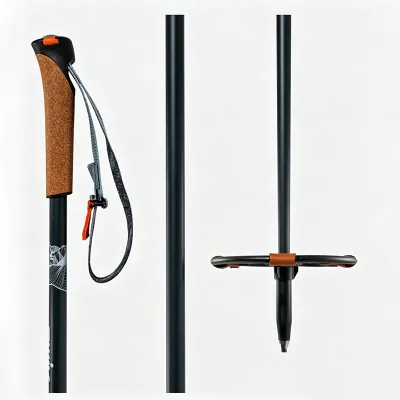
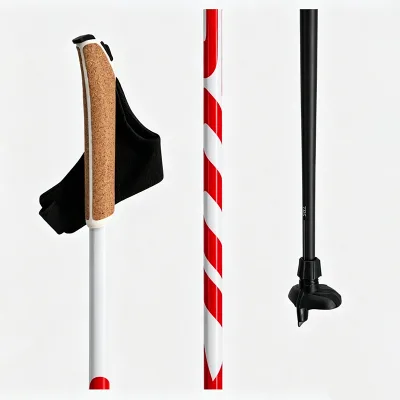
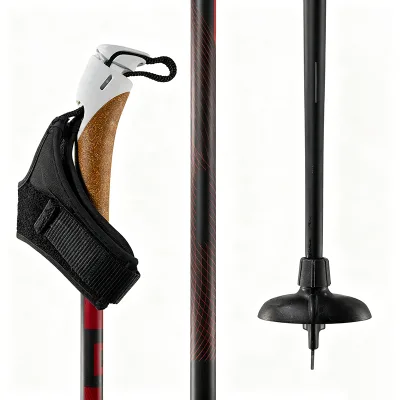
Available grip materials include EVA, cork, rubber, and combinations like EVA plus PP. Cork handles are popular for cross-country skiing while EVA offers durability for alpine use. Buyers should select the grip material based on weather conditions and personal preference for comfort and moisture absorption during winter sports.
What is the price range for Ski Poles?
The price range for Ski Poles starts at 8.00 USD and can go up to 12.00 USD per pair depending on material and features. Specific models like aluminum poles may cost around 9.00 USD while telescopic options with cork grips might reach 11.00 USD. Final pricing depends on order quantity and customization needs.
How quickly do suppliers respond to inquiries?
Suppliers typically respond to inquiries within 6 hours based on current response time metrics. This rapid response helps buyers clarify product details and negotiate terms efficiently. Buyers should expect timely communication but should still verify response times for specific suppliers as performance may vary across different trading companies.