Sports Wear Suppliers and Manufacturers for Custom OEM Orders
Source Sports Wear from 22 suppliers and compare verified manufacturers by location, company type, certifications, response time, lead time, OEM or ODM capability, and product specifications such as fabric, customization, and MOQ. Shortlist candidates and request samples or quotations to confirm fit before committing to an order.
Suppliers List
Fujian Yinjili Technology Co., Ltd.
- Verified by TUVRHEINLAND
- Manufacturer
- China Fujian
- Lead time23 days
- Avg. response≤ 2h
Main productsFootball Jersey, Sportswear, Basketball Jersey, Jersey, Tracksuit, T Shirt, Sport Jersey, Activewear, Gym Wear, Football Shirt


Soft Comfort Sportswear Breathable Moisture Wicking Outdoor Athletic Wear
$13.00 - $16.28
MOQ: 2 piece


Moisture Wicking Breathable Sportswear Soft Stretch Comfort Daily Active Wear
$15.42 - $19.28
MOQ: 2 piece

Comfortable Sportswear Moisture Wicking Breathable Lightweight Fitness Wear
$14.40 - $18.00
MOQ: 2 piece

Moisture Absorbent Sportswear Breathable Quick Dry Comfort Fitness Apparel
$25.00 - $30.00
MOQ: 2 piece

- Trading Company
- China Zhejiang
- Lead time30 days
- Avg. response≤ 11h
Main productsSeamless Underwear, Sportswear, Fitness Wear, Gym Wear, Yoga Wear, Pants and Bra
Main marketsSouth America,Africa,Southeast Asia/ Mideast,East Asia(Japan/ South Korea),Europe,Australia,North America


Ladies Seamless Unitard Bodysuit Sportswear Active Wear Long Sleeve with Hood Top
$5.75 - $6.45
MOQ: 600
Hangzhou Yuanzhe Clothing Technology Co., Ltd.
- Verified by SGS
- Combined
- China Zhejiang
- Lead time15 days
- Avg. response≤ 4h
Main marketsSouth America,Europe,Australia,North America

Quick-Dry Sweat-Wicking Compression Fit Designed to Enhance Performance Recovery Sports Wear
$13.99 - $29.99
MOQ: 50 sets


Breathable Lightweight Summer Training Sports Wear Ideal Staying Cool Comfortable in Hot Climates
$13.99 - $29.99
MOQ: 50 sets


$13.99 - $29.99
MOQ: 50 sets

Seamless Comfortable Flexible Gym Workout Tailored All-Day Comfort Mobility Sports Wear
$13.99 - $29.99
MOQ: 50 sets

Shenzhen Shengda Garment Co., Ltd
- Trading Company,Manufacturer/Factory
- China Guangdong
- Lead time15 days
- Avg. response≤ 5h
Main productsClothing, Sportswear, Basketball Uniform, Hockey Jersey, Baseball Uniform, Fishing Shirt, Rugby Uniform, Beach Short, American Football Uniform, Yoga Wear
Main marketsSouth America,Eastern Europe,North America,Southeast Asia,Eastern Asia,Oceania,Western Europe


Classic Design New Arrival High Performance Breathable Polyester Basketball Wear
$6.50 - $16.50
MOQ: 1 Pieces


Zhejiang G Top Clothing Co., Ltd.
- Verified by TüVRheinland
- Manufacturer, Trading Company
- Lead time25 days
- Avg. response≤ 3h
Main productsYoga Clothes, Sports Cothes, Swimsuit, Underwear, Casual Wear
Main marketsNorth America(85%), Eastern Europe(10%), South America(5%)
Guangzhou Siweite Electronic Technology Co., Ltd.
- Manufacturer, Trading Company
- Guangdong, China
- Lead time0 days
- Avg. response≤ 1h
Main productsEMS fitness machine,shock wave machine,Vacuum Roller Machine,Body Analyzer,Antifreeze menbrane
Main marketsSouth America(30.00%), North America(30.00%), Western Europe(20.00%), Eastern Europe(20.00%)
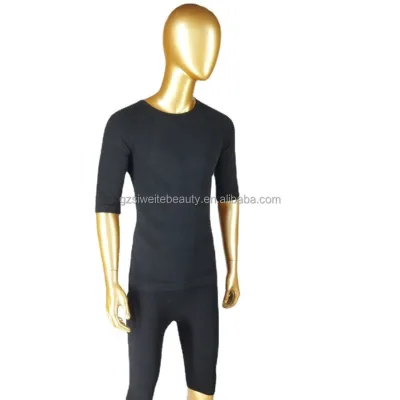
Cheap Price Dry Fit Sports Wear Track Suit
$10.49 - $11.50
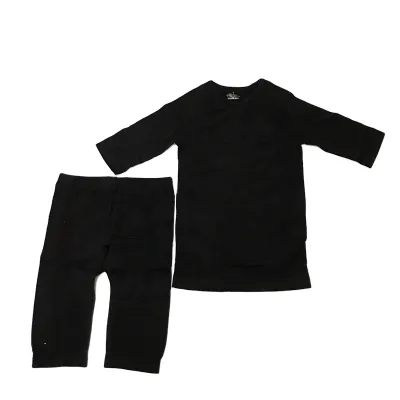
Cheap Cheap Tracksuits Xbody Sports Wear
$10.49 - $11.50
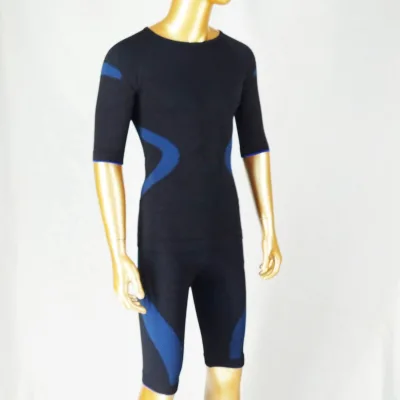
High Quality Tracksuit Xbody Sports Tracksuits Wear
$12.29 - $13.28

Yibin Haixun Machinery Technology Co., Ltd.
- Verified by SGS
- Manufacturer/Factory
- China Sichuan
- Lead time23 days
- Avg. response≤ 2h
Main productsSwimming Goggles, Goggles, Ski Goggles, Cycling Goggles, Protective Goggles, Wrist Guard; Knee Pad, Basketball Glasses, Gymnastics Gloves, Sports Shoes, Sportswear
Main marketsSouth America,Eastern Europe,Mid East,North America,Southeast Asia,Eastern Asia,Oceania,Western Europe,Africa
Ningbo Aolabo Clothing Co., Ltd.
- Verified by TUVRHEINLAND
- Trading Company
- China Zhejiang
- Lead time15 days
- Avg. response≤ 2h
Main marketsDomestic

Tight Running Top Breathable Nude Feel Fitness Wear Training Quick-Drying Sportswear
$4.30 - $5.00
MOQ: 30 Pieces

Foshan Yinling Garment Co., Ltd.
- Verified by Intertek
- Trading Company
- Lead time0 days
- Avg. response≤ 4h
Main productsYoga Wear, Beach Short, Swimwear
Main marketsNorth America(75%), Western Europe(6%), Oceania(5%)
Guangzhou Jinfeng Textile Technology Co., Ltd.
- Verified by Intertek
- Trading Company
- Lead time7 days
- Avg. response≤ 3h
Main productsUnderwear, Casual Dresses, Yoga Sets, Women's Tank Tops, Swimwear
Main marketsNorth America(40%), Western Europe(20%), Eastern Europe(20%)

Shanghai Jspeed Industry Co., Ltd.
- Verified by BV
- Trading Company
- China Shanghai
- Lead time60 days
- Avg. response≤ 5h
Main productsMen/Women Swimwear, Underwear, Bra, Socks, Men/Women Pants, Men/Women Jackets, Dress, Sportwear, Skirt, Shirt
Main marketsEurope
Dongguan El Sports Equipment Co., Ltd.
- Verified by TüVRheinland
- Manufacturer, Trading Company
- Lead time15 days
- Avg. response≤ 2h
Main productsYoga Wear, Gym Fitness Wear, Seamless Yoga Wear, Swimming Wear, Team Sports Jerseys
Main marketsNorth America(30%), Western Europe(30%), Oceania(10%)

Shanghai Easun Group Imp & Exp Co., Ltd.
- Verified by BV
- Trading Company
- China Shanghai
- Lead time15 days
- Avg. response≤ 19h
Main productsHoodies, Pajamas, T-Shirt, Bath Robe, Sleepwear, Polo Shirts, Safety Shoes
Main marketsAfrica


Sleeveless Hoodie Sleeveless Sweater Soccer Tracksuit Sport Hoodie Sport Wear
$3.00 - $7.50
MOQ: 300 Pieces


- Verified by SGS Group
- Manufacturer, Trading Company
- Lead time7 days
- Avg. response≤ 2h
Main productsSports Wear, Yoga Pants, Crop Tops, Women Yoga Set, Men Sports Wear
Main marketsNorth America(40%), Western Europe(15%), Eastern Europe(13%)

Dongguan City Meizi Sports Products Co., Ltd.
- Manufacturer/Factory
- China Guangdong
- Lead time23 days
- Avg. response≤ 2h
Main productsRash Guard, Surfing Wear, Snorkeling Wear, Board Wear, Swimwear, Training Swimwear, Neoprene Wetsuit, Diving Suit, Beach Wear, Sand Socks
Main marketsSouth America,Eastern Europe,Mid East,North America,Southeast Asia,Eastern Asia,Oceania,Western Europe,Africa
Fitele Garment (guangzhou) Co., Ltd.
- Verified by SGS Group
- Trading Company
- Guangdong, China
- Lead time25 days
- Avg. response≤ 6h
Main productsYoga Sets, Legging, Sports Bra, T-shirt, Hoodies
Main marketsNorth America(45%), Western Europe(30%), Oceania(10%)

Guangzhou RJ Clothing Co., Ltd.
- Verified by SGS
- Trading Company
- China Guangdong
- Lead time15 days
- Avg. response≤ 3h
Main productsT-Shirt, Sportwears, Hoodie, Men Women Gym Wear, Fitness Wear, Joggers, Shorts, Sports Bra, Leggings, Yoga Wear
Main marketsEurope,North America

Sport Wear Sports Teams OEM ODM Private Label Abrasion Resistant Cycling Skinsuit
$5.00 - $18.00
MOQ: 100 Pieces

Sport Wear Sports Teams OEM ODM Wholesale Moisture Wicking Road Cycling Jersey
$5.00 - $18.00
MOQ: 100 Pieces

Sport Wear Sports Teams OEM ODM Custom Moisture Wicking Road Cycling Jersey
$5.00 - $18.00
MOQ: 100 Pieces

Sport Wear Schools Sports Teams OEM ODM Wholesale Abrasion Resistant MTB Jersey
$5.00 - $18.00
MOQ: 100 Pieces

Sport Wear Matches Events OEM ODM Factory Direct Cooling Road Cycling Jersey
$5.00 - $18.00
MOQ: 100 Pieces

Sport Wear Schools Sports Teams OEM ODM Wholesale Lightweight Road Cycling Jersey
$5.00 - $18.00
MOQ: 100 Pieces
Nanning Clover Sport Clothing Co., Ltd.
- Verified by CTI
- Combined
- China Guangxi
- Lead time15 days
- Avg. response≤ 3h
Main productssport jersey
Main marketsSouth America,East Asia(Japan/ South Korea),Europe,North America

Form-Fitting Made in China Hard-Wearing Seamless Jersey for Sports Performance Testing
$4.88 - $6.88
MOQ: 2 Pieces

Quick-Drying Made in China Team-Issued Seamless Jersey for Sports Performance Testing
$4.88 - $6.88
MOQ: 2 Pieces

Slip-Friendly Streamlined Quick-Evaporating Jersey for Sports Performance Testing
$4.88 - $6.88
MOQ: 2 Pieces

Skin-Friendly Windbreak Eco-Friendly High-Visibility Jersey for Outdoor Tournaments
$4.88 - $6.88
MOQ: 2 Pieces
Meizhou Xiaolin Houseware Co., LTD.
- Manufacturer, Trading Company
- Guangdong, China
- Lead time15 days
- Avg. response≤ 3h
Main productscycling suit,cycling Jackets,cycling Bib shorts,cycling gloves,cycling socks
Main marketsNorth America(15.00%), Northern Europe(10.00%), Southeast Asia(10.00%), Mid East(10.00%), Oceania(10.00%), Domestic Market(5.00%), South Asia(5.00%), Southern Europe(5.00%), Africa(5.00%), Central America(5.00%), Western Europe(5.00%), Eastern Asia(5.00%), Eastern Europe(5.00%), South America(5.00%)

Shenzhen Fly-High Industry Co., Ltd.
- Trading Company,Manufacturer/Factory,Group Corporation
- China Guangdong
- Lead time23 days
- Avg. response≤ 25h
Main productsT-Shirt, Polo Shirt, Promotional Items, Cap, Apron, Jacket, Scarf, Singlet, Towel, Hat
Main marketsSouth America,Eastern Europe,Mid East,North America,Southeast Asia,Eastern Asia,Oceania,Africa
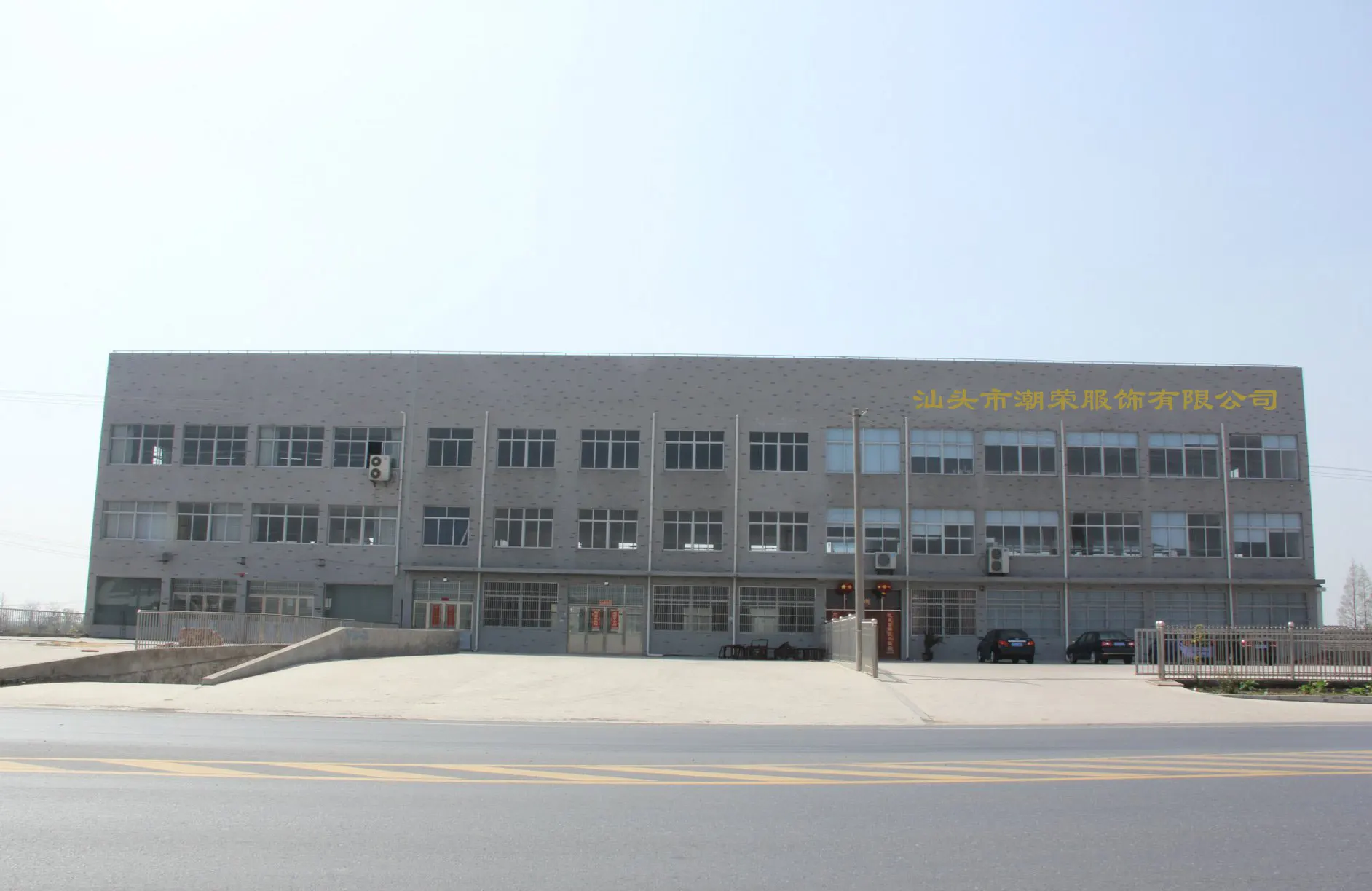
Shantou Chaorong Clothing Co., Ltd.
- Trading Company
- Guangdong, China
- Lead time5 days
- Avg. response≤ 1h
Main productsbra,undertake,vest,panties,bodysuit
Main marketsNorth America(35.00%), South America(10.00%), Eastern Europe(10.00%), Mid East(10.00%), Eastern Asia(10.00%), South Asia(10.00%), Southeast Asia(5.00%), Africa(5.00%), Northern Europe(5.00%)
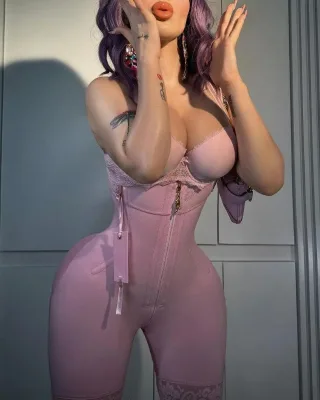
High Compresison Strap Zipper Shapewear
$13.99 - $15.99
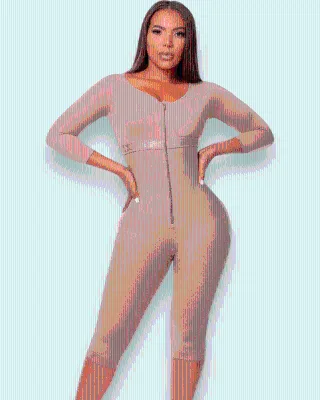
Super Control Powernet Full Body Girdles
$13.99 - $15.99
Quanzhou Weixiusen Trading Co., Ltd.
- Trading Company
- China Fujian
- Lead time0 days
- Avg. response≤ 3h
Main productsShoes, Clothes, Watch, Perfume, Belt, Accessories
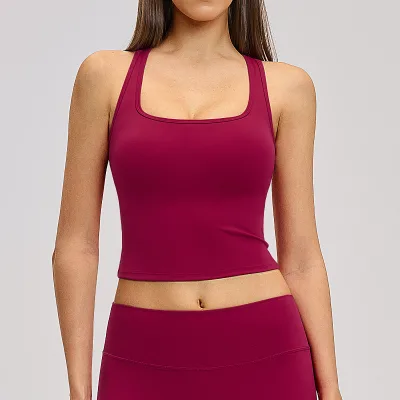
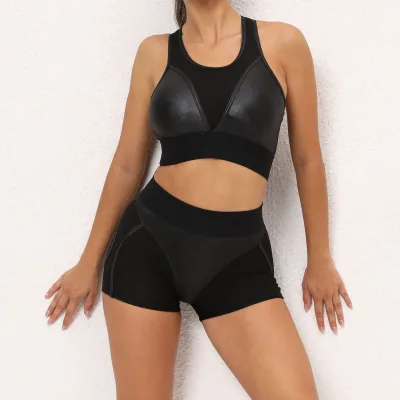
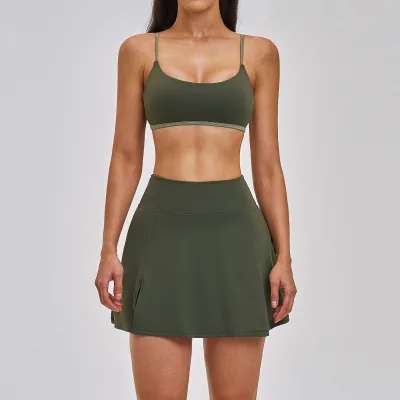
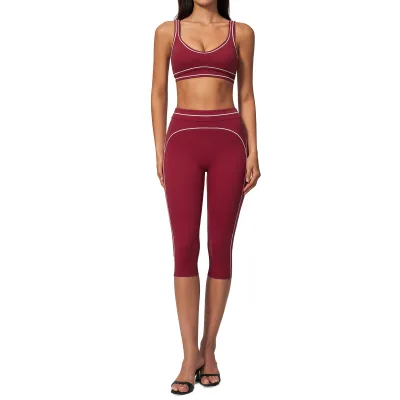



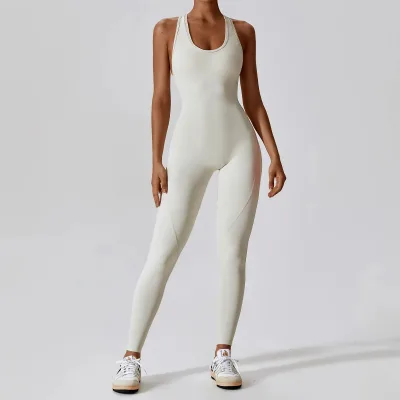


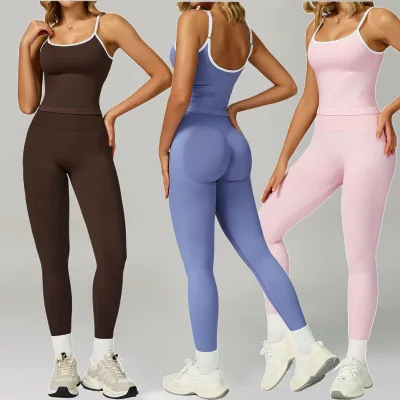
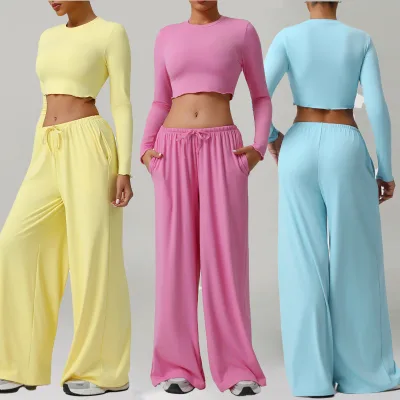
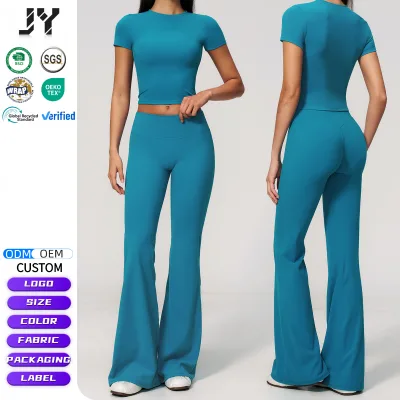
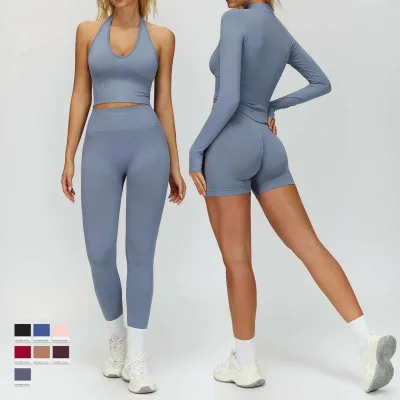
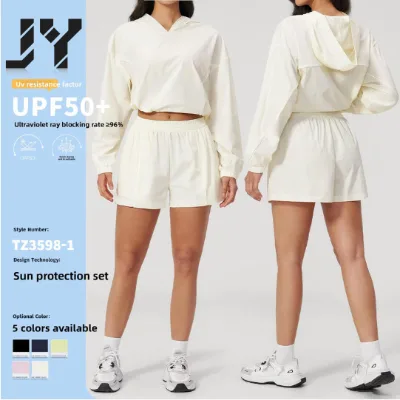
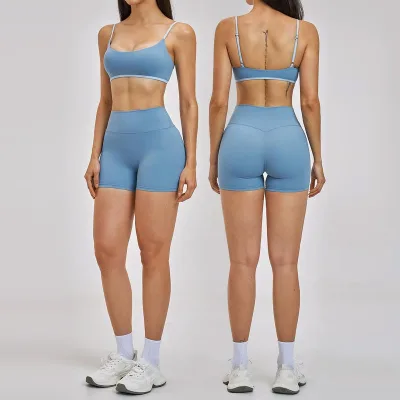


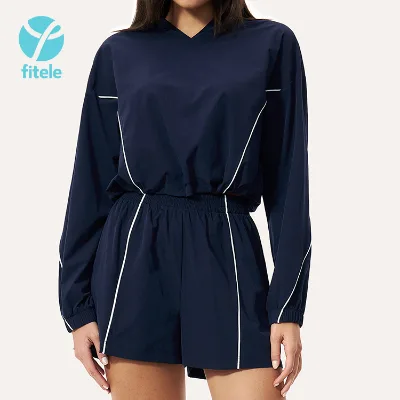
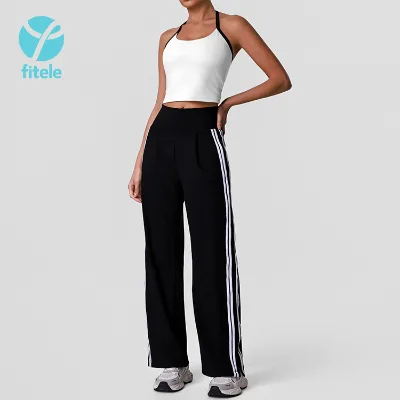
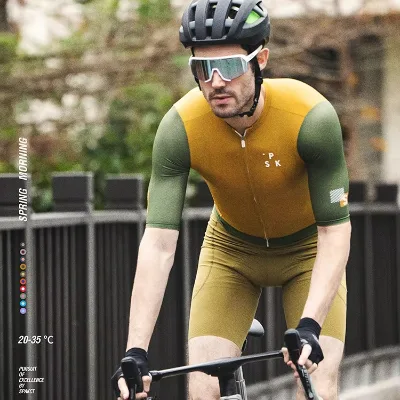
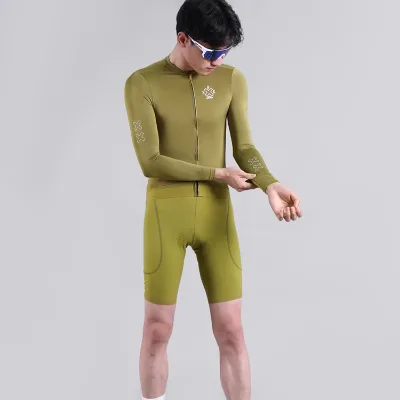
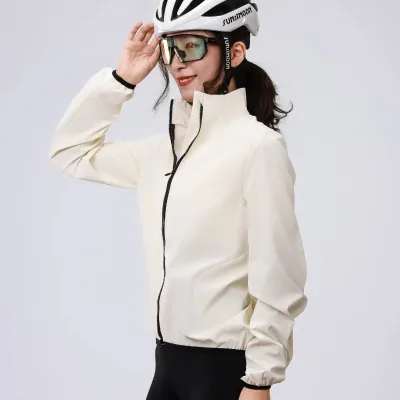
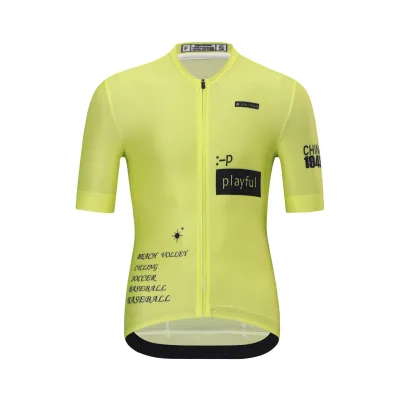
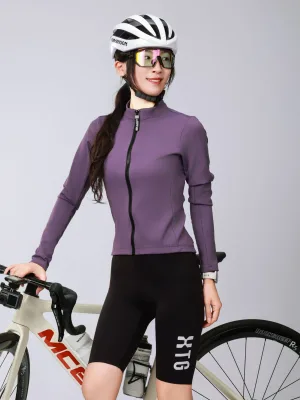


Comprehensive Sourcing Guide
Sports Wear Supplier Concentration and Factory Types
The current supplier landscape for Sports Wear reveals a distinct split between manufacturing capabilities and trading operations, primarily concentrated in specific Chinese provinces. Evidence indicates that manufacturers are located in Fujian, focusing on a broad range of athletic apparel including football jerseys, tracksuits, and general sportswear. These entities often possess their own brands and offer OEM/ODM customization, suggesting a vertical integration that supports complex design requirements. In contrast, suppliers in Zhejiang are identified as trading companies or combined entities, specializing in seamless underwear, yoga wear, and fitness tops. This geographic and structural division implies that buyers seeking direct factory control and custom branding should look toward the Fujian-based manufacturers, while those prioritizing a wider variety of ready-made or semi-finished active wear items might find the Zhejiang trading companies more suitable for their immediate needs.
Understanding the company type is crucial for determining the level of service and flexibility available during the sourcing process. Manufacturers in this sector often highlight capabilities such as custom fabric selection, color matching, and model-specific production, as seen in the detailed product attributes for polyester-based athletic wear. These suppliers typically support a wide range of features, including windbreak, waterproof, and quick-drying properties, which are essential for high-performance sports gear. On the other hand, trading companies may offer a different value proposition, such as lower minimum order quantities for certain items or a broader catalog of existing designs like seamless bodysuits and crop tops. Buyers must assess whether their project requires the deep technical customization and brand ownership associated with manufacturers or the logistical convenience and product diversity often provided by trading entities.
How to Verify Sports Wear Suppliers
Verification is a critical step in ensuring the reliability and quality of Sports Wear suppliers, particularly when dealing with international manufacturing hubs. The data shows that some suppliers hold third-party verification from recognized bodies such as TÜV Rheinland and SGS, which provides a layer of confidence regarding their operational standards and business legitimacy. Buyers should prioritize suppliers with these verifications, as they indicate that the company has undergone rigorous audits for quality management and compliance. However, it is important to note that not all suppliers display certification details, with some showing "NIL" for system certifications. In such cases, buyers must conduct additional due diligence, such as requesting recent audit reports or verifying business licenses, to ensure the supplier meets international standards for safety and ethical manufacturing practices.
Beyond formal certifications, the responsiveness and transparency of a supplier are key indicators of their professionalism and reliability. The response times observed among suppliers vary significantly, ranging from approximately 1.67 hours to over 10 hours. A faster response time often correlates with a more dedicated customer service team and a higher likelihood of resolving issues quickly during the production process. Buyers should evaluate how promptly a supplier answers inquiries about product specifications, customization options, and shipping details. Additionally, checking for clear communication regarding sample production times, which can range from 7 to 14 days, helps in planning the overall timeline. Suppliers that provide detailed and accurate information about their processes, such as packing methods and material compositions, are generally more trustworthy and easier to work with throughout the sourcing journey.
What to Compare Across Sports Wear Suppliers
When evaluating multiple suppliers for Sports Wear, it is essential to compare key operational metrics such as lead times, minimum order quantities (MOQs), and pricing structures to find the best fit for your business model. Lead times in the current results range from 15 to 30 days, with some suppliers offering faster turnaround times for specific items. This variation can significantly impact your inventory planning and ability to meet market demand, especially for seasonal athletic apparel. Buyers should also pay close attention to MOQs, which can vary widely from as low as 2 pieces for certain customizable items to 600 pieces for others. Understanding these thresholds helps in determining whether a supplier can accommodate small batch testing or if they are better suited for large-scale production runs.
Pricing and product specifications are another critical area for comparison, as they directly affect your profit margins and product quality. The price ranges for Sports Wear items vary, with some products starting as low as $4.59 and others reaching up to $30.00, depending on the complexity of the design, material quality, and customization options. Buyers should analyze the cost per unit in relation to the features offered, such as moisture-wicking capabilities, breathability, and specific fabric compositions like polyester or nylon/spandex blends. Additionally, comparing the main products offered by each supplier can help identify those with specialized expertise in your desired niche, whether it is football jerseys, yoga sets, or compression gear. By systematically comparing these factors, buyers can make informed decisions that balance cost, quality, and operational efficiency.
Common Sports Wear Sourcing Risks
One of the primary risks in sourcing Sports Wear is the potential mismatch between expected and actual product quality, particularly when dealing with customizable items. Suppliers often offer a wide range of features, such as windbreak, waterproof, and quick-drying properties, but the actual performance of these features can vary based on the specific materials and manufacturing processes used. Buyers must ensure that the samples provided accurately reflect the final production quality, as discrepancies can lead to customer dissatisfaction and returns. Additionally, the customization options, such as custom colors and fabrics, introduce complexity that can result in errors if not clearly specified and agreed upon in writing. It is crucial to have detailed technical packs and clear communication channels to minimize the risk of production errors.
Another significant risk is the variability in supplier reliability and communication, which can disrupt the supply chain and delay deliveries. The observed response times and lead times indicate that not all suppliers operate with the same level of efficiency. Some suppliers may have longer lead times or slower response rates, which can be problematic for buyers with tight deadlines or urgent orders. Furthermore, the lack of visible certifications for some suppliers raises concerns about their compliance with international standards and ethical manufacturing practices. Buyers should be cautious when working with suppliers who do not provide transparent information about their operations or who have inconsistent communication patterns. Mitigating these risks requires thorough vetting, clear contracts, and regular monitoring of the production process to ensure that the final products meet the required standards and timelines.
Sports Wear Regional Sourcing and Logistics
The geographic location of suppliers plays a significant role in determining logistics costs, shipping times, and overall supply chain efficiency. The current results highlight two primary regions in China: Fujian and Zhejiang. Suppliers in Fujian are often manufacturers with a focus on a broad range of athletic apparel, while those in Zhejiang are typically trading companies specializing in seamless and fitness wear. Buyers should consider the proximity of these regions to major ports and transportation hubs when planning their logistics strategy. For instance, suppliers in Zhejiang, such as those in Yiwu, may offer advantages in terms of access to established trading networks and efficient export processes. Understanding the regional strengths and logistical capabilities of each location can help buyers optimize their shipping routes and reduce transit times.
Logistics planning also involves considering the packaging and handling requirements of the products, which can impact shipping costs and product integrity. The data shows that suppliers use various packing methods, such as PE zipper bags, boxes, and polybags with cartons, depending on the product type. Buyers should evaluate these packaging options to ensure they meet the requirements for safe transportation and storage. Additionally, the origin of the products, often listed as China or specific cities like Yiwu, can influence customs clearance and import regulations in the buyer’s country. By understanding the regional logistics landscape and packaging standards, buyers can make informed decisions about which suppliers to partner with, ensuring that their products arrive on time and in good condition. This knowledge is essential for maintaining a smooth and efficient supply chain.
Sports Wear Commercial Terms and Order Planning
Effective order planning for Sports Wear requires a clear understanding of the commercial terms offered by suppliers, including payment terms, sample policies, and production schedules. The data indicates that sample production times can range from 7 to 14 days, which is a critical factor in the overall timeline from order placement to delivery. Buyers should factor in this lead time when planning their product launches and inventory replenishment strategies. Additionally, the availability of OEM/ODM services suggests that suppliers are flexible in accommodating custom designs, but this may require additional time for design approval and sample creation. Understanding these timelines helps in setting realistic expectations and avoiding delays in the supply chain.
Payment terms and pricing structures are also key components of commercial planning. The price ranges for Sports Wear items vary, and buyers should negotiate terms that align with their budget and cash flow requirements. Some suppliers may offer discounts for larger orders or repeat business, which can be leveraged to reduce costs. It is also important to clarify any additional fees, such as those for customization, packaging, or shipping, to avoid unexpected expenses. By carefully reviewing and negotiating these commercial terms, buyers can establish a mutually beneficial relationship with their suppliers, ensuring that both parties are aligned on expectations and responsibilities. This proactive approach to order planning helps in minimizing risks and maximizing the efficiency of the sourcing process.
FAQs
What is the typical lead time for Sports Wear orders?
Lead times vary by supplier and product complexity. Some manufacturers in China Fujian offer a 23-day lead time, while trading companies in Zhejiang may require 30 days. Combined suppliers can sometimes deliver within 15 days. Always confirm the specific timeline with your chosen vendor before placing an order.
What are the minimum order quantities for sportswear?
Minimum order quantities depend on the specific supplier and product type. Some manufacturers accept orders as low as two pieces for custom items. Other suppliers, particularly those offering seamless underwear or yoga wear, may require minimums of 500 or 600 units. Verify the MOQ directly with the supplier to ensure it fits your needs.
Which materials are commonly used for athletic wear?
Polyester is a primary material used for many moisture-wicking and breathable sportswear items. Some seamless options utilize Nylon and Spandex blends for elasticity and comfort. Materials are often customizable to meet specific brand requirements. Check product attributes to confirm the exact fabric composition before purchasing.
Do suppliers offer customization and OEM services?
Yes, many manufacturers provide OEM and ODM customization services for sportswear. Features like color, fabric, and branding can often be tailored to your specifications. Some suppliers also offer custom logos and packaging options. Ensure you discuss your specific design needs with the supplier to confirm availability.
What is the price range for Sports Wear products?
Prices vary significantly based on material, design, and order volume. Basic items may start around 4.59 dollars, while specialized compression or seamless gear can reach up to 30 dollars per unit. Specific models range from 11.31 to 19.28 dollars. Request a detailed quote to get accurate pricing for your quantity.
How quickly do suppliers typically respond to inquiries?
Response times differ among suppliers, with some replying within 1.67 hours and others taking up to 10 hours. Combined suppliers often respond within 3.63 hours. Faster response times generally indicate better communication channels. Check the specific response time metric for each supplier to gauge their availability.
Are the suppliers verified for quality and safety?
Several suppliers hold verification from recognized bodies like TÜV Rheinland and SGS. These certifications indicate adherence to specific quality and safety standards. However, not all suppliers may display certifications, so always request proof of verification. Confirm the specific certification status with the supplier before finalizing any agreement.