Push Up Bra Suppliers and Manufacturers in China
Explore 21 verified Push Up Bra suppliers and manufacturers located in China Guangdong and Fujian. Buyers can compare response times, lead times, certifications, and product features like material and customization options. Review the listed specifications to identify suitable partners for your sourcing needs.
Suppliers List

Dongguan Humen Hucai Garment Co., Ltd.
- Verified by TUVRHEINLAND
- Combined
- China Guangdong
- Lead time15 days
- Avg. response≤ 8h
Main productsSportswear, Yoga Pants, Sports Bra, T Shirt, Tank Top, Jogger Pants, Tracksuit, Hoodies, Shorts, Leggings
Main marketsAustralia,North America

Jiangmen Neiyishe Garment Co., Ltd
- Verified by CTI
- Combined
- China Guangdong
- Lead time15 days
- Avg. response≤ 25h
Main productsUnderwear, Women Underwaer, Panty, Lace Underwear, Thong, Period Underwear, Plush Underwear
Main marketsDomestic

Quanzhou Weibo Clothing Co., Ltd.
- Verified by BV
- Manufacturer
- China Fujian
- Lead time15 days
- Avg. response≤ 2h
Main productsBra, Underwear, Nipple Covers, Breast Pads, Lingerie, T Shirt, Resin Craft, Ceramic
Main marketsSouth America,Southeast Asia/ Mideast,East Asia(Japan/ South Korea),Europe,Australia,North America


Sticky Bra, Backless Strapless Bra Push up, Adhesive Invisible Lift up Bras
$0.68 - $0.75
MOQ: 500 Pieces

Strapless Bra for Small Busts Pushing-up and Lifting with Invisible Adhesive Pads
$2.15 - $2.25
MOQ: 500 Pieces

Best-Selling Push-up Adhesive Bra with Invisible Cups and Straps for a Sexy Look
$1.80 - $1.90
MOQ: 500 Pieces


SHANTOU HUICHEN FASHIONS CO.,LTD.
- Combined
- China Guangdong
- Lead time60 days
- Avg. response≤ 7h
Main productsUnderwear, Bra, Sexy Lingerie, Sexy Babydoll, Wireless Bra, Sport Bra, Bra & Panty Set, Underwear Set, Sexy Lingerie Set
Main marketsSouth America,Africa,Europe,North America


MOQ: 3000 Pieces


- Verified by CTI
- Trading Company
- China Anhui
- Lead time23 days
- Avg. response≤ 1h
Main productsFurniture, Home Furniture
Main marketsSoutheast Asia/ Mideast

- Verified by TUVRHEINLAND
- Trading Company
- China Zhejiang
- Lead time15 days
- Avg. response≤ 9h
Main productsSport Wear, Yoga Pants, Sports Bra, Sports Cap, Waist Bag, Sports Sock, Sports Towel, Quick Dry Clothes, Yiwu Buying Agent, Sourcing Agent
Main marketsSouth America,Europe,North America

Shantou Junying Clothing Co., Ltd.
- Verified by SGS
- Combined
- China Guangdong
- Lead time30 days
- Avg. response≤ 12h
Main productsBra
Main marketsSouth America

Shantou Trendy Wind Garment Manufacture Co., Ltd.
- Combined
- China Guangdong
- Lead time60 days
- Avg. response≤ 2h
Main productsUnderwear, Bra, Shape Wear, Panties, Briefs, Nightwear, Babydoll, Pajamas, Swimwear, Camisole
Main marketsSouth America,Domestic,Europe,North America

Shantou Chaonan District Zhukang Clothing Co., Ltd.
- Verified by BV
- Combined
- China Guangdong
- Lead time23 days
- Avg. response≤ 5h
Main marketsDomestic

- Trading Company
- China Zhejiang
- Lead time30 days
- Avg. response≤ 11h
Main productsSeamless Underwear, Sportswear, Fitness Wear, Gym Wear, Yoga Wear, Pants and Bra
Main marketsSouth America,Africa,Southeast Asia/ Mideast,East Asia(Japan/ South Korea),Europe,Australia,North America


Ladies Seamless Bra Sport Bra Fitness Bra Women Sexy Bra Girls Tube with Padding
$1.03 - $1.15
MOQ: 2000

Ningbo East Packaging Technology Co., Ltd.
- Verified by BV
- Trading Company
- China Zhejiang
- Lead time23 days
- Avg. response≤ 3h
Main productsDisposable Gloves, Nitrile Gloves, Vinyl Gloves, Latex Gloves, Food Packaging, Disposable Tableware, PPE Products, Packaging & Labels, Flashlights, General Consumer Products
Main marketsDomestic

Shantou Hengchu Knitting Industry Co., Ltd.
- Verified by CTI
- Combined
- China Guangdong
- Lead time30 days
- Avg. response≤ 23h
Main marketsDomestic,Europe
Hangzhou Wildness Technology Co., Ltd.
- Trading Company
- Zhejiang, China
- Lead time20 days
- Avg. response≤ 4h
Main productsUnderwear,Shapewear,Sleepwear,Loungewear,Swimwear
Main marketsNorthern Europe(40.00%), North America(30.00%), South America(10.00%), Western Europe(10.00%), Eastern Europe(10.00%)

Dongguan Yifanyuan Apparel Co., LTD
- Verified by BV
- Combined
- China Guangdong
- Lead time23 days
- Avg. response≤ 4h
Main productsSilicone Nipple Cover, Invisible Bra, Panties
Main marketsSouth America,Southeast Asia/ Mideast,East Asia(Japan/ South Korea),Europe


Black Less Breathable Adhesive Push up Sexy Breast Lift up Plus Size Invisible Bra
$1.75 - $2.01
MOQ: 50 Pieces

Hot Selling Invisible Bra Breathable Silicone Invisible Strapless Push up Bra
$0.95 - $1.20
MOQ: 50 pieces

Invisible Push up Bra Strapless Sticky Hot Sale Seamless Traceless Reusable Lift up Invisible Bra
$1.20 - $1.40
MOQ: 5 pairs

Hot Selling Women's Push UPS, Invisible Bras, Invisible Pull up Bras, and Patch Bras
$1.30 - $1.50
MOQ: 5 pieces

Factory Wholesale High-Grade Quality Comfortable Soft Strapless Silicone Backless Push up Breast Bra
$0.88 - $1.29
MOQ: 50 Pieces

GUANGXI BEILIU MORNING TEXTILE CO.,LTD
- Verified by TUVRHEINLAND
- Manufacturer
- China Guangxi
- Lead time15 days
- Avg. response≤ 4h
Main productsShapewear, Underwear, Body Wear, Women's Underwear, Kid's Underwear, Pajamas, Bra, Bras

Guangdong Heilan New Material Technology Co., Ltd.
- Manufacturer
- China Guangdong
- Lead time15 days
- Avg. response≤ 14h
Main productsGeneral Purpose Silicone Rubber, Silicone Rubber for Sex Dolls, Silicone Rubber Insulator, Food Grade Silicone Rubber, Htv/Hcr Silicone Rubber, High Tear Strength Silicone Rubber, Molding Silicone Rubber, High Transparent Silicone Rubber, Flame Retardant Silicone, High Transaparent Excusion Silicone Rubber
Main marketsSoutheast Asia/ Mideast,Europe,North America

Guangzhou Manchifen Garment Co., Ltd.
- Verified by TUVRHEINLAND
- Combined
- China Guangdong
- Lead time15 days
- Avg. response≤ 5h
Main productsBra, Underpants, Underwear, Thongs, Panties, Boxer Brief, Mommy Pants
Main marketsDomestic
Shijiazhuang Aofeite Imp & Exp Co., Ltd.
- Verified by SGS Group
- Manufacturer, Trading Company
- Lead time10 days
- Avg. response≤ 1h
Main productsKnee Brace, Lumbar Support Belt
Main marketsNorth America(27%), Western Europe(22%), Eastern Europe(15%)

Shantou Nanmei Garment Manufacturer
- Verified by SGS
- Combined
- China Guangdong
- Lead time15 days
- Avg. response≤ 4h
Main marketsDomestic

Shenzhen Yilairuika Medical Technology Co., Ltd.
- Verified by TUVRHEINLAND
- Combined
- China Guangdong
- Lead time15 days
- Avg. response≤ 3h
Main productsWomen Compression Faja, Post Surgery Shapewear, Men Shapewear
Main marketsAfrica,North America

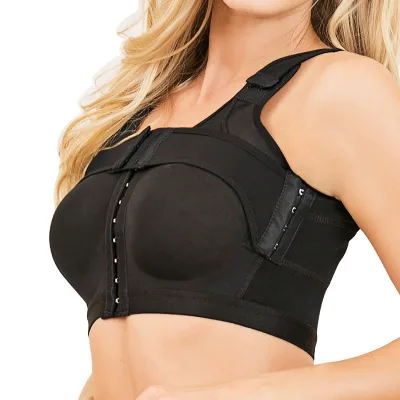
Adjustable Push up Chest Shaper Top Vest Post Surgery Compression Garment Bra with Support Band
$7.40 - $9.74
MOQ: 5 pieces

Criss-Cross Back Support Vest Push up Breast Shaper Tops Compression Post Surgery Shapewear Bra
$6.24 - $7.80
MOQ: 1 pieces

$7.40 - $9.74
MOQ: 3 pieces

Women Shaper Tops Arm Compression Post Surgery 3D Design Bra with Removable Bust Pads Shapewear Top
$7.40 - $9.74
MOQ: 3 pieces

Marigold Garment Accessories Co., Ltd.
- Trading Company
- China Guangdong
- Lead time15 days
- Avg. response≤ 11h
Main productsLace, Lace Trimming, Rhinestone Trimming, Embroidery, Patches, Elastic Trim, Brooches, Button, Rhinestone Patch, Lace Fabric
Main marketsSouth America,Africa,Southeast Asia/ Mideast,Europe,North America






Comprehensive Sourcing Guide
Push Up Bra Supplier Concentration and Factory Types
Current data indicates a concentration of manufacturing activity within China, specifically highlighting Guangdong and Fujian as key operational hubs for this category. In Guangdong, suppliers often operate as combined entities, blending trading and manufacturing capabilities to offer a diverse range of sportswear and undergarment solutions. These combined firms frequently list main products that include yoga pants, sports bras, and various athletic tops, suggesting a specialized focus on performance wear alongside traditional undergarments. The presence of multiple product lines in these regions allows for consolidated sourcing, though buyers must distinguish between pure manufacturers and trading companies that may outsource production.
In contrast, suppliers located in Fujian are identified as manufacturers, which often implies a direct control over the production line for items like bras, nipple covers, and lingerie. This distinction is critical because manufacturer-type entities may offer different advantages regarding customization and capacity compared to combined firms. While some suppliers in these regions hold verification from bodies like TÜV Rheinland or BV, others may rely on different certification standards or none at all. Buyers should not assume all suppliers in these clusters possess identical capabilities; instead, they must verify the specific company type and production scope for each potential partner to ensure alignment with their specific sourcing needs.
How to Verify Push Up Bra Suppliers
Verification is a critical step when evaluating potential partners, as the data shows varying levels of third-party validation across the supplier pool. Some suppliers have achieved verification status from recognized bodies such as TÜV Rheinland, CTI, or BV, which provides a baseline of confidence regarding their business legitimacy and operational standards. However, not every supplier in the search results displays a specific verification badge, and some may list system certifications as "NIL." Buyers must treat the absence of a visible badge as a signal to request direct proof of certification rather than assuming a lack of quality. Relying solely on platform indicators without independent confirmation can lead to sourcing from entities that have not undergone rigorous external audits.
Beyond third-party verification, buyers should scrutinize the specific product attributes and technical details provided in supplier listings to gauge manufacturing competence. For instance, detailed product specifications such as material composition (e.g., Nylon, Spandex), feature sets (e.g., moisture-wicking, flame-retardant), and production models (e.g., I20122807) serve as evidence of a supplier's ability to deliver complex items. A supplier listing comprehensive attributes like "Windbreak, Waterproof, Rip-Stop" alongside specific packing standards demonstrates a higher level of operational maturity. Buyers should request samples that match these detailed specifications to confirm that the supplier's claims regarding material quality and feature implementation are accurate before committing to a larger order.
What to Compare Across Push Up Bra Suppliers
When comparing suppliers, response time is a significant metric that varies widely, with some entities responding in under two hours while others take over twenty-four hours. A supplier with a response time of 1.81 hours may indicate a highly active sales team capable of addressing urgent inquiries, whereas a 24.11-hour response time suggests a slower communication cycle that could delay project timelines. Buyers should prioritize suppliers with faster response rates for time-sensitive projects but must also evaluate the quality of the communication to ensure it is substantive. Comparing these response metrics helps in selecting partners who can maintain the necessary pace for efficient order processing and problem resolution.
Lead times and minimum order quantities (MOQ) are equally vital factors that differ significantly between suppliers and directly impact inventory planning. Current data shows lead times ranging from 15 days for certain production runs, while MOQs can vary from 200 pieces for specialized sportswear to 3,000 pieces for standard undergarment lines. A supplier offering a 15-day lead time with a low MOQ of 200 units may be ideal for testing new designs or small-batch production, whereas a supplier requiring 3,000 units might be better suited for large-scale, established product lines. Buyers must align these operational constraints with their own production schedules and capital requirements to avoid bottlenecks or excessive inventory costs.
Common Push Up Bra Sourcing Risks
One primary risk involves the discrepancy between claimed product features and actual manufacturing capabilities, particularly regarding specialized materials and treatments. Some listings claim advanced features such as "Flame-Retardant," "Anti-UV," and "Waterproof" properties, yet these claims require rigorous testing to validate. Without independent lab reports or specific test results provided in the initial data, buyers risk receiving products that do not meet the advertised performance standards. It is essential to verify that the supplier can substantiate these technical claims through third-party testing, as the absence of such evidence leaves the buyer exposed to potential product failures or non-compliance with safety regulations in their target market.
Another significant risk relates to the variability in packaging and standardization across different suppliers. While some suppliers specify precise packing details like "1 PC in a Polybag, 60-80 PCS in a Carton," others may offer less detailed or inconsistent packaging instructions. Inconsistent packaging can lead to damage during transit, increased logistics costs, or difficulties in retail display. Furthermore, the lack of standardized production models or clear origin details for certain items can complicate customs clearance and traceability. Buyers must ensure that all packaging and labeling requirements are explicitly defined in the contract to mitigate the risk of receiving goods that do not meet their logistical or retail presentation standards.
Push Up Bra Regional Sourcing and Logistics
Sourcing from specific regions like Guangdong and Fujian offers distinct logistical advantages, yet buyers must account for the specific geographic nuances of each location. Guangdong suppliers often benefit from established export infrastructure and proximity to major ports, facilitating efficient shipping for a wide array of apparel products. However, the specific origin details, such as "Guangdong, Jiangmen, Pengjiang," indicate that even within a province, logistics can vary based on the exact factory location. Buyers should verify the precise shipping origin for each supplier to accurately calculate freight costs and transit times, as inland locations may incur additional handling fees or longer delivery windows compared to coastal manufacturing hubs.
Logistics planning must also consider the impact of regional production clusters on lead times and supply chain resilience. Suppliers in different regions may have varying access to raw materials, which can influence production speed and consistency. For example, a manufacturer in Fujian might have different supply chain dynamics compared to a combined firm in Guangdong, affecting their ability to meet tight deadlines. Buyers should assess the supplier's ability to manage these regional logistics challenges by requesting detailed shipping schedules and contingency plans. Understanding the specific logistical capabilities of each regional cluster allows buyers to build a more robust supply chain that can adapt to potential disruptions or delays.
Push Up Bra Commercial Terms and Order Planning
Commercial terms, particularly pricing and payment structures, vary significantly across the supplier pool and must be carefully evaluated against the product specifications. Price ranges observed in the data span from approximately $4.20 to $14.00 per unit, depending on the complexity of the design, material quality, and feature set. A supplier offering a basic bra at $4.20 may have different cost structures compared to one providing a high-impact sports bra with advanced features at $14.00. Buyers should not assume that lower prices equate to better value; instead, they must analyze the cost per unit in relation to the specific attributes, such as material type and customization options, to ensure they are receiving fair market value for the quality provided.
Order planning requires a clear understanding of the customization capabilities and production models offered by each supplier. Many suppliers indicate that customization is available, allowing for private labeling and specific design modifications, which is crucial for brands looking to differentiate their products. However, the extent of this customization and the associated costs must be clarified before placing an order. Buyers should also consider the production model, such as ODM or OEM, to determine the level of control they will have over the design and manufacturing process. Aligning these commercial terms with the buyer's brand strategy and production timeline ensures a smoother procurement process and a final product that meets all business objectives.
FAQs
What is the price range for push up bras?
Push up bras are available from $4.20 to $14.00 per unit. Prices vary based on features like compression, material, and customization. Basic models start around $4.20, while specialized sports bras cost up to $14.00. Buyers should check specific product listings for exact pricing details.
What is the minimum order quantity for these bras?
Minimum order quantities typically range from 200 to 3000 pieces. Sports bras often require a minimum of 200 units, while basic underwear styles may require 3000 units. Buyers should verify the specific MOQ for each product model before placing an order to ensure compliance.
How long does production take for these items?
Production lead times are generally around 15 days. This timeframe applies to standard manufacturing processes for sportswear and underwear. Buyers should confirm specific delivery schedules with suppliers, as rush orders or custom designs may require additional time for completion and quality assurance checks.
What materials are used in these push up bras?
Most push up bras are made from nylon, often blended with spandex for elasticity. Some models feature quick-drying and moisture-wicking properties. Buyers can find options with specific features like windbreak or anti-UV protection. Material choices depend on the intended use, such as sports or daily wear.
Are these suppliers verified for quality assurance?
Yes, suppliers are verified by recognized agencies like TÜV Rheinland, CTI, and BV. These certifications ensure that manufacturers meet specific quality and safety standards. Buyers can rely on these verifications to assess supplier reliability and product consistency before initiating bulk orders for push up bras.
Can I customize the bras with my own logo?
Customization is available for many Push Up Bra models. Suppliers offer OEM and ODM services, allowing buyers to add private labels or specific designs. Buyers should confirm customization options, such as logo placement and packaging, directly with the supplier to ensure their branding requirements are met.