Sports Fitness Tracker Smart Watch Suppliers and Manufacturers
Compare 26 verified suppliers offering Sports Fitness Tracker Smart Watch products with varying lead times, certifications, and MOQs. Review response times and customization options to select the right partner for your needs; review the available evidence before requesting comparable quotations from suitable candidates.
Updated
Suppliers List

Ningbo General Union Co., Ltd.
- Trading Company
- China Zhejiang
- Lead time23 days
- Avg. response≤ 12h
Main productsTable Lamp, Heat Press Machine, Home Appliance, Alarm Clock, Fans, Night Light, Solar Light, Kitchen Appliance, Pet Product, Sport Equipment
Main marketsSouth America,Eastern Europe,Mid East,North America,Southeast Asia,Eastern Asia,Oceania,Western Europe,Africa

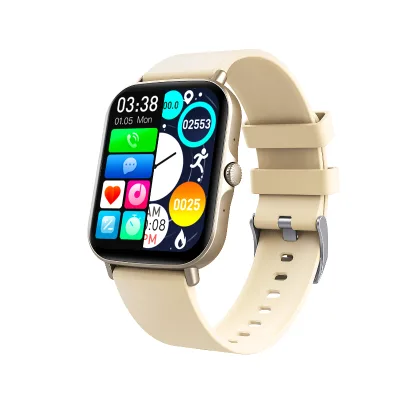
Sports Smart Watch Tracker Blood Pressure Heart Rate Monitor Smartwatch
$18.80 - $19.50
MOQ: 30 Pieces

Full Touch Fitness Tracker Android Smartwatch Heart Rate Men Sport Smart Watches
$14.91 - $15.91
MOQ: 20 Pieces

Pressure Heart Rate Oxygen Fitness Tracker ECG Sport Smart Watch Bracelet
$9.73 - $10.73
MOQ: 30 Pieces


- Verified by SGS
- Trading Company,Manufacturer/Factory,Other
- China Zhejiang
- Lead time38 days
- Avg. response≤ 15h
Main productsBath Mat, Cushion, Wooden Toys, Fitness Equipment, Cosmetic Bag, Luggage, Festival Products, Gym Items, Face Mask, Paracord Bracelet
Main marketsSouth America,Eastern Europe,Mid East,North America,Southeast Asia,Eastern Asia,Oceania,Western Europe,Africa


OEM Wireless Transmission Exercise Heart Rate Heart Rate Pedometer Monitor
$20.57 - $23.14
MOQ: 45 Pieces

Shandong Kaer Electric Co., Ltd.
- Verified by SGS
- Combined
- China Shandong
- Lead time45 days
- Avg. response≤ 2h
Main productsFixed Wireless Phone, 5g CPE, Android Video Phone, 4G CPE, Payphone
Main marketsSouth America,Southeast Asia/ Mideast,Europe,North America


GPS Tracker Smartwatch with Touch Screen Sports Monitoring Magnetic Charge
$24.20 - $28.50
MOQ: 1000 Pieces


Advanced Waterproof GPS Sports Smartwatch with Blood Pressure Monitoring
$22.50 - $27.50
MOQ: 1000 Pieces

Shenzhen Foxiyao Technology Co., Limited
- Verified by BV
- Trading Company,Manufacturer/Factory
- China Guangdong
- Lead time45 days
- Avg. response≤ 6h
Main productsLawn Mover, Pool Robot, Welding Wire
Main marketsEastern Europe,Mid East,North America,Oceania,Western Europe,Africa


Abnormal Heart Rate Alarm Real-Time and Accurate Data Tracking Smartwatch
$52.00 - $55.00
MOQ: 100 Pieces


Shenzhen Viqee Technology Co., Ltd.
- Combined
- China Guangdong
- Lead time15 days
- Avg. response≤ 12h
Main productsMobile Phone, Phone Accessories / Parts, Machines, R&D OEM /ODM, Electronics, Cellular Phone, Phone, 4G Mobile Phone, Smartphone, Smart Phone
Main marketsSouth America,Africa,Southeast Asia/ Mideast,East Asia(Japan/ South Korea),Europe,Australia,North America


Camera Video WiFi Heart Rate SIM Card Fitness Tracker Android Smart Watch
$52.00 - $55.00
MOQ: 1 Pieces

Multifunction Unisex Amoled Display Bt Call Heart Rate Fitness Sport Smartwatch
$23.00 - $25.00
MOQ: 1 Pieces
Shenzhen Kingstar Electronic Commerce Co., Ltd.
- Manufacturer, Trading Company
- Guangdong, China
- Lead time15 days
- Avg. response≤ 4h
Main productsEarphone,Personal Care,Massage Gun,Speaker,Smart Watch
Main marketsNorth America(50.00%), Northern Europe(20.00%), Eastern Europe(10.00%), Eastern Asia(10.00%), Oceania(10.00%)
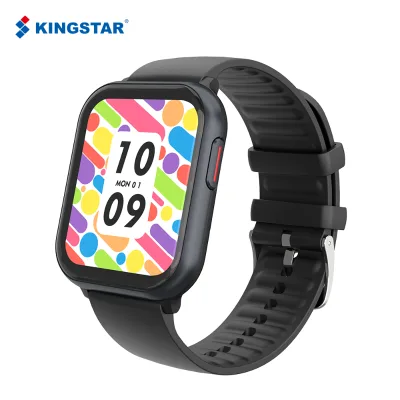
$10.7664 - $11.6901
MOQ: 2 pieces
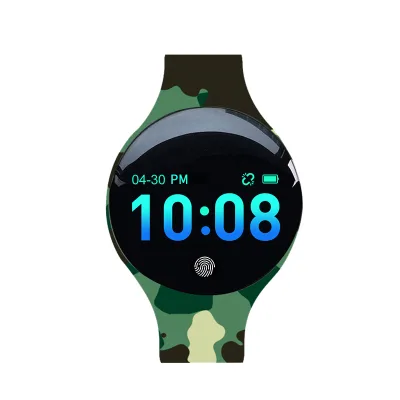
$6.0763 - $9.1407
MOQ: 1 Minimum
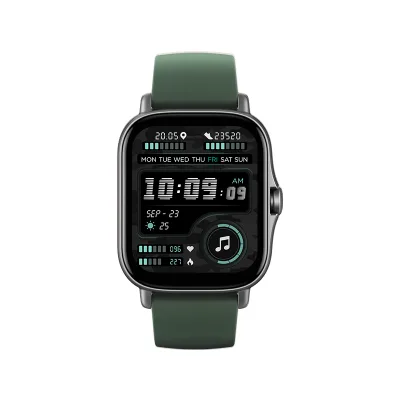
$6.0509 - $10.1512
MOQ: 50 pieces
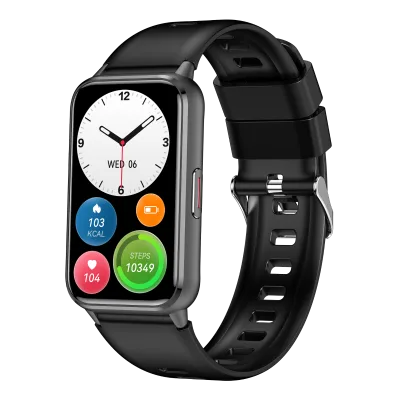
$11.3158 - $13.3757
MOQ: 2 pieces
$10.1661 - $20.5254
MOQ: 2 pieces
$10.1512 - $20.4969
MOQ: 2 pieces

Quanzhou E-Best International Trade Co., Ltd.
- Verified by BV
- Trading Company
- China Fujian
- Lead time30 days
- Avg. response≤ 4h
Main productsBluetooth Speaker, Phone Case, Power Bank, Beauty Device, Portable Projector, IP Poe Camera, Mouse, Air Fryer, Razors, Wireless Headphones
Main marketsNorth America

Smart Watch Outdoor Smart Watch New Sports Watch Heart Rate Monitoring Sports
$21.00 - $24.20
MOQ: 1000 Pieces

$23.50 - $26.40
MOQ: 1000 Pieces

Dongguan kailexin trading co., LTD
- Trading Company
- China Guangdong
- Lead time15 days
- Avg. response≤ 6h
Main productsPower Bank, Bluetooth Speaker, Bluetooth Earphone, Phone Screen Protector, Phone Case, Car Dash Cam, Smart Watch, Smart Glasses, 4G Camera, Phone Holder
Main marketsSoutheast Asia/ Mideast

Huizhou Simba Technology Co., Ltd.
- Verified by CTI
- Manufacturer/Factory
- China Guangdong
- Lead time15 days
- Avg. response≤ 7h
Main productsSmart Sweeping Robot, Ai Glasses, 4G Smart Watch, Smart Watch, Bluetooth Earphone, Charger, Cable, Bluetooth Speaker, Microphone, Air Fryer
Main marketsSouth America,Eastern Europe,Mid East,North America,Southeast Asia,Eastern Asia,Oceania,Western Europe,Africa


Smart Watch C24 Bracelet Fitness Tracker Heart Rate Monitor Activity Sport Smartwatch
$12.32 - $12.62
MOQ: 100 Pieces


Shenzhen Eriwin Technology Limited
- Verified by TüVRheinland
- Manufacturer, Trading Company
- Lead time7 days
- Avg. response≤ 4h
Main productsSmart Watch, Wireless Earphone, Smart Glasses, Smart Ring, Headphone
Main marketsNorth America(30%), South America(20%), Western Europe(15%)

Shenzhen Yangsheng Technology Co., Ltd.
- Verified by TUVRHEINLAND
- Manufacturer/Factory
- China Guangdong
- Lead time15 days
- Avg. response≤ 13h
Main productsSmart Watch, Smart Ring, Smartwatches, Watch, Ring, LED, LED Lighting, LED High Bay Light, LED Light, Solar LED Light
Main marketsSouth America,Eastern Europe,Mid East,North America,Southeast Asia,Eastern Asia,Oceania,Western Europe,Africa

Ultra Smart Watch Heart Rate Blood Oxygen Fitness Tracker Fitness Smart Watch
$8.50 - $9.60
MOQ: 100 Pieces

Bluetooth Waterproof Sport Digital Running Watches Health Tracker Heart Rate Smartwatch
$17.20 - $18.90
MOQ: 100 Pieces

Fitness Full Touch Screen Smart Watch Heart Rate Monitor Blood Pressure/Oxygen Tracker Smart Watch
$8.50 - $9.60
MOQ: 100 Pieces

Waterproof Bluetooh Fitness Tracker Heart Rate Sleep Monitor Smart Watch
$17.20 - $18.90
MOQ: 100 Pieces


Fashion Sport Smart Watch Waterproof Heart Rate Blood Oxygen Smart Watches
$1.00 - $6.70
MOQ: 1000 Pieces
Dongguan Zhiyang Electronic Technology Co., Ltd.
- Verified by SGS Group
- Trading Company
- Lead time15 days
- Avg. response≤ 2h
Main productsSmart Watch, Smart Ring, Smart Bracelet, Remote Control, Fashion Smart Watch
Main marketsEastern Europe(39%), North America(20%), Southeast Asia(10%)
Shenzhen Kingstar Industrial Co., Ltd.
- Trading Company
- Guangdong, China
- Lead time15 days
- Avg. response≤ 21h
Main productsTWS Earphone,Bluetooth Speaker,Mini Fan,Massage Gun,Smart Watches
Main marketsNorth America(44.00%), Eastern Europe(22.00%), South America(22.00%), Southeast Asia(12.00%)
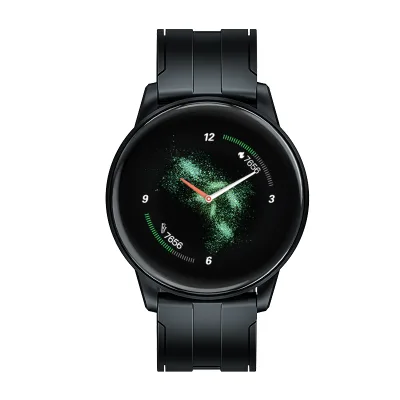
Automatic Smartwatch for Men Sports Step Counting OEM Wristband Bracelet Watch
$8.256 - $13.4206
MOQ: 1 Minimum
$6.1811 - $15.4655
MOQ: 1 Minimum
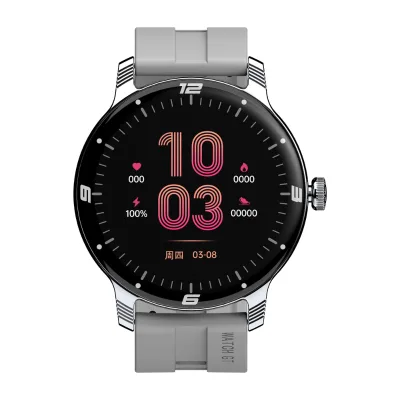
$14.3458 - $23.4804
MOQ: 2 pieces
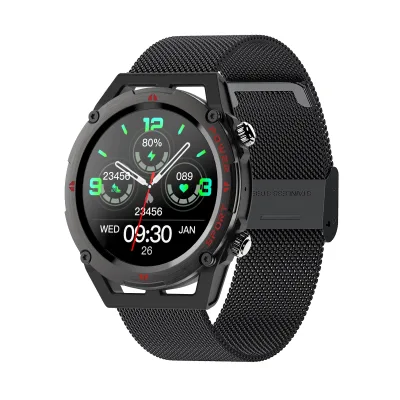
$10.229 - $20.6526
MOQ: 2 pieces
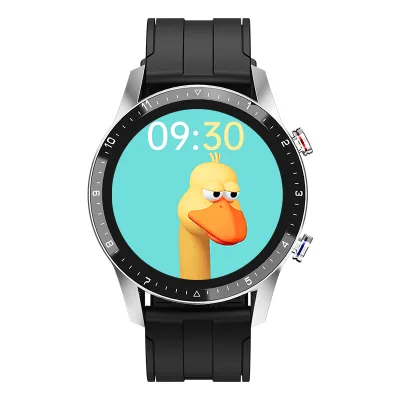
$20.4969 - $36.9025
MOQ: 1 Minimum
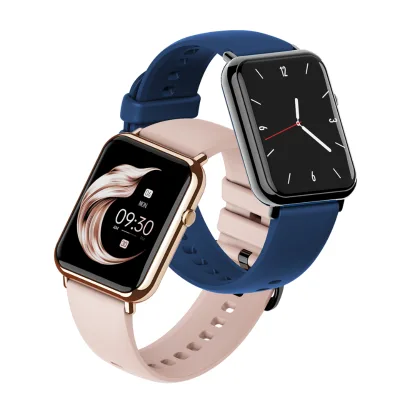
Popular 1.69 TFT Waterproof Smart Watch 2023 Bluetooth Touch Screen Fitness Tracker Smartwatches
$16.714 - $18.8802
MOQ: 2 pieces
Shenzhen Kingstar Mould Co., Ltd.
- Verified by SGS Group
- Manufacturer, Trading Company
- Lead time15 days
- Avg. response≤ 11h
Main productsPlastic Product, Wireless Speaker, Massage Gun, Wireless Earbuds, Smart Watch
Main marketsNorth America(35%), Southern Europe(30%), Domestic Market(20%)
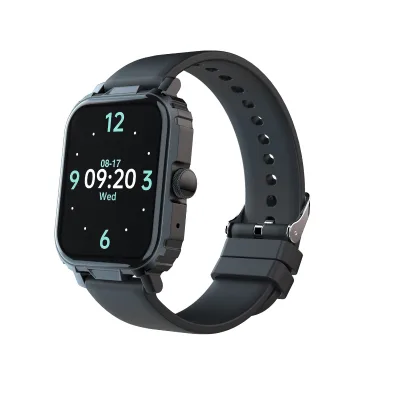
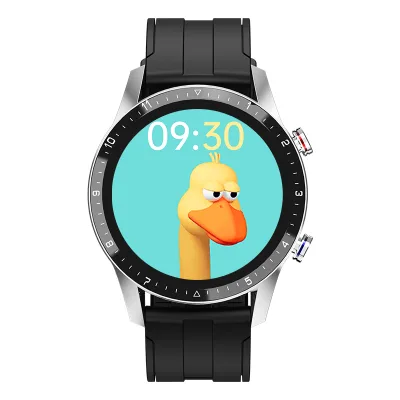
$21.1571 - $26.5373
MOQ: 2 pieces
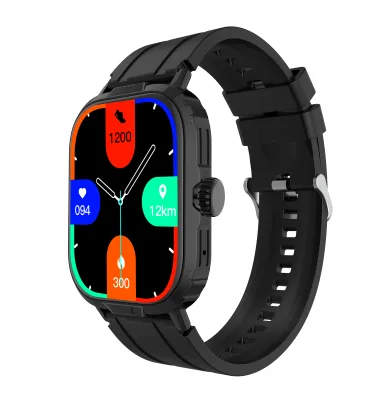
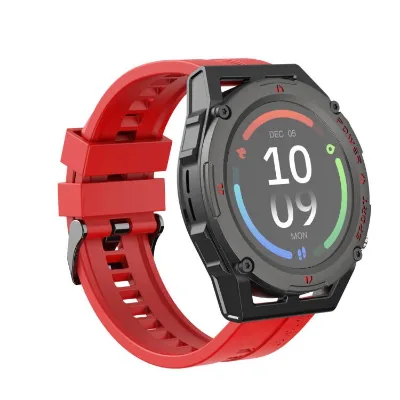
$10.1721 - $20.5388
MOQ: 2 pieces
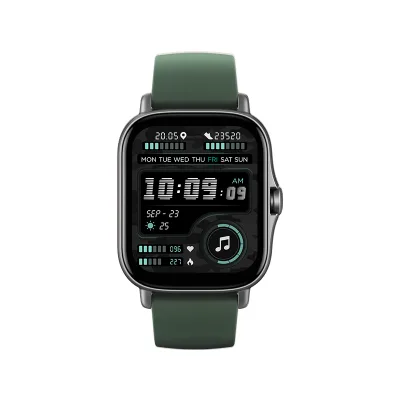
$6.0883 - $10.214
MOQ: 50 pieces
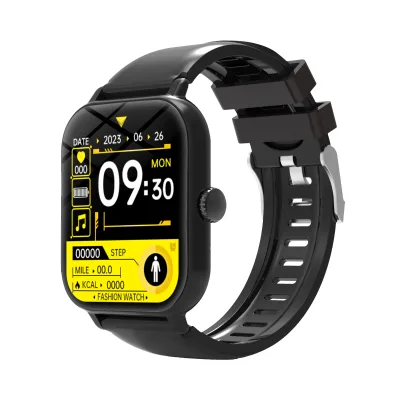

- Verified by TUVRHEINLAND
- Trading Company
- China Zhejiang
- Lead time15 days
- Avg. response≤ 8h
Main productsSport Wear, Yoga Pants, Sports Bra, Sports Cap, Waist Bag, Sports Sock, Sports Towel, Quick Dry Clothes, Yiwu Buying Agent, Sourcing Agent
Main marketsSouth America,Europe,North America


Smart Bluetooth Watch Step Counting Heart Rate Monitoring Sports Bracelet
$13.71 - $15.23
MOQ: 50 Pieces
Shenzhen Laitechuyin Technology Co.,Ltd
- Manufacturer, Trading Company
- Guangdong, China
- Lead time0 days
- Avg. response≤ 3h
Main productssmart watch,4G smart watch,wireless charger,power bank,wireless earbuds
Main marketsNorth America(20.00%), Southern Europe(10.00%), Northern Europe(10.00%), Western Europe(10.00%), Mid East(10.00%), Africa(10.00%), South Asia(10.00%), Eastern Europe(10.00%), Domestic Market(5.00%), Southeast Asia(5.00%)
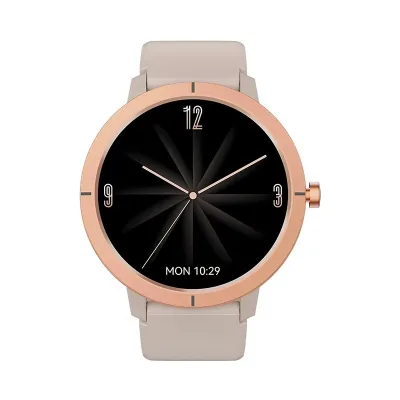
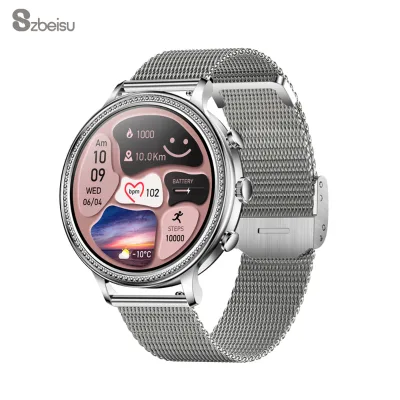
$15.8936 - $19.2769
MOQ: 1 pieces
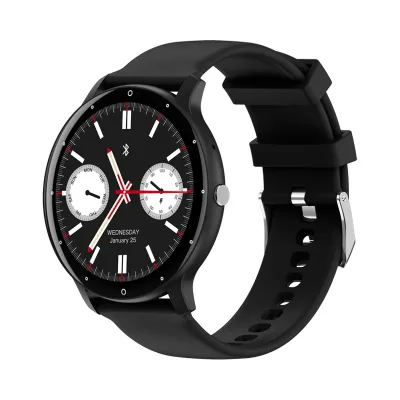
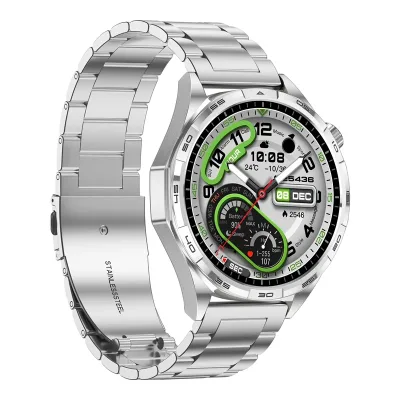
Shenzhen Domino Times Technology Co., Ltd.
- Manufacturer
- Guangdong, China
- Lead time5 days
- Avg. response≤ 5h
Main productsSmart Watches,Smart Bracelets
Main marketsSouthern Europe(18.00%), Western Europe(17.00%), North America(15.00%), South Asia(5.00%), Eastern Europe(5.00%), Northern Europe(5.00%), Central America(5.00%), South America(5.00%), Eastern Asia(5.00%), Mid East(5.00%), Oceania(5.00%), Africa(5.00%), Southeast Asia(5.00%)
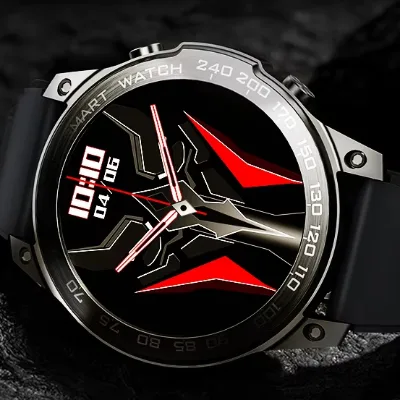
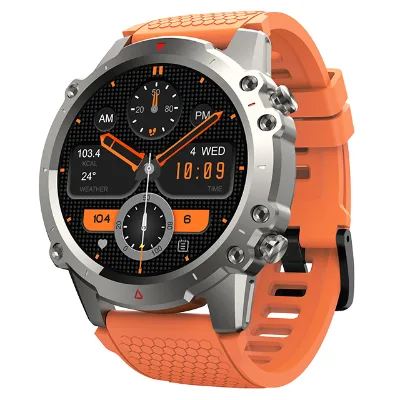
IP68 Waterproof Touch Screen Fitness Tracker Smart Watch with Heart Rate Monitor DM52
$11.8817 - $14.464
MOQ: 1 pieces
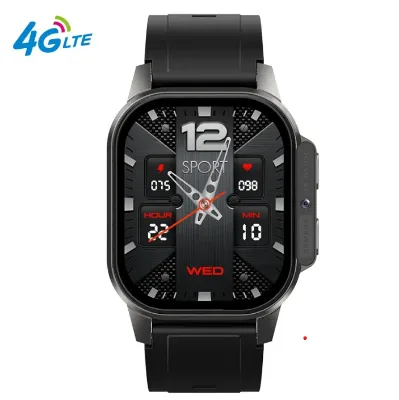
OEM Custom Touch Screen Smart Watch Sim Fitness Tracker Health Care 4g Smartwatch DM62
$40.2933 - $43.392
MOQ: 1 pieces
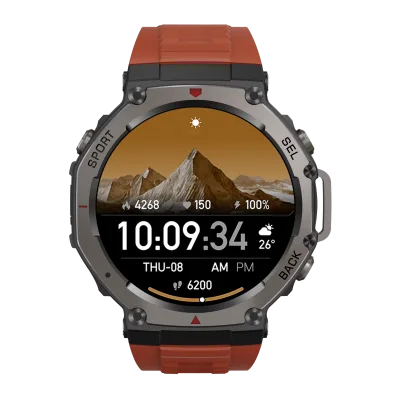
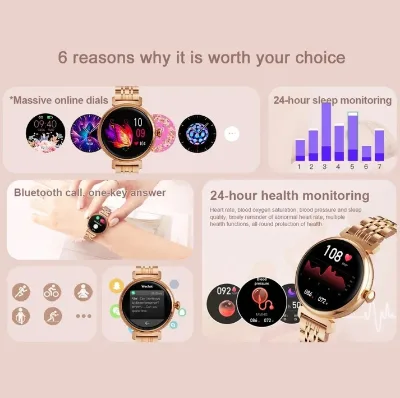
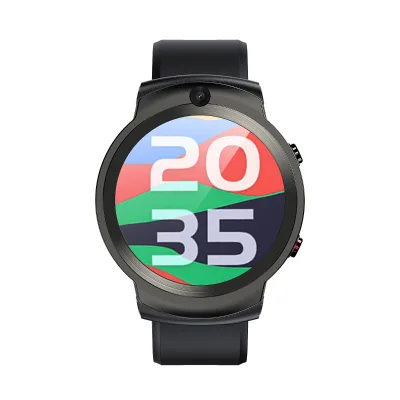
Ultra-thin Fitness Tracker Heart Rate Monitor Pedometer Waterproof Smartwatch
$92.5999 - $112.1478
MOQ: 3 Minimum

Shanghai Brother Medical Manufacturer Co., Ltd.
- Verified by CTI
- Manufacturer/Factory
- China Shanghai
- Lead time23 days
- Avg. response≤ 19h
Main productsWheelchair, Hearing Aid, Mobility Scooter, Commode Chair, Shower Chair, Crutch, Walking Stick
Main marketsSouth America,Eastern Europe,Mid East,North America,Southeast Asia,Eastern Asia,Oceania,Western Europe,Africa
Shenzhen Kyboton Technology Co., Ltd.
- Trading Company
- Guang Dong, China
- Lead time0 days
- Avg. response≤ 6h
Main productsSmart Watch,Smart Bracelet,Smartglasses
Main marketsNorth America(32.00%), Western Europe(20.00%), Southern Europe(12.00%), Eastern Asia(10.00%), Domestic Market(10.00%), Eastern Europe(8.00%), Northern Europe(8.00%)
Shenzhen Fangyixin Technology Co., Ltd.
- Verified by Intertek
- Trading Company
- Lead time3 days
- Avg. response≤ 3h
Main productsEarphones, Smart Sunglasses
Main marketsNorth America(30%), South America(25%), Eastern Europe(12%)

Guangxi Bonlala Intelligent Technology Co., Ltd.
- Manufacturer, Trading Company
- Guangxi, China
- Lead time10 days
- Avg. response≤ 4h
Main productssmart ring,smart watch,Stopwatch,Pedometer,Pilgrimage watches
Main marketsCentral America(100.00%), Eastern Asia(100.00%), South America(100.00%), South Asia(100.00%), North America(37.00%), Western Europe(32.00%), Oceania(15.00%), Domestic Market(5.00%), Mid East(4.00%), Southeast Asia(3.00%), Eastern Europe(1.00%), Africa(1.00%), Southern Europe(1.00%), Northern Europe(1.00%)
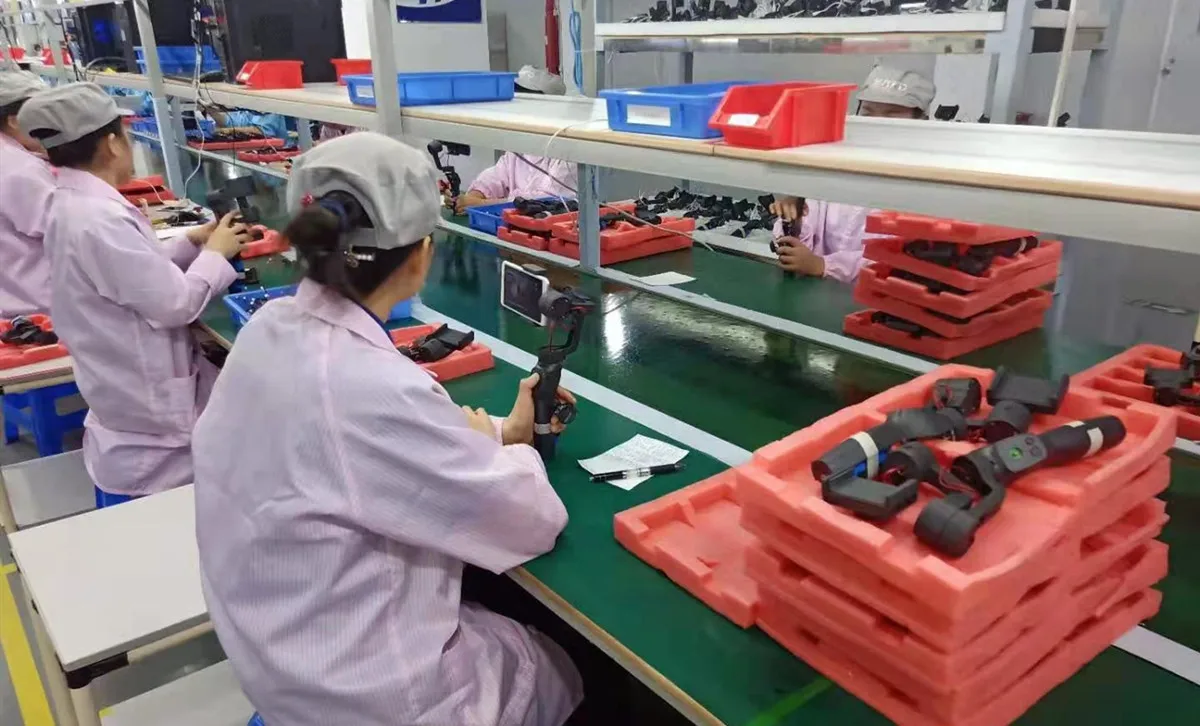
- Manufacturer, Trading Company, Distributor/Wholesaler
- Guangdong, China
- Lead time15 days
- Avg. response≤ 2h
Main productssmart watch,Phone Stabilizer,Smart wear,BT Earphone
Main marketsNorth America(35.00%), South America(18.00%), Central America(12.00%), Western Europe(10.00%), Southern Europe(7.00%), Africa(6.00%), Northern Europe(6.00%), Eastern Europe(3.00%), Southeast Asia(3.00%)
Shenzhen Do Intelligent Technology Co., Ltd.
- Verified by SGS Group
- Manufacturer, Trading Company
- Lead time7 days
- Avg. response≤ 3h
Main productsGPS Smart Watch, Kids Smart Watch, Outdoor Smart Watch, Female Smart Watch, AMOLED Smart Watch
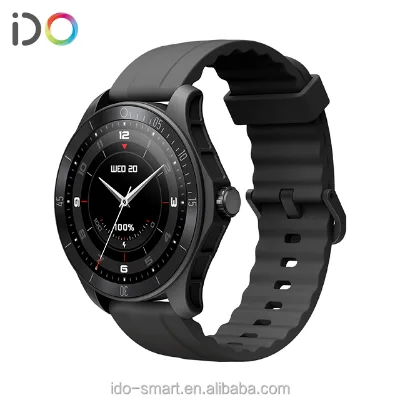
$15.4655 - $17.0119
MOQ: 20 pieces
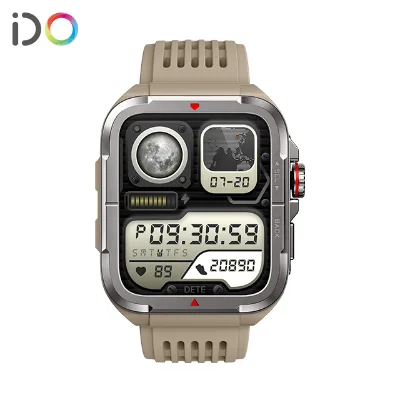
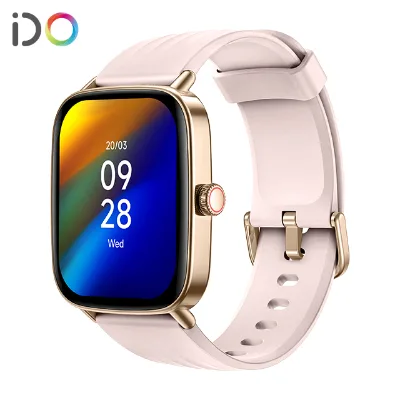
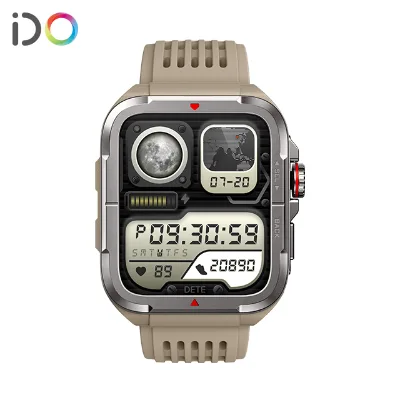
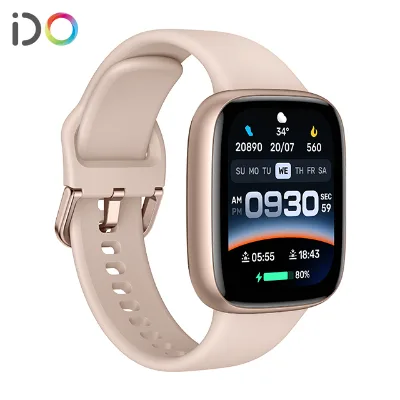
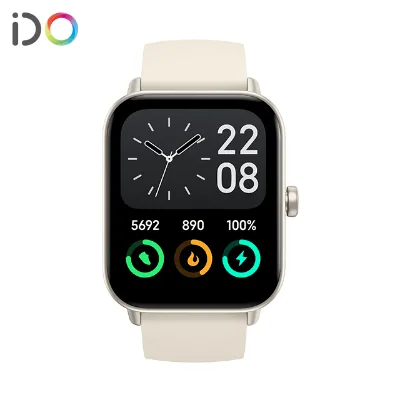
$14.9505 - $15.982
MOQ: 20 pieces

Shenzhen Azhuo Digital Technology Limited
- Manufacturer, Distributor/Wholesaler
- Guangdong, China
- Lead time2 days
- Avg. response≤ 2h
Main productsSmart Watch,Smart Bracelet,Smart Ring,Smart Glasses,Kids Camera
Main marketsSouthern Europe(22.03%), North America(21.86%), Western Europe(19.31%), Eastern Europe(19.04%), Southeast Asia(7.90%), Oceania(2.70%), Northern Europe(1.72%), Africa(1.62%), South America(1.20%), Eastern Asia(1.10%), Domestic Market(1.00%), Central America(0.50%), Mid East(0.01%), South Asia(0.01%)

YUOKO ELECTRONICS CO., LIMITED
- Verified by SGS
- Manufacturer/Factory
- China Guangdong
- Lead time23 days
- Avg. response≤ 25h
Main productsMobile Phone Accessories, Cell Phone Batteries, Pd Fast Charger, Energy Battery & BMS, Wall Charger Power Bank, Bt Mini Speaker, Interlligent Battery Equalizer, Interlligent Battery Equirement, Energy Storage Battery, electronic Vehiche Charger
Main marketsSouth America,Eastern Europe,Mid East,North America,Southeast Asia,Eastern Asia,Oceania,Western Europe,Africa
Shenzhen Colmi Technology Co., Ltd.
- Verified by SGS Group
- Trading Company
- Lead time7 days
- Avg. response≤ 5h
Main productsSmart Watch, Smart Ring, Smart Glasses, Watch Strap
Main marketsEastern Europe(15%), Western Europe(15%), South America(10%)


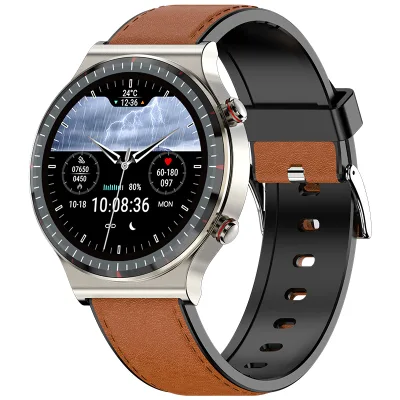




Comprehensive Sourcing Guide
Sports Fitness Tracker Smart Watch Supplier Concentration and Factory Types
The current supplier landscape for sports fitness tracker smart watches reveals a diverse mix of manufacturing capabilities and business models, primarily concentrated in specific Chinese provinces. Evidence indicates that suppliers are located in regions such as Zhejiang and Shandong, which are known for their robust electronics and hardware manufacturing ecosystems. In Zhejiang, the supply base includes trading companies that facilitate access to a wide array of products, including table lamps, home appliances, and consumer electronics like smart watches. These entities often serve as intermediaries, connecting buyers with various factories while offering consolidated sourcing options. The presence of trading companies suggests that buyers may encounter suppliers who do not own the production lines directly but manage the quality control, logistics, and customer service aspects of the order. This model can be advantageous for buyers seeking a single point of contact for multiple product types or those who prefer to outsource the complexities of direct factory negotiation.
In contrast, other suppliers in the dataset are identified as combined entities or manufacturers with their own brands, such as those in Shandong focusing on fixed wireless phones and video phones, which may also produce smart watches. These manufacturers often possess more direct control over the production process, allowing for greater customization and potentially faster iteration on product designs. The distinction between trading companies and manufacturers is critical for buyers, as it impacts lead times, communication efficiency, and the ability to implement specific quality standards. While trading companies offer flexibility and a broader product range, manufacturers may provide deeper technical support and more transparent production visibility. Buyers must carefully assess the supplier type to align with their specific sourcing strategy, whether they prioritize product variety and ease of transaction or direct manufacturing control and customization depth. Understanding this concentration and factory type distribution helps buyers navigate the market more effectively, ensuring they engage with suppliers whose operational model matches their procurement needs.
How to Verify Sports Fitness Tracker Smart Watch Suppliers
Verifying the credibility and capabilities of Sports Fitness Tracker Smart Watch suppliers requires a multi-layered approach that goes beyond surface-level claims. One of the primary methods is to check for third-party verification badges, such as SGS, which indicate that an independent agency has audited the supplier’s operations. In the current results, some suppliers display SGS verification, providing a baseline level of trust regarding their business legitimacy and operational standards. Additionally, buyers should scrutinize the system certifications held by the supplier, such as ISO 9001, ISO 14001, BSCI, and others. These certifications demonstrate adherence to international standards for quality management, environmental responsibility, and social compliance. For instance, suppliers with ISO 9001 certification are expected to have consistent quality control processes, which is crucial for electronic devices like smart watches where reliability is paramount. Buyers should request copies of these certificates and verify their validity through the issuing bodies to ensure they are current and not expired.
Beyond certifications, buyers must evaluate the supplier’s response time and communication efficiency, as these factors are indicative of their operational maturity and customer service quality. The data shows response times ranging from approximately 1.43 to 14.49 hours, with some suppliers responding significantly faster than others. A quicker response time often correlates with a more organized internal team and a higher likelihood of resolving issues promptly during the production and shipping phases. Furthermore, buyers should assess the supplier’s capacity for customization, including OEM, ODM, and own brand services. Suppliers that explicitly state customization is available and offer specific product models, such as wt-9 or SK-16, demonstrate a structured approach to product development. Buyers should also verify the supplier’s ability to provide product-specific certifications, such as CE, RoHS, and FCC, which are essential for market entry in many regions. By combining verification of business credentials, operational metrics, and product-specific compliance, buyers can build a comprehensive profile of each supplier’s reliability and suitability for their sourcing needs.
What to Compare Across Sports Fitness Tracker Smart Watch Suppliers
When evaluating multiple suppliers for sports fitness tracker smart watches, buyers must systematically compare key operational and commercial metrics to identify the most suitable partner. One critical dimension is the minimum order quantity (MOQ), which varies significantly across suppliers. For example, some suppliers offer an MOQ of 5 pieces, making them ideal for small-scale testing or niche markets, while others require 30, 45, or even 70 pieces, which may be more suitable for larger volume orders. Buyers should align their MOQ requirements with their inventory strategy and cash flow constraints to avoid overstocking or underutilizing supplier capacity. Another important factor is the lead time, which indicates how long it takes from order placement to shipment. The observed lead times range from 23 to 45 days, with some suppliers offering faster turnaround times. A shorter lead time can be crucial for responding to market trends or fulfilling urgent orders, but buyers must balance this with the supplier’s ability to maintain quality and consistency during accelerated production cycles.
Price and payment terms are also essential comparison points, as they directly impact the total cost of ownership. The price range for smart watches in the current results spans from approximately $9.73 to $23.84, depending on features, display type, and customization options. Buyers should not solely focus on the lowest price but should consider the value proposition, including product quality, certification coverage, and after-sales support. Payment terms, such as T/T (Telegraphic Transfer), are common, and buyers should negotiate terms that protect their interests, such as partial payments upon order confirmation and the remainder upon shipment. Additionally, buyers should compare the supplier’s main products and expertise to ensure they have relevant experience in the smart watch category. Suppliers with a strong focus on consumer electronics and wearable devices may offer better technical support and product innovation compared to those with a broader, less specialized product range. By systematically comparing MOQ, lead time, price, payment terms, and product expertise, buyers can make informed decisions that optimize their sourcing outcomes.
Common Sports Fitness Tracker Smart Watch Sourcing Risks
Sourcing sports fitness tracker smart watches from international suppliers involves several inherent risks that buyers must proactively manage to ensure a smooth procurement process. One significant risk is the variability in product quality and compliance, particularly regarding electronic components and battery safety. Smart watches contain complex circuitry and lithium-ion batteries, which must meet strict safety standards to prevent overheating or malfunction. Buyers must ensure that suppliers provide valid test reports and certifications, such as CE, RoHS, and FCC, for each product model. Without these documents, buyers risk facing customs delays, product recalls, or legal liabilities in their target markets. Additionally, the risk of intellectual property infringement exists, especially when dealing with suppliers who offer OEM services. Buyers should verify that the supplier has the legal right to produce the requested designs and that the products do not infringe on existing patents or trademarks. This due diligence is crucial to protect the buyer’s brand reputation and avoid costly legal disputes.
Another common risk is the discrepancy between the sample and the bulk production, which can lead to customer dissatisfaction and returns. Suppliers may use lower-quality materials or components in bulk orders to reduce costs, resulting in products that do not meet the expected standards. To mitigate this risk, buyers should implement a rigorous quality control process, including pre-shipment inspections and third-party testing. Furthermore, communication barriers and cultural differences can lead to misunderstandings regarding product specifications, packaging requirements, and shipping instructions. Buyers should establish clear and detailed communication channels, using written confirmations for all critical details to avoid ambiguity. The risk of supply chain disruptions, such as delays in raw material availability or production bottlenecks, is also prevalent. Buyers should maintain open dialogue with suppliers regarding production schedules and have contingency plans in place, such as identifying alternative suppliers or adjusting order quantities. By anticipating and addressing these risks through thorough verification, clear communication, and robust quality control, buyers can minimize potential losses and ensure a successful sourcing experience.
Sports Fitness Tracker Smart Watch Regional Sourcing and Logistics
The regional location of suppliers plays a crucial role in determining logistics efficiency, shipping costs, and overall supply chain resilience for sports fitness tracker smart watches. The current supplier results indicate a concentration of manufacturers and trading companies in China, specifically in provinces like Zhejiang and Shandong. Zhejiang is a major hub for consumer electronics and light industrial products, offering a well-developed infrastructure for manufacturing and export. Suppliers in this region often benefit from proximity to major ports, such as Ningbo, which facilitates efficient sea freight operations. The use of Ningbo Port as a standard FOB (Free on Board) location for many suppliers suggests that buyers can leverage established shipping routes and competitive freight rates. Understanding the geographic location of suppliers allows buyers to estimate transit times more accurately and plan their inventory replenishment cycles accordingly. For instance, shipments from Zhejiang to major markets in North America or Europe typically follow well-trodden maritime paths, ensuring reliable delivery schedules.
In addition to Zhejiang, suppliers in Shandong, another significant manufacturing province, offer access to a different set of logistical advantages. Shandong is known for its heavy industry and electronics manufacturing, with access to ports like Qingdao. Buyers sourcing from Shandong-based suppliers may experience slightly different transit times and costs compared to those from Zhejiang, depending on the final destination. The choice of shipping method, whether sea freight, air freight, or express courier, will also impact the overall logistics strategy. Sea freight is cost-effective for large volumes but has longer lead times, while air freight is faster but more expensive. Buyers should consider the weight and volume of the smart watches, as well as the urgency of the order, when selecting the appropriate shipping method. Additionally, buyers must account for customs clearance procedures and import duties in their destination country, which can vary significantly based on the product classification and trade agreements. By understanding the regional sourcing landscape and logistical implications, buyers can optimize their supply chain for cost, speed, and reliability, ensuring that their sports fitness tracker smart watches reach the market efficiently.
Sports Fitness Tracker Smart Watch Commercial Terms and Order Planning
Effective order planning and negotiation of commercial terms are essential for managing the procurement of sports fitness tracker smart watches and ensuring a profitable sourcing operation. Buyers must carefully review the payment terms offered by suppliers, with T/T (Telegraphic Transfer) being a common method. It is advisable to negotiate a payment structure that includes an initial deposit upon order confirmation and the balance paid upon shipment or against a copy of the bill of lading. This approach helps mitigate financial risk by ensuring that the supplier has a stake in fulfilling the order while protecting the buyer from paying for undelivered goods. Additionally, buyers should clarify the Incoterms, such as FOB Ningbo Port, to understand their responsibilities for shipping, insurance, and customs clearance. Clear Incoterms prevent unexpected costs and disputes regarding liability during transit. Buyers should also consider using escrow services or secure payment platforms if available, as these provide an additional layer of protection by holding funds until the buyer confirms receipt and satisfaction with the goods.
Order planning should also account for the supplier’s production capacity and lead times to avoid stockouts or excess inventory. The observed lead times of 23 to 45 days require buyers to plan their orders well in advance, especially during peak seasons or when dealing with customized products. Buyers should establish a consistent ordering schedule and maintain open communication with suppliers regarding production updates and potential delays. Furthermore, buyers should negotiate favorable terms for returns, warranties, and after-sales support, as these are critical for maintaining customer satisfaction in the competitive smart watch market. Suppliers that offer customization services, such as logo printing or packaging design, should provide clear guidelines and additional costs for these services to avoid surprises. By meticulously planning orders, negotiating robust commercial terms, and maintaining strong supplier relationships, buyers can optimize their sourcing strategy, reduce risks, and enhance the overall profitability of their Sports Fitness Tracker Smart Watch business.
FAQs
What is the typical lead time for smart watch orders?
Manufacturers in China Zhejiang typically require 23 days to fulfill orders, while suppliers in Shandong may need up to 38 days. These timeframes reflect standard production cycles for customized fitness trackers and smartwatches. Buyers should confirm exact schedules with their chosen supplier before finalizing purchase agreements.
What are the minimum order quantities for smart watches?
Minimum order quantities vary significantly by supplier and product model. Some manufacturers accept orders as low as 5 pieces, while others require 30 or 70 units. Buyers should verify the specific MOQ for their desired model, as requirements depend on customization levels and production capacity constraints.
What certifications do these smart watches carry?
Many suppliers hold ISO 9001, ISO 14001, and BSCI certifications. Product-specific certifications often include CE, RoHS, and FCC marks. These credentials ensure compliance with international safety and environmental standards. Buyers should request valid certificates to verify that products meet their target market regulations.
What is the price range for fitness tracker smart watches?
Prices generally range from approximately $9.73 to $23.84 per unit. Costs depend on features like GPS, heart rate monitoring, and display type. Buyers can find options starting around $14.91 for basic models. Pricing is usually quoted on an FOB Ningbo Port basis.
Can I customize the logo and packaging for my order?
Yes, most suppliers offer customization for logos, colors, and packaging. OEM and ODM services are widely available for smart watches and fitness trackers. Buyers can request custom gift boxes or standard carton packing. These options allow brands to tailor products to their specific market requirements.
How quickly do suppliers typically respond to inquiries?
Response times vary, with some suppliers replying within 1.43 hours and others taking up to 14.49 hours. Faster response rates often indicate higher operational efficiency. Buyers should prioritize suppliers with quick reply times to ensure smooth communication throughout the sourcing and production process.