Plus Size Workout Waist Trainer Suppliers and Manufacturers
Explore 31 verified suppliers offering Plus Size Workout Waist Trainer options with varying lead times, MOQs, and certifications. Compare response times, locations, and product specs to find the right partner for your needs; review the available evidence before requesting comparable quotations from suitable candidates.
Suppliers List
- Trading Company
- Lead time旺季: "1 - 50":20,"> 50":"To be negotiated", 淡季: "1 - 50":20,"> 50":"To be negotiated"
- Avg. response≤ 2h
Main productsPilates Reformers, Treadmill, Exercise Bike, Dumbbell, Massage Guns

- Trading Company
- Jiangxi, China
- Lead time15 days
- Avg. response≤ 1h
Main productsunderwear,shapewear
Main marketsNorth America(50.00%), Eastern Europe(20.00%), South Asia(10.00%), Western Europe(10.00%), Southeast Asia(10.00%)
Hebei Kang Sheng Yuan Sports Goods Co., Ltd.
- Verified by SGS Group
- Manufacturer, Trading Company
- Lead time5 days
- Avg. response≤ 3h
Main productsWaist Support; Back Posture Corrector; Knee Brace; Body Shaper Corset; Hip Resistance Bands
Main marketsNorth America(30%), Domestic Market(30%), Western Europe(15%)

Shenzhen Yilairuika Medical Technology Co., Ltd.
- Verified by TUVRHEINLAND
- Combined
- China Guangdong
- Lead time15 days
- Avg. response≤ 3h
Main productsWomen Compression Faja, Post Surgery Shapewear, Men Shapewear
Main marketsAfrica,North America

$6.50 - $7.26
MOQ: 1 pieces


Waist Trainer Body Slimming Briefs High Waist Tummy Control Shaper Panties
$6.00 - $7.50
MOQ: 1 pieces


$10.84 - $13.69
MOQ: 1 pieces
Foshan Nanhai Aimi Clothing Co., Ltd.
- Manufacturer, Trading Company
- Guangdong, China
- Lead time0 days
- Avg. response≤ 2h
Main productsShapewear,Waist Trainer Belt,Waist Trainer Vest,Casual Wear,Sport Wear
Main marketsNorth America(40.00%), Africa(10.00%), Southeast Asia(10.00%), Eastern Europe(10.00%), South America(10.00%), Western Europe(8.00%), Mid East(5.00%), Southern Europe(2.00%), Northern Europe(2.00%), Central America(2.00%), Eastern Asia(1.00%)
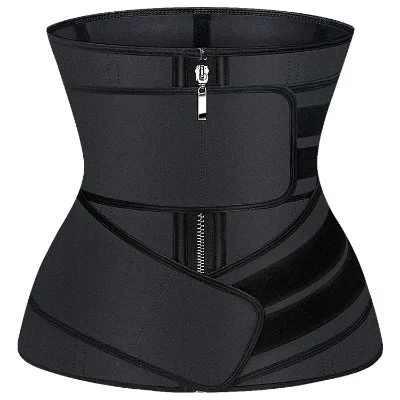
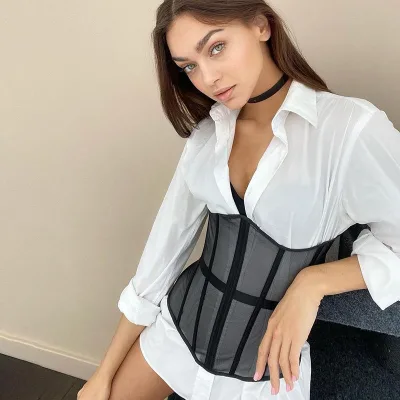
New Waist Trainer Designed Women Fitness Sliming Belt Belly Corset Waist Trainers Shaper for Women
$6.80 - $7.89
MOQ: 2 pairs
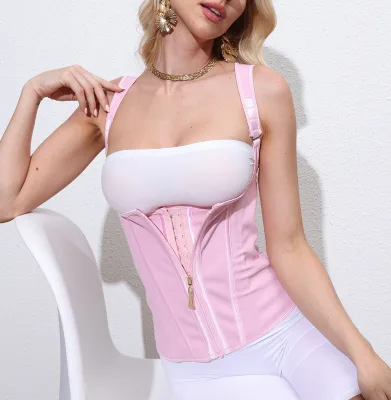

Handan Wuxin Medical Devices Co., Ltd.
- Verified by TUVRHEINLAND
- Trading Company
- China Fujian
- Lead time15 days
- Avg. response≤ 2h
Main productsKnee Brace, Back Brace, Neck Brace, Waist Trainer, Body Shaper, Sportswear, Posture Corrector, Sexy Lingerie, Orthopedic Products, Gym Equipment
Main marketsEurope


$8.50 - $9.50
MOQ: 50 Pieces

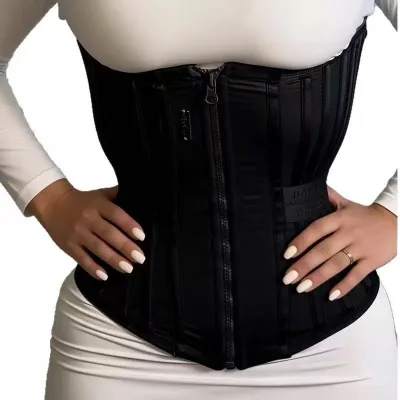
Slimming Abdomen Trainer Double Pull Women Corset Neoprene Waist Trainer with Zipper
$6.50 - $7.90
MOQ: 100 Pieces

$4.00 - $4.30
MOQ: 100 Pieces

Foshan Chenlin Clothing Co., Ltd.
- Manufacturer, Trading Company, Distributor/Wholesaler
- Guangdong, China
- Lead time10 days
- Avg. response≤ 2h
Main productsWaist trainer,Shapewear,Corset,Lingerie,Underwear
Main marketsSouth America(50.00%), Western Europe(30.00%), Africa(20.00%)

PUYANG SELFAIDING INDUSTRIAL CO., LTD.
- Verified by SGS
- Manufacturer
- China Henan
- Lead time15 days
- Avg. response≤ 4h
Main productsAdult Bib, Pet Pad, Underpad, Baby Bib, Protective Panties, Washable Sanitary Pad, Compression Stockings, Patient Care Clothing, Pet Nest, Pet Toy

Xiamen Pop Gloria International Trade Co., Ltd.
- Verified by BV
- Combined
- China Fujian
- Lead time15 days
- Avg. response≤ 11h
Main productsUnderwear, Sexy Lingerier, Period Underwear, Pregnancy Underwear, Comfortable Bra, Fashion Underwear, Fashion Bra Set, Sexy String, Nursing Bra, Sexy Bra
Main marketsSoutheast Asia/ Mideast,Europe

OEM Plus Size Butt Lifter Body Shapewear Bum Lift Waist Trainer Pantys Enhancer Shorts Booster
$10.79 - $10.99
MOQ: 10 Sets


OEM Factory Direct Sale Women Size Waist Trainer Corset Slimmer Body Shapewear
$10.79 - $10.99
MOQ: 10 Sets

$10.79 - $10.99
MOQ: 10 Sets

Factory OEM Private Label Neoprene Custom Belt Waist Trainers Shaper for Ladies
$10.79 - $10.99
MOQ: 10 Sets
Shijiazhuang Aofeite Imp & Exp Co., Ltd.
- Verified by SGS Group
- Manufacturer, Trading Company
- Lead time10 days
- Avg. response≤ 2h
Main productsKnee Brace, Lumbar Support Belt
Main marketsNorth America(25%), Western Europe(20%), Eastern Europe(13%)

Discount Biotechnology (Chengdu) Co., Ltd.
- Verified by SGS
- Trading Company
- China Sichuan
- Lead time23 days
- Avg. response≤ 6h
Main productsHealth Supplement, Energy Supplement, Honey Supplement, Functional Gummy, Energy Drink, Sports Supplement, Energy Pouches Customization, Diabetic Supplement, Feminine Health, OEM Oral Strips
Main marketsSouth America,Eastern Europe,Mid East,North America,Southeast Asia,Western Europe,Africa

GUANGXI BEILIU MORNING TEXTILE CO.,LTD
- Verified by TUVRHEINLAND
- Manufacturer
- China Guangxi
- Lead time15 days
- Avg. response≤ 3h
Main productsShapewear, Underwear, Body Wear, Women's Underwear, Kid's Underwear, Pajamas, Bra, Bras


$2.44 - $2.50
MOQ: 3000 Pieces
Kingdom Smart International Ltd.
- Verified by SGS Group
- Trading Company
- Lead time5 days
- Avg. response≤ 2h
Main productsColombianas Shapewear, Waist Trainer, BBL Pillow, AB board, BBL Bed
Main marketsNorth America(90%), South America(5%), Western Europe(2%)

Dongguan Senfeng Trading Co., Ltd.
- Verified by TUVRHEINLAND
- Trading Company
- China Guangdong
- Lead time15 days
- Avg. response≤ 1h
Main productsWomen's Underwear, Women's Shapewear, Women's Bra, Women's Panties, Women's Belt, Women's Clothes, Men's Briefs, Women's Bodysuit
Main marketsOthers(foreignTradeCapacity.exportBusinessCapacityMarketOther)


Waist Trainer Body Shapewear Women Tummy Slimming Sheath Woman Flat Belly Girdle
$4.06
MOQ: 100 Pieces


Guangzhou Chaorong Clothing Co., Ltd.
- Manufacturer, Trading Company, Distributor/Wholesaler
- Guangdong, China
- Lead time3 days
- Avg. response≤ 2h
Main productsfajas,waist trainer,corset,yoga,underwear
Main marketsNorth America(50.00%), Eastern Europe(30.00%), Western Europe(5.00%), Domestic Market(5.00%), South America(5.00%), Oceania(3.00%), Southeast Asia(2.00%)

Ningbo Mingni Import And Export Co., Ltd.
- Verified by SGS
- Manufacturer/Factory
- China Zhejiang
- Lead time23 days
- Avg. response≤ 3h
Main productsWindow Handle, Door Handle, Hinge, Gas Cooker Knob, Oven Knob, Name Plate, Cabinet Handle, Bathroom Hardware, Auto Parts
Main marketsSouth America,Eastern Europe,North America,Western Europe

Yoga Belt Waist Trainer Body Custom Logo Belt Corset Women Shaper Waist Trainer Women
$4.50 - $5.50
MOQ: 100 Pieces


Yiwu Wanshian Trading Co., Ltd.
- Verified by SGS
- Trading Company
- China Zhejiang
- Lead time15 days
- Avg. response≤ 1h
Main productsSports Bra, Men Clothing, Women Clothing, Yoga Leggings, Yoga Shorts, Scarf, Yoga Bodysuits, Fashion Belt, Thermal Socks, Apron
Main marketsEast Asia(Japan/ South Korea),Europe,Australia,North America


Waist Trainer Women Abdominal Belt Trimmer Slimming Support Sport Girdle Belt Body Shaper
$2.10 - $2.60
MOQ: 2 Pieces

Dongguan Tana Sports Technology Co. Ltd
- Verified by SGS
- Manufacturer
- China Guangdong
- Lead time15 days
- Avg. response≤ 13h
Main productsSport Armband, Waist Bag, Back Posture, Waist Trimmer, Outddoor Sports Accessories
Main marketsEurope,North America


New Style Waist Trimmer Neoprene Support Belt Wrap Waist Slimming Body Shaper
$2.80 - $3.20
MOQ: 500 Sets


Shijiazhuang Aofeite Imp & Exp Co., Ltd.
- Manufacturer, Trading Company
- Lead time旺季: "1 - 100":7,"> 100":"To be negotiated", 淡季: "1 - 100":7,"> 100":"To be negotiated"
- Avg. response≤ 2h
Main productsBack support belt, Lumbar Support Belt, Knee pads, Ankle brace, Wrist guard

FUZHOU SHOO-IN IMP & EXP CO., LTD.
- Verified by SGS
- Trading Company
- China Fujian
- Lead time15 days
- Avg. response≤ 6h
Main productsSports Wear, Promotional Gift, Lanyards, Badges, Caps, Sports Training Products, Sports Balls, Tennis Accessories, Golf Accessories, Pet Products
Main marketsEast Asia(Japan/ South Korea),North America

Custom Logo Men's Sports Belt Waistband Waist Trainer Girdle Body Shaper
$4.85 - $6.85
MOQ: 100 Pieces

Waist Trainer Corset Trimmer Belt Slimming Body Shaper Sports Girdle, Waist Shaper
$3.60 - $4.50
MOQ: 100 Pieces
Nantong Get Power Fitness Equipment Co., Ltd.
- Verified by TüVRheinland
- Trading Company
- Lead time30 days
- Avg. response≤ 2h
Main productsDumbbell, Barbell, Weight Plate, Power Rack, Bench
Main marketsNorthern Europe(40%), North America(20%), Southeast Asia(20%)

Dongguan Prosperity Sports Goods Co., Ltd.
- Verified by SGS
- Trading Company,Manufacturer/Factory
- China Guangdong
- Lead time23 days
- Avg. response≤ 3h
Main productsEVA Case, EVA Tool Bag, EVA Pouch, Neoprene Can Cooler, Knee Support, Laptop Bag, Neoprene Lunch Bag, Neoprene Beer Cooler, Ankle Support, Waterproof Dry Bag
Main marketsSouth America,Eastern Europe,Mid East,North America,Southeast Asia,Eastern Asia,Oceania,Western Europe,Africa

Printing Logo Private Label Women Slimming Workout Compression Double Belt Neoprene Waist Trainer
$2.00 - $5.00
MOQ: 500 Pieces

$2.00 - $7.00
MOQ: 500 Pieces

$3.80 - $6.80
MOQ: 500 Pieces

$2.50 - $5.80
MOQ: 500 Pieces

Hot Sell Fitness Waist Trainer Slimming Belt Women Hip Leg Arm Shaper Neoprene Butt Lifter
$3.80 - $6.80
MOQ: 500 Pieces

$3.80 - $6.80
MOQ: 500 Pieces

Jinjiang Naike Eco Technology Co., Ltd.
- Verified by SGS
- Trading Company
- China Fujian
- Lead time30 days
- Avg. response≤ 2h
Main productsKeychain, Promotional Gifts, Shoes Charm, Straw Toppers, Pencil Toppers, Christmas Decoration, Party Decoration, Toy, Metal Craft, Silicone Products
Main marketsEurope,North America

Wholesale Women Trimmer Belts Tummy Control Girdle Lose Belly Slimming Belt Shaper Waist Trainer
$2.54 - $3.25
MOQ: 200 Pieces

Custom Logo Tummy Control Women Adjustable Waist Wrap Waist Trainer Slimming Belt
$2.81 - $2.89
MOQ: 300 Pieces

Hot Sale Custom Logo Compression Elasticity Waist Trainer Workout Back Support Waist Trimmer Belt
$5.71 - $5.79
MOQ: 100 Pieces

Hebei Topon Technology Co., Ltd.
- Trading Company
- Hebei, China
- Lead time0 days
- Avg. response≤ 6h
Main productsPosture corrector,Lumbar support,Knee brace,Wrist wraps,Maternity belt
Main marketsNorth America(20.00%), South America(15.00%), Southeast Asia(10.00%), Oceania(10.00%), Western Europe(8.00%), Southern Europe(8.00%), Northern Europe(7.00%), Eastern Europe(5.00%), Domestic Market(5.00%), Mid East(3.00%), South Asia(3.00%), Eastern Asia(2.00%), Central America(2.00%), Africa(2.00%)

Shijiazhuang Aishangxin Imp&Exp Co., Ltd.
- Trading Company
- Hebei, China
- Lead time10 days
- Avg. response≤ 5h
Main productsSports products,Fitness products,Processing custom-made clothing,Holiday celebration clothing,Daily household goods
Main marketsNorth America(40.00%), Oceania(23.50%), Western Europe(8.00%), Central America(8.00%), South Asia(5.00%), Africa(5.00%), Mid East(5.00%), South America(3.00%), Southeast Asia(2.00%), Eastern Asia(0.50%)

Huaian Construction New Material CO., LTD.
- Verified by SGS
- Trading Company
- China Jiangsu
- Lead time15 days
- Avg. response≤ 5h
Main productsOrthopedic Cast Tape, Cast Padding, Elastic Bandage, Ice Cold Pack, Self Adhesive Bandage, Kinesiology Tape, Hot Water Bottle, Petrolatum Tape, Pipe Wrapping Tape, Pipe Repair Tape
Main marketsEurope,North America
Yangzhou Goldenwell Import & Export Co., Ltd.
- Trading Company
- Jiangsu, China
- Lead time25 days
- Avg. response≤ 9h
Main productsSyringes
Main marketsSoutheast Asia(15.00%), North America(13.00%), South America(13.00%), Africa(10.00%), Mid East(9.00%), Central America(7.00%), Eastern Asia(6.00%), Southern Europe(5.00%), Northern Europe(5.00%), South Asia(5.00%), Western Europe(5.00%), Eastern Europe(5.00%), Oceania(2.00%)

DONGGUAN TIANCHEN GARMENT TECHNOLOGY CO., LTD.
- Verified by SGS
- Trading Company,Manufacturer/Factory,Group Corporation
- China Guangdong
- Lead time23 days
- Avg. response≤ 8h
Main productsSports Wear, Yoga Wear, Fitness Clothes, Athletic Clothes, Activewear, Gym Clothing, Sports Bra, Yoga Pants, Jogging Suits, Tracksuits
Main marketsSouth America,Eastern Europe,Mid East,North America,Southeast Asia,Eastern Asia,Oceania,Western Europe,Africa

Yangzhou Goldenwell Import&Export Co., Ltd.
- Verified by BV
- Trading Company,Manufacturer/Factory
- China Jiangsu
- Lead time23 days
- Avg. response≤ 6h
Main productsMedical Devices, Syringe, Medical Tape, Medical Bandage
Main marketsSouth America,Eastern Europe,Mid East,North America,Southeast Asia,Eastern Asia,Oceania,Western Europe,Africa

Xiamen Richtex Garments Co., Ltd
- Manufacturer/Factory
- China Fujian
- Lead time45 days
- Avg. response≤ 8h
Main productsSports Wear, Gym Wear, Swimwear, Hoodie, Underwear, Baby Wear, Pajamas, Lingerie, Shape Wear, Outdoor Jacket
Main marketsSouth America,Mid East,North America,Southeast Asia,Eastern Asia,Oceania,Western Europe,Africa

Nanjing Ihome Comfort Co., Ltd.
- Verified by SGS
- Trading Company
- China Jiangsu
- Lead time30 days
- Avg. response≤ 8h
Main productsHot Water Bottle, Ice Pack, Hot Water Bag, Kneepad, Hot Cold Pack, Bp Bulb Bladder, Fitness Equipment, Leather Bag, Test Pack, First Aid Kit
Main marketsSouth America,Africa,Others(foreignTradeCapacity.exportBusinessCapacityMarketOther),Southeast Asia/ Mideast,East Asia(Japan/ South Korea),Europe,North America
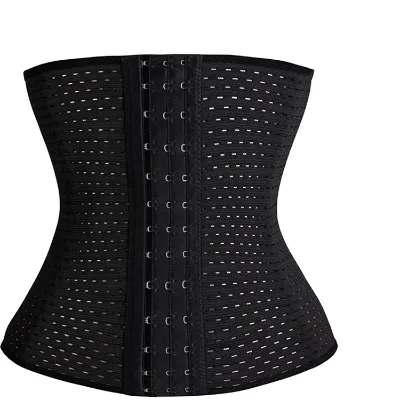

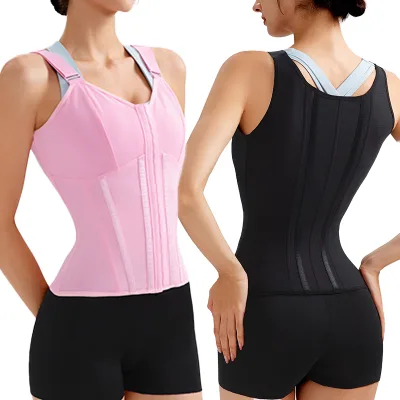
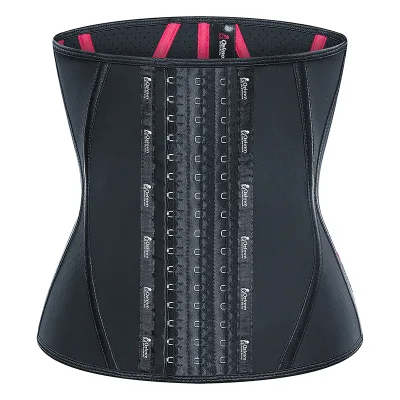
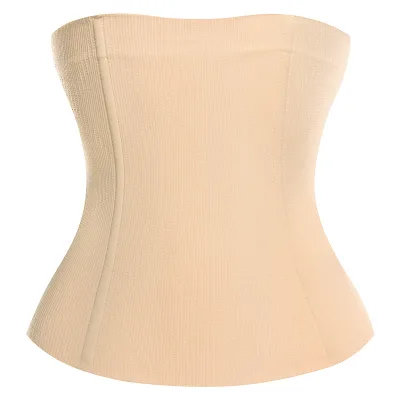
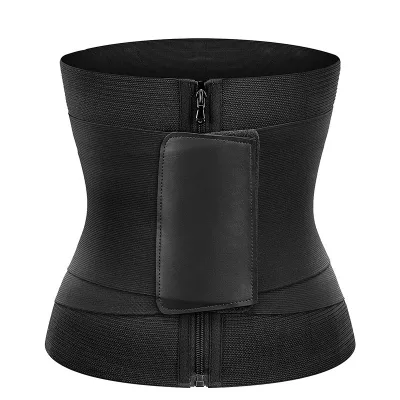
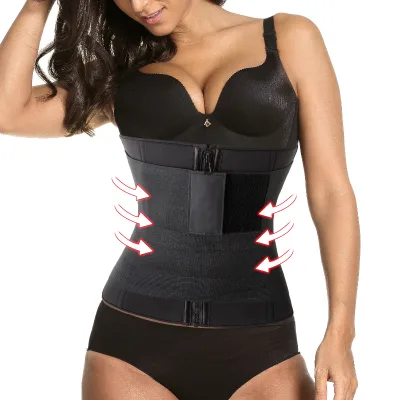
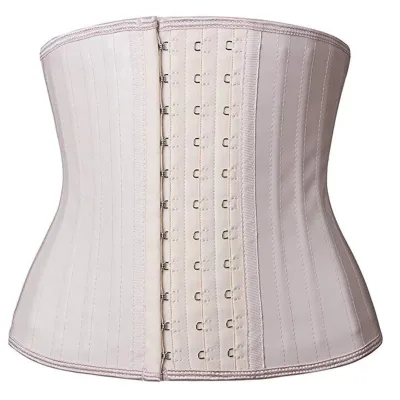


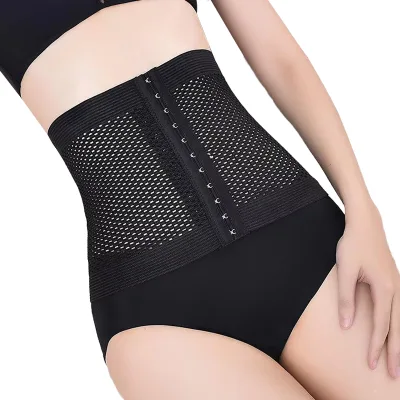


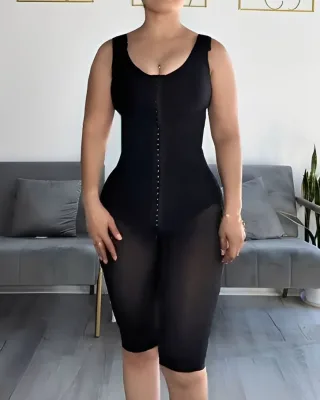
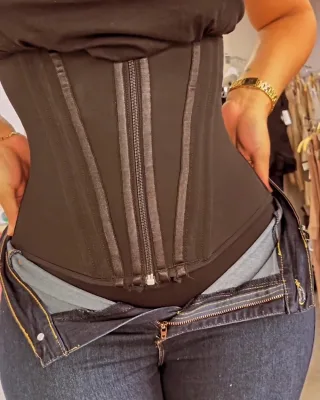
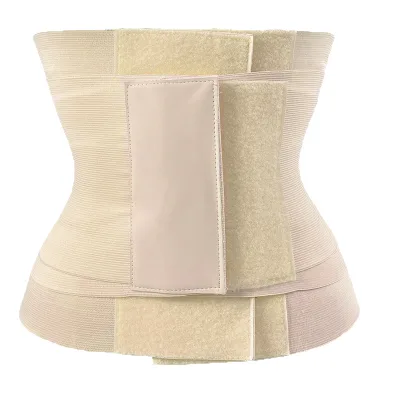
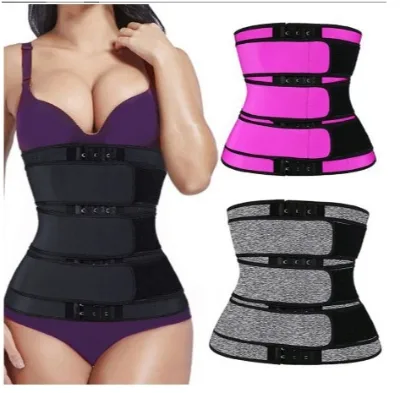
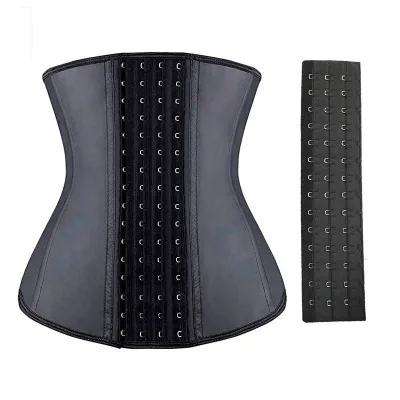
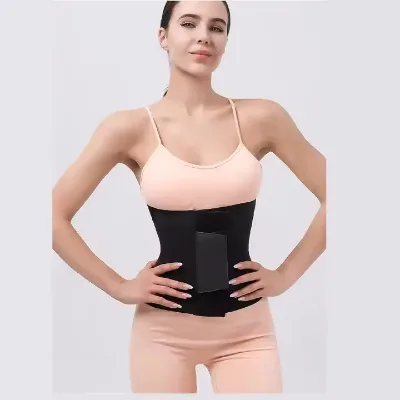
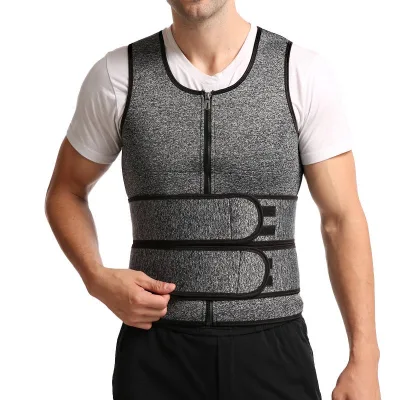


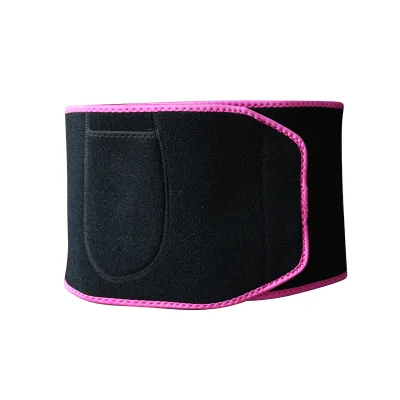


Comprehensive Sourcing Guide
Plus Size Workout Waist Trainer Supplier Concentration and Factory Types
The current supplier landscape for plus size workout waist trainers reveals a mix of trading companies and manufacturers, with some entities holding dual status as both. Evidence indicates that specific suppliers operate from locations such as Zhejiang, Jiangxi, and Hebei in China, though these are not exhaustive clusters for the entire category. Buyers should note that main product lists vary significantly; some suppliers list fitness equipment like treadmills alongside apparel, while others focus exclusively on shapewear and waist trainers. This variation suggests that a supplier's primary focus may not always align with a buyer's specific need for plus size shapewear, requiring careful vetting of their actual inventory depth.
Factory types are identified through company labels, with trading companies appearing frequently alongside manufacturers. Some suppliers display certifications like ISO 9001, ISO 14001, and CE, which often correlate with manufacturing capabilities rather than pure trading operations. However, the presence of a trading company label does not preclude access to factory-direct pricing if the entity manages its own production lines. Buyers must distinguish between a pure intermediary and a hybrid entity that offers customization services. The data shows that some suppliers offer OEM services and graphic processing, indicating a capacity for light customization, while others may only offer standard stock items.
How to Verify Plus Size Workout Waist Trainer Suppliers
Verification begins with checking the supplier's response time and company type, as these are immediate indicators of operational readiness. Available data shows response times ranging from one to three days, which can impact the speed of negotiation and sample approval. A supplier with a response time of one day may offer more agile communication than one taking three days, though this does not guarantee product quality. Buyers should also look for verification badges from third-party groups like SGS, which provide an external layer of trust regarding the supplier's business legitimacy. The absence of such verification does not automatically disqualify a supplier but warrants deeper inquiry into their business history.
Certifications and product attributes serve as critical verification points for compliance and quality standards. Some suppliers list specific certifications such as ISO 13485 or ISO 45001, which are relevant for medical or safety-focused apparel, while others may only list general business standards. Buyers must verify if these certifications apply to the specific waist trainer products being sourced, as a factory might hold certifications for other product lines. Additionally, checking the place of origin against the supplier's claimed location is essential; for instance, a product listing a Zhejiang origin should match the supplier's registered address. Discrepancies between product attributes and supplier claims should trigger a request for documentary proof before proceeding.
What to Compare Across Plus Size Workout Waist Trainer Suppliers
When comparing suppliers, lead time and minimum order quantity (MOQ) are primary differentiators that affect inventory planning and cash flow. Data indicates lead times can vary from five days to twenty days depending on order volume and seasonality, with larger orders often requiring negotiation. Some suppliers offer a low MOQ of two pieces, suitable for sampling or small boutique orders, while others require a minimum of 300 or 500 units. Buyers must align these thresholds with their sales volume projections to avoid overstocking or facing unfulfillable orders. The variation in lead times also suggests that peak seasons may significantly delay delivery, necessitating early planning.
Price ranges and product specifications provide another layer for comparison, though prices fluctuate based on material and customization. Unit prices observed range from approximately one dollar to over ten dollars, heavily influenced by features like neoprene material versus polyester blends. Buyers should compare the specific attributes listed, such as control level, size ranges, and fabric type, to ensure the product matches their target market's expectations. Some suppliers offer a wide size range up to 6XL, while others may stop at 4XL. Additionally, the availability of sample orders and the speed of sample processing should be weighed against the unit cost, as a lower price might come with a longer sample lead time or higher shipping costs.
Common Plus Size Workout Waist Trainer Sourcing Risks
One significant risk involves the mismatch between a supplier's main product focus and the specific niche of plus size shapewear. Some suppliers list exercise bikes or dumbbells as their primary products, which may indicate that waist trainers are a secondary or less specialized offering. This lack of focus can lead to inconsistent quality control or limited expertise in sizing and fit for plus size garments. Buyers should verify that the supplier has a dedicated line for shapewear rather than treating it as an add-on to a broader fitness equipment catalog. Relying on a supplier with a broad but unfocused inventory increases the risk of receiving products that do not meet specific body shaping standards.
Another risk stems from inconsistent product attributes and potential discrepancies in material claims. While some listings specify 100% polyester or neoprene, others may lack detailed material breakdowns, making it difficult to assess durability and breathability. The feature list, including claims of being anti-bacterial or eco-friendly, requires verification against actual test reports, as these are not always substantiated in the initial listing. Furthermore, the availability of customization services varies; some suppliers support logo customization and graphic processing, while others do not support sample orders at all. Buyers must confirm that the supplier can deliver the exact customization and material specifications required to avoid receiving generic products that fail to meet brand standards.
Plus Size Workout Waist Trainer Regional Sourcing and Logistics
Regional sourcing strategies should account for the specific locations identified in supplier data, such as Zhejiang, Jiangxi, and Hebei, which represent distinct manufacturing hubs. While these locations are confirmed for specific suppliers, buyers should not assume all suppliers in a region offer the same logistics advantages. The distance from these hubs to major ports can influence shipping costs and transit times, particularly for heavy or bulky items like shapewear. Buyers should request specific shipping quotes based on the supplier's exact location rather than relying on general regional estimates. Understanding the local infrastructure of these provinces helps in predicting potential delays during peak shipping seasons.
Logistics planning must also consider the packaging specifications provided by suppliers, which directly impact shipping efficiency. Data shows single package sizes ranging from 10x10x1 cm to 25x15x5 cm, with weights varying from 0.3 kg to 0.7 kg per unit. These dimensions affect how many units fit into a standard container, influencing the overall freight cost per unit. Buyers should calculate the volumetric weight based on the supplier's stated package dimensions to optimize container loading. Additionally, the type of packaging, such as OPP bags or color boxes, should be confirmed as it affects the final retail presentation and potential damage during transit. Proper logistics planning ensures that the cost savings from regional sourcing are not eroded by inefficient shipping arrangements.
Plus Size Workout Waist Trainer Commercial Terms and Order Planning
Commercial terms regarding payment and order flexibility are critical for managing risk and ensuring smooth transactions. Some suppliers indicate a lead time of 15 days for standard orders, while others require negotiation for volumes exceeding 50 units. Buyers should clarify the payment terms associated with these lead times, as rush orders may incur additional costs or require different payment structures. The availability of escrow services or trade assurance should be confirmed to protect funds until the goods are shipped and verified. Understanding the specific terms for sample orders is also vital, as some suppliers do not support 7-day sample lead times, which can delay the product development cycle.
Order planning must align with the supplier's capacity for customization and their response to demand fluctuations. Suppliers with capabilities for light customization and graphic processing offer more flexibility for branding, but this may extend the lead time. Buyers should plan their order cycles to accommodate these customization periods, especially if they require specific logos or packaging designs. The MOQ requirements, which range from 2 pieces to 500 units, dictate the initial investment and inventory risk. Buyers should structure their orders to balance the need for variety with the constraints of the supplier's minimums, ensuring they can meet market demand without over-committing capital to a single supplier's production schedule.
FAQs
What is the minimum order quantity for plus size waist trainers?
Minimum order quantities vary by supplier and product type. Some listings require 50 units, while others accept as few as 2 pieces. Buyers should verify the specific MOQ for each item before placing an order to ensure it meets their procurement needs.
How long does it take to receive plus size waist trainer samples?
Sample lead times depend on the supplier and order volume. Some suppliers offer a 15-day lead time for standard orders, while others may require 20 days during peak seasons. Certain vendors do not support 7-day sample orders, so confirm availability early.
Are plus size waist trainers available in multiple colors?
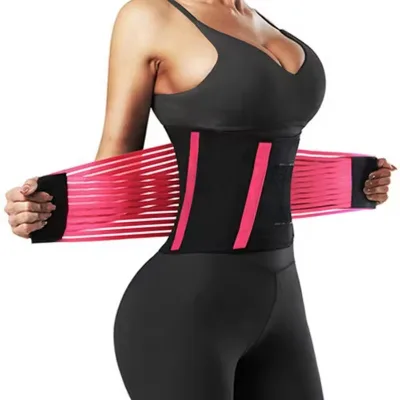
Yes, many suppliers offer plus size waist trainers in various colors. Common options include black, white, and champagne. Buyers can find products with specific color combinations like black and pink or black and white depending on the manufacturer and design specifications.
What certifications do plus size waist trainer manufacturers hold?
Some manufacturers hold ISO 9001, ISO 14001, ISO 13485, and ISO 45001 certifications. Additionally, products may carry CE certification. These credentials indicate adherence to quality and safety standards, though buyers should verify specific certificates for each supplier before finalizing a purchase.
Where are plus size waist trainer suppliers located?
Suppliers are located in various regions including Zhejiang, Jiangxi, and Hebei in China. The place of origin affects shipping times and logistics. Buyers should check the specific location listed for each product to estimate delivery schedules and potential import duties accurately.
Can plus size waist trainers be customized with a logo?
Yes, many suppliers offer customized logo services for plus size waist trainers. Some manufacturers support OEM services and accept customized logos. Buyers should confirm if the supplier supports graphic processing and customized on-demand services to ensure their branding requirements are met.
What materials are used to make plus size waist trainers?
Materials vary by product, including 100% polyester, neoprene, and non-woven fabrics. Some items feature firm control levels with specific fabric types. Buyers should review product attributes to select the material that best suits their comfort and performance requirements for the waist trainer.
What is the response time for supplier inquiries?
Supplier response times typically range from 1 to 3 days. Some vendors respond within 24 hours, while others may take up to 3 days. Buyers should expect varying response speeds and may need to follow up if a quicker reply is required for urgent sourcing needs.