Steel Rear Door Suppliers and Manufacturers in China
Explore 16 verified options for Steel Rear Door suppliers and manufacturers located in China. Buyers can compare response times, lead times, certifications, and pricing ranges directly. Review product specifications and contact suppliers to request quotes for your specific requirements; review the available evidence before requesting comparable quotations from suitable candidates.
Suppliers List

Zhejiang Sunstone E-Business Co., Ltd.
- Combined
- China Zhejiang
- Lead time30 days
- Avg. response≤ 4h
Main productsMelamine Wooden Door, Steel Door, Solid Wooden Door, Steel Wood Armored Door, Fire Proof Door, PVC Wooden Door, Copper Door, Stainless Steel Door, American Panel Steel Wooden Door, Waterproof WPC Door
Main marketsSouth America,Africa,Southeast Asia/ Mideast,Europe,North America


MOQ: 10 Pieces
Shanghai Sunova Technology Co, Ltd
- Verified by SGS
- Trading Company
- China Shanghai
- Lead time30 days
- Avg. response≤ 3h
Main productsSteel Door, Fire Door, 3D Printer, Wood Door
Main marketsNorth America

- Verified by CTI
- Trading Company,Manufacturer/Factory
- China Shanghai
- Lead time45 days
- Avg. response≤ 13h
Main productsVinyl/Lvt/Looselay/Dry Back/WPC Vinyl Floor, Engineered Wood/Hardwood Flooring/Wooden Floor, Spc Flooring/ABA Rigid Spc/ Wood Spc Flooring, WPC Decking/Wall Panel/Wall Cladding, Interior Door/Exterior Door/Fire Rated Door, Bamboo Floor/Laminate Floor/Parquet Floor, HDF Moulded Door/Wooden Door/Kitchen Cabinet, Cordless Drill, Angle Grinder, Electric Mixer
Main marketsSouth America,Eastern Europe,Mid East,North America,Southeast Asia,Eastern Asia,Oceania,Western Europe,Africa

MINQING FULITONG INDUSTRIAL AND TRADING CO., LTD.
- Trading Company,Manufacturer/Factory
- China Fujian
- Lead time23 days
- Avg. response≤ 8h
Main productsSteel Door, Security Door, Aluminum Door, Glass Door, Melamine Door, Fireproof Door, Stainless Door, Copper Door, America Steel Panel Door
Main marketsSouth America,Mid East,North America,Africa

- Verified by BV
- Combined
- China Zhejiang
- Lead time30 days
- Avg. response≤ 10h
Main productsInterior Door, PVC Door, Wooden Door, MDF Door, WPC Door, Panel Door, Glasses Door
Main marketsSouth America,Africa,Domestic,Europe,North America

Front Doors for Homesinterior Doorinterior Doorsinterior Exterior Doors
$44.00 - $50.00
MOQ: 100 Pieces

Folding Doorfront Doors for Homesinterior Doorinterior Doorsinterior Exterior Doors
$27.00 - $35.00
MOQ: 200 Pieces


Foshan Yueketong Intelligent Door and Window Co., Ltd.
- Verified by SGS
- Combined
- China Guangdong
- Lead time15 days
- Avg. response≤ 6h
Main productsGarage Door, Rolling Door, Industrial Sliding Door., Traffic Door, Operating Room Door, Airtight Door, Cleanroom Door, PVC Fast Shutter Door, Industrial Sectional Door, Roller Shutter Door
Main marketsDomestic

Nanchang Zhuohong Fire Equipment Co., Ltd.
- Verified by BV
- Combined
- China Jiangxi
- Lead time23 days
- Avg. response≤ 2h
Main productsFire Door, Steel Door, Fire Resistant Window, Aluminum Fire Resistant Window
Main marketsSoutheast Asia/ Mideast,Europe,North America

Hunan Lianxin Chi Tai Intelligent Doors And Windows Co., Ltd.
- Verified by BV
- Combined
- China Hunan
- Lead time45 days
- Avg. response≤ 1h
Main productsFolding Door, Hangar Doors, Fast Door, Garage Door
Main marketsAustralia


Heavy Duty Fireproof Door - Ultimate Stainless Steel Protection
$61.00 - $120.00
MOQ: 200 Square Meters


Yong Kang Dike Import & Export Co., Ltd
- Trading Company
- China Zhejiang
- Lead time15 days
- Avg. response≤ 8h
Main productsSteel Door Steel Security Door WPC Door, PVC Door Wood Door Aluminum Door, Aluminum Bath Room Door. Steel School Door, Steel Hospital Door
Main marketsSoutheast Asia/ Mideast,North America

- Combined
- China Shanghai
- Lead time15 days
- Avg. response≤ 7h
Main productsHigh Speed Door, Sectional Door, Dock Leveler, Roller Shutter Door, Dock Shelter, Cold Room Door, Traffic Door, Sliding Door, Clean Room Door, Fire Door
Main marketsSouth America,Africa,Southeast Asia/ Mideast,East Asia(Japan/ South Korea),Europe,Australia,North America

Xiamen KDSBuilding Material Co., Ltd.
- Verified by TUVRHEINLAND
- Trading Company
- China Fujian
- Lead time30 days
- Avg. response≤ 3h
Main productsWindow, Wood Window, Aluminum Window, PVC Window, Timber Window, UPVC Window, Aluminum, Shutter, Sliding Window, Door
Main marketsSoutheast Asia/ Mideast
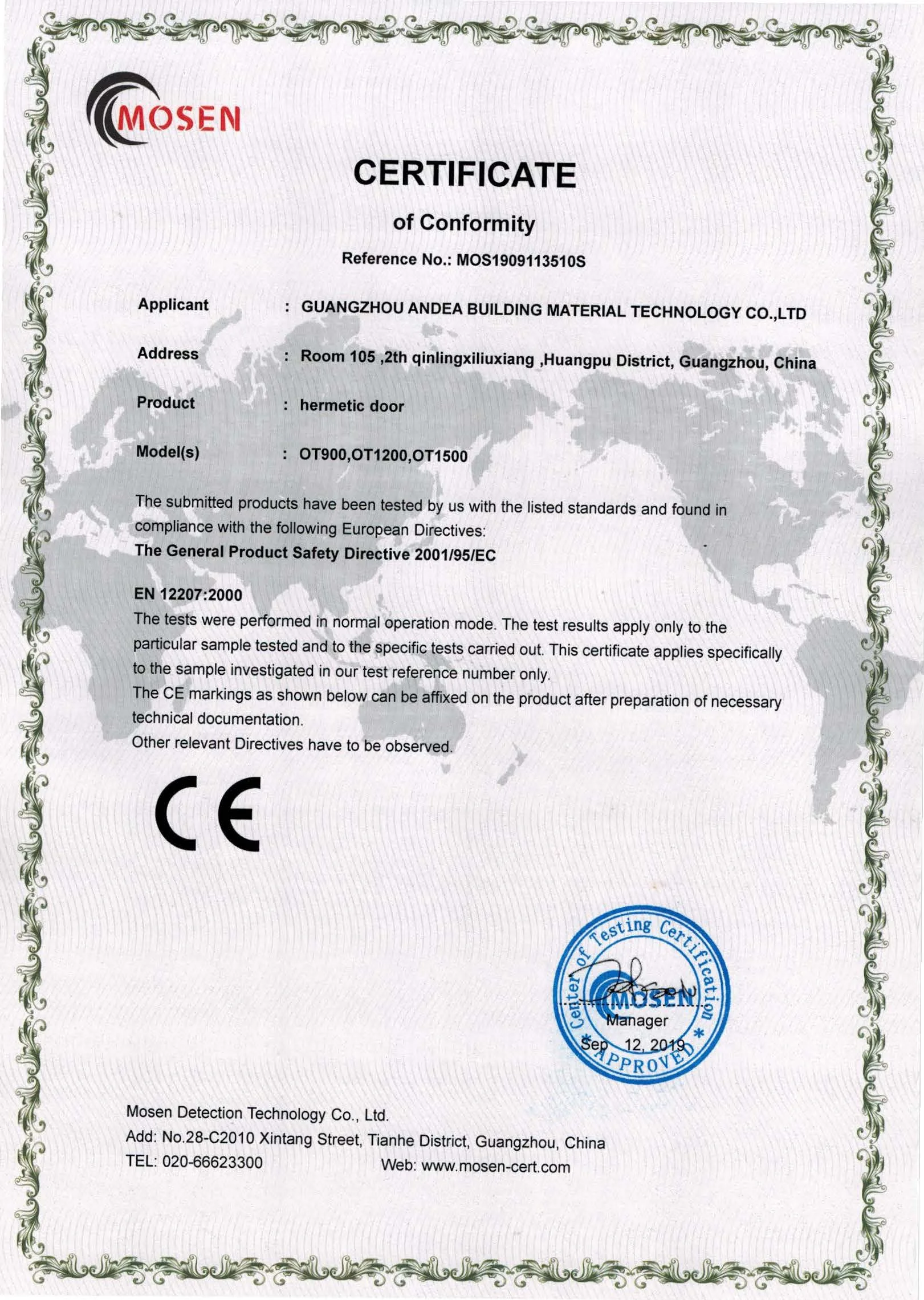
Guangzhou Andea Building Material Technology Co., Ltd.
- Manufacturer
- Guangdong, China
- Lead time15 days
- Avg. response≤ 5h
Main productshospital doors,steel doors,roller shutter,xray proof doors,automatic doors
Main marketsNorth America(20.00%), Southeast Asia(15.00%), Africa(15.00%), Domestic Market(10.00%), Western Europe(10.00%), Mid East(10.00%), Oceania(10.00%), South America(10.00%)
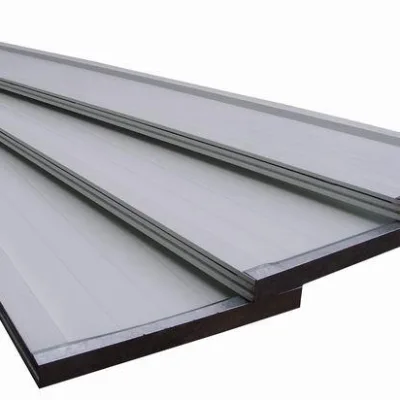
$600.00 - $660.00
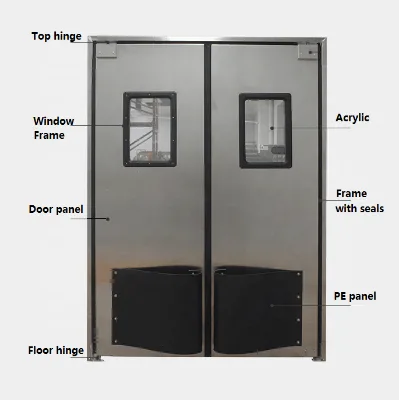
304 Stainless Crash Door, Free Door,180 Degree Door
$400.00 - $440.00

Jinglan-Hainan Trading Co., Ltd
- Trading Company
- China Hainan
- Lead time0 days
- Avg. response≤ 3h
Main productsCleanroomequipment

Wuxi Newton Technology Co., Ltd.
- Verified by BV
- Combined
- China Jiangsu
- Lead time15 days
- Avg. response≤ 2h
Main productsIndustrial Sectional Door, PVC High Speed Door, Garage Door, High Speed Door, High Speed Roller Shutter, Glass Sectional Door, Industrial Folding Door, Sectional Overhead Door, Garage Door Hardware Kit, Sectional Door Torsion Spring
Main marketsSouth America,Africa,Southeast Asia/ Mideast,Domestic,Europe,Australia,North America

Dongtai Geajie Intelligent Equipment Co., Ltd
- Verified by TUVRHEINLAND
- Combined
- China Jiangsu
- Lead time15 days
- Avg. response≤ 4h
Main productsVehicle Restraints, Dock Levelers, Niveladoras De Doca
Main marketsDomestic
Anhui Sangtian Borui Door and Window Technology Co., Ltd.
- Verified by SGS
- Combined
- China Anhui
- Lead time30 days
- Avg. response≤ 5h
Main productsWindow, Room, Sunroom, Aluminum Profile, Aluminum Windows, Aluminum Doors, Intelligent Sliding Door, Intelligent Windows, Sliding Window, Tilt&Turn Window
Main marketsDomestic


Comprehensive Sourcing Guide
Steel Rear Door Supplier Concentration and Factory Types
The current supplier landscape for steel rear doors shows a concentration of manufacturing capabilities primarily within China, with specific clusters identified in Zhejiang and Shanghai regions. These locations host a mix of combined manufacturing entities and trading companies that specialize in steel door production. Factories in these areas often list main products including steel doors, fire-proof doors, and various armored door types, indicating a mature industrial ecosystem for metal door fabrication. The presence of both combined companies and trading firms suggests a diverse supply chain where some entities manage their own production lines while others facilitate trade between manufacturers and international buyers.
When assessing supplier types, buyers should distinguish between combined entities that offer in-house design and manufacturing capabilities and trading companies that aggregate products from multiple factories. The observed data indicates that many suppliers possess capabilities for both OEM and ODM services, allowing for customization of steel rear doors to meet specific security or aesthetic requirements. This distinction is critical because combined factories typically control the entire production process from raw material sourcing to final assembly, whereas trading companies may offer broader product ranges but less direct control over manufacturing timelines. Buyers must verify the actual factory ownership structure to ensure quality control aligns with their project needs.
How to Verify Steel Rear Door Suppliers
Verification of Steel Rear Door suppliers requires a rigorous examination of their business credentials and operational history. Buyers should prioritize suppliers who display third-party verification badges, such as SGS, which serve as an external validation of the company's legitimacy and operational stability. The presence of such verification indicates that the supplier has undergone a formal assessment of their business scope and capabilities. Additionally, checking the response time metrics provided in supplier profiles offers insight into their operational efficiency; a faster response time often correlates with better communication channels and more attentive customer service, which is vital for resolving technical queries regarding steel door specifications.
Beyond verification badges and response metrics, buyers must scrutinize the specific product attributes listed in supplier catalogs to ensure alignment with project requirements. For instance, confirming that a supplier explicitly lists "Steel" as the material and "Security" as a special function helps validate their expertise in producing the correct type of rear door. Buyers should also look for evidence of customization availability, as this indicates the supplier's flexibility in adapting standard steel door designs to unique architectural or security needs. If a supplier's profile lacks specific details on material composition or certification standards, it is advisable to request direct documentation rather than relying on general product descriptions.
What to Compare Across Steel Rear Door Suppliers
Comparing suppliers effectively involves analyzing key operational dimensions such as lead times, minimum order quantities, and pricing structures. The observed data reveals that lead times for steel rear doors can vary, with some suppliers indicating a standard production window of around thirty days. Buyers should compare these timelines against their project schedules to ensure timely delivery. Furthermore, minimum order quantities (MOQ) differ significantly across the supplier base, ranging from single-unit orders to requirements of ten or fifteen units. Understanding these thresholds is essential for budgeting and inventory planning, especially for smaller projects that may not justify large bulk orders.
Pricing and certification standards are equally critical factors in the comparison process. Supplier listings show price ranges that can vary based on specific product models and customization levels, with some steel doors listed between seventy and one hundred twenty dollars per unit. Buyers must compare these figures while considering the included certifications, such as CE, SONCAP, or ISO, which may add value to the product but also influence the final cost. Additionally, evaluating the supplier's capacity for both OEM and ODM services helps determine their ability to scale production or offer unique design solutions. A comprehensive comparison should weigh these variables to identify the supplier that offers the best balance of cost, quality, and service reliability.
Common Steel Rear Door Sourcing Risks
One significant risk in sourcing steel rear doors is the potential mismatch between advertised product specifications and actual manufacturing capabilities. Suppliers may list broad categories like "Steel Door" without clarifying specific material grades or structural reinforcements required for rear door applications. This ambiguity can lead to the receipt of products that do not meet the necessary security or durability standards. Buyers must carefully review product attributes such as infilling materials, surface treatments, and thermal insulation levels to ensure the steel rear doors are suitable for their intended use, particularly in high-security or exterior environments.
Another risk involves the variability in packaging and shipping standards, which can impact the condition of the steel doors upon arrival. Some suppliers utilize standard packing methods involving foam plastic boards and strong cartons, while others may use PE paper and wooden pallets. Inconsistent packaging practices can lead to damage during transit, especially for heavy steel products. Buyers should verify the specific packing details provided in the product evidence and request photos or videos of the packaging process if necessary. Ensuring that the supplier has a robust logistics plan and uses appropriate protective materials is crucial to mitigating the risk of receiving damaged goods.
Steel Rear Door Regional Sourcing and Logistics
Sourcing steel rear doors from China, specifically from regions like Zhejiang and Shanghai, offers access to a dense network of manufacturers and logistics infrastructure. These regions are known for their industrial clusters that support the production of metal doors and related construction materials. The proximity of these manufacturing hubs to major ports facilitates efficient export logistics, potentially reducing shipping times and costs for international buyers. However, buyers must account for the specific location of the supplier within these regions, as transportation distances from the factory to the port can vary and impact the overall lead time.
Logistics planning for steel rear doors requires careful coordination of freight forwarding and customs clearance procedures. Given the weight and dimensions of steel doors, shipping costs can be substantial, and buyers should negotiate freight terms that align with their budget. It is also important to verify the supplier's experience with international shipping, including their ability to handle documentation for certifications like CE or ISO. Buyers should confirm that the supplier can provide accurate shipping estimates and track the shipment from the factory to the final destination. Understanding the regional logistics capabilities of the supplier helps in predicting potential delays and ensuring a smooth supply chain operation.
Steel Rear Door Commercial Terms and Order Planning
Commercial terms for Steel Rear Door orders often include specific conditions regarding payment, customization, and delivery schedules. Buyers should review the minimum order quantities and pricing tiers to understand the financial commitment required. Some suppliers offer flexible MOQs as low as one unit, while others require orders of ten or fifteen units. These terms directly influence the order planning process, as buyers must determine the optimal order size to balance cost efficiency with inventory needs. Additionally, the availability of customization services, such as specific colors or dimensions, should be confirmed early in the negotiation to avoid delays in production.
Order planning also involves establishing clear communication channels and response expectations with the supplier. The observed response times for suppliers vary, with some demonstrating faster engagement metrics than others. Buyers should prioritize suppliers with reliable response times to ensure timely resolution of any issues that arise during the order process. Furthermore, understanding the supplier's capacity for both OEM and ODM services is crucial for planning custom orders. Buyers must ensure that the supplier can meet the required production timeline, typically around thirty days, and that they have the necessary resources to handle the order volume without compromising quality.
FAQs
What is the typical lead time for steel doors?
The typical lead time for steel doors is 30 days based on current supplier data. Buyers should confirm specific delivery schedules with individual vendors as production capacity varies. Some suppliers offer faster turnaround for standard models while custom orders may require additional time.
What is the minimum order quantity for steel doors?
Minimum order quantities for steel doors range from 1 to 15 units depending on the specific product model. Some exterior steel doors allow single unit purchases while specialized fire-rated doors often require a minimum of 10 or 15 units. Buyers must check individual product listings for exact thresholds.
Where are these steel door suppliers located?
Steel door suppliers are primarily located in Zhejiang and Shanghai, China. These regions host manufacturers offering various door types including armored, fire-proof, and security doors. Buyers should verify specific factory addresses during the sourcing process to ensure logistics compatibility with their project requirements.
What certifications do steel doors typically have?
Steel doors often carry CE, SONCAP, and ISO certifications according to available product listings. These certifications indicate compliance with international safety and quality standards for exterior and security applications. Buyers should request valid certification documents from suppliers to verify authenticity before placing large orders.
What is the price range for steel doors?
The price range for steel doors spans from 70 to 160 USD per unit based on current market data. Costs vary significantly depending on material thickness, security features, and customization options. Buyers should compare specific product models to determine the most cost-effective solution for their budget constraints.
Do suppliers offer customization for steel doors?
Most suppliers offer customization options for steel doors including size, color, and finish. Buyers can request specific dimensions or surface treatments like powder coating and heat transfer. Customization availability should be confirmed with each vendor as some standard models may have limited modification capabilities.
How quickly do suppliers respond to inquiries?
Supplier response times average between 2.85 and 3.56 hours based on current platform data. Faster response rates are observed among trading companies and verified suppliers. Buyers should expect prompt communication but should verify real-time availability during peak business periods to ensure timely project coordination.