Carbon Fiber Rear Spoiler Suppliers and Manufacturers
Explore 26 verified suppliers offering carbon fiber rear spoilers with customizable options and OEM services. Compare response times, lead times, and certifications to find the right partner. Contact suppliers directly to request quotes and samples; review the available evidence before requesting comparable quotations from suitable candidates.
Suppliers List

Guangzhou New Vision New Material Technology Co., Ltd.
- Trading Company
- China Guangdong
- Lead time15 days
- Avg. response≤ 12h
Main productsDouble Sided Tape, Reflective Tape, Adhesive Products
Main marketsSouth America,Southeast Asia/ Mideast,Europe


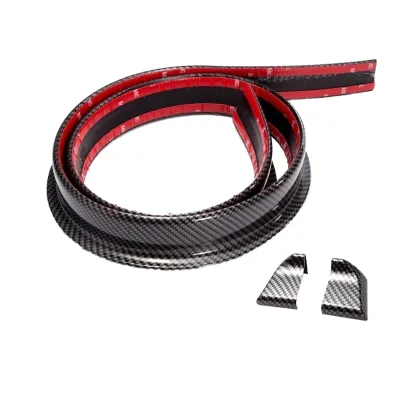
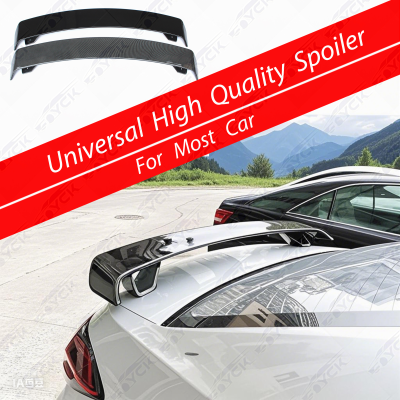
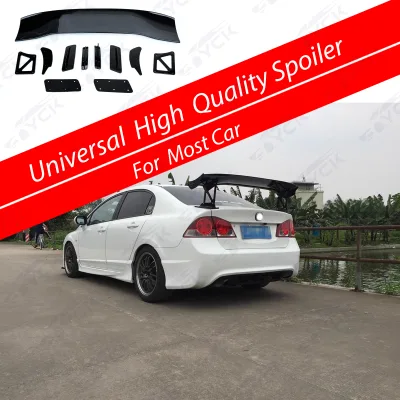
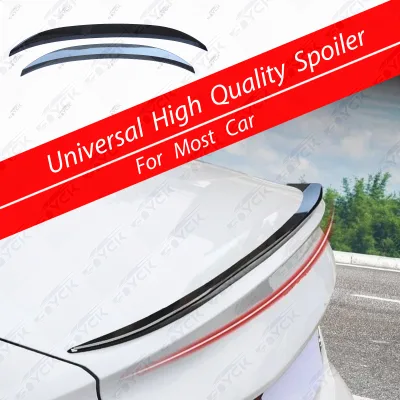
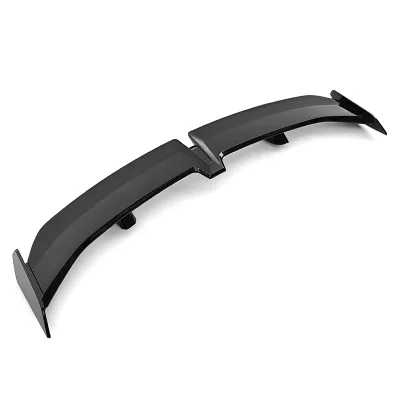
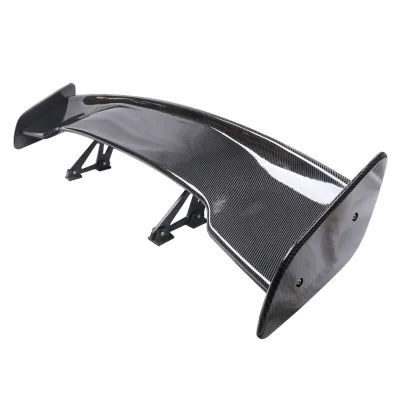
Carbon Fiber Rear Spoiler Universal Car Rear Wing Spoiler Car Modification Styling
$3.50 - $5.00
MOQ: 36 Sets


Universal Car Rear Spoiler Universal Rear Wing Spoiler Carton Fiber Car Rear Wing Spoiler
$3.90 - $5.50
MOQ: 20 Rolls

Guangzhou CSS Auto Accessones Co.,Ltd
- Verified by SGS
- Trading Company
- China Guangdong
- Lead time15 days
- Avg. response≤ 5h
Main productsCar Bumpers, Engine Hoods, Rear Spoilers, Carbon Fiber Auto Body Parts, Carbon Fiber Car Interior Trims, Wheel Hub, Front Lip, Rear Diffuser, Front Bumper
Main marketsEurope,Australia,North America


DNC Style Carbon Fiber Rear Diffuser Spoiler for Fera-Ri F12 Wing Spoilers
$2240.00 - $2520.00
MOQ: 1 Sets


HENAN MYCAR AUTO PARTS TECHNOLOGY LTD.
- Verified by BV
- Trading Company
- China Henan
- Lead time15 days
- Avg. response≤ 6h
Main productsTire Pressure Sensors, Solar Tire Pressure Sensors, Car Stereo, Radar, Reverse Camera, Auto Diagnostic Tool, Fuel Filter, Programmable Tire Pressure Sensor, Dash Cam, Carplay Decoder
Main marketsSouth America,Africa,Southeast Asia/ Mideast,East Asia(Japan/ South Korea),Europe,Australia,North America


$188.00 - $450.00
MOQ: 1 Pieces
Guangzhou Cws Auto Accessory Co., Ltd.
- Trading Company
- Guangdong, China
- Lead time15 days
- Avg. response≤ 3h
Main productsHood, Fender, Bumper, Spoiler, Body kit
Main marketsNorth America(35.00%), South America(24.00%), Western Europe(15.00%), Oceania(10.00%), Eastern Asia(9.00%), South Asia(1.00%), Southern Europe(1.00%), Central America(1.00%), Northern Europe(1.00%), Africa(1.00%), Mid East(1.00%), Southeast Asia(1.00%)
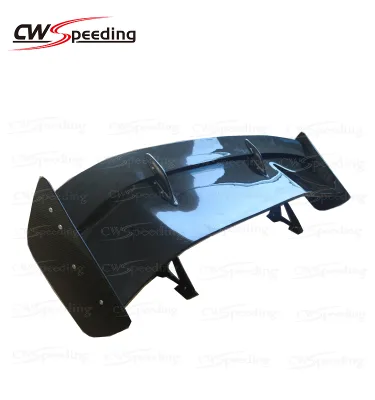
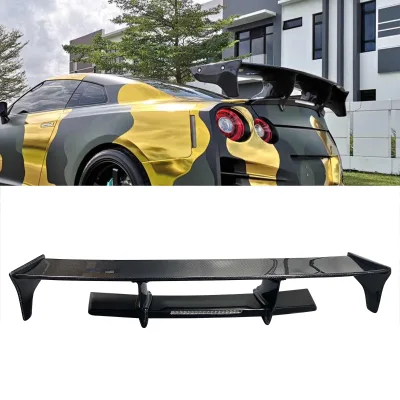
UNIVERSAL VOLTX STYLE CARBON FIBER REAR SPOILER REAR WING SPOILER
$416.66 - $500.00
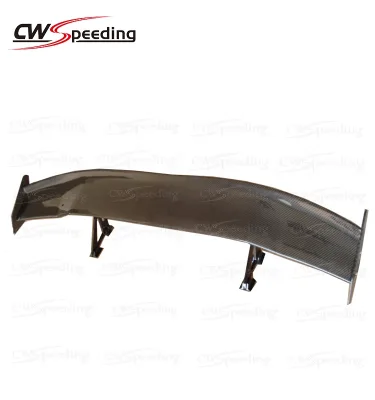
CAR UNIVERSAL CARBON FIBER REAR SPOILER REAR WING SPOILER 1.52M
$416.66 - $500.00

Changzhou Haosheng Vehicle Parts Co., Ltd.
- Combined
- China Jiangsu
- Lead time15 days
- Avg. response≤ 10h
Main productsAuto Spoiler, Spoiler, Car Spoiler
Main marketsSouth America,Southeast Asia/ Mideast,Domestic,Europe,Australia,North America


ABS Plastic Carbon Fiber Gen 2 Universal Rear Light Rear Spoiler for Hatchback Cars
$25.50 - $40.50
MOQ: 30 Pieces

Carbon Fiber Gloss Black 13th Gen Universal Rear Trunk Wing Spoiler for Sedan Cars
$19.50 - $27.75
MOQ: 30 Pieces

Carbon Fiber Gloss Black Back Universal Gt Style Rear Spoiler Wing for Sedan Car
$15.00 - $23.25
MOQ: 30 Pieces

Carbon Fiber Gloss Black Gen 4 Universal Rear Trunk Ducktail Spoiler Wing for Hatchback Auto
$11.25 - $19.50
MOQ: 30 Pieces

Factory Wholesale Shiny Black 14th Gen Universal Rear Carbon Spoiler for Sedan Cars
$17.25 - $25.50
MOQ: 30 Pieces
Guangzhou Lanyu Auto Parts Trading Co., Ltd.
- Verified by SGS Group
- Trading Company
- Lead time15 days
- Avg. response≤ 3h
Main productsCarbon Fiber Bumper, Carbon Fiber Hood, Carbon Fiber Tail, Carbon Fiber Rearview Mirror, Carbon Fiber Fender
Main marketsDomestic Market(20%), North America(10%), Eastern Europe(10%)
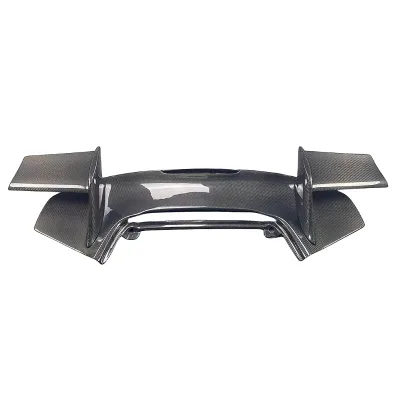
488GtbM Style Rear Spoiler Carbon Fiber Trim Rear Spoiler Quality Assurance
$980.69 - $1026.90
MOQ: 1 pieces
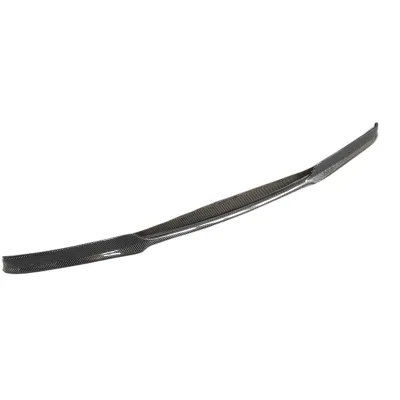
Vortex type carbon fiber rear spoiler for F 458 Rear stabilizer Rear diffuser Car body kit
$220.00 - $255.00
MOQ: 1 sets
Guangzhou Jskracing Auto Accessories Firm
- Verified by TüVRheinland
- Trading Company
- Lead time7 days
- Avg. response≤ 3h
Main productsCarbon Fiber Bumper, Carbon Fiber Hood, Carbon Fiber Spoiler, Carbon Fiber Grille, Carbon Fiber Interiors
Main marketsNorth America(20%), Eastern Europe(11%), Mid East(11%)
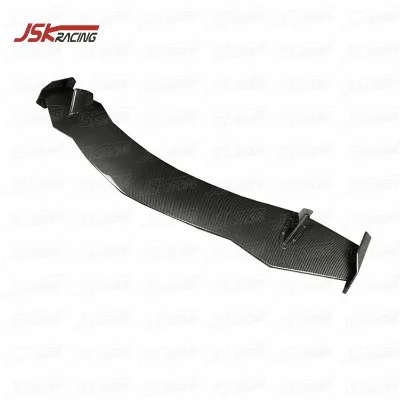
GT STYLE CARBON FIBER REAR SPOILER CAR SPOILER for 2018-2019 LAMBO URUS
$1187.00 - $1400.00
MOQ: 1 sets
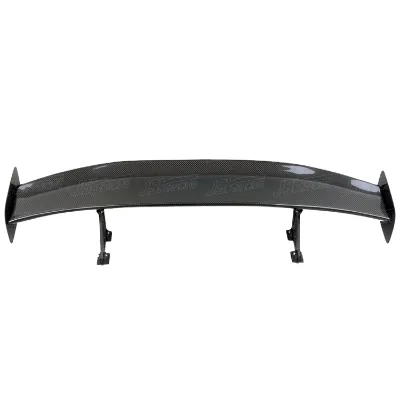

Qingyuan Huazhongye Auto Accessories Co., Ltd
- Verified by SGS
- Manufacturer
- China Guangdong
- Lead time15 days
- Avg. response≤ 4h
Main productsBody Kits, Carbon Fiber Auto Parts, Car Modification, Auto Parts, Carbon Fiber Engine Hood, Front Lip, Carbon Fiber Automotive Parts, Carbon Fiber Spoiler, Rear Wing, Rear Lip

for BMW Car Rear Roof Spoiler Wing Body Kit Carbon Fiber a-Type Rear Spoiler
$345.00 - $352.00
MOQ: 1 Sets


Shanghai Autobuy Industry (Group) Co., Ltd
- Verified by BV
- Trading Company
- China Shanghai
- Lead time30 days
- Avg. response≤ 25h
Main productsCar Acccessories, Car Seat Cover, Wheel Caps, Car Cover, Racing Seats, Modified Seats, Wiper Blades, Car Mats, Car Seat Cushion, Auto Parts
Main marketsSoutheast Asia/ Mideast
Guangzhou Yuechi Automotive Supplies Co., Ltd.
- Trading Company
- guangdong, China
- Lead time7 days
- Avg. response≤ 4h
Main productsCar Exhausted Muffler Pipe,Car Exhausted,Car Gear Shift Knob,Car Spoiler,Exhaust Downpipe
Main marketsNorth America(40.00%), Southeast Asia(20.00%), South America(20.00%), Western Europe(10.00%), Mid East(10.00%)
Guangzhou HT Auto Parts Co., Ltd.
- Manufacturer
- Guangdong, China
- Lead time5 days
- Avg. response≤ 2h
Main productsled headlight,fog lamp,Internal led bulbs,Emergency led light bar,Warning Strobe Light
Main marketsEastern Asia(25.00%), North America(22.00%), South America(15.00%), Domestic Market(10.00%), Southeast Asia(9.00%), Africa(5.00%), Mid East(5.00%), Oceania(5.00%), Eastern Europe(1.00%), South Asia(1.00%), Central America(1.00%), Western Europe(1.00%)

Guangzhou JSKracing Auto Accessories Ltd
- Verified by CTI
- Trading Company
- China Guangdong
- Lead time15 days
- Avg. response≤ 6h
Main productsCarbon Fiber, Auto Parts, Carbon Fiber Car Parts, Carbon Fiber Motorcycle Parts, Auto Accessories, Carbon Fiber Hood, Carbon Fiber Mirror/Eyelid, Carbon Fiber Spoiler/Lip/Wing, Bodykit, Fiber Glass
Main marketsSouth America,Africa,Southeast Asia/ Mideast,East Asia(Japan/ South Korea),Europe,Australia,North America


Universal Spoiler 1.44m Upgrade Varis Style Fiber Glass / Carbon Fiber Factory Wholesale
$200.00 - $600.00
MOQ: 1 Pairs

Shanghai Anma Industry Co., Ltd.
- Trading Company
- China Shanghai
- Lead time30 days
- Avg. response≤ 6h
Main productsCar Accessories, Car Spare Parts, Car Tools, Car Interior Accessories, Car Exterior Accessories, Car Electrical Accessories, Car Lights, Car Mirror, Car Emergency Kits, Car Care Products
Main marketsSouth America,Others(foreignTradeCapacity.exportBusinessCapacityMarketOther),Southeast Asia/ Mideast,Europe,North America

Ruian Botten Auto Parts Co., Ltd.
- Manufacturer
- Zhejiang, China
- Lead time7 days
- Avg. response≤ 7h
Main productsAUTO BODY PARTS,CAR ACCESSORIES,AUTO BODY PARTS,AUTO ELECTRICAL SYSTEM,ENGINE PARTS
Main marketsEastern Europe(20.00%), South America(20.00%), North America(20.00%), Western Europe(5.00%), Eastern Asia(5.00%), Mid East(5.00%), Oceania(5.00%), Africa(5.00%), Southeast Asia(5.00%), Domestic Market(2.00%), South Asia(2.00%), Southern Europe(2.00%), Northern Europe(2.00%), Central America(2.00%)

- Verified by TUVRHEINLAND
- Combined
- China Guangdong
- Lead time60 days
- Avg. response≤ 9h
Main productsCarbon Fiber Parts, Carbon Fiber Motorcycle Parts, Carbon Fiber Car Parts, Carbon Fiber Sports Parts, Carbon Parts, Carbon Fiber ATV Parts, Carbon Fiber Produtcs, Carbon Fiber Accessories, Carbon Fiber Ducati Parts, Carbon Fiber BMW Parts
Main marketsNorth America

Xiamen Ballgarii General Equipment Co., Ltd.
- Verified by SGS
- Manufacturer
- China Fujian
- Lead time15 days
- Avg. response≤ 5h
Main productsIndustrial Design, 3D Printing Service, CNC Machining Service, Vacuum Casting Service, Plastic Injection Moulding, Sheet Metal Fabrication, Rapid Prototyping, Finishing Services, Small Batch Production, Mass Production
Main marketsOthers(foreignTradeCapacity.exportBusinessCapacityMarketOther),Europe,Australia,North America
Beijing Xueyu Technology Co., Ltd.
- Trading Company
- Beijing, China
- Lead time0 days
- Avg. response≤ 2h
Main productsflow meter
Main marketsSouth Asia(30.00%), North America(30.00%), Africa(20.00%), Mid East(20.00%)
Guangzhou Youtai Car Accessories Co., Ltd.
- Trading Company
- Guangdong, China
- Lead time7 days
- Avg. response≤ 2h
Main productsJDM Racing Backpack,JDM Racing Wallet,Rubber Lip,Steering Wheel,Gear Shift Knob
Main marketsDomestic Market(25.00%), South America(17.00%), North America(15.00%), Oceania(10.00%), Southeast Asia(10.00%), Western Europe(5.00%), Mid East(5.00%), Eastern Europe(5.00%), Northern Europe(3.00%), Africa(3.00%), Eastern Asia(2.00%)

Changzhou City Excellent Garage Auto Parts Co., Ltd.
- Manufacturer, Trading Company
- Jiangsu, China
- Lead time10 days
- Avg. response≤ 4h
Main productscar spoiler,car front lip,car side skirts,car diffuser,car grille
Main marketsDomestic Market(50.00%), North America(20.00%), Southeast Asia(10.00%), Mid East(10.00%), South America(1.00%), South Asia(1.00%), Southern Europe(1.00%), Northern Europe(1.00%), Central America(1.00%), Western Europe(1.00%), Eastern Europe(1.00%), Eastern Asia(1.00%), Oceania(1.00%), Africa(1.00%)
Shenzhen Chaotaixiang Trading Co., Ltd.
- Manufacturer, Trading Company, Distributor/Wholesaler
- Guangdong Province, China
- Lead time10 days
- Avg. response≤ 6h
Main productsGauge meter,Spoiler,Steering Wheel,Air Intake Filter,seat belt
Main marketsNorth America(30.00%), Domestic Market(20.00%), Southeast Asia(7.00%), Oceania(6.00%), Africa(6.00%), South America(6.00%), Eastern Europe(5.00%), Mid East(4.00%), Eastern Asia(4.00%), Western Europe(3.00%), Central America(3.00%), Northern Europe(2.00%), South Asia(2.00%), Southern Europe(2.00%)
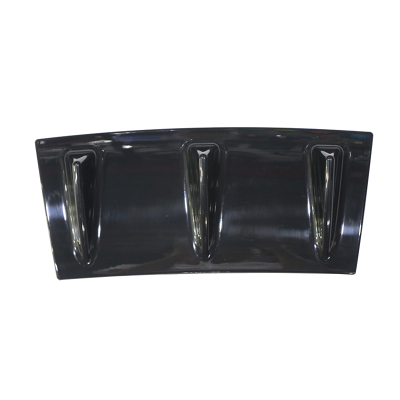
Car Rear Spoiler Wing Universal Spoilers Car Rear Bumper Diffuser Lip Sport
$1.70 - $2.50
MOQ: 10 pieces
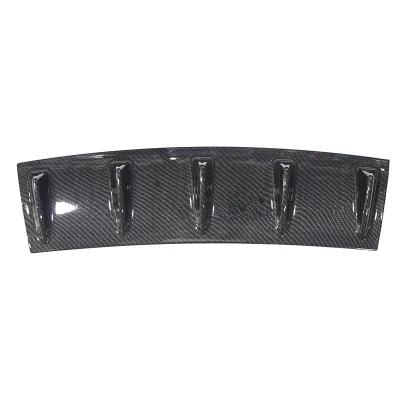
Car Modified Universal Rear Lip Rear Spoiler Wing Universal Spoilers Model
$1.80 - $2.50
MOQ: 10 pieces


- Verified by TUVRHEINLAND
- Trading Company,Manufacturer/Factory
- China Guangdong
- Lead time23 days
- Avg. response≤ 21h
Main productsRC Car Parts&Accessories, Wheels&Rims&Tires, LED Lights for Remote Control Car&Helicopter, Remote Control Car Accessories, Bike Model, Decoration for RC Car, Tools for RC Toys, Model Toys, Racing Pigeon Rings, Foot Rings
Main marketsSouth America,Eastern Europe,Mid East,North America,Southeast Asia,Eastern Asia,Oceania,Western Europe,Africa

Carbon Fibre Color Tail Wing Rear Spoiler for 1/10 RC Drift Car on-Road Racing (Matte476)
$2.60 - $3.00
MOQ: 50 Pieces

Carbon Fibre Color Tail Wing Rear Spoiler for 1/10 RC Drift Car on-Road Racing (Matte468)
$2.60 - $3.00
MOQ: 50 Pieces

Carbon Fibre Color Tail Wing Rear Spoiler for 1/10 RC Drift Car on-Road Racing (Matte484)
$2.60 - $3.00
MOQ: 50 Pieces

Anhui Jagrow Auto Parts Co., Ltd.
- Verified by TUVRHEINLAND
- Trading Company,Manufacturer/Factory
- China Anhui
- Lead time45 days
- Avg. response≤ 4h
Main productsPerformance Parts, Exhaust System, Air Intake System, Cooling System, Carbon Fiber Parts, Exhaust Downpipe, Exhaust Manifold, Exhaust Catback, Oil Cooler, Turbo Intercooler
Main marketsSouth America,Eastern Europe,Mid East,North America,Southeast Asia,Eastern Asia,Oceania,Western Europe,Africa
Dongguan Fokming Electroluminescence Co., Ltd.
- Manufacturer, Trading Company
- Guangdong, China
- Lead time7 days
- Avg. response≤ 2h
Main productsAnimated AD Panel,EL Light Tape,EL Backlight Panel,Light Tape for Helmet,Light T-shirt for Party
Main marketsDomestic Market(45.00%), Western Europe(17.00%), North America(15.00%), Eastern Europe(10.00%), Central America(3.00%), Southeast Asia(3.00%), Southern Europe(2.00%), South America(2.00%), Eastern Asia(2.00%), Africa(1.00%)

Shanghai Huaqi Industrial Co., Ltd.
- Verified by TUVRHEINLAND
- Trading Company
- China Shanghai
- Lead time15 days
- Avg. response≤ 6h
Main productsCar Mats, Seat Cover, Car Cover, Wiper Blade, Air Compressor, Steering Wheel Cover, Car Lock, Baby Mirror, Car Jack, Racing Seat
Main marketsSouth America,Africa,Southeast Asia/ Mideast,Europe,Australia,North America


Trunk Spoiler Lip Universal Car Lip Spoiler Bumper Rubber Rims Protector
$5.07 - $5.15
MOQ: 1000 Pieces


Carbon Rear Bumper Protector Universal Auto Rear Bumper Door Sill Guard
$0.57 - $0.60
MOQ: 1000 Pieces

- Verified by SGS
- Trading Company
- China Zhejiang
- Lead time15 days
- Avg. response≤ 19h
Main productsCar Mat, Car Air Freshener, Car Seat Cover, Steering Wheel Cover, Car Phone Holder, Car Roof Tent, Car Sunshade, Jerry Can
Main marketsEurope,Australia
Guangzhou Feisheng Carbon Fiber Co., Ltd.
- Verified by TüVRheinland
- Trading Company
- Lead time3 days
- Avg. response≤ 4h
Main productsCar Exterior Accessories
Main marketsMid East(40%), North America(10%), South America(8%)













Comprehensive Sourcing Guide
Carbon Fiber Rear Spoiler Supplier Concentration and Factory Types
Current data indicates a concentration of suppliers in China Guangdong, where many entities operate as trading companies rather than direct manufacturers. This distinction is critical because trading companies often aggregate products from various factories, which can affect lead times and quality control consistency. Some suppliers list main products including double-sided tape, reflective tape, and adhesive products alongside carbon fiber auto body parts, suggesting a diversified inventory strategy. When evaluating potential partners, buyers should verify whether the entity manages its own production lines or simply facilitates transactions between buyers and third-party factories. The presence of trading companies does not inherently imply lower quality, but it does require a different verification approach to ensure the actual manufacturing standards are met.
Buyers must also assess the specific manufacturing capabilities listed in supplier profiles, such as ODM and own brand services, which indicate a capacity for customization beyond standard catalog items. Some profiles explicitly mention RD capacity for developing unique designs, while others focus on trading existing stock. The location in Guangdong is a known hub for automotive accessories, yet the specific factory address should be confirmed through direct inquiry rather than assumed from the general region. If a supplier claims to be a manufacturer, request evidence of their production facility, such as photos or video tours, to validate their operational status. This verification step helps distinguish between a genuine production partner and an intermediary who may add layers of cost and communication complexity to the sourcing process.
How to Verify Carbon Fiber Rear Spoiler Suppliers
Verification begins with checking for third-party certifications and system credentials that validate the supplier's operational integrity. One observed supplier holds an SGS verification status, which serves as a tangible indicator of quality assurance processes, though this specific credential is not universal across all results. Buyers should request copies of relevant system certifications, such as ISO standards, to confirm that the supplier adheres to recognized management protocols. It is essential to understand that "Others" listed under system certification requires further clarification, as it may indicate a lack of standard industry accreditation or a specific niche compliance. Do not assume that a supplier's self-reported status is accurate without independent confirmation or a request for official documentation from the certifying body.
Response time and communication efficiency are also vital metrics for verifying supplier reliability and operational readiness. Data shows response times varying significantly, with some suppliers responding within 4.2 hours while others take up to 12 hours. A faster response time often correlates with a more active sales team and better customer service infrastructure, which is crucial for resolving issues during the sourcing process. Buyers should test communication channels before placing orders to gauge the speed and professionalism of the interaction. Additionally, verifying the supplier's establishment year and capacity for OEM and ODM services provides insight into their experience level and ability to handle custom orders. These factors combined create a comprehensive picture of the supplier's capability to deliver on promises and maintain a professional business relationship.
What to Compare Across Carbon Fiber Rear Spoiler Suppliers
When comparing suppliers, focus on key operational dimensions such as lead time, minimum order quantity (MOQ), and pricing structures to determine the best fit for your specific needs. Lead times observed in the data range from 15 days to 30 days, depending on the product complexity and customization requirements. Some suppliers offer a standard lead time of 15 days for generic items, while specialized models like those for specific luxury vehicles may require 15 to 30 days. MOQs also vary widely, with some suppliers accepting orders as low as one piece for high-end custom parts, while others require a minimum of 20 or 36 units for standard inventory. Understanding these thresholds is essential for budgeting and inventory planning, especially for small businesses or those testing new product lines.
Pricing and product specifications are equally important factors in the comparison process. Prices for carbon fiber rear spoilers can range from as low as $3.50 for basic adhesive strips to over $3,000 for high-performance, style-specific components like those for Lamborghini or Ferrari models. Buyers must carefully review the product attributes, including material composition, color options, and application areas, to ensure the item meets their technical requirements. Some products are described as "Customized" with available customization services, while others are fixed standard items. Comparing the price per unit against the MOQ and the specific material quality, such as 3K glossy carbon fiber versus standard prepreg dry carbon, will help buyers identify the most cost-effective solution without compromising on quality or fitment.
Common Carbon Fiber Rear Spoiler Sourcing Risks
One significant risk in sourcing carbon fiber rear spoilers is the discrepancy between product descriptions and actual material quality. While many listings claim "Carbon Fiber," the specific type, such as 3K or 1K weave, and the manufacturing process, like prepreg dry carbon, can vary significantly. Some products may use carbon fiber only as a surface layer over a cheaper core material, which affects durability and weight. Buyers should explicitly request material certificates or detailed specifications to confirm the authenticity and grade of the carbon fiber used. Relying solely on marketing keywords like "Carbon Fiber" without verifying the technical details can lead to receiving substandard products that do not meet performance expectations or safety standards.
Another risk involves the reliability of delivery timelines and the potential for hidden costs associated with shipping and customs. Lead times listed as 15 to 30 days are estimates and can be extended by logistical delays, especially for international shipments from China. Buyers should clarify the Incoterms and who is responsible for freight costs, insurance, and customs duties to avoid unexpected expenses. Additionally, the risk of receiving damaged goods is present, particularly for fragile carbon fiber components that require careful packaging. Reviewing the packaging details, such as "Safe Carton Box with Bubble Inside," is a good start, but buyers should also discuss insurance options and return policies with the supplier to mitigate the financial impact of potential transit damage.
Carbon Fiber Rear Spoiler Regional Sourcing and Logistics
Sourcing from China Guangdong offers access to a dense network of automotive accessory manufacturers and trading companies, but it also presents specific logistical challenges. The region is a major hub for production, yet the distance from international markets can result in longer transit times and higher shipping costs. Buyers should evaluate the supplier's experience with international shipping and their ability to handle complex logistics, including customs clearance and documentation. Understanding the specific port of origin and the typical shipping routes from Guangdong can help in estimating delivery times more accurately. It is also important to consider the impact of seasonal factors, such as holidays or weather conditions, which can further delay shipments from this region.
Logistics planning should also account for the varying sizes and weights of carbon fiber rear spoilers, which can affect shipping costs and packaging requirements. Some products are compact, like 1.5-meter rolls, while others are larger and more fragile, requiring specialized packaging solutions. Buyers should confirm the packaging standards with the supplier to ensure that the products arrive in perfect condition. Additionally, the choice of shipping method, whether air freight or sea freight, will significantly impact the total cost and delivery speed. Air freight is faster but more expensive, while sea freight is cost-effective for larger orders but takes longer. Balancing these factors is crucial for optimizing the supply chain and ensuring timely delivery to the final destination.
Carbon Fiber Rear Spoiler Commercial Terms and Order Planning
Commercial terms for Carbon Fiber Rear Spoiler orders often include specific conditions regarding customization, payment, and delivery. Many suppliers offer OEM and ODM services, allowing buyers to customize the product design, color, and branding to match their requirements. However, customization typically involves additional costs and longer lead times, which must be factored into the order planning process. Buyers should clearly define their customization needs in the initial inquiry to avoid misunderstandings and ensure that the supplier can meet the specifications. Payment terms may vary, with some suppliers requiring a deposit before production begins and others offering escrow services to protect both parties.
Order planning should also consider the minimum order quantities and the potential for bulk discounts. While some suppliers accept orders as low as one piece for high-end custom parts, others require a minimum of 20 or 36 units for standard items. Understanding these thresholds is essential for managing inventory levels and cash flow. Buyers should also plan for potential reorders by establishing a relationship with the supplier early on, which can lead to more favorable terms and faster lead times for future orders. Additionally, it is important to have a clear communication channel for tracking order status and addressing any issues that arise during production or shipping. This proactive approach helps ensure a smooth sourcing experience and minimizes the risk of delays or quality issues.
FAQs
What is the price range for carbon fiber rear spoilers?
Prices vary significantly based on style and vehicle fitment. Universal strips range from $3.50 to $5.50 per unit. Specific models for luxury cars like Ferrari or Lamborghini cost between $265 and $3,000. Buyers should check the specific product listing for exact pricing details.
What is the minimum order quantity for these spoilers?
MOQs depend on the product type. Universal carbon fiber strips typically require a minimum of 20 to 36 pieces. Custom-fit spoilers for specific vehicles often have an MOQ of just one piece. Always verify the specific MOQ listed for the item you intend to purchase.
How long does delivery take for carbon fiber spoilers?
Standard lead times are generally around 15 days. For custom or specific model spoilers, delivery typically takes 15 to 30 days. Response times for suppliers vary, with some replying within 4 hours and others taking up to 12 hours. Confirm the exact timeline with the seller.
Are carbon fiber spoilers customizable for different vehicles?
Yes, customization is widely available. Many suppliers offer OEM and ODM services to create spoilers for specific car models. Styles include DNC, Vors, and Renntech designs. Materials are primarily carbon fiber, with options for black or carbon fiber black finishes. Check product attributes for specific fitment details.
Where are these carbon fiber spoilers manufactured?
Most suppliers are located in Guangdong, China. Products are shipped from this region with standard packaging. Some listings specify the origin as China. Buyers should verify the exact shipping location and any associated logistics costs before placing an order to ensure timely delivery.
What certifications do these suppliers hold?
Some suppliers hold SGS verification for their business operations. System certifications may be listed as others or specific industry standards. Buyers should request detailed certification documents directly from the supplier to ensure compliance with their specific quality or regulatory requirements before finalizing a purchase.