Standard Tail Gate for Hyundai Suppliers and Manufacturers
Explore 30 verified options for Standard Tail Gate for Hyundai from Jiangsu factories. Compare response times, lead times, certifications, and prices to find the right partner. Contact suppliers directly to request quotes; review the available evidence before requesting comparable quotations from suitable candidates.
Suppliers List
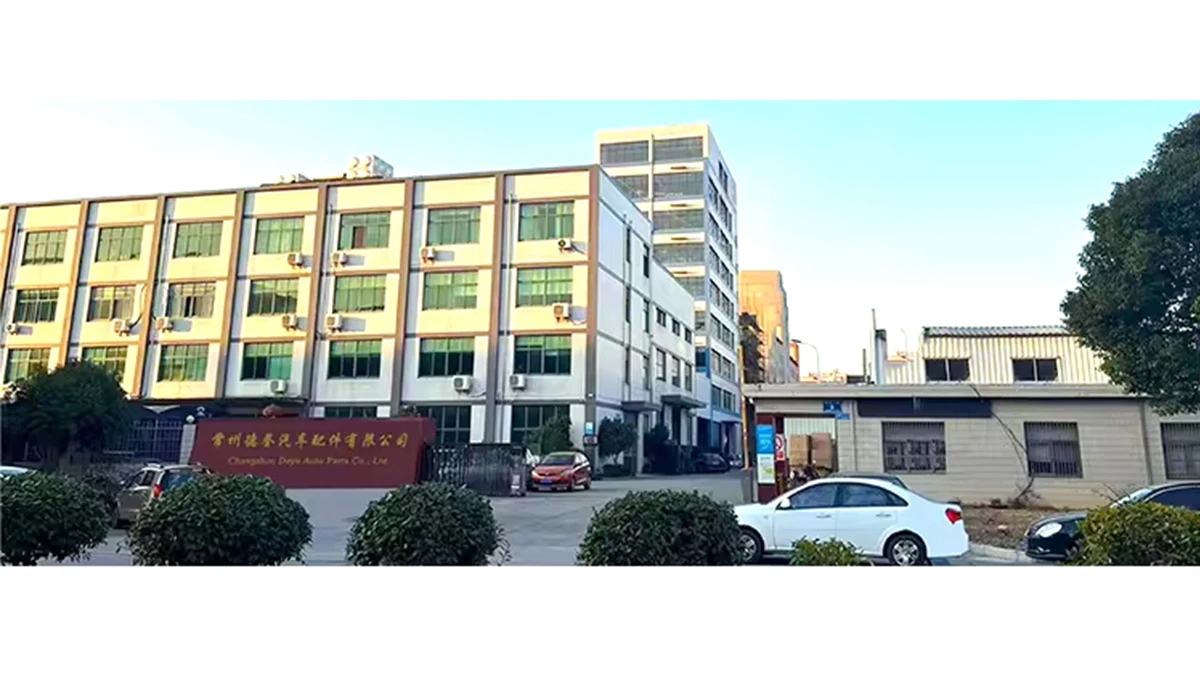
Changzhou Deyu Auto Part Co., Ltd.
- Manufacturer, Trading Company
- Jiangsu, China
- Lead time10 days
- Avg. response≤ 8h
Main productsAuto Parts
Main marketsDomestic Market(20.00%), North America(20.00%), Africa(10.00%), Southeast Asia(10.00%), South America(10.00%), Mid East(9.00%), Western Europe(5.00%), Eastern Europe(3.00%), Southern Europe(3.00%), Oceania(2.00%), South Asia(2.00%), Eastern Asia(2.00%), Northern Europe(2.00%), Central America(2.00%)
Jiangsu Yarujie Auto Parts Co., Ltd.
- Verified by SGS Group
- Manufacturer, Trading Company
- Lead time25 days
- Avg. response≤ 4h
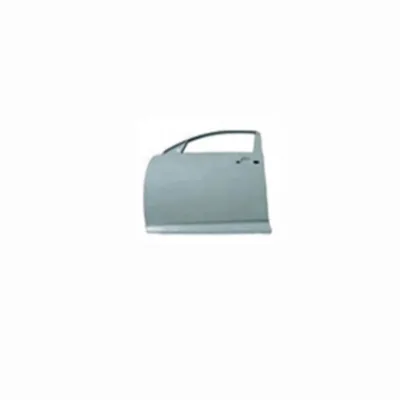
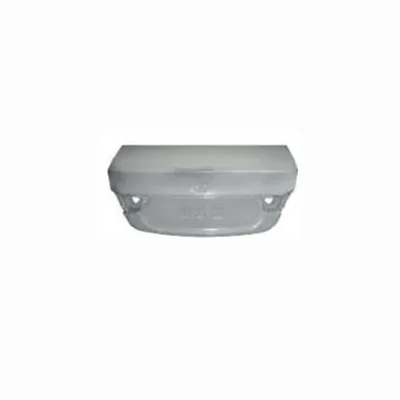
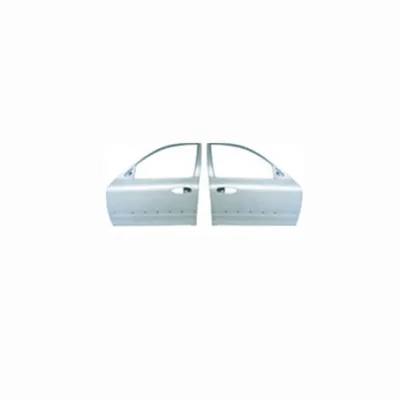
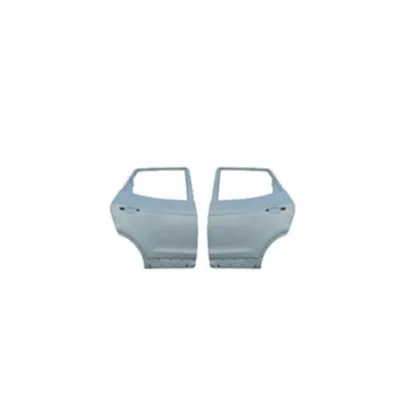
Main productsHood, Front Fender, Front Door, Rear Door, Trunk Lid
Main marketsDomestic Market(30%), Eastern Europe(25%), Mid East(25%)

Changzhou Harmonious Import and Export Company Limited
- Trading Company,Manufacturer/Factory
- China Jiangsu
- Lead time23 days
- Avg. response≤ 18h
Main productsAuto Accessory, Side Steps, Running Boards, Bumper Guards, Roof Racks, Roof Spoiler, Front Grille
Main marketsSouth America,Mid East,North America,Southeast Asia


Chrome and Carbon Fiber Tail Gate Moulding Garnish for KIA Seltos 2020 Kx3
$10.00 - $14.00
MOQ: 5 Sets

Tail Gate and Steel Side Door Sill Scuff Plates for Nissan X-Trail 2014 2017
$6.00 - $20.00
MOQ: 5 Sets


Guangzhou Lingyue Auto Parts Co., Ltd.
- Verified by TUVRHEINLAND
- Trading Company,Manufacturer/Factory
- China Guangdong
- Lead time15 days
- Avg. response≤ 6h
Main productsJapanese Car Auto Parts, Auto Lamp, Bumper, Auto Parts, Brake Pads, Shock Absorbers, Bearing, Control Arm, Steering Pump, Turbo
Main marketsSouth America,Eastern Europe,Mid East,North America,Southeast Asia,Eastern Asia,Oceania,Western Europe,Africa


Quality Auto Parts Fit to Mitsubishi Triton L200 2015 Tail Gate with Brake Lamp Hole OEM
$5.00 - $10.00
MOQ: 10 Pieces

Sumel Import and Export Co., Ltd.
- Verified by TUVRHEINLAND
- Trading Company,Manufacturer/Factory
- China Jiangsu
- Lead time0 days
- Avg. response≤ 6h
Main productsDump Body, Lift Gate, Water Tank, Hook Roll Dumpster, Hooklift Assemble, Vacuum Tank
Danyang Soar Auto Parts Co., Ltd.
- Manufacturer, Trading Company
- Lead time旺季: "1 - 4":31,"5 - 20":32,"21 - 200":34,"> 200":"To be negotiated", 淡季: "1 - 4":31,"5 - 20":32,"21 - 200":34,"> 200":"To be negotiated"
- Avg. response≤ 5h
Main productsAuto Lamps, Auto Grilles, Auto Mirrors, Auto Bumpers
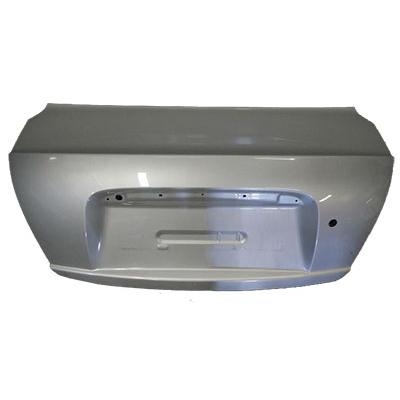
Steel Rear Trunk Lid Liftgate for Hyundai 1998 1999 2000 Accent Tailgate Deck Lid Panel 69200-22531
$70.37 - $79.55
MOQ: 4 pieces

Changzhou Boshuo Technology Co., Ltd.
- Trading Company
- Jiangsu, China
- Lead time0 days
- Avg. response≤ 4h
Main productsAUTO PARTS
Main marketsMid East(40.00%), North America(20.00%), South America(20.00%), Africa(5.00%), South Asia(5.00%), Eastern Europe(2.00%), Western Europe(2.00%), Southern Europe(2.00%)
Mailing Auto Parts (Chongqing) Co., Ltd.
- Verified by SGS
- Trading Company
- China Chongqing
- Lead time15 days
- Avg. response≤ 3h
Main productsAuto Parts
Main marketsOthers(foreignTradeCapacity.exportBusinessCapacityMarketOther),Domestic

Wenzhou Ideer Auto Parts Co., Ltd
- Verified by BV
- Manufacturer/Factory
- China Zhejiang
- Lead time38 days
- Avg. response≤ 2h
Main productsDifferential, Steering Gear, Drive Shaft, Propeller Shaft, Brake Caliper, Steering Knuckle, Gearbox, Free Wheel Hub, Carburetor, Distributor
Main marketsSouth America,Eastern Europe,Mid East,North America,Southeast Asia,Eastern Asia,Oceania,Western Europe,Africa

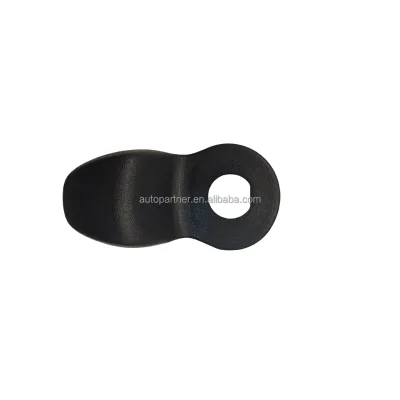
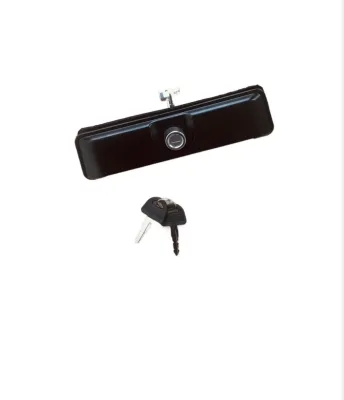
Tailgate Handle Lever Lift Gate Rear Cargo Gate Black for Hyundai H100 61130-4b000
$3.00 - $5.00
MOQ: 50 Pieces


Rui'an Fanxion Auto Parts Co., Ltd.
- Verified by SGS
- Combined
- China Zhejiang
- Lead time15 days
- Avg. response≤ 1h
Main productsTailgate Switch
Main marketsDomestic

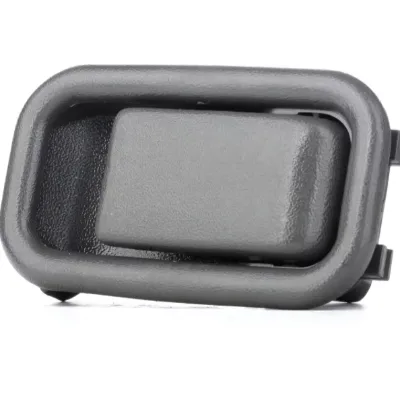
Tailgate Release Rear Door Switch for Hyundaielantra 81260-3K001 2011-2016
$20.00 - $25.00
MOQ: 10 Pieces


81260d9000 Tail Gate Outside Handle Trunk Switch for KIA Sportage 2017-2019
$13.00 - $16.00
MOQ: 10 Pieces
Hangzhou Yuxin Import & Export Co., Ltd.
- Trading Company
- Zhejiang, China
- Lead time7 days
- Avg. response≤ 2h
Main productsengine parts,body parts,suspension parts,electrical parts,auto parts
Main marketsSouth America(60.00%), Southeast Asia(20.00%), Central America(5.00%), Mid East(5.00%), Western Europe(2.00%), Eastern Europe(2.00%), Oceania(2.00%), South Asia(1.00%), Southern Europe(1.00%), Northern Europe(1.00%), North America(1.00%)

- Verified by BV
- Combined
- China Guangdong
- Lead time15 days
- Avg. response≤ 3h
Main productsBarrier Gate, Turnstiles Barrier, Swing Barrier/Flap Barrier, Parking Security Equipment, Face Recognition System, Advertising Barrier Gate, Road Blocker, Tire Killer, Parking Bollard, Parking Lock
Main marketsSouth America,Africa,Southeast Asia/ Mideast,East Asia(Japan/ South Korea),Europe,Australia,North America


Ankuai Original Factory Manufacturing Automatic Parking Vehicle Barrier Gate
$279.00 - $307.00
MOQ: 1 Set


Jiangsu Geling Auto Parts Co., Ltd.
- Verified by TUVRHEINLAND
- Combined
- China Jiangsu
- Lead time30 days
- Avg. response≤ 5h
Main productsAuto Lamp, Auto Mirrors, Grille, Bumper, Dashboard, Steel and Plastic Body Parts
Main marketsSouth America,Domestic


Body Kits Rear Door Tail Gate Panel Tailgate for Toyota Tundra 2014 2020 2021 2016 2017 2018 2019
$55.00 - $60.00
MOQ: 10 Pieces
Changsha Sainengte Electronic Technology Co., Ltd.
- Trading Company
- Hunan, China
- Lead time30 days
- Avg. response≤ 3h
Main productsAuto Parts,Electronics,Automobile
Main marketsDomestic Market(30.00%), North America(30.00%), Mid East(10.00%), South America(10.00%), Central America(10.00%), Africa(5.00%), Southeast Asia(5.00%)
Jiangsu Juncheng Vehicle Industry Co., Ltd.
- Manufacturer, Trading Company
- Jiangsu, China
- Lead time30 days
- Avg. response≤ 4h
Main productsCar Door,Car Hood,Car Fender,Tail Body; Classic Car Body,Car Body Mould
Main marketsEastern Asia(20.00%), Southeast Asia(20.00%), Mid East(15.00%), Eastern Europe(15.00%), North America(15.00%), South America(10.00%), Oceania(5.00%)
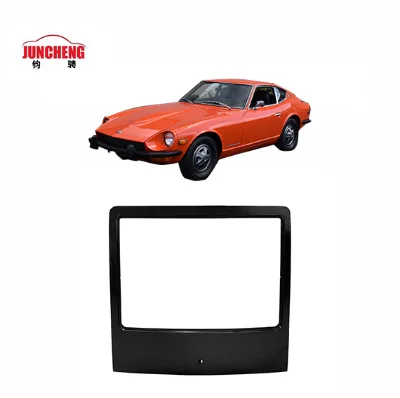
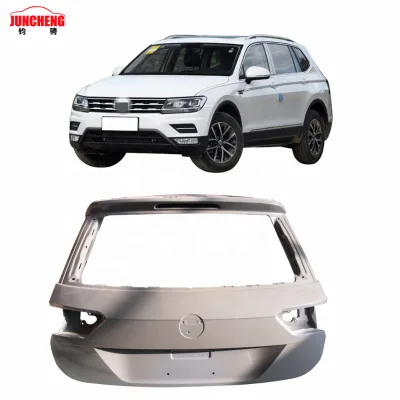
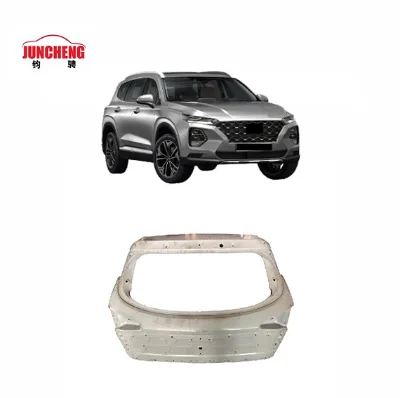
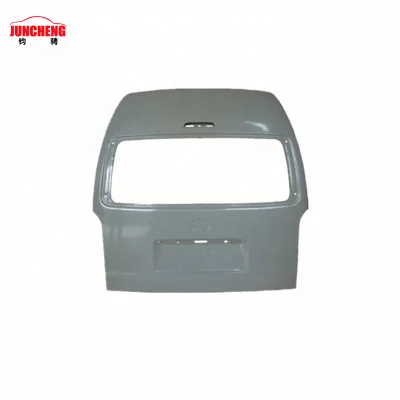
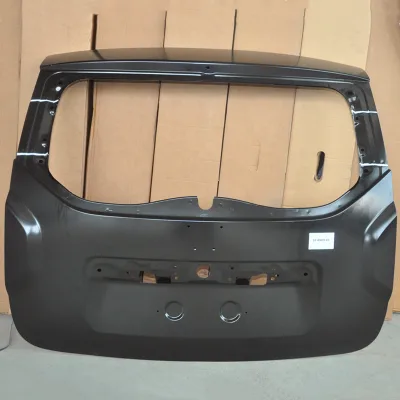
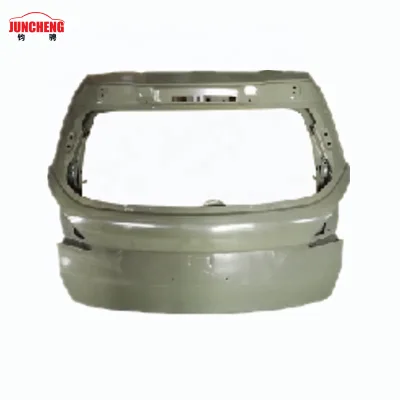
High Quality Peugeot 2008 Auto Spare Parts Replacement Car Tail Gate/back Door
$40.00 - $50.00
MOQ: 10
Danyang Saivis International Trade Co., Ltd.
- Verified by Intertek
- Trading Company
- Lead time15 days
- Avg. response≤ 1h
Main productsAuto Parts
Main marketsNorth America(21%), South America(19%), Southeast Asia(18%)
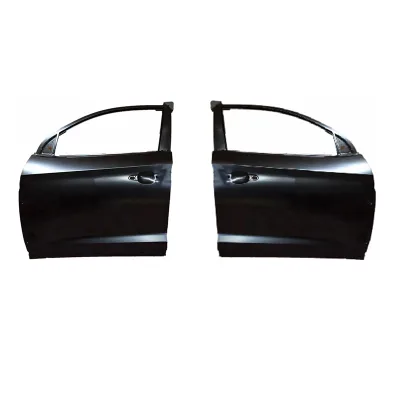
Car Rear Front Door Shell for Hyundai TUCSON 2016-2017-2018 TAILGATE LID SHELL 69200-D3000
$69.73 - $76.91
MOQ: 4 pieces
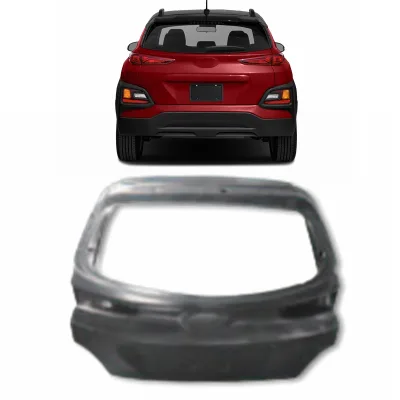
OE Style Car Body Spare Parts Rear Tailgate Liftgate for Hyundai Kona 2018 2019 2020 2021 2022 2023
$86.00 - $92.00
MOQ: 2 pieces
Guangzhou Taixin Automobile Trading Co., Ltd.
- Verified by SGS Group
- Trading Company
- Lead time15 days
- Avg. response≤ 2h
Main productsEngine Parts, Electrical Parts, Chassis Parts, Transmission System, Cooling System
Main marketsMid East(30%), South America(20%), North America(5%)
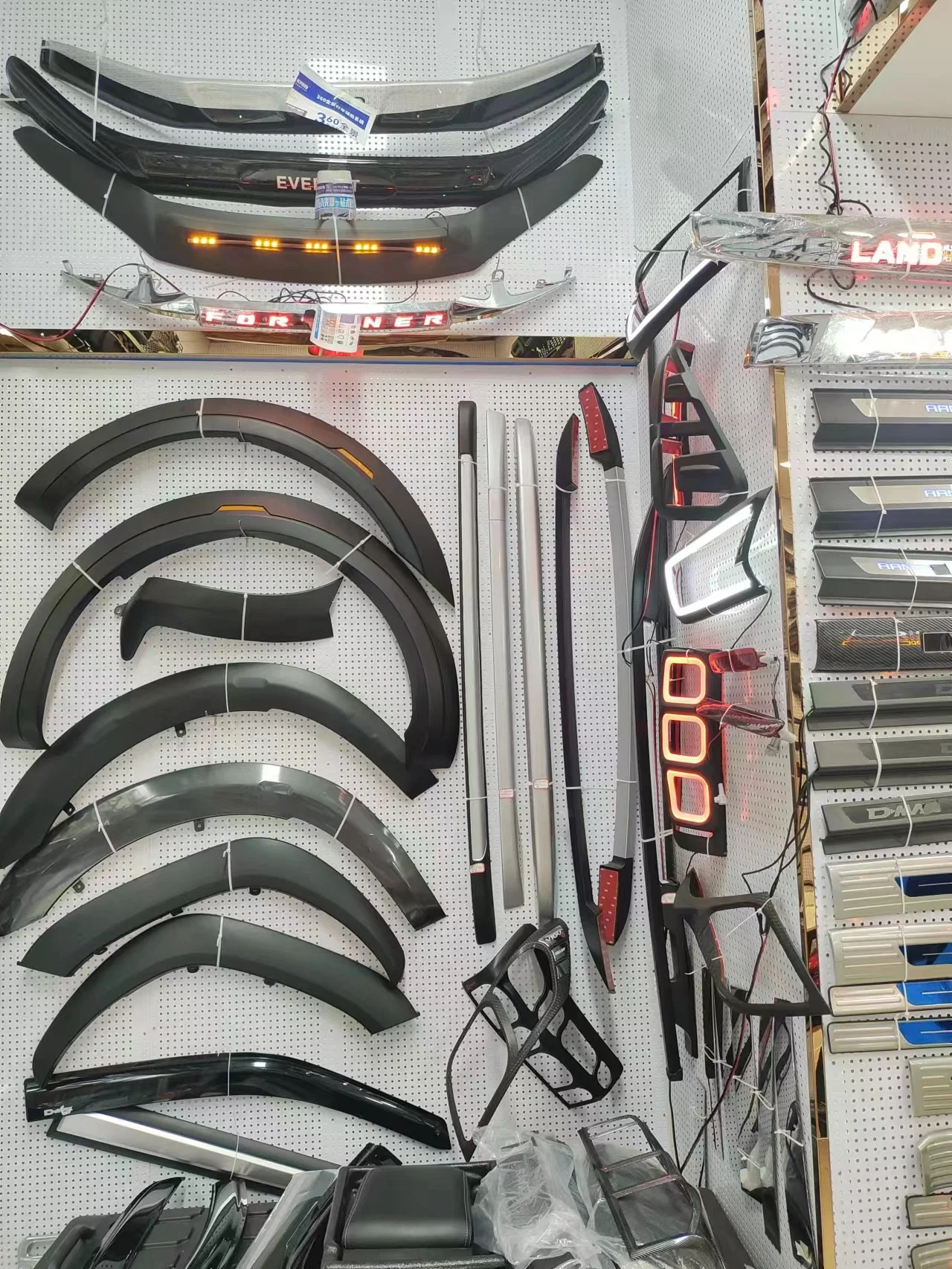
Guangzhou Carplus Auto Accessories Co., Ltd.
- Manufacturer, Trading Company, Distributor/Wholesaler
- Guangdong, China
- Lead time25 days
- Avg. response≤ 1h
Main productsauto chrome accessories,auto chrome window garnish,auto chrome parts,door sill plate,door bumper guard
Main marketsSouth America(20.00%), Central America(20.00%), Mid East(15.00%), Southeast Asia(12.00%), Northern Europe(10.00%), North America(10.00%), Africa(8.00%), Domestic Market(5.00%)
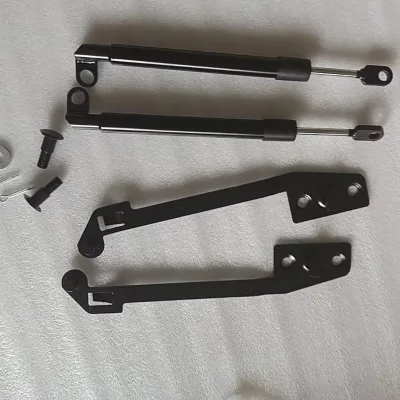
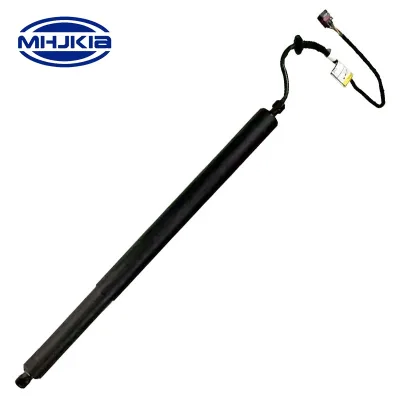
Car Tail Gate Slow Down Pull Down Tail Gate Damper Hydraulic Rod for Triton 2015-2022 Pickup Truck
$10.00 - $19.00
MOQ: 20 sets
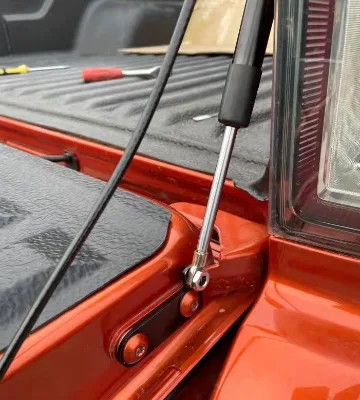
Car Tail Gate Slow Down Pull Down Tail Damper Hydraulic Rod for D-max 2020-2022
$10.23 - $19.44
MOQ: 20 sets
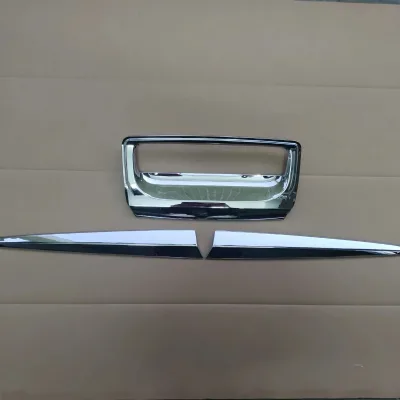
Car Accessories Chrome Cover Trim Tail Gate Trim for D-max 2016-2019 Window Garnish Accessories
$5.63 - $12.28
MOQ: 30 sets

CHANGZHOU LIFU VEHICLE INDUSTRY CO., LTD.
- Manufacturer/Factory
- China Jiangsu
- Lead time15 days
- Avg. response≤ 13h
Main productsSide Steps, Bumper Guards, Roof Racks, Electrical Running Boards, Body Kits, 4X4 Accessories, Tuning Accessories, Exterior Accessories, Cross Bars, Pick-up Tonneau Covers
Main marketsSouth America,Eastern Europe,Mid East,North America,Southeast Asia,Eastern Asia,Oceania,Western Europe,Africa

Side Steps for Hyundai Palisade
MOQ: 10 Sets

Side Steps for Hyundai Palisade
MOQ: 10 Sets

MOQ: 10 Sets
Shandong Best Auto Trade Co., Ltd.
- Trading Company
- Shandong, China
- Lead time7 days
- Avg. response≤ 12h
Main productsEngine parts,Timing chain set,Automotive chassis accessories,Automotive sensors,Automotive exterior components
Main marketsSouth Asia(20.00%), Central America(20.00%), Mid East(20.00%), Southeast Asia(20.00%), North America(20.00%)

Hebei Daimosi Auto Parts Co., Ltd
- Verified by BV
- Trading Company,Manufacturer/Factory
- China Hebei
- Lead time23 days
- Avg. response≤ 11h
Main productsKorean Car Engine, Automobile Fuel Nozzle, Spark Plug, High-Pressure Pump, Ignition Coil, Window Lifter Motor, Engine Tensioner, Thermostat, Sensor, Oxygen Sensor
Main marketsSouth America,Eastern Europe,Mid East,North America,Southeast Asia,Eastern Asia,Oceania,Western Europe,Africa

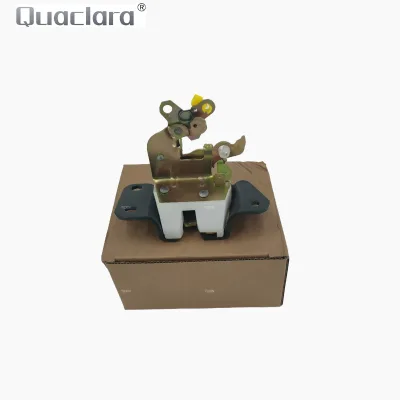
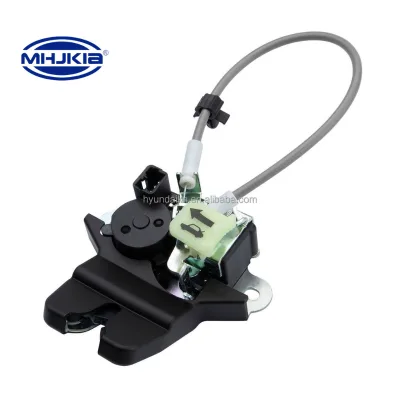
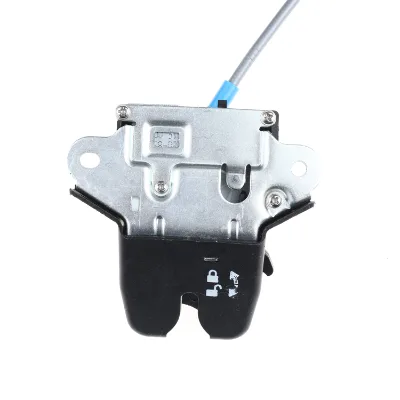
Auto Parts Trunk Lid Latch 81230-4X030 Tail Gate Latch Assy Korean Car for Hyundai Elantra
$4.50 - $5.00
MOQ: 4 pieces

Factory Price 81230-D6000 81230c1100 812303X010latch Assy-Tail Gate for Hyundai/ KIA K5
$4.00 - $5.50
MOQ: 4 pieces


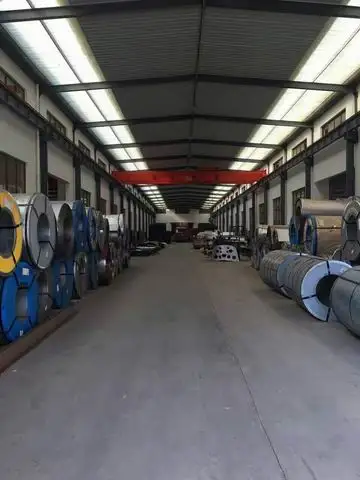
Jiangsu Aotepa Auto Parts Co., Ltd.
- Manufacturer, Trading Company
- Jiangsu, China
- Lead time15 days
- Avg. response≤ 17h
Main productsHOOD,DOOR,FENDER,TRUNK LID,REAR PANEL
Main marketsMid East(50.00%), Eastern Europe(30.00%), Africa(20.00%)
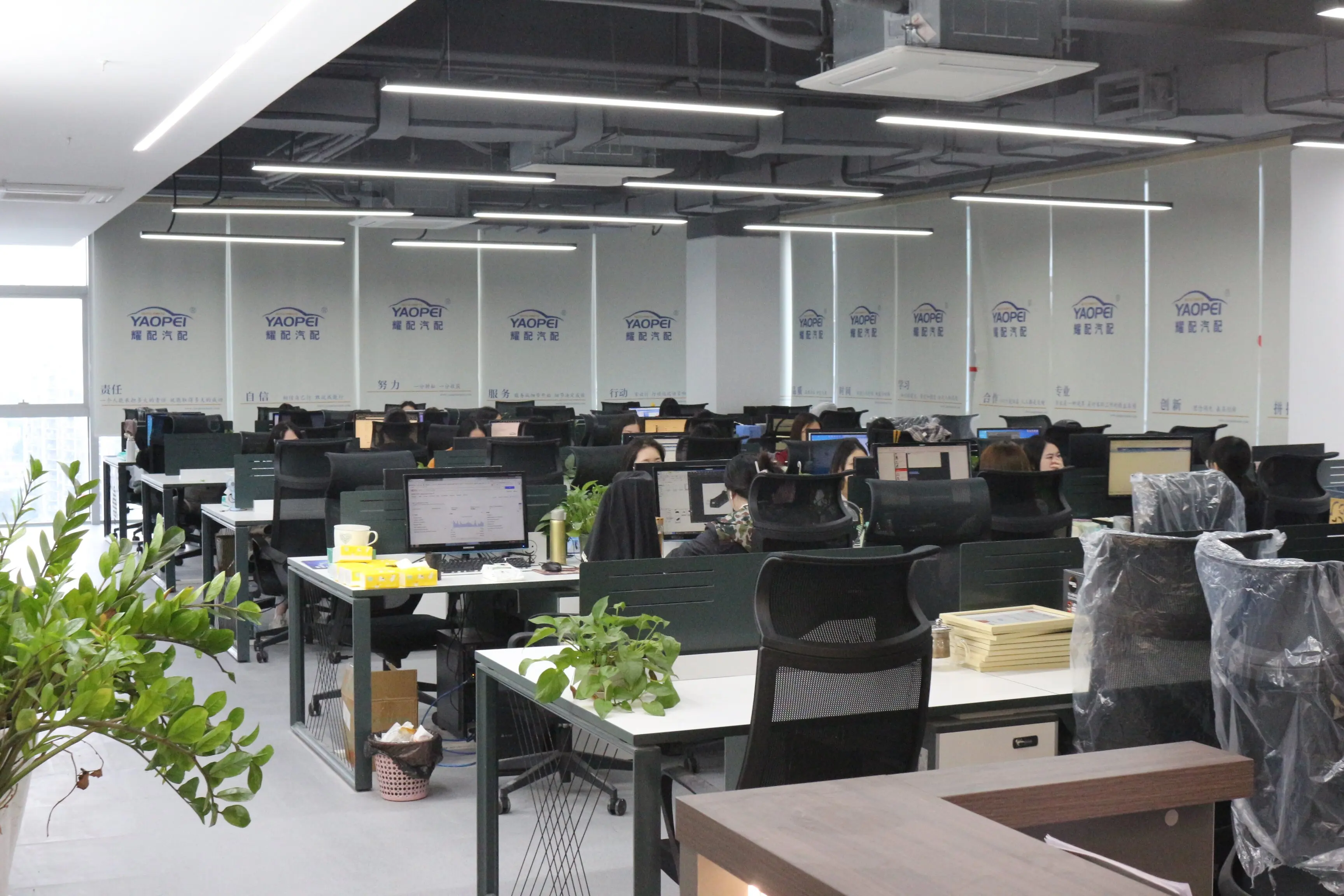
Guangzhou Didi Auto Parts Co., Ltd.
- Manufacturer, Trading Company, Distributor/Wholesaler
- Guangdong, China
- Lead time5 days
- Avg. response≤ 3h
Main productsPDC Sensor,Tpms Sensor,Power Window Switch,Reversing Camera,Oxygen Sensor
Main marketsMid East(15.00%), Southern Europe(10.00%), Northern Europe(10.00%), Domestic Market(10.00%), South Asia(10.00%), South America(10.00%), Oceania(5.00%), Africa(5.00%), Southeast Asia(5.00%), Western Europe(5.00%), Eastern Europe(5.00%), North America(5.00%), Eastern Asia(3.00%), Central America(2.00%)
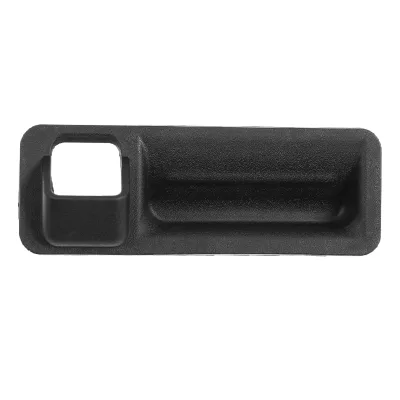
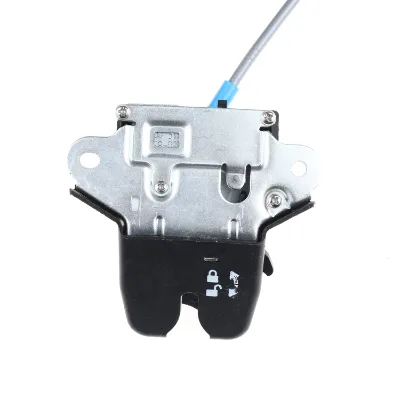
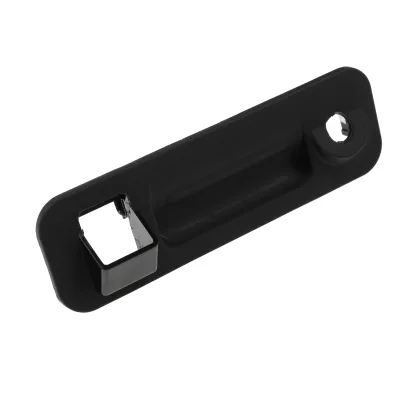
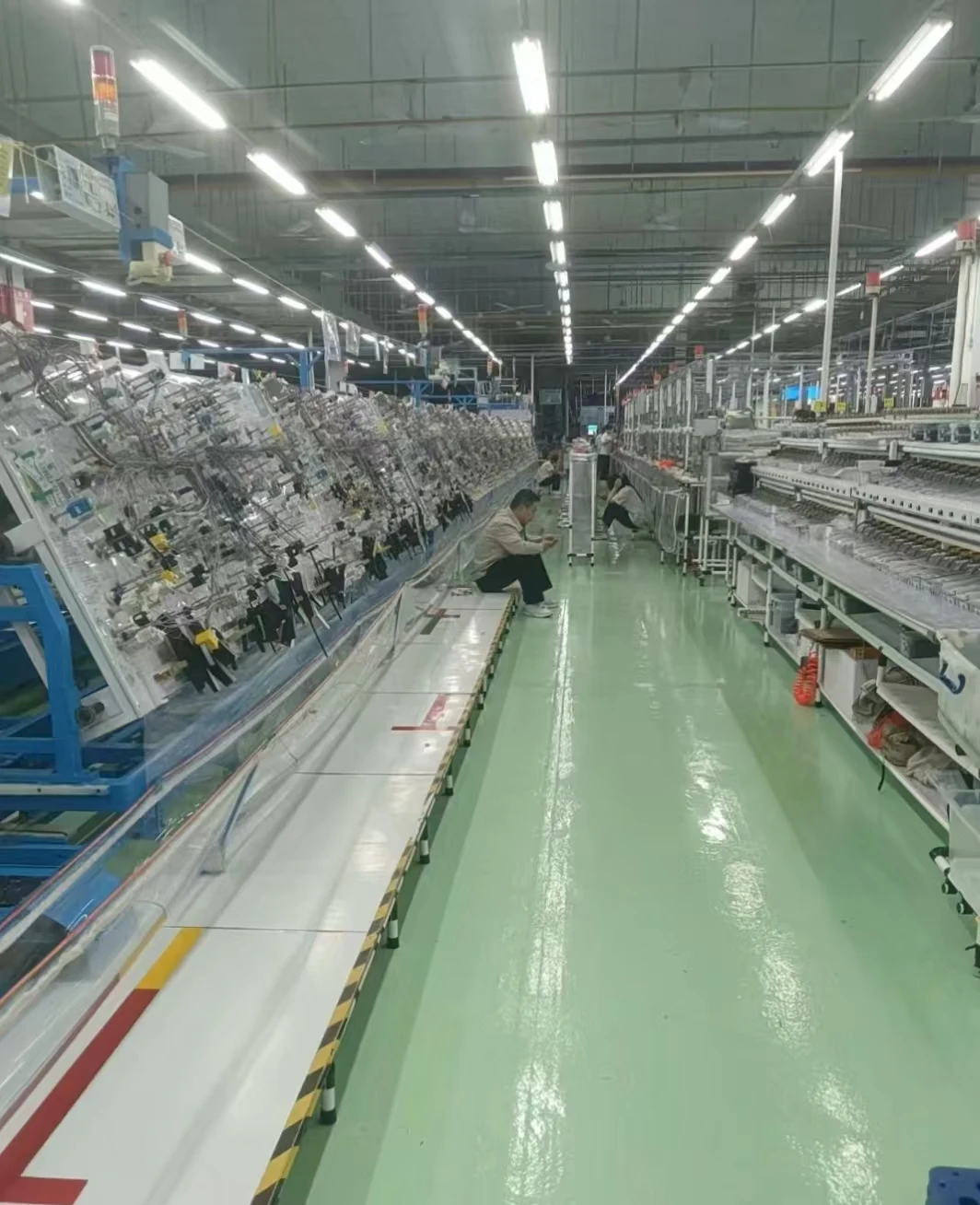
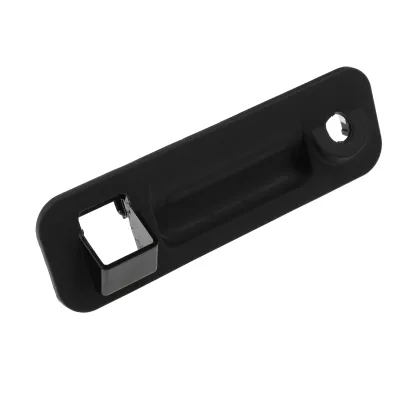
New Product Rear Trunk Open Button Tail Gate for 2015-2020 KIA Sorento 81260-C5010
$4.00 - $8.00
MOQ: 10 Minimum
Juqing (guangzhou) International Trade Co., Ltd.
- Trading Company, Buying Office, Distributor/Wholesaler
- Guangdong, China
- Lead time0 days
- Avg. response≤ 4h
Main productsAutomatic transmission and its accessories,shock absorbers,automotive lighting,automobile cylinder head,automobile headlights
Main marketsWestern Europe(16.00%), Domestic Market(15.00%), Eastern Europe(14.00%), South America(13.00%), North America(12.00%), Northern Europe(12.00%), Southeast Asia(8.00%), South Asia(6.00%), Mid East(4.00%)

Shenzhen Qinglian Tongchuang Automobile Electronics Co., Ltd.
- Verified by TUVRHEINLAND
- Combined
- China Guangdong
- Lead time30 days
- Avg. response≤ 6h
Main productsPower Tailgate, Power Liftgate, Electric Tailgate, Power Back Door, Car Electric Tail Gate Lift Trunk Rear Door, Running Boards & Steps, Truck Jeep & SUV Side Steps, Power Pedal, Soft Close Automatic Car Door(Cinching Latch), Automatic Car Door Opening&Closing Systems
Main marketsSoutheast Asia/ Mideast
Ruian Gleeful Auto Parts Co., Ltd.
- Manufacturer, Trading Company
- Zhejiang, China
- Lead time15 days
- Avg. response≤ 8h
Main productsDoor lock acutaor,door lock
Main marketsDomestic Market(60.00%), North America(30.00%), Eastern Asia(5.00%), Mid East(5.00%)
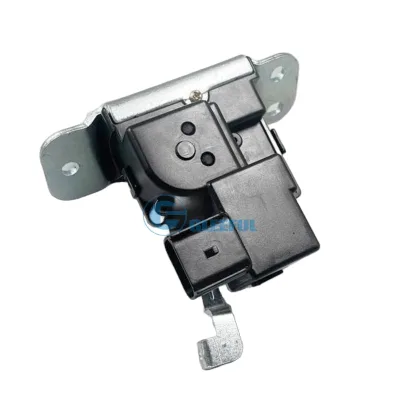
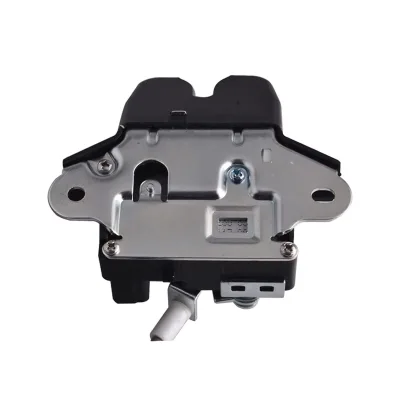
Liftgate Tailgate Lock Trunk Latch Actuator for 2013-2017 HYUNDAI I10 Creta 81230-B4010
$8.09 - $8.49
MOQ: 10 pieces
Huaxi (Guangzhou) Auto Parts Manufacturing Co., Ltd.
- Manufacturer, Trading Company
- Guangdong, China
- Lead time15 days
- Avg. response≤ 7h
Main productsShock Absorber & Mount & Bushing,Ignition Coil &Spark Plug,all Joint Tie Rod & Links,Auto Sensors,Brake Pad
Main marketsSouth Asia(20.00%), Africa(20.00%), Mid East(20.00%), Domestic Market(10.00%), Southeast Asia(10.00%), North America(5.00%), Eastern Europe(3.00%), Northern Europe(3.00%), Eastern Asia(2.00%), South America(2.00%), Oceania(2.00%), Western Europe(2.00%), Southern Europe(1.00%)

Changzhou Dingfeng Auto Lamps Co., Ltd.
- Manufacturer
- China Jiangsu
- Lead time0 days
- Avg. response≤ 18h
Main productsAuto Lamp

$5.00 - $100.00
MOQ: 10 Pieces


Foshan Smart Star Technology Co., Ltd.
- Manufacturer, Agent, Distributor/Wholesaler, Association
- Guangdong, China
- Lead time7 days
- Avg. response≤ 2h
Main productsElectrical accessories,Body parts,Decoration parts,Chassis accessories,Engine parts
Main marketsNorth America(21.00%), Mid East(20.00%), Africa(10.00%), Southern Europe(5.00%), Northern Europe(5.00%), Central America(5.00%), Western Europe(5.00%), Eastern Asia(5.00%), South America(5.00%), South Asia(5.00%), Eastern Europe(5.00%), Southeast Asia(5.00%), Domestic Market(2.00%), Oceania(2.00%)
Ancars (Guangzhou) Trading Co., Ltd.
- Trading Company, Distributor/Wholesaler
- Guangdong, China
- Lead time10 days
- Avg. response≤ 2h
Main productsAuto Body parts,Auto Engine Parts,Auto Suspension Parts,Auto Electrical Parts,Auto Sensor Parts
Main marketsAfrica(20.00%), Mid East(20.00%), South America(10.00%), Southeast Asia(10.00%), South Asia(10.00%), Eastern Asia(8.00%), Domestic Market(5.00%), North America(5.00%), Oceania(2.00%), Eastern Europe(2.00%), Southern Europe(2.00%), Northern Europe(2.00%), Central America(2.00%), Western Europe(2.00%)
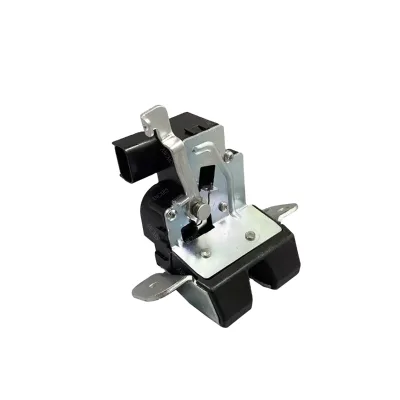
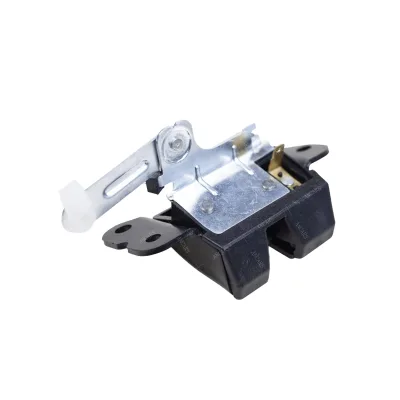
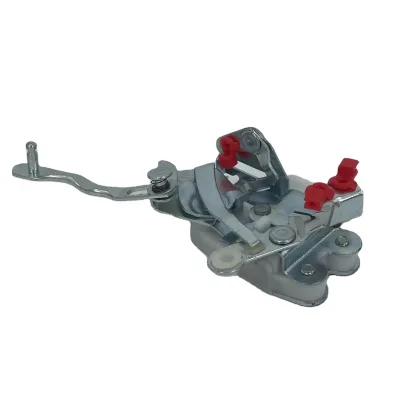
Car Tail Gate Lock 81230-4H001 for H-yundai Starex H1 2007- Tailgate Trunk Lacth
$8.19
MOQ: 50 Minimum






Comprehensive Sourcing Guide
Standard Tail Gate for Hyundai Supplier Concentration and Factory Types
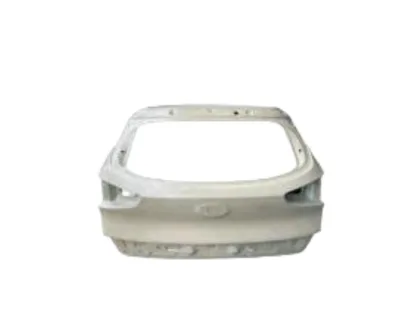
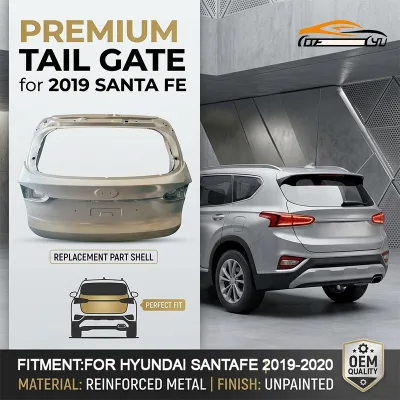
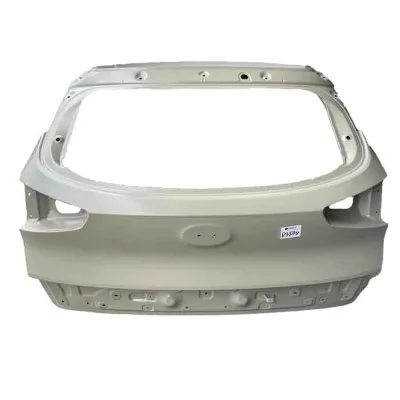
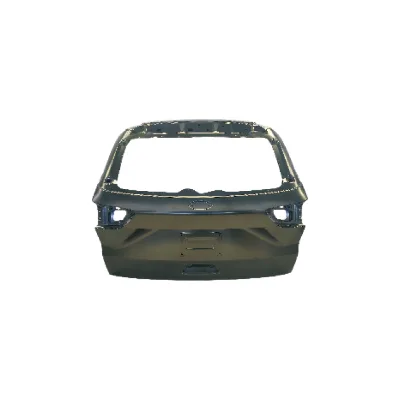
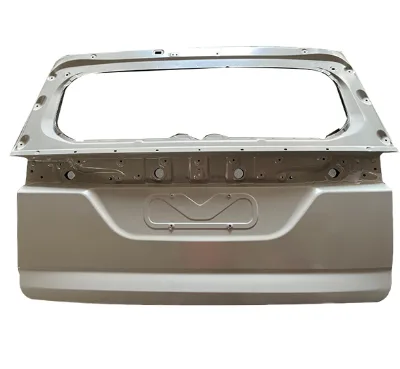
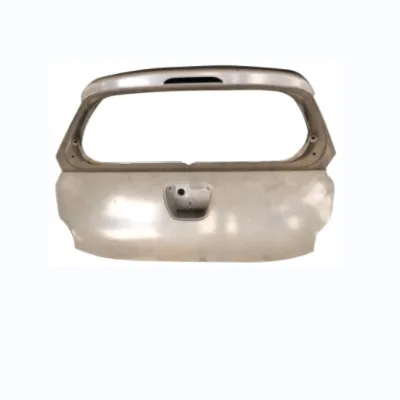
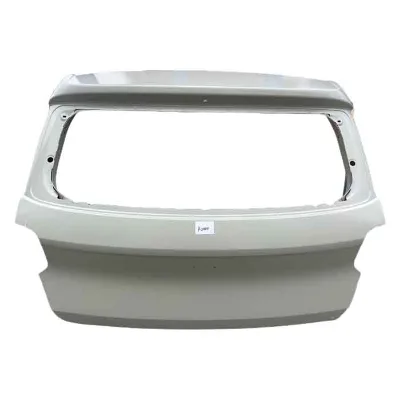
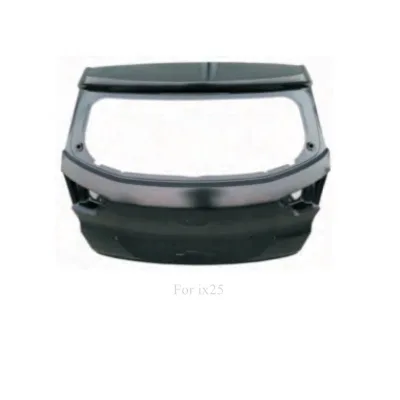
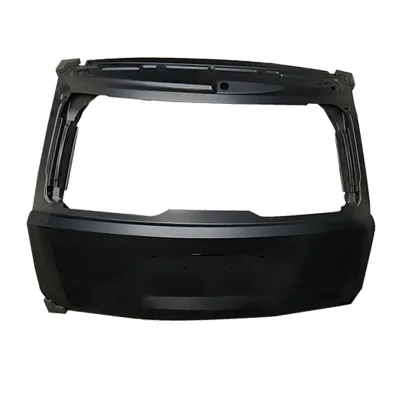
When sourcing standard tail gates for Hyundai models, buyers should begin by understanding where supply is actually concentrated. The supplier results for this category consistently point to Jiangsu, China as the place of origin for replacement tail gates, including steel tail gates for the Hyundai Tucson 2015 and 2019, the Santa Fe 2019, and the Venue 2020. This clustering matters because a concentrated manufacturing base typically means multiple factories share tooling practices, steel sourcing channels, and shipping infrastructure, which gives buyers room to compare quotes within one region rather than across scattered geographies. It also simplifies consolidated container loading, since several suppliers can often ship into the same port and freight network.
The companies behind these listings fall into two structural types: pure manufacturers and combined manufacturer-trading companies. Both types appear in this category, and each brings a different value proposition. A manufacturer type typically emphasizes factory-direct features, OEM-pattern production, and control over pressing and welding processes for stamped steel body panels. A hybrid manufacturer-trading company may list a broader catalog spanning hoods, front fenders, front doors, rear doors, and trunk lids, which is convenient for buyers who want to consolidate collision-parts orders across multiple body components. When screening listings, check whether the supplier identifies itself as a manufacturer, whether the tail gate is described as factory-direct, and whether the main products line includes full body panels rather than only accessories, since this signals real stamping capability.
How to Verify Standard Tail Gate for Hyundai Suppliers
Verification starts with third-party signals that the platform itself displays. Some suppliers in this category carry an SGS Group verification mark, which means an independent inspection body has assessed the company's profile. Treat this as a useful first filter rather than final proof: an SGS-verified badge confirms the business identity has been checked, not that every tail gate leaving the line meets your fitment standard. Beyond the badge, ask the supplier directly for its business license, factory photos or video walkthrough, and evidence of production equipment for stamping, welding, and e-coating of steel body panels. Any supplier unwilling to share these basics should be deprioritized.
Product-level verification is equally important. Listings in this category show attributes such as OE numbers (for example, 73700-D3500 for Tucson tail gates and 69200-K2000 for the Venue 2020), material declarations of steel, condition stated as 100% new, and a certificate line citing ISO9001:2008 on at least one listing. Confirm in writing that the OE number matches the vehicle generation you import, because tail gates are generation-specific. Request a dimensional check against the original part, sample photos of weld seams and drainage holes, and written warranty terms — one listing states a one-year warranty, while others state only quality assurance before leaving the factory. Finally, verify place of origin and packaging dimensions yourself rather than trusting a single listing field.
What to Compare Across Standard Tail Gate for Hyundai Suppliers
Build a comparison matrix using the attributes suppliers actually display. In this category, meaningful differences appear in lead time, minimum order quantity, response speed, location, and main product breadth. Observed lead times range from roughly ten days on one listing to twenty-five days on another, a gap that directly affects your inventory cycle for collision replacement parts. Minimum order quantities shown include twenty sets and thirty units depending on the product, so a buyer testing a new SKU should weigh which supplier's MOQ allows a lower-risk trial order. Response times also vary, with one supplier at about four hours and another at about eight hours; faster response usually predicts smoother issue resolution during production.
Beyond logistics metrics, compare product scope and service capability. Some suppliers specialize in tail gates for Hyundai models, while others list hoods, front fenders, front and rear doors, and trunk lids alongside tail gates — relevant if you plan mixed body-panel containers. Customization capability is another differentiator: one supplier advertises light customization, sample processing, graphic processing, and customization on demand. Compare price ranges where displayed, noting that observed tail gate listings span roughly from the low sixties to the low one-forties in US dollars per unit depending on model and complexity. Finally, compare establishment-year data, verification status, and warranty language side by side, and never assume a displayed attribute applies across a supplier's whole catalog.
Common Standard Tail Gate for Hyundai Sourcing Risks
The most frequent risk in this category is fitment error. A tail gate for a 2015 Tucson will not interchange with a 2019 Tucson, and listings here show distinct OE numbers — 73700-D3500 appears for Tucson applications while 69200-K2000 corresponds to the Venue 2020. If a supplier's quotation does not explicitly reference the correct OE number and model year, there is a real chance you receive panels for the wrong generation. A related risk is vague certification: some listings state only "Standard" as the certification value, which is not a verifiable claim. Ask which specific test or standard the certification refers to and request documentation before committing funds.
Other risks cluster around logistics and quality consistency. Tail gates are large stamped panels; one listing shows a single gross weight of about thirteen kilograms and carton packing with dimensions around 130 by 100 by 10 centimeters, so inadequate corner protection or stacking in a mixed container can cause denting and paint damage in transit. Warranty language also varies — some listings promise one year, others only pre-shipment quality assurance — leaving you exposed if defects surface after installation by end customers. Finally, beware of suppliers whose model numbers are internal codes (such as DY-HY-60545 style references) without cross-checkable OE references; ask for the OE cross-reference in writing and require a pre-shipment inspection on first orders.
Standard Tail Gate for Hyundai Regional Sourcing and Logistics
Because the listings in this category consistently identify Jiangsu, China as the place of origin, buyers can treat this as a coherent sourcing region with shared logistics advantages. A concentrated region shortens the distance between multiple factories, which makes multi-supplier consolidation into one container practical. For tail gates specifically, consolidation matters: panels are bulky relative to weight, so LCL shipments invite damage and high per-unit freight, while a full or shared container with proper racking and edge protection is the safer default. Confirm with each supplier whether it can palletize or crate tail gates and whether it cooperates with your nominated freight forwarder.
Regional sourcing also affects lead-time planning. Observed lead times in this category run from about ten days to twenty-five days, and your total timeline should add production queue, inland transport to the port, export customs, and ocean transit. When comparing suppliers within the same region, ask whether the stated lead time covers production only or the full door-to-departure window. Also verify Incoterms: whether quotes are FOB, EXW, or CIF changes who controls the freight booking and insurance for large body panels. Since several suppliers can ship from the same regional network, sequencing orders from multiple factories into one container requires coordinated readiness dates — build a shared loading schedule and confirm carton dimensions in advance, because mixed panel sizes affect container space utilization.
Standard Tail Gate for Hyundai Commercial Terms and Order Planning
Commercial planning should begin with MOQ and pricing structure. Listings in this category show MOQs of twenty sets and thirty units, and unit prices ranging from roughly sixty dollars to about one hundred forty dollars depending on model and specification. Negotiate pricing against the MOQ tier: ask what the price becomes at two or three times the minimum, and whether a first sample order can run below standard MOQ at a surcharge. Clarify what the quoted price includes — finish type, hardware, wiring harness holes for models with power tail gates, and packaging grade all affect landed cost and should be itemized in the proforma invoice.
Payment and order-protection terms deserve equal rigor. For first orders with an unverified counterparty, use secure payment mechanisms that hold funds until shipment or inspection, rather than direct wire transfers on trust. Confirm that the proforma invoice states the OE number, model year, material, quantity, unit price, warranty terms, lead time, and Incoterm; any missing field becomes a dispute later. Plan orders around the stated lead time plus buffer, and align reorder points with ocean transit duration so replacement tail gates arrive before stock-outs. Finally, schedule a pre-shipment inspection for every initial production run, define the acceptable defect criteria in writing, and negotiate how freight-damaged panels discovered at destination will be compensated on subsequent orders.
FAQs
Where are the tail gates for Hyundai typically manufactured?
The tail gates listed for Hyundai models are manufactured in Jiangsu, China. Suppliers there operate as both manufacturers and trading companies, producing steel tail gates, hoods, fenders, doors and trunk lids. When contacting a supplier, confirm the production facility location and whether the item ships directly from the factory or through a trading intermediary.
What is the typical lead time for a Hyundai tail gate order?
Lead times in the current listings range from about 10 days to 25 days depending on the supplier and product. Faster turnaround is usually tied to ready-stock items, while customized or larger batch orders take longer. Always confirm the lead time for your specific model year and quantity before confirming a purchase order.
What minimum order quantity should I expect for Hyundai tail gates?
Minimum order quantities in the listings range from 20 to 30 pieces or sets. Some products state an MOQ of 20 sets per order, while others list 30 units. MOQ can vary by model, such as Tucson or Venue applications, so ask the supplier to confirm the exact MOQ for the OE number you need.
Do these Hyundai tail gates come with any certification or warranty?
Yes, several listings mention certifications such as ISO9001:2008 and a one-year warranty, with quality assurance before leaving the factory. One supplier is verified by SGS Group. Warranty terms and certification scope differ by product, so request the certificate copy and written warranty conditions applicable to your specific tail gate model.
Which Hyundai models do the listed tail gates fit?
Current listings cover Hyundai Tucson 2015 and 2019, Santa Fe 2019, and Venue 2020, with OE numbers such as 73700-D3500 and 69200-K2000. Each tail gate is designed to match the original panel size for its stated model year. Verify the OE number against your vehicle's parts catalog before ordering to ensure correct fitment.
How quickly do these suppliers respond to buyer inquiries?
Response times in the listings range from about 4 to 8 hours. Suppliers with faster response times are generally better suited to urgent replacement projects or time-sensitive restocking. Send your inquiry with the exact OE number, model year and quantity so the supplier can reply with pricing, MOQ and lead time in one response.
What is the price range for Hyundai tail gates in these listings?
Listed prices range from roughly 60 to 140 US dollars per unit depending on the model and specification. For example, a Tucson 2015 tail gate lists around 69 to 71 dollars, while a Santa Fe 2019 steel tail gate ranges from 110 to 140 dollars. Request a formal quotation because prices can change with order volume and shipping terms.
Can suppliers customize Hyundai tail gate orders?
Some suppliers offer light customization, sample processing, graphic processing and customized-on-demand services, and one listing advertises easy customized service with factory-direct production. Customization usually affects lead time and minimum quantities. Discuss packaging, branding and color options such as grey or black directly with the supplier before placing your first order.