Stone Wash Cycling Jersey Suppliers and Manufacturers
Compare 23 verified suppliers offering Stone Wash Cycling Jersey with details on location, lead times, and MOQ. Review product attributes like material and customization options to source the right gear for your team today; review the available evidence before requesting comparable quotations from suitable candidates.
Suppliers List
Foshan Baoqier Electronic Commerce Co., Ltd.
- Trading Company, Distributor/Wholesaler
- Guangdong, China
- Lead time10 days
- Avg. response≤ 1h
Main productscycling clothings,cycling caps,outdoor sportwear,running shirts,Polo shirts
Main marketsWestern Europe(20.00%), South America(12.00%), North America(10.00%), Southern Europe(8.00%), Oceania(8.00%), South Asia(5.00%), Africa(5.00%), Northern Europe(5.00%), Domestic Market(5.00%), Eastern Europe(5.00%), Eastern Asia(5.00%), Mid East(5.00%), Southeast Asia(5.00%), Central America(2.00%)
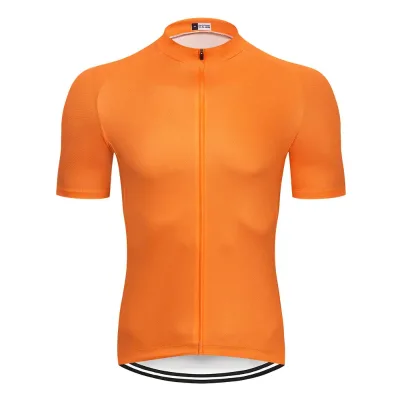
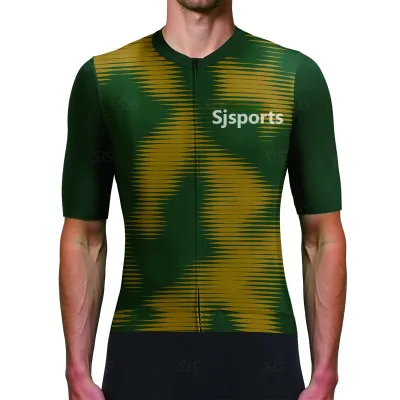
$7.15 - $10.12
MOQ: 10 pieces
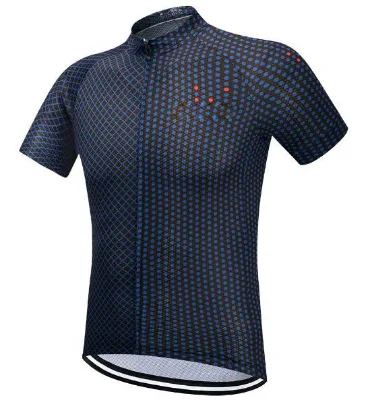
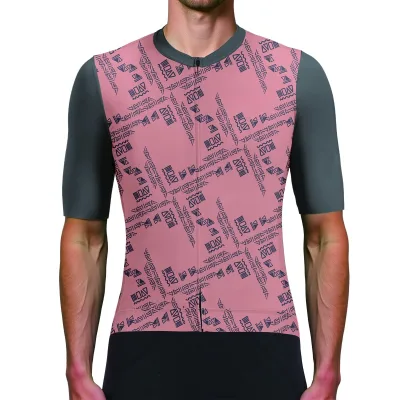
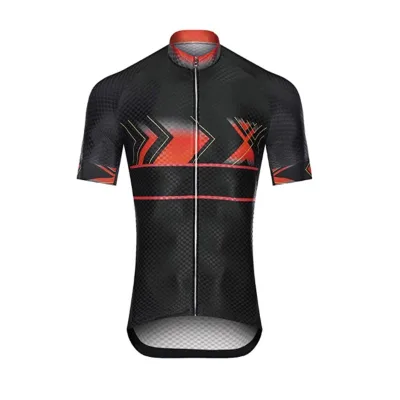
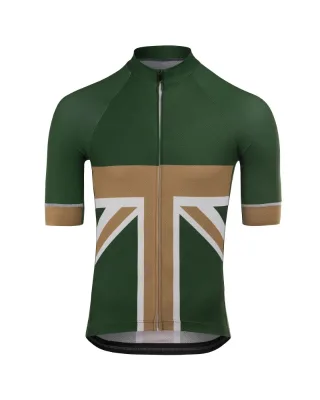

Lu'an Tianer Garment Co., Ltd.
- Verified by SGS
- Combined
- China Anhui
- Lead time15 days
- Avg. response≤ 8h
Main marketsSoutheast Asia/ Mideast,Europe,Australia

Cycling Jersey Bike Jersey Custom Cycling Jersey Sublimation Printed Team Cycling Shirt
$16.50 - $20.00
MOQ: 10 Pieces


Shanghai Genstex International Co., Ltd.
- Verified by TUVRHEINLAND
- Trading Company
- China Shanghai
- Lead time15 days
- Avg. response≤ 7h
Main productsCycling Wear, Insulated Jacket, Sports Wear, Gloves, Ski Wear, Merino Wool Wear, Accessories
Main marketsEurope,North America


Men's Merino Wool Breathable Green White Cycling Road Bike Short Sleeve Jersey
$17.50 - $18.80
MOQ: 500 pcs

$19.50 - $21.50
MOQ: 500 pcs

$13.00 - $13.90
MOQ: 500 pcs

Breathable Quick Dry Lightweight Short Sleeve Men's Cycling Bicycle Jersey
$14.58 - $15.70
MOQ: 500 Pieces

XIAMEN FULLSTAR IMPORT AND EXPORT CO., LTD.
- Verified by BV
- Trading Company,Manufacturer/Factory
- China Fujian
- Lead time0 days
- Avg. response≤ 14h
Main productsPadding Jackets, Down and Goosedown Jackets, Hybrid Jackets, Softshell and Fleece Jackets, Ski Jackets, Hikking Clothes, Running Clothes, Yoga/Fitness Clothes, Swimming Clothes


Custom Designed Short Sleeve Cycling Jersey Quick Dry & Breathable Men's Road Cycling
$15.00 - $25.00
MOQ: 600 Pieces


$15.00 - $25.00
MOQ: 600 Pieces

Wear Custom Cycle Jersey for Mountain Biking High Quality Shirts for Cyclists
$15.00 - $25.00
MOQ: 600 Pieces

Custom High Quality Short Sleeve Cycling Jersey Breathable Quick Dry Front
$15.00 - $25.00
MOQ: 600 Pieces

Times Chensheng (Xiamen) Trading Co., Ltd.
- Trading Company,Manufacturer/Factory
- China Fujian
- Lead time45 days
- Avg. response≤ 6h
Main productsJacket, Beach Shorts, Hoodies, Sports Wear, T-Shirt, Kids Wear, Casual Shorts, Swimming Wear, Sweater, Sport Bar
Main marketsSouth America,Eastern Europe,Mid East,North America,Southeast Asia,Eastern Asia,Oceania,Western Europe,Africa

Foshan Dopoo Sportswear Co., Ltd.
- Verified by TUVRHEINLAND
- Trading Company
- China Guangdong
- Lead time30 days
- Avg. response≤ 4h
Main productsSportswear, Hoodies, Baseball Jersey, Basketball Jersey, Fishing Shirts, Apparel, Jacket Jersey, Hockey Jersey, Cheerleading Uniform, Running Shirts
Main marketsNorth America


Custom Sublimation Quick-Drying Men Cycling Jersey with Suspender Trousers
$20.00 - $30.00
MOQ: 10 Pieces

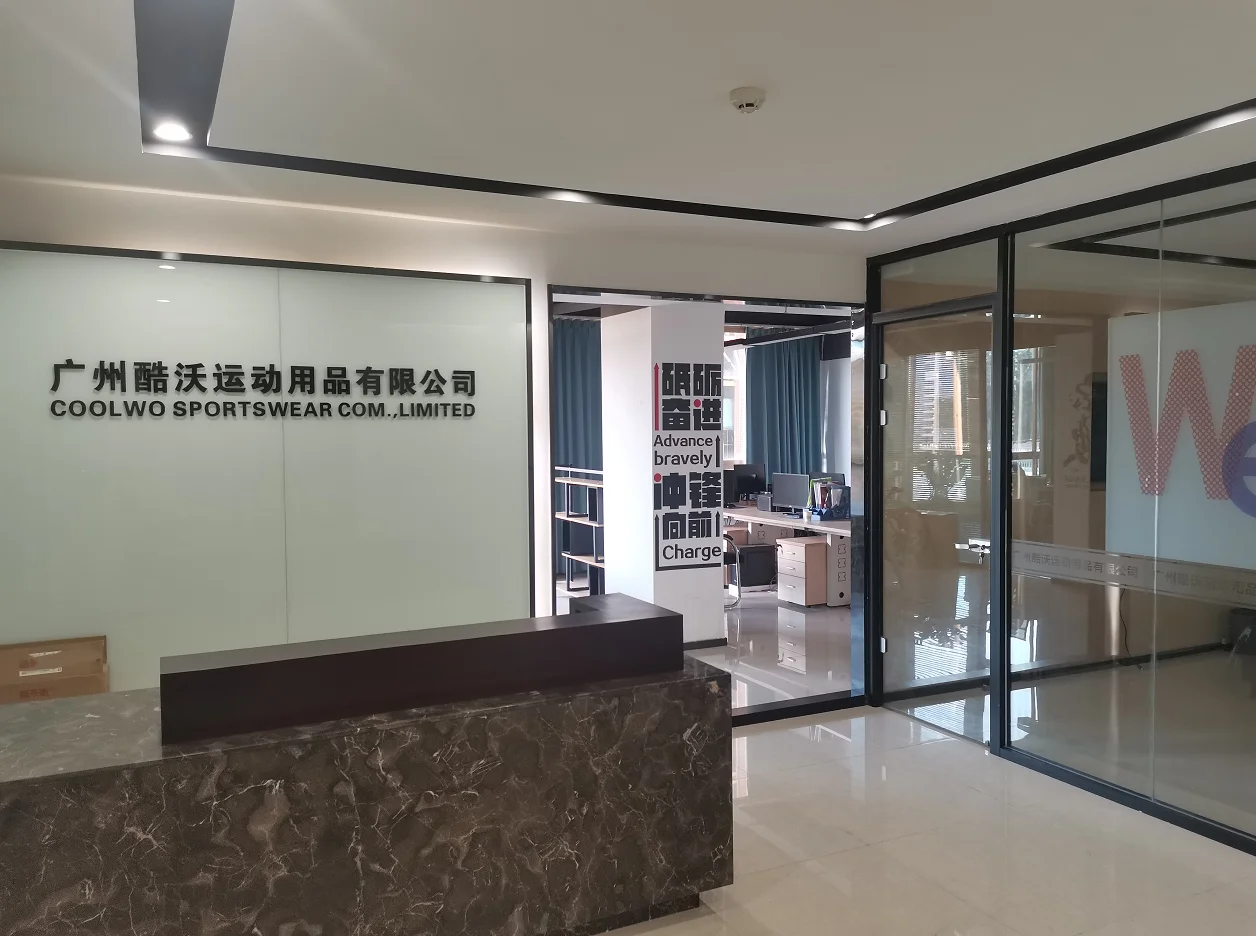
Guangzhou Kuwo Sports Goods Co., Ltd.
- Manufacturer, Trading Company
- Guangdong, China
- Lead time0 days
- Avg. response≤ 8h
Main productsCycling Jersey; Cycling Shorts; Running T Shirt; MTB Clothing; Polo
Main marketsNorth America(35.00%), Western Europe(25.00%), Oceania(15.00%), Eastern Europe(7.00%), Central America(5.00%), Mid East(5.00%), Southeast Asia(5.00%), South America(3.00%), South Asia(0.00%), Eastern Asia(0.00%), Southern Europe(0.00%), Northern Europe(0.00%), Africa(0.00%), Domestic Market(0.00%)

Dongguan Norns Sports Co., Ltd.
- Manufacturer/Factory
- China Guangdong
- Lead time15 days
- Avg. response≤ 2h
Main productsSportswear, Cheerleading Uniform, Baseball Jersey, Yoga Wear, Cycling Jersey, Compression Wear, Fishing Wear, Ice Hockey Jersey, Basketball Uniform, Sports Cap
Main marketsSouth America,Eastern Europe,Mid East,North America,Southeast Asia,Eastern Asia,Oceania,Western Europe,Africa


Custom Cycling Jersey Wholesale Cycling Uniforms Quick Dry Men Cycling Shirts
$8.00 - $16.50
MOQ: 10 piece


Hot Sale Sublimation Printing Cycling Jersey Custom Made Bicycle Sportswear
$8.00 - $16.50
MOQ: 10 piece

Factory Custom Sublimation Printing Cycling Jersey for Team Custom Logo Bicycle Shirts for Men
$8.00 - $16.50
MOQ: 10 piece

Guangzhou Betrue Sporting Goods Co., Ltd.
- Verified by Intertek
- Manufacturer, Trading Company
- Lead time30 days
- Avg. response≤ 3h
Main productsCycling Jersey, Cycling Shorts, Cycling Jacket, Triathlon Suit, Running Wear

Yueqing Yabiya Motorcycle Parts Co., Ltd.
- Verified by SGS
- Combined
- China Zhejiang
- Lead time23 days
- Avg. response≤ 6h
Main productsMotorcycle Helmet, Full Helmet, Half Helmet, 3/4 Half Helmet, Kids Helmet, Flip Helmet, Face Helmet, Cross-Country Helmet
Main marketsSouth America

- Verified by TUVRHEINLAND
- Trading Company
- China Fujian
- Lead time23 days
- Avg. response≤ 6h
Main productsYoga Set, Pet Supplies, Sneakers, Sportswear, Underwear, Swimsuit, Sports Equipment, Packaging, Outdoor Product, Solar Energy
Main marketsSoutheast Asia/ Mideast
Xiamen Ibestop Sport Co., Ltd.
- Trading Company, Distributor/Wholesaler
- Fujian, China
- Lead time10 days
- Avg. response≤ 4h
Main productscycling wear,Hoodies&Sweatshirt,T Shirt,training&jogging wear,Triathlon wear
Main marketsWestern Europe(20.00%), Southeast Asia(20.00%), North America(20.00%), South America(9.00%), Southern Europe(8.00%), Oceania(5.00%), Northern Europe(5.00%), South Asia(5.00%), Eastern Europe(5.00%), Central America(3.00%)

Shenzhen Karyo Industrial Co. Ltd
- Verified by TUVRHEINLAND
- Manufacturer/Factory
- China Guangdong
- Lead time15 days
- Avg. response≤ 4h
Main productsBaseball Uniform, Basketball Uniform, Board Beach Short, Paintball Jersey Dart Polo Shirts T Shirts, Cycling Wear, Beach Short, Wrestling Wear, Soccer Uniform, Hockey Jersey, Running Shirts and Shorts
Main marketsEastern Europe,North America,Oceania,Western Europe

Custom Sublimation Quick Dry Sports Jersey Bike Bicycle Racing Cycle MTB Cycling Jerseys
$13.00 - $15.00
MOQ: 5 pieces


Guangzhou Yisjoy Sports Glove Co., Ltd.
- Verified by BV
- Combined
- China Guangdong
- Lead time15 days
- Avg. response≤ 8h
Main productsSports Glove, Sports Wear, Sports Hats & Caps, Bike Gloves, Fishing Gloves, Ski Gloves, Billiards Gloves, Running Gloves, Fishing Shirts, Other Sports Accessories
Main marketsSoutheast Asia/ Mideast,East Asia(Japan/ South Korea),Europe,Australia,North America

Custom Mountain Bike Jersey Long Sleeve Breathable Quick Dry Cycling Shirt
$6.90 - $7.50
MOQ: 100 Pieces


Dongguan Monkey Clothes Co., Ltd.
- Verified by SGS
- Combined
- China Guangdong
- Lead time15 days
- Avg. response≤ 5h
Main marketsEurope,North America


Men's Short Sleeve Cycling Jersey ODM OEM Wholesales Cycling Team Club Fit Cycling Wear
$11.00 - $15.00
MOQ: 10 piece


Factory Price Custom Cycling Jersey Breathable High Performance Sublimate Cycle Jersey Shirt
$11.00 - $15.00
MOQ: 10 piece

- Verified by BV
- Trading Company
- China Shanghai
- Lead time15 days
- Avg. response≤ 7h
Main productsCanopy Tent, Advertising Flag, Table Cover, Light Box, Advertising Tent, Exhibition Booth, Adjustable Banner Display, Tension Backdrop, Inflatable Tent, Sports Wear
Main marketsSouth America,Africa,Southeast Asia/ Mideast,East Asia(Japan/ South Korea),Europe,Australia,North America

Summer Cycling Jersey for Men and Women - Quick Dry, Breathable, Anti-UV
$29.00 - $39.00
MOQ: 10 Pieces

Guangzhou Bo Rui Ke Sports Products Technology Co., Ltd.
- Verified by SGS Group
- Manufacturer, Trading Company
- Lead time15 days
- Avg. response≤ 3h
Main productsMotorcycle & Auto Racing Wear, MMA/ UFC/Martial Arts Wear, Running Singlet, Cycling Wear, Fishing Wear

Xiamen Aibort Clothing Co., Ltd.
- Verified by TUVRHEINLAND
- Combined
- China Fujian
- Lead time15 days
- Avg. response≤ 17h
Main productsCustom Sportswear & Teamwear, Soccer Rugby Basketball Baseball Hockey, Specialized Sportswear, Netball Tennis Cycling American Football, Polo Shirts T-Shirts Hoodies Jackets Pants, Socks Caps and Sports Bags, Fishing Lawn Bowl Afl.
Main marketsEurope,Australia

Aibort Quick Dry Sublimation Printing Solid Color Cycling Uniform Cycling Jersey
$10.00 - $14.50
MOQ: 20 Pieces


Aibort Professional Custom Bicycle Jersey Bodysuits Sublimation Cycling Jersey (L-CY-148)
$12.00 - $30.00
MOQ: 1 Pieces


$10.00 - $14.50
MOQ: 20 Pieces

Guangzhou Sanliansan Sports Goods Co., Ltd.
- Verified by CTI
- Combined
- China Guangdong
- Lead time15 days
- Avg. response≤ 4h
Main productsSportswear, Sport Gloves, Sports Protective Gear, Cap
Main marketsEurope,North America

Goldleaf (Shenzhen) Sports Co., Ltd.
- Verified by TUVRHEINLAND
- Trading Company,Manufacturer/Factory
- China Guangdong
- Lead time15 days
- Avg. response≤ 5h
Main productsHockey Uniform, Sports Uniform, Polo/Tshirt/Fishing Shirt, Lacrosse Uniform, Baseball Uniform, Basketball Uniform, Rugby Uniform, Racing Shirt, Cricket Uniform, Footy Shorts
Main marketsSouth America,Eastern Europe,Mid East,North America,Southeast Asia,Eastern Asia,Oceania,Western Europe,Africa

Ome Wholesale Cheap Customized Cycling Jersey Short Sleeve Cycling Jersey Bib Short Set
$8.00 - $14.00
MOQ: 5 piece

Wholesale Custom Men's Plain Fitness Sports Quick Dry Bib Cycling Jersey Set Short Sleeve
$8.00 - $14.00
MOQ: 5 piece

Yibin Haixun Machinery Technology Co., Ltd.
- Verified by SGS
- Manufacturer/Factory
- China Sichuan
- Lead time23 days
- Avg. response≤ 3h
Main productsSwimming Goggles, Goggles, Ski Goggles, Cycling Goggles, Protective Goggles, Wrist Guard; Knee Pad, Basketball Glasses, Gymnastics Gloves, Sports Shoes, Sportswear
Main marketsSouth America,Eastern Europe,Mid East,North America,Southeast Asia,Eastern Asia,Oceania,Western Europe,Africa
- Manufacturer, Trading Company
- Lead time旺季: "1 - 100":7,"101 - 500":10,"501 - 1000":15,"> 1000":"To be negotiated", 淡季: "1 - 100":7,"101 - 500":10,"501 - 1000":15,"> 1000":"To be negotiated"
- Avg. response≤ 3h
Main productsCustom Flags And Banners, Promotion Gifts, Promotion Apparel And Accessories, Advertising Display, Fashion Accessories

Guangzhou Ouzun Clothing Co., Ltd.
- Verified by CTI
- Combined
- China Guangdong
- Lead time23 days
- Avg. response≤ 3h
Main productsUniforms, Pants, Suits&Blazer, T Shirt, Polo Shirt, Sportswear, Jacket, Hoodies&Sweatshirts
Main marketsDomestic

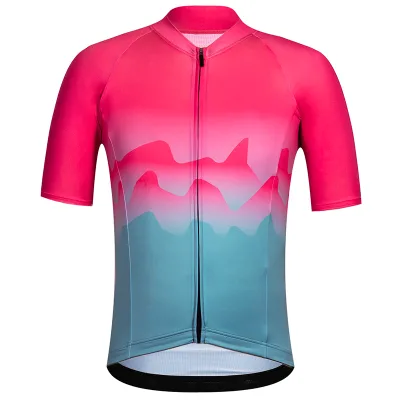
Wholesale Custom Cycling Jerseys and Bib Shorts for Cycling Teams and Clubs Cycling Wear Wholesale
$3.99 - $5.99
MOQ: 100 Pieces






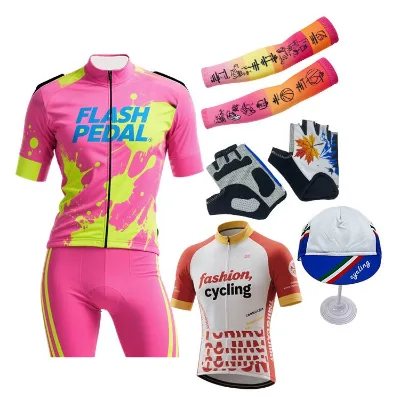
Comprehensive Sourcing Guide
Stone Wash Cycling Jersey Supplier Concentration and Factory Types
The available data indicates a concentration of suppliers in Guangdong, China, which serves as a primary manufacturing hub for cycling apparel. These entities often operate as trading companies or distributors rather than direct factories, offering a range of products including cycling clothing, caps, and outdoor sportswear. This structure allows for flexibility in sourcing various items like riding shirts and custom jerseys, though it implies a layer of intermediation between the buyer and the actual production facility. Buyers should verify if the supplier manages the entire supply chain or simply aggregates orders from multiple workshops to ensure quality control remains consistent across different production batches.
In contrast, some results point to suppliers located in Anhui, China, which may offer different operational models such as combined company types with specific ODM and OEM capabilities. These suppliers often emphasize high-performance features like race fit, silicone hem grips, and sublimation printing, suggesting a focus on technical sportswear rather than general apparel. The presence of SGS verification on certain Anhui-based entities provides a tangible metric for assessing reliability, though this certification is not universal across all listed suppliers. When evaluating these regional clusters, buyers must distinguish between pure trading entities and those with direct manufacturing capacity to accurately gauge lead times and production flexibility for specialized stone wash finishes.
How to Verify Stone Wash Cycling Jersey Suppliers
Verification begins with examining specific product attributes and company credentials provided in the search results. For instance, some suppliers explicitly list needle detection as a standard quality control measure, which is critical for ensuring safety in textile manufacturing. Additionally, the presence of SGS verification on certain profiles offers a third-party validation of the supplier's operational standards, though this should be cross-referenced with current certification documents rather than assumed based on a single data point. Buyers should request up-to-date certificates for any claimed standards, as the absence of such documentation does not necessarily indicate non-compliance but requires further inquiry to confirm the supplier's adherence to international safety norms.
Response time and sample availability serve as practical indicators of a supplier's operational readiness and communication efficiency. Data shows response times varying significantly, with some suppliers indicating a one-day response while others take over seven days, which can impact project timelines. Furthermore, the availability of sample orders, often supported within seven days, allows buyers to physically inspect the stone wash finish and fabric quality before committing to larger volumes. Buyers should prioritize suppliers who demonstrate a clear sample order process and provide detailed product attributes like fabric weight and material composition, as these details reflect a higher level of transparency and readiness to engage in a professional transaction.
What to Compare Across Stone Wash Cycling Jersey Suppliers
When comparing suppliers, lead time and minimum order quantity (MOQ) are critical differentiators that directly affect inventory planning and cash flow. The observed data reveals a wide range in lead times, from ten days to fifteen days, alongside MOQs that vary from a single piece to ten units. This variance suggests that some suppliers cater to small-batch or prototype needs, while others may require larger commitments for standard production runs. Buyers must align their order volume with the supplier's specific MOQ policies to avoid unnecessary costs or delays, ensuring that the chosen partner can accommodate the desired production scale without compromising on delivery schedules.
Price and material specifications also require careful comparison to ensure value alignment with product requirements. The price range for cycling jerseys in the current results spans from approximately $5.50 to over $20.00, reflecting differences in material quality, such as 100% polyester versus mesh fabrics, and the complexity of customization options like sublimation printing. Buyers should not assume that a lower price indicates inferior quality, as some suppliers offer competitive rates for standard items while others charge a premium for specialized features like custom team logos or specific fit types. A thorough comparison involves analyzing the total cost of ownership, including shipping and potential rework costs, rather than focusing solely on the unit price listed in the initial product data.
Common Stone Wash Cycling Jersey Sourcing Risks
One significant risk involves the inconsistency of product attributes across different listings, which can lead to confusion regarding the actual stone wash finish or fabric composition. While some products explicitly mention mesh fabric and quick-dry properties, others may lack detailed material specifications, making it difficult to verify if the final product meets the buyer's technical requirements. This ambiguity is particularly concerning for specialized finishes like stone wash, which may not be uniformly applied across all batches or suppliers. Buyers should insist on detailed product specifications and physical samples to confirm that the finish and material properties match the advertised claims before proceeding with any large-scale order.
Another risk stems from the variability in supplier types, where trading companies may not have direct control over the manufacturing process or quality assurance protocols. The presence of trading companies and distributors in the results suggests that the actual production might be outsourced to third-party factories, potentially introducing delays or quality inconsistencies. Without direct oversight of the production line, buyers may face challenges in addressing defects or ensuring that custom designs are executed correctly. To mitigate this, buyers should request evidence of the supplier's direct relationship with the manufacturing facility and verify their ability to manage quality control throughout the entire production cycle, rather than relying solely on the trading company's assurances.
Stone Wash Cycling Jersey Regional Sourcing and Logistics
Geographic location plays a pivotal role in determining logistics efficiency and shipping costs for stone wash cycling jerseys. The data highlights suppliers primarily located in Guangdong and Anhui, China, which are established manufacturing hubs with well-developed infrastructure for exporting textiles. Suppliers in these regions often offer multiple transport options, including air, sea, and land freight, providing flexibility in choosing the most cost-effective and timely delivery method. Buyers should consider the proximity of the supplier to major ports and the availability of reliable logistics partners to minimize transit times and reduce the risk of shipping delays, especially for time-sensitive orders.
However, the specific logistics capabilities of each supplier must be verified individually, as not all suppliers may offer the same level of shipping support or transparency. While some suppliers list standard transport methods, others may have specific requirements or limitations regarding packaging and handling that could impact the condition of the finished goods. Buyers should inquire about the supplier's experience with international shipping, their ability to handle customs documentation, and their track record for delivering goods safely and on time. Understanding these logistical nuances is essential for planning the supply chain effectively and ensuring that the stone wash cycling jerseys arrive in optimal condition for resale or distribution.
Stone Wash Cycling Jersey Commercial Terms and Order Planning
Commercial terms, including payment methods and escrow services, are fundamental to securing a safe transaction when sourcing stone wash cycling jerseys. While the current data does not explicitly detail escrow availability for all suppliers, buyers should prioritize platforms or suppliers that offer secure payment protection to mitigate financial risks. The presence of verified suppliers with specific credentials, such as SGS, often correlates with more robust commercial terms and a higher level of trust in the transaction process. Buyers must clarify payment schedules, deposit requirements, and the conditions for releasing funds to ensure that both parties are protected throughout the order fulfillment process.
Order planning requires a strategic approach to align production schedules with market demands, taking into account the varying lead times and MOQs observed in the supplier data. With lead times ranging from ten to fifteen days and MOQs as low as one unit, buyers have the flexibility to test the market with small orders before scaling up production. However, this flexibility must be balanced against the potential for higher per-unit costs in smaller batches. Buyers should develop a phased ordering strategy that leverages low MOQs for initial market testing while planning for larger, more cost-effective production runs once the product performance and customer response are validated, ensuring a sustainable and profitable sourcing model.
FAQs
What is the minimum order quantity for custom cycling jerseys?
Suppliers offer flexible minimum order quantities starting from just one piece for sample orders or small batches. This low MOQ allows buyers to test quality and fit before committing to larger production runs. Some vendors require a minimum of ten units for specific custom designs, but many support single-piece orders to facilitate easy team customization and initial market testing.
How long does production take for custom cycling apparel?
Standard lead times for manufacturing custom cycling jerseys typically range from ten to fifteen days. This timeframe covers material sourcing, sublimation printing, and quality control checks. Buyers should confirm specific delivery schedules with suppliers, as rush orders or complex custom designs may extend the production window beyond the standard ten-day baseline observed in current market listings.
What materials are used for breathable cycling jerseys?
Most cycling jerseys are constructed from 100% polyester or mesh fabrics designed for quick-drying performance. These materials ensure comfort and breathability during intense rides. Suppliers often highlight features like slim fits and anti-slip silicone hems. The fabric weight usually ranges from 160 to 180 grams, providing durability while maintaining a lightweight feel for professional and recreational cyclists.
Can I add custom logos and team names to jerseys?
Yes, suppliers support full OEM and ODM services for custom branding. Buyers can add personal names, team logos, and custom designs to the front, back, sleeves, and lower hem. Sublimation printing is commonly used to ensure vibrant, long-lasting colors. Customization options are widely available, allowing teams to create unique, professional-looking kits that reflect their specific identity and style.
What is the price range for wholesale cycling jerseys?
Wholesale prices for cycling jerseys generally range from approximately five dollars to twenty dollars per unit. The cost varies based on material quality, design complexity, and order volume. Basic polyester jerseys start around five dollars, while premium sets with advanced features may cost up to twenty dollars. Buyers can find competitive rates for bulk orders, making it affordable for team outfits.
Where are these cycling jersey suppliers located?
Manufacturers are primarily located in Guangdong and Anhui provinces in China. These regions are known for their robust textile and apparel manufacturing capabilities. Buyers can source products directly from these verified locations. The proximity to supply chains ensures efficient production and shipping. Suppliers in these areas offer various company types, including trading companies and combined manufacturers, to meet diverse sourcing needs.