Sticky Notes Suppliers and Manufacturers in China
Source 17 verified suppliers for Sticky Notes from China Jiangsu and Hubei. Compare ISO9001 certifications, OEM/ODM capabilities, lead times, and MOQs to find the right partner. Contact suppliers directly to request quotes and samples; review the available evidence before requesting comparable quotations from suitable candidates.
Suppliers List

Jiangsu Dehuang Stationery Co., Ltd.
- Verified by TUVRHEINLAND
- Combined
- China Jiangsu
- Lead time30 days
- Avg. response≤ 6h
Main productsCorrection Pen, Sticky Note, Eraser, Correction Fluid, Memo Pad
Main marketsSouth America,Africa,East Asia(Japan/ South Korea),Domestic,North America

- Verified by SGS
- Manufacturer/Factory
- China Hubei
- Lead time23 days
- Avg. response≤ 4h
Main productsA4 Paper, A4 Copy Paper, Paper, Sticky Note, Pad, Notepad, Memo Pad, Office Supply, Paper Stationery, Color Paper
Main marketsSouth America,Eastern Europe,Mid East,North America,Southeast Asia,Eastern Asia,Oceania,Western Europe,Africa

Ningbo Hollan Stationery Co., Ltd.
- Trading Company
- Zhejiang, China
- Lead time30 days
- Avg. response≤ 13h
Main productsStationery,Office Suppliers
Main marketsSouth America(25.0%), North America(21.0%), Africa(15.0%), Western Europe(7.000000000000001%), Oceania(6.0%), Mid East(5.0%), Eastern Europe(5.0%), Northern Europe(4.0%), Central America(3.0%), Eastern Asia(3.0%), South Asia(2.0%), Southern Europe(2.0%), Southeast Asia(2.0%)
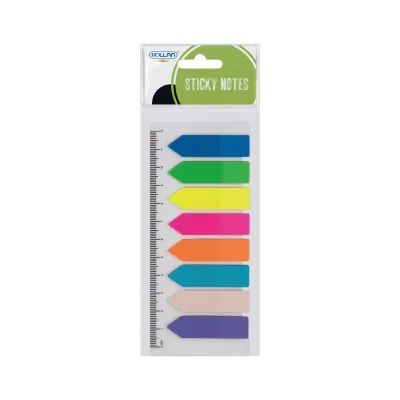
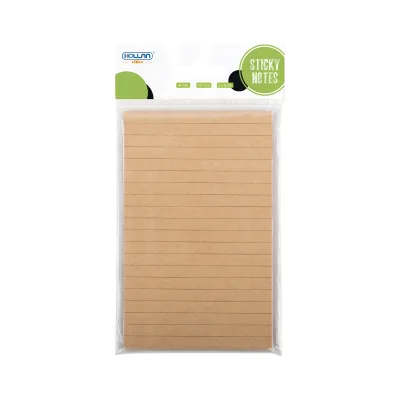
High Quality Normal Colour Sticky Notes
Contact supplier

Ningbo Becol Stationery & Gifts Co., Ltd.
- Verified by BV
- Trading Company
- China Zhejiang
- Lead time23 days
- Avg. response≤ 8h
Main productsPromotion Pen, Ball Pen, Marker Pen, Highlighter, Gel Pen, Cutter Knife, File Folder, Stapler, Scissor, Stamp
Main marketsSouth America,Africa,Southeast Asia/ Mideast,East Asia(Japan/ South Korea),Europe,Australia,North America


School Office Stationery Waterproof Clear Sticky Notes for Kids and Adult
$0.23 - $0.30
MOQ: 50 Pieces


Wenzhou Guanmin Import and Export Co., Ltd.
- Verified by BV
- Trading Company,Manufacturer/Factory
- China Zhejiang
- Lead time120 days
- Avg. response≤ 6h
Main productsShopping Bag, Cooler Bag, Notebook, Pen, Color Pencil, Lanyard, Beach Ball, Umbrella, Sunshade, Air Freshener
Main marketsSouth America,Eastern Europe,Mid East,North America,Southeast Asia,Eastern Asia,Western Europe

GUANGZHOU TIMI PRINTING CO.,LIMITED
- Verified by SGS
- Manufacturer/Factory
- China Guangdong
- Lead time38 days
- Avg. response≤ 2h
Main productsBook Printing, Children Books, Planner and Notebook, Toys, Puzzles, Game Cards, Cloth Books, Magazine, Stationery, Hardcover and Softcover Book
Main marketsSouth America,Eastern Europe,Mid East,North America,Southeast Asia,Eastern Asia,Oceania,Western Europe,Africa


Customizable Clear Sticky Notes in Soft Neutral Tones for Easy Organization
$0.50 - $1.50
MOQ: 500 piece

Stationery School Supplies Customized Paper Sticky Note Memo Pad Notes Book Printing
$0.50 - $1.50
MOQ: 500 piece

Ningbo Hardwork Art & Craft Co., Ltd.
- Verified by BV
- Combined
- China Zhejiang
- Lead time15 days
- Avg. response≤ 9h
Main productsDIY Kit, Stamp, Wooden Craft, Book
Main marketsEurope

Ningbo Inmax Cultural Technology Co., Ltd
- Verified by SGS
- Trading Company,Manufacturer/Factory
- China Zhejiang
- Lead time45 days
- Avg. response≤ 4h
Main productsPen, Stationery, Pencils, Ballpoint Pens, Highlighter, Notebook, Marker, Erasers, Rulers, School Stationery
Main marketsSouth America,Eastern Europe,Mid East,North America,Southeast Asia,Eastern Asia,Oceania,Western Europe,Africa

Cute Animal Shape Sticky Notes Student Message & Memo Sticky Notes (SI 36093)
$0.30 - $2.80
MOQ: 3000 piece


Sticky Note Cute to Do List Notepads Memo Pad Notepads Cute Kawaii Sticky Notes (SI 36052)
$0.45 - $1.20
MOQ: 3000 set

Wenzhou Bonvan Stationery & Gifts Co., Ltd.
- Verified by TüVRheinland
- Trading Company
- Lead time25 days
- Avg. response≤ 3h
Main productsMarkers, Pens, School Stationery, Office Stationery, Art Material
Main marketsNorth America(20%), Domestic Market(20%), Western Europe(15%)
HonorHope (Zhengzhou) Technology Industrial Co., Ltd.
- Manufacturer, Trading Company
- Henan, China
- Lead time15 days
- Avg. response≤ 12h
Main productsPaper Bag,Gift Box,Calendar,Nowoven bag,Notebook
Main marketsMid East(30.0%), North America(20.0%), Western Europe(15.0%), South America(10.0%), Eastern Europe(5.0%), Eastern Asia(5.0%), Southeast Asia(5.0%), Oceania(5.0%), Africa(5.0%)

Guangzhou Mangou Arts and Crafts Co., Ltd.
- Verified by SGS
- Manufacturer/Factory
- China Guangdong
- Lead time15 days
- Avg. response≤ 4h
Main productsLanyards, Rubber Keychains / Soft PVC Keyring, Mouse Pads, Canvas Bags, Silicone Bracelets / Fabric Bracelets, Advertising Flags, Drawstring Bags, Car Paper Air Freshener, Caps / Hats, Ballpoint Pens
Main marketsSouth America,Eastern Europe,Mid East,North America,Southeast Asia,Eastern Asia,Oceania,Western Europe,Africa

Wholesale New Design Custom Cartoon Logo Sticky Notes Strong Adhesive Notes Office Notes
$0.20 - $0.32
MOQ: 500 Pieces

Factory Wholesale Custom Shape Sticky Notes Colorful Strong Adhesive Sticky Notes Notepad with Logo
$0.20 - $0.32
MOQ: 500 Pieces

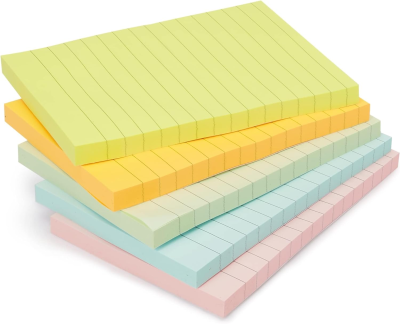
The New Custom Logo Line Sticky Notes Eco-Friendly Self-Adhesive Sticky Notes for School and Office
$0.20 - $0.32
MOQ: 500 Pieces
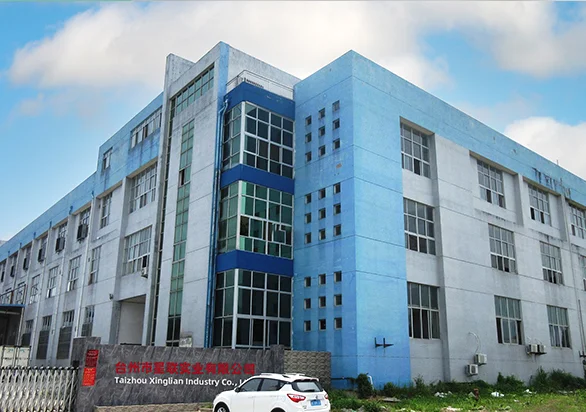
Taizhou Xinglian Industry Co., Ltd.
- Manufacturer, Trading Company
- Zhejiang, China
- Lead time0 days
- Avg. response≤ 2h
Main productsPaper packaging and printing products (paper box,paper bag,gift packaging items,cake boards,notebooks)
Main marketsEastern Asia(100.0%), Oceania(100.0%), Domestic Market(100.0%), Eastern Europe(100.0%), Central America(100.0%), South Asia(100.0%), Southern Europe(100.0%), Northern Europe(100.0%), North America(45.0%), Western Europe(35.0%), Southeast Asia(8.0%), Mid East(7.000000000000001%), Africa(3.0%), South America(2.0%)

- Verified by TUVRHEINLAND
- Trading Company
- China Zhejiang
- Lead time15 days
- Avg. response≤ 16h
Main productsStationery Set, Calendar, Promotion Pen, Bottle, Car Products, Fidget Toy, DIY Toy, Education Toy, Art Set, Pencil Case
Main marketsSouth America,Europe,North America

Sticky Notes Stickers Promotional Notes Custom Memo Pad Printing Adhesive Notepad
$0.32 - $0.50
MOQ: 100 Pieces


Ninghai Haibei Stationery Co., Ltd.
- Manufacturer, Trading Company
- Zhejiang, China
- Lead time30 days
- Avg. response≤ 4h
Main productsPaper Fastener,Paper Clip,Stapler,Staples
Main marketsSouth America(35.0%), Eastern Europe(20.0%), Southeast Asia(17.0%), Mid East(10.0%), North America(4.0%), Oceania(2.0%), Africa(2.0%)

Qingdao Chenghaoda Science and Technology Co., Ltd.
- Verified by BV
- Manufacturer/Factory
- China Shandong
- Lead time15 days
- Avg. response≤ 14h
Main productsCustom Packaging Paper Bag, Custom Packaging Paper Box, Corrugated Carton/Gift Box, Custom Notebook, Decorative Books, Book/Booklet/Brochure/Catalog/Magazine Printing, Disposable Dishware
Main marketsNorth America,Eastern Asia,Western Europe

Zhangzhou Mass Paper Printing Co., Ltd.
- Verified by SGS
- Combined
- China Fujian
- Lead time15 days
- Avg. response≤ 2h
Main marketsDomestic

- Trading Company,Manufacturer/Factory
- China Guangdong
- Lead time0 days
- Avg. response≤ 25h
Main productsCraft Paper Bag, Coffee Bag, Packing Bag, Shopping Bag, Courier Bag, Package Bag
Main marketsSouth America,Eastern Europe,Mid East,North America,Southeast Asia,Eastern Asia,Oceania,Western Europe,Africa

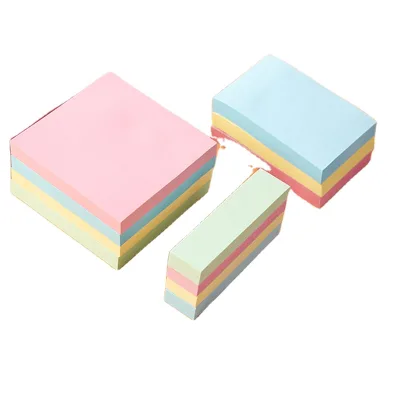
Cheap Price 100 Sheets Multi Color Sticky Notes Cute Memo Pads It Sticky and Post Note Bookmark
$0.75 - $2.50
MOQ: 1000 pcs

Cheap Price 100 Sheets Multi Color Sticky Notes Cute Memo Pads It Sticky and Post Note Bookmark
$0.75 - $2.50
MOQ: 1000 pcs

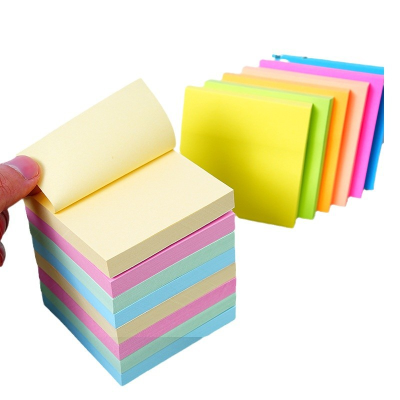
5 Color Mini Sticky Notes, Custom Logo Portable Mini Memo Pad Sticky Notes Give Aways
$0.75 - $2.50
MOQ: 1000 pcs


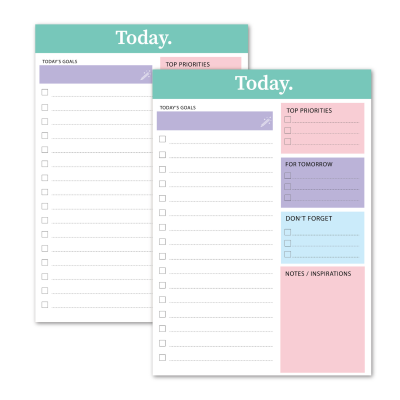
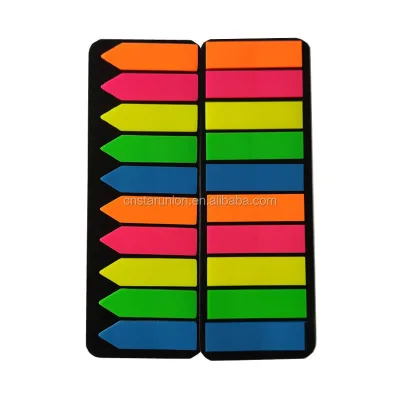
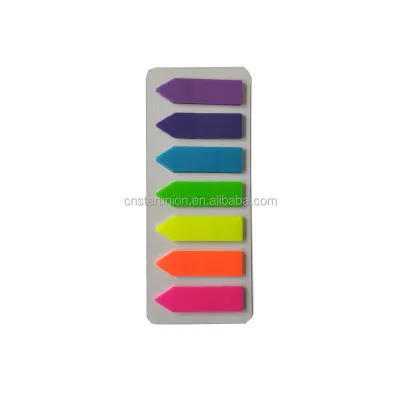
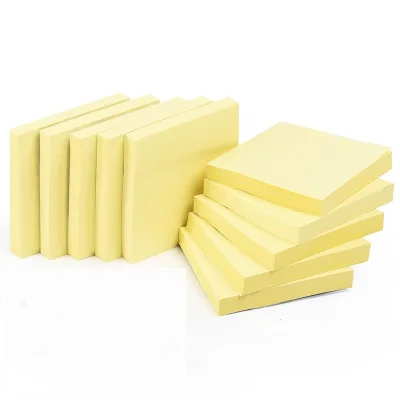
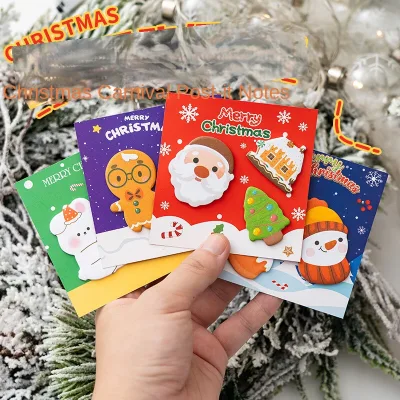


Comprehensive Sourcing Guide
Sticky Notes Supplier Concentration and Factory Types
The current supplier landscape for Sticky Notes reveals a concentration of manufacturing activity within specific Chinese provinces, with Jiangsu emerging as a primary hub for production facilities. Data indicates that several suppliers operate from locations such as Yangzhou and Gaoyou City in Jiangsu Province, suggesting a regional cluster where raw material access and specialized stationery manufacturing capabilities are established. This geographic concentration often implies a mature supply chain ecosystem where factories can source paper, adhesives, and printing services locally, potentially reducing logistics friction for bulk orders. Buyers should recognize that while Jiangsu is a verified location for multiple entities, the absence of data for other regions does not preclude the existence of capable factories elsewhere, but it does highlight a specific area of high supplier density for this product category.
Factory types in this sector vary between combined trading companies and dedicated manufacturers, each offering distinct advantages for different procurement strategies. Some suppliers are classified as combined entities, which may blend trading functions with production oversight, while others are explicitly identified as manufacturers or factories with their own production lines. This distinction is critical because manufacturers often provide greater control over the production process, allowing for more flexible ODM and OEM customization options, whereas combined entities might offer a broader range of products including correction pens and memo pads alongside Sticky Notes. Buyers must verify the specific company type to ensure the supplier can meet their volume requirements and customization needs without relying on third-party subcontractors that could introduce quality inconsistencies.
How to Verify Sticky Notes Suppliers
Verification of Sticky Notes suppliers requires a rigorous examination of third-party audit reports and system certifications to ensure operational legitimacy and quality standards. Several suppliers in the current results have undergone verification by recognized bodies such as TÜV Rheinland and SGS, providing a layer of confidence regarding their business operations and compliance. Additionally, system certifications like ISO 9001:2015, ISO 9001, and ISO 14001 are present in the profiles of various manufacturers, indicating adherence to international quality management and environmental standards. These credentials are not merely marketing claims but are documented attributes that buyers should request to confirm the supplier's commitment to consistent product quality and sustainable manufacturing practices.
Beyond certifications, the responsiveness and verification status of a supplier serve as practical indicators of their reliability and operational efficiency. Response times recorded in supplier profiles, such as figures around 3.35 or 5.61, offer a quantitative measure of how quickly a potential partner communicates, which is vital for resolving production issues or clarifying specifications. A verified status, often denoted by badges from agencies like SGS or TÜV Rheinland, suggests that the supplier has passed specific checks regarding their business license and operational capacity. Buyers should prioritize suppliers with these verified badges and low response times, as these factors correlate with a higher likelihood of smooth communication and timely order fulfillment, reducing the risk of delays or misunderstandings during the sourcing process.
What to Compare Across Sticky Notes Suppliers
When evaluating multiple suppliers, buyers must systematically compare key operational metrics such as lead times, minimum order quantities, and pricing structures to determine the best fit for their specific project requirements. Lead times observed in the current data range from approximately 23 to 30 days, reflecting the time needed for production and preparation after order confirmation. Minimum order quantities vary significantly, with some suppliers requiring as few as 100 units while others mandate orders of 10,000 or 20,000 units, directly impacting the feasibility for small-scale buyers versus large distributors. Pricing also fluctuates based on customization and volume, with unit costs ranging from $0.05 to $1.00 depending on the specific product attributes and order size, necessitating a detailed cost-benefit analysis before committing to a supplier.
Product capabilities and customization options represent another critical dimension for comparison across the supplier base. Many suppliers offer ODM and OEM services, allowing for custom shapes, colors, and logo printing, which is essential for brands seeking unique promotional items or specialized stationery. Attributes such as inner page counts, cover materials, and adhesive features like self-adhesive properties are available across different product lines, but the extent of customization varies. Some suppliers provide standard packing and fixed models, while others welcome custom designs with flexible size and color options. Buyers should align their product specifications with the supplier's stated capacity for customization, ensuring that the chosen partner can deliver the exact design, material, and branding requirements without compromising on quality or delivery schedules.
Common Sticky Notes Sourcing Risks
One significant risk in sourcing Sticky Notes involves the potential mismatch between advertised product specifications and the actual delivered goods, particularly regarding material quality and adhesive performance. While suppliers list attributes such as soft paper covers and self-adhesive features, the actual performance of the adhesive on different surfaces can vary, leading to issues where notes do not stick properly or leave residue. Buyers must verify product samples before placing large orders to ensure that the "stick-up" feature and cover material meet their specific usage requirements, as generic descriptions may not account for variations in paper weight or adhesive strength. Relying solely on product descriptions without physical verification can result in receiving products that fail to meet the functional expectations of the end-user.
Another prevalent risk is the variability in production capacity and the ability to meet tight deadlines, especially when dealing with high-volume orders or complex customizations. Although lead times are provided, external factors such as raw material shortages or production bottlenecks can extend these timelines beyond the quoted estimates. Suppliers with higher minimum order quantities may be better equipped to handle large volumes, but they might also have longer lead times due to the complexity of their production schedules. Buyers should assess the supplier's capacity for ODM and OEM work and confirm their ability to scale production if demand increases, ensuring that the supplier can maintain quality and delivery consistency throughout the entire order lifecycle without unexpected delays.
Sticky Notes Regional Sourcing and Logistics
Sourcing Sticky Notes from China, particularly from the Jiangsu province cluster, offers logistical advantages due to the region's well-developed infrastructure and proximity to major shipping ports. The concentration of manufacturers in areas like Yangzhou and Gaoyou City facilitates efficient inland transportation to coastal hubs, potentially reducing freight costs and transit times for international buyers. However, buyers must account for the specific origin details provided, such as Gaoyou City or Yangzhou, as these locations influence the final shipping route and associated logistics costs. Understanding the precise origin of the goods allows for more accurate freight calculations and better planning for customs clearance, ensuring that the supply chain remains efficient from the factory floor to the destination market.
For buyers considering suppliers outside of the identified Jiangsu cluster, it is essential to verify the specific location and logistics capabilities of each potential partner. While the current data highlights Jiangsu, other regions like Hubei also host manufacturers, and the logistics network in these areas may differ in terms of efficiency and cost. Buyers should inquire about the supplier's experience with international shipping and their ability to handle export documentation, as these factors are crucial for smooth cross-border transactions. By confirming the origin and logistics readiness of the supplier, buyers can mitigate risks related to shipping delays and ensure that the products arrive on time and in good condition, maintaining the integrity of the supply chain.
Sticky Notes Commercial Terms and Order Planning
Commercial terms for Sticky Notes orders are heavily influenced by the minimum order quantities and pricing tiers established by individual suppliers. With MOQs ranging from 100 to 20,000 units, buyers must carefully plan their order volumes to align with supplier requirements while managing inventory costs effectively. Pricing structures often reflect these volume thresholds, with unit costs decreasing as order sizes increase, making it crucial for buyers to calculate the total cost of ownership rather than focusing solely on the per-unit price. Understanding these commercial terms helps in negotiating better deals and ensuring that the order size is economically viable for the buyer's business model.
Order planning also requires a strategic approach to customization and production timelines to avoid bottlenecks and ensure timely delivery. Suppliers offering ODM and OEM services may require additional time for design approval and sample production, which should be factored into the overall project schedule. Buyers should initiate the customization process early, providing clear specifications for shapes, colors, and branding to minimize back-and-forth communication and delays. By aligning their order planning with the supplier's lead times and customization capabilities, buyers can ensure a smooth production process and receive their Sticky Notes exactly when needed, supporting their marketing campaigns or retail operations without interruption.
FAQs
What is the typical lead time for sticky note orders?
The typical lead time for sticky note orders is 30 days based on current supplier data. Some manufacturers offer faster turnaround times of 23 days for specific products. Buyers should confirm exact delivery schedules with suppliers before placing large orders to ensure timely receipt.
What are the minimum order quantities for custom Sticky Notes?
Minimum order quantities vary significantly by supplier and product type. Some suppliers require 20,000 units for custom shapes, while others accept orders as low as 100 units for standard pads. Buyers must check specific product listings to determine the exact MOQ applicable to their needs.
Which certifications do sticky note suppliers typically hold?
Many suppliers hold ISO 9001:2015 and ISO 14001 certifications for quality and environmental management. Some products also meet CE and SGS standards. Verification by third parties like TÜV Rheinland or SGS adds credibility to the supplier claims regarding production standards and safety compliance.
Where are the main manufacturing locations for these products?
Manufacturing locations are primarily in China, specifically in Jiangsu and Hubei provinces. Specific origins include Yangzhou and Gaoyou City in Jiangsu. Buyers should verify the exact factory location for each supplier to assess logistics costs and shipping times accurately.
What customization options are available for Sticky Notes?
Customization options include irregular shapes, multicolor designs, and logo printing. Many suppliers offer ODM and OEM services with customized sizes and cover materials. Buyers can request specific inner page counts and memo accessories like boxes or holders to match their branding requirements.
How quickly do suppliers typically respond to inquiries?
Response times vary, with some suppliers responding within 3.35 hours and others taking up to 5.61 hours. Faster response times often indicate higher availability and better customer service. Buyers should prioritize suppliers with shorter response times for urgent sourcing needs.
What price ranges are available for wholesale Sticky Notes?
Price ranges depend on order volume and customization. Some products start at $0.05 per unit, while others are priced around $0.62 or $1.00. Bulk orders often yield lower unit costs, but buyers must verify current pricing against specific MOQs and product specifications.