Wool Poly Mix Tweed Fabric Suppliers and Manufacturers
Explore 14 verified options for Wool Poly Mix Tweed Fabric from Zhejiang, China. Compare response times, lead times, certifications like SGS and Oeko-Tex, and price ranges between 1.53 and 15.00. Contact suppliers directly to verify MOQ and custom design capabilities.
Suppliers List
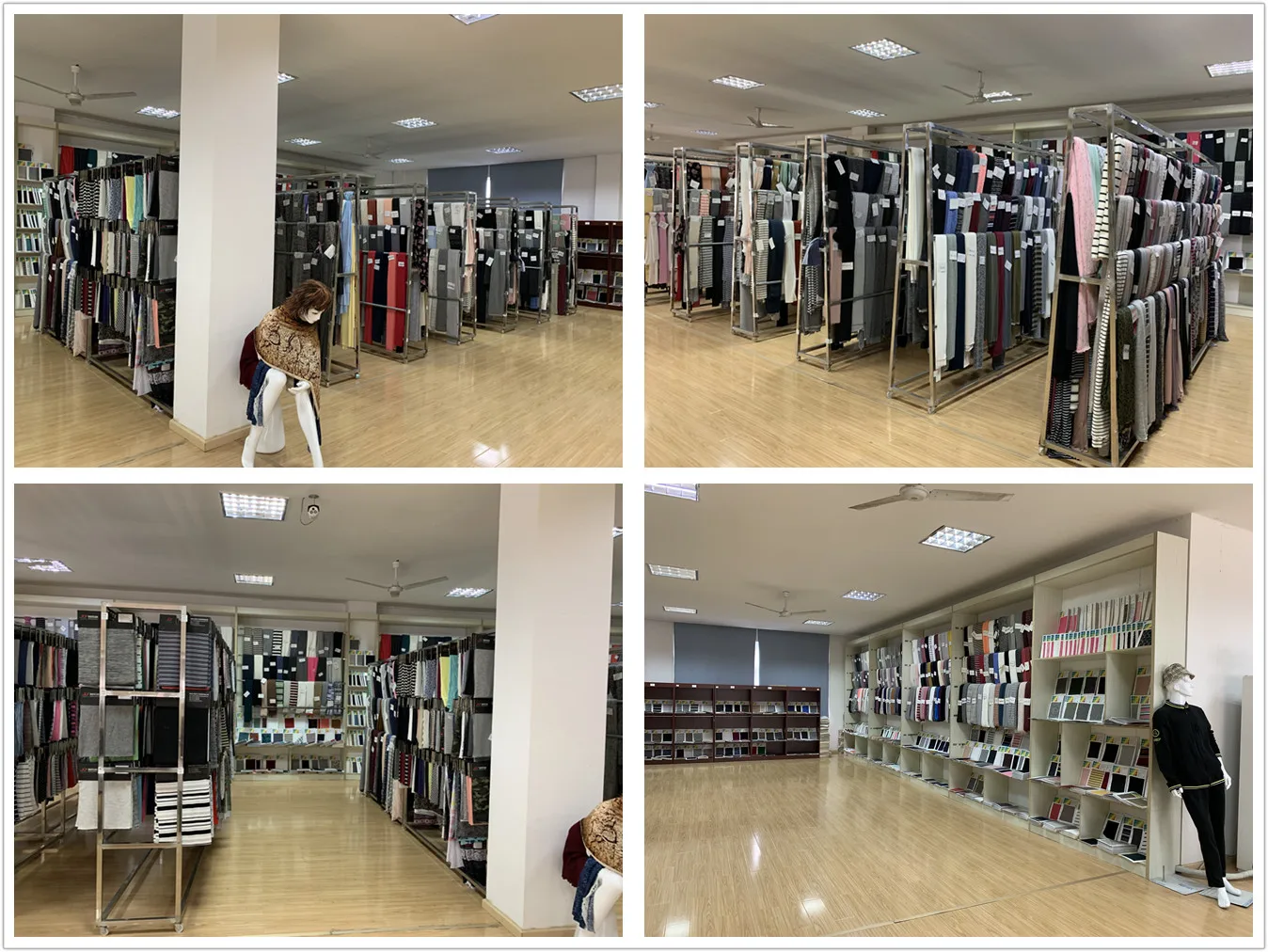
Ningbo Wokailian Textile Co., Ltd.
- Manufacturer
- Zhejiang, China
- Lead time0 days
- Avg. response≤ 4h
Main productsfrench terry fabric,jacquard fabric,Jersey fabric,Pique fabric,Fleece fabric
Main marketsDomestic Market(35.00%), Southeast Asia(30.00%), Africa(10.00%), Eastern Europe(8.00%), Mid East(5.00%), South America(5.00%), Eastern Asia(3.00%), North America(2.00%), Central America(2.00%)

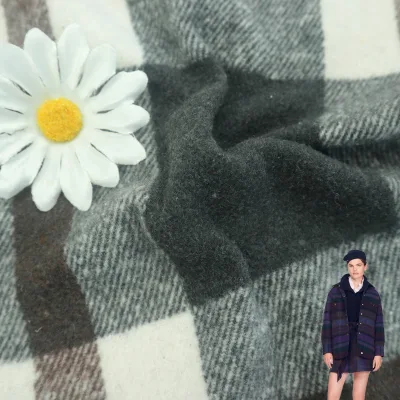
Factories Fabric Tweed Women Tweed Wool Poly Mix Grey Tweed Fabric Plaid Fabric for Clothing
$3.50 - $6.00
MOQ: 500 meters
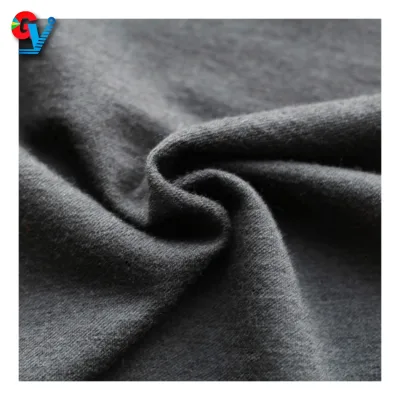
Merino Wool Spandex Fabric White Polyester Cotton Fabric Rolls Wool Tweed Fabric
$5.00 - $15.00
MOQ: 500


E-MULT TEXTILE TECHNOLOGY CO.,LTD.
- Trading Company,Manufacturer/Factory
- China Jiangsu
- Lead time23 days
- Avg. response≤ 3h
Main productsKnitted Fabric, Woven Fabric, Garment Accessories, Various Yarn Threads, Disposable Sanitary Products, Wool /Plush Fabric, Lace Fabric / Sequined Embroidered Fabric, Satin Fabric /Silk Fabric, Curtain Fabric
Main marketsSouth America,Eastern Europe,Mid East,North America,Southeast Asia,Eastern Asia,Oceania,Western Europe,Africa


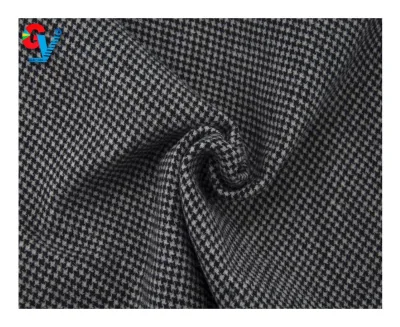
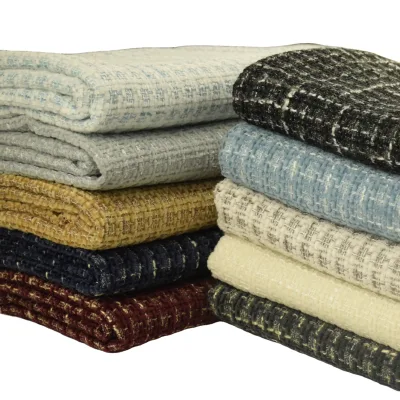
60%Wool 40%Polyester Blended Single-Sided Smooth Wool Fabric for Coats
$11.45 - $13.16
MOQ: 1000 Meters


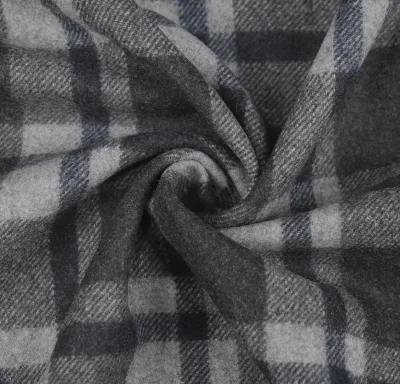
50%Wool Weaving Christmas Style of Wool Checks Tweed Fabric for Fashion Jacket
$11.05
MOQ: 1000 Meters

Hebei Changjin Textile Co., Ltd.
- Verified by BV
- Trading Company
- China Hebei
- Lead time30 days
- Avg. response≤ 1h
Main productsUniform Fabric, Flannel Fabric, Pocketing Fabric, Yarn Dyed Fabric, Shirting Fabric, Cotton Spandex Fabric, Poly Rayon Fabric
Main marketsSouth America


$0.88 - $1.05
MOQ: 2000 Meters

Men′ S Poly Wool Worsted Wool Blend Solid Premium Quality Suiting Fabric
$4.50 - $17.10
MOQ: 3000 Meters

$3.50 - $18.50
MOQ: 3000 Meters


Jiangyin Changjing Sun's Woolen Knitting Co., Ltd.
- Verified by BV
- Combined
- China Jiangsu
- Lead time30 days
- Avg. response≤ 4h
Main marketsDomestic

Vintage Speckled Loop Wool Polyester Blended Boucle Woven Fabric for Tweed Garment
$12.80
MOQ: 800 Meters


Ningbo Wokailian Textile Co., Ltd.
- Verified by BV
- Combined
- China Zhejiang
- Lead time30 days
- Avg. response≤ 5h
Main productsFunctional Fabric, Jacquard Fabric, Hacci Fabric, Scuba Fabric, Pique Fabric, Terry&Fleece Fabric, Jersey Fabric, Interlock Fabric, Tweed Fabric, Rib Fabric
Main marketsSouth America,Africa,Southeast Asia/ Mideast,East Asia(Japan/ South Korea),Europe,Australia,North America


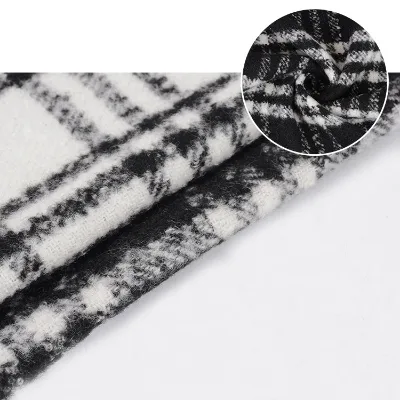
Hot Sale Polyester Acrylic Plaid Fabrics Tweed Double Face Wool Check Fabric
$2.50 - $5.50
MOQ: 100 Meters

$3.50 - $7.50
MOQ: 100 Meters

Wool Fabric Manufacturer Direct Supply Wool/Polyester Melton Woolen Blended Fabric
$3.50 - $7.50
MOQ: 100 Meters


Shaoxing Yewang Textile Co., Ltd.
- Trading Company
- China Zhejiang
- Lead time15 days
- Avg. response≤ 12h
Main productsRayon Print&Dye Fabric, Cotton Print&Dyed Fabric, Polyester Print and Dyed Fabric, Digital Printing Fabric, Nida Fabric and Abaya Fabric, Garment Fabric and Knitted Fabric, Linen Fabric and Hawaii Design Fabric, Velvet Fabric and Cey Fabric, Flano Fabric and Denim Fabric, Woven Fabric
Main marketsOthers(foreignTradeCapacity.exportBusinessCapacityMarketOther),Southeast Asia/ Mideast,East Asia(Japan/ South Korea)

Fashion Small Fresh Color Plaid Tweed Wool Polyester Fabric Woolen Tweed Fabric Autumn Winter
$9.80 - $10.00
MOQ: 1000 Meters


Hot Sale Tweed Wool Fabric Woven Suit Women Brushed Polyester Fleece Fabric Woven
$2.45 - $2.50
MOQ: 1000 Meters

China Manufacturer Wholesale Wool Tweed Polyester Fabric for Female Overcoat Garment
$2.10 - $2.30
MOQ: 1000 Meters


High Quality Fashion Check Polyester Woolen Tweed Fabric for Winter Women Coat
$4.65 - $4.75
MOQ: 1000 Meters
Shaoxing Keqiao East Silk Import & Export Co., Ltd.
- Verified by SGS Group
- Manufacturer, Trading Company
- Lead time20 days
- Avg. response≤ 5h
Main productsCoat Fabric, Sweater Fabric, Pajamas Fabric, Suit & Hoodie & Pants Fabric, Shirt & Dresses Fabric
Main marketsWestern Europe(55%), South America(35%), Mid East(4%)

Zhejiang Hongli Group Co., Ltd.
- Verified by TUVRHEINLAND
- Combined
- China Zhejiang
- Lead time30 days
- Avg. response≤ 6h
Main productsFabric Dyeing, Nylon 6 Staple Fiber, Nylon Fiber
Main marketsSoutheast Asia/ Mideast,Europe,North America

- Verified by TUVRHEINLAND
- Combined
- China Zhejiang
- Lead time30 days
- Avg. response≤ 8h
Main productsThread, Zipper, Lace, Button, Webbing & Tape, Ribbon, Interlining, Fabric, Tailoring Materials, Hook & Loop
Main marketsSouth America,Africa,Europe,Australia


Polyester Wool Fabric Lace Fabric
MOQ: 300 Yards

Wool Facric Embroidered Lace Fabric
MOQ: 300 Yards

Beijing Fabric Garden Textile Trade Center
- Verified by SGS
- Trading Company
- China Beijing
- Lead time30 days
- Avg. response≤ 21h
Main productsYarn Dye Jacquard Woven Fabric, Bamboo Tencel Modal Fabric, Flame Retardant Nano Functional Fabric, Knit Jersey Fabric, Wool Silk Fabric, Organic Cotton Fabric, Cotton Bamboo Viscose T/R T/C Yarn, Bonded Fabric Para-Aramid, Denim Fabric Modacrylic Yarn, Linen Ramie Hemp Fabric
Main marketsSouth America,Europe,North America


$9.55 - $13.50
MOQ: 2000 Yards

Wujiang First Textile Co., Ltd.
- Verified by CTI
- Combined
- China Jiangsu
- Lead time23 days
- Avg. response≤ 6h
Main productsSilk Pillow Silk Pillowcase Silk Bonnet, Silk Garment Silk Pajama Silk Dress, Silk Eye Mask Silk Mask Silk Sleeping Cap, Silk Scarf Silk Hair Band, Silk Fabric Silk Jacquard Fabric, Silk Knitted Silk Jersey Fabric, Viscose Rayon Fabric, Loycell Acetate Curpro Fabric, Polyester Fabric Recycled Fabric, Velvet Fabric Burnout Velour Fabric
Main marketsSouth America,Africa,Southeast Asia/ Mideast,Domestic,Europe,Australia,North America

Oeko Tex 100 Certificate High Grade Quality Silk Wool Twill Fabric, Silk Wool Mixed Fabric
$10.32 - $16.78
MOQ: 2 Meters


Qingdao Kufeng Industrial Products Co., Ltd
- Verified by SGS
- Trading Company
- China Shandong
- Lead time15 days
- Avg. response≤ 6h
Main marketsAustralia,North America

Hot Sale Comfortable Fabric Combination Tweed Fancy Suiting Women's Casual Suit
$220.00 - $241.00
MOQ: 2 Sets


DEZHOU JUNXIANG TEXTILES CO., LTD.
- Trading Company
- China Shandong
- Lead time15 days
- Avg. response≤ 5h
Main productsUniform Fabric, Pocketing Fabric, Shirt Fabric, Greige Fabric, Polyester Cotton Fabric, Polyester Viscose Fabric, Spandex Fabric, Cotton Fabric, Garment Fabric, Functional Textiles
Main marketsSouth America,Africa,Southeast Asia/ Mideast,East Asia(Japan/ South Korea),Domestic,Europe,Australia,North America

- Trading Company,Manufacturer/Factory
- China Zhejiang
- Lead time23 days
- Avg. response≤ 5h
Main products100% Polyester Fabric, Minimatt, Microfiber, Satin, Bed Sheet, Jacquard Fabric, Poly/Cotton, Polyester Staple Fiber, Towel Fabric, Taffeta
Main marketsSouth America,Eastern Europe,Africa


Comprehensive Sourcing Guide
Wool Poly Mix Tweed Fabric Supplier Concentration and Factory Types
The available data indicates a specific concentration of manufacturing activity within Zhejiang, China, for suppliers offering Wool Poly Mix Tweed Fabric. This region serves as a verified hub where manufacturers produce a diverse range of textile products, including french terry, jacquard, jersey, pique, and fleece fabrics alongside the target tweed materials. When evaluating potential partners, buyers should prioritize facilities explicitly identified as manufacturers rather than trading companies, as the supplier type classification directly impacts production control and cost structures. The presence of multiple product lines within a single facility suggests a robust supply chain capable of handling varied textile requirements, which can be advantageous for buyers seeking consolidated sourcing solutions.
Buyers must verify the specific factory type and location claims before proceeding with any engagement, as background context does not guarantee the current operational status of every listed entity. The evidence confirms that some suppliers operate with a "Make-To-Order" supply type, while others offer "In-Stock Items," indicating a split in production models that affects lead times and inventory availability. It is critical to distinguish between these operational modes, as a manufacturer offering in-stock items may provide faster delivery for standard orders, whereas a make-to-order facility is better suited for custom designs and specific yarn counts. Understanding this distinction helps buyers align their procurement strategy with their immediate timeline needs and customization requirements without relying on unverified assumptions about the supplier's capabilities.
How to Verify Wool Poly Mix Tweed Fabric Suppliers
Verification of supplier credentials requires a meticulous review of product attributes and certification data provided in the search results. Several listings explicitly mention certifications such as SGS and Oeko-Tex Standard 100, which serve as tangible evidence of quality control and safety compliance for the Wool Poly Mix Tweed Fabric. Buyers should request physical copies of these certificates and cross-reference them with the issuing bodies to ensure validity, as the presence of a certification label in a product description does not automatically guarantee current compliance. Additionally, the detailed product attributes, including specific material compositions like 10% wool and 90% OT, or 55% wool and 45% cotton, must be matched against the buyer's technical specifications to confirm the supplier can deliver the exact blend required.
Response time and communication reliability are equally critical factors in the verification process, with some suppliers demonstrating a response time of four hours. This metric offers a preliminary gauge of operational efficiency and customer service readiness, suggesting that the supplier maintains active monitoring of inquiries. However, buyers should not rely solely on this single data point; instead, they should initiate direct communication to test the responsiveness and technical knowledge of the sales team. Asking specific questions about the knitting type, such as weft or knitted variations, and the width specifications, like 150cm or 148cm, will reveal whether the supplier possesses genuine manufacturing expertise or is merely reselling generic information. This interactive verification step ensures that the supplier can accurately address complex technical queries before any commitment is made.
What to Compare Across Wool Poly Mix Tweed Fabric Suppliers
Comparing suppliers requires a structured analysis of key commercial and logistical dimensions, starting with the minimum order quantity (MOQ) and pricing structures. The data reveals a significant variance in MOQs, ranging from as low as one unit to 500 units, which directly influences the feasibility of sourcing for different order volumes. Pricing also fluctuates widely, with minimum prices observed between 1.53 and 5.00, and maximum prices extending up to 15.00 per unit. Buyers must calculate the total landed cost by factoring in these price ranges alongside the MOQ requirements, as a lower unit price might be offset by a high minimum order volume that ties up capital. It is essential to compare these figures across multiple suppliers to identify the most cost-effective option that aligns with the buyer's budget and inventory strategy.
Lead times and supply types provide another critical layer for comparison, with some suppliers offering immediate availability through in-stock items while others operate on a make-to-order basis. The lead time data shows a value of zero for some entries, which may indicate immediate dispatch capability for stock items, whereas make-to-order scenarios inherently require production scheduling. Buyers should also evaluate the response time of four hours mentioned in the results as a benchmark for communication speed, ensuring that the chosen supplier can provide timely updates on production progress. Furthermore, the variety of main products offered, such as the inclusion of fleece and jacquard fabrics, suggests that some manufacturers have broader capabilities that could support future product diversification, adding value beyond the immediate purchase of Wool Poly Mix Tweed Fabric.
Common Wool Poly Mix Tweed Fabric Sourcing Risks
One significant risk in sourcing Wool Poly Mix Tweed Fabric involves the discrepancy between advertised material compositions and actual product delivery. The search results list various compositions, including 10% wool with 90% OT, 5% wool with 95% OT, and 6% wool with 40% poly, creating a complex landscape where buyers must ensure the final product matches their specific blend requirements. Without rigorous pre-shipment testing, there is a risk of receiving fabric with incorrect fiber ratios, which can compromise the quality and performance of the final garments. Buyers should insist on pre-production samples that are tested for fiber content to mitigate this risk, ensuring that the supplier adheres strictly to the agreed-upon specifications before mass production begins.
Another prevalent risk relates to the variability in product attributes such as weight, thickness, and width, which can significantly impact the suitability of the fabric for intended applications. Listings show weights ranging from 300 g/m² to 600 g/m² and thicknesses described as medium, heavy, or very heavy, alongside widths of 150cm and 148cm. If a buyer orders based on a specific weight or thickness without verifying the exact parameters, they may receive fabric that is too light or too heavy for their design, leading to production delays or rejected goods. Additionally, the supply type, whether in-stock or make-to-order, introduces timing risks; make-to-order items may face delays if the supplier lacks the necessary raw materials or production capacity, necessitating clear contractual terms regarding delivery schedules and penalties for non-compliance.
Wool Poly Mix Tweed Fabric Regional Sourcing and Logistics
Sourcing from the identified region of Zhejiang, China, offers logistical advantages due to the concentration of textile manufacturing clusters in this area. The presence of suppliers in locations like Cixi, Zhejiang, suggests a mature ecosystem with established infrastructure for exporting textiles, which can streamline the shipping process. Buyers should leverage this regional concentration to negotiate better freight rates by consolidating orders from multiple suppliers within the same province, reducing overall transportation costs and simplifying logistics management. However, the specific location details must be confirmed for each supplier, as the general regional data does not guarantee that every listed entity is physically located in the same industrial zone, which could affect shipping times and customs clearance procedures.
Logistics planning must also account for the specific packaging and weight characteristics of the Wool Poly Mix Tweed Fabric to ensure efficient transport. Product attributes indicate single package sizes of 155x35x35 cm and single gross weights of 35.000 kg, which are critical factors for calculating shipping volumes and costs. Buyers should verify these dimensions with the supplier to avoid unexpected surcharges or space limitations during transit. Furthermore, the seasonal nature of the product, often listed for autumn and winter seasons, implies that demand may fluctuate, potentially affecting carrier availability and freight rates during peak periods. Proactive planning of logistics schedules, aligned with the supplier's production timeline and the seasonal demand cycle, is essential to prevent delays and ensure timely delivery of the fabric to the manufacturing facility.
Wool Poly Mix Tweed Fabric Commercial Terms and Order Planning
Commercial terms for Wool Poly Mix Tweed Fabric transactions often include specific payment methods such as TT and LC, which buyers must understand and agree upon before finalizing orders. The availability of these payment options indicates a level of financial security and standard practice in the industry, but buyers should carefully review the terms to ensure they align with their company's financial policies and risk tolerance. Additionally, the presence of escrow services, though not explicitly detailed in the product attributes, is a common feature in B2B transactions that can protect both parties by holding funds until the goods are delivered as specified. Buyers should confirm the availability of such protective measures and understand the conditions under which funds are released to ensure a secure transaction process.
Order planning must be meticulously aligned with the supplier's production capabilities and lead times to avoid disruptions in the supply chain. With MOQs ranging from one to 500 units and lead times varying based on the supply type, buyers need to forecast their demand accurately to place orders that maximize efficiency without overstocking. The ability to accept custom designs and customized yarn counts offers flexibility, but it also requires clear communication of specifications to prevent errors. Buyers should establish a detailed timeline that accounts for sample approval, production, and shipping, ensuring that all parties are aware of critical milestones. By integrating these commercial terms and planning considerations, buyers can create a robust procurement strategy that minimizes risks and ensures the timely delivery of high-quality Wool Poly Mix Tweed Fabric.
FAQs
What is the price range for Wool Poly Mix Tweed Fabric?
The price range for this fabric varies between 1.53 and 15.00 per unit depending on the specific product selection. Some listings start as low as 3.50 while others reach up to 6.00 or 15.00. Buyers should verify the exact cost for their required quantity and specific color options before placing an order.
What are the minimum order quantities for these fabrics?
Minimum order quantities differ significantly across available listings. Some suppliers require a minimum of 500 units, while others accept orders starting from just one single item. Buyers must check the specific product page to confirm the exact MOQ applicable to their chosen fabric style and color.
Where are the manufacturers of this fabric located?
Manufacturers of this fabric are located in Zhejiang, China, with specific origins noted in Cixi. All listed products originate from China, ensuring consistent regional sourcing for buyers. This location data helps buyers estimate shipping times and logistics costs when planning their international procurement strategy.
What certifications are available for these wool blend fabrics?
Available certifications include SGS and Oeko-Tex Standard 100 for specific fabric listings. These certifications indicate compliance with safety and quality standards for textile products. Buyers should verify which specific product listings carry these certifications to ensure they meet their regulatory or brand requirements.
What is the typical response time for these suppliers?
The typical response time for these suppliers is recorded as 4 hours. This indicates a relatively quick turnaround for initial inquiries regarding fabric availability and specifications. Buyers can expect timely communication when contacting suppliers for urgent orders or specific customization requests.
What materials are used in these tweed fabric blends?
Materials typically include wool and polyester blends, with compositions ranging from 10% wool to 55% wool. Some fabrics also incorporate cotton or acrylic fibers. Specific compositions like 5% wool and 95% other materials are also available, offering various options for different garment applications.
What are the lead times for these fabric orders?
Lead time data shows a value of 0 for some listings, which may indicate immediate availability or in-stock items. Other products are listed as make-to-order, suggesting longer production times. Buyers should confirm the specific lead time for their selected item to plan their production schedule accurately.