Structural Silicone Sealant for Door and Window Glass Suppliers
Source Structural Silicone Sealant for Door and Window Glass from 25 verified suppliers in China. Compare lead times, MOQs, certifications, and pricing to identify the right manufacturer for your construction needs. Request quotes today; review the available evidence before requesting comparable quotations from suitable candidates.
Updated
Suppliers List

Shandong Junyuan New Materials Co., Ltd.
- Combined
- China Shandong
- Lead time15 days
- Avg. response≤ 23h
Main productsSilicone Oil
Main marketsEurope

Sealing Compound Silicone Sealant for Window and Door Structural Silicone Sealants
$0.50 - $1.30
MOQ: 1000 Pieces

Structural Glass Sealant Waterproof Silicone Sealant for Window and Door
$0.40 - $0.70
MOQ: 1000 Pieces


Weatherproof China Neutral Waterproof Structural Adhesive Silicone Sealant for Glass Window Doors
$0.50 - $0.70
MOQ: 1000 kg
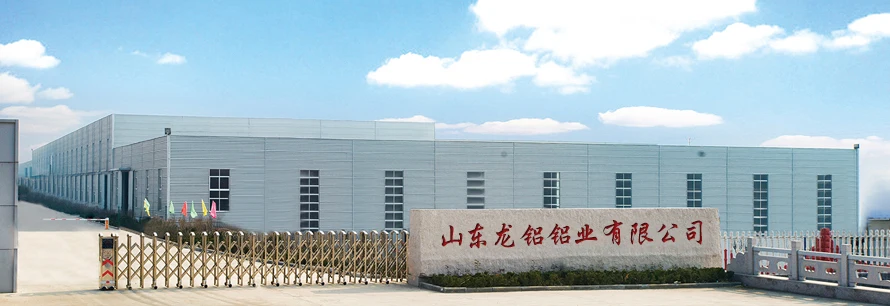
Shandong Loonglu Aluminum Co., Ltd.
- Manufacturer, Trading Company
- Shandong, China
- Lead time10 days
- Avg. response≤ 4h
Main productsAluminum Profiles,Extrusion Profiles,Aluminum Windows and Doors,Partition Wall Profiles,Industry Profiles
Main marketsAfrica(30.00%), South America(20.00%), Eastern Europe(10.00%), Mid East(10.00%), Southeast Asia(10.00%), South Asia(5.00%), Southern Europe(5.00%), Central America(5.00%), Western Europe(5.00%)

Shandong Juhuan New Material Technology Co., Ltd.
- Verified by TUVRHEINLAND
- Combined
- China Shandong
- Lead time15 days
- Avg. response≤ 8h
Main productsPU Foam, Spray Polyurethane Foam, Acetic Silicone Sealant, Neutral Silicone Sealant, Acrylic Sealant, Liquid Nails, Foam Cleaning Agent, Contact Adhesive, Epoxy Resin Ab Glue, Marble Glue
Main marketsSouth America,Africa,Others(foreignTradeCapacity.exportBusinessCapacityMarketOther),Southeast Asia/ Mideast,East Asia(Japan/ South Korea),Europe,North America


High Quality Acetic Silicone Adhesive Sealant for Window and Door Frame
$1.10 - $1.99
MOQ: 4800 Pieces

Shanghai Junbond Building Material Co., Ltd.
- Verified by BV
- Trading Company
- China Shanghai
- Lead time30 days
- Avg. response≤ 8h
Main productsPolyurethane Foam, Silicone Sealant, Structural Adhesive, PU Sealant
Main marketsSouth America,Africa,Southeast Asia/ Mideast,Europe,Australia,North America


$39.00 - $65.00
MOQ: 500 Boxes

General Purpose Silicone Glass Sealant/ Acetic Silicone Sealant for Doors and Windows
$0.68 - $1.20
MOQ: 2400 Pieces

Shandong Lvkang Building Materials Group Co., Ltd
- Verified by Intertek
- Manufacturer, Trading Company
- Lead time5 days
- Avg. response≤ 4h
Main productsSilicone Sealant, Liquid Nail, Spray Glue, Tile Grout, Marble Glue
Main marketsDomestic Market(50%), Southeast Asia(15%), South America(10%)

KAIFENG HITAKOL BUILDING MATERIAL CO., LTD.
- Manufacturer/Factory
- China Henan
- Lead time23 days
- Avg. response≤ 7h
Main productsSilicone Polymers, Ms Polymers, Epoxy Resins, Polydimethylsiloxane (Pdms), Silicone Fluids / Silicone Oils, Silicone Sealant, Acrylic Latex Caulk Sealant, Ms Sealant, Polyurethane Sealant, High Temperature RTV Gasket Maker
Main marketsSouth America,Eastern Europe,Mid East,North America,Southeast Asia,Eastern Asia,Oceania,Western Europe,Africa
Shandong Pinguan New Material Co., Ltd.
- Verified by Intertek
- Manufacturer, Trading Company
- Lead time10 days
- Avg. response≤ 5h
Main productsSilicone Sealant, Liquid Nail, Spray Glue, Tile Grout, Marble Glue

Shanghai Sunway Curtain Material Co., Ltd.
- Trading Company,Manufacturer/Factory
- China Shanghai
- Lead time23 days
- Avg. response≤ 12h
Main productsSilicone Sealant, Silicone Adhesive, Neutral Silicone Sealant, Structural Silicone Sealant, Weatherproof Silicone Sealant, Construction Adhesive, Fireproof Silicone Sealant, Adhesive, Adhesive Glue, Polyurethane Foam
Main marketsSouth America,Eastern Europe,North America,Southeast Asia,Eastern Asia,Western Europe,Africa
LONGKOU CITY TIANYUCHENG PLASTICS CO., LTD
- Verified by SGS Group
- Manufacturer, Trading Company
- Lead time0 days
- Avg. response≤ 4h
Main productsAcrylic Sealant, MS Sealant, Silicone Sealant, Waterproof Coating, Silane Modified Polyether
Main marketsSouth America(25%), Mid East(18%), Southeast Asia(15%)

Foshan Qiaohong New Material Co., Ltd.
- Verified by SGS
- Combined
- China Guangdong
- Lead time15 days
- Avg. response≤ 1h
Main marketsDomestic

Qingdao Topsen Sealant Co., Ltd.
- Verified by BV
- Manufacturer/Factory
- China Shandong
- Lead time15 days
- Avg. response≤ 2h
Main productsSilicone Sealant, Acrylic Sealant, PU Sealant, Ms Sealant, RTV Sealant, PU Foam, Gasket Maker, Fireproof Sealant, High-Temperature Sealant, Facade Sealer
Main marketsSouth America,Eastern Europe,Mid East,Southeast Asia,Eastern Asia,Africa
Linyi Lannaige Trading Co., Ltd.
- Trading Company
- Shandong, China
- Lead time30 days
- Avg. response≤ 6h
Main productsGypsum Board,T-GRID,Gypsum pvc ceiling film,Aluminized PET film,Hot stamping foil
Main marketsNorth America(20.00%), South America(15.00%), Southeast Asia(10.00%), Eastern Europe(10.00%), Domestic Market(9.00%), Africa(5.00%), South Asia(5.00%), Southern Europe(5.00%), Northern Europe(5.00%), Oceania(5.00%), Mid East(4.00%), Eastern Asia(3.00%), Central America(2.00%), Western Europe(2.00%)
Foshan Hanzson Building Materials Co., Ltd.
- Verified by SGS Group
- Manufacturer, Trading Company
- Lead time30 days
- Avg. response≤ 1h
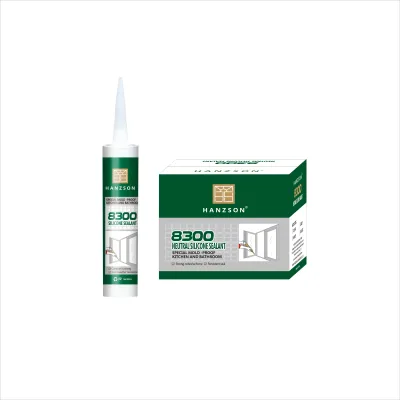
Main productsWindow and Door Roller, Friction Stay, Window and Door Handle, Window Lock, Silicon Sealant
Main marketsSoutheast Asia(37%), Africa(10%), Mid East(10%)
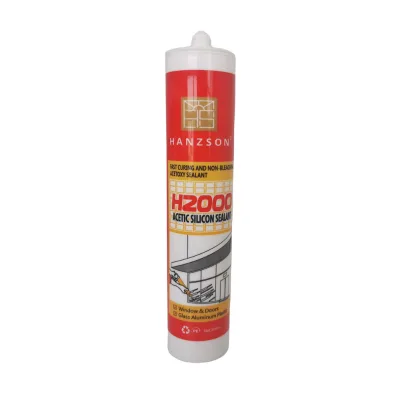
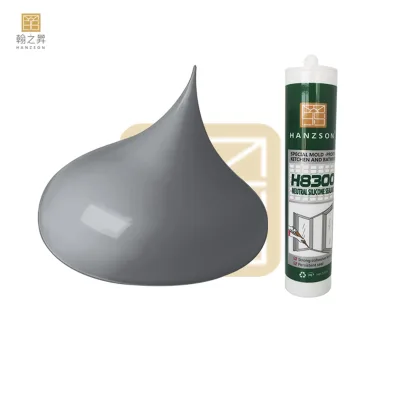
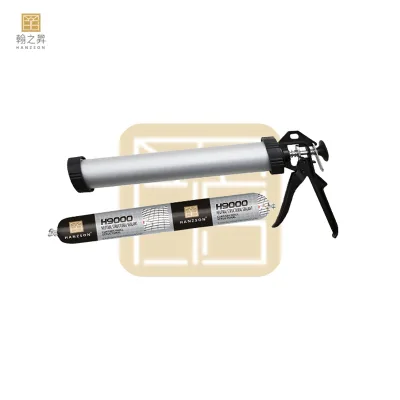
Silicon Sealant for Glass for Aluminum Window Silicone Caulk Glass Adhesive
$1.00 - $4.00
MOQ: 1200 pieces
Foshan Kingdeli Viscose Co., Ltd.
- Verified by SGS Group
- Manufacturer, Trading Company
- Lead time20 days
- Avg. response≤ 2h
Main productsSilicone Sealant, Nail Free Glue, Acrylic Sealant, Epoxy Resin, Ms Sealant
Main marketsSoutheast Asia(39%), South America(25%), Oceania(10%)
Weifang Baolijia New Material Technology Co., Ltd.
- Verified by SGS Group
- Manufacturer, Trading Company
- Lead time10 days
- Avg. response≤ 2h
Main productsSealant
Main marketsMid East(40%), Southeast Asia(20%), South America(15%)
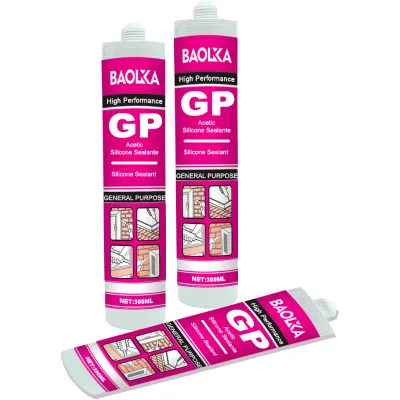
Quick Drying Gp Silicone Sealant Silicone Sealant for windows and Doors
$0.3101 - $0.722
MOQ: 2 Minimum
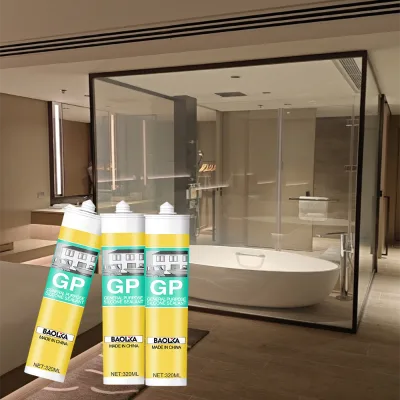
Factory Wholesale Wurth Silicone Sealant Acetic Silicone Sealant for Glass
$0.3101 - $0.722
MOQ: 2 Minimum
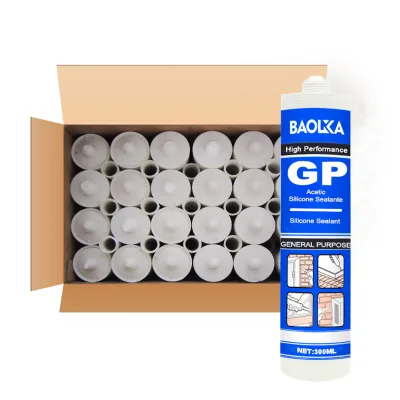
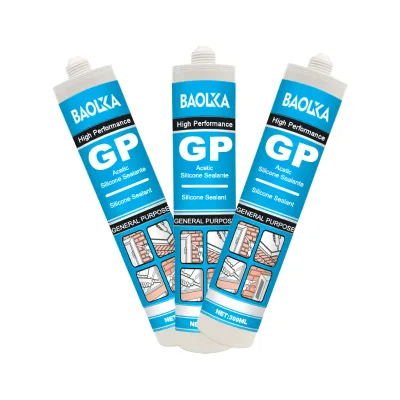
Black 300ml OEM Silicone for Glass windows Acetic Silicone Sealant One Component Acid Glass
$0.30 - $0.70
MOQ: 2400 Minimum
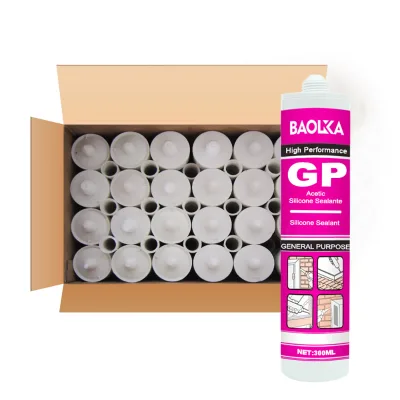
High Elongation Window and Door Assembly Acetic Cure Silicone Sealant
$0.3086 - $0.7205
MOQ: 2 Minimum

Jiangsu Runtai Sealant Industry Co., Ltd
- Verified by BV
- Combined
- China Jiangsu
- Lead time30 days
- Avg. response≤ 3h
Main productsSilicone Sealant, Glass Sealant, Sealant Manufacturers, Building Sealant
Main marketsSouth America,Southeast Asia/ Mideast,Domestic,Europe,North America

Neutral Silicone Adhesive Sealant Waterproof Type for Door and Window Sealing
$0.38 - $0.88
MOQ: 100 Pieces


High Performance Neutral Curing Glass Window Door Applications Weatherproof Silicone Sealant
$0.28 - $0.58
MOQ: 1000 Pieces
Shandong Asianray Technology Co., Ltd.
- Verified by SGS Group
- Trading Company
- Lead time10 days
- Avg. response≤ 5h
Main productsSilicone Sealant, MS Sealant, Acrylic Sealant, PU Sealant, PU Foam
Main marketsSouth America(50%), Mid East(30%), North America(10%)
Shanghai Siway Curtain Material Co., Ltd.
- Verified by TüVRheinland
- Trading Company
- Lead time30 days
- Avg. response≤ 3h
Main productsSilicone Sealant, Polyurethane Sealant, Acrylic Sealant, MS Sealant, PU Foam
Main marketsSoutheast Asia(24%), North America(16%), South America(10%)

Renqiu Lansen Sealant Co., Ltd.
- Manufacturer, Trading Company
- Hebei, China
- Lead time15 days
- Avg. response≤ 2h
Main productspolyurethane foam spray,pu foam spray,expanding foam,spray foam insulation,foam sealant
Main marketsNorthern Europe(30.00%), Mid East(30.00%), Eastern Europe(20.00%), Africa(10.00%), South America(10.00%)
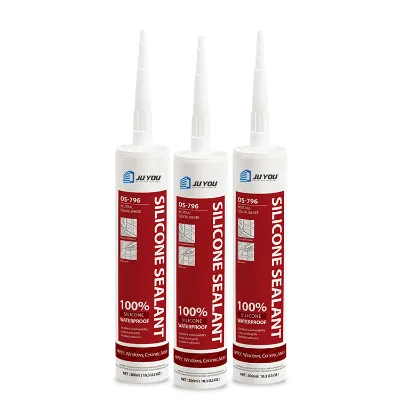
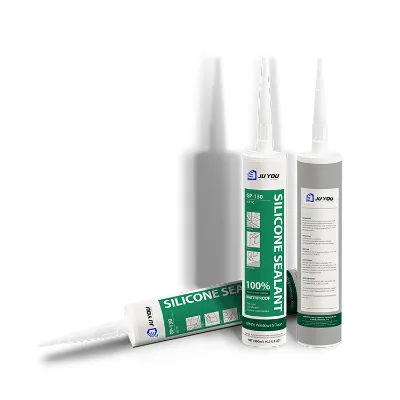
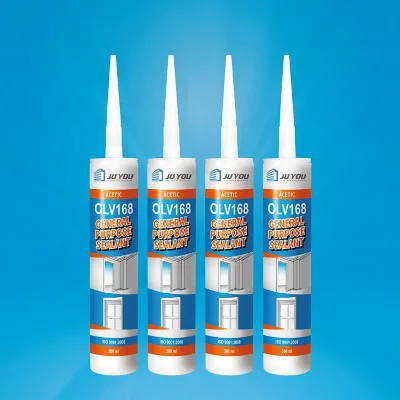
100% Silicone Window & Door sealants create weatherproof exterior seals t
$0.80 - $1.50
MOQ: 20 pieces
- Verified by SGS Group
- Trading Company
- Lead time10 days
- Avg. response≤ 2h
Main productsAutomotive Sealant, Construction Sealant
Main marketsNorth America(30%), South America(20%), Eastern Europe(10%)
Guangdong Oasis Chemical Co., Ltd.
- Verified by SGS Group
- Manufacturer, Trading Company
- Lead time30 days
- Avg. response≤ 1h
Main productsContact Adhesive, Spray Adhesive, Silicone Sealant, Nail Free Adhesive, White Emulsion Glue
Main marketsDomestic Market(38%), Mid East(30%), Africa(7%)
Foshan Kater Adhesives Industrial Co., Ltd.
- Verified by TüVRheinland
- Manufacturer, Trading Company
- Lead time20 days
- Avg. response≤ 6h
Main productsAcetoxy Silicone Sealant, Neutral Silicone Sealant, MS Polymer Sealant, Firestop Sealants, Acrylic Sealant
Main marketsDomestic Market(70%), South America(7%), Mid East(5%)
Shandong Guanghan Import And Export Co., Ltd.
- Verified by SGS Group
- Manufacturer, Trading Company
- Lead time20 days
- Avg. response≤ 6h
Main productsWhite Latex, Wood Veneer Adhesive, Solid Wood Assembly Adhesive, Silicone Sealant, Spray Paint
Main marketsNorth America(30%), Africa(30%), South America(20%)
Guangdong Olivia Chemical Industry Co., Ltd.
- Verified by Intertek
- Manufacturer, Trading Company
- Lead time10 days
- Avg. response≤ 5h
Main productsSilicone Sealant
Main marketsMid East(25%), Southeast Asia(20%), Oceania(15%)
Shandong Jiaobao New Material Co., Ltd.
- Verified by SGS Group
- Manufacturer, Trading Company
- Lead time7 days
- Avg. response≤ 5h
Main productsSilicone Sealant, PU Sealant, MS sealant, Acrylic sealant, PU foam







Comprehensive Sourcing Guide
Structural Silicone Sealant for Door and Window Glass Supplier Concentration and Factory Types
The current supplier landscape for structural silicone sealants reveals a distinct concentration in China, specifically within the Shandong province. This regional clustering suggests a mature industrial ecosystem where raw material availability and specialized manufacturing infrastructure converge to support high-volume production. Buyers evaluating this market should note that the primary product focus for many entities in this region extends beyond simple sealants to include broader chemical categories such as silicone oil. This indicates that suppliers often possess deep expertise in silicone chemistry, which is critical for producing high-performance structural adhesives that require precise chemical stability and long-term durability. The presence of multiple factories within this cluster implies that competition is driven by both price and technical capability, allowing buyers to find partners who can scale production without compromising on the complex formulation requirements of structural applications.
Company types in this sector vary significantly, ranging from pure manufacturers to combined entities that operate as both manufacturers and trading companies. This distinction is vital for procurement strategy, as combined companies may offer broader product portfolios, including aluminum profiles and extrusion profiles, which can simplify supply chain management for large construction projects. Pure manufacturers might provide more direct control over production quality and customization, while trading companies may offer greater flexibility in order sizes and logistics coordination. The data indicates that many suppliers offer both OEM and ODM services, suggesting a high degree of adaptability to specific buyer requirements. This flexibility allows buyers to source custom-formulated sealants that meet unique project specifications, such as specific curing times or color matching, while still benefiting from the economies of scale associated with established manufacturing bases.
How to Verify Structural Silicone Sealant for Door and Window Glass Suppliers
Verification of structural silicone sealant suppliers requires a rigorous examination of their technical capabilities and quality assurance protocols. Buyers should prioritize suppliers who explicitly list relevant certifications such as ISO 9001, ISO 14001, and ISO 50001, as these indicate a standardized approach to quality management, environmental responsibility, and energy efficiency. Additionally, third-party verification from organizations like SGS and TUV provides an independent layer of confidence regarding product performance and safety. It is essential to confirm that these certifications are current and applicable to the specific product lines being sourced, as structural sealants are subject to stringent building codes and safety regulations. Suppliers who can provide detailed test reports for bond strength, weather resistance, and toxicity levels demonstrate a higher level of transparency and technical competence, which is crucial for ensuring the long-term integrity of window and door installations.
Beyond certifications, buyers must assess the supplier's response time and lead time to gauge operational efficiency and reliability. A response time of approximately four hours indicates a highly responsive sales and technical support team, which is valuable for resolving urgent queries or technical issues during the procurement process. Lead times, which can range from ten to fifteen days, should be evaluated in the context of project schedules and inventory requirements. Suppliers with shorter lead times may offer greater flexibility for just-in-time delivery, reducing storage costs and minimizing the risk of material degradation. Buyers should also verify the supplier's production capacity and factory count, as multiple factories can indicate the ability to handle large orders and provide redundancy in case of production disruptions. This comprehensive verification process helps mitigate risks associated with supply chain delays and quality inconsistencies.
What to Compare Across Structural Silicone Sealant for Door and Window Glass Suppliers
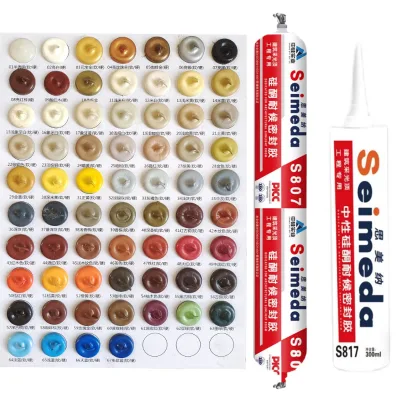
When comparing suppliers, buyers should focus on key operational metrics such as minimum order quantity (MOQ), pricing structures, and customization options. The MOQ for structural silicone sealants can vary, with some suppliers requiring orders of 1000 units or more, which may impact smaller projects or trial orders. Pricing is another critical factor, with ranges often spanning from $0.11 to $1.50 per unit depending on the product type, volume, and specific formulation requirements. Buyers should request detailed quotes that break down costs by product model, packaging, and shipping terms to ensure accurate budgeting. Additionally, the availability of customization services, including OEM branding and custom color matching, should be evaluated against project needs. Suppliers who offer a wide range of colors, such as black, white, grey, and custom options, provide greater versatility for architectural applications where aesthetic consistency is paramount.
Technical specifications and product attributes are equally important in the comparison process. Buyers should examine the sealant's bonding function, composition, and application suitability to ensure it meets the specific demands of window and door glass installations. Structural adhesives must exhibit high bond strength and weatherproof characteristics to withstand environmental stresses over time. The morphology of the sealant, whether it is solvent-based or other types, should be considered in relation to safety and environmental regulations. Furthermore, the shelf life of the product, which can range from three to twenty years, is a significant factor in inventory management and waste reduction. Suppliers who provide clear information on these technical details, including CAS numbers and EINECS numbers, demonstrate a commitment to transparency and regulatory compliance, facilitating easier approval processes for international projects.
Common Structural Silicone Sealant for Door and Window Glass Sourcing Risks
One of the primary risks in sourcing structural silicone sealants is the potential for quality inconsistency, particularly when dealing with suppliers who lack robust quality control systems. Buyers must be vigilant about verifying the actual composition of the sealant, as variations in raw materials can significantly impact performance. For instance, the main agent composition should be polydimethylsiloxane, and the presence of impurities can compromise the sealant's durability and adhesion properties. Suppliers who claim their products are free of impurities and non-toxic should be able to provide supporting documentation or test results to substantiate these claims. Additionally, the classification of the sealant, such as room curing or acetoxy, affects its application method and curing time, which can lead to installation errors if not properly understood. Misalignment between product specifications and project requirements can result in costly rework and structural failures.
Another significant risk is the reliability of supply chain logistics and after-sales support. Suppliers with longer lead times or limited production capacity may struggle to meet urgent project deadlines, leading to delays and increased costs. Buyers should assess the supplier's ability to handle large orders and their contingency plans for production disruptions. The location of the supplier, particularly in regions like Shandong, China, can also impact shipping costs and delivery times. Buyers should consider the total landed cost, including freight, insurance, and customs duties, when evaluating supplier quotes. Furthermore, the lack of clear communication channels or slow response times can hinder problem resolution during the procurement process. Establishing a clear communication protocol and verifying the supplier's track record for on-time delivery and customer support is essential to mitigate these logistical risks and ensure a smooth sourcing experience.
Structural Silicone Sealant for Door and Window Glass Regional Sourcing and Logistics
Sourcing structural silicone sealants from regional clusters like Shandong, China, offers distinct logistical advantages and challenges. The concentration of manufacturers in this area facilitates efficient raw material sourcing and production coordination, potentially reducing lead times and costs. However, buyers must carefully plan logistics to manage the transportation of these chemical products, which may be subject to specific handling and storage requirements. The product origin being China implies that international buyers need to navigate export regulations and customs procedures, which can vary by destination country. Understanding the local infrastructure and transportation networks in Shandong is crucial for optimizing shipping routes and minimizing transit times. Buyers should work with suppliers who have experience in international logistics and can provide accurate documentation for customs clearance, ensuring that shipments arrive on time and in compliance with local regulations.
The choice of supplier type also influences logistics strategies. Combined companies that operate as both manufacturers and trading companies may offer more flexible logistics solutions, leveraging their trading expertise to streamline shipping and documentation processes. Pure manufacturers might rely on third-party logistics providers, which can introduce additional variables in terms of cost and reliability. Buyers should evaluate the supplier's packaging options, such as carton packaging, to ensure that products are protected during transit and meet international shipping standards. Additionally, the volume of the order can impact shipping costs, with larger orders potentially benefiting from economies of scale in freight rates. Buyers should negotiate clear Incoterms that define responsibility for shipping costs and risks, ensuring that both parties have a shared understanding of the logistics process. This proactive approach to logistics planning helps mitigate risks associated with delays and damage during transportation.
Structural Silicone Sealant for Door and Window Glass Commercial Terms and Order Planning
Effective order planning for structural silicone sealants requires a thorough understanding of commercial terms and payment structures. Buyers should negotiate clear payment terms that align with their cash flow requirements and risk tolerance, such as using escrow services for initial orders to ensure transaction security. The price range of $0.11 to $1.50 per unit provides flexibility for budgeting, but buyers should seek volume discounts for larger orders to optimize costs. It is essential to clarify any additional costs, such as tooling fees for custom packaging or branding, which can impact the total project budget. Suppliers who offer competitive pricing and transparent cost structures demonstrate a commitment to long-term partnership, facilitating easier financial planning and forecasting for buyers. Understanding the full cost implications, including taxes and duties, is crucial for accurate budgeting and avoiding unexpected expenses.
Order planning should also consider the supplier's production capacity and lead times to ensure timely delivery. Buyers should establish a clear timeline for order placement, production, and shipping, allowing for buffer periods to handle potential delays. The MOQ of 1000 units or more may require buyers to coordinate with other projects or partners to consolidate orders and achieve economies of scale. Additionally, buyers should plan for inventory management, considering the shelf life of the product to minimize waste and ensure that materials are used within their valid period. Suppliers who provide accurate lead times and production schedules enable buyers to align their procurement activities with project milestones, reducing the risk of delays. Establishing a strong relationship with the supplier through regular communication and performance reviews can further enhance order planning efficiency and foster a collaborative partnership focused on mutual success.
FAQs
What is structural silicone sealant used for on door and window glass?
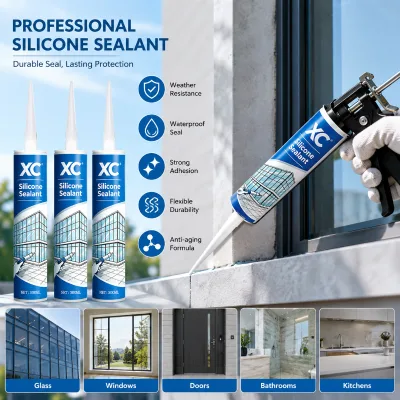
Structural silicone sealant bonds glass to frames and transfers loads in structural glazing, curtain walls, and window assemblies. It also seals joints against water and weather. Choose a product rated for structural bonding rather than general-purpose weather sealing, and confirm compatibility with glass, aluminum, and coated surfaces before applying it in a project.
What is the typical price range for structural silicone sealant in bulk?
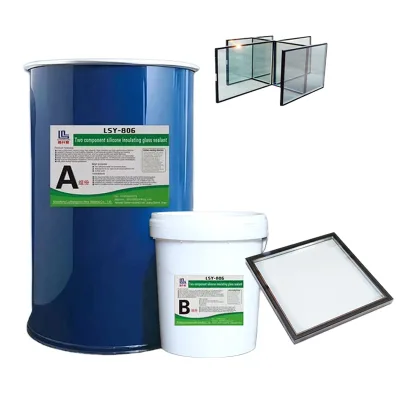
Listed pricing for structural and window glass silicone sealants generally falls between roughly $0.11 and $1.50 per cartridge depending on type, strength, and order volume. Structural adhesives and two-component systems sit at the higher end. Request current quotations with your target cartridge size, color, and annual volume, since bulk pricing varies by specification.
What minimum order quantities do sealant suppliers usually require?
Observed listings for silicone sealants show minimum orders of about 1,000 units. Smaller buyers can sometimes negotiate a trial order at a higher unit price, while container-load buyers receive better rates. Always confirm the MOQ for your specific model, color, and packaging before requesting samples, because MOQs differ across products from the same supplier.
How long is the lead time for silicone sealant orders from China?
Observed lead times for silicone sealant and related suppliers range from about 10 to 15 days after order confirmation. Larger custom or OEM orders may take longer, especially with special colors or private-label packaging. Ask suppliers to confirm production time, sample time, and shipping arrangements together so you can plan your project schedule accurately.
Which certifications should structural silicone sealant carry?
Relevant certifications include ISO 9001 for quality management and ISO 14001 for environmental management, with some listings also citing ISO 50001, SGS, and TUV. For structural glazing, verify test reports for tensile strength and weathering performance. Ask for copies of valid certificates and confirm they apply to the exact sealant model you intend to purchase.
Can suppliers provide OEM or customized sealant packaging and colors?
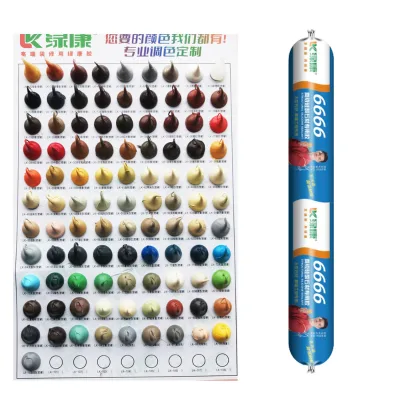
Yes, several observed suppliers offer ODM and OEM capability, including custom colors such as black, white, grey, and other shades, plus private-label packaging. Customization is listed as available on multiple structural sealant products. Provide your brand requirements, cartridge artwork, and color specifications early, and confirm any tooling, labeling, or setup costs before committing to production.
What packaging sizes are common for silicone sealant?
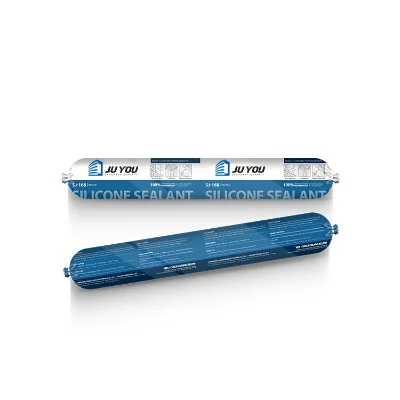
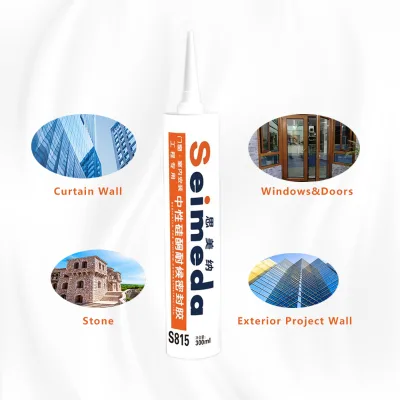
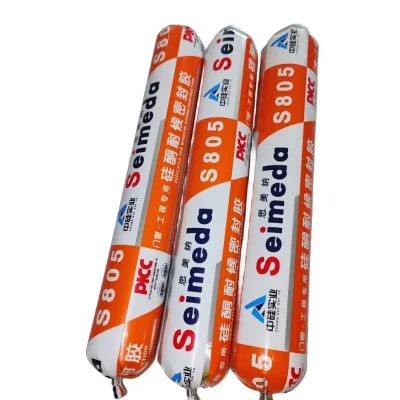
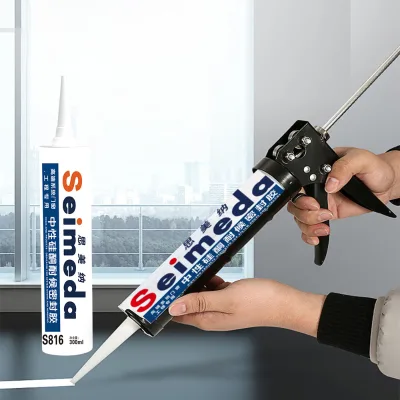
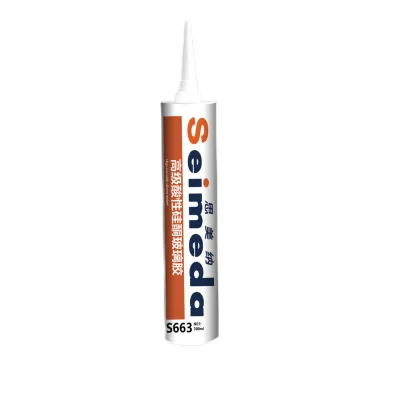
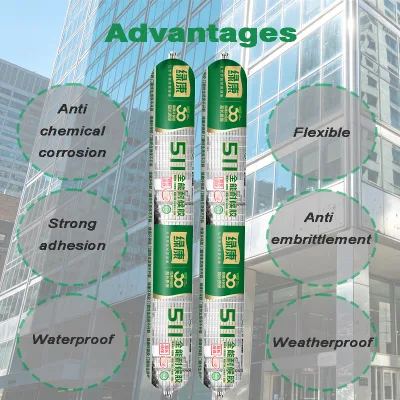
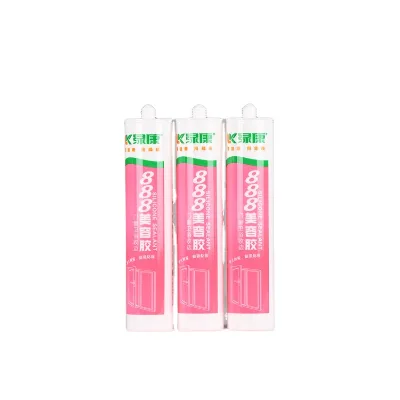
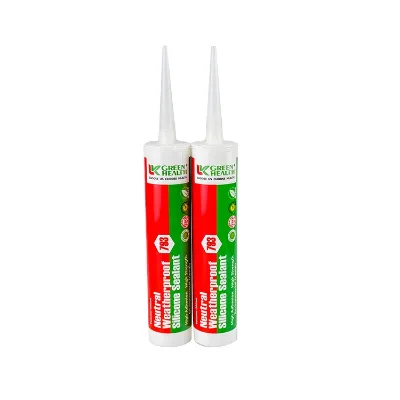
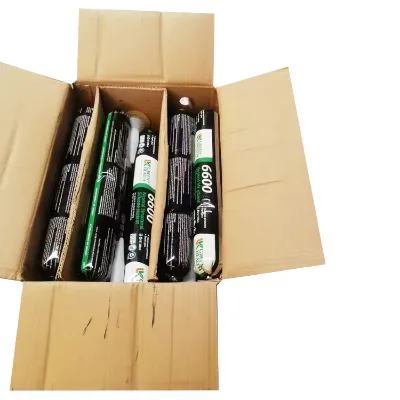
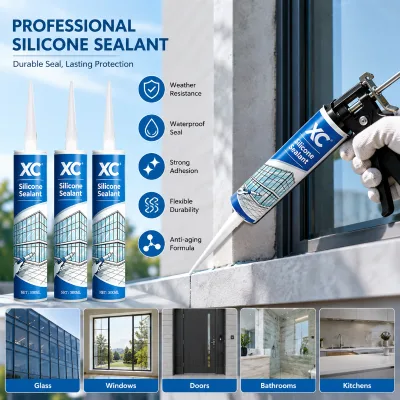
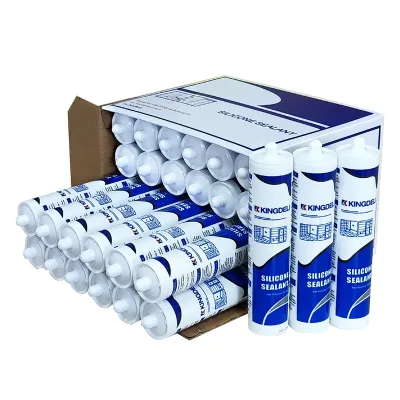
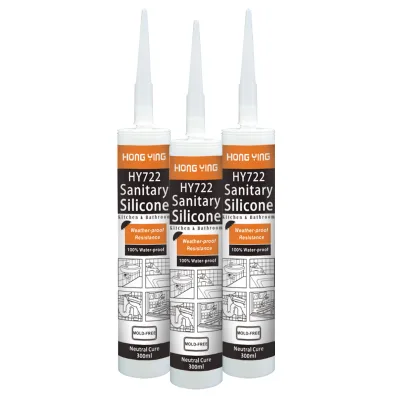
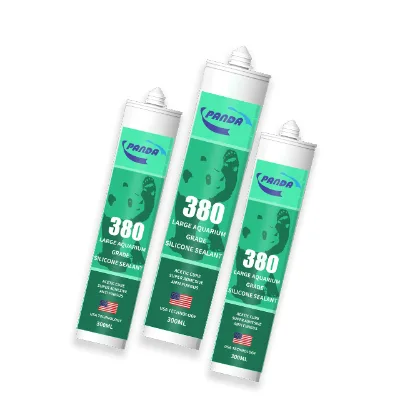
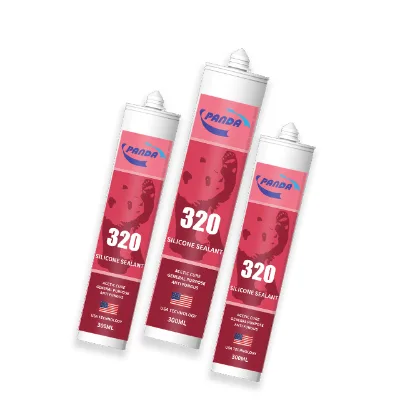
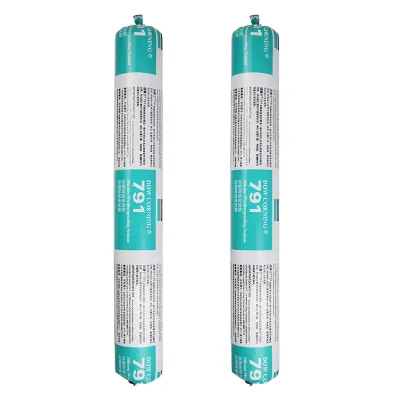
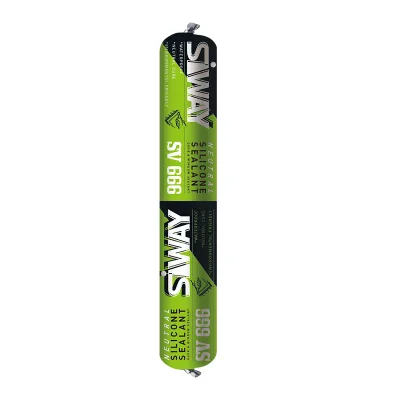
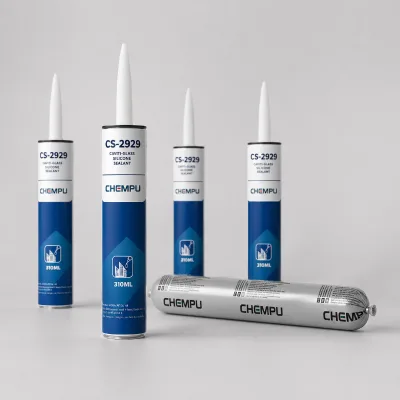
The most common packaging is a 300ml cartridge, with multiple observed structural and window sealant products listed at that standard. Bulk soft-pack sausages are also used for large glazing projects to reduce waste. Confirm cartridge dimensions, shelf life, and carton packing details with the supplier, since shelf life claims can range from a few years to much longer.
Should I choose acetoxy or neutral cure structural silicone sealant?
Neutral cure sealants are preferred for structural glazing because they bond well to glass and aluminum and are less corrosive to coated or reflective surfaces. Acetoxy types cure faster and cost less but release acetic acid, which can affect some metals and substrates. Match the cure type to your substrate, joint design, and structural requirements before ordering.